

Textiles and Apparel
Forklifts in the Textile and Apparel Industry: Applications and Value
The textile and apparel industry is a global, labor-intensive sector with a complex supply chain that spans raw material procurement, fabric production, garment manufacturing, and finished product distribution. Characterized by diverse cargo types (such as yarn rolls, fabric bolts, finished clothing cartons, and accessories), varying storage requirements, and the need for gentle handling of fragile materials, efficient material handling is crucial to streamlining operations and reducing losses. Forklifts, as flexible and efficient material handling equipment, have become a core tool in the textile and apparel industry, tailored to the unique operational characteristics and challenges of this sector.
Special Requirements of the Textile and Apparel Industry for Forklifts
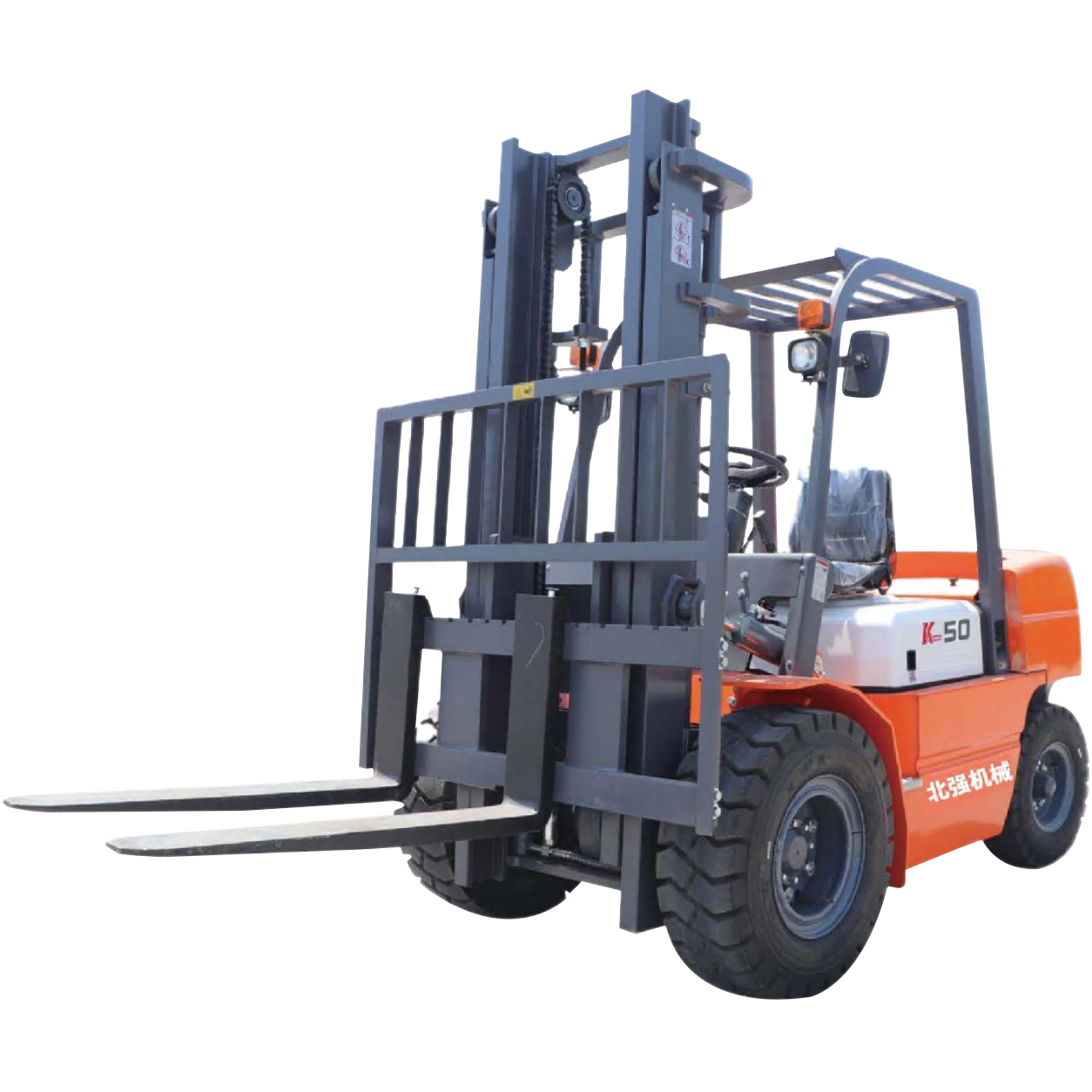
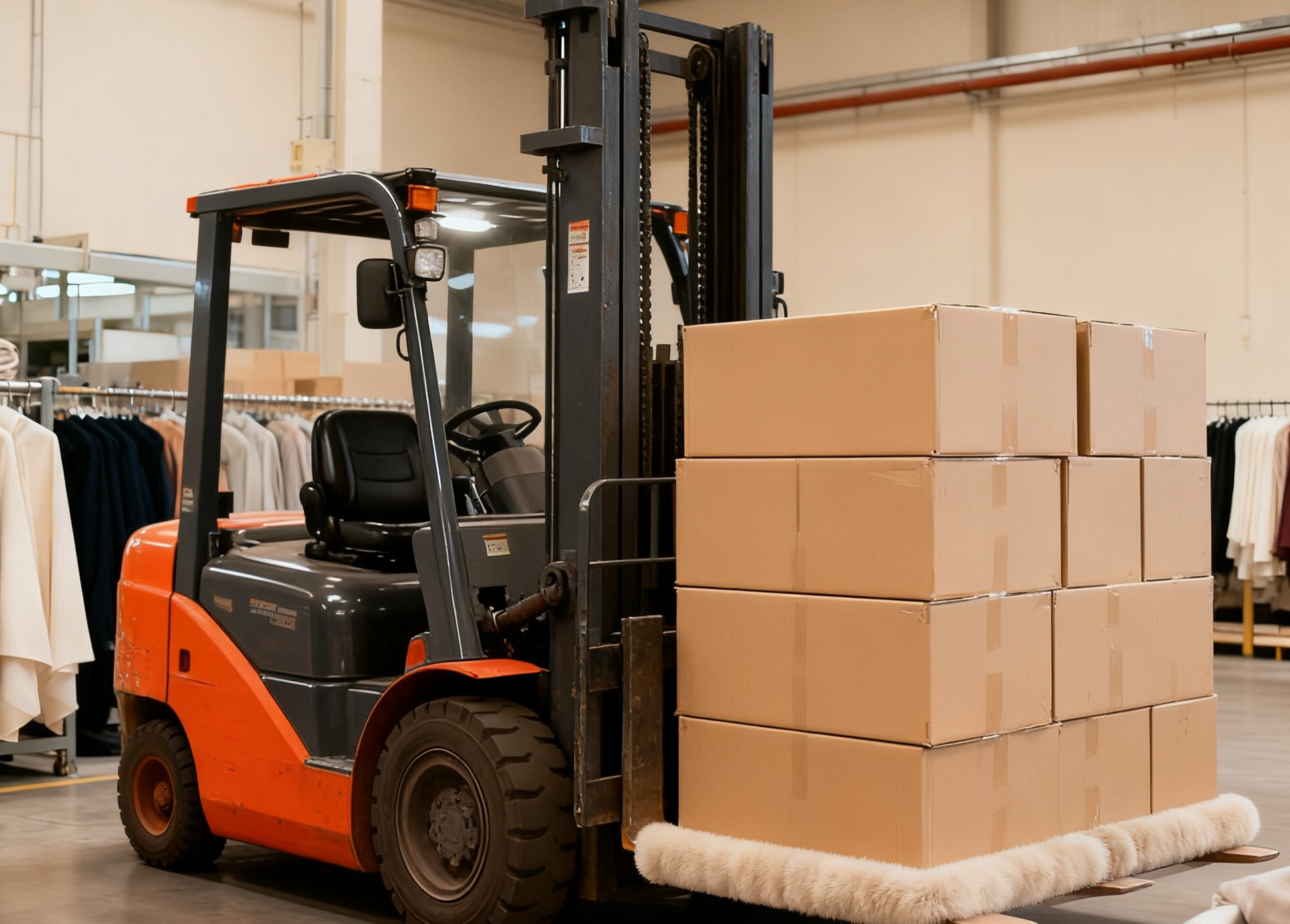
Unlike other manufacturing industries, the textile and apparel sector places distinct demands on forklifts due to the nature of its goods and working environments. Firstly, gentle cargo handling is a top priority. Fabrics, yarns, and finished garments are easily damaged by pressure, scratching, or tearing; thus, forklifts need to be equipped with soft fork protectors, anti-slip padding, and adjustable clamping devices to secure delicate loads without causing damage. Secondly, adaptability to diverse cargo forms is essential. The industry deals with bulky fabric rolls, lightweight garment cartons, and small accessory boxes, so forklifts must accommodate different load sizes and weights, with customizable attachments like roll clamps and carton clamps. Thirdly, hygiene and environmental adaptability matter. Textile mills often have high humidity levels to prevent static electricity and fabric brittleness, requiring forklifts with corrosion-resistant components and sealed electrical systems. Additionally, garment warehouses may feature narrow aisles and high racking systems, demanding forklifts with excellent maneuverability and high-lifting capabilities.
Applications of Different Types of Forklifts in the Industry
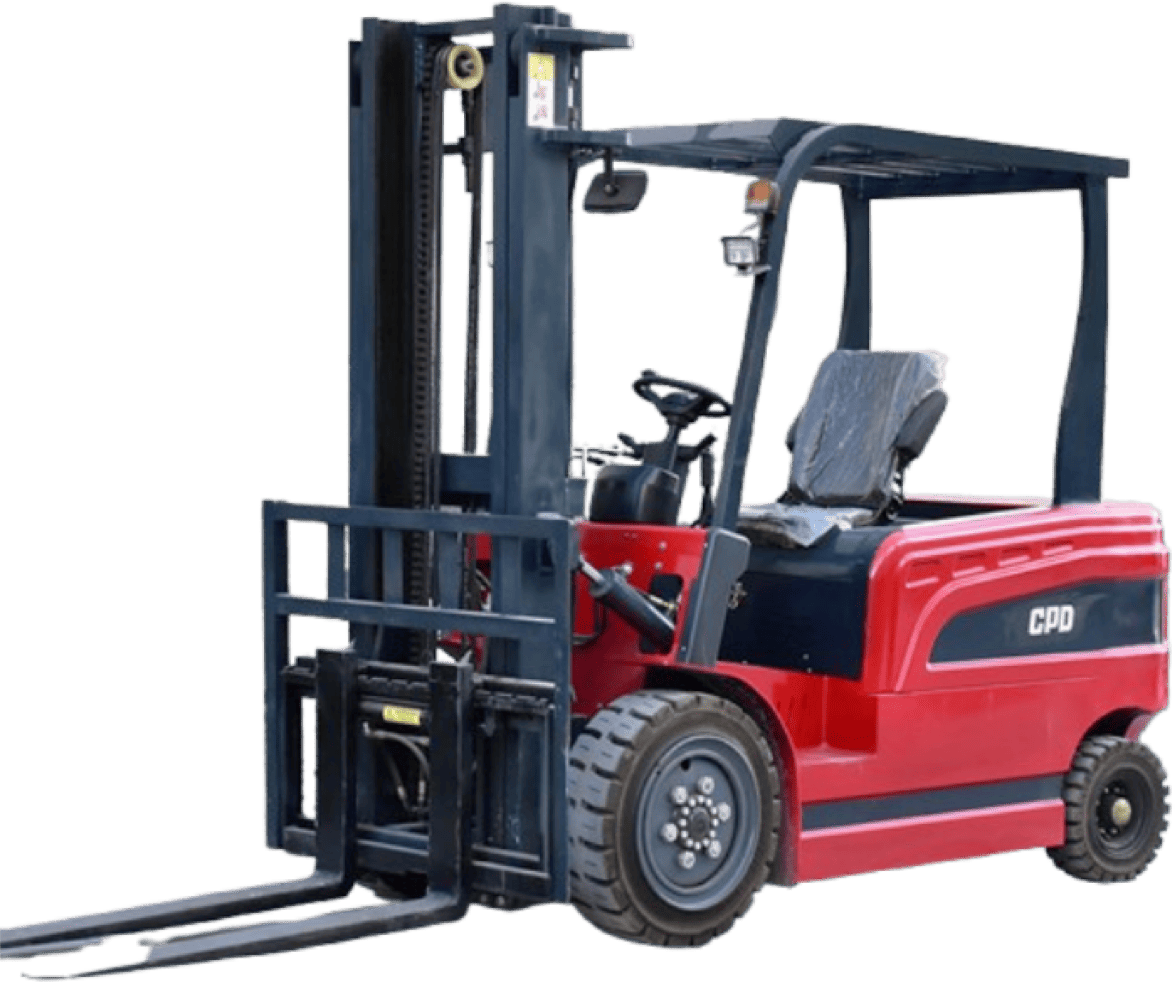
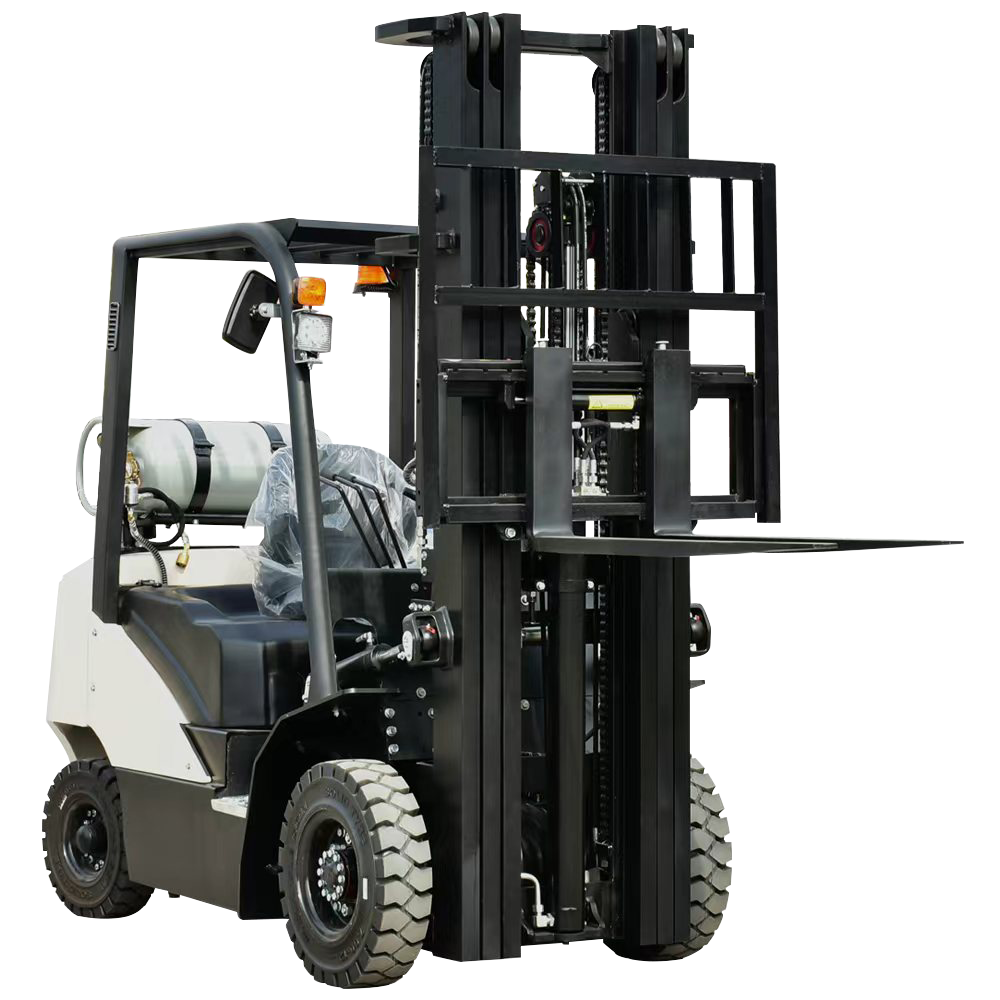
Electric Counterbalance Forklifts
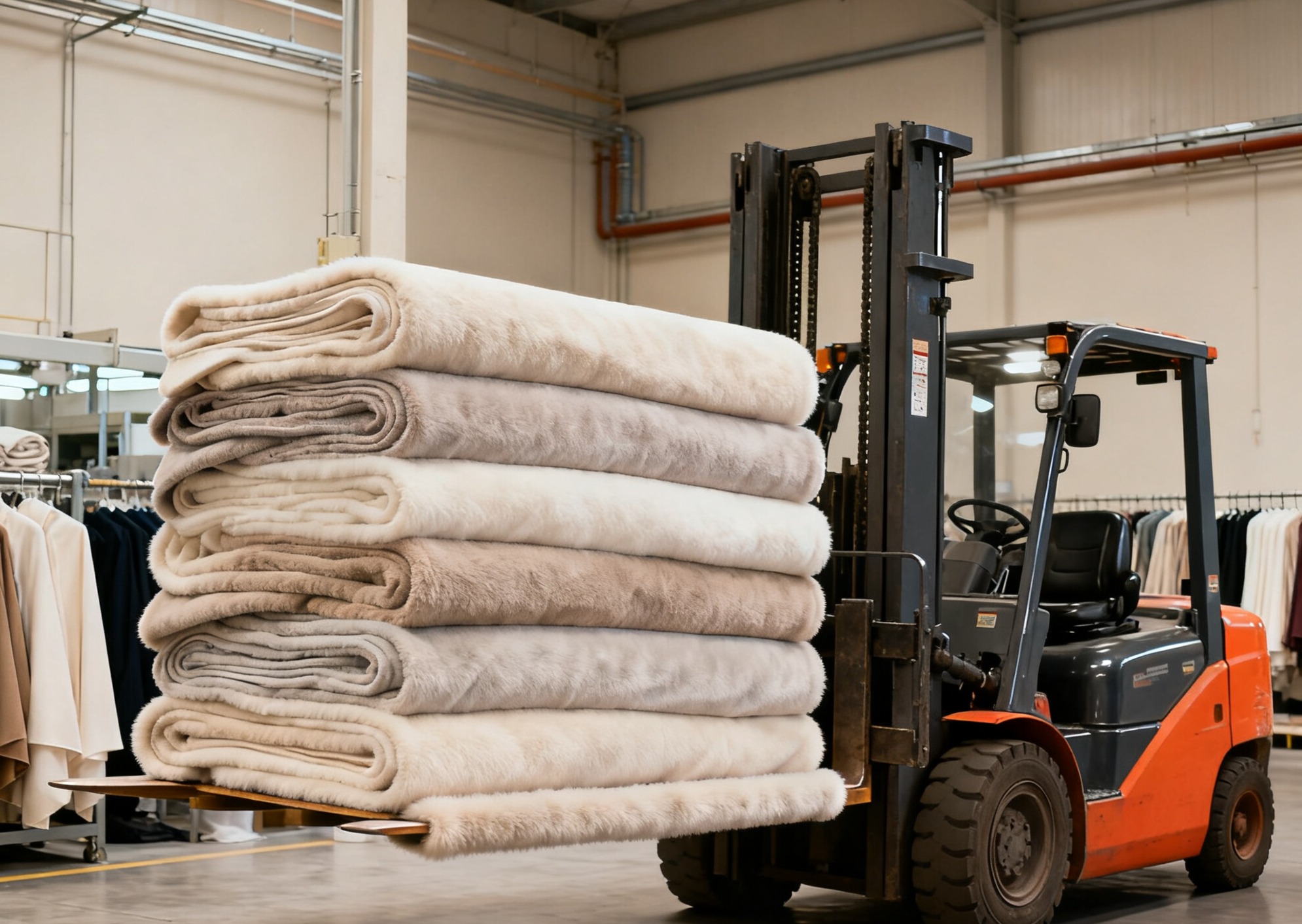
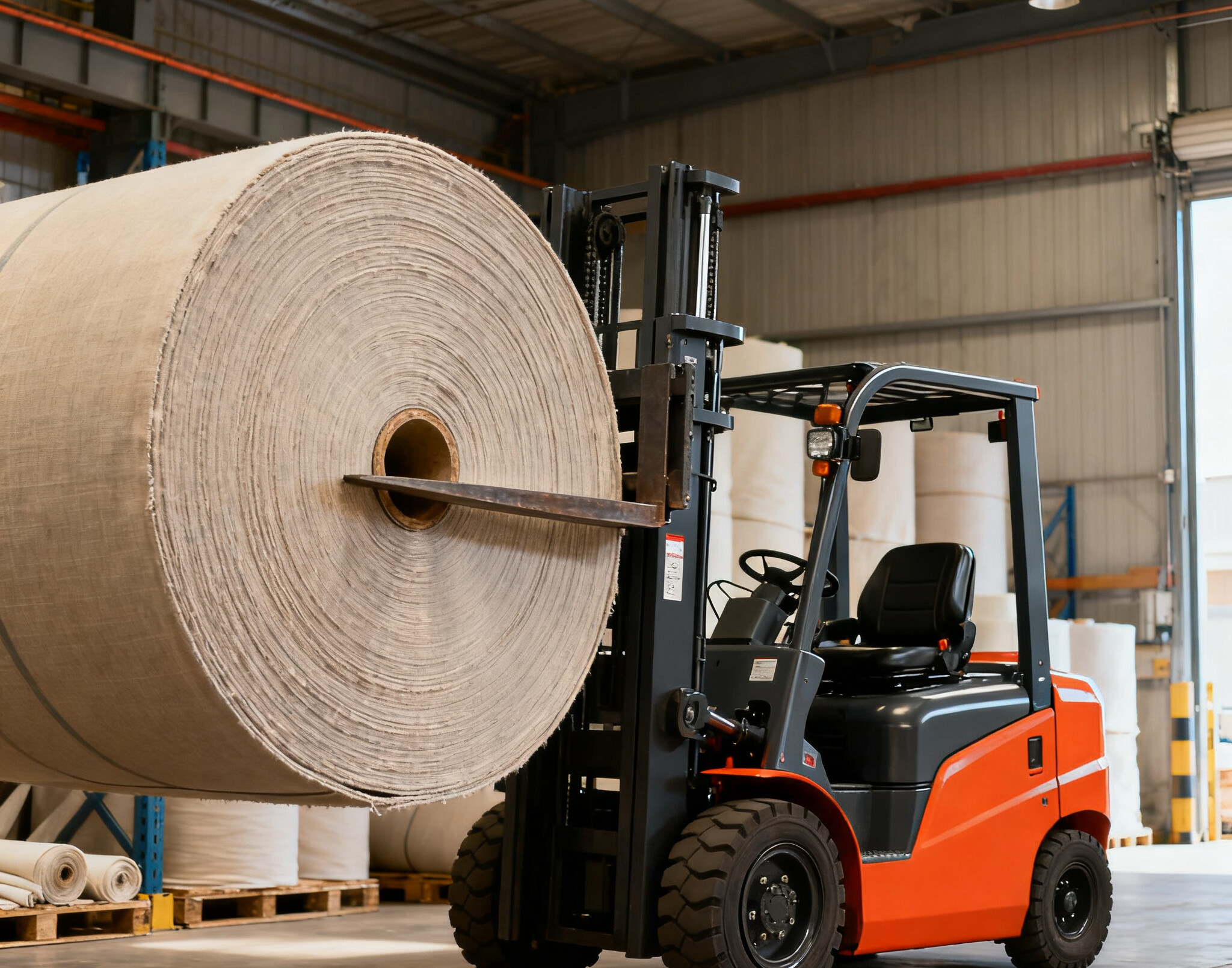
These are the workhorses of the textile and apparel industry, widely used in raw material warehouses and finished product distribution centers. Emission-free and low-noise, they are suitable for indoor operations in textile mills and garment factories. Equipped with roll clamps, they can safely transport heavy fabric rolls (weighing up to 5 tons) from storage areas to production lines. For finished clothing, they handle palletized cartons efficiently, stacking them in mid-rise racking systems. Their stable load-bearing capacity also makes them ideal for loading and unloading large shipments of raw materials and finished goods.
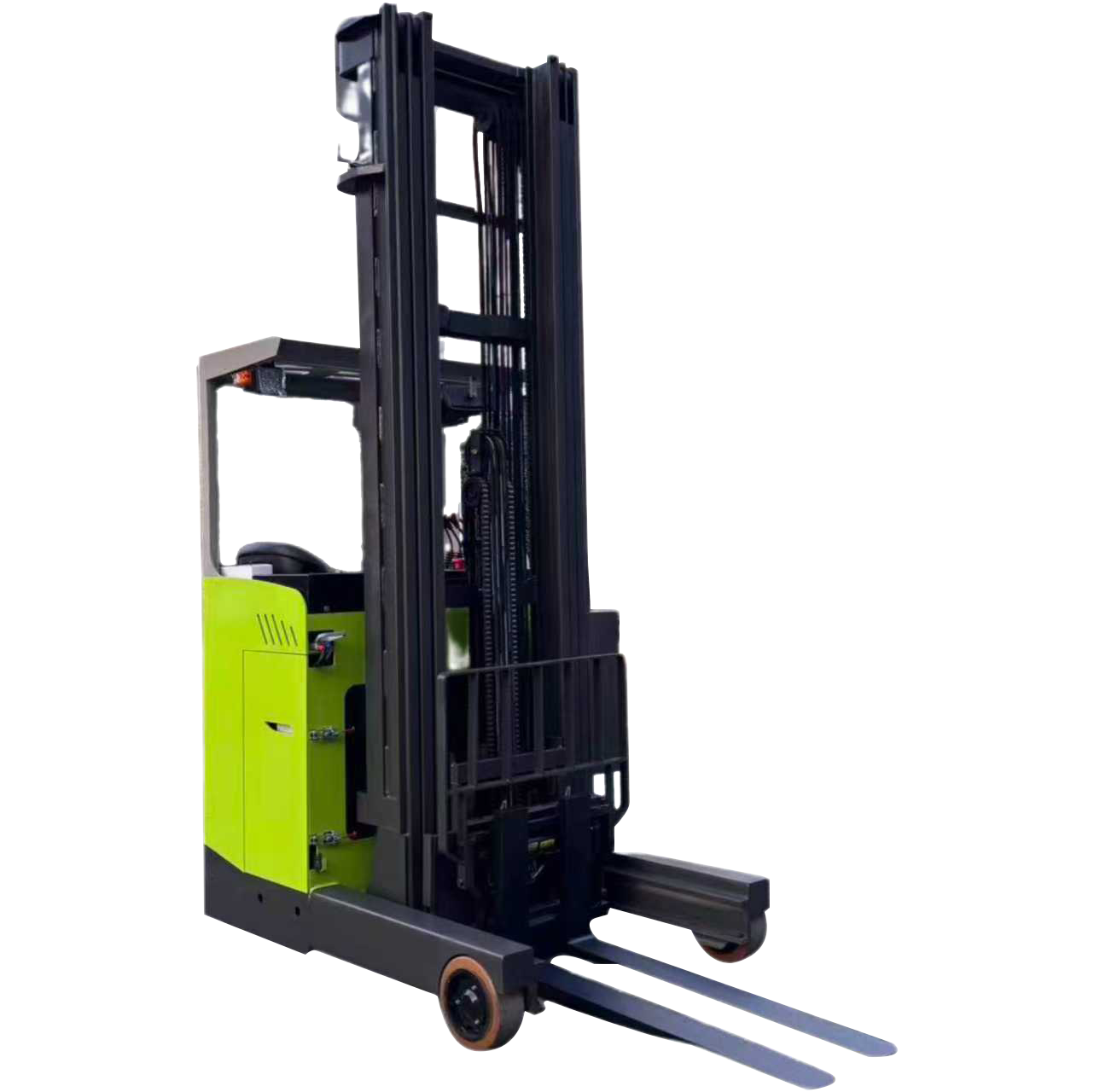
Reach Trucks
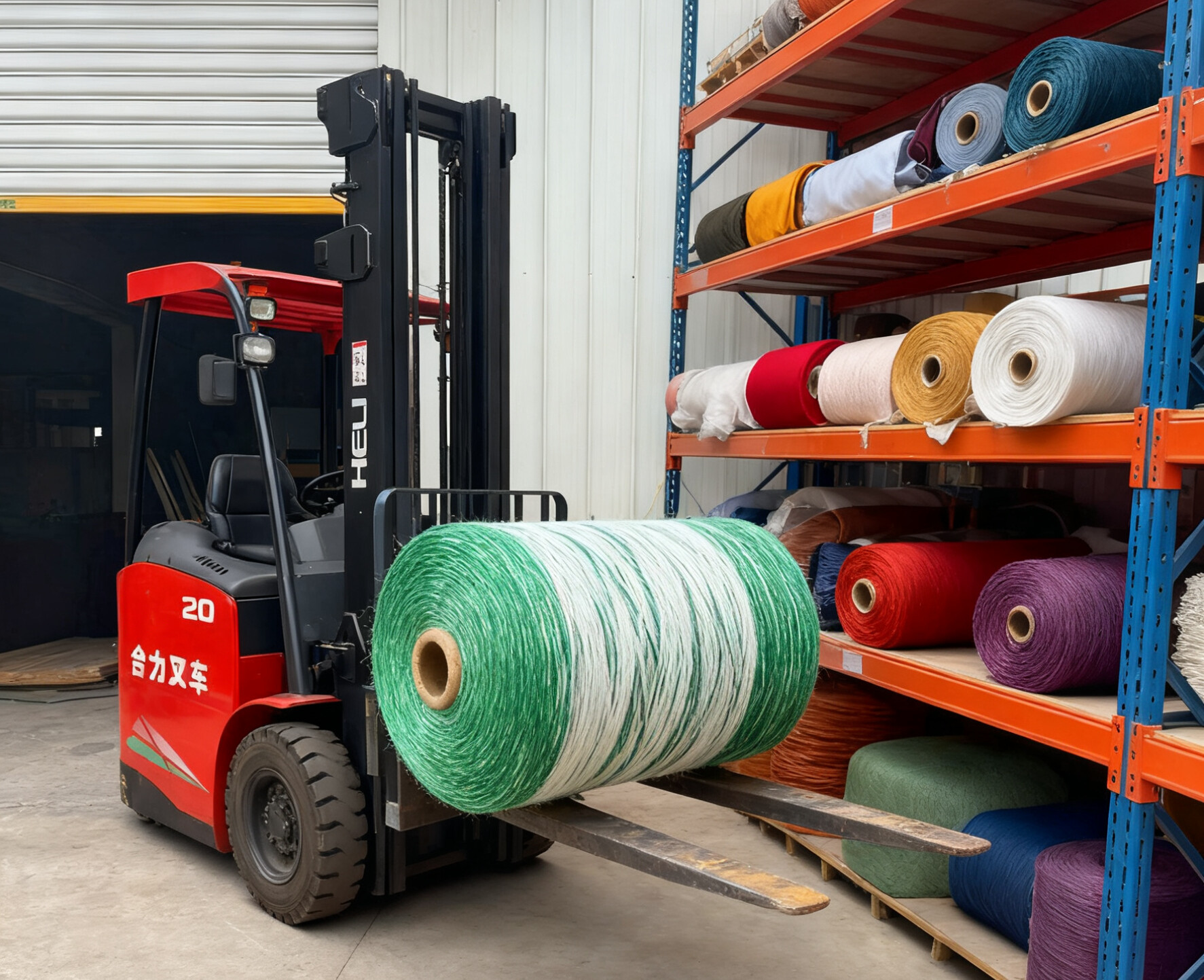
Designed for narrow-aisle and high-racking operations, reach trucks are perfect for maximizing storage space in garment warehouses. With a telescopic mast that extends the forks forward, they can access pallets stored at heights of up to 12 meters, making them ideal for storing seasonal apparel and accessories. In textile distribution centers, they retrieve small-batch yarn spools and fabric samples, supporting the industry’s need for quick order fulfillment and inventory rotation. Their compact design allows them to navigate aisles as narrow as 1.8 meters, significantly increasing storage density compared to traditional forklifts.
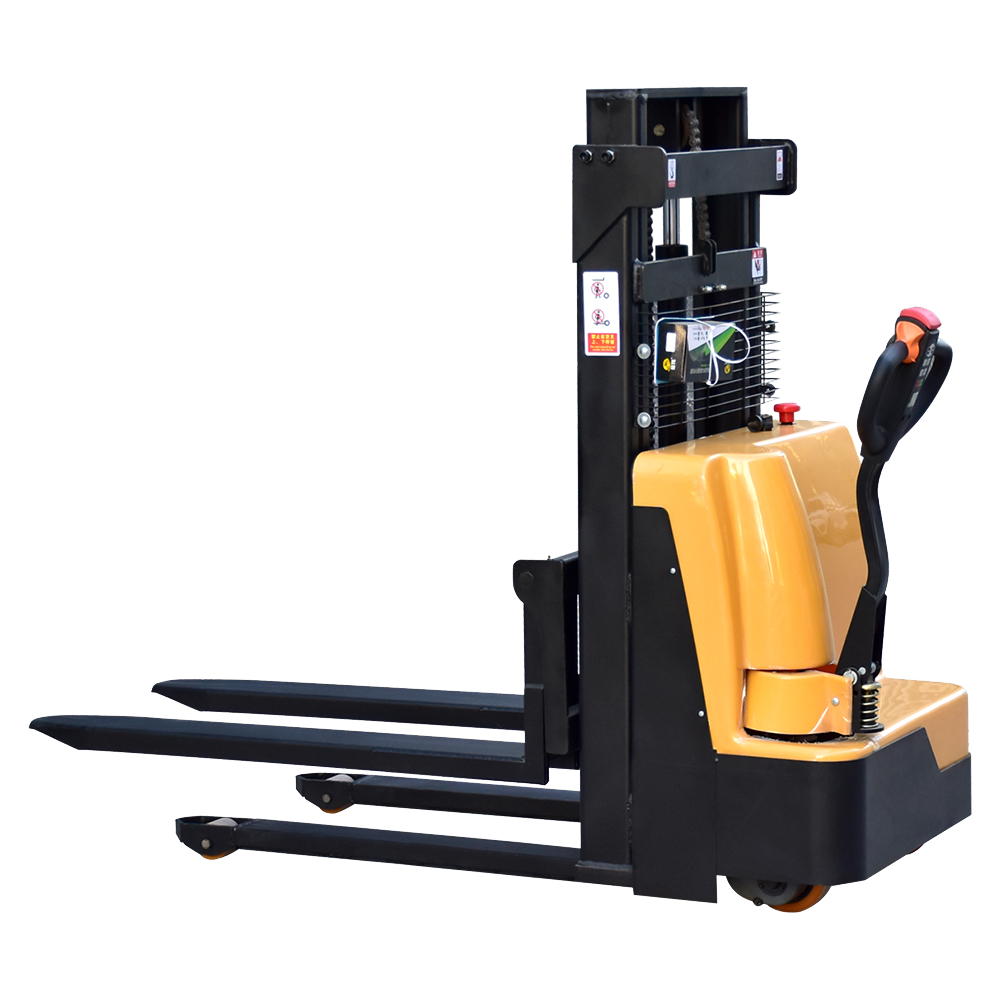
Electric Stackers
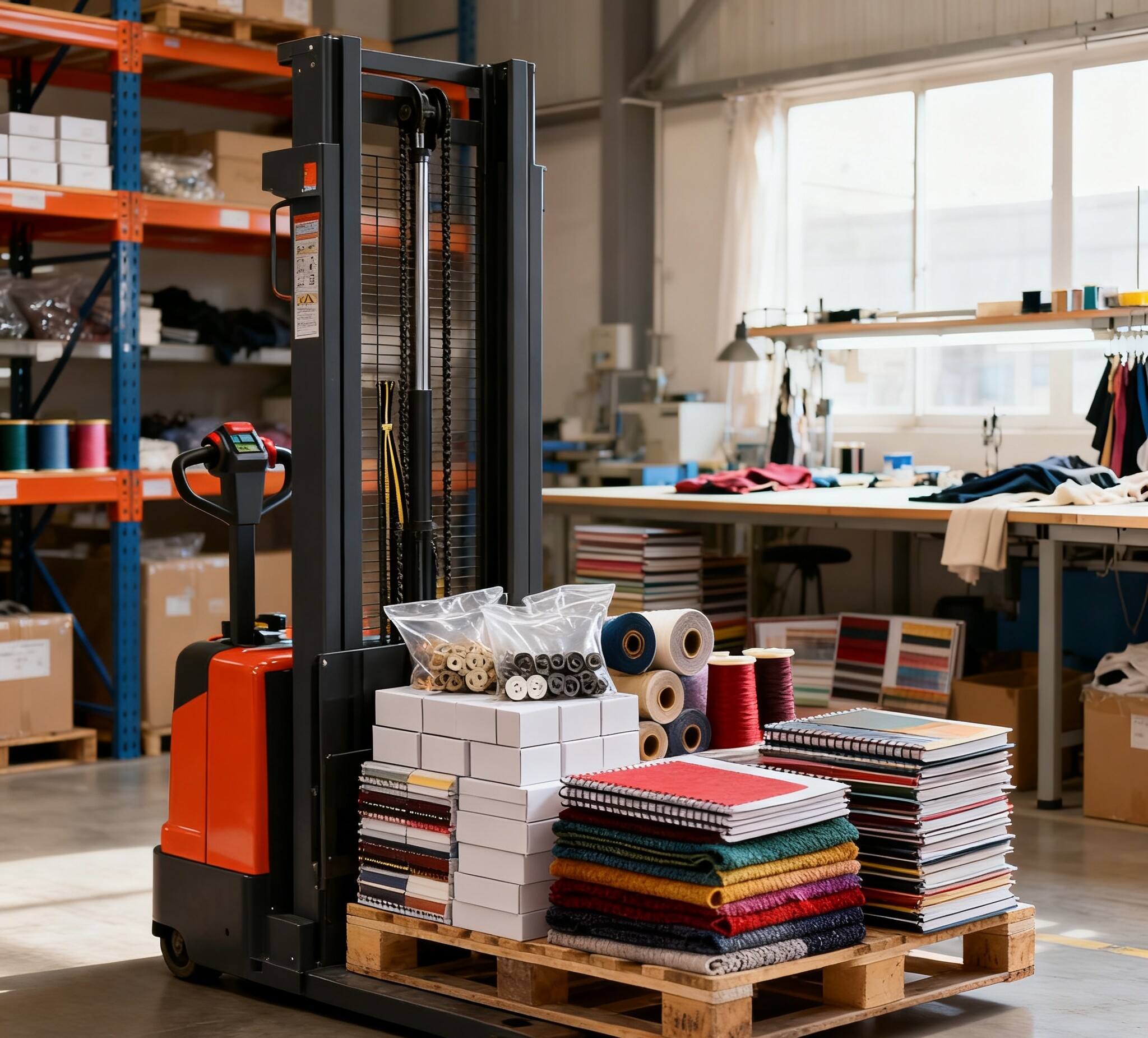
Compact and highly maneuverable, electric stackers are tailored for light-duty material handling in production workshops. In garment factories, they transport small batches of sewing accessories (e.g., zippers, buttons, and thread spools) from the warehouse to sewing stations, and move cut fabric pieces to assembly lines. Their small turning radius enables them to operate in tight spaces between sewing machines and cutting tables, reducing manual labor and ensuring a steady flow of materials to the production floor. Manual stackers are also commonly used in small-scale textile workshops for short-distance, light-load tasks.
.jpg)
Narrow Aisle Forklifts
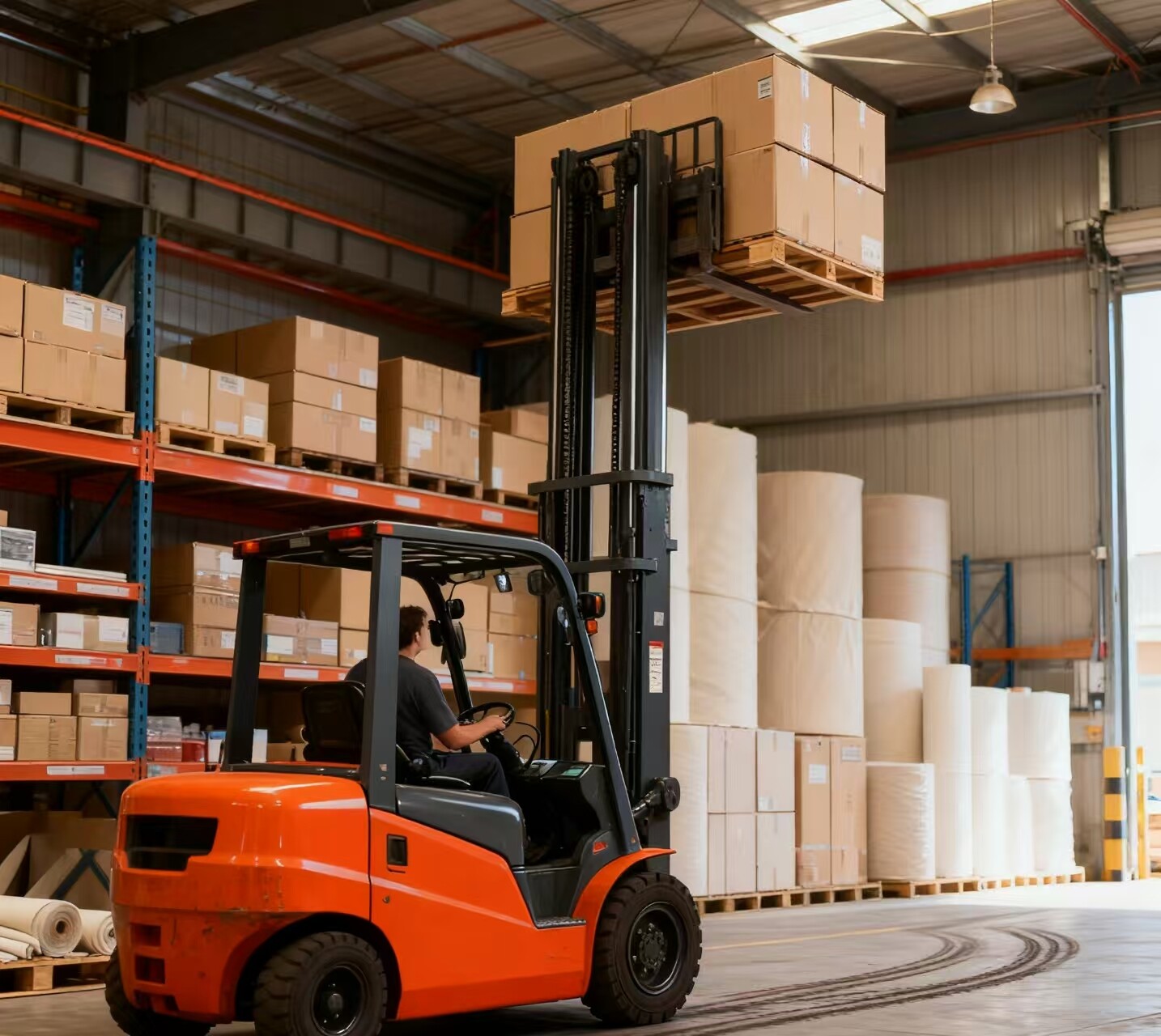
Specialized narrow aisle forklifts, including very narrow aisle (VNA) trucks, are the optimal choice for high-density storage in large textile and apparel logistics centers. Operating in aisles as narrow as 1.2 meters, they use a side-shifting fork mechanism and guided navigation systems to access high racks with precision. These forklifts are particularly valuable for e-commerce fulfillment centers in the apparel industry, where they handle a vast range of SKUs (stock keeping units) and support rapid order picking for online retail platforms. They can also be integrated with warehouse management systems (WMS) for automated inventory tracking and retrieval.
.jpg)
Pallet Jacks
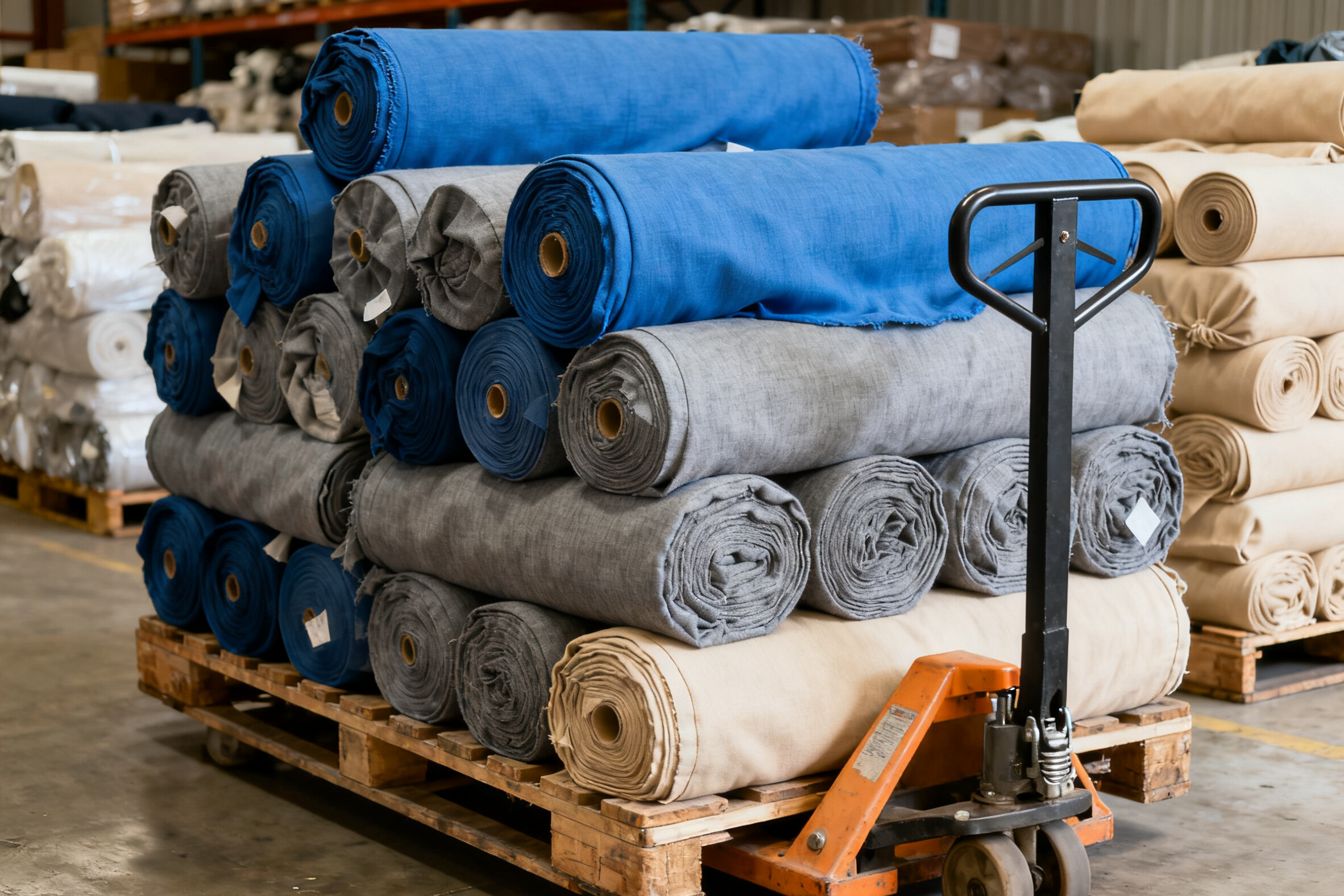
Manual and electric pallet jacks are essential for short-distance, light-load transportation in the industry. In garment sewing workshops, electric pallet jacks move finished garment cartons from production lines to packaging areas, while manual pallet jacks are used for small-batch material handling in fabric cutting rooms. Their portability and low cost make them a staple in small and medium-sized textile and apparel enterprises.
Key Application Scenarios
Raw Material Handling and Production Line Supply
In textile mills, forklifts transport bulk raw materials such as cotton bales, polyester yarns, and fabric rolls from delivery trucks to storage silos and production lines. For example, in a denim factory, forklifts move large rolls of denim fabric to cutting tables, ensuring the cutting process runs uninterrupted. In garment factories, they deliver pre-cut fabric pieces, sewing threads, and packaging materials to workstations, eliminating manual carrying and reducing production delays.
Finished Product Warehousing and Order Fulfillment
With the boom in e-commerce for apparel, forklifts play a pivotal role in finished product warehousing and order sorting. In omnichannel retail distribution centers, reach trucks and narrow aisle forklifts retrieve specific clothing items from high racks based on online orders, while electric stackers sort and consolidate orders for delivery. This ensures accurate and timely fulfillment of customer orders, a critical factor in the highly competitive apparel e-commerce market.
Loading and Unloading Operations
At ports and distribution hubs, forklifts are essential for loading finished apparel onto shipping containers and trucks for domestic and international delivery. They also unload incoming raw materials such as imported cotton and synthetic fibers, ensuring the supply chain remains efficient. For fragile fabric shipments, forklifts with soft clamping attachments prevent damage during loading and unloading, reducing product loss.
Inventory Management and Warehouse Optimization
Forklifts support efficient inventory management in the textile and apparel industry, which often deals with seasonal stock and fast-fashion trends. Equipped with barcode scanners and WMS integration, modern forklifts enable real-time tracking of inventory levels, helping businesses avoid overstocking or stockouts. High-lifting forklifts also optimize vertical storage space, allowing warehouses to store more SKUs without expanding their physical footprint.
Advantages of Forklift Applications in the Textile and Apparel Industry
The adoption of forklifts in the textile and apparel industry delivers tangible benefits to businesses. Improved operational efficiency is the most significant advantage: forklifts can move large volumes of goods in a fraction of the time required for manual handling, enabling faster production cycles and order fulfillment. This is especially critical for fast-fashion brands that rely on rapid turnaround times to respond to market trends. Reduced product damage is another key benefit; specialized attachments and gentle handling features minimize tears, creases, and compression damage to fabrics and garments, lowering waste and improving product quality. Additionally, forklifts cut labor costs by automating heavy lifting tasks, reducing the need for manual labor and lowering the risk of workplace injuries such as back strain and muscle fatigue. Finally, they optimize storage space, allowing businesses to maximize warehouse capacity and reduce rental costs, a crucial factor in the high-cost real estate market for logistics centers.
Future Trends
As the textile and apparel industry embraces digitalization and sustainability, forklift technology is evolving to meet new demands. Automated Guided Vehicles (AGVs) and Autonomous Mobile Robots (AMRs) are increasingly deployed in large-scale apparel logistics centers, enabling 24/7 automated material handling, order picking, and palletizing. These autonomous forklifts integrate with AI-powered WMS to optimize material flow and reduce human error. Sustainable forklift solutions are also gaining traction, with lithium-ion battery-powered electric forklifts replacing lead-acid battery models for higher energy efficiency and lower carbon emissions. Solar-powered charging stations for forklifts are being tested in eco-friendly textile factories, aligning with the industry’s push for green manufacturing. Furthermore, customized forklift attachments—such as fabric roll rotators and garment hanger rack adapters—are being developed to handle specialized cargo forms, further enhancing the versatility of forklifts in the sector.
In conclusion, forklifts are indispensable to the textile and apparel industry, supporting every link in the supply chain from raw material procurement to finished product delivery. Their ability to adapt to the industry’s diverse cargo types, storage needs, and operational challenges makes them a cornerstone of efficient and cost-effective operations. As the industry continues to evolve with e-commerce, automation, and sustainability, forklifts will remain a vital tool, driving innovation and productivity in the global textile and apparel sector.
Our manager will contact you shortly.
To contact you about our products and services.
Copyright © Xingtai Beiqiang Machinery Manufacturing Factory. 2025.
Technical support:Echola