

automobile manufacturing
Stop Comparing Fuel-Powered Forklifts: Why Electric Forklifts Are the "Certain Choice" for Automotive Manufacturing Logistics
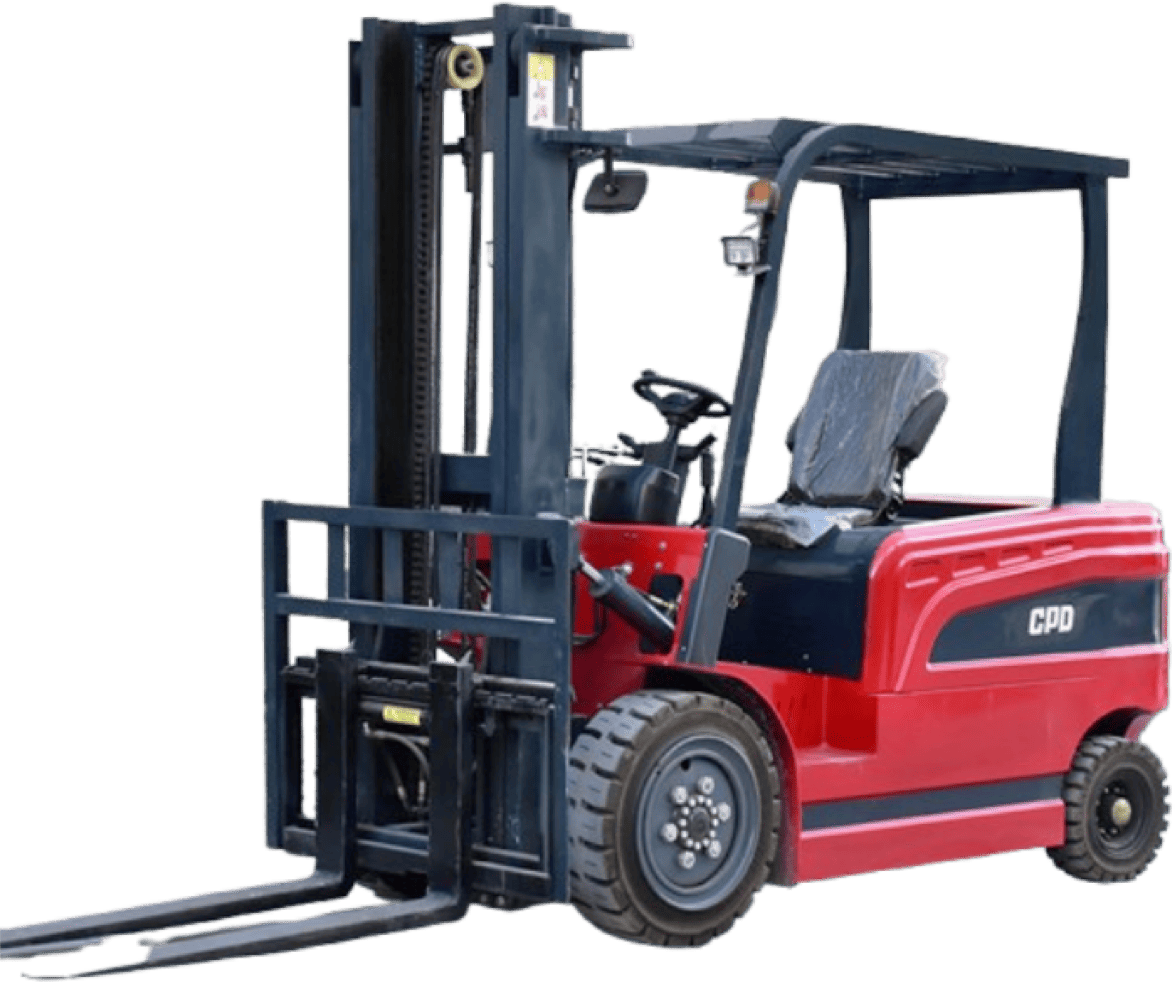
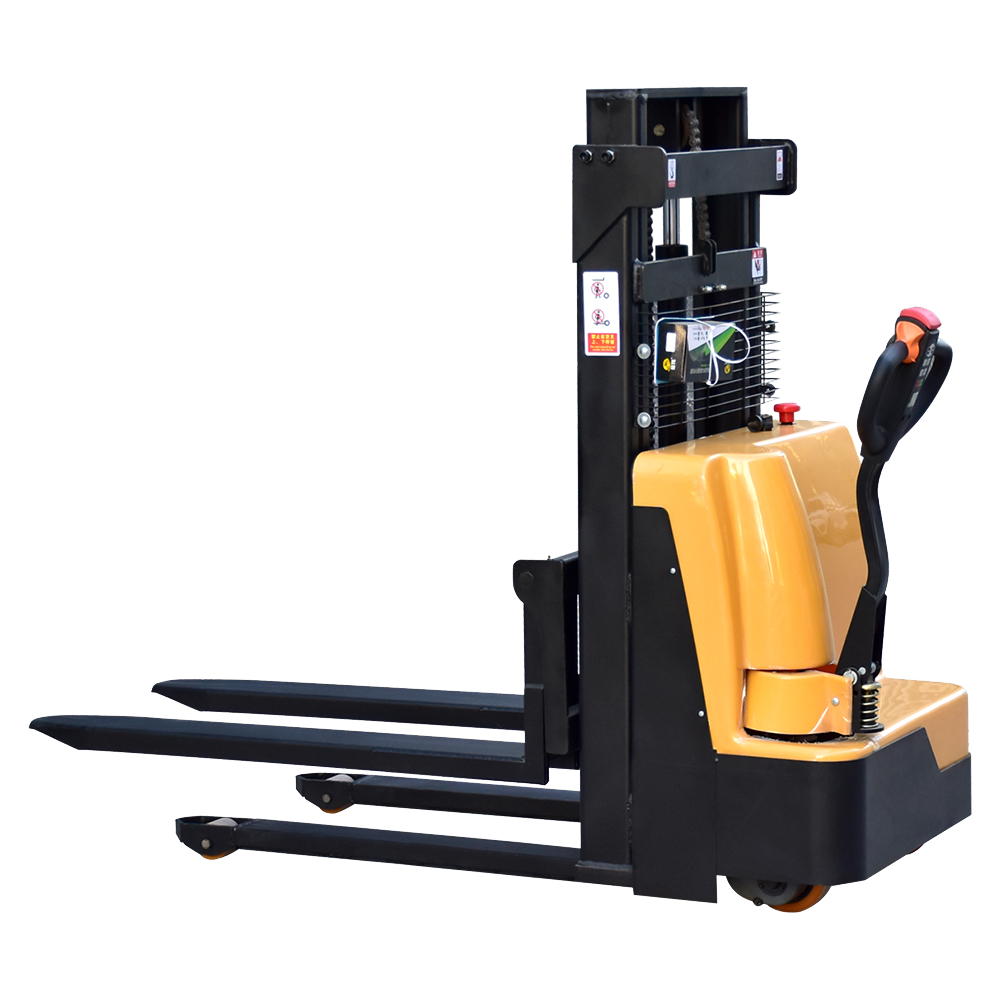
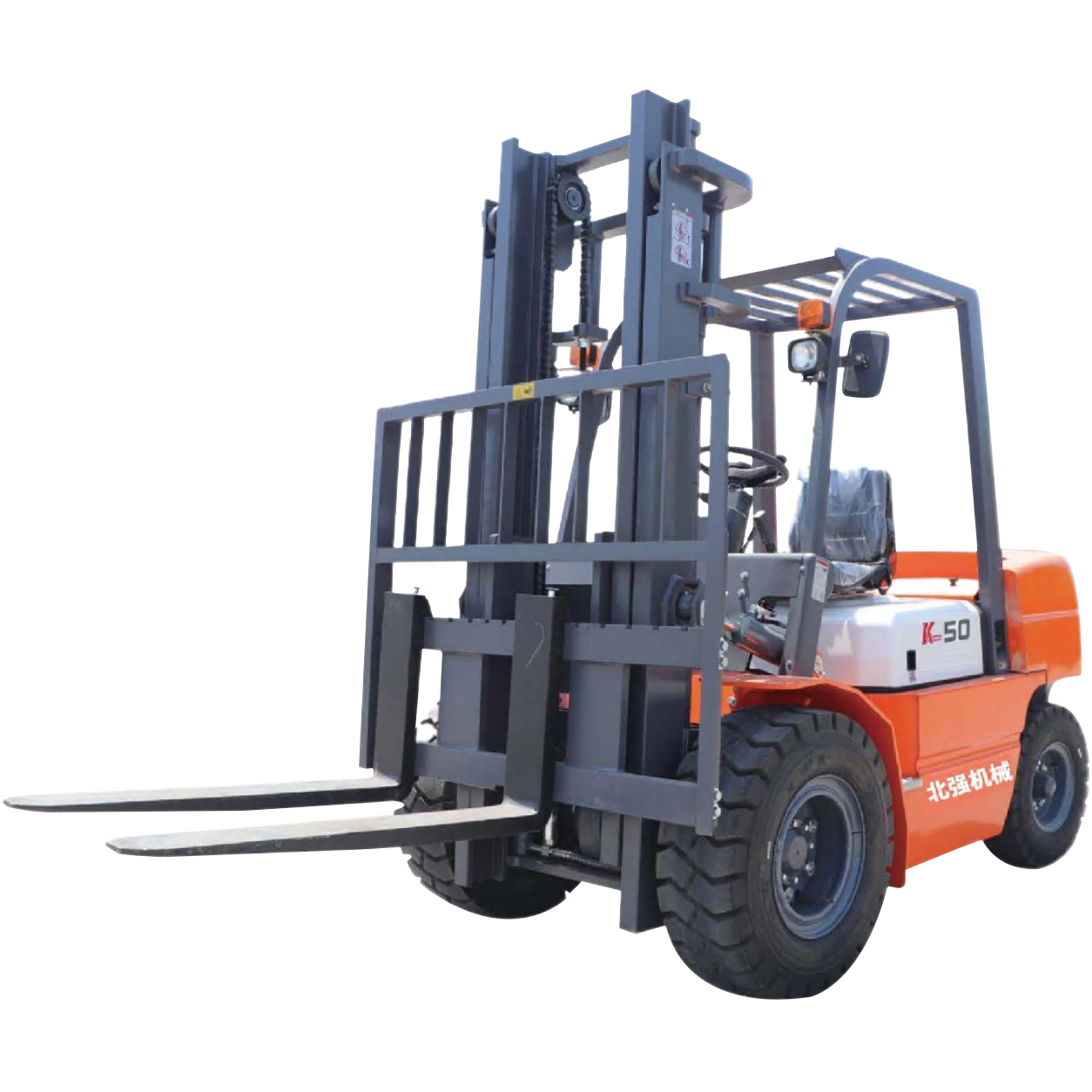
Logistics managers in automotive manufacturing plants have probably all faced this dilemma: on one side is the short-term temptation of fuel-powered forklifts being "cheaper to buy," and on the other side are the long-term worries of environmental inspections, breakdown shutdowns, and excessive fuel consumption. Every time you stand in the workshop, watching fuel-powered forklifts shuttle around emitting exhaust, and hearing the maintenance technician say, "We need to replace parts again," you can’t help but wonder: When will we stop being stuck in the internal struggle between "making do" and "upgrading"? In fact, the answer is already clear—there’s no need to compare anymore. Electric forklifts are the "certain choice" for automotive manufacturing logistics, because they don’t just solve the problem of "which equipment to buy"; they provide you with a sense of security over the entire production process and represent a "must-have" to keep up with industry trends.
 (1).png)
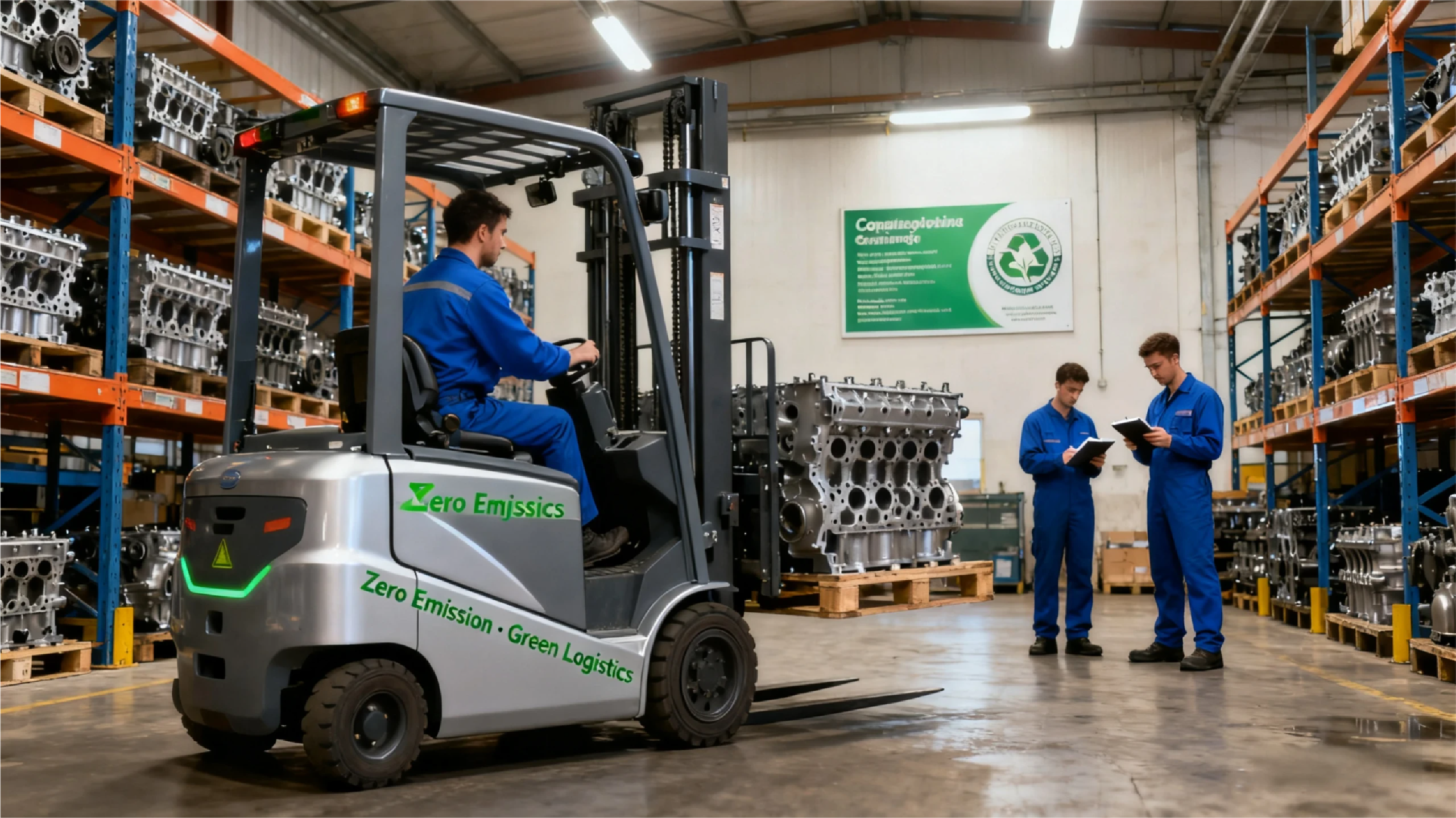
The "environmental red line" for automotive manufacturing will only get stricter, and this "regulatory certainty" is something fuel-powered forklifts can never provide. Last year, an automotive company was forced to shut down a logistics line during environmental inspections because its fuel-powered forklifts failed to meet exhaust emission standards: it spent USD 33,300 on rectification, USD 26,100 on compensation for delayed orders, and workshop workers were idled for 3 days waiting for materials. No logistics manager wants to go through this anxiety of "passive rectification." The zero-emission feature of electric forklifts is not a "nice-to-have" but a "bottom-line guarantee": you no longer need to install complex exhaust treatment devices in the corner of the workshop, no longer have to worry about failing emission tests during annual inspections, and you can even tell customers during factory visits, "Our production achieves green compliance right from the transportation of parts." More importantly, as new energy vehicles become mainstream, the "green label" for the entire industrial chain is growing increasingly important. While your competitors are still struggling with the environmental issues of fuel-powered forklifts, you’ve already secured an "entry ticket" for green production with electric forklifts. This kind of certainty can’t be bought with cost savings.
 (1).png)
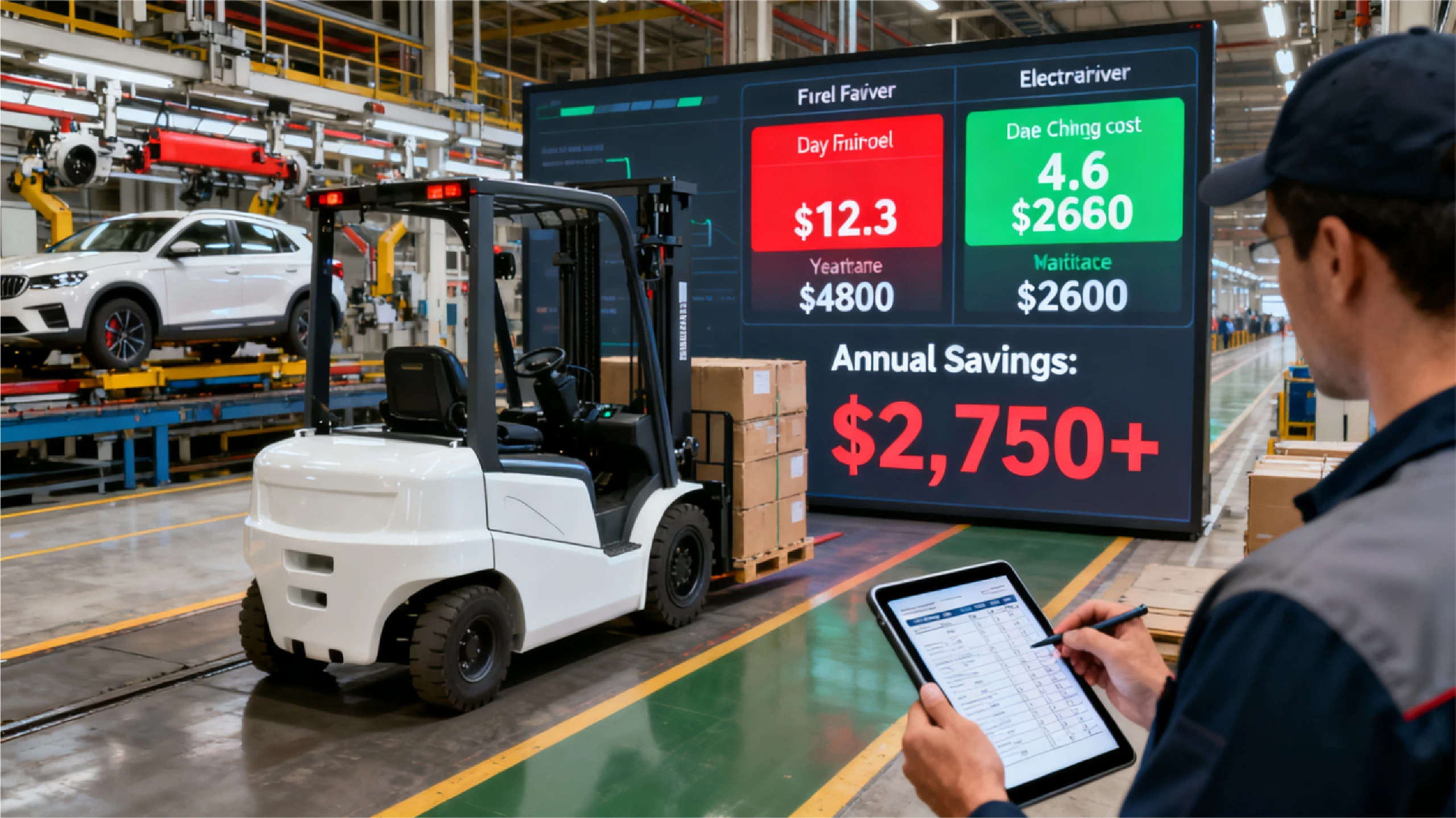
The "cost certainty" of automotive manufacturing logistics lies in the "long-term account" of electric forklifts, not the "initial price" of fuel-powered ones. Many people initially focus on the fact that "electric forklifts cost USD 4,350 more than fuel-powered ones," but they overlook key details: a fuel-powered forklift consumes at least USD 12.3 worth of fuel per day, totaling USD 4,490 a year; an electric forklift only costs USD 4.6 to charge once, with an annual electricity bill of less than USD 1,740—saving nearly USD 2,750 just on energy consumption. What’s more, the engines and gearboxes of fuel-powered forklifts are "high-wear components," with each maintenance costing at least USD 725 and up to USD 2,900; electric forklifts have a simpler structure, with a failure rate 65% lower than fuel-powered ones, saving nearly USD 2,170 in annual maintenance costs. If you also factor in environmental fines and production losses caused by breakdown shutdowns (a single hour of downtime for an automotive production line costs at least USD 7,250), the "long-term cost advantage" of electric forklifts becomes obvious. More importantly, the money saved and efficiency improved can be turned into hard data for your year-end report: "After introducing electric forklifts, logistics costs decreased by 28% and downtime was reduced by 82%." This quantifiable performance is exactly the core leverage you need when negotiating a promotion or justifying your contributions to your boss. Fuel-powered forklifts can only offer the short-term comfort of "being cheaper to buy," while electric forklifts give you the long-term confidence of "controllable performance."
 (1).png)
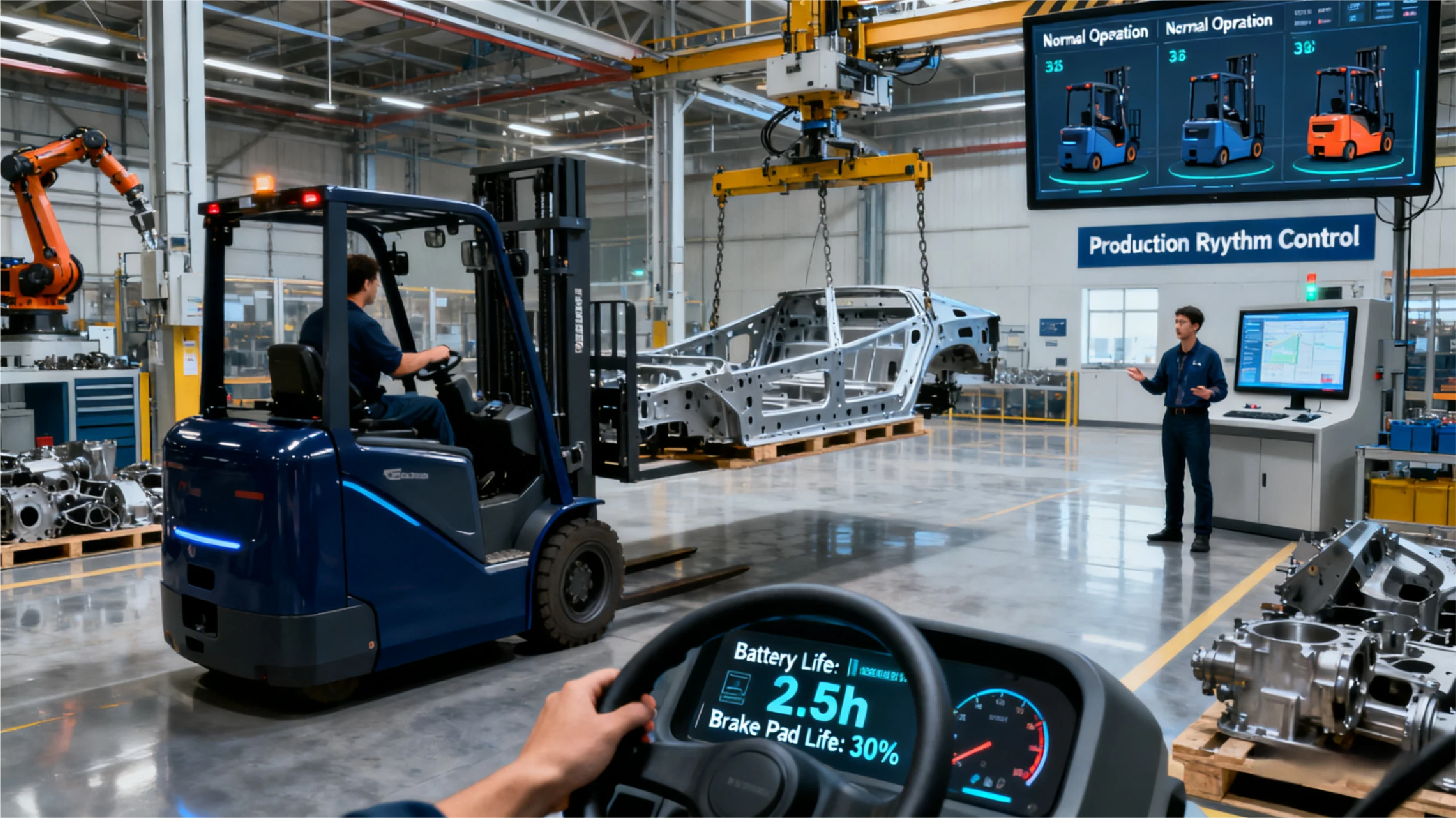
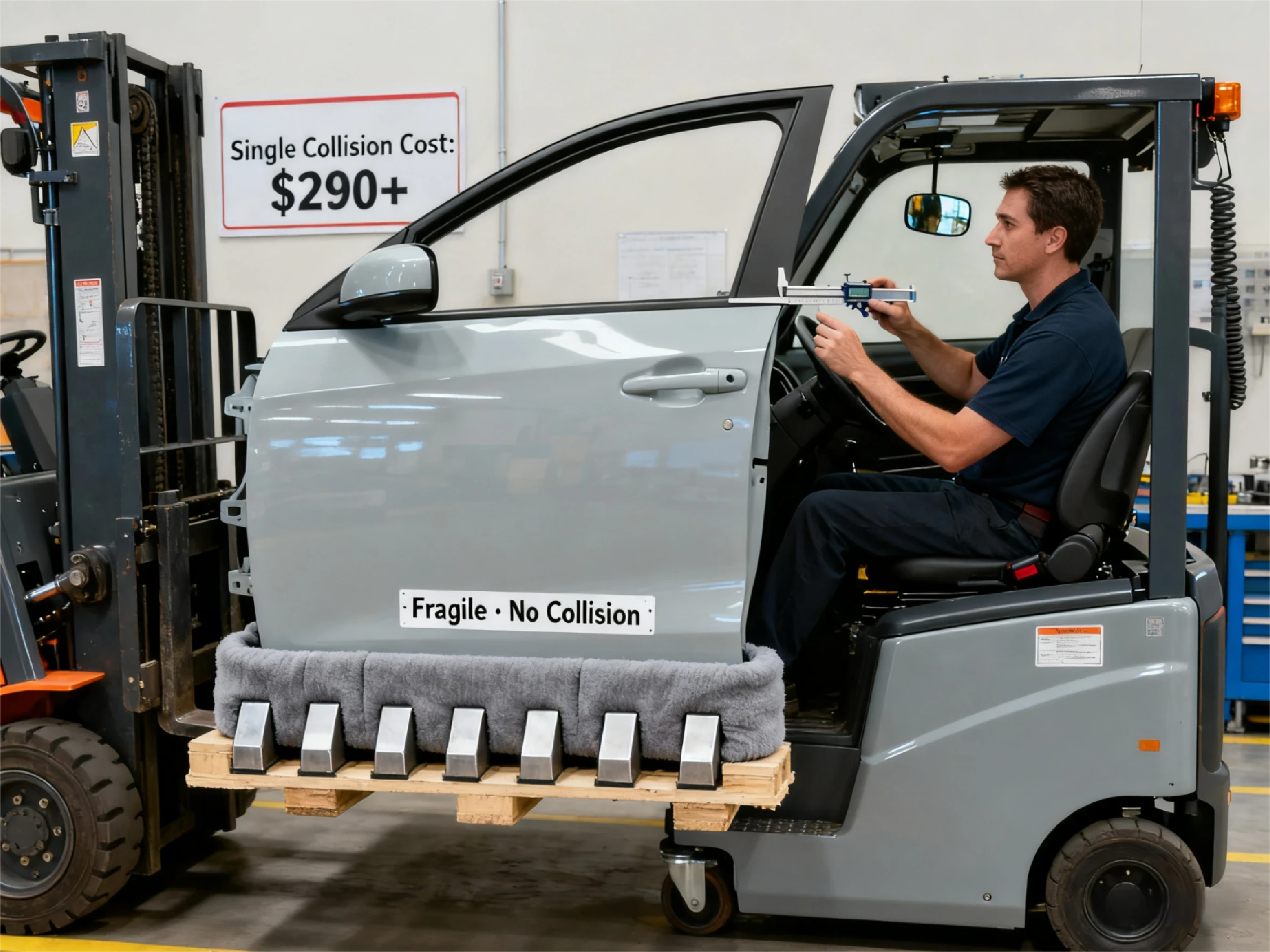
Automotive manufacturing fears "production disruption" the most, and electric forklifts can provide you with "rhythm certainty." Every minute of an automotive production line creates value—if a fuel-powered forklift suddenly breaks down and can’t deliver parts to the workstation, the entire line may come to a halt. I’ve seen a factory where, due to a forklift breakdown, parts piled up, delivery deadlines loomed, the logistics manager paced anxiously in the workshop, and workers stayed overtime until midnight. This sense of frustration of "being held hostage by equipment" is more exhausting than working overtime. The intelligent monitoring system of electric forklifts, however, can provide early warnings for battery power and component wear: "The battery can still work for 2.5 hours" or "The brake pads have 30% of their service life left." This gives you enough time to arrange scheduling and avoid being caught off guard by sudden failures. What’s more, electric forklifts offer higher operational precision—when handling precision components like car bodies and engines in an automotive workshop, they can "lift and place steadily," reducing collision damage (a single collision of an automotive part costs at least USD 290). This kind of certainty—"being able to control the rhythm and not worry about accidents"—is the "sense of security" that logistics managers need most. The "potential for sudden breakdowns" of fuel-powered forklifts can never provide this peace of mind.
 (1).png)
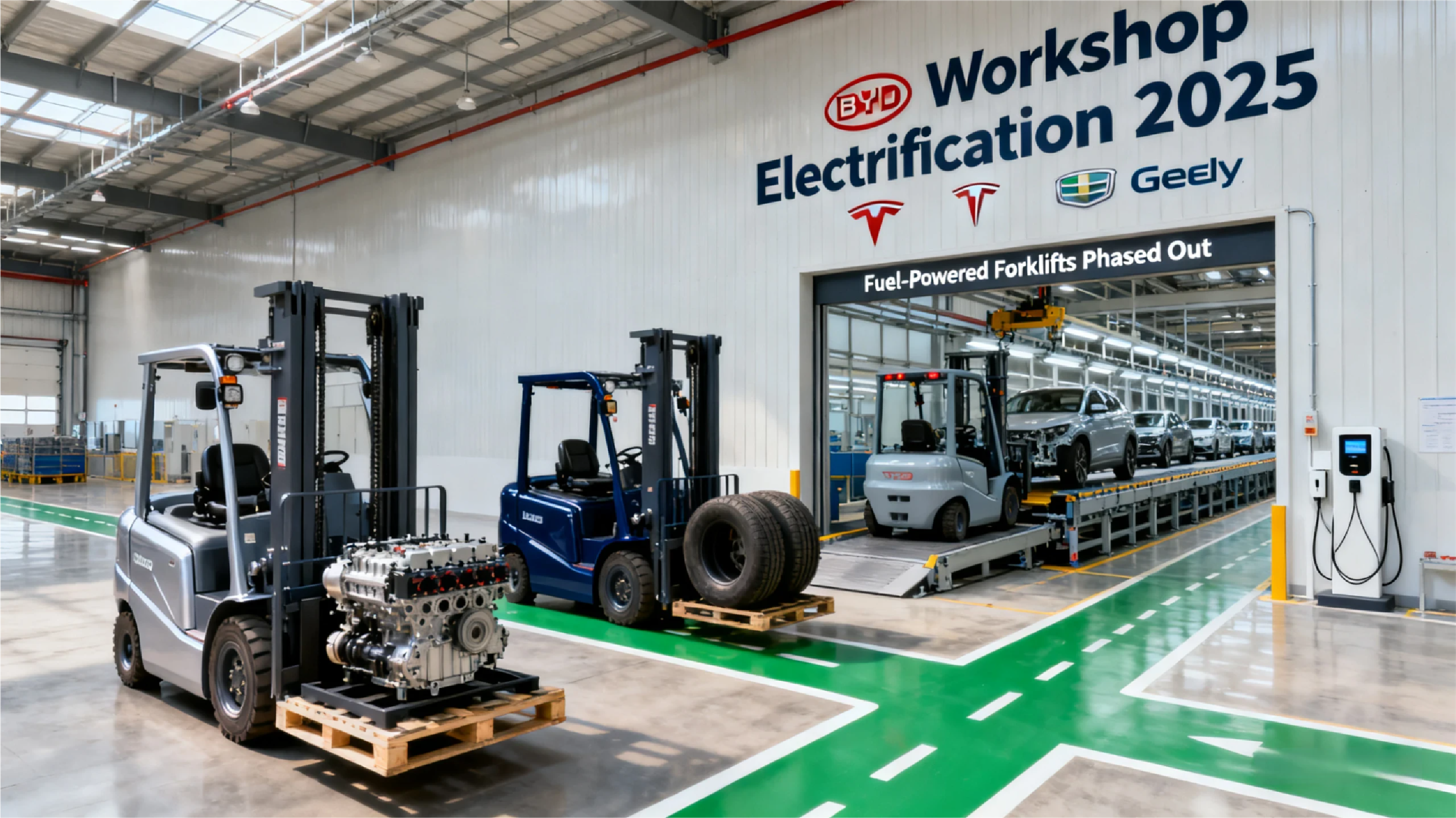
There’s no need to compare anymore, because electric forklifts are no longer an "optional choice" but a "trend-driven choice" for automotive manufacturing logistics. In the logistics areas of automotive plants like BYD and Tesla, you can barely see any fuel-powered forklifts; Geely and Great Wall also announced in 2023 that they would "achieve workshop logistics electrification within three years." Why? Because the transformation of the automotive industry is no longer a question of "whether to transform" but "whether to keep up." In the wave of new energy and intelligentization, fuel-powered forklifts are like "outdated parts"—they will eventually be phased out. When you think you’re comparing "fuel-powered vs. electric," you’re actually choosing between "staying in the past" and "seizing the future." Choosing electric forklifts means standing on the same track as leading automotive companies, using "certainty" to resist the risks of industry changes, and no longer being stuck in the confusion of "whether to upgrade."
 (1).png)
We understand the "dilemma" of automotive manufacturing professionals, and more importantly, we understand the "certainty" you need. That’s why we don’t just provide electric forklifts that meet the high-intensity operational needs of automotive manufacturing; we also help you calculate the "cost account" and "performance account," and even customize logistics adaptation plans for you: optimizing forklift scheduling routes based on your workshop layout, and matching battery life solutions according to your production rhythm. This way, you don’t have to spend time researching and comparing—you can directly implement "certain logistics."
The logistics competition in automotive manufacturing is no longer about "who has cheaper forklifts" but "who has more certain logistics." Stop comparing fuel-powered forklifts—electric forklifts give you the certainty of compliance without anxiety, controllable costs, and stable production, as well as the initiative to keep up with industry trends. Now is the time to say goodbye to the internal struggle of "making do" and add a "certainty insurance" to your logistics with electric forklifts. After all, in the automotive manufacturing race, only by holding onto "certainty" can you win the future.
Our manager will contact you shortly.
To contact you about our products and services.
Copyright © Xingtai Beiqiang Machinery Manufacturing Factory. 2025.
Technical support:Echola