

food and beverage
Forklifts in the Food and Beverage Industry: Applications and Advantages
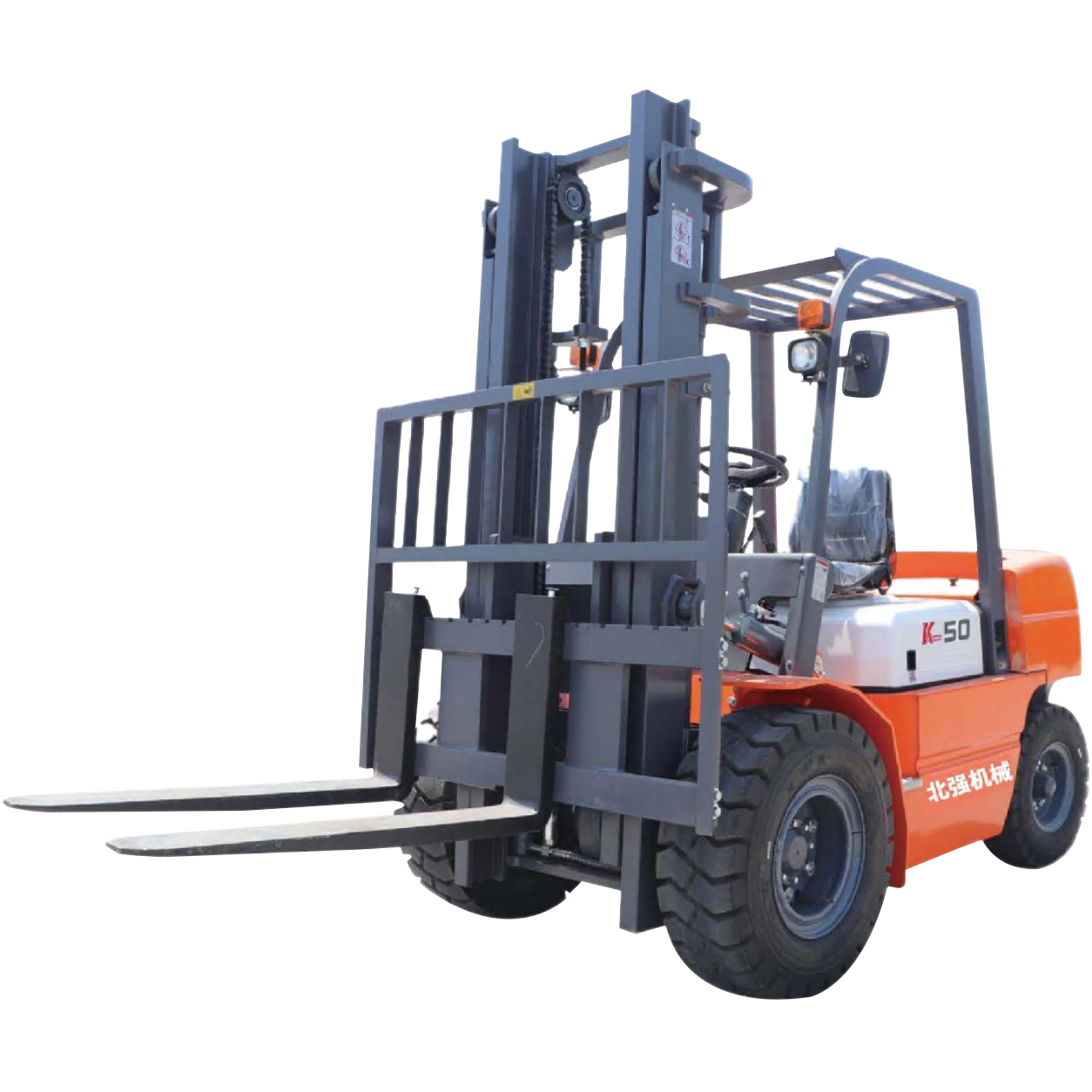
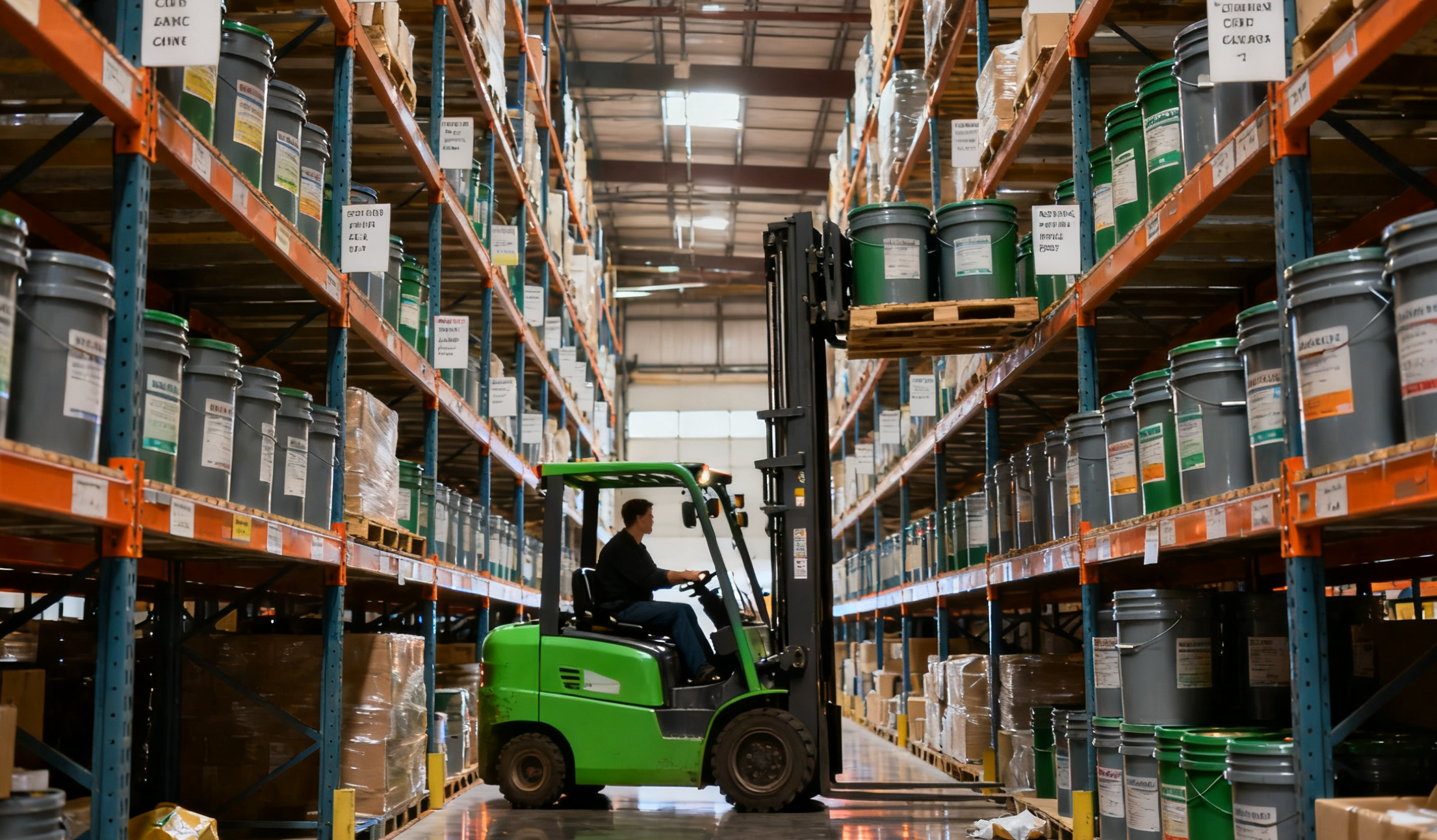
The food and beverage industry is a fast-paced sector characterized by high-volume production, strict hygiene standards, and complex supply chain logistics. From raw material storage to finished product distribution, efficient material handling is critical to ensuring operational efficiency, product safety, and compliance with industry regulations. Forklifts, as versatile material handling equipment, have become an indispensable part of daily operations in the food and beverage industry, adapting to the unique challenges and requirements of this sector.
Special Requirements of the Food and Beverage Industry for Forklifts
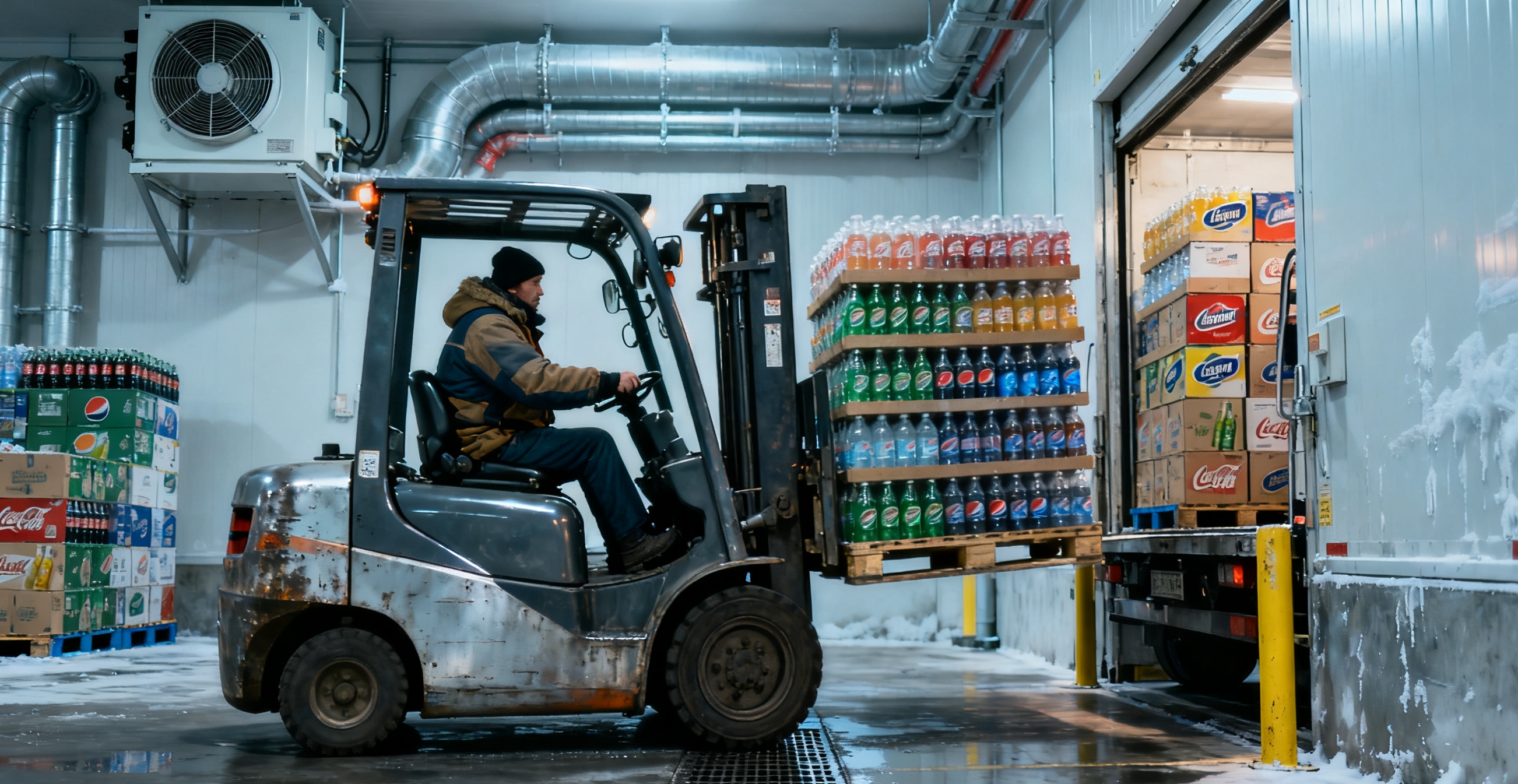
Unlike other industries, the food and beverage sector places extremely high demands on the hygiene, safety, and adaptability of forklifts. Firstly, hygiene is paramount. Forklifts used in food processing and storage areas must be easy to clean and sanitize to prevent cross-contamination. Stainless steel components are often preferred as they resist corrosion and can withstand frequent washing with harsh cleaning agents. Secondly, the industry often involves cold chain logistics, with warehouses and storage facilities maintained at low temperatures (sometimes as low as -30°C). Forklifts operating in these environments need specialized batteries, tires, and hydraulic systems that can function reliably in extreme cold. Additionally, safety is a key concern, as forklifts often handle fragile goods such as glass bottles of beverages or delicate food packaging. Features like anti-slip tires, soft-start systems, and collision avoidance sensors are essential to minimize the risk of product damage and workplace accidents.
Applications of Different Types of Forklifts in the Industry
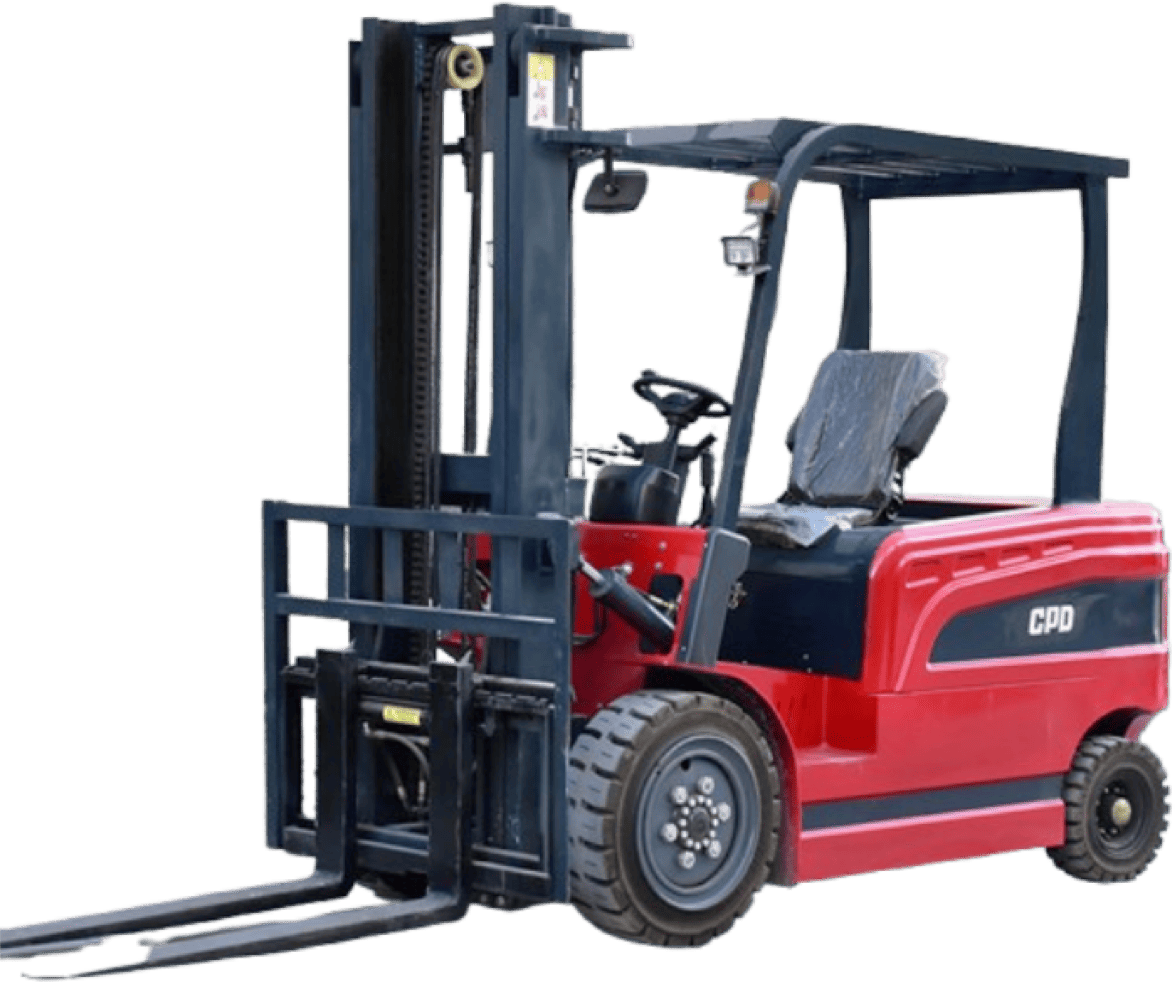
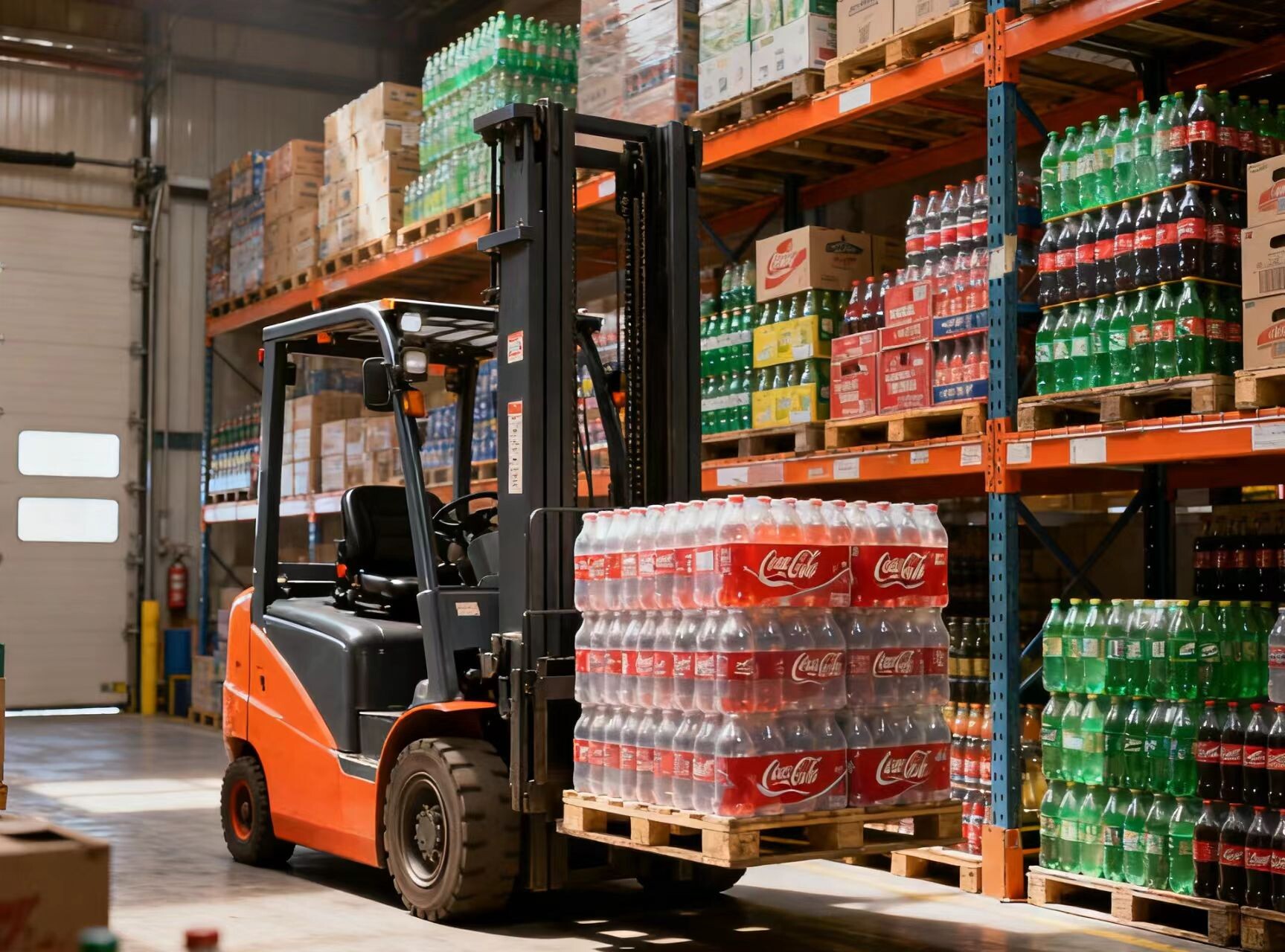
Electric Counterbalance Forklifts
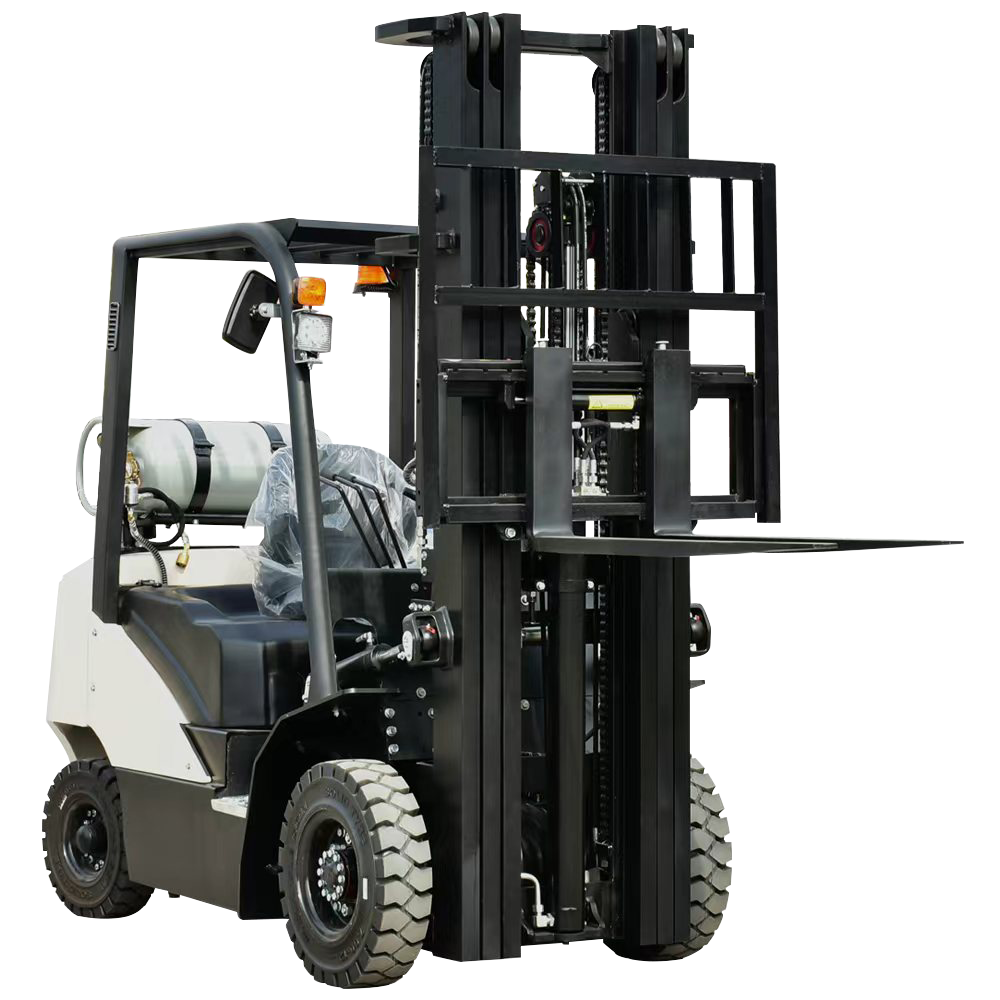
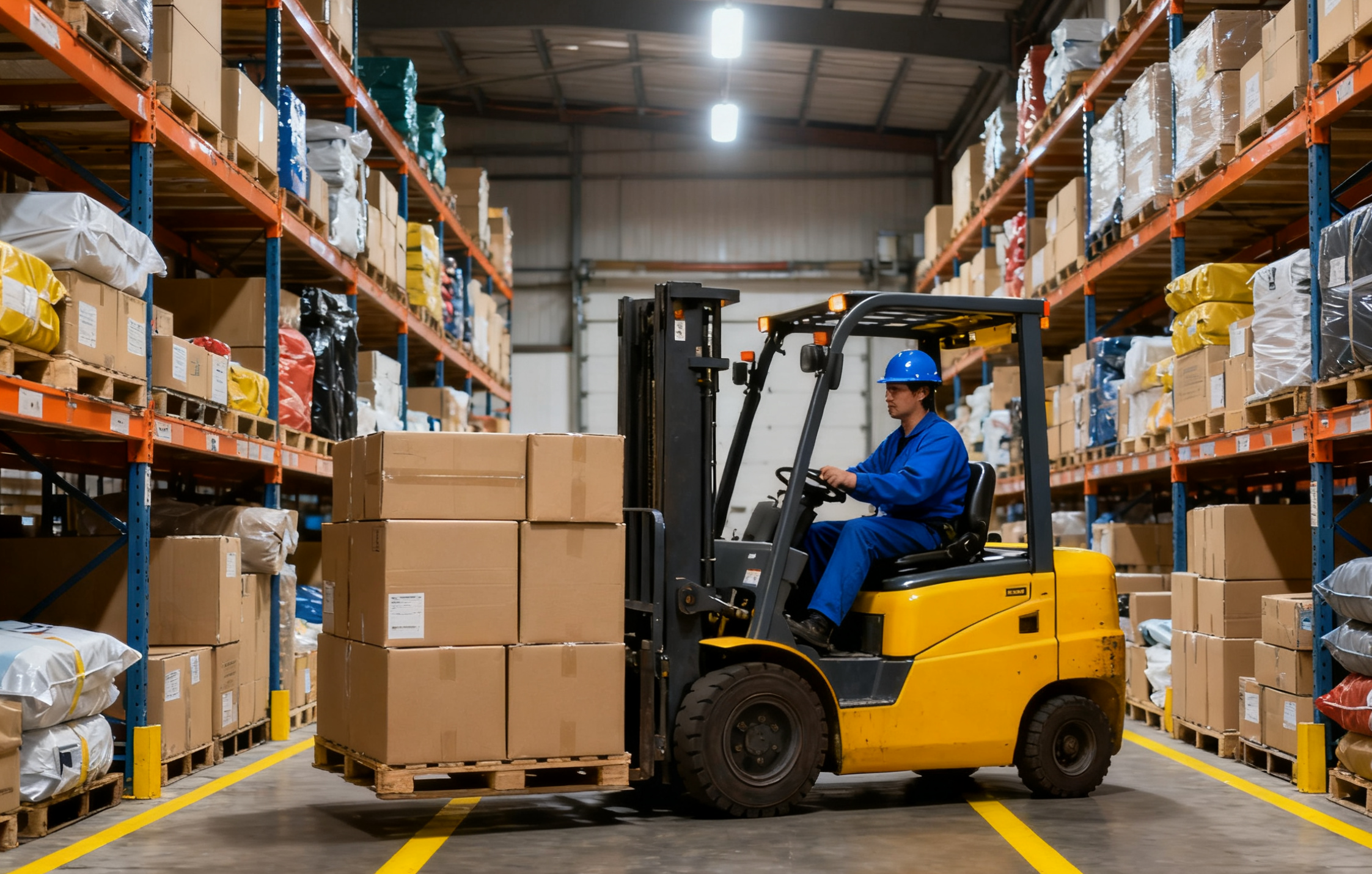
These are the most commonly used forklifts in the food and beverage industry, especially in warehouses and distribution centers. They are emission-free, making them suitable for indoor use where air quality is a concern. Electric counterbalance forklifts can handle heavy loads (up to 8 tons) and are ideal for stacking pallets of finished goods, such as cases of canned food or bottled drinks, in high racking systems. Their quiet operation also makes them suitable for use in food processing plants where noise levels need to be controlled.
Reach Trucks
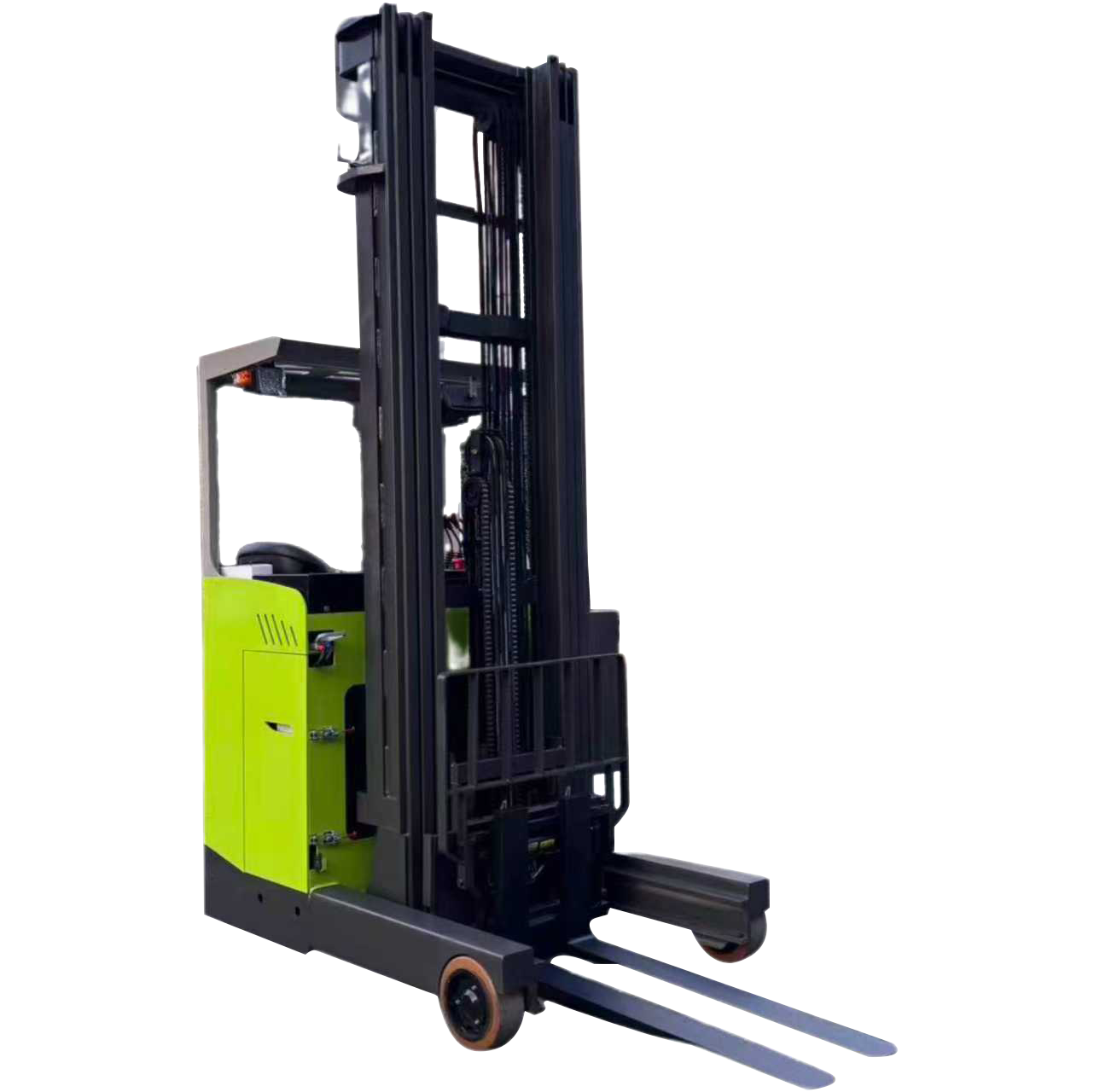
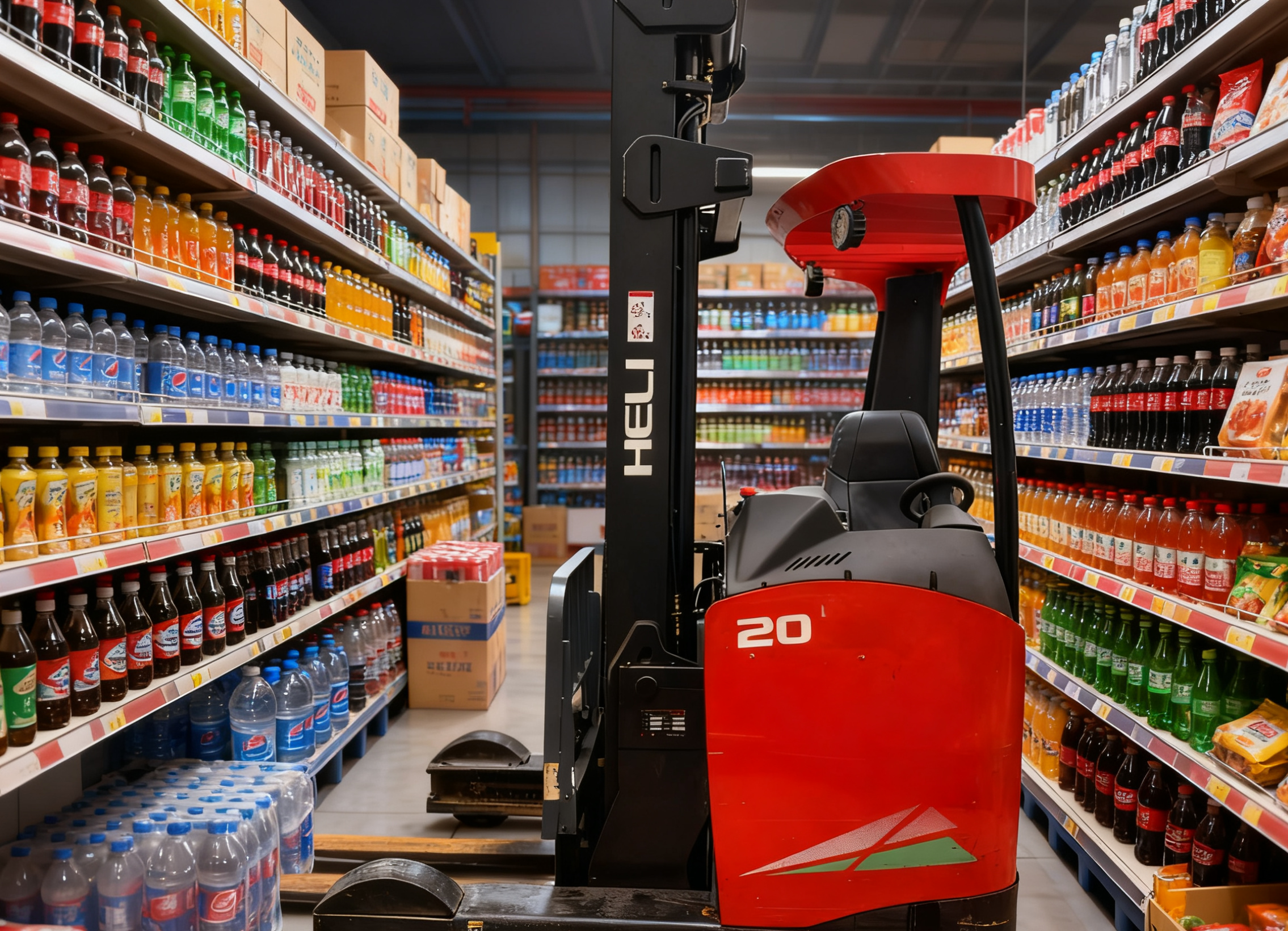
Designed for narrow aisle operations, reach trucks are perfect for maximizing storage space in food and beverage warehouses. With their ability to extend the forks forward, they can access pallets stored deep in high racks, increasing storage density. This is particularly valuable for the industry, which often deals with large inventories of raw materials (e.g., flour, sugar, and beverage concentrates) and finished products that need to be stored efficiently.
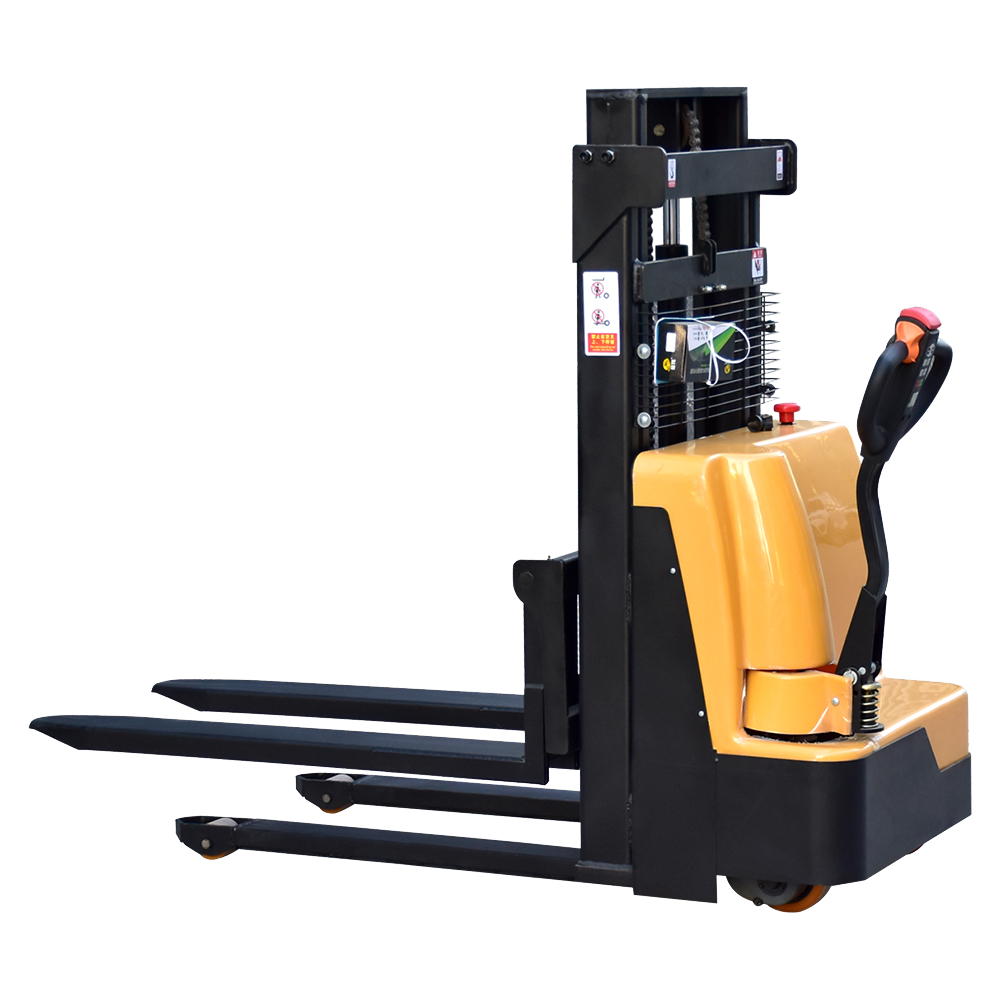
Electric Stackers
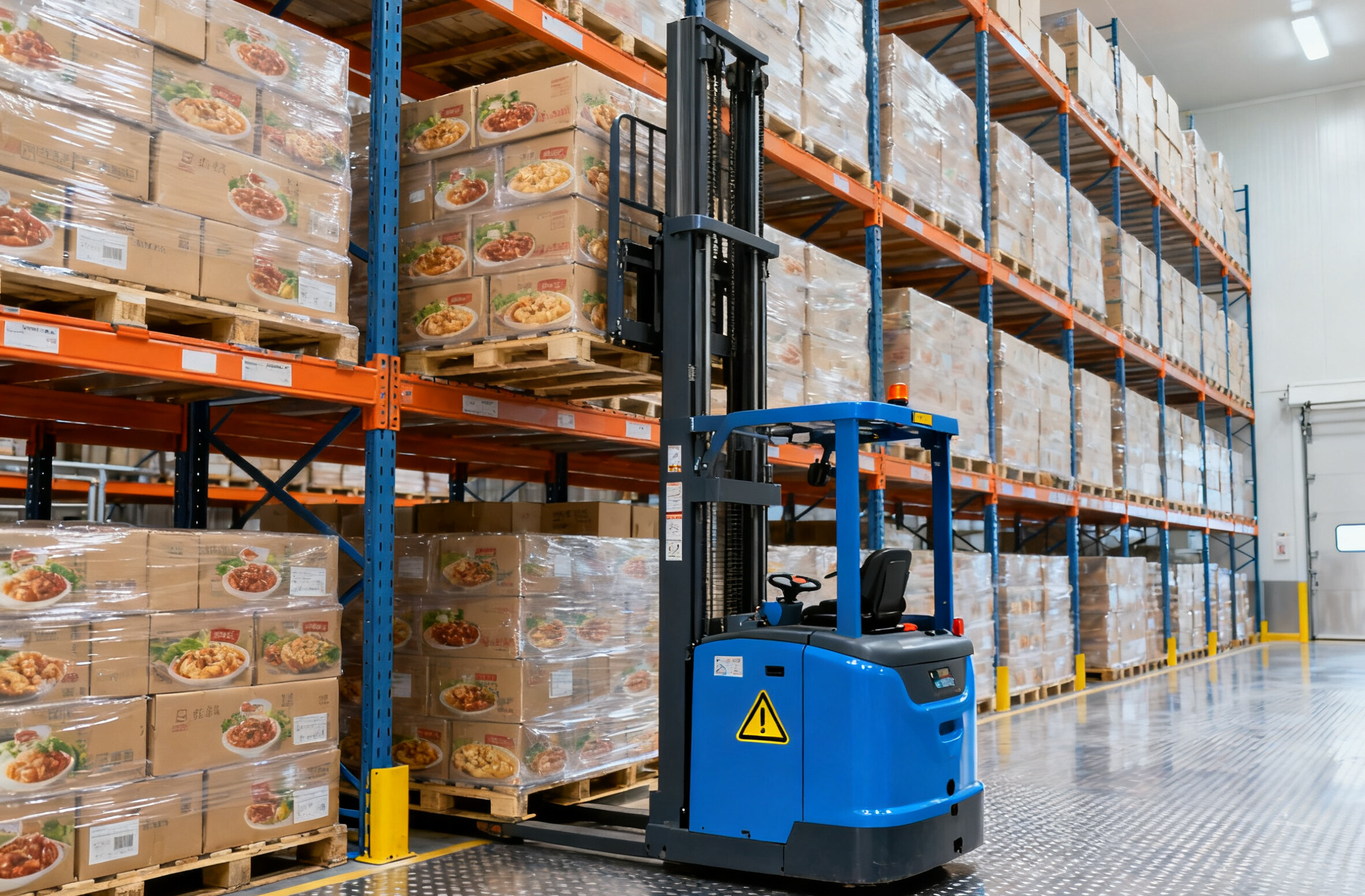
Electric stackers are smaller and more maneuverable than counterbalance forklifts, making them ideal for light-duty material handling tasks in food processing lines. They are used to transport small batches of raw materials (e.g., bags of spices or cartons of packaging) from the warehouse to the production floor, or to move finished products from the production line to the packaging area. Their compact size allows them to navigate tight spaces between production equipment.
Cold Storage Forklifts
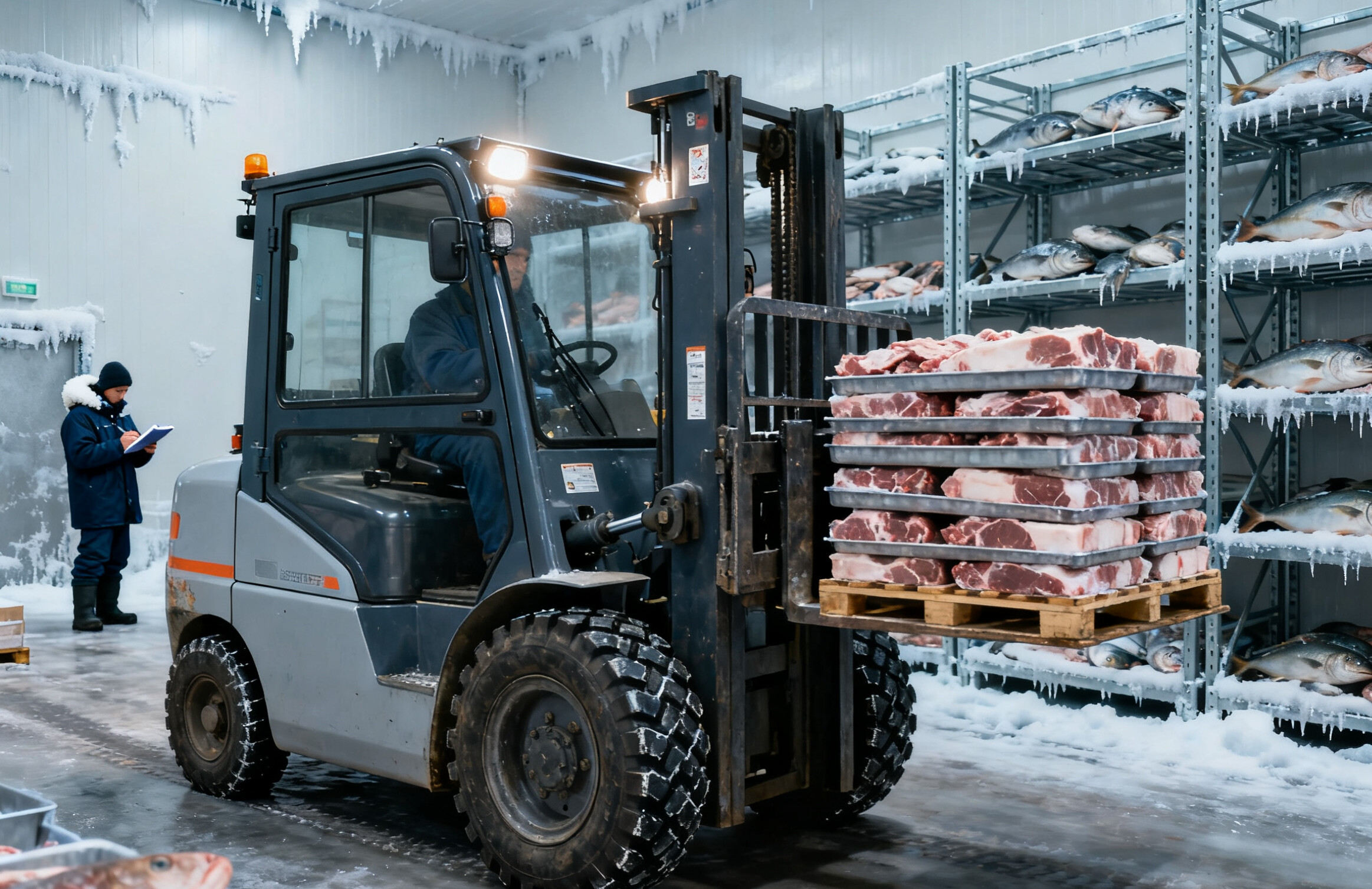
Specialized cold storage forklifts are engineered to operate in freezing temperatures. They are equipped with insulated cabs, heated controls, and batteries that perform well in cold conditions. These forklifts are used in cold storage warehouses for frozen food products, such as frozen vegetables, ice cream, and chilled beverages, where standard forklifts would fail to operate effectively.
Key Application Scenarios
Raw Material Storage and Handling
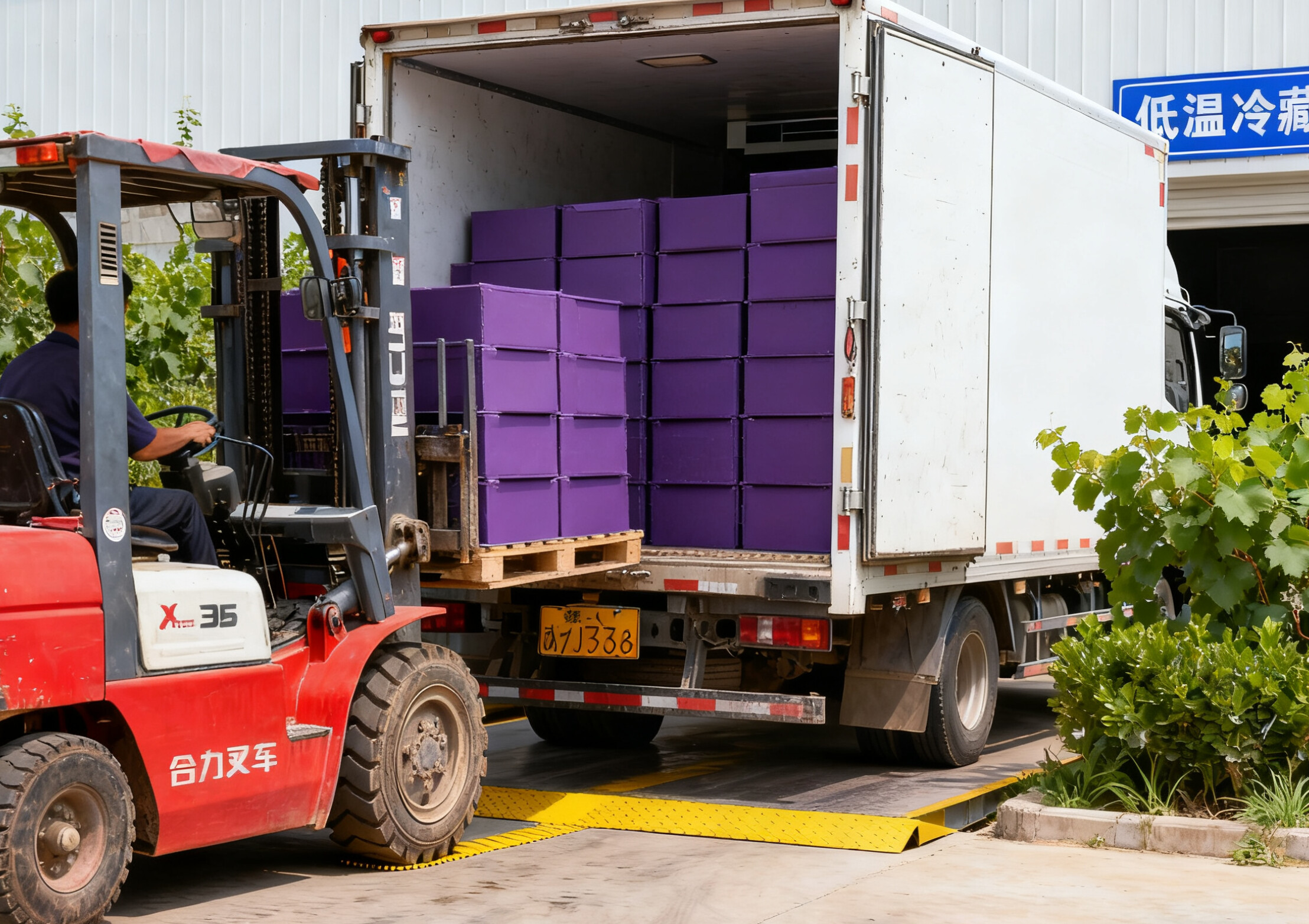
Food and beverage manufacturers rely on forklifts to transport bulk raw materials such as grains, fruits, and dairy products from delivery trucks to storage silos or refrigerated warehouses. For example, in a brewery, forklifts move sacks of malt and hops to storage areas, and in a dairy plant, they transport large vats of milk to processing lines.
Production Line Material Delivery
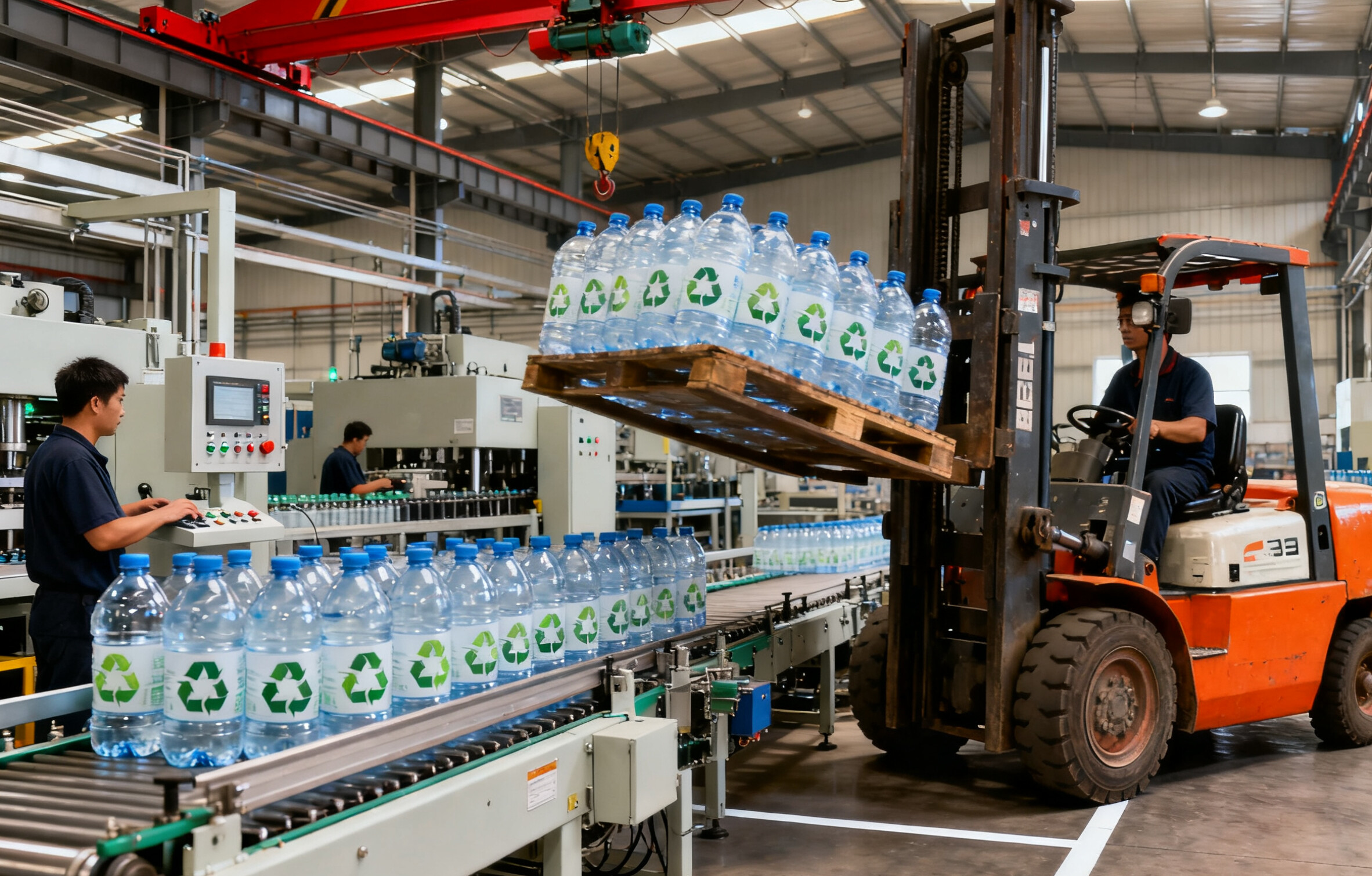
Forklifts play a vital role in ensuring a steady supply of materials to the production line. They deliver packaging materials (e.g., bottles, cans, labels) and ingredients to workstations, reducing the need for manual handling and minimizing production delays. In a beverage bottling plant, for instance, forklifts continuously supply empty bottles to the filling line, ensuring uninterrupted production.
Loading and Unloading Operations
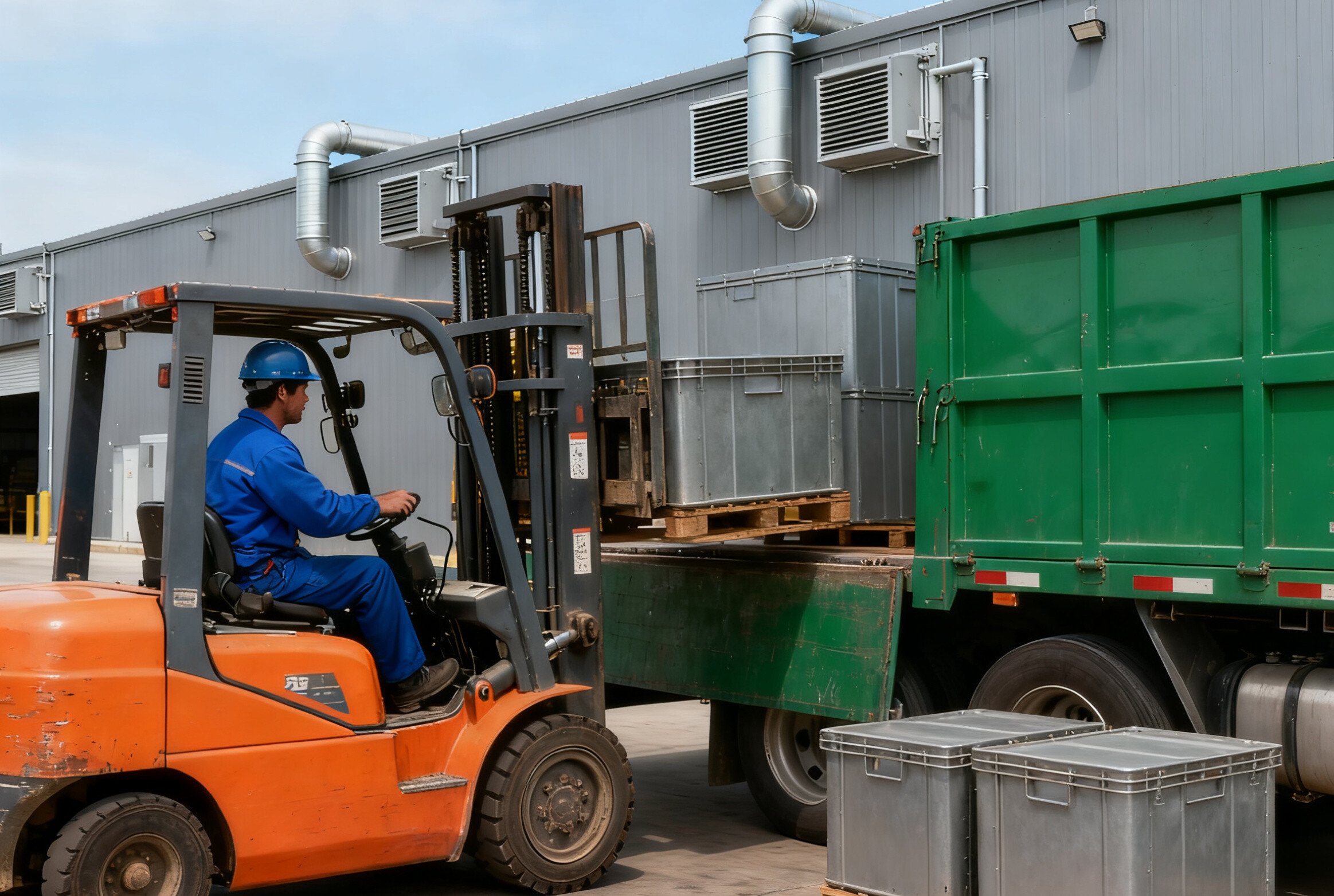
At distribution centers, forklifts are used to load finished products onto trucks for delivery to retailers and supermarkets. They also unload incoming shipments of raw materials, ensuring that the supply chain remains efficient. The speed and efficiency of forklifts in loading and unloading operations directly impact the delivery time of food and beverage products to the market.
Finished Product Warehousing and Sorting
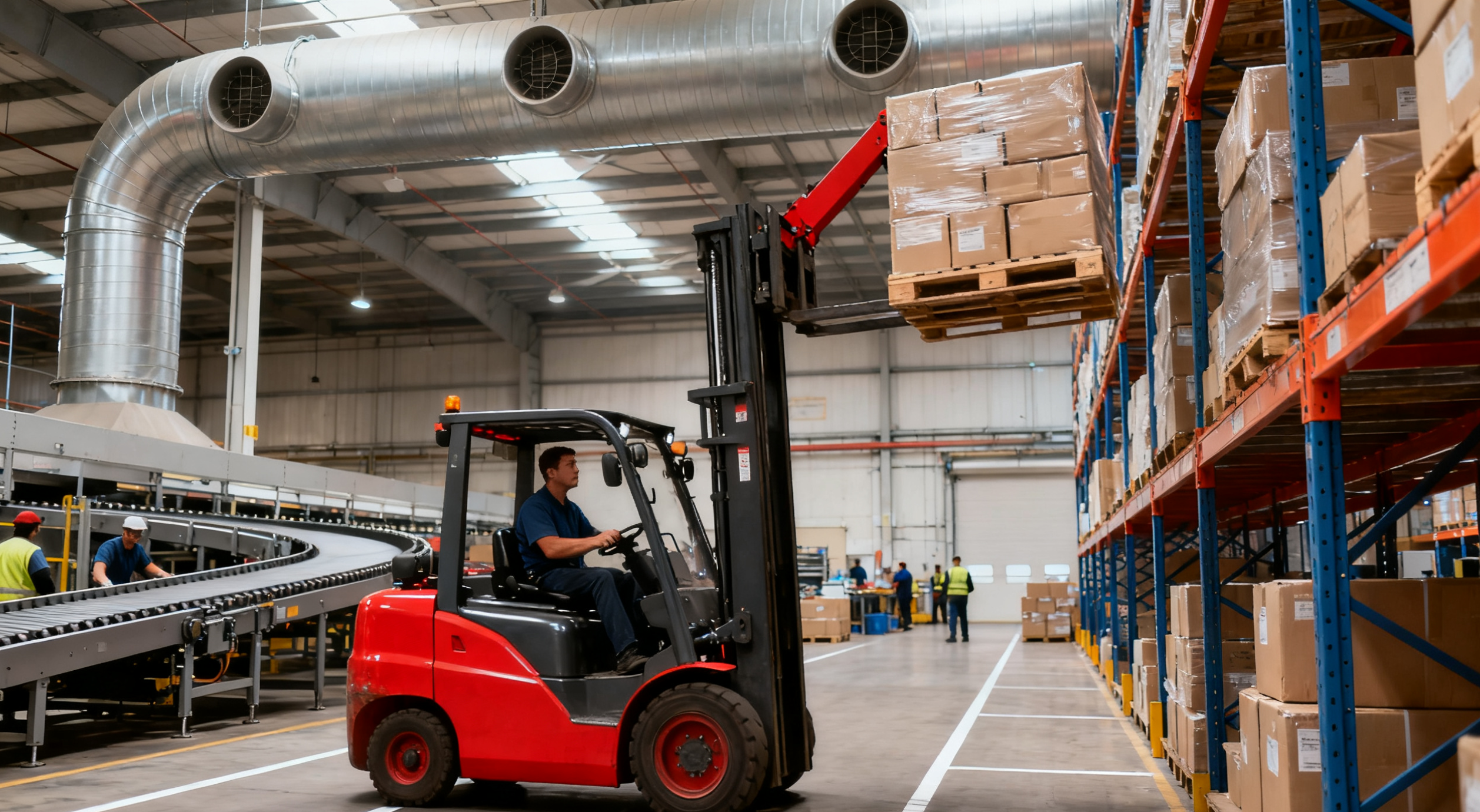
With the growth of e-commerce in the food and beverage sector, forklifts are increasingly used in order fulfillment centers for sorting and picking products. Reach trucks and electric stackers are used to retrieve specific products from storage racks and prepare them for delivery to online customers, ensuring accurate and timely order processing.
Advantages of Forklift Applications in the Food and Beverage Industry
The use of forklifts in the food and beverage industry brings numerous benefits to businesses. Firstly, it significantly improves operational efficiency. Forklifts can move large volumes of goods in a short time, reducing the time and labor required for manual material handling. This allows manufacturers to increase production output and meet the high demand for food and beverage products. Secondly, forklifts help reduce labor costs. By automating material handling tasks, companies can minimize the number of workers needed for manual lifting and transportation, while also reducing the risk of workplace injuries associated with heavy lifting. Thirdly, forklifts ensure product safety and quality. With their precise handling capabilities, they minimize the risk of product damage during transportation and storage, reducing waste and ensuring that customers receive intact products. Finally, forklifts enable compliance with industry regulations. By using forklifts that meet hygiene and safety standards, food and beverage companies can adhere to strict food safety regulations set by organizations such as the Food and Drug Administration (FDA) in the United States or the European Food Safety Authority (EFSA) in the EU.
Future Trends
As the food and beverage industry continues to evolve, the role of forklifts is also changing. The adoption of automation and artificial intelligence is on the rise, with autonomous forklifts (AGVs and AMRs) being increasingly used in large-scale food and beverage warehouses. These self-driving forklifts can operate 24/7 without human intervention, further improving efficiency and reducing labor costs. Additionally, there is a growing focus on sustainability, with manufacturers opting for electric forklifts powered by lithium-ion batteries, which are more energy-efficient and have a lower environmental impact than traditional lead-acid batteries. Furthermore, forklifts are being integrated with warehouse management systems (WMS), allowing for real-time tracking of inventory and optimized material flow, which enhances supply chain visibility and efficiency.
In conclusion, forklifts are essential tools in the food and beverage industry, supporting every stage of the supply chain from raw material handling to finished product distribution. Their ability to adapt to the industry's unique hygiene, safety, and operational requirements makes them a cornerstone of efficient and compliant operations. As the industry continues to embrace automation and sustainability, forklifts will undoubtedly evolve to meet new challenges, further driving innovation and efficiency in the food and beverage sector.
Our manager will contact you shortly.
To contact you about our products and services.
Copyright © Xingtai Beiqiang Machinery Manufacturing Factory. 2025.
Technical support:Echola