

electronic products
Electric Forklifts: "Green and Precise Assistants" for the Entire Electronics Logistics Chain
In the electronics industry, from chips and motherboards to finished products, every step demands high levels of environmental friendliness and precision from logistics equipment. Electric forklifts, with their zero emissions, low noise, and precise operation, have become core logistics tools across the entire electronics manufacturing, warehousing, and transportation process, effectively addressing the pain points of traditional fuel-powered forklifts, such as high pollution and poor positioning.
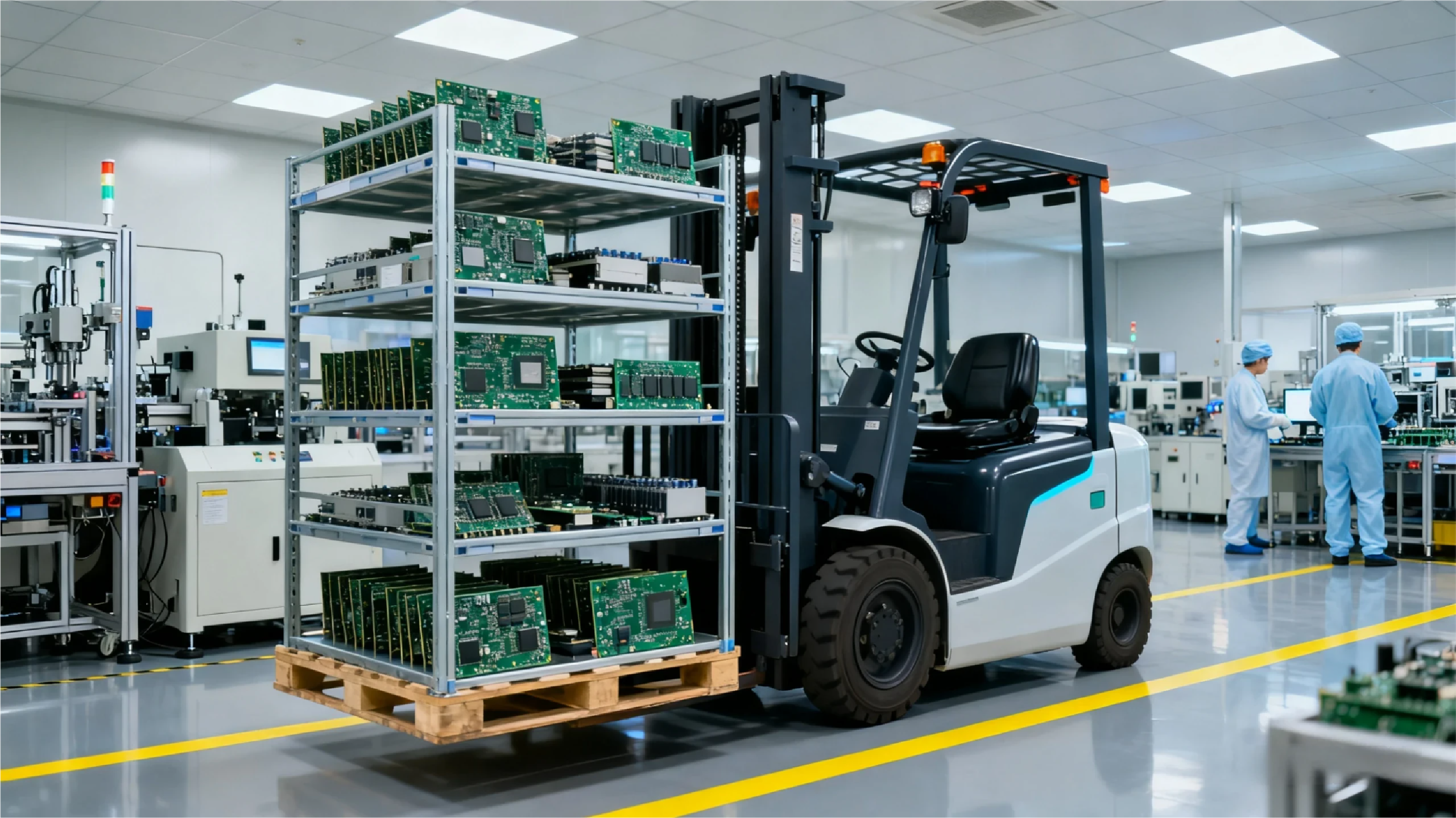
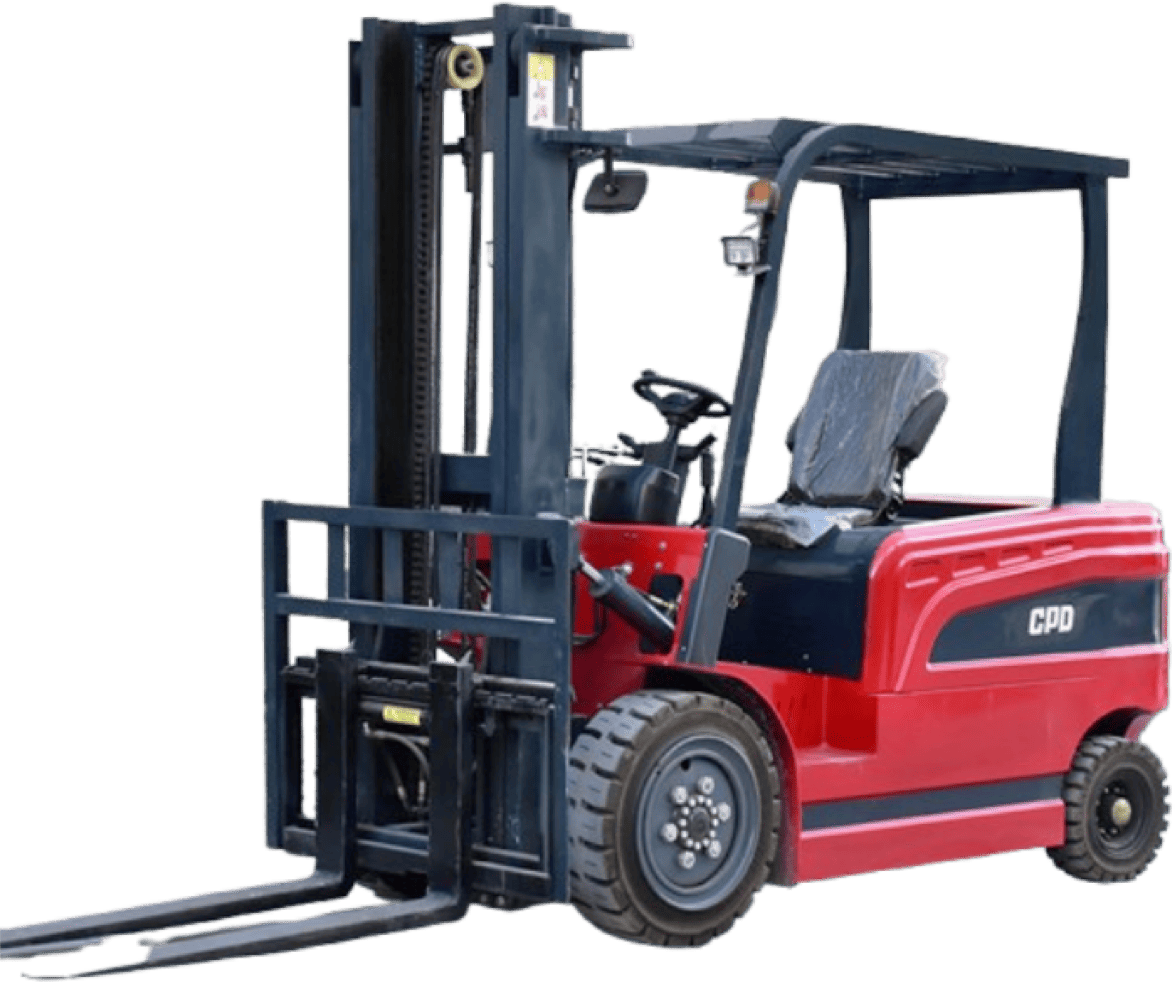
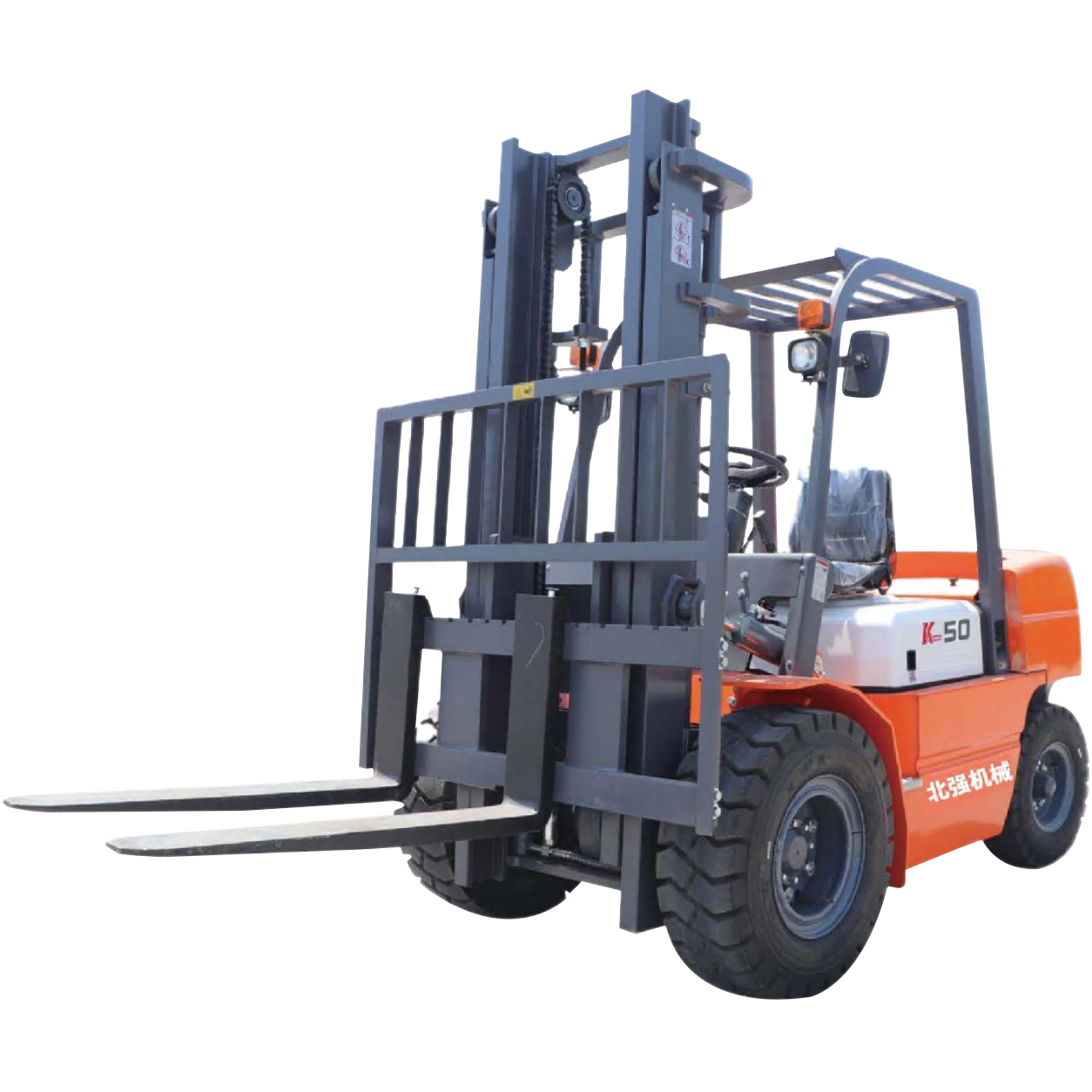
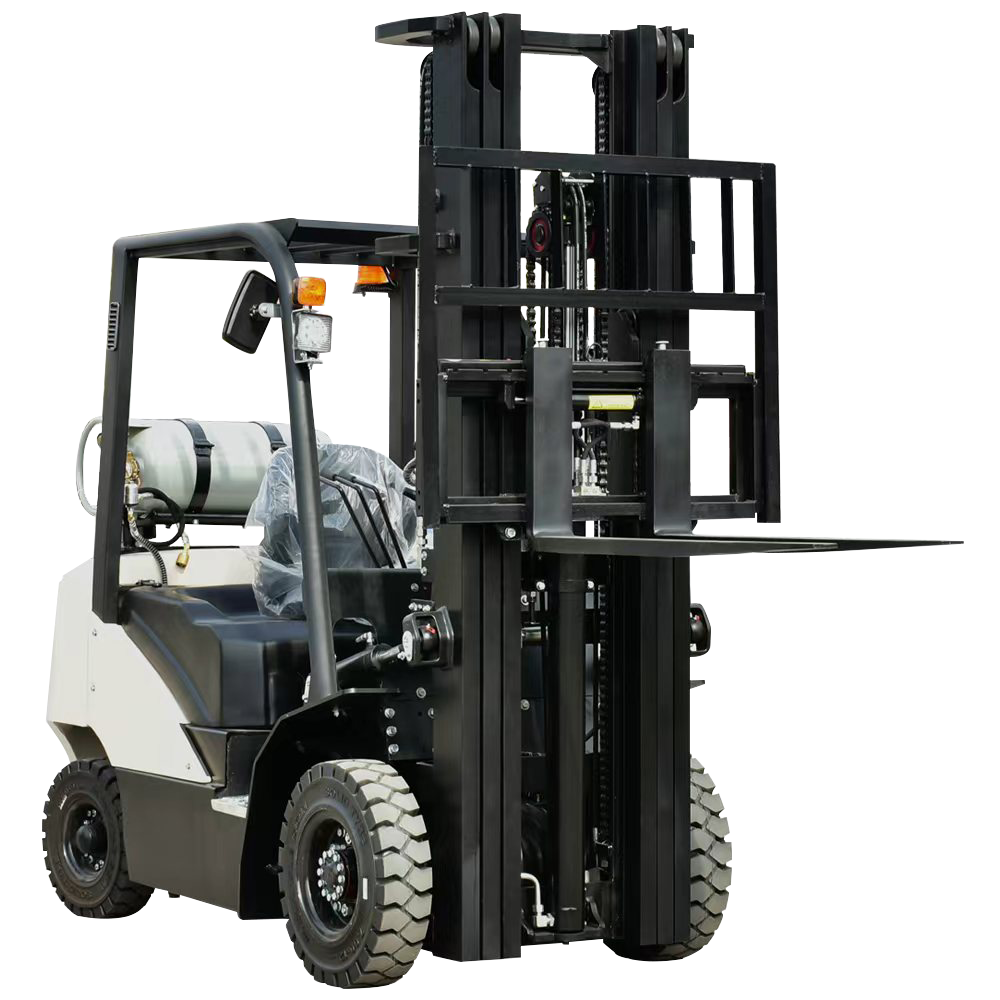
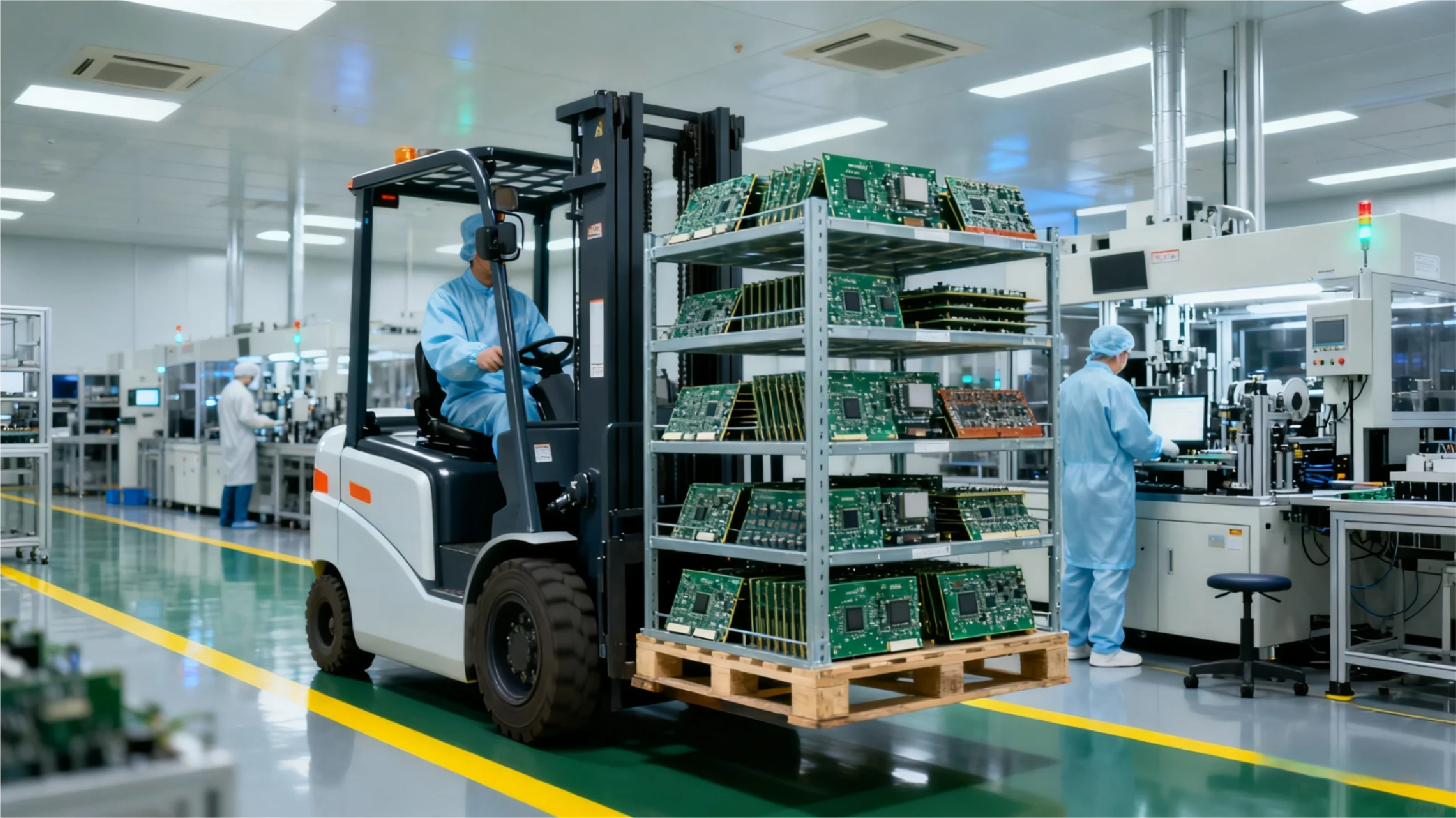
In production settings, electronic components are delicate and easily contaminated, making the environmental advantages of electric forklifts particularly crucial. After introducing electric counterbalance forklifts, a mobile phone assembly plant achieved zero exhaust emissions in its workshop, reducing particulate matter concentration in the air by 40%, preventing corrosion of circuit boards and chips by fuel exhaust fumes, and reducing component scrap rates by 18%. Simultaneously, the electronic steering and precise positioning systems equipped in electric forklifts can control errors within ±5mm, smoothly handling flexible OLED screens only 2mm thick. Compared to traditional forklifts, material handling efficiency is increased by 32%, and production line waiting time is reduced by 25%.
.jpg)
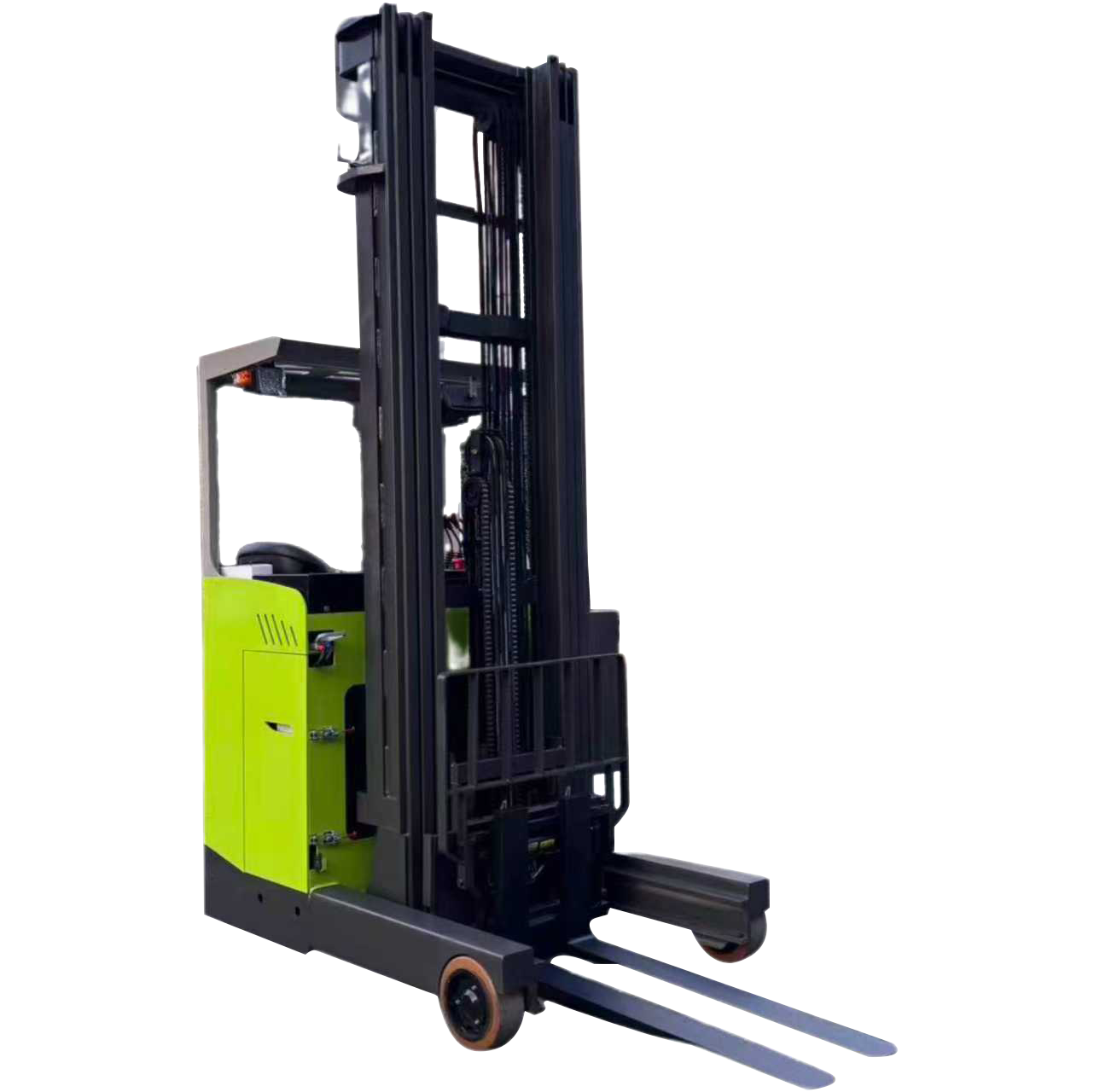
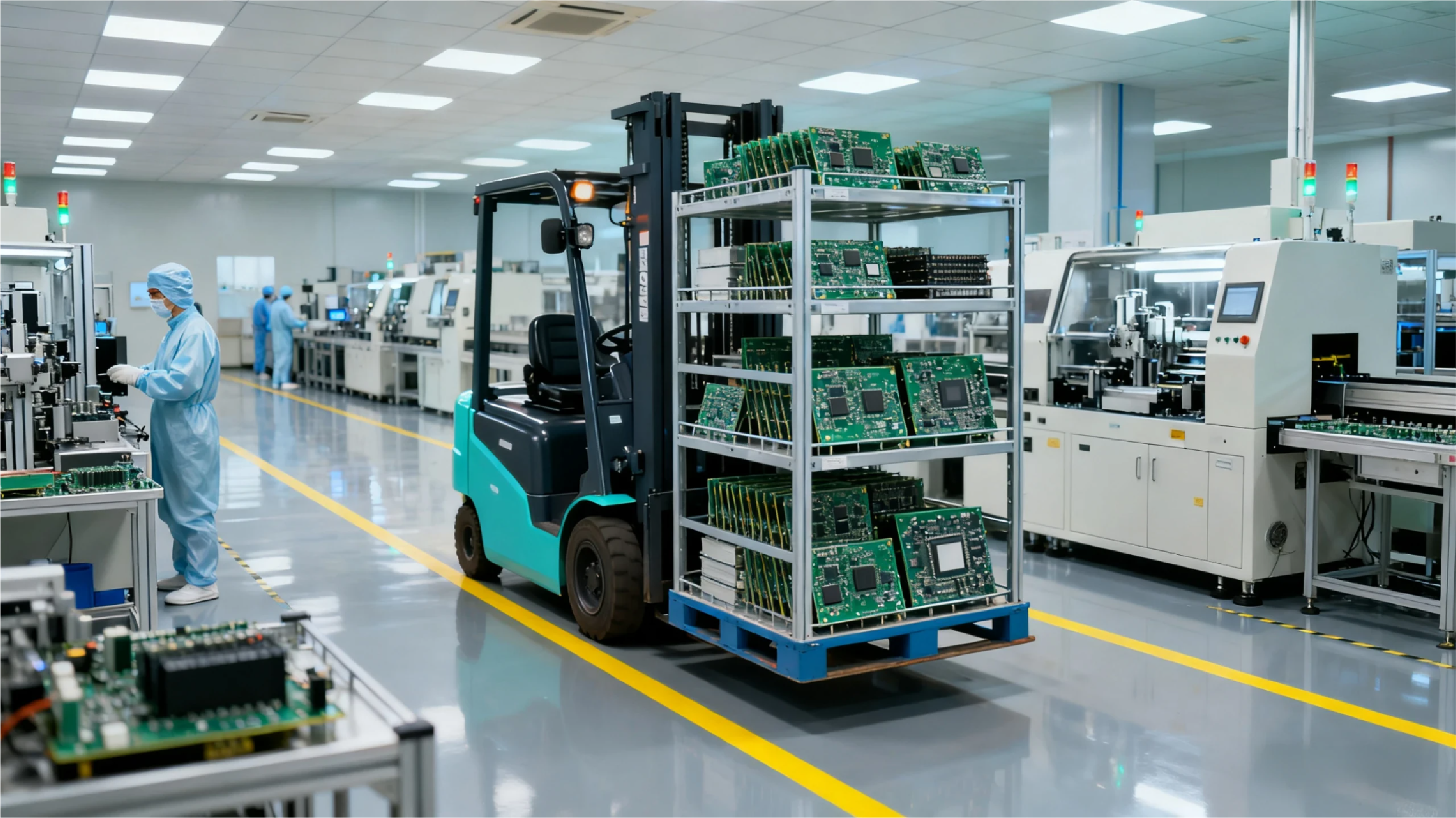
The precision advantages of electric forklifts are most evident in warehousing. Electronic product warehouses often utilize high-bay racking, and electric reach trucks can easily access goods at heights of up to 8 meters. Their laser positioning system ensures precise alignment of goods, achieving an inbound accuracy rate of 99.8%, far exceeding the 92% of fuel-powered forklifts. Data from an e-commerce platform's electronics warehousing center shows that after using electric reach trucks, warehouse space utilization increased by 28%, the average daily order volume handled by a single forklift increased from 120 to 185 orders, and the sorting error rate decreased to 0.1%, significantly reducing cargo damage costs.
.jpg)
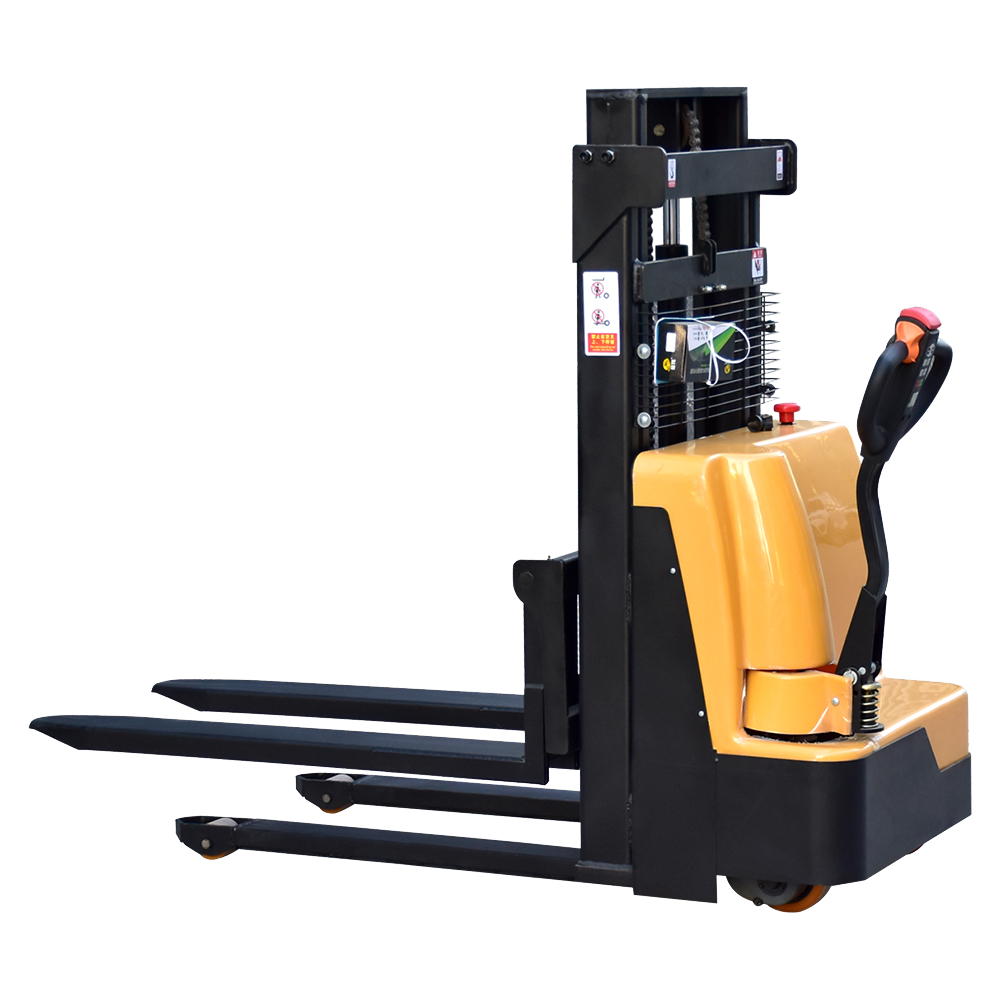
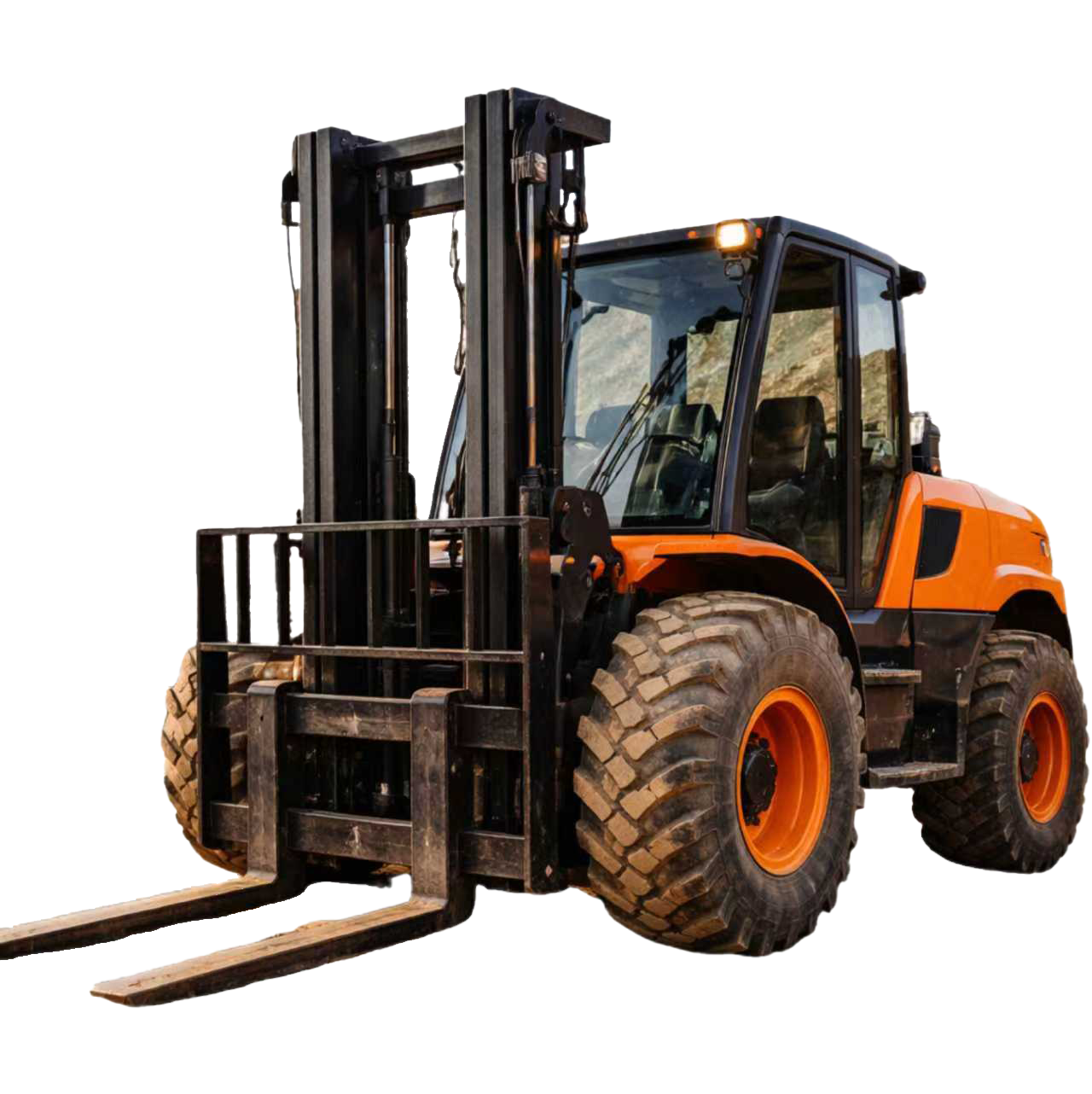
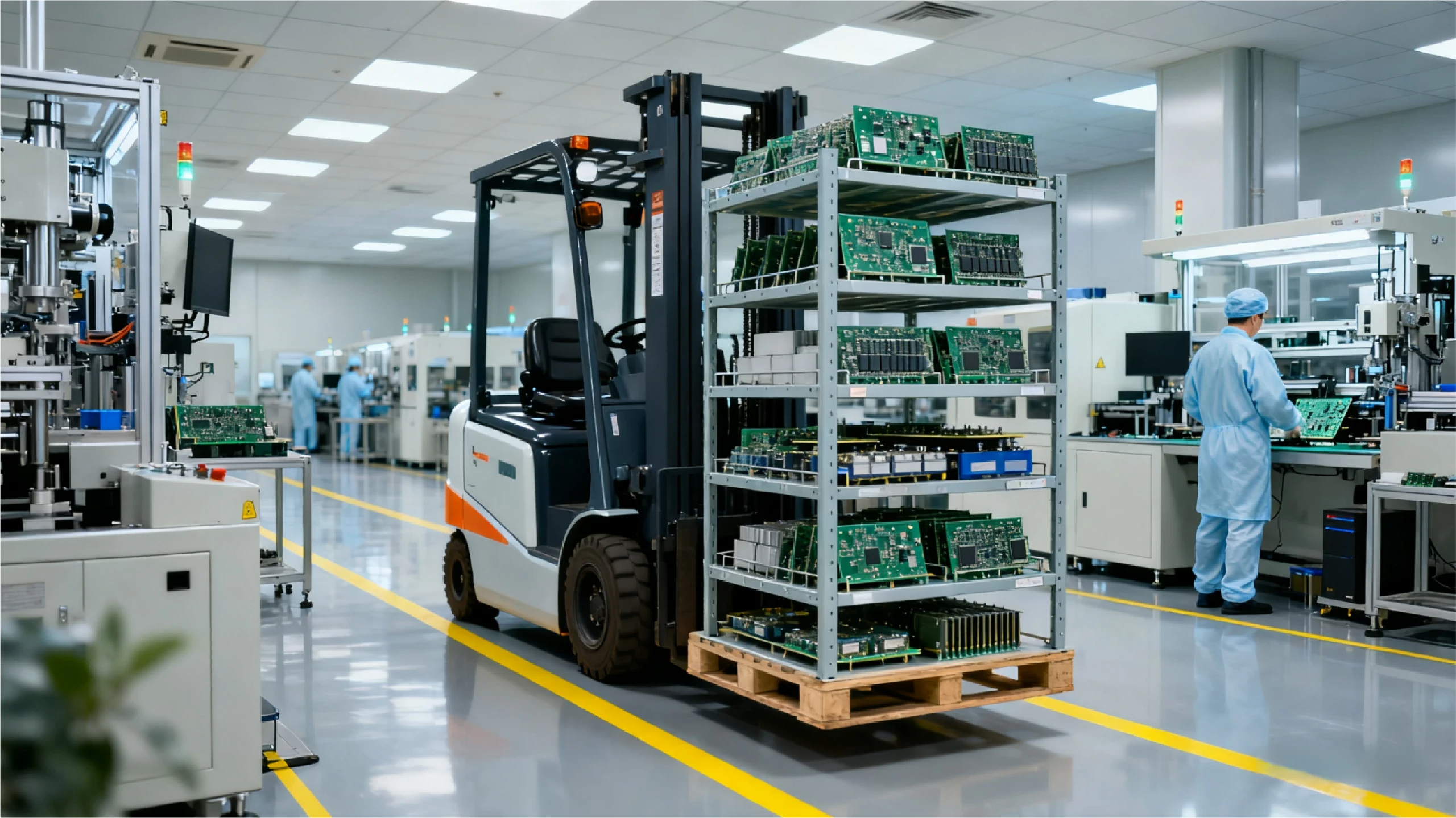
In transportation scenarios, the flexibility and stability of electric forklifts meet the needs of short-distance transfers. Within electronics industrial parks, electric pallet forklifts can navigate narrow aisles, completing the transfer of goods from warehouses to logistics vehicles. Their lithium batteries offer up to 8 hours of runtime, with an average daily range exceeding 50 kilometers, eliminating the need for frequent recharging. According to statistics from a laptop manufacturer, after replacing fuel-powered forklifts with electric forklifts, the noise level during transportation within the factory area decreased from 85 decibels to 55 decibels, and the product vibration damage rate during transportation decreased from 3% to 0.5%. This also reduces carbon emissions by approximately 12 tons annually, aligning with the green development trend in the electronics industry.
.jpg)
From production to warehousing to transportation, electric forklifts, with their core advantages of environmental friendliness and precision, provide strong support for cost reduction and efficiency improvement in the electronics industry. They also drive the green transformation of logistics, becoming an indispensable logistics equipment in the high-quality development of the electronics industry.
Our manager will contact you shortly.
To contact you about our products and services.
Copyright © Xingtai Beiqiang Machinery Manufacturing Factory. 2025.
Technical support:Echola