

How to Get Forklift Certified
How to Get Forklift Certified – Step-by-Step Guide
If you're wondering how to get forklift certified, the process is straightforward but essential for safe and legal operation. Forklift certification ensures that operators understand safety procedures, equipment handling, and workplace regulations.
Whether you're starting a new job or improving your skills, becoming certified is a valuable step in the material handling industry.
What Is Forklift Certification
Forklift certification is a training and evaluation process that verifies an operator’s ability to safely operate a forklift.
It typically includes:
Classroom training (safety rules and theory)
Practical training (hands-on operation)
Evaluation and testing
Certification is required in many countries for workplace safety compliance.
Requirements for Forklift Certification
To get forklift certified, you generally need:
Minimum age requirement (varies by country)
Physical ability to operate equipment
Basic understanding of safety procedures
Employers often provide or require certification training.
Steps to Get Forklift Certified
Follow these steps to become certified:
1. Enroll in a Training Program
Choose an accredited forklift training provider.
2. Complete Theoretical Training
Learn safety rules, equipment basics, and regulations.
3. Complete Practical Training
Practice operating a forklift under supervision.
4. Pass the Evaluation
Demonstrate your ability to safely operate the equipment.
5. Receive Certification
After passing, you will receive a forklift certification.
How Long Does Certification Take
Forklift certification can usually be completed within:
1 to 3 days for basic training
Longer for advanced or specialized training
The duration depends on experience level and training provider.
Forklift Certification Cost
The cost of forklift certification varies depending on:
Training provider
Location
Course type
Typical costs range from:
$100 to $300
Why Forklift Training Matters
Proper training improves:
Workplace safety
Operational efficiency
Equipment lifespan
Compliance with regulations
Related Equipment
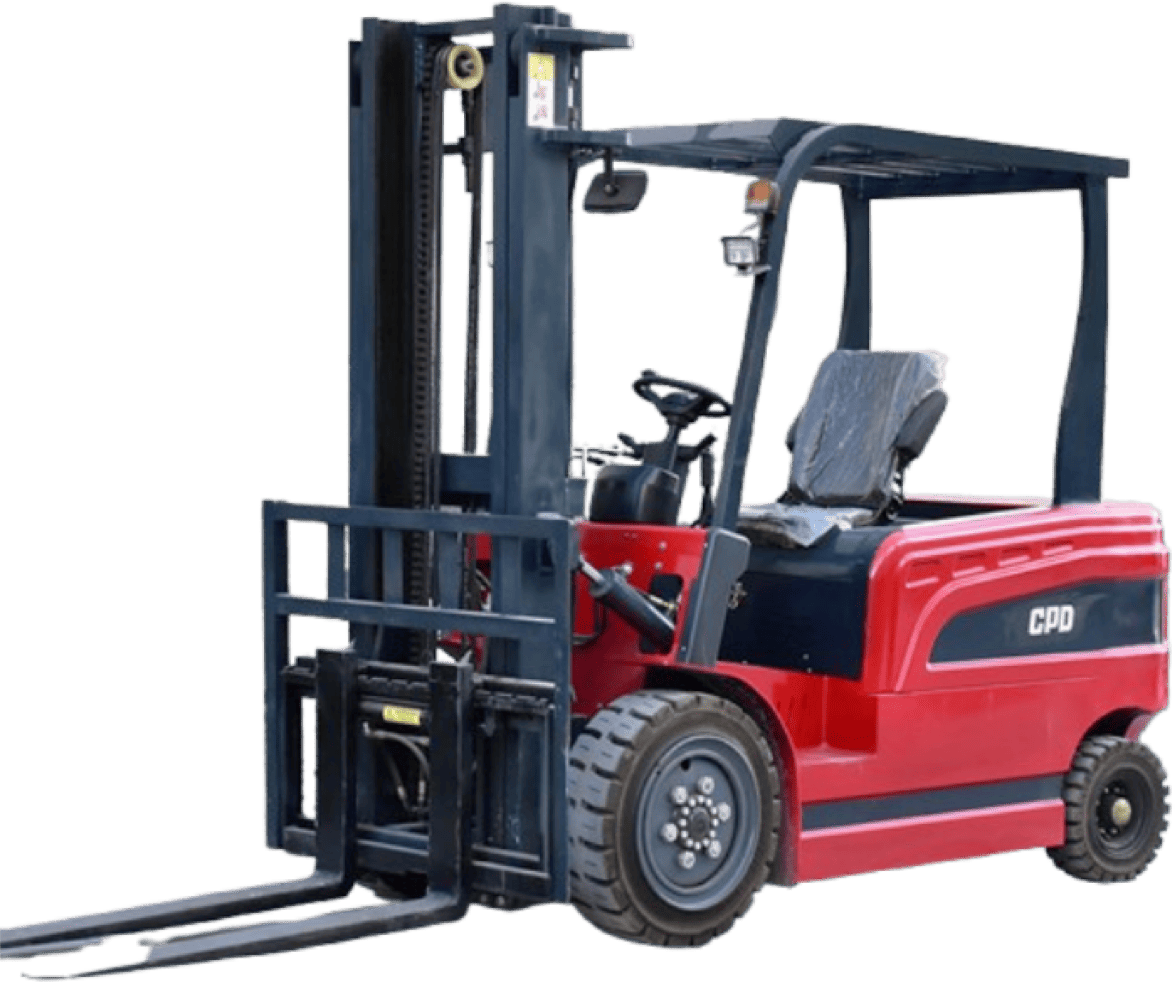
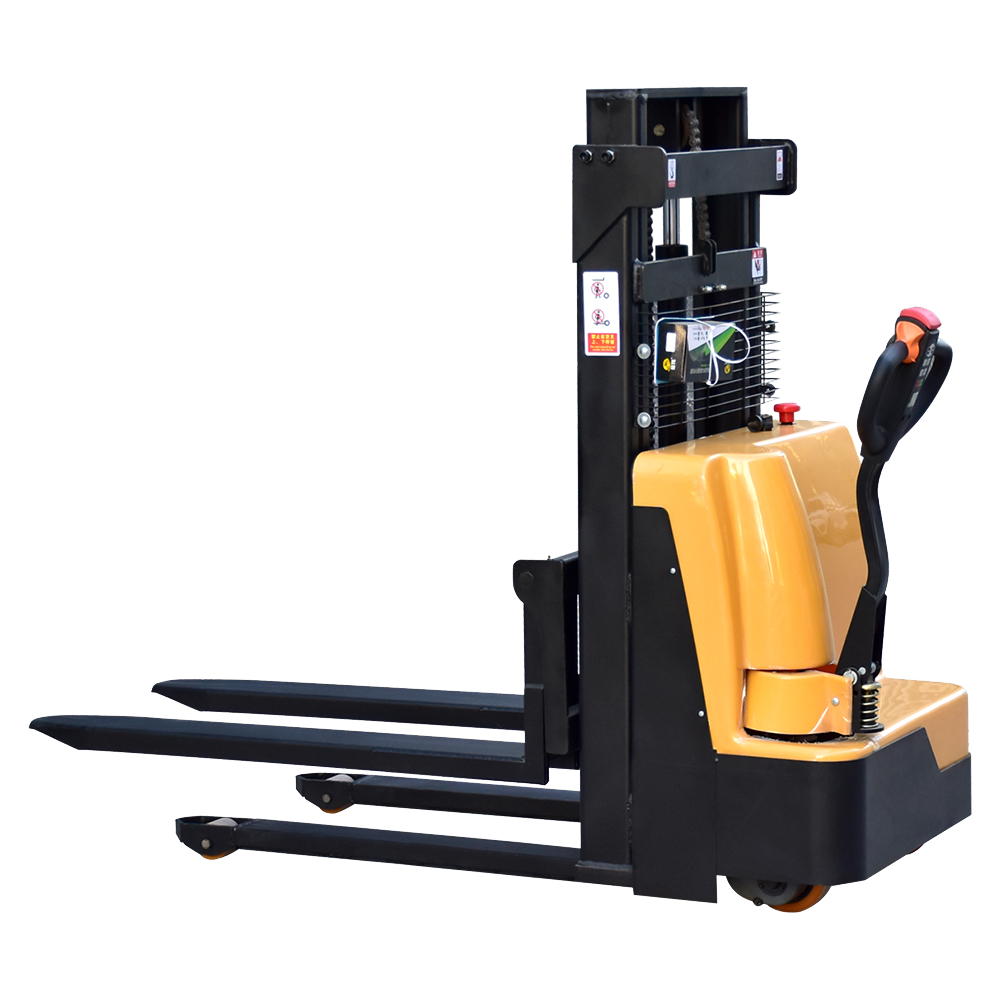
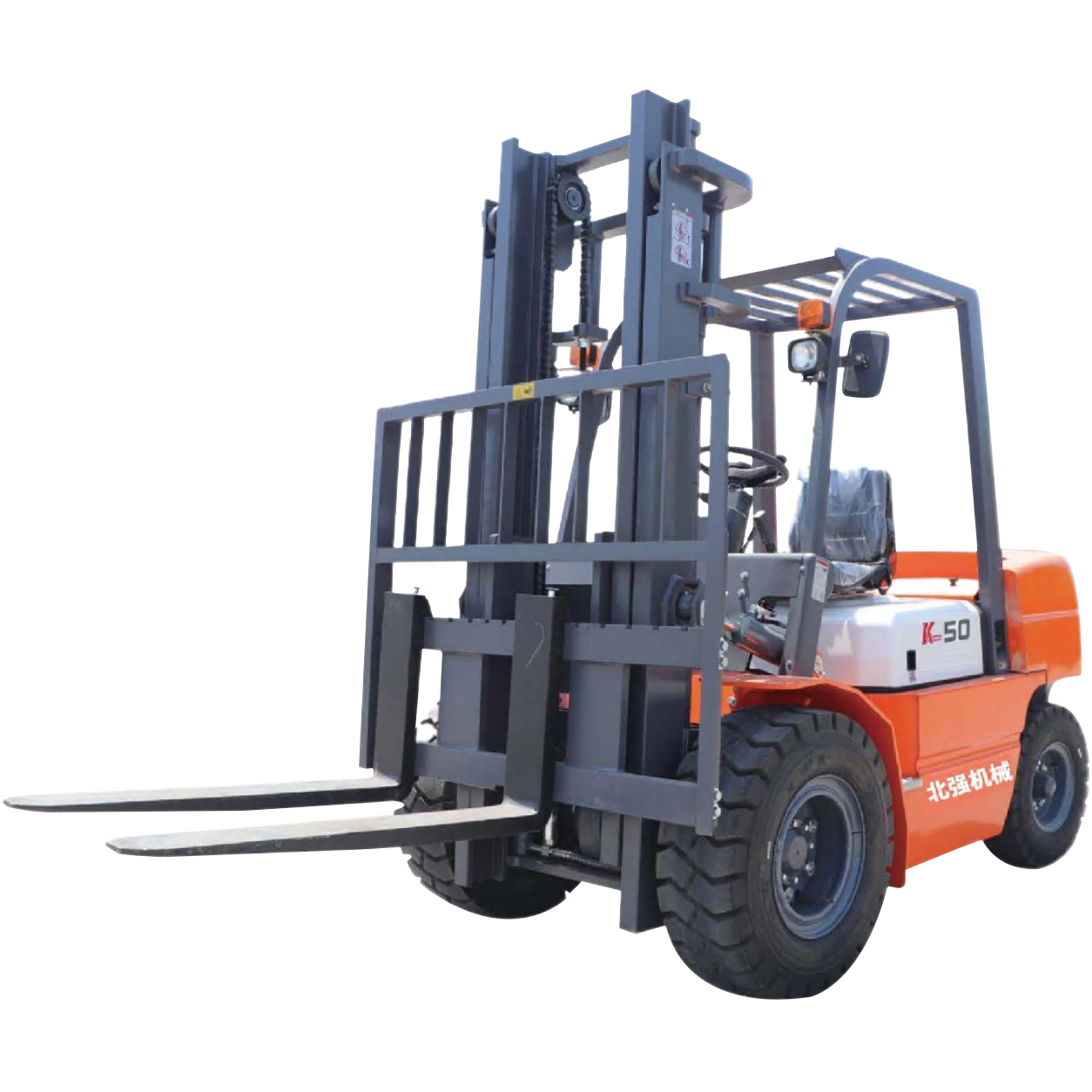
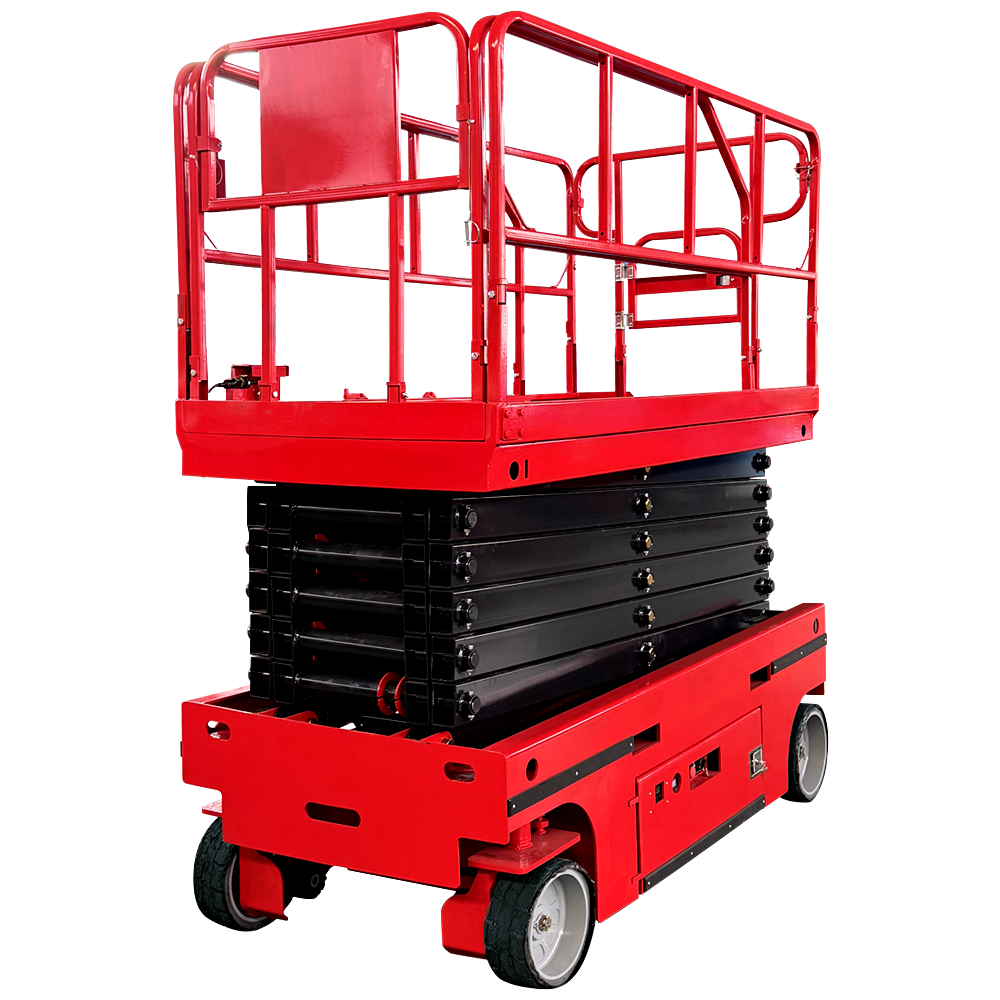
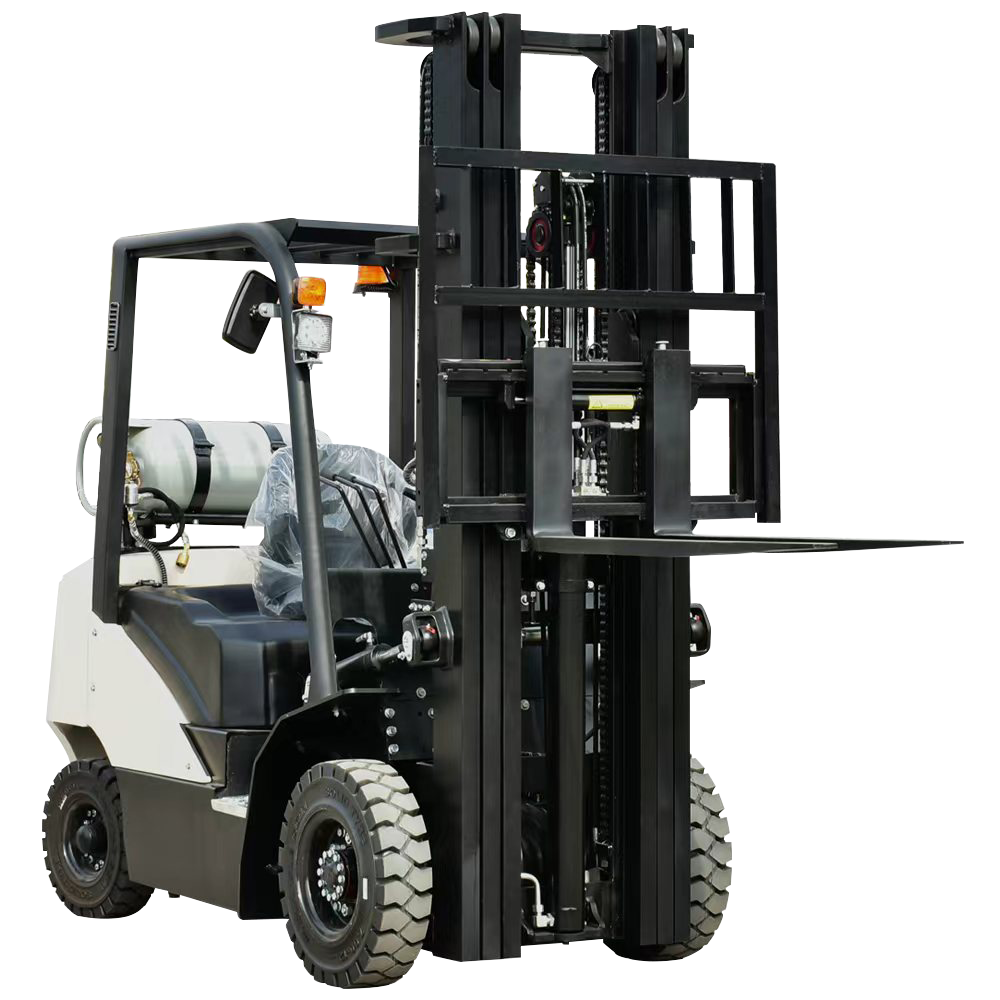
Understanding forklift operation also helps when choosing equipment.
Internal link: forklift
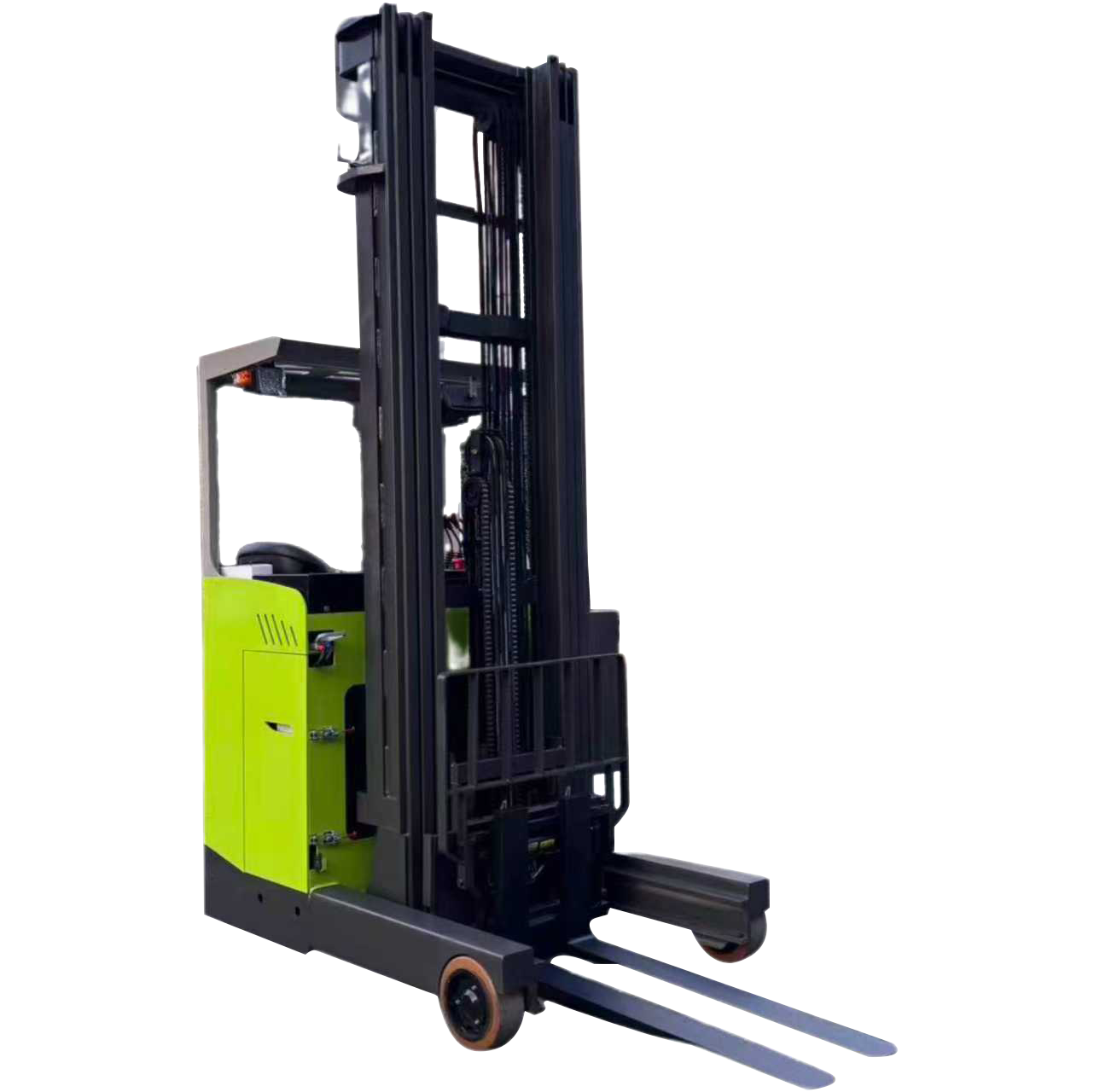
Internal link: electric forklift
Call to Action(引流转化)
Looking for reliable forklifts after getting certified?
We provide:
Electric and diesel forklifts
Competitive pricing
Global delivery
👉 Contact us now to get forklift options and pricing.
Summary
Learning how to get forklift certified is essential for safe and efficient operation. With proper training and certification, operators can improve safety, productivity, and career opportunities.
Our manager will contact you shortly.
To contact you about our products and services.
Copyright © Xingtai Beiqiang Machinery Manufacturing Factory. 2025.
Technical support:Echola