

Warehouse Electric Forklift Solutions: Improve Efficiency, Safety, and Sustainability
Warehouse Electric Forklift Solutions
How Electric Forklifts Transform Modern Warehouses
In modern logistics and distribution centers, warehouse efficiency depends heavily on reliable material handling equipment. Among all available options, the electric forklift has become the preferred solution for indoor warehouse operations due to its clean energy, low noise, and high operational efficiency.
As warehouses continue to expand vertically and adopt automation, electric forklifts play a critical role in supporting fast, safe, and sustainable material movement.
1. Why Warehouses Prefer Electric Forklifts
Warehouses operate in enclosed environments where emissions, noise, and maneuverability matter. Compared with internal combustion forklifts, electric forklifts offer several advantages:
Zero exhaust emissions
Low operating noise
Smooth and precise control
Lower maintenance requirements
For these reasons, choosing the right
👉 electric forklift
directly impacts warehouse productivity and worker safety.
2. Typical Warehouse Applications
Electric forklifts are widely used in warehouses for:
Loading and unloading delivery trucks
Transporting palletized goods
Stacking products in racking systems
Feeding production or picking lines
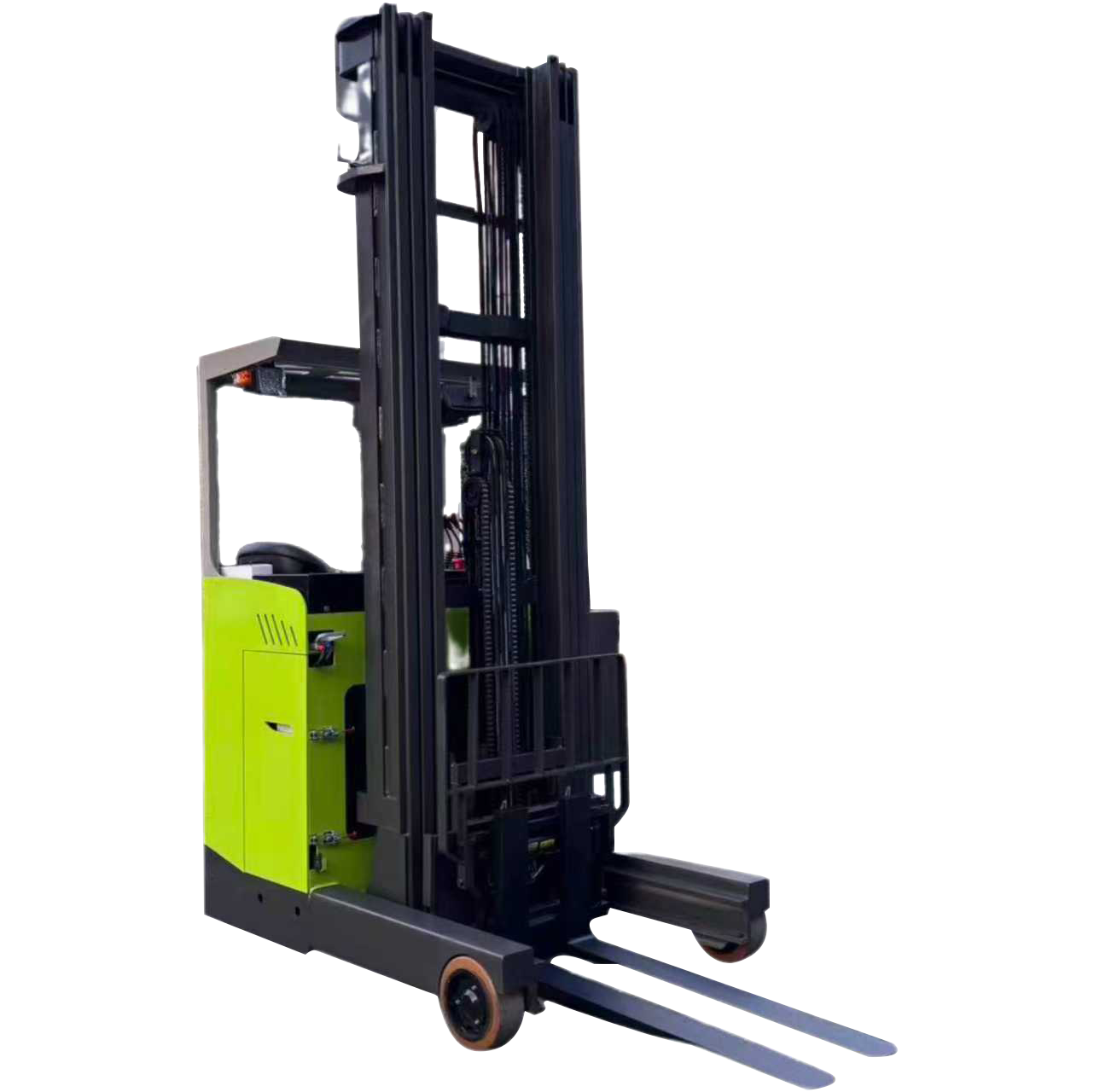
For operations involving narrow aisles or high racking, electric forklifts often work alongside reach trucks to maximize space utilization.
3. Electric Forklift Types Used in Warehouses
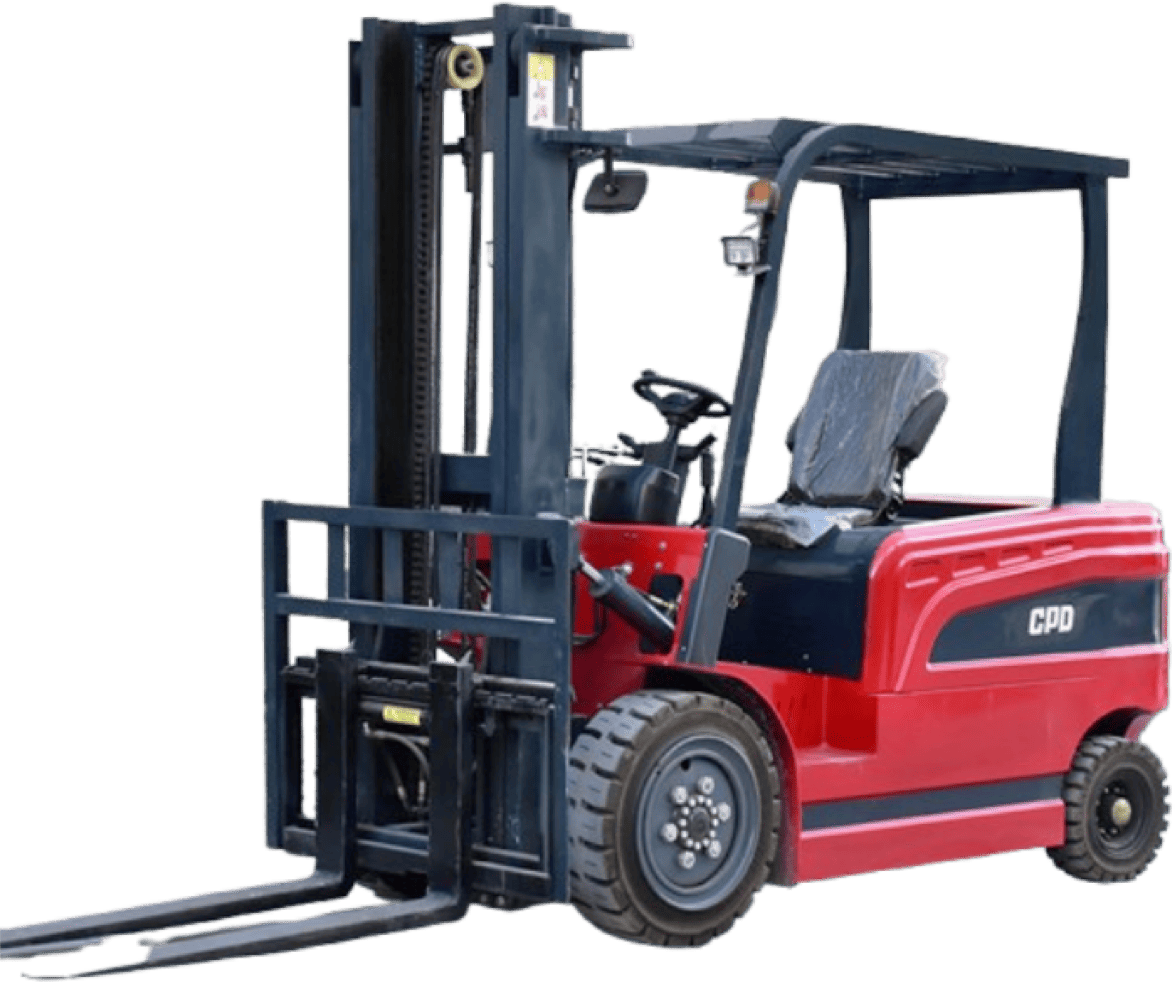
3-Wheel Electric Forklifts
Excellent maneuverability
Ideal for narrow aisles and tight corners
4-Wheel Electric Forklifts
Higher stability
Suitable for heavier loads and longer shifts
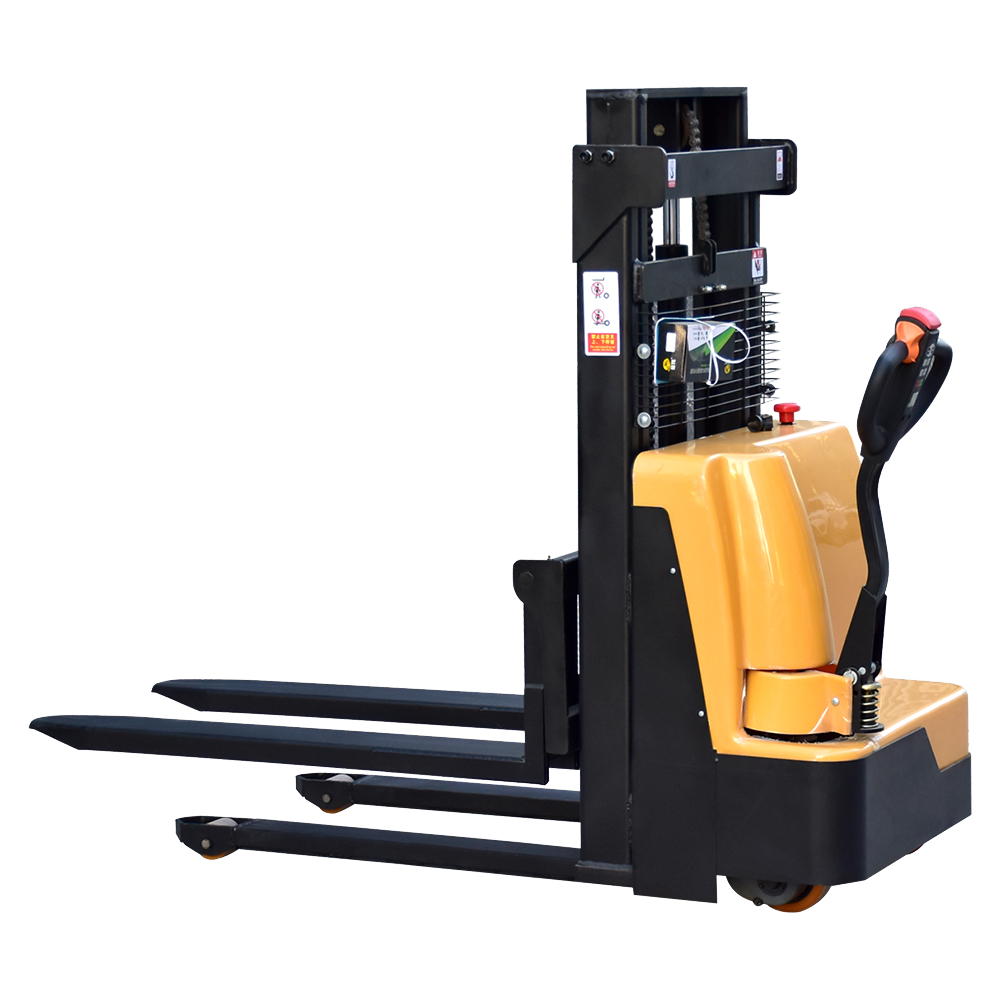
Stand-On Electric Forklifts
Designed for high-frequency operations
Reduce operator fatigue during short-distance transport
Selecting the right configuration depends on aisle width, load size, and daily operating hours.
4. Load Capacity and Lifting Height Requirements
Most warehouse electric forklifts fall within the following range:
Load capacity: 1.5–3.5 tons
Lifting height: up to 6 meters
For higher storage systems, warehouses may integrate electric forklifts with specialized equipment such as reach trucks or electric stackers.
5. Battery Technology for Warehouse Use
Battery performance is critical in warehouse environments where downtime directly affects throughput.
Lead-Acid Batteries
Lower upfront cost
Requires regular watering and maintenance
Lithium-Ion Batteries
Fast charging and opportunity charging
Maintenance-free
Longer service life
Many modern warehouses are transitioning to lithium-ion batteries to support multi-shift operations.
6. Safety Advantages in Warehouse Operations
Electric forklifts enhance warehouse safety by offering:
Reduced noise levels
Better visibility
Smooth acceleration and braking
Advanced safety systems
Lower noise allows operators to better hear surrounding activity, reducing accident risks in busy warehouses.
7. Energy Efficiency and Operating Costs
Electric forklifts consume significantly less energy compared to fuel-powered models. For warehouse operators, this results in:
Lower energy costs
Reduced maintenance expenses
Predictable operating budgets
Over time, the total cost of ownership makes electric forklifts a cost-effective solution for warehouse environments.
8. Environmental and Regulatory Benefits
With increasing environmental regulations, warehouses are under pressure to reduce carbon emissions. Electric forklifts help companies:
Meet sustainability targets
Comply with indoor air quality standards
Support green logistics initiatives
These benefits are especially important for food, pharmaceutical, and e-commerce warehouses.
9. Integration with Warehouse Layout Design
Electric forklifts are well-suited to modern warehouse layouts that emphasize:
Narrow aisles
High-density racking
Optimized material flow
Their compact design and precise control make them ideal for dynamic warehouse environments.
10. Operator Comfort and Productivity
Warehouse operations often involve long working hours. Electric forklifts improve operator comfort through:
Ergonomic seating and controls
Low vibration levels
Smooth handling characteristics
Comfortable operators are more productive and less prone to fatigue-related errors.
11. Maintenance in Warehouse Conditions
Electric forklifts require fewer maintenance tasks than diesel or LPG models. Typical warehouse maintenance includes:
Battery inspection and charging
Tire and brake checks
Electrical system diagnostics
Simplified maintenance reduces downtime and service costs.
12. Choosing the Right Warehouse Electric Forklift
When selecting an electric forklift for warehouse use, consider:
Daily operating hours
Load characteristics
Aisle width
Battery type and charging strategy
Matching equipment specifications to warehouse needs ensures long-term efficiency.
13. Electric Forklifts and Warehouse Automation
Electric forklifts are increasingly integrated into semi-automated and automated warehouse systems. Their precise control and compatibility with digital systems make them suitable for modern logistics solutions.
14. Common Limitations to Consider
Despite their advantages, electric forklifts may not be ideal for:
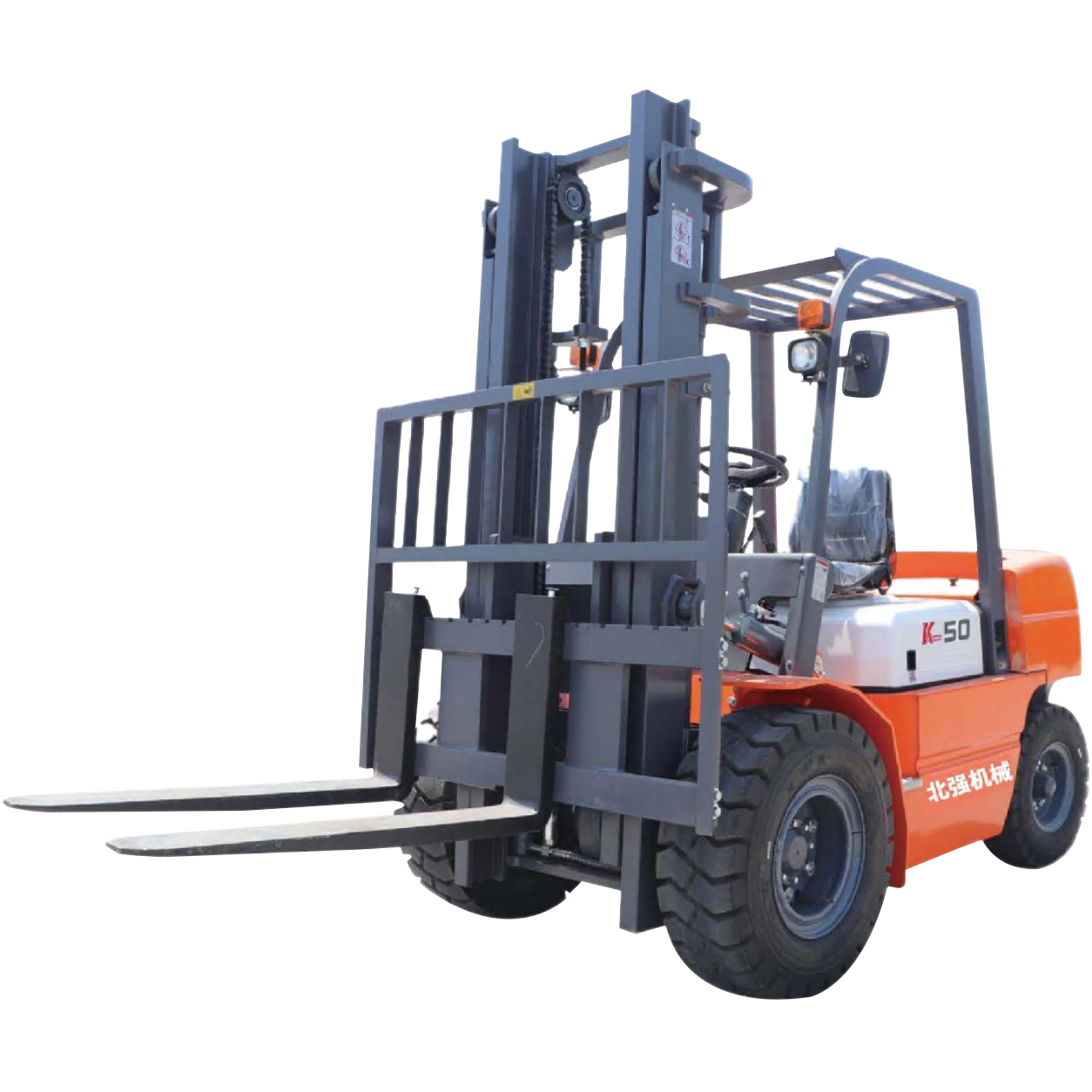
Uneven outdoor surfaces
Heavy-duty continuous outdoor use
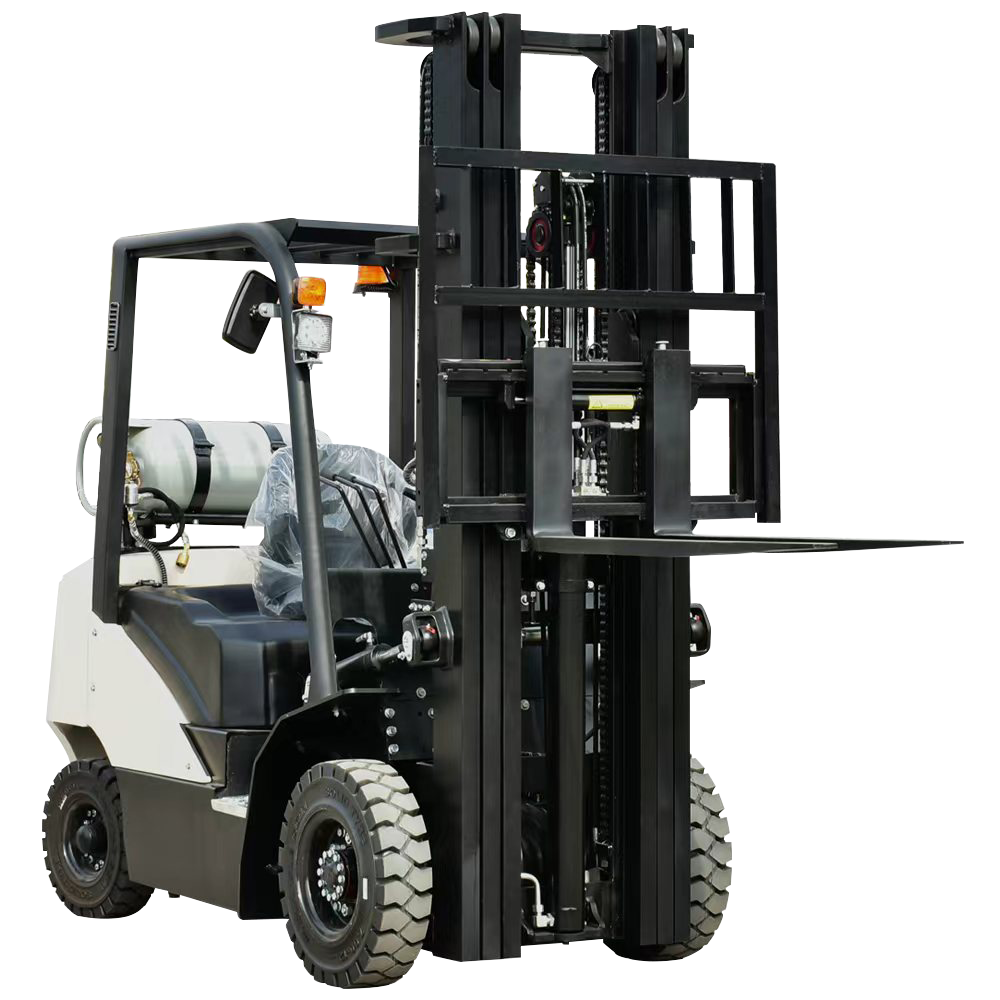
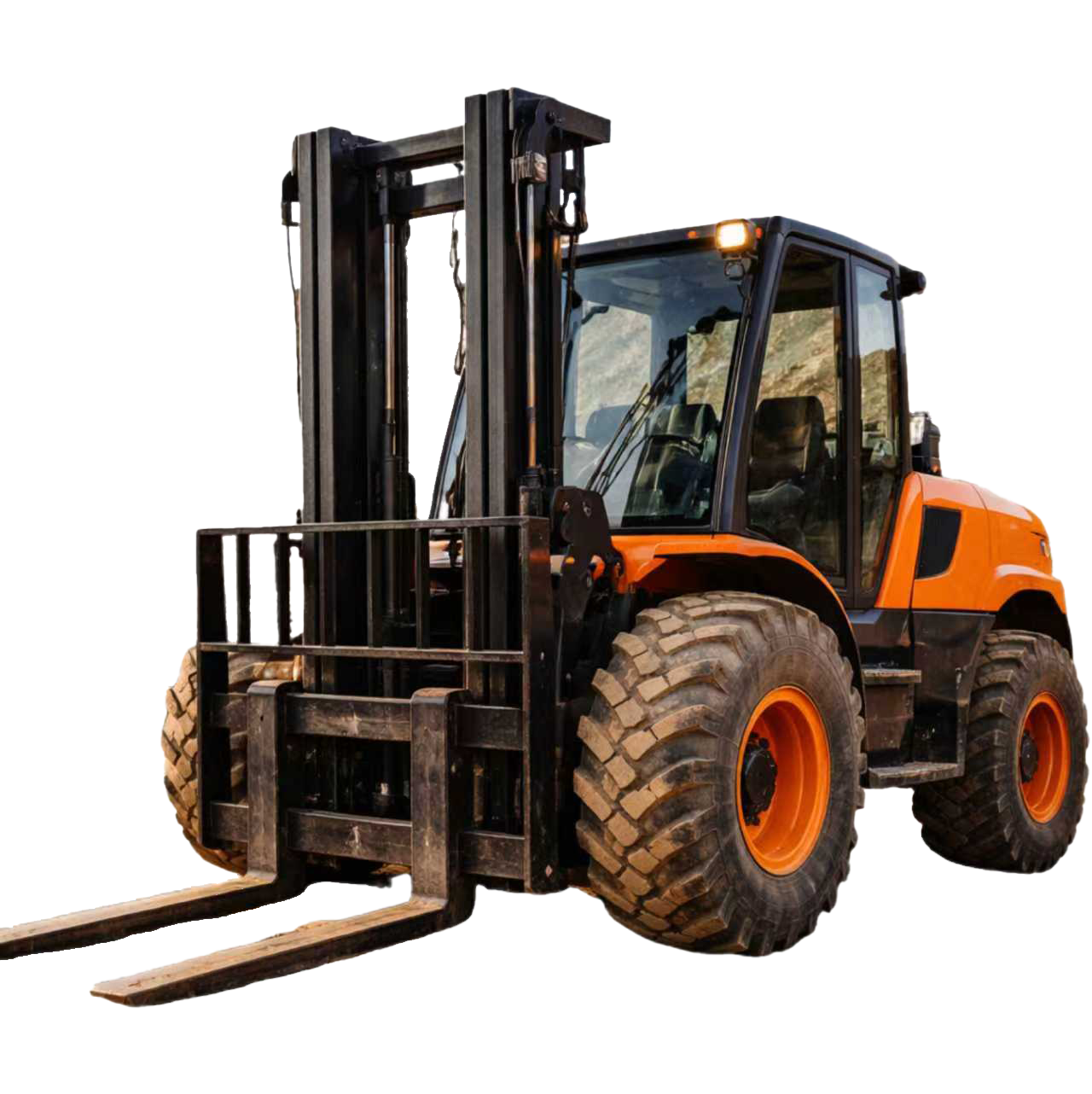
For such applications, diesel or rough terrain forklifts may be more appropriate.
15. Conclusion
Warehouse electric forklifts are essential tools for modern material handling. With their clean operation, high efficiency, and adaptability, they help warehouses improve productivity while meeting safety and sustainability goals.
When properly selected and maintained, electric forklifts become a long-term asset for efficient warehouse operations.
Our manager will contact you shortly.
To contact you about our products and services.
Copyright © Xingtai Beiqiang Machinery Manufacturing Factory. 2025.
Technical support:Echola