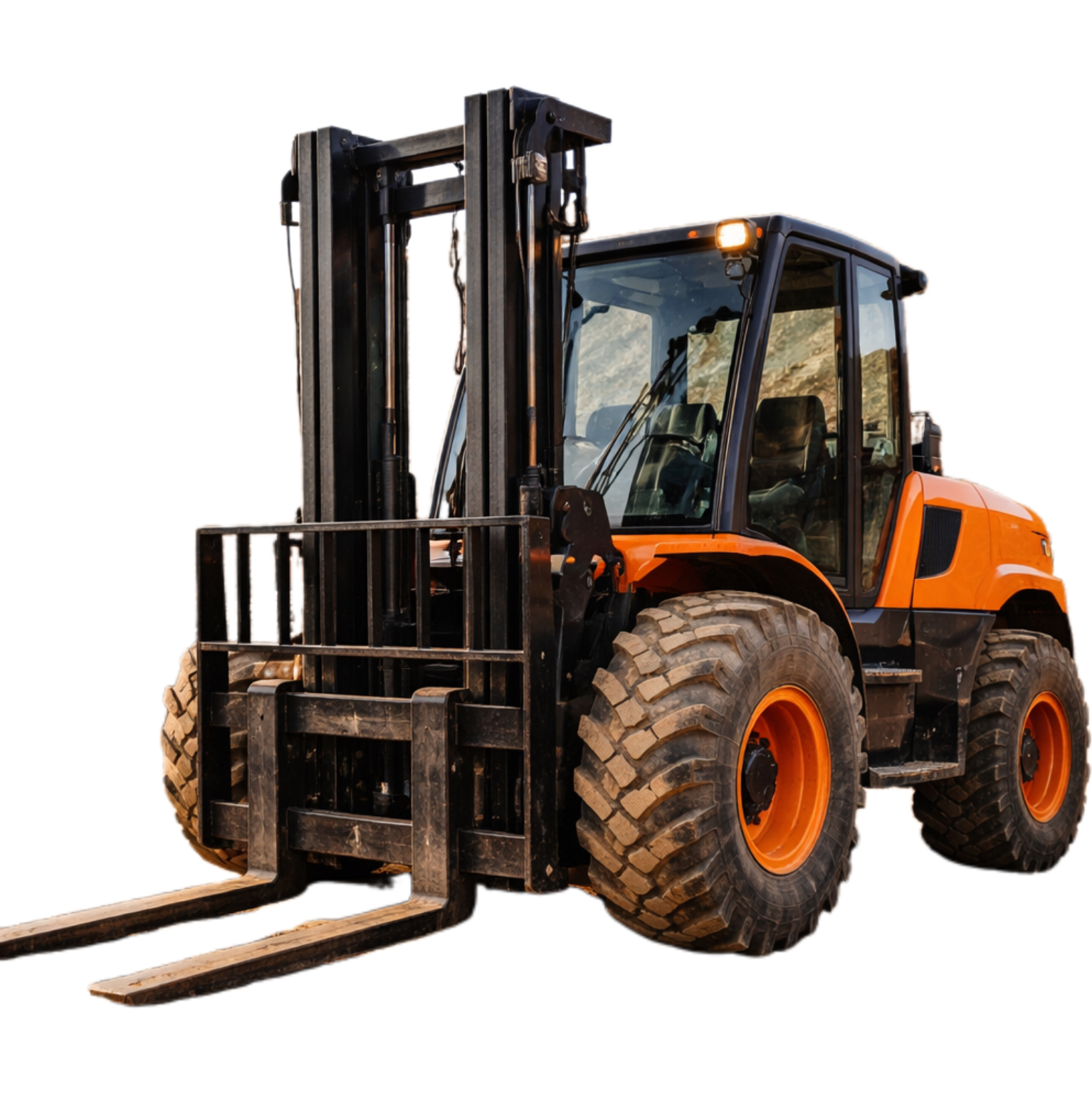


Electric Forklifts in Manufacturing Workshops: Flexibly Adapting to Production Line Material Handling
In manufacturing workshops, material handling is a core link that runs through the entire production process—from raw material warehousing, semi-finished product transfer to finished product loading. The efficiency and flexibility of material handling directly affect the production rhythm, cost control, and operational safety of the entire workshop. Traditional material handling methods (such as manual handling, hydraulic trolleys) are inefficient and high-risk, while fuel-powered forklifts are gradually eliminated due to exhaust emissions, high noise, and poor maneuverability in narrow spaces. Electric forklifts, with their advantages of flexibility, energy saving, low noise, and strong adaptability, have become the mainstream equipment for production line material handling. However, how to select and apply electric forklifts to flexibly match the diverse needs of different production lines (such as assembly lines, stamping workshops, heavy-duty component production) has become a key issue for manufacturing enterprises. This article will deeply analyze the material handling characteristics of manufacturing workshops and elaborate on targeted electric forklift application strategies, helping enterprises achieve efficient, safe, and low-cost production line operations.
I. Core Characteristics and Pain Points of Material Handling in Manufacturing Workshops
Manufacturing workshops have diverse production scenarios and complex material types, which bring unique challenges to material handling. The core characteristics and pain points are reflected in four aspects:
Diverse Material Types and Load Requirements: The materials involved in production lines include light-weight parts (such as electronic components, small hardware), heavy-duty components (such as engine blocks, steel plates), and bulk materials (such as raw material packages). The load requirements range from 0.5 tons to 10 tons, requiring handling equipment with strong load adaptability.
Narrow Operation Space and Complex Paths: Most manufacturing workshops have dense production equipment, narrow passageways between production lines, and many turning points. Traditional large forklifts are difficult to maneuver, and there is a risk of collision with production equipment or materials.
High Rhythm Consistency Requirements: The material supply of production lines must keep up with the production rhythm (such as assembly line beat). Any delay in material handling will lead to production line shutdown, resulting in economic losses (usually 1,000-5,000 RMB per hour of shutdown).
Strict Safety and Environmental Requirements: Workshop operations involve multiple workers and equipment, requiring handling equipment to have high safety performance (such as anti-collision, anti-slip). At the same time, closed or semi-closed workshops have strict requirements on exhaust emissions and noise, prohibiting pollution from fuel-powered equipment.
II. Why Electric Forklifts Are More Suitable for Manufacturing Workshops Than Traditional Equipment?
Compared with manual handling, hydraulic trolleys, and fuel-powered forklifts, electric forklifts have obvious advantages in adapting to the material handling needs of manufacturing workshops:
1. Strong Flexibility and Maneuverability, Adapting to Narrow Spaces
Electric forklifts have a variety of models (narrow-aisle forklifts, electric pallet trucks, stackers) with small turning radii (minimum ≤1.2 meters) and compact structures. They can easily pass through narrow passages between production lines and flexibly turn at complex turning points. For example, narrow-aisle electric forklifts can operate in passages as narrow as 1.8 meters, which is impossible for traditional fuel-powered forklifts (minimum passage width ≥3 meters).
2. Diverse Load Ranges, Matching Different Material Requirements
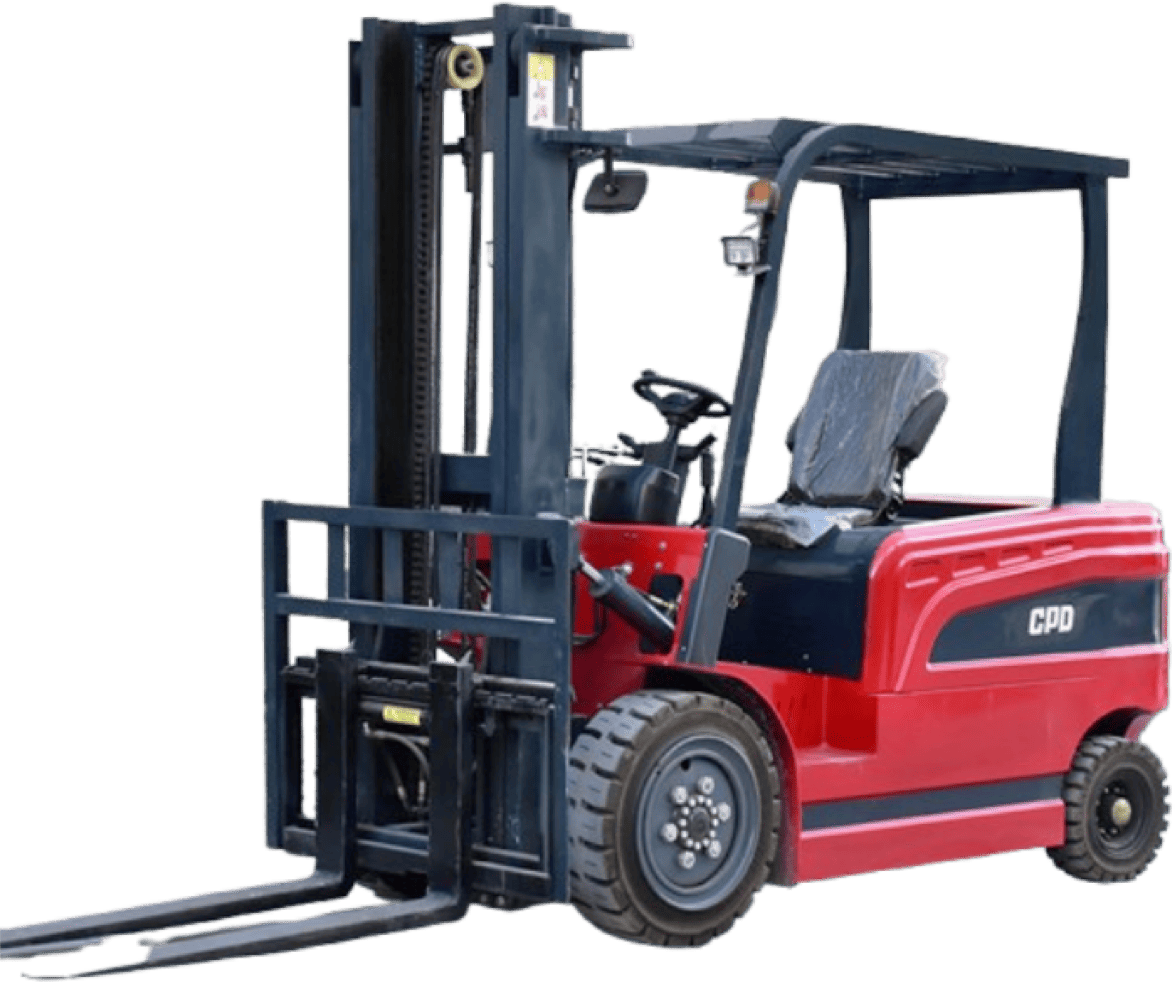
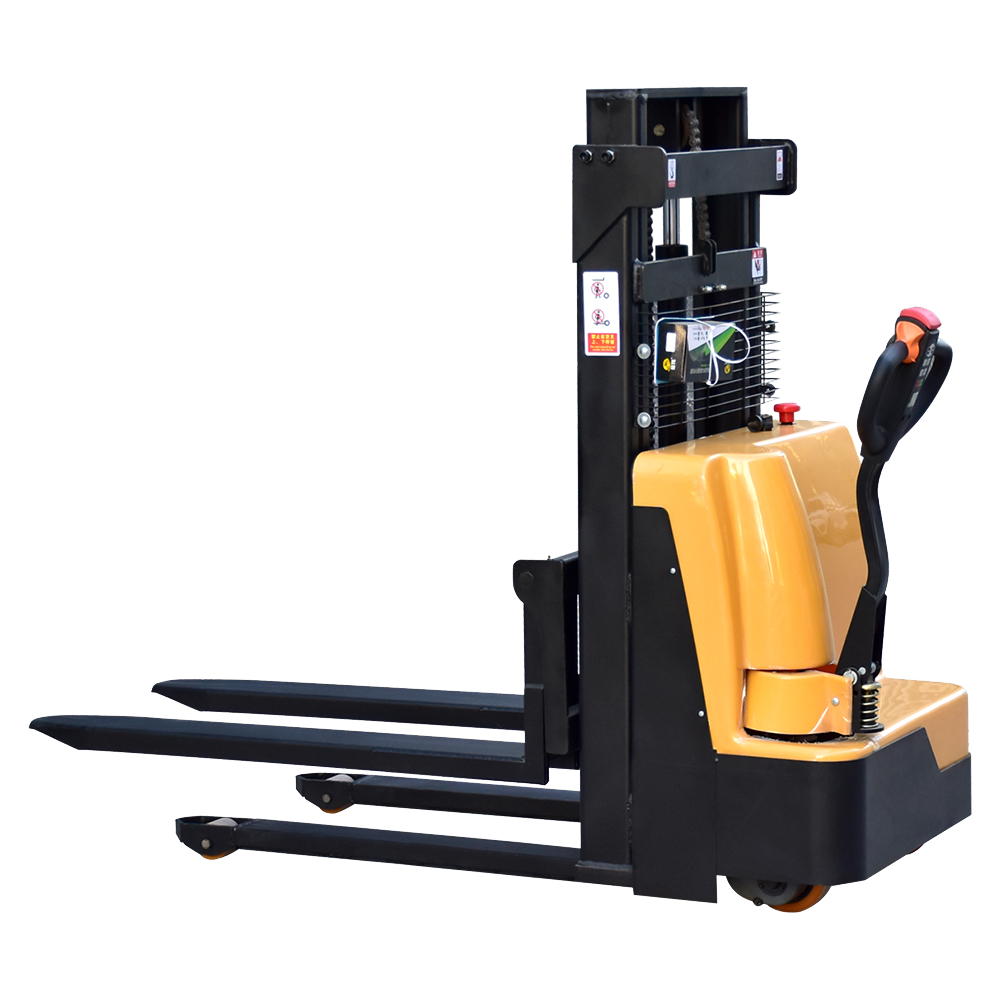
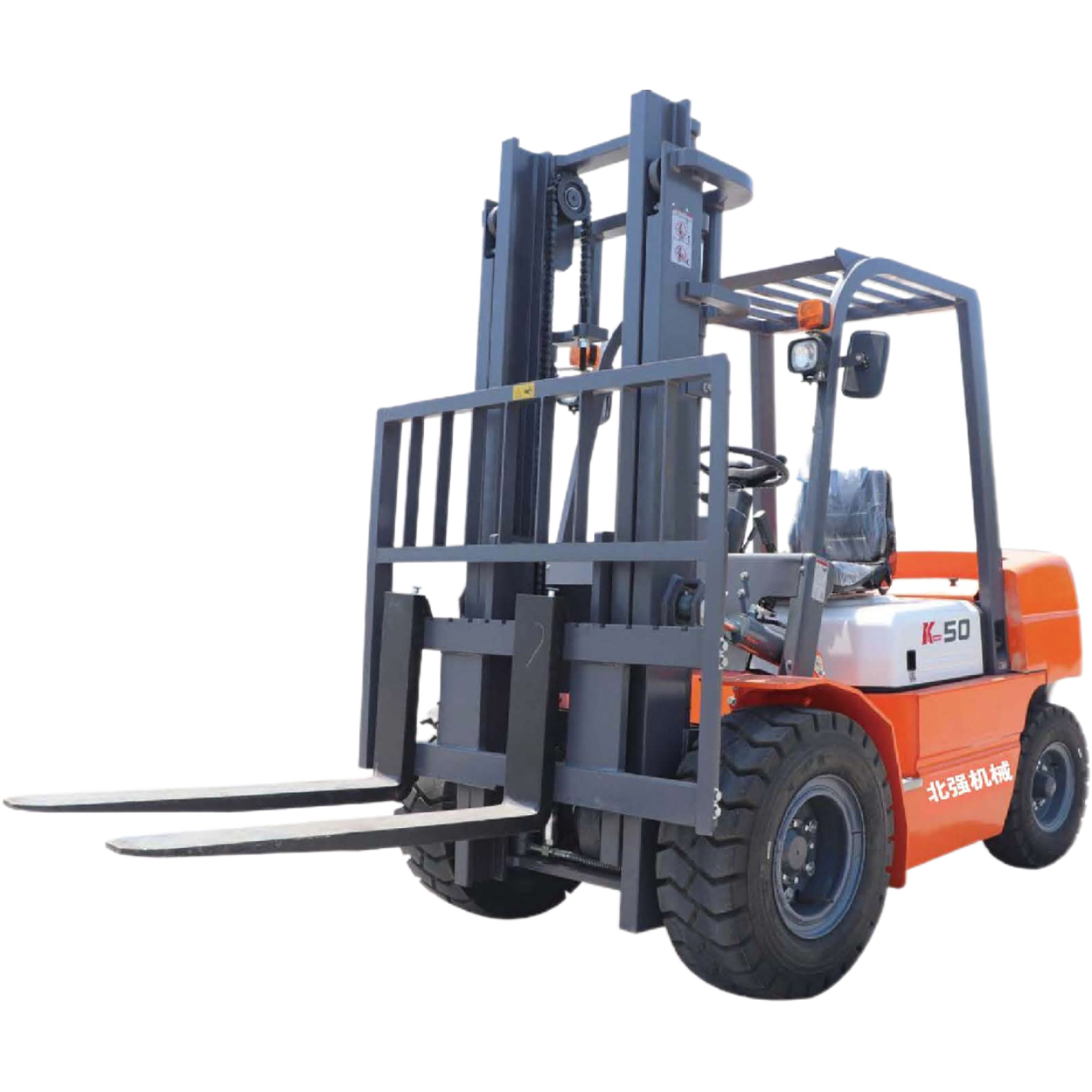
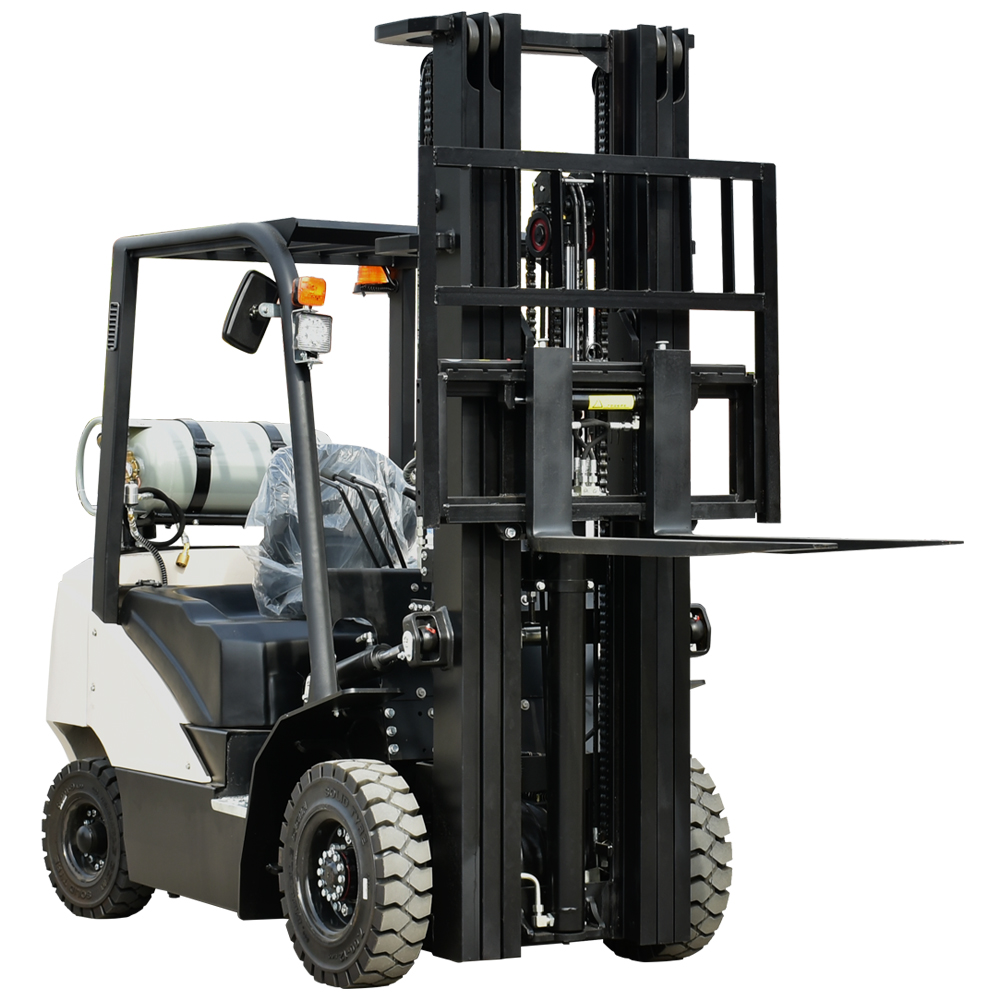
Electric forklifts cover a wide load range from 0.5 tons to 10 tons, which can fully match the handling needs of different materials in manufacturing workshops: 0.5-1 ton electric pallet trucks are suitable for light-weight part transfer; 2-3 ton counterbalanced electric forklifts are suitable for semi-finished product transfer; 5-10 ton heavy-duty electric forklifts are suitable for heavy-duty component handling. Enterprises can deploy models in a targeted manner according to different production lines.
3. High Efficiency and Stable Operation, Matching Production Rhythm
Electric forklifts have fast acceleration and smooth operation, with a material handling efficiency 3-5 times that of manual handling. The response speed of the operation handle (lifting, traveling) is within 0.5 seconds, which can accurately and quickly complete material loading and unloading, ensuring the timeliness of production line material supply. At the same time, the failure rate of electric forklifts is 40%-60% lower than that of fuel-powered forklifts, avoiding production line shutdown caused by equipment failure.
4. Safety and Environmental Protection, Meeting Workshop Requirements
Electric forklifts have zero exhaust emissions and low operating noise (≤70dB), which can maintain a clean and quiet workshop environment and avoid pollution to workers' health and production equipment. In addition, electric forklifts can be equipped with multiple safety configurations (anti-collision sensors, speed limit devices, emergency stop buttons), which can effectively reduce the risk of collisions and goods falling, ensuring workshop operational safety.
Key Efficiency Tip: The coordinated operation of electric forklifts and production lines can reduce the material waiting time of the production line by 30%-50%. For example, in an auto parts assembly line, deploying dedicated electric forklifts for each station can ensure that materials are supplied on demand, avoiding the "bottleneck" of material handling.
III. Core Strategies: How to Apply Electric Forklifts to Flexibly Adapt to Production Lines?
To maximize the role of electric forklifts in manufacturing workshops, enterprises need to adopt a "scenario-oriented" strategy covering model selection, operation management, and intelligent collaboration:
1. Scenario-Oriented Model Selection: Match Electric Forklifts to Production Line Needs
Different production line scenarios have different requirements for electric forklifts. Blind selection will reduce handling efficiency. The targeted selection plan for typical scenarios is as follows:
Production Line Scenario | Material Characteristics | Recommended Electric Forklift Model | Core Adaptation Advantages |
|---|---|---|---|
Electronic component assembly line | Light weight (0.1-0.5 tons), small size, high cleanliness requirement | Electric pallet truck (0.5-1 ton); clean-type configuration; non-marking tires | Flexible operation; no dust generation; avoid component contamination |
Auto parts stamping workshop | Heavy duty (3-5 tons), large size, narrow workshop passage | Narrow-aisle counterbalanced electric forklift (3-5 tons); large load capacity; small turning radius | Strong load capacity; easy to maneuver in narrow spaces; stable handling of heavy parts |
Heavy machinery component production line | Ultra-heavy duty (5-10 tons), high stability requirement | Heavy-duty electric forklift (5-10 tons); reinforced door frame; anti-slip solid tires | High load-bearing capacity; stable operation; avoid component damage during handling |
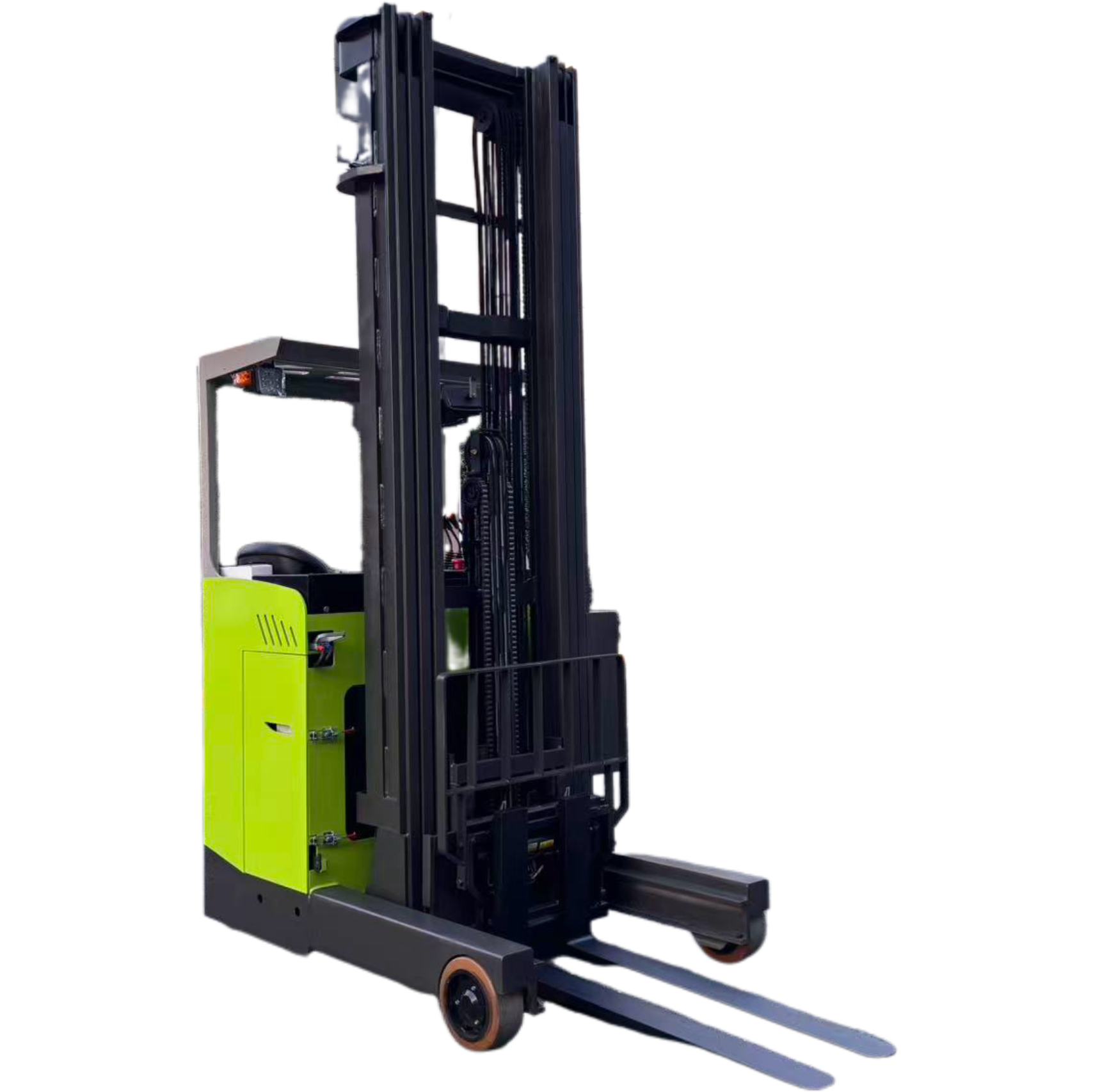
Bulk raw material warehouse-production line transfer | Bulk packages (1-2 tons), long-distance transfer (≥500 meters) | Electric reach truck (2 tons); high-speed configuration; large battery capacity | Fast traveling speed; long battery life; high transfer efficiency |
2. Optimize Operation Scheduling: Coordinate with Production Rhythm
The operation scheduling of electric forklifts must be closely coordinated with the production line rhythm to avoid material supply delays or equipment idleness:
Dedicated Forklift for Special Lines: For high-rhythm production lines (such as assembly lines with a beat of 1-2 minutes), assign dedicated electric forklifts to ensure that materials are supplied on demand. For example, an auto assembly line can assign 2 electric forklifts (one for raw material supply, one for semi-finished product transfer) to avoid cross-operation delays.
Flexible Shift Arrangement: For 24-hour continuous production lines, arrange 3 shifts of forklift operators and prepare backup batteries. When the battery power is low, replace the battery in 5-10 minutes to realize "uninterrupted operation". Use valley electricity prices (0.3-0.5 RMB/kWh) to charge backup batteries during off-peak hours, reducing energy costs.
Path Optimization: Based on the layout of the production line, plan the shortest handling path for electric forklifts, avoiding cross-operation with workers and other equipment. Mark the path with clear lines and set up anti-collision warning devices at key turning points to improve operation efficiency and safety.
3. Intelligent Collaboration: Connect with Production Management Systems
Deploying intelligent electric forklifts and connecting them with production management systems (such as MES, WMS) can further improve the coordination efficiency of material handling and production lines:
Real-Time Task Assignment: The MES system sends material handling tasks to the electric forklift's on-board terminal in real time according to the production progress. The operator receives the task and completes the handling, and the system automatically updates the material status, realizing "material supply following production rhythm".
Operation Data Monitoring: The system records the handling efficiency, battery status, and fault information of each electric forklift in real time. Enterprises can analyze the data to identify bottlenecks (such as low handling efficiency of a certain forklift) and optimize scheduling and maintenance plans.
Automatic Anti-Collision Warning: Intelligent electric forklifts equipped with IoT and laser sensors can detect obstacles (workers, equipment) in real time during operation, send alarms, and automatically decelerate or stop, reducing the risk of workshop accidents.
4. Targeted Maintenance: Ensure Stable Operation of Production Lines
The stable operation of electric forklifts is the guarantee of continuous production lines. Maintenance should be targeted according to the workshop environment and operation intensity:
Daily Pre-Shift Inspection: Before starting work, check the battery voltage, hydraulic oil level, tire wear, and safety devices (anti-collision sensors, brakes) of the electric forklift. Record the inspection results in the equipment log to avoid starting with faults.
Weekly Focus Maintenance: For workshops with harsh environments (such as stamping workshops with high dust), clean the forklift's motor, controller, and air filter weekly to avoid dust accumulation affecting performance. Apply lubricant to the door frame and lifting chain to avoid jamming.
Monthly Comprehensive Inspection: Test the battery capacity and internal resistance, check the hydraulic system for leakage, and calibrate the safety devices. For heavy-duty electric forklifts, inspect the reinforced door frame and tires to ensure load-bearing safety. The monthly maintenance cost is about 800-1,500 RMB per unit, which can reduce the failure rate by 60%.
IV. Case Study: How a Machinery Manufacturing Enterprise Improves Production Efficiency with Electric Forklifts
A medium-sized machinery manufacturing enterprise has 3 production lines (stamping line, assembly line, heavy component production line) and previously used fuel-powered forklifts and manual handling, facing problems such as low handling efficiency and frequent production line shutdowns. Through the following transformation measures, it achieved efficient material handling:
Deployed 6 electric forklifts in a targeted manner: 2 electric pallet trucks for the assembly line, 2 narrow-aisle counterbalanced electric forklifts for the stamping line, and 2 heavy-duty electric forklifts for the heavy component production line.
Connected the electric forklifts with the MES system, realizing real-time task assignment and data monitoring. The system automatically adjusts the handling schedule according to the production progress.
Established a daily-weekly-monthly maintenance system, assigned 2 professional maintenance personnel, and prepared 4 backup batteries to ensure uninterrupted operation.
Optimized the handling path, marked the dedicated channel, and installed anti-collision warning devices at key points.
Result: The material handling efficiency of the enterprise increased by 45%, the production line shutdown time caused by material delays decreased from 8 hours/week to 1 hour/week, and the annual economic loss reduction was about 1.6 million RMB. The annual energy and maintenance cost savings reached 300,000 RMB compared with using fuel-powered forklifts.
V. Common Pitfalls to Avoid in Electric Forklift Application in Manufacturing Workshops
Many manufacturing enterprises easily fall into misunderstandings when applying electric forklifts, leading to reduced efficiency and increased costs. The following four pitfalls need to be avoided:
Misunderstanding 1: One-Size-Fits-All Model Selection: Purchasing the same type of electric forklift for all production lines, resulting in mismatched needs (such as using light-duty forklifts for heavy component handling, leading to frequent failures). Targeted selection according to scenarios is the key to ensuring efficiency.
Misunderstanding 2: Ignoring Battery Backup and Charging Planning: Failing to prepare enough backup batteries for 24-hour production lines, resulting in forklifts stopping operation due to power loss and affecting production rhythm. Scientific charging planning (using valley electricity) can also reduce costs.
Misunderstanding 3: Neglecting Workshop Environment Adaptation: Using ordinary electric forklifts in harsh environments (high dust, high temperature) without targeted protection, leading to accelerated component wear and shortened service life. It is necessary to select models with dust-proof, high-temperature-resistant configurations.
Misunderstanding 4: Lack of Operator Training: Operators are not familiar with the operation of electric forklifts or the coordination with production lines, leading to operational errors, low efficiency, and safety risks. Regular training and assessment are essential.
VI. Summary: Electric Forklifts Are the Core Driving Force for Efficient Material Handling in Manufacturing Workshops
In manufacturing workshops, efficient and flexible material handling is the key to improving production efficiency and reducing costs. Electric forklifts, with their advantages of strong flexibility, diverse load adaptability, high efficiency, safety, and environmental protection, have become the optimal choice for production line material handling, completely overcoming the shortcomings of traditional handling equipment.
To make electric forklifts fully adapt to the needs of production lines, enterprises need to adopt a scenario-oriented strategy: select models according to different production line characteristics, optimize operation scheduling to coordinate with production rhythm, realize intelligent collaboration with production management systems, and strengthen targeted maintenance. Only in this way can we maximize the handling efficiency, ensure the continuous operation of production lines, and reduce operational costs.
With the continuous development of intelligent manufacturing, the role of electric forklifts in manufacturing workshops will become more prominent. Enterprises should keep up with the trend of industrial upgrading, abandon the traditional concept of "only pursuing low cost", and comprehensively consider the adaptability and efficiency of equipment. By selecting the right electric forklift models and implementing scientific management strategies, they can achieve efficient, safe, and intelligent production line material handling, gaining a competitive advantage in the market.
Our manager will contact you shortly.
To contact you about our products and services.
Copyright © Xingtai Beiqiang Machinery Manufacturing Factory. 2025.
Technical support:Echola