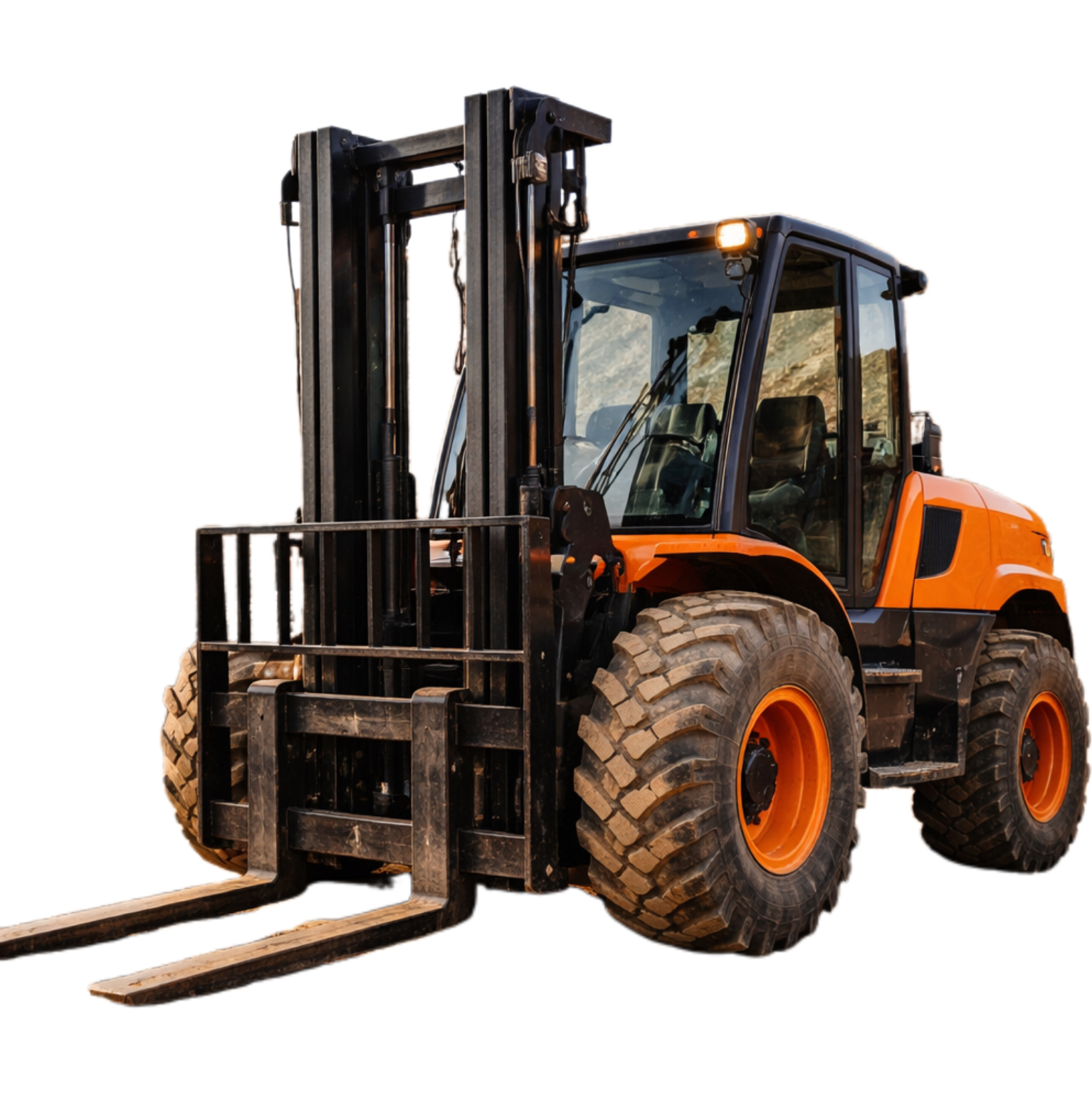


Electric Forklift Application in Pharmaceutical Warehouses: Meeting the Strict Requirements of GMP Certification
Pharmaceutical warehouses are the core link in the pharmaceutical supply chain, where the quality and safety of drugs are directly related to public health. GMP (Good Manufacturing Practice) certification, as the mandatory standard for pharmaceutical production and warehousing, imposes extremely strict requirements on the cleanliness of the warehouse environment, the safety of material handling, the traceability of operations, and the stability of equipment. As the core material handling equipment in pharmaceutical warehouses, forklifts must not only ensure efficient handling but also fully comply with GMP specifications. Traditional fuel-powered forklifts have been gradually eliminated due to exhaust emissions, noise pollution, and difficulty in meeting cleanliness requirements. Electric forklifts, with their advantages of zero emissions, low noise, and controllable operation, have become the mainstream choice for pharmaceutical warehouses. However, how to select and manage electric forklifts to fully meet the strict requirements of GMP certification has become a key issue for pharmaceutical enterprises. This article will deeply analyze the core requirements of GMP certification for electric forklifts and elaborate on targeted application strategies, helping pharmaceutical enterprises achieve compliant and efficient warehousing operations.
I. Core Requirements of GMP Certification for Pharmaceutical Warehouse Forklifts
GMP certification focuses on the whole-process control of drug quality, and its requirements for forklifts in pharmaceutical warehouses cover environmental impact, operation safety, data traceability, and equipment stability. The specific core requirements are reflected in four aspects:
Cleanliness Compliance: Zero Pollution to the Warehouse Environment: Pharmaceutical warehouses (especially those storing APIs, sterile drugs, and preparations) require a Class D or higher clean environment, with strict control over dust, particulate matter, and harmful gases. Forklifts must not generate exhaust emissions, dust, or oil fumes during operation, and must avoid secondary pollution to drugs and the environment.
Operation Traceability: Full Record of Handling Processes: GMP requires that all drug handling links be traceable, including the time, location, operator, and equipment used for handling. Forklifts must be able to record and store operation data to ensure that any link can be traced back in case of quality problems.
Environmental Adaptability: Stable Operation in Controlled Temperature and Humidity Zones: Most pharmaceutical products need to be stored in a controlled temperature and humidity environment (temperature 15℃-25℃, relative humidity 45%-65%). Forklifts must maintain stable performance in such environments, without affecting the temperature and humidity balance of the warehouse, and without causing condensation due to equipment operation.
Safety and Compliance: No Risk of Drug Contamination or Equipment Failure: Forklifts must meet explosion-proof, anti-static, and other safety requirements (especially for warehouses storing flammable and explosive pharmaceutical raw materials). At the same time, the risk of collision, goods falling, and equipment leakage must be minimized to avoid drug contamination or safety accidents.
II. Why Electric Forklifts Are the Optimal Choice for GMP-Compliant Pharmaceutical Warehouses?
Compared with traditional fuel-powered forklifts, electric forklifts have inherent advantages in meeting GMP requirements, which are the key reasons for their wide application in pharmaceutical warehouses:
1. Zero Emissions and Low Noise, Meeting Cleanliness Requirements
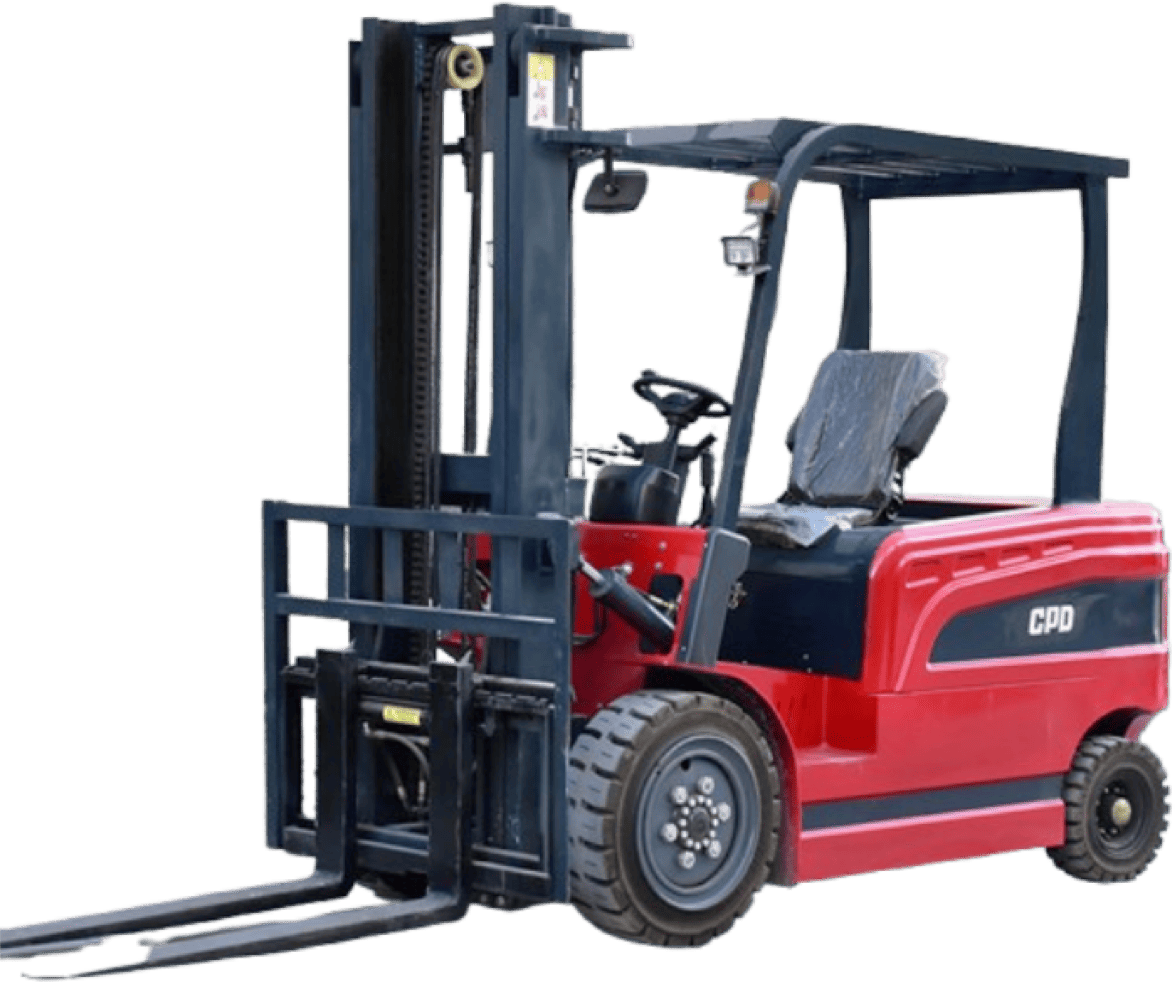
Electric forklifts are driven by motors, with zero exhaust emissions (no CO, NOx, or particulate matter) and low operating noise (≤70dB). This completely avoids the problem of fuel-powered forklifts emitting exhaust gases that pollute the clean environment of the warehouse. At the same time, the closed design of the electric forklift's power system and hydraulic system can reduce the generation of dust and oil leakage, further ensuring the cleanliness of the warehouse.
2. Easy to Equip with Intelligent Systems, Realizing Operation Traceability
The electrical control system of electric forklifts is easy to connect with intelligent management systems (such as WMS, IoT monitoring platforms). It can real-time record operation data such as handling time, location, load, and operator, and store the data for at least 3 years (meeting GMP's data retention requirements). This provides a reliable basis for the traceability of drug handling links.
3. Stable Operation and Small Environmental Impact, Adapting to Controlled Temperature and Humidity Zones
Electric forklifts have a simple structure and low heat generation during operation (the surface temperature of the motor is ≤60℃), which will not affect the temperature and humidity balance of the warehouse's controlled environment. Compared with fuel-powered forklifts that generate a lot of heat during operation, electric forklifts are more suitable for long-term operation in controlled temperature and humidity zones. At the same time, the stable operation of electric forklifts reduces the risk of goods falling and collision, avoiding drug contamination caused by operational errors.
4. Customizable Safety Configurations, Meeting Compliance Requirements
Electric forklifts can be customized with explosion-proof (Ex d IIC T4), anti-static, and other safety configurations according to the characteristics of pharmaceutical warehouses. For example, explosion-proof electric forklifts use explosion-proof motors, controllers, and batteries, which can be safely used in warehouses storing flammable and explosive pharmaceutical raw materials. The anti-static design (such as anti-static tires, grounding wires) can avoid static electricity generating sparks and causing safety hazards.
Key Compliance Tip: GMP certification requires that all equipment used in pharmaceutical warehouses must have qualified certification documents (such as explosion-proof certificates, inspection reports). When purchasing electric forklifts, enterprises must confirm that the equipment meets national standards (GB 19854-2018) and has relevant qualification certificates to ensure compliance.
III. Core Strategies: How to Apply Electric Forklifts to Meet GMP Requirements?
To ensure that electric forklifts fully meet GMP certification requirements, pharmaceutical enterprises need to adopt a "full-cycle management" strategy covering equipment selection, operation management, maintenance, and data traceability:
1. Scientific Equipment Selection: Customize GMP-Compliant Electric Forklifts
Not all electric forklifts are suitable for pharmaceutical warehouses. Enterprises must select models according to the type of pharmaceutical warehouse (raw material warehouse, preparation warehouse, sterile warehouse) and GMP requirements. The key selection criteria are as follows:
Warehouse Type/GMP Requirement | Recommended Electric Forklift Configuration | Core Compliance Points |
|---|---|---|
Sterile drug warehouse (Class D or higher cleanliness) | Clean-type electric forklift; closed power system; food-grade hydraulic oil; non-marking anti-static tires | No dust generation; no oil leakage; avoid secondary pollution to sterile drugs |
Flammable and explosive raw material warehouse (explosion-proof requirement) | Explosion-proof electric forklift (Ex d IIC T4); explosion-proof motor/controller/battery; anti-static grounding device | No sparks during operation; meet explosion-proof grade requirements; avoid fire and explosion risks |
Controlled temperature and humidity warehouse (15℃-25℃, 45%-65% RH) | Low-heat-generation electric forklift; insulated hydraulic system; intelligent temperature monitoring | No impact on temperature and humidity balance; stable operation in constant temperature environment |
Traceability requirement (full process record) | Intelligent electric forklift with IoT function; GPS positioning; operation data recording system; WMS docking | Real-time record of handling data; data storage ≥3 years; traceable at any time |
2. Standardized Operation Management: Avoid Environmental and Drug Contamination
Scientific operation management is the key to ensuring GMP compliance. Enterprises need to formulate strict operating procedures (SOP) for electric forklifts:
Path Planning and Restriction: Divide the warehouse into handling channels and storage areas, and mark the forklift operation path with clear lines. Avoid forklifts entering the high-cleanliness storage area (such as sterile drug storage shelves) directly; set up buffer zones at the entrance of the clean area to reduce the impact of forklift operation on cleanliness.
Cleanliness Control of Forklifts: Clean the forklift body (especially tires, forks, and hydraulic systems) before and after operation to remove dust and debris. Use a dedicated cleaning tool for clean-type forklifts, and avoid cross-contamination between different warehouses.
Operator Management: Operators must wear clean overalls, gloves, and shoe covers when operating forklifts in clean warehouses. Conduct regular GMP and forklift operation training for operators, and assess their qualification before taking up the post. The operation process must be strictly in accordance with SOP to avoid collision, goods falling, and other operational errors.
3. Regular Maintenance and Calibration: Ensure Equipment Stability and Compliance
GMP certification requires that all equipment must be regularly maintained and calibrated to ensure stable performance. The maintenance of electric forklifts in pharmaceutical warehouses must be more targeted:
Daily Pre-Operation Inspection: Check the forklift's battery voltage, hydraulic oil level (no leakage), tire wear (no damage or dust accumulation), and safety devices (brakes, alarms) before operation. Record the inspection results in the equipment log (must be handwritten and signed by the operator).
Weekly Cleanliness and Safety Maintenance: Clean the forklift's power system, hydraulic system, and air filter to avoid dust accumulation. Check the anti-static grounding device (ensure continuity) and explosion-proof components (no damage) for explosion-proof forklifts. Replace the hydraulic oil and filter element regularly (recommended every 6 months) to use food-grade or medical-grade hydraulic oil.
Monthly Calibration and Inspection: Invite professional institutions to calibrate the forklift's load capacity, speed, and positioning accuracy. Test the operation data recording system to ensure that the data is accurate and can be exported normally. File the calibration report and maintenance records (retention period ≥3 years) to prepare for GMP on-site inspection.
Cost Reference: The monthly maintenance cost of a GMP-compliant electric forklift is about 1,200-1,800 RMB, which is slightly higher than that of ordinary electric forklifts, but it can ensure compliance and avoid the risk of GMP certification failure (the loss caused by certification failure is far higher than the maintenance cost).
4. Intelligent Data Traceability: Build a Full-Process Management System
Data traceability is a key link in GMP certification. Enterprises need to connect electric forklifts with the warehouse management system to build a full-process traceability system:
Real-Time Data Recording: The intelligent electric forklift records operation data such as handling time, location, drug batch number, load, and operator in real time through the IoT module, and synchronizes it to the WMS system.
Data Storage and Query: The operation data must be stored in a non-editable format (such as PDF) and backed up to the cloud. The storage period is not less than 3 years, and it can be quickly queried by batch number, time, or operator.
Abnormal Alarm and Handling: Set up abnormal operation thresholds (such as overloading, entering restricted areas) in the system. When the forklift exceeds the threshold, the system will send an alarm immediately, and the operator will stop the operation and record the handling process in the abnormal log.
IV. Case Study: How a Pharmaceutical Enterprise Uses Electric Forklifts to Pass GMP Certification
A medium-sized pharmaceutical enterprise specializing in sterile drug production has a Class D clean warehouse and faced the problem of failing to meet GMP cleanliness requirements when using fuel-powered forklifts. Through the following transformation measures, it successfully passed GMP certification and improved handling efficiency:
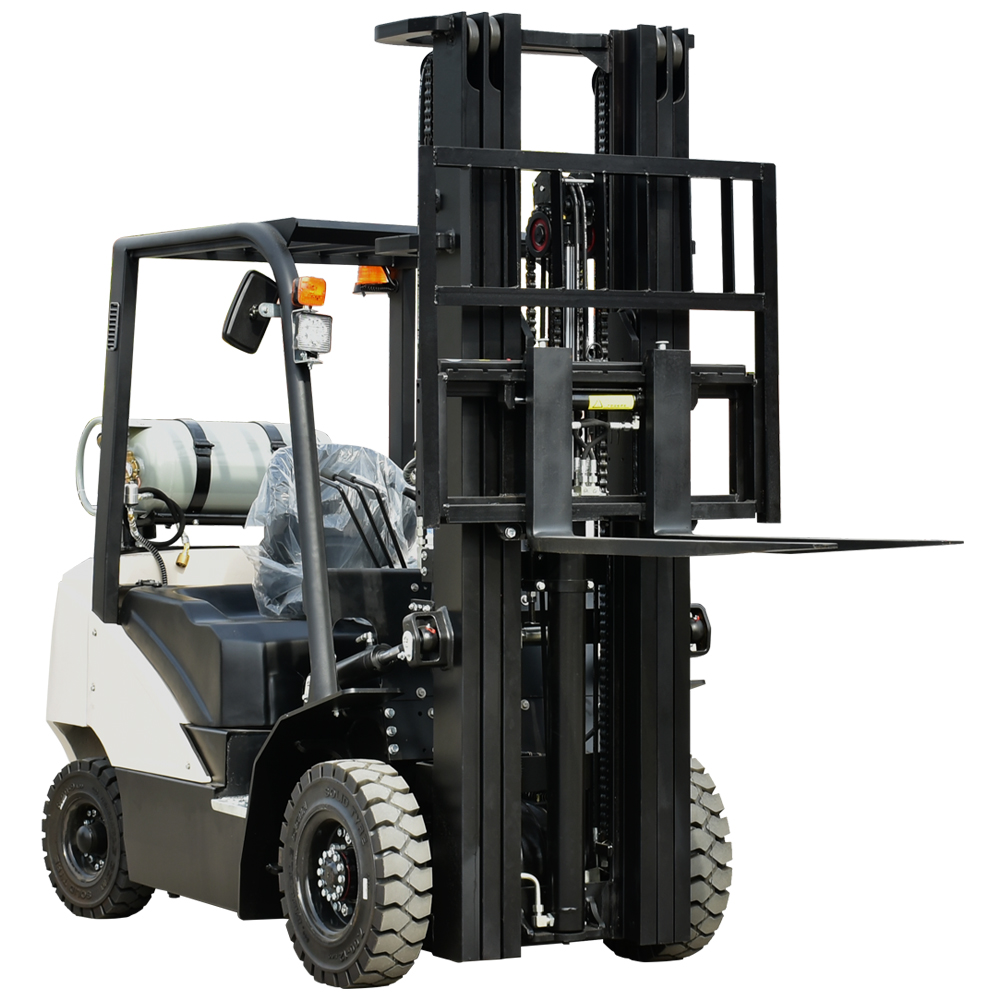
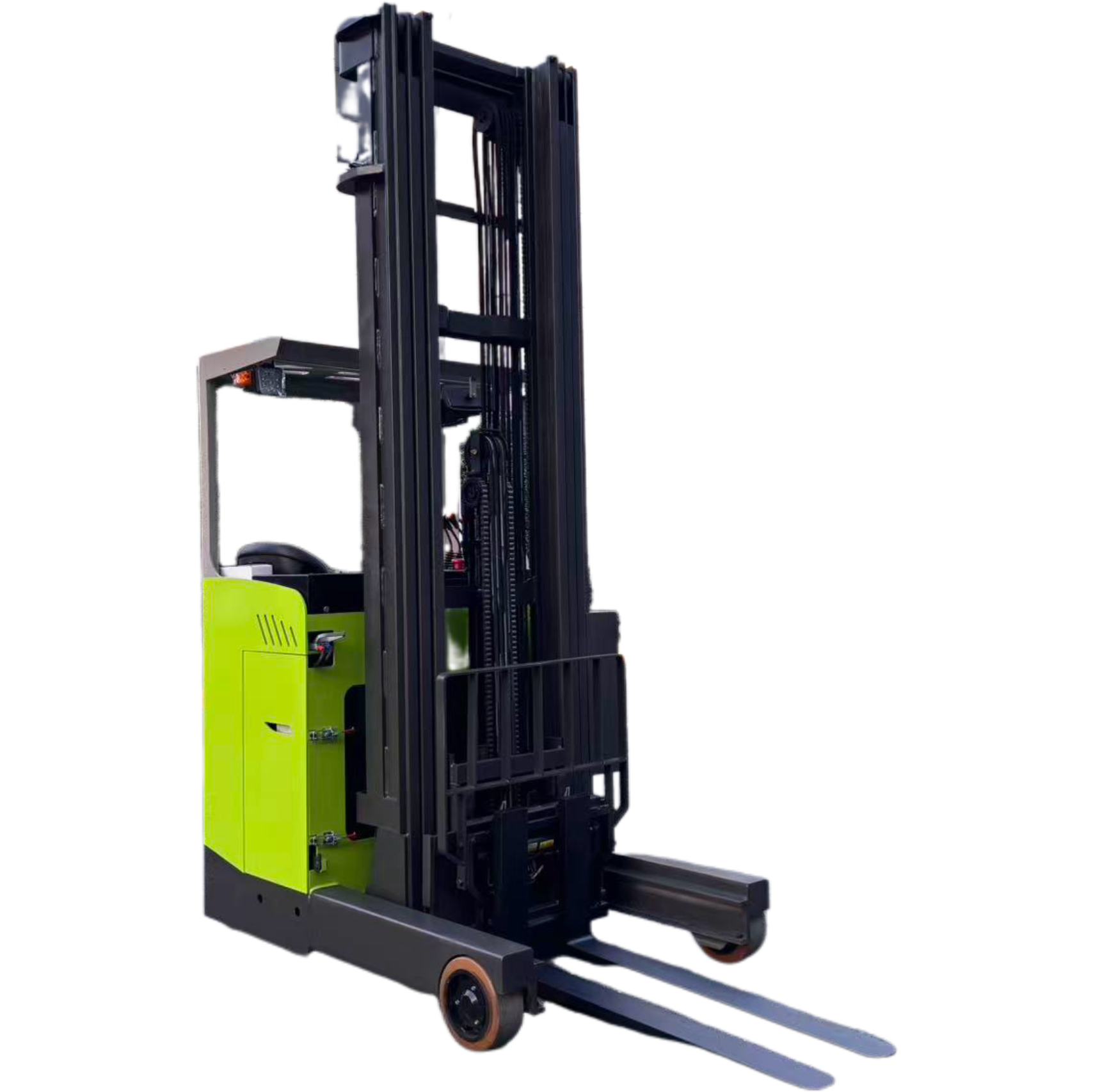
Replaced all fuel-powered forklifts with 8 clean-type electric forklifts, equipped with closed power systems, food-grade hydraulic oil, and non-marking anti-static tires. The forklifts were certified by a third-party institution to meet GB 19854-2018 and clean environment requirements.
Formulated a detailed SOP for electric forklift operation, divided the warehouse into handling channels and sterile storage areas, set up buffer zones, and required operators to wear clean overalls and gloves during operation.
Established a daily-weekly-monthly maintenance system, assigned 2 professional maintenance personnel, and filed all maintenance records and calibration reports. The monthly maintenance cost was 14,400 RMB (8 forklifts × 1,800 RMB).
Connected the electric forklifts with the WMS system to realize real-time recording and traceability of handling data. The data storage period was 5 years, which met GMP's data retention requirements.
Result: The enterprise successfully passed GMP on-site inspection. The cleanliness of the warehouse remained stable (particulate matter ≤100,000 particles/m³), and there was no secondary pollution caused by forklift operation. The drug handling efficiency increased by 35% compared with before, and the annual operation cost was reduced by 200,000 RMB (saving fuel and pollution control costs).
V. Common Pitfalls to Avoid in Electric Forklift Application in Pharmaceutical Warehouses
Many pharmaceutical enterprises easily fall into misunderstandings when applying electric forklifts, leading to failure to meet GMP requirements. The following four pitfalls need to be avoided:
Misunderstanding 1: Using Ordinary Electric Forklifts in Clean Warehouses: Trying to save costs by using ordinary electric forklifts, which have poor sealing performance and generate dust and oil leakage during operation, resulting in failure to meet GMP cleanliness requirements. The cost of replacing with clean-type forklifts is far higher than the initial cost savings.
Misunderstanding 2: Neglecting Equipment Qualification Documents: Purchasing electric forklifts without explosion-proof certificates or inspection reports, which cannot pass GMP on-site inspection. Enterprises must require suppliers to provide complete qualification documents and verify their authenticity.
Misunderstanding 3: Incomplete Operation and Maintenance Records: Failing to record the forklift's daily inspection, maintenance, and operation data in detail, or the records are incomplete (no signature, no date), which is a key defect in GMP certification. All records must be standardized and traceable.
Misunderstanding 4: Ignoring Operator GMP Training: Operators lack GMP knowledge and operate forklifts in violation of SOP (such as not wearing clean overalls, entering restricted areas), leading to drug contamination and GMP non-compliance. Regular training and assessment are essential.
VI. Summary: Electric Forklifts Are the Core Guarantee for GMP-Compliant Pharmaceutical Warehousing
GMP certification is the lifeline of pharmaceutical enterprises, and the compliance of material handling equipment (electric forklifts) is an important part of passing the certification. Electric forklifts, with their advantages of zero emissions, low noise, intelligent traceability, and customizable safety configurations, have become the irreplaceable core equipment in GMP-compliant pharmaceutical warehouses.
To ensure that electric forklifts meet GMP requirements, enterprises need to implement a full-cycle management strategy: select GMP-compliant models according to warehouse type, formulate standardized operation procedures, conduct regular maintenance and calibration, and build an intelligent data traceability system. Only in this way can we not only pass GMP certification but also improve handling efficiency and reduce operational costs.
With the continuous improvement of GMP certification standards, the requirements for electric forklifts in pharmaceutical warehouses will become more stringent. Enterprises should take a long-term perspective, abandon the concept of "only pursuing low cost", and comprehensively consider the compliance and stability of equipment. By selecting the right electric forklift models and implementing scientific management strategies, they can achieve compliant, efficient, and safe pharmaceutical warehousing operations, and gain a competitive advantage in the market.
Our manager will contact you shortly.
To contact you about our products and services.
Copyright © Xingtai Beiqiang Machinery Manufacturing Factory. 2025.
Technical support:Echola