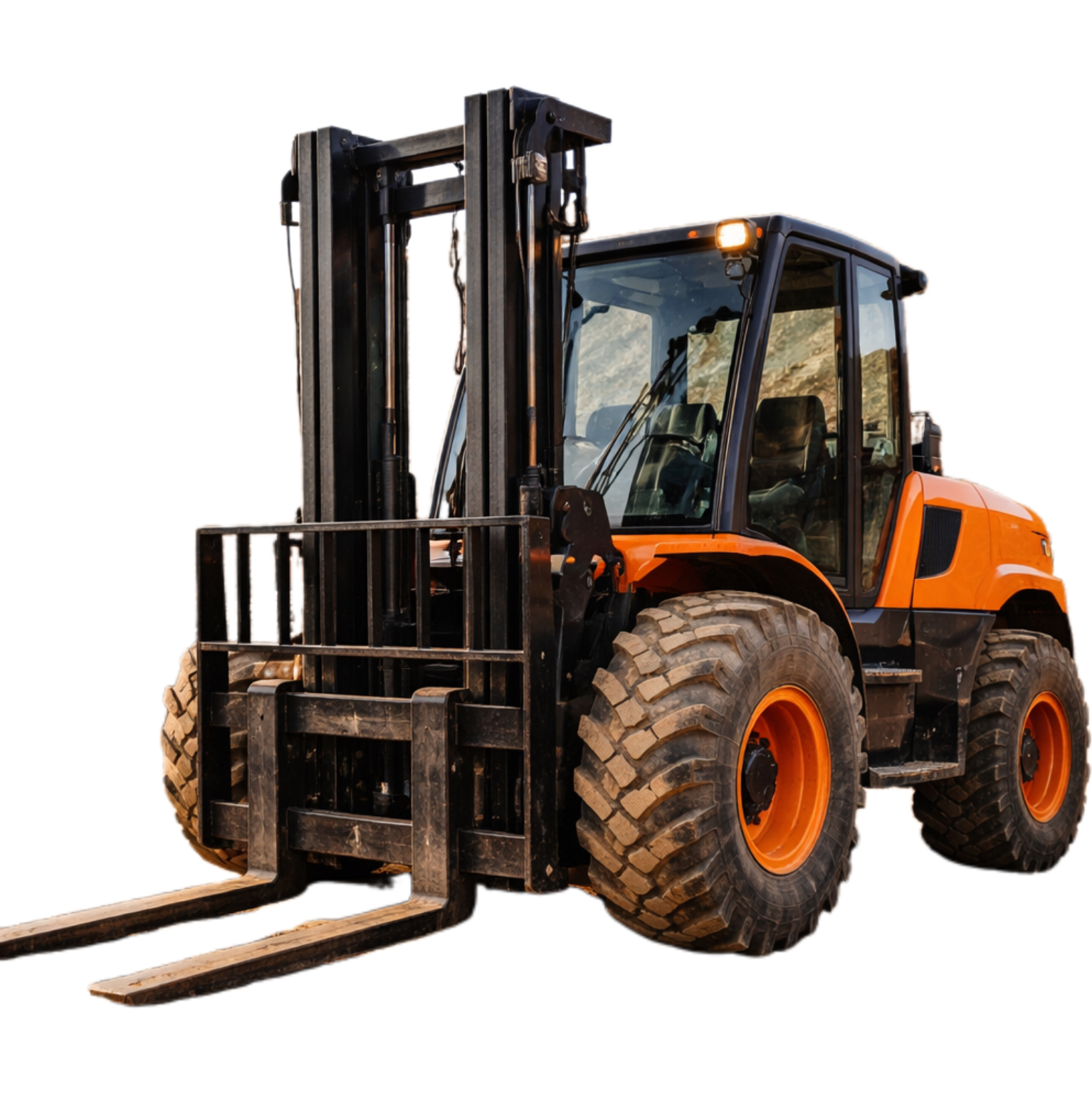


Electric Forklifts in Cold Chain Logistics: Stable Performance in Low-Temperature Environments
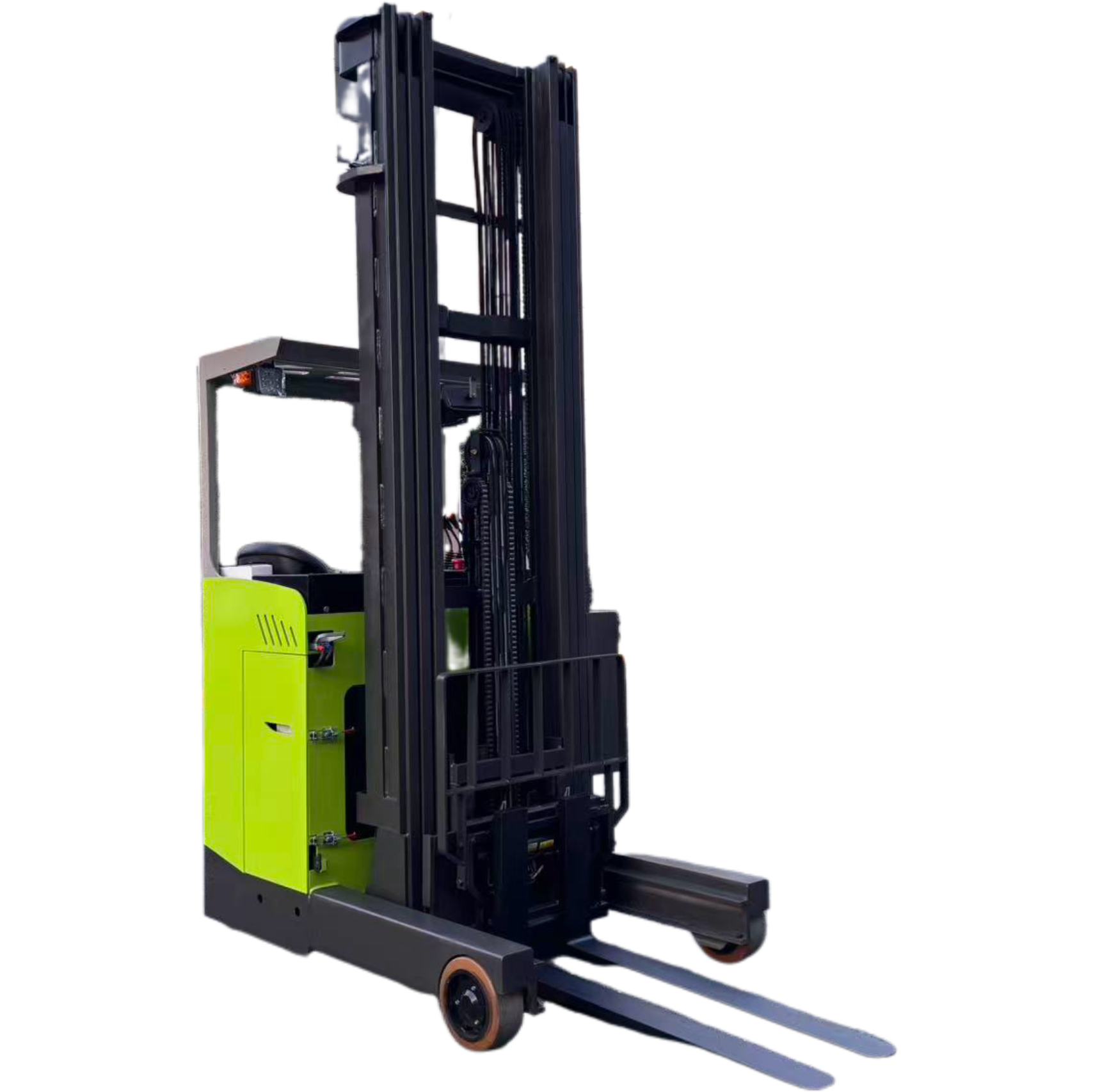
Cold chain logistics, which covers fresh food, pharmaceuticals, and frozen goods, has increasingly strict requirements for warehousing and transportation efficiency and product safety. The core challenge of cold chain operations lies in the low-temperature environment (usually -20℃ to 0℃), which not only tests the adaptability of goods but also puts forward harsh requirements for material handling equipment. As the core handling tool in cold chain warehouses, forklifts must maintain stable performance in low temperatures to ensure the smooth progress of order fulfillment and the integrity of goods. Traditional fuel-powered forklifts are gradually eliminated in cold chain scenarios due to exhaust emissions (polluting the closed warehouse environment) and high failure rates in low temperatures. Electric forklifts, with their environmental protection and adjustable adaptability, have become the preferred equipment. However, how to ensure the stable operation of electric forklifts in low-temperature environments has become a key issue for cold chain enterprises. This article will analyze the core challenges of low-temperature environments for electric forklifts and elaborate on targeted solutions and practical strategies, helping enterprises maximize the value of electric forklifts in cold chain operations.
I. Core Challenges of Low-Temperature Environments for Electric Forklifts
The low-temperature environment in cold chain warehouses will significantly affect the performance of key components of electric forklifts, leading to reduced efficiency, increased failure rates, and even interrupted operations. The specific challenges are reflected in four aspects:
Battery Performance Attenuation: The chemical reaction speed of battery cells slows down in low temperatures, resulting in a sharp drop in capacity and charging efficiency. For ordinary lithium batteries, when the temperature drops to -10℃, the actual capacity is only 40%-50% of the nominal capacity; at -20℃, it may drop to less than 30%. At the same time, low-temperature charging will not only take longer (2-3 times that of normal temperature) but also cause irreversible damage to the battery, shortening its service life by 30%-50%.
Hydraulic System Freezing and Blocking: The hydraulic oil of electric forklifts is prone to viscosity increase or even freezing in low temperatures, leading to slow or stuck lifting and tilting actions. If the hydraulic system cannot work normally, it will directly affect the handling efficiency of goods and may cause goods damage due to unstable lifting.
Failure of Electrical Components: The electrical components (controllers, sensors, wiring harnesses) of electric forklifts are sensitive to low temperatures. The insulation performance of wiring harnesses may decrease in low temperatures, leading to short circuits; sensors may have delayed responses or inaccurate data, affecting the stability of forklift operation. In severe cases, the controller may fail, resulting in the forklift being unable to start.
Tire Slippage and Poor Maneuverability: The ground of cold chain warehouses is often wet and slippery due to temperature differences (moisture condensation), and the friction coefficient of ordinary forklift tires decreases significantly in low temperatures, increasing the risk of slippage. This not only affects the handling efficiency but also poses potential safety hazards such as collisions and goods falling.
II. Why Electric Forklifts Are More Suitable for Cold Chain Logistics Than Fuel-Powered Forklifts?
Although low-temperature environments bring challenges to electric forklifts, they still have obvious advantages over fuel-powered forklifts in cold chain scenarios, which are the key reasons for their wide application:
1. Environmental Protection and Safety, Suitable for Closed Warehouses
Cold chain warehouses are usually closed to maintain low temperatures. Fuel-powered forklifts will emit exhaust gases during operation, which cannot be discharged in time, polluting the warehouse environment and even affecting the quality of fresh and pharmaceutical goods. Electric forklifts have zero exhaust emissions and low noise (operating noise ≤70dB), which can maintain a clean and quiet warehouse environment and ensure the safety of goods and operators.
2. Simpler Structure, Lower Low-Temperature Failure Rate
Compared with fuel-powered forklifts with complex structures (engines, gearboxes, fuel systems), electric forklifts have fewer wearing parts. The fuel system of fuel-powered forklifts is prone to freezing in low temperatures (diesel wax precipitation), leading to difficulty in starting and high failure rates. The core components of electric forklifts (motors, controllers) are less affected by low temperatures after professional low-temperature adaptation, and the overall failure rate is 40%-60% lower than that of fuel-powered forklifts in cold chain environments.
3. Energy-Saving and Cost-Effective, Reducing Operational Costs
The energy consumption cost of electric forklifts is only 10%-15% of that of fuel-powered forklifts. In cold chain warehouses with long working hours (16-20 hours/day), a 2-ton low-temperature-resistant electric forklift consumes about 48-60 kWh of electricity per day, with an energy cost of 48-60 RMB (calculated at 1 RMB/kWh). A fuel-powered forklift of the same tonnage consumes 56-70 liters of diesel per day, with an energy cost of 392-490 RMB (calculated at 7 RMB/liter). The daily energy cost can be saved by 344-442 RMB, and the cost advantage is more prominent in long-term cold chain operations.
Key Insight: The core advantage of electric forklifts in cold chain logistics lies in their environmental adaptability and cost controllability. Through targeted low-temperature adaptation transformation and scientific management, their performance stability can be further improved, completely overcoming the challenges of low-temperature environments.
III. Core Solutions: How to Improve the Stable Performance of Electric Forklifts in Low Temperatures?
To ensure the stable operation of electric forklifts in low-temperature environments, enterprises need to start from two dimensions: equipment selection (low-temperature-specific models) and operational management (maintenance, charging, etc.), and adopt targeted solutions:
1. Scientific Equipment Selection: Choose Low-Temperature-Specific Electric Forklifts
Not all electric forklifts are suitable for cold chain scenarios. Enterprises must choose models specially designed for low-temperature environments. The key selection criteria are as follows:
Key Component | Low-Temperature Adaptation Requirements | Recommended Configuration | Performance Advantage |
|---|---|---|---|
Battery | Maintain ≥70% nominal capacity at -20℃; normal charging at low temperature | Low-temperature-resistant lithium battery (with heating function) | At -20℃, the capacity attenuation is controlled within 30%, and charging efficiency is ≥80% of normal temperature |
Hydraulic System | No viscosity increase or freezing at -20℃; smooth lifting/tilting | Low-temperature hydraulic oil (HV series); insulated hydraulic pipeline | Hydraulic system response speed is ≥90% of normal temperature; no stuck phenomenon |
Electrical Components | Insulation performance is stable at low temperature; no short circuit/failure | Low-temperature-resistant wiring harness (insulation grade ≥IP67); heating-type controller | Electrical component failure rate is reduced by 70% compared with ordinary models |
Tires | High friction coefficient on wet and slippery ground; no hardening at low temperature | Low-temperature-resistant solid tires (rubber hardness ≤60 Shore A) | Friction coefficient is 30% higher than ordinary tires; no slippage on wet and slippery ground |
2. Optimize Charging and Battery Management: Ensure Continuous Power Supply
Battery performance is the key to the stable operation of electric forklifts in low temperatures. Scientific charging and battery management can effectively reduce capacity attenuation and extend service life:
Set Up Special Charging Rooms with Temperature Control: Do not charge electric forklifts directly in low-temperature warehouses. Build a dedicated charging room and maintain the temperature at 10℃-20℃ through heating equipment. This can not only improve charging efficiency (reducing charging time by 50% compared with charging in low temperatures) but also avoid irreversible damage to the battery caused by low-temperature charging.
Use Low-Temperature Charging Modes: Choose chargers with low-temperature charging modes, which can preheat the battery before charging (heating the battery to 5℃-10℃) to ensure the normal progress of the charging reaction. At the same time, avoid over-charging and over-discharging—stop charging when the battery is fully charged (the charger automatically cuts off power), and charge in time when the power is lower than 30% (higher than the 20% threshold at normal temperature) to reduce battery load.
Deploy Backup Batteries: Prepare 1-2 backup low-temperature-resistant batteries for each electric forklift. When the battery power is low, replace the battery in 5-10 minutes to realize "uninterrupted operation". The backup batteries are stored in the temperature-controlled charging room to maintain their performance.
3. Strengthen Routine Maintenance: Reduce Low-Temperature Failure Risks
Routine maintenance of electric forklifts in cold chain environments should be more frequent and targeted than that at normal temperature. The key maintenance items are as follows:
Daily Pre-Shift Inspection: Before starting work, check the battery voltage (ensure it is within the normal range), hydraulic oil level (no leakage), tire wear (remaining tread depth ≥3 mm), and electrical component connections (no looseness or frost). Start the forklift and idle for 5-10 minutes to preheat the hydraulic system and electrical components, ensuring smooth operation before formal work.
Weekly Comprehensive Maintenance: Clean the battery surface (remove frost and dust), check the battery heating function (ensure it works normally), replace the air filter (prevent dust and moisture from entering the motor), and apply anti-freezing lubricant to the door frame and lifting chain (avoid freezing and jamming).
Monthly Component Inspection: Test the battery capacity and internal resistance (ensure the capacity attenuation is within 30%), check the hydraulic oil quality (replace it if it becomes turbid or contains impurities), and inspect the insulation performance of the wiring harness (no cracking or aging). The monthly maintenance cost is about 800-1,200 RMB per unit, which can reduce the low-temperature failure rate by 60%.
4. Optimize Warehouse Environment and Operational Specifications
In addition to equipment and maintenance, optimizing the warehouse environment and standardizing operational behavior can also improve the stable performance of electric forklifts:
Control Warehouse Temperature Fluctuations: Minimize the frequency of warehouse door opening and closing (install air curtains at the door) to avoid large temperature fluctuations. The temperature difference between different areas of the warehouse should not exceed 5℃, which can reduce the impact of temperature changes on the forklift components.
Standardize Operational Behavior: Train operators to avoid sudden acceleration, sudden braking, and overloading (the load should not exceed 80% of the rated load at low temperature) to reduce the load on the motor and hydraulic system. At the same time, limit the traveling speed of forklifts in the warehouse (≤5 km/h) to avoid slippage caused by excessive speed.
IV. Case Study: How a Cold Chain Logistics Enterprise Ensures Stable Operation of Electric Forklifts in Low Temperatures
A large-scale cold chain logistics enterprise specializing in fresh food distribution has 15 cold chain warehouses (temperature -18℃) and uses 30 electric forklifts for goods handling. Previously, it faced problems such as serious battery attenuation and frequent hydraulic system failures of ordinary electric forklifts. Through the following transformation measures, it successfully improved the stable performance of electric forklifts:
Replaced all ordinary electric forklifts with low-temperature-specific models, equipped with low-temperature-resistant lithium batteries (with heating function) and HV series low-temperature hydraulic oil.
Built 3 temperature-controlled charging rooms (maintained at 15℃) and configured 60 backup batteries and 30 low-temperature chargers, realizing "uninterrupted operation" of forklifts.
Established a daily-weekly-monthly maintenance system, increasing the frequency of maintenance compared with normal temperature, and assigned 2 professional maintenance personnel to each warehouse.
Trained 50 operators on low-temperature operation specifications, and linked operational behavior with performance assessment.
Result: After the transformation, the failure rate of electric forklifts decreased from 12 times/month to 2 times/month, the average daily working time increased from 12 hours to 18 hours, the goods handling efficiency increased by 40%, and the annual energy and maintenance cost savings reached 1.2 million RMB. The fresh food damage rate caused by forklift operation errors decreased from 0.8% to 0.2%.
V. Common Pitfalls to Avoid in Electric Forklift Application in Cold Chain Logistics
Many cold chain enterprises easily fall into misunderstandings when using electric forklifts, leading to reduced performance and increased costs. The following four pitfalls need to be avoided:
Misunderstanding 1: Using Ordinary Electric Forklifts in Low-Temperature Environments: Trying to save costs by using ordinary electric forklifts, resulting in serious battery attenuation (capacity ≤40% at -18℃) and frequent failures, which affects operational efficiency and increases maintenance costs. The cost of replacing core components is far higher than the price difference between ordinary and low-temperature-specific models.
Misunderstanding 2: Charging Electric Forklifts Directly in Cold Warehouses: Ignoring the impact of low-temperature charging on batteries, leading to reduced charging efficiency, shortened battery service life (reduced by 50% compared with normal charging), and even safety hazards such as battery bulging and leakage.
Misunderstanding 3: Neglecting Preheating Before Operation: Starting work immediately after turning on the forklift without preheating, leading to stuck hydraulic systems and delayed responses of electrical components, which affects handling efficiency and may cause goods damage.
Misunderstanding 4: Maintaining the Same Maintenance Frequency as Normal Temperature: Using the normal-temperature maintenance standard in low-temperature environments, resulting in untimely discovery of hidden faults (such as wiring harness insulation damage, hydraulic oil deterioration), leading to sudden failures and long downtime.
VI. Summary: Electric Forklifts Are the Core Driving Force for Efficient Cold Chain Operations
In cold chain logistics, the stable performance of material handling equipment directly determines the efficiency of order fulfillment and the safety of goods. Electric forklifts, with their environmental protection, energy saving, and adjustable low-temperature adaptability, have become the optimal choice for cold chain warehouses, completely overcoming the shortcomings of fuel-powered forklifts such as exhaust pollution and high low-temperature failure rates.
To ensure the stable operation of electric forklifts in low-temperature environments, enterprises need to adopt a "three-in-one" strategy: selecting low-temperature-specific models, optimizing charging and battery management, and strengthening targeted routine maintenance. At the same time, standardizing operational behavior and optimizing the warehouse environment can further improve efficiency and reduce costs.
With the continuous development of cold chain logistics and the increasingly strict requirements for green and efficient operations, the role of low-temperature-resistant electric forklifts will become more prominent. Enterprises should abandon the concept of "only pursuing low purchase cost" and comprehensively consider the adaptability and long-term operational cost of equipment. By choosing the right electric forklift models and implementing scientific management strategies, they can achieve efficient, stable, and low-cost cold chain operations, gaining a competitive advantage in the market.
Our manager will contact you shortly.
To contact you about our products and services.
Copyright © Xingtai Beiqiang Machinery Manufacturing Factory. 2025.
Technical support:Echola