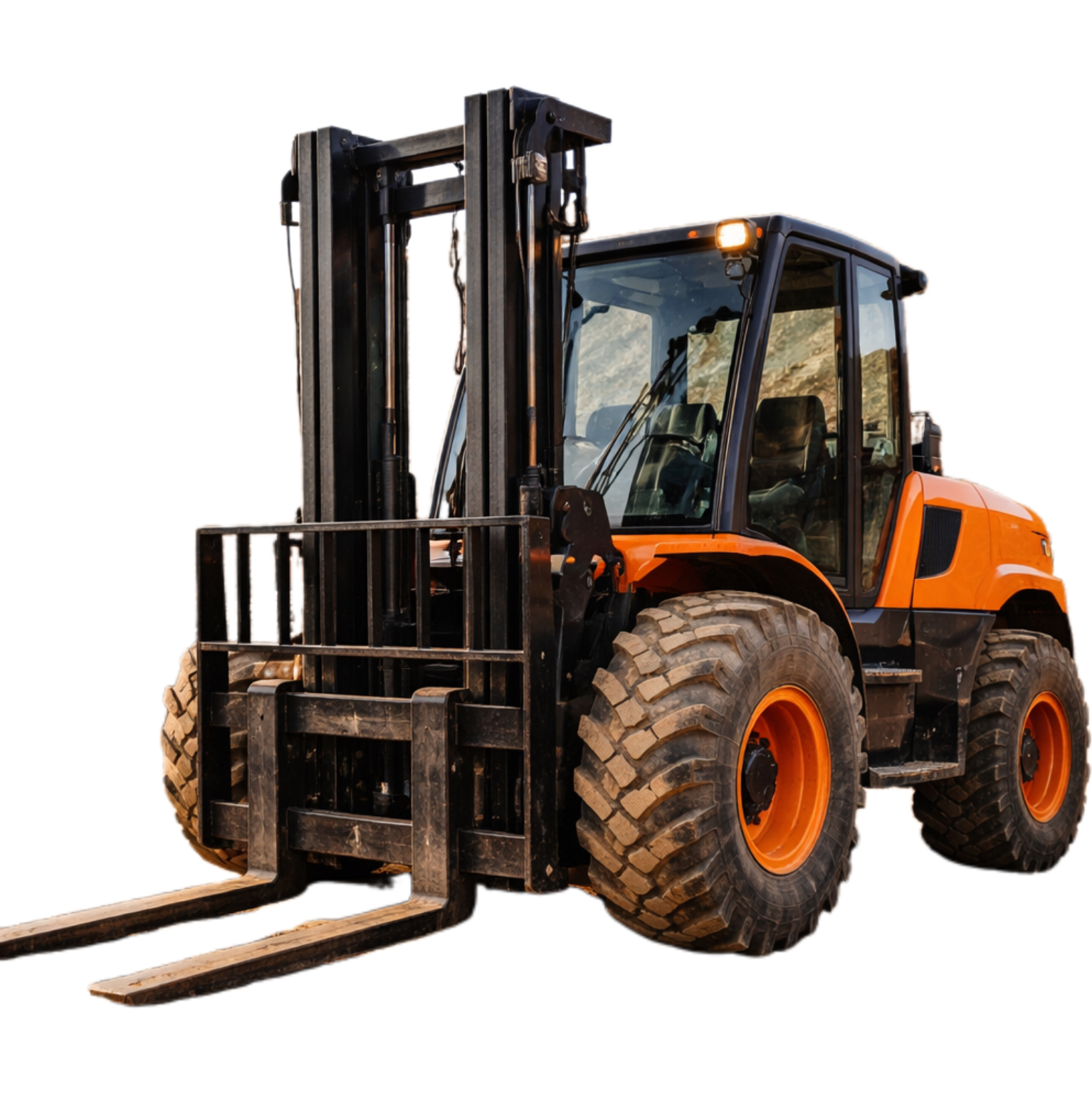


Cost Advantages of Electric Forklift Leasing: A Flexible Choice for SMEs
For small and medium-sized enterprises (SMEs) engaged in logistics, warehousing, and manufacturing, controlling operational costs while ensuring operational efficiency is a core challenge. As essential material handling equipment, electric forklifts offer obvious energy-saving advantages, but their high initial purchase cost (usually 100,000 - 150,000 RMB for a 2-ton model) has become a major barrier for many SMEs. Against this backdrop, electric forklift leasing has emerged as a flexible and cost-effective solution. By shifting the heavy one-time investment to periodic rental payments, it helps SMEs avoid financial pressure and operational risks. This article will deeply analyze the cost advantages of electric forklift leasing for SMEs and provide practical leasing strategies to help enterprises make rational choices.
I. Core Advantage 1: Zero Initial Investment – Alleviate Financial Pressure
The biggest pain point for SMEs in purchasing electric forklifts is the heavy one-time capital occupation. Leasing fundamentally solves this problem by converting fixed assets into operating costs:
1. Significant Reduction in Capital Occupation
When purchasing a 2-ton lithium battery electric forklift, SMEs need to pay 120,000 - 150,000 RMB in one lump sum, which accounts for a large proportion of the working capital of most SMEs. In contrast, the monthly rental cost of such a forklift is only 3,000 - 5,000 RMB, and the deposit is usually 10,000 - 20,000 RMB (refundable after the lease ends). This allows SMEs to retain sufficient working capital for core business operations (such as raw material procurement, market expansion), improving the flexibility of capital operation.
2. Avoid Depreciation Risks of Fixed Assets
Electric forklifts, as fixed assets, will depreciate over time. The annual depreciation rate of new electric forklifts is about 15% - 20%, and the residual value after 5 years is only 35% - 40% of the purchase price. For SMEs with unstable business needs, if the forklift is no longer needed due to changes in production scale or business direction, the secondary market transaction will face losses. Leasing allows SMEs to avoid this depreciation risk – after the lease term ends, they only need to return the forklift to the lessor without bearing the loss of asset depreciation.
Key Data: For a 2-ton electric forklift used for 3 years, the total leasing cost is about 108,000 - 180,000 RMB (monthly rent 3,000 - 5,000 RMB), while the total cost of purchasing (including depreciation) is about 144,000 - 180,000 RMB. Leasing not only avoids the one-time capital pressure but also has a cost advantage comparable to purchasing in the medium term.
II. Core Advantage 2: All-Inclusive Maintenance – Reduce Hidden Operational Costs
The maintenance of electric forklifts involves high professional thresholds and hidden costs (such as parts replacement, labor, and downtime losses). Most electric forklift leasing agreements include all-inclusive maintenance services, which further reduces the operational burden of SMEs:
1. No Need to Bear Maintenance and Repair Costs
In formal leasing agreements, the lessor is responsible for all routine maintenance (such as battery inspection, lubricating oil replacement, and vulnerable parts replacement) and fault repair costs (such as motor overhaul, controller replacement, and battery maintenance). Taking the annual maintenance cost of a 2-ton electric forklift as an example, the cost of purchasing and maintaining it independently is about 2,000 - 3,000 RMB for routine maintenance and 3,000 - 15,000 RMB for unexpected fault repairs. Leasing can save SMEs 5,000 - 18,000 RMB in annual maintenance costs.
2. Reduce Downtime Losses
Professional leasing companies usually have a complete after-sales service system and a sufficient inventory of spare parts. When a leased forklift breaks down, the lessor can dispatch maintenance personnel within 2 - 4 hours (even faster in the same city) and provide alternative forklifts if necessary. This minimizes downtime losses. According to industry data, the average downtime of leased electric forklifts due to faults is less than 8 hours, while the downtime of self-purchased forklifts often exceeds 24 hours due to lack of professional maintenance and spare parts, resulting in 500 - 800 RMB of operational losses per hour.
III. Core Advantage 3: Flexible Demand Adaptation – Avoid Resource Waste
SMEs often face fluctuations in business needs (such as seasonal peaks, temporary orders), and the demand for forklifts also changes accordingly. Leasing's flexible terms can perfectly adapt to this characteristic:
1. Flexible Lease Term Selection
Leasing companies offer various lease terms, such as short-term leases (1 - 3 months) for temporary orders, medium-term leases (6 - 12 months) for seasonal peaks, and long-term leases (2 - 5 years) for stable operations. SMEs can choose the appropriate lease term according to their actual needs, avoiding the waste of resources caused by purchasing forklifts that are idle during off-seasons. For example, a food processing SME can lease additional electric forklifts for 3 months during the year-end peak season, with a monthly rent of 3,000 - 4,000 RMB, instead of purchasing additional forklifts that are idle for 9 months a year.
2. Convenient Equipment Upgrade
With the development of technology, new electric forklifts are constantly updated with more energy-saving and intelligent features. If SMEs purchase forklifts, upgrading equipment means additional investment. Leasing allows SMEs to easily upgrade to new models when renewing the lease, enjoying the latest technology and performance without additional purchase costs. For example, when the lease of a traditional lithium battery electric forklift ends, SMEs can choose to lease an intelligent electric forklift with IoT monitoring functions, which helps improve operational efficiency.
IV. How SMEs Choose the Right Electric Forklift Leasing Model?
There are various electric forklift leasing models on the market, and SMEs need to choose according to their own business conditions. The main models are as follows:
Leasing Model | Core Features | Suitable Scenarios | Monthly Cost Reference (2-Ton Forklift) |
|---|---|---|---|
Operating Lease | The lessor retains ownership; the lessee pays rent and uses the equipment; all maintenance is borne by the lessor. | Short-term needs, unstable business, need to control capital occupation. | 3,000 - 5,000 RMB |
Financial Lease | The lessee has the right to purchase the equipment at the residual value at the end of the lease term; the rent is slightly higher, and maintenance can be agreed upon. | Long-term stable needs, hope to own the equipment eventually but want to spread the cost. | 4,500 - 6,000 RMB |
Bare Car Lease | Only lease the forklift body; the lessee is responsible for battery, maintenance, and other costs. | Have professional maintenance personnel, want to reduce rent costs. | 2,000 - 3,000 RMB |
Key Selection Suggestions
Prioritize operating leases if the business is unstable or the demand is short-term, to maximize flexibility and avoid risks.
Choose financial leases if there is a long-term stable demand for forklifts and the enterprise hopes to own fixed assets eventually.
Avoid bare car leases if there is no professional maintenance team, as subsequent maintenance costs and risks will offset the rent advantage.
V. Common Pitfalls to Avoid in Electric Forklift Leasing
While leasing has many advantages, SMEs are prone to fall into some misunderstandings, leading to increased costs. The following points need to be emphasized:
Misunderstanding 1: Blindly Pursuing Low Rent: Some small leasing companies offer extremely low rents (e.g., 1,500 - 2,000 RMB/month for a 2-ton forklift) but exclude maintenance services or use old forklifts with serious wear. Subsequent fault repair costs and downtime losses will far exceed the rent savings.
Misunderstanding 2: Ignoring Contract Terms: Do not carefully review the lease contract, resulting in unclear liability for maintenance, compensation for equipment damage, and other clauses. When disputes arise, the lessee may bear additional costs.
Misunderstanding 3: Neglecting After-Sales Service Capability: Choose leasing companies without perfect after-sales service. When the forklift breaks down, the maintenance is delayed, leading to serious downtime losses.
Misunderstanding 4: Over-Leasing or Under-Leasing: Lease more forklifts than needed due to blind expansion, resulting in idle rent costs; or lease too few forklifts to meet operational needs, affecting work efficiency.
VI. Summary: Electric Forklift Leasing – A Cost-Effective and Flexible Solution for SMEs
For SMEs, electric forklift leasing breaks the barrier of high initial investment in purchasing forklifts, realizing "light asset operation" through flexible rental payment methods. Its cost advantages are reflected in three aspects: zero initial investment to alleviate financial pressure, all-inclusive maintenance to reduce hidden costs, and flexible terms to adapt to demand fluctuations. Compared with purchasing and using second-hand forklifts, leasing also avoids risks such as asset depreciation, unclear vehicle conditions, and high maintenance costs.
When choosing electric forklift leasing, SMEs should not only focus on rent levels but also comprehensively consider the lessor's reputation, after-sales service capability, and contract terms. By selecting the appropriate leasing model according to their own business needs, SMEs can maximize the cost advantages of leasing, ensure the smooth progress of material handling operations, and focus more resources on core business development. In the context of increasing emphasis on cost control and flexible operations, electric forklift leasing has undoubtedly become an ideal choice for SMEs to achieve cost reduction and efficiency enhancement.
Our manager will contact you shortly.
To contact you about our products and services.
Copyright © Xingtai Beiqiang Machinery Manufacturing Factory. 2025.
Technical support:Echola