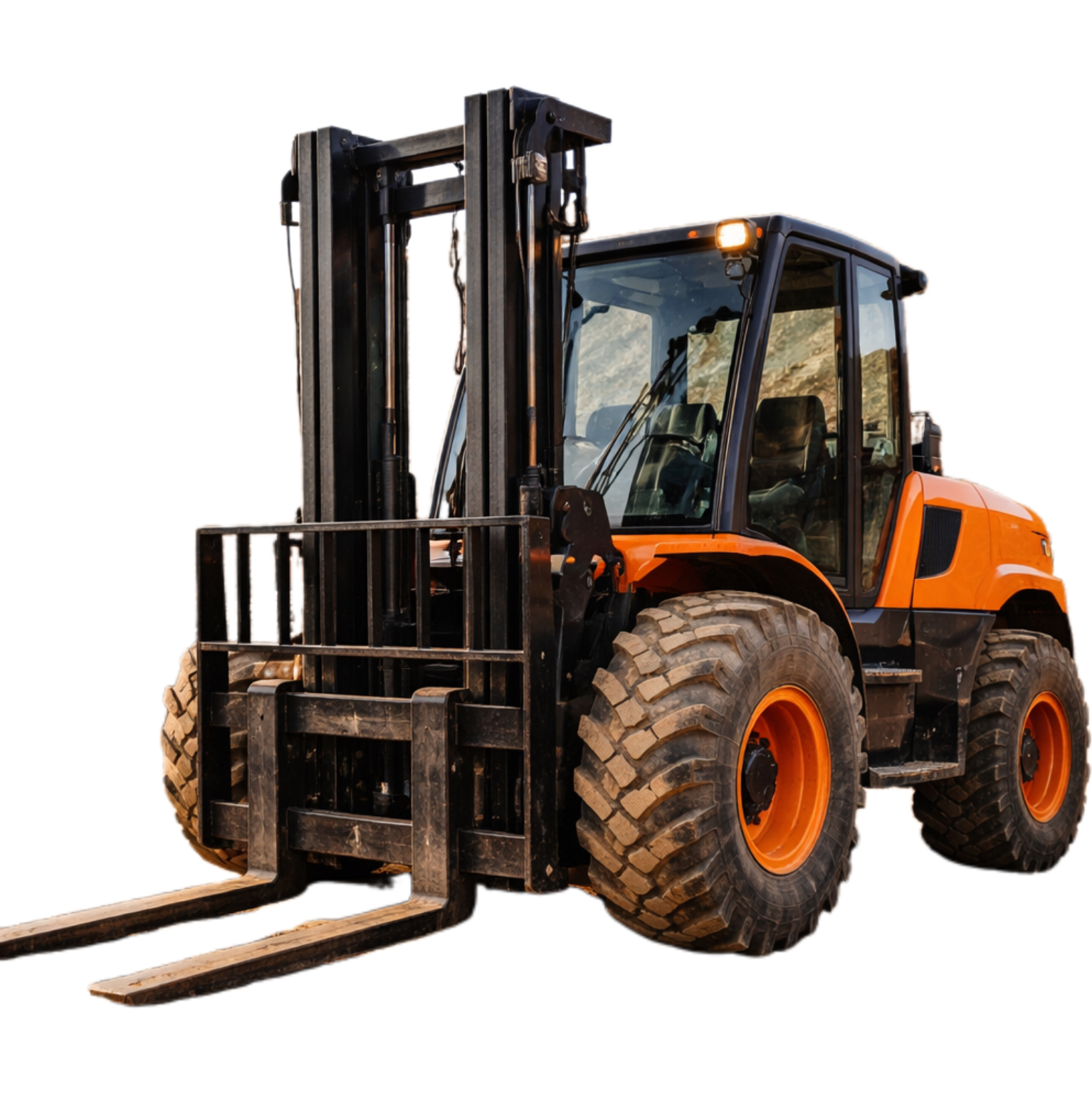


Used Electric Forklift Purchase: Balancing Cost-Effectiveness and Risk Control
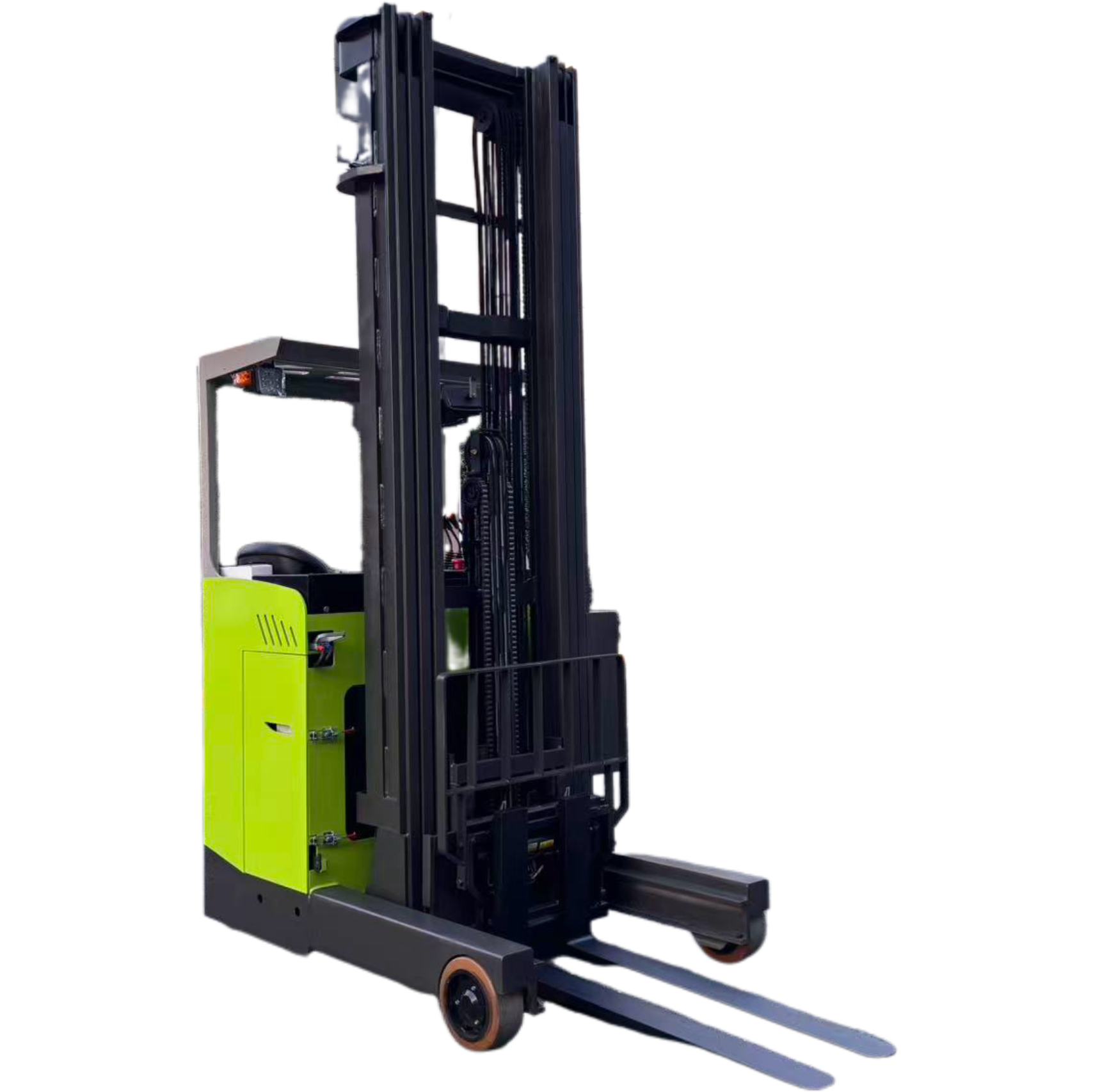
Against the backdrop of soaring energy prices and increasingly stringent green operation regulations, electric forklifts have become the preferred equipment for enterprises to achieve energy conservation, emission reduction and cost control. However, the high initial investment of new electric forklifts (usually 100,000 - 150,000 RMB for a 2-ton model) has made many small and medium-sized enterprises hesitate. Used electric forklifts, with their price advantage (30% - 50% lower than new ones), have become a cost-effective choice. But the purchase of used electric forklifts is not "buying cheap", but a game of balancing cost-effectiveness and risk control. Many enterprises suffer from high subsequent maintenance costs or even direct scrapping due to ignoring risk assessment. This article will share practical strategies for used electric forklift purchase from four core dimensions: pre-purchase demand positioning, in-depth vehicle condition inspection, cost-effectiveness calculation, and post-purchase risk control, helping enterprises buy high-quality used electric forklifts at a reasonable price.
I. Pre-Purchase Preparation: Clarify Demands to Avoid Blind Purchase
The first step in purchasing a used electric forklift is to clarify the actual operation needs, which is the premise of balancing cost-effectiveness and risk. Blindly pursuing low prices or high configurations will lead to mismatched use scenarios and increase hidden costs. Enterprises need to confirm the following core demand points:
1. Core Operation Parameters
• Load Capacity: Determine the required load capacity according to the maximum weight of the goods to be handled (e.g., 2 tons for general warehousing, 3 - 5 tons for heavy-duty workshops). It is not advisable to buy an overloaded model (which will increase energy consumption and wear) or an underloaded model (which cannot meet the operation needs).
• Lifting Height: Confirm the required lifting height based on the height of shelves or goods stacking (e.g., 3 - 4 meters for general shelves, 5 - 6 meters for high-rise warehouses). Buying a model with excessive lifting height will waste purchase costs and energy.
• Operation Environment: If the operation is in a narrow warehouse, choose a three-wheel or compact electric forklift with good maneuverability; if it is in an outdoor or uneven ground, pay attention to the wear resistance of tires and the protection level of electrical components (preferably IP54 or above).
• Working Hours: For enterprises with daily working hours of more than 8 hours (high-intensity operation), prioritize used forklifts with a service life of less than 3 years and low wear; for those with daily working hours of less than 4 hours (light operation), appropriately relax the service life requirements to reduce costs.
2. Battery Type Demand
The battery is the core component of electric forklifts and accounts for 30% - 40% of the total cost. When purchasing used electric forklifts, it is necessary to clarify the battery type and status according to the operation intensity:
• Lithium Battery: Suitable for high-intensity operations (long working hours, fast charging demand). The service life of lithium batteries is 5 - 8 years, and used lithium battery forklifts with a service life of less than 3 years still have good performance. However, attention should be paid to the capacity attenuation and internal resistance status.
• Lead-Acid Battery: Suitable for light operations (short working hours, low charging frequency). The service life of lead-acid batteries is 2 - 3 years, and it is not recommended to buy used lead-acid battery forklifts with a service life of more than 2 years, as the battery replacement cost (about 8,000 - 15,000 RMB) will offset the price advantage.
Key Insight: The matching degree between the used electric forklift and the operation scenario directly determines the subsequent cost-effectiveness. A forklift that is "suitable" is more cost-effective than a "cheap" one. |
II. Core Link: In-Depth Vehicle Condition Inspection to Control Key Risks
Vehicle condition inspection is the most critical step in purchasing used electric forklifts, and the focus is on core components that are expensive to maintain (battery, motor, controller, hydraulic system). It is recommended to invite professional maintenance personnel to participate in the inspection, and the specific inspection items are as follows:
1. Battery Inspection (Highest Risk Weight)
Battery replacement cost is the highest in subsequent maintenance, so it is necessary to conduct a comprehensive inspection:
• Basic Information Confirmation: Check the battery production date, brand, and capacity parameters. For lithium batteries, it is necessary to confirm whether it is a original battery (non-original batteries have higher failure rates). For lead-acid batteries, check whether there is leakage, bulging, or corrosion on the surface.
• Performance Testing: Use professional instruments to test battery internal resistance and capacity. For lithium batteries, the internal resistance should be within 80 - 120 mΩ (exceeding 150 mΩ indicates serious attenuation), and the actual capacity should not be less than 70% of the nominal capacity; for lead-acid batteries, the actual capacity should not be less than 60% of the nominal capacity (otherwise, it is recommended to replace the battery directly).
• Charging Test: Conduct a 1 - 2 hour charging test to check the charging current and voltage stability. If the charging current fluctuates greatly or the voltage rises too fast, it indicates a problem with the battery management system (BMS) or single cells, which may lead to sudden failure.
2. Motor and Controller Inspection
The motor and controller are the "power core" of electric forklifts, and their failure repair costs are high (motor overhaul: 8,000 - 15,000 RMB; controller replacement: 5,000 - 10,000 RMB):
• Motor Inspection: Start the forklift and check the operation status of the motor. There should be no abnormal noise (such as grinding, knocking), and the temperature rise should be normal (the surface temperature should not exceed 60℃ after 30 minutes of operation). Disassemble the motor cover if possible to check the winding insulation (no discoloration, no damage) and bearing wear (no looseness).
• Controller Inspection: Check the controller for water ingress, dust accumulation, or burnt marks. Test the responsiveness of the operation handle (accelerator, brake, lifting) to ensure that the controller can accurately control the motor and hydraulic system. If the forklift has an intelligent display, check whether the fault code can be displayed normally (facilitating subsequent maintenance).
3. Hydraulic System Inspection
The hydraulic system is responsible for the lifting and tilting of the fork, and its failure will directly affect the operation efficiency:
• Oil Leakage Check: Check the hydraulic oil tank, oil pipes, hydraulic pump, and oil cylinder for oil leakage (wipe the surface with a clean cloth and observe after operation). Oil leakage indicates seal damage or pipe aging, which requires timely replacement.
• Operation Test: Test the lifting and tilting speed of the fork. The speed should be stable (no jitter) and the operation should be smooth (no stuck). Conduct a load test: lift the rated load to the maximum height and keep it for 5 minutes to check whether the fork drops (the allowable drop is within 5 mm, otherwise, there is a problem with the hydraulic pump or one-way valve).
• Hydraulic Oil Quality: Check the color and turbidity of the hydraulic oil. If the oil is black, turbid, or contains impurities, it indicates that the hydraulic system has serious wear, and the oil and filter need to be replaced (cost: 500 - 1,000 RMB).
4. Travel System and Body Inspection
• Tires: Check the tire wear (the remaining tread depth should not be less than 3 mm), whether there are cracks or bulges. Solid tires are suitable for uneven ground, and pneumatic tires are suitable for smooth ground. The replacement cost of tires is 800 - 2,000 RMB per set.
• Brakes: Test the braking performance (braking distance should be within 2 meters when traveling at 5 km/h). Check the brake pads (remaining thickness should not be less than 5 mm) and brake discs (no serious wear or scratches). The replacement cost of brake pads is 200 - 500 RMB.
• Body Structure: Check the frame, fork, and door frame for deformation, cracks, or welding marks (welding marks indicate previous collisions or overload use). The straightness of the door frame should be within 3 mm/m (measured with a level), otherwise, it will affect the lifting stability.
III. Cost-Effectiveness Calculation: Not Just Looking at the Purchase Price
The cost-effectiveness of used electric forklifts cannot be judged only by the purchase price. It is necessary to calculate the total cost of the entire service cycle (purchase price + maintenance cost + battery replacement cost - residual value) to compare with new forklifts. Taking a 2-ton lithium battery electric forklift as an example, the specific calculation is as follows:
Cost Item | Used Electric Forklift (3-Year Service Life) | New Electric Forklift |
Purchase Price | 60,000 - 80,000 RMB (40% - 50% lower than new) | 120,000 - 150,000 RMB |
Annual Maintenance Cost | 8,000 - 12,000 RMB (higher than new, mainly due to component wear) | 2,000 - 3,000 RMB |
Battery Replacement Cost (5-Year Service Cycle) | 30,000 - 50,000 RMB (may need to be replaced in 2 - 3 years) | 0 (lithium battery has 5 - 8 years service life, no replacement in 5 years) |
Residual Value (5-Year Service Cycle) | 15,000 - 20,000 RMB (residual value rate: 20% - 25%) | 42,000 - 60,000 RMB (residual value rate: 35% - 40%) |
Total Cost in 5 Years | 83,000 - 142,000 RMB | 88,000 - 115,000 RMB |
Key Conclusion: For enterprises with short-term use needs (2 - 3 years) or light operation intensity, used electric forklifts have obvious cost advantages; for enterprises with long-term use (more than 5 years) or high-intensity operation, new electric forklifts are more cost-effective. In addition, when calculating cost-effectiveness, it is necessary to consider the energy consumption cost (used forklifts with serious component wear may have 10% - 20% higher energy consumption than new ones).
IV. Post-Purchase Risk Control: Contract Protection and Post-Maintenance
Even if the vehicle condition inspection is done well, it is necessary to use contracts and post-maintenance to further control risks, avoiding "buying problems and being unable to claim compensation".
1. Sign a Formal Purchase Contract
Do not sign a simple agreement or verbal agreement. The formal contract should clearly stipulate the following clauses:
• Vehicle Condition Commitment: The seller shall commit that the key information (service life, battery capacity, maintenance history) of the used electric forklift is true, and there are no major hidden faults (such as motor overhaul, battery replacement without notification). If false information is found, the buyer has the right to return the goods and claim compensation.
• Warranty Period: Negotiate a 3 - 6 month warranty period for core components (battery, motor, controller). During the warranty period, if the core components fail due to quality problems, the seller shall be responsible for maintenance or replacement.
• Payment Terms: Adopt phased payment (e.g., 60% payment upon delivery, 40% payment after 1 month of normal operation) to avoid paying full payment and finding quality problems but being unable to get a refund.
• Supporting Documents: The seller shall provide supporting documents such as the original purchase invoice, maintenance records, and battery inspection reports of the forklift, which are convenient for subsequent maintenance and transfer (if required).
2. Conduct Post-Purchase Comprehensive Maintenance
After purchasing a used electric forklift, do not put it into operation immediately. Conduct a comprehensive maintenance first to eliminate potential hidden faults:
• Replace consumables: Replace hydraulic oil, lubricating oil, brake pads, seals, and filters to ensure the normal operation of each system.
• Battery maintenance: For lithium batteries, conduct balanced charging to activate single cells with low capacity; for lead-acid batteries, check the electrolyte level and add distilled water if necessary.
• System debugging: Debug the controller, BMS, and hydraulic system to ensure that all parameters are within the normal range, and the operation is smooth and stable.
Cost Reference: The post-purchase comprehensive maintenance cost is about 1,500 - 3,000 RMB per unit, which can effectively reduce the failure rate in the early stage of use and avoid sudden shutdown losses.
V. Common Pitfalls to Avoid in Used Electric Forklift Purchase
Many enterprises fall into the following misunderstandings when purchasing used electric forklifts, leading to cost overruns or safety risks:
• Misunderstanding 1: Blindly Pursuing Low Prices: Some enterprises buy used electric forklifts at prices 60% - 70% lower than new ones, but ignore that the battery has been seriously attenuated or the motor has been overhauled. The subsequent replacement of core components costs more than the price of a new forklift.
• Misunderstanding 2: Ignoring Maintenance History: Do not check the maintenance records, and buy forklifts that have been used in harsh environments (e.g., high temperature, humidity, heavy load) for a long time. Such forklifts have serious internal component wear and short service life.
• Misunderstanding 3: Neglecting Warranty Clauses: Signing a simple agreement without warranty clauses. When problems are found after purchase, the seller shirks responsibility, and the buyer has no way to claim compensation.
• Misunderstanding 4: Overlooking Battery Type: Buying a lead-acid battery used forklift with a service life of more than 2 years, and the battery needs to be replaced soon. The replacement cost offsets the price advantage, and the overall cost is even higher than that of a new lithium battery forklift.
VI. Summary: Balancing Cost-Effectiveness and Risk Control Is the Key to Successful Purchase
Purchasing used electric forklifts can help enterprises reduce initial investment and achieve cost control, but it is not a "cost-saving shortcut" without risks. The core of successful purchase is to balance cost-effectiveness and risk control: first, clarify the operation needs to avoid blind purchase; second, conduct in-depth vehicle condition inspection to control core component risks; third, calculate the total life cycle cost to judge real cost-effectiveness; fourth, use formal contracts and post-purchase maintenance to avoid subsequent disputes.
For enterprises with limited funds, short-term use needs, or light operation intensity, used electric forklifts are a cost-effective choice; for enterprises with long-term use and high-intensity operation, it is more reliable to choose new electric forklifts. No matter which choice is made, it is necessary to take vehicle condition and cost-effectiveness as the core criteria, rather than simply pursuing low prices. Only in this way can used electric forklifts truly become a tool for enterprises to reduce costs and increase efficiency, rather than a "trouble source" of subsequent maintenance.
Our manager will contact you shortly.
To contact you about our products and services.
Copyright © Xingtai Beiqiang Machinery Manufacturing Factory. 2025.
Technical support:Echola