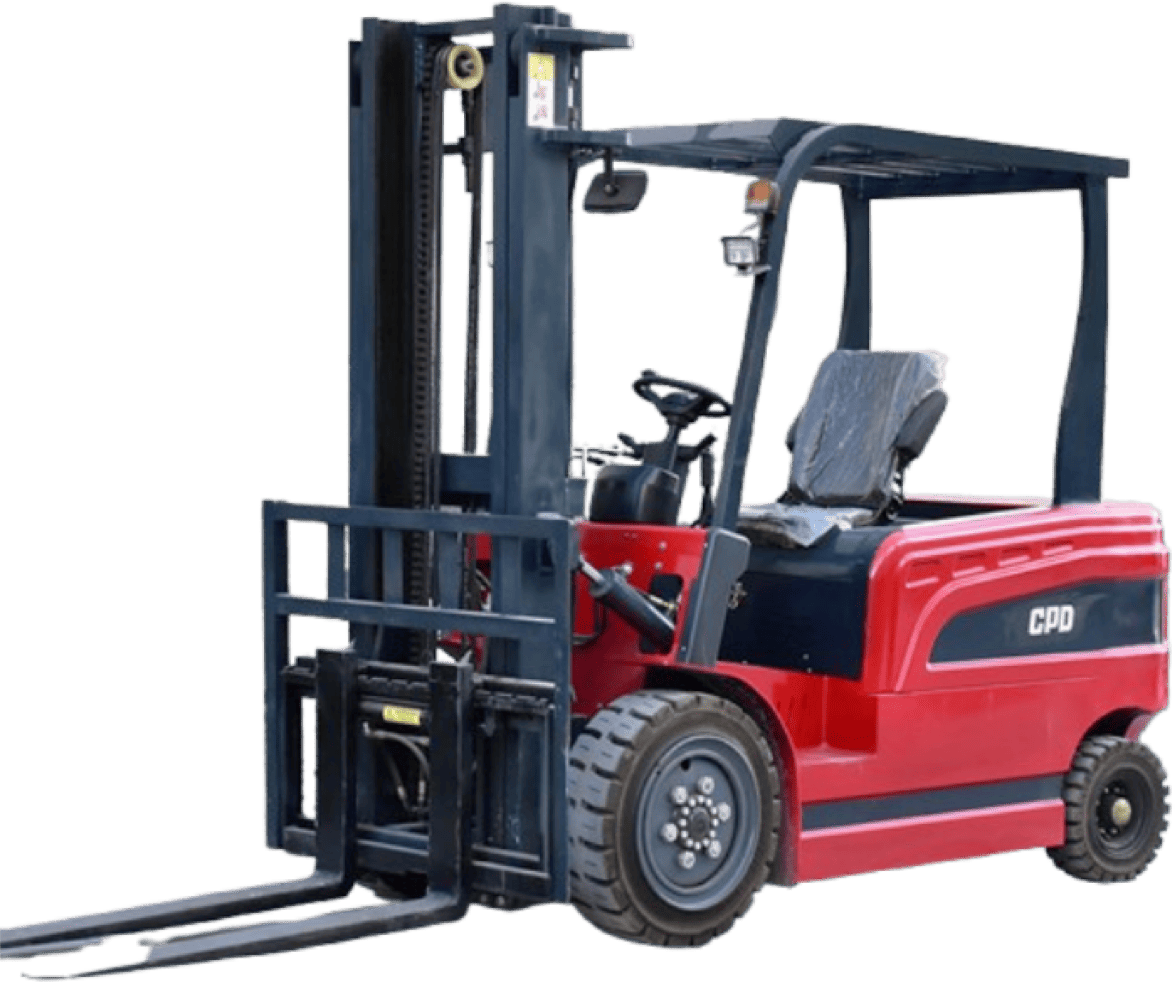
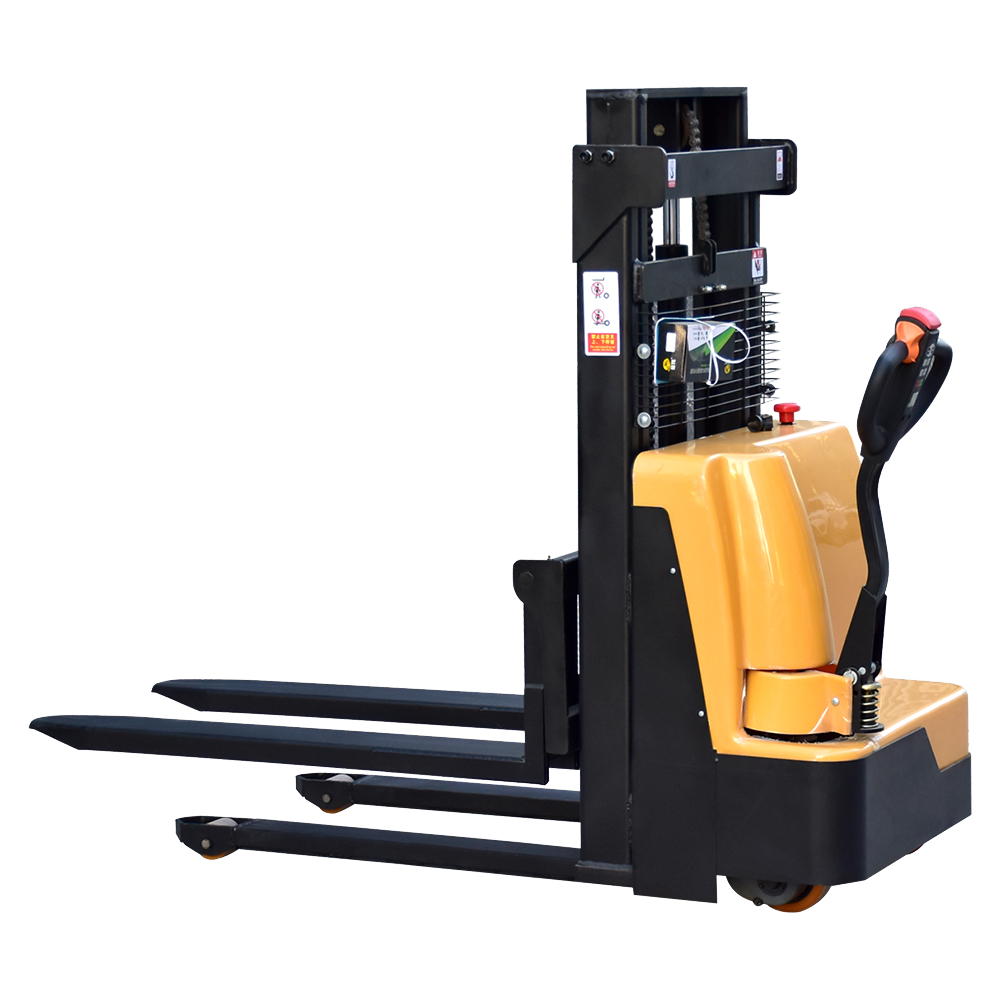
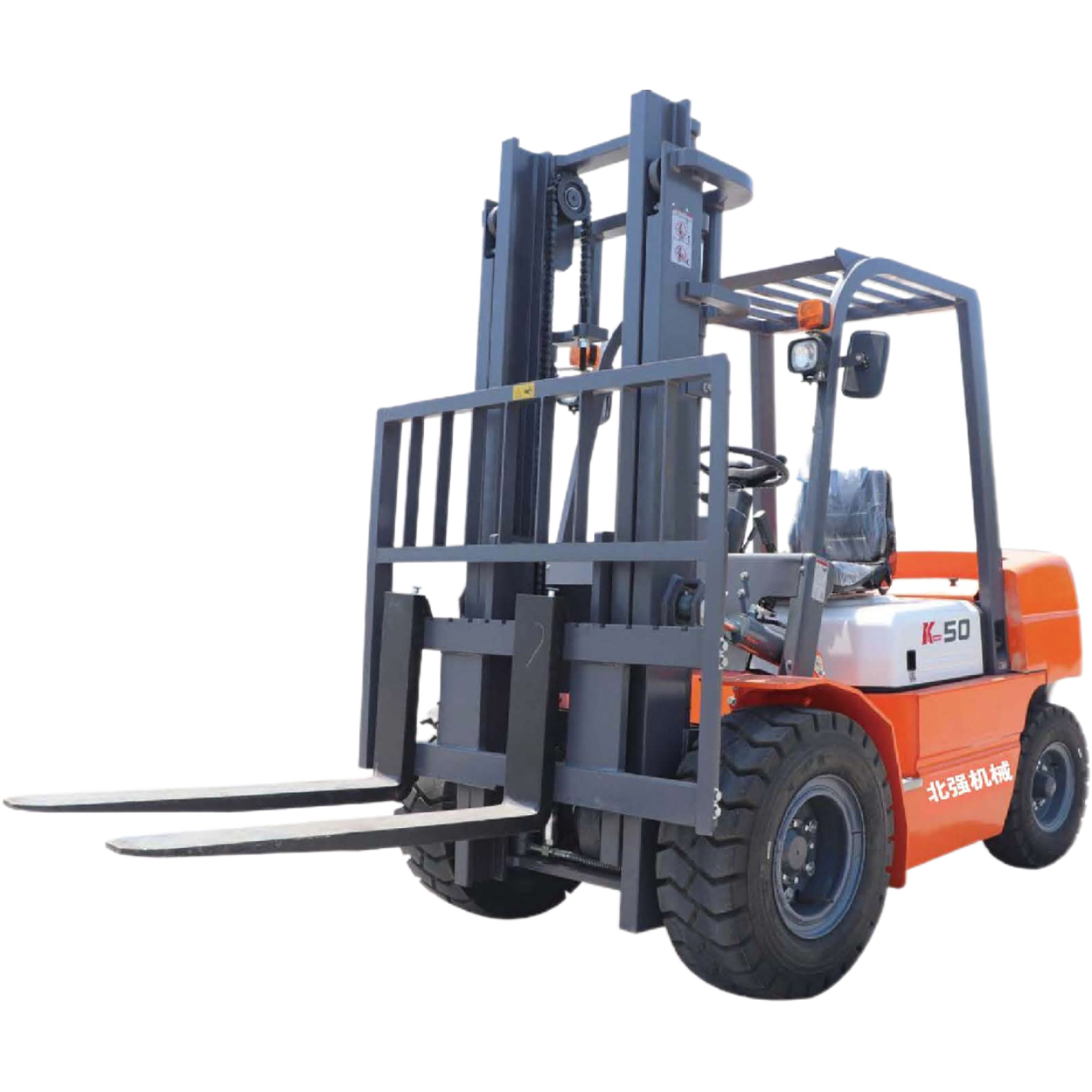
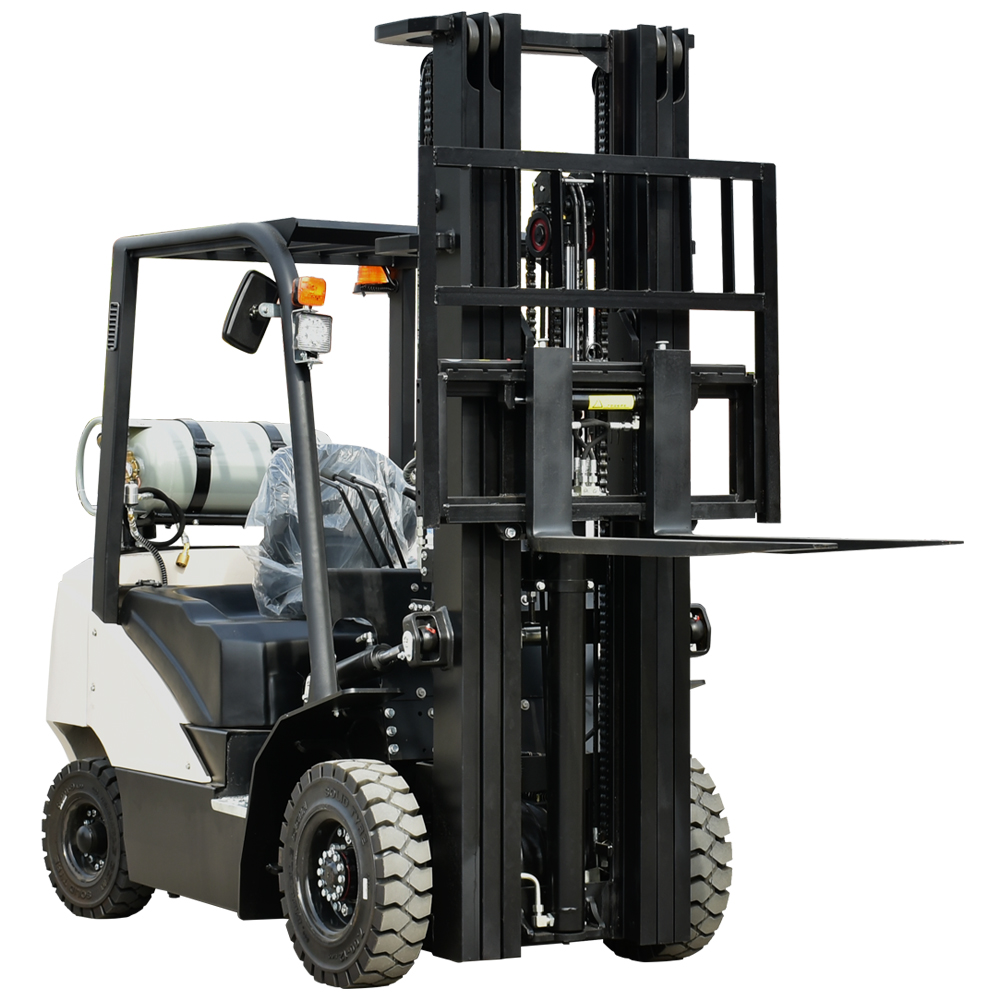
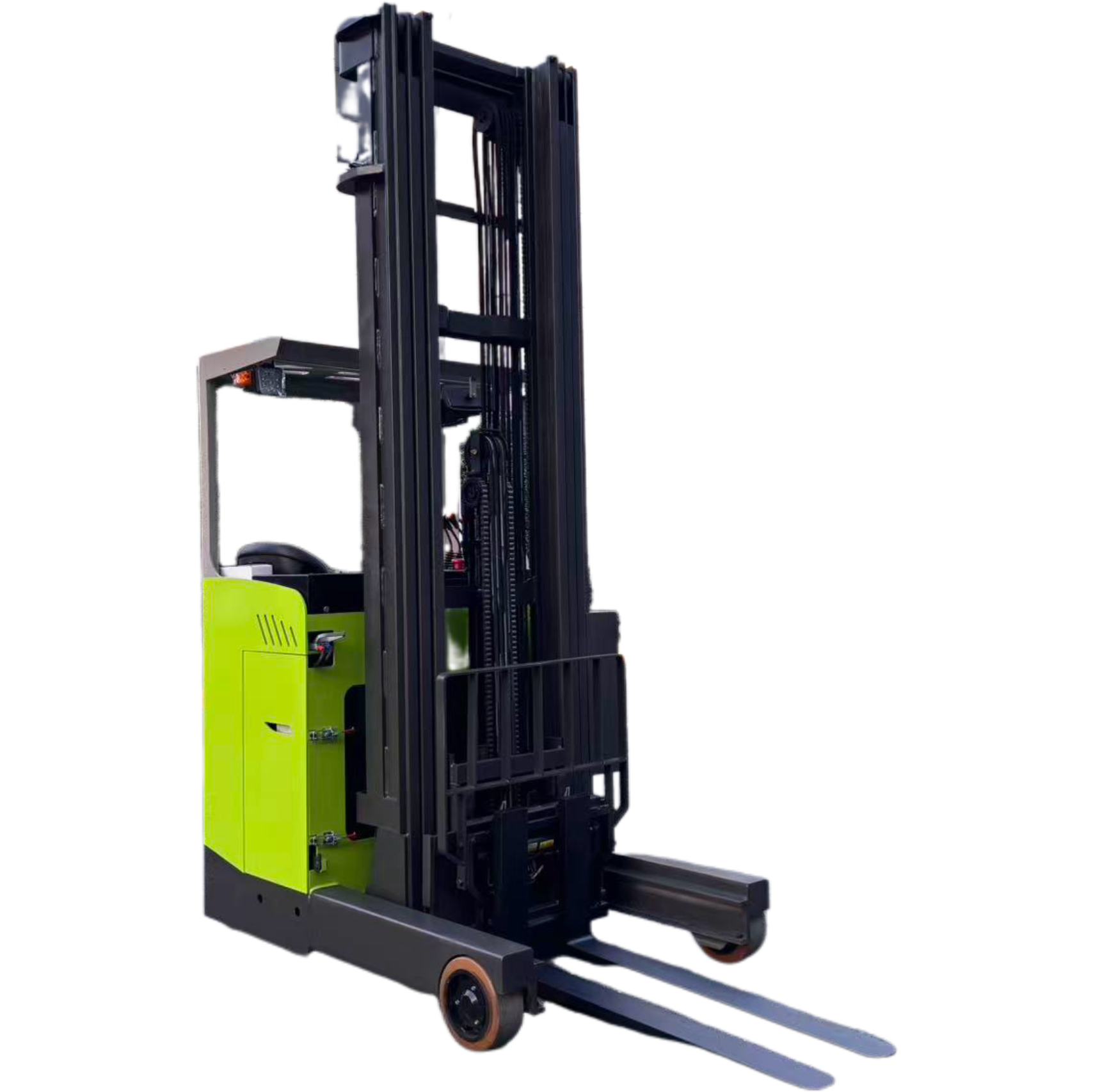
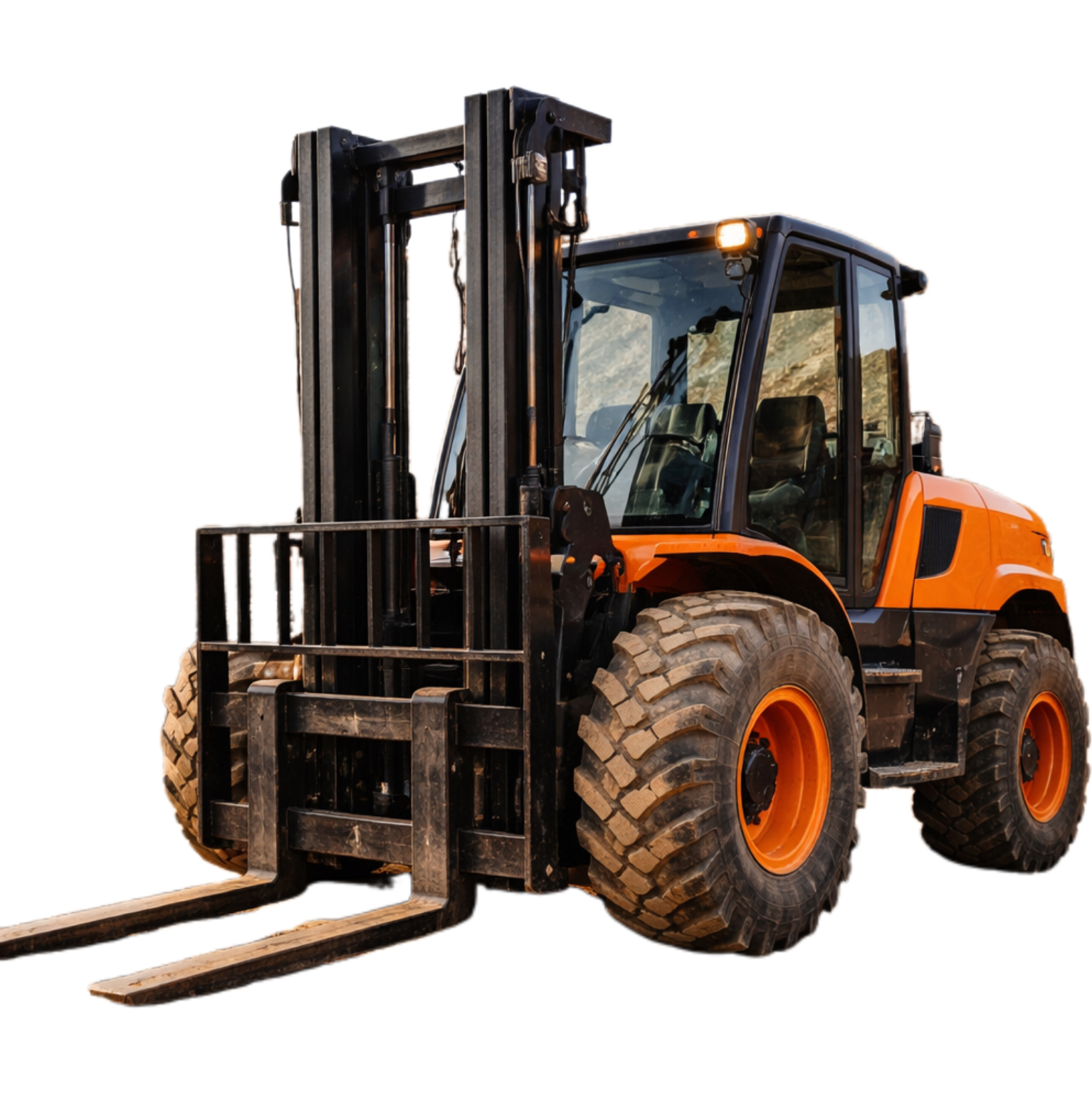


When enterprises consider purchasing 2-ton forklifts—one of the most widely used models in logistics and manufacturing—many are hesitant due to the higher initial price of electric forklifts compared to fuel-powered ones. However, the true measure of equipment value lies not in the upfront cost, but in the Return on Investment (ROI) over its service life. For 2-ton forklifts, which are typically used for high-frequency, daily operations, electric models’ advantages in energy efficiency and low maintenance costs translate into rapid cost recovery. This article will use detailed cost data to calculate the ROI of 2-ton electric forklifts, focusing on answering the core question: How long does it take to recoup the initial cost difference?
I. First, Clarify: The Core Logic of ROI Calculation for 2-Ton Electric Forklifts
For equipment investments like forklifts, ROI focuses on the "cost recovery cycle"—the time required for the cumulative cost savings of electric forklifts (compared to fuel-powered ones) to offset the initial cost difference between the two. The core calculation formula is:
Cost Recovery Cycle (Years) = Initial Cost Difference Between Electric and Fuel-Powered Forklifts ÷ Annual Net Cost Savings of Electric Forklifts
To ensure calculation accuracy, we first clarify two key premises (consistent with industry conventional operating conditions):
Research Object: 2-ton mainstream forklifts (lithium-ion battery electric, lead-acid battery electric, and diesel fuel-powered)
Operating Assumptions: 5-year service life, 2,000 operating hours per year, average domestic industrial electricity price (1 RMB/kWh), average domestic 0# diesel price (7 RMB/L)
II. Key Cost Data: Foundation for ROI Calculation
Before calculating the recovery cycle, we first sort out the core cost data of 2-ton electric and fuel-powered forklifts (derived from comprehensive market surveys and industry averages), which is the basis for ROI analysis:
1. Initial Cost Difference
The initial cost includes the purchase price, transportation fee, and installation and commissioning fee. The specific comparison is as follows:
Lithium-ion Battery Electric Forklift: Total initial cost = 105,000 RMB (median value, including 100,000-120,000 RMB purchase price + 5,000 RMB additional fees)
Lead-Acid Battery Electric Forklift: Total initial cost = 95,000 RMB (median value, including 80,000-100,000 RMB purchase price + 5,000 RMB additional fees)
Fuel-Powered Forklift: Total initial cost = 75,000 RMB (median value, including 60,000-80,000 RMB purchase price + 5,000 RMB additional fees)
Initial Cost Difference Calculation:
Lithium-ion vs. Fuel-Powered: 105,000 RMB - 75,000 RMB = 30,000 RMB
Lead-Acid vs. Fuel-Powered: 95,000 RMB - 75,000 RMB = 20,000 RMB
2. Annual Net Cost Savings
Annual net savings are the sum of annual energy consumption savings and annual maintenance savings (residual value is considered in long-term TCO but not in short-term cost recovery cycle calculation, as it is realized at the end of the service life).
Cost Category | Lithium-ion Electric Forklift | Lead-Acid Electric Forklift | Fuel-Powered Forklift | Annual Savings (Lithium-ion vs. Fuel) | Annual Savings (Lead-Acid vs. Fuel) |
|---|---|---|---|---|---|
Annual Energy Cost (RMB) | 6,000 | 7,200 | 42,000 | 36,000 | 34,800 |
Annual Maintenance Cost (RMB) | 2,400 | 2,800 | 25,000 | 22,600 | 22,200 |
Total Annual Net Savings (RMB) | - | - | - | 36,000 + 22,600 = 58,600 | 34,800 + 22,200 = 57,000 |
Note: The annual maintenance cost of electric forklifts is the median value of the 2,000-3,000 RMB range; the annual maintenance cost of fuel-powered forklifts is the median value of the 20,000-30,000 RMB range.
III. Core Calculation: How Long to Recoup the Cost?
Based on the above data, we calculate the cost recovery cycle for both lithium-ion and lead-acid battery 2-ton electric forklifts:
1. Lithium-Ion Battery 2-Ton Electric Forklift
Cost Recovery Cycle = Initial Cost Difference ÷ Annual Net Savings = 30,000 RMB ÷ 58,600 RMB/Year ≈ 0.51 Years (about 6.1 Months)
Interpretation: Even though lithium-ion battery electric forklifts have a higher initial cost (30,000 RMB more than fuel-powered ones), their significant advantages in energy and maintenance savings allow enterprises to recoup the additional initial investment in only about 6 months.
2. Lead-Acid Battery 2-Ton Electric Forklift
Cost Recovery Cycle = Initial Cost Difference ÷ Annual Net Savings = 20,000 RMB ÷ 57,000 RMB/Year ≈ 0.35 Years (about 4.2 Months)
Interpretation: Lead-acid battery electric forklifts have a smaller initial cost gap (20,000 RMB more than fuel-powered ones) and slightly lower annual savings. Even so, the cost recovery cycle is only about 4 months, which is extremely short.
3. Extended Calculation: ROI Over the Entire 5-Year Service Life
Beyond the short-term cost recovery, the long-term ROI of 2-ton electric forklifts is more impressive. Based on the 5-year total cost data:
Total 5-Year Savings of Lithium-Ion Electric Forklift: 303,000 RMB (as per TCO data)
Total 5-Year Savings of Lead-Acid Electric Forklift: 288,000 RMB (as per TCO data)
ROI (5-Year) = (Total Savings - Initial Cost Difference) ÷ Initial Cost Difference × 100%
Lithium-Ion Electric Forklift: (303,000 - 30,000) ÷ 30,000 × 100% = 910%
Lead-Acid Electric Forklift: (288,000 - 20,000) ÷ 20,000 × 100% = 1340%
IV. Key Factors Affecting the Cost Recovery Cycle
The above calculations are based on average industry conditions. In practice, the cost recovery cycle of 2-ton electric forklifts may be shortened or extended due to the following factors:
Annual Operating Hours: The more operating hours, the faster the cost savings accumulate. For example, if annual operating hours increase to 3,000 hours, the recovery cycle of lithium-ion electric forklifts can be shortened to about 3.4 months.
Energy Prices: Higher diesel prices or lower industrial electricity prices (e.g., preferential valley electricity prices) will further reduce the recovery cycle. If diesel prices rise to 8 RMB/L, the annual savings of lithium-ion electric forklifts will increase to 68,600 RMB, and the recovery cycle will be shortened to 0.44 years (about 5.3 months).
Maintenance Costs: If fuel-powered forklifts experience frequent major failures (e.g., engine overhauls), their annual maintenance costs may exceed 30,000 RMB, accelerating the cost recovery of electric forklifts.
Policy Subsidies: Many regions offer purchase subsidies for electric industrial vehicles (usually 5,000-20,000 RMB per unit). With subsidies, the initial cost difference is reduced, and the recovery cycle can be shortened by 1-3 months.
V. Summary: 2-Ton Electric Forklifts Have High ROI and Short Payback Period
The biggest concern for enterprises when purchasing 2-ton electric forklifts—the high initial price—can be resolved by the extremely short cost recovery cycle. Data shows that lead-acid battery electric forklifts can recoup the additional initial investment in about 4 months, and lithium-ion battery ones in about 6 months. Over the 5-year service life, the ROI can reach 910% to 1340%, bringing significant long-term economic benefits.
For enterprises using 2-ton forklifts for high-frequency daily operations (such as logistics warehousing, food processing, and manufacturing workshops), electric forklifts are not only environmentally friendly and compliant with policies but also have obvious financial advantages in terms of ROI. It is recommended that enterprises, when making procurement decisions, comprehensively consider their actual operating hours, energy prices, and local policy subsidies to calculate the personalized recovery cycle, rather than being deterred by the initial price difference.
In the context of the global trend toward carbon neutrality and the continuous upgrading of battery technology, the cost advantage and ROI of 2-ton electric forklifts will become more prominent, making them the optimal choice for medium-tonnage forklift procurement.
Our manager will contact you shortly.
To contact you about our products and services.


Copyright © Xingtai Beiqiang Machinery Manufacturing Factory. 2025.
Technical support:Echola