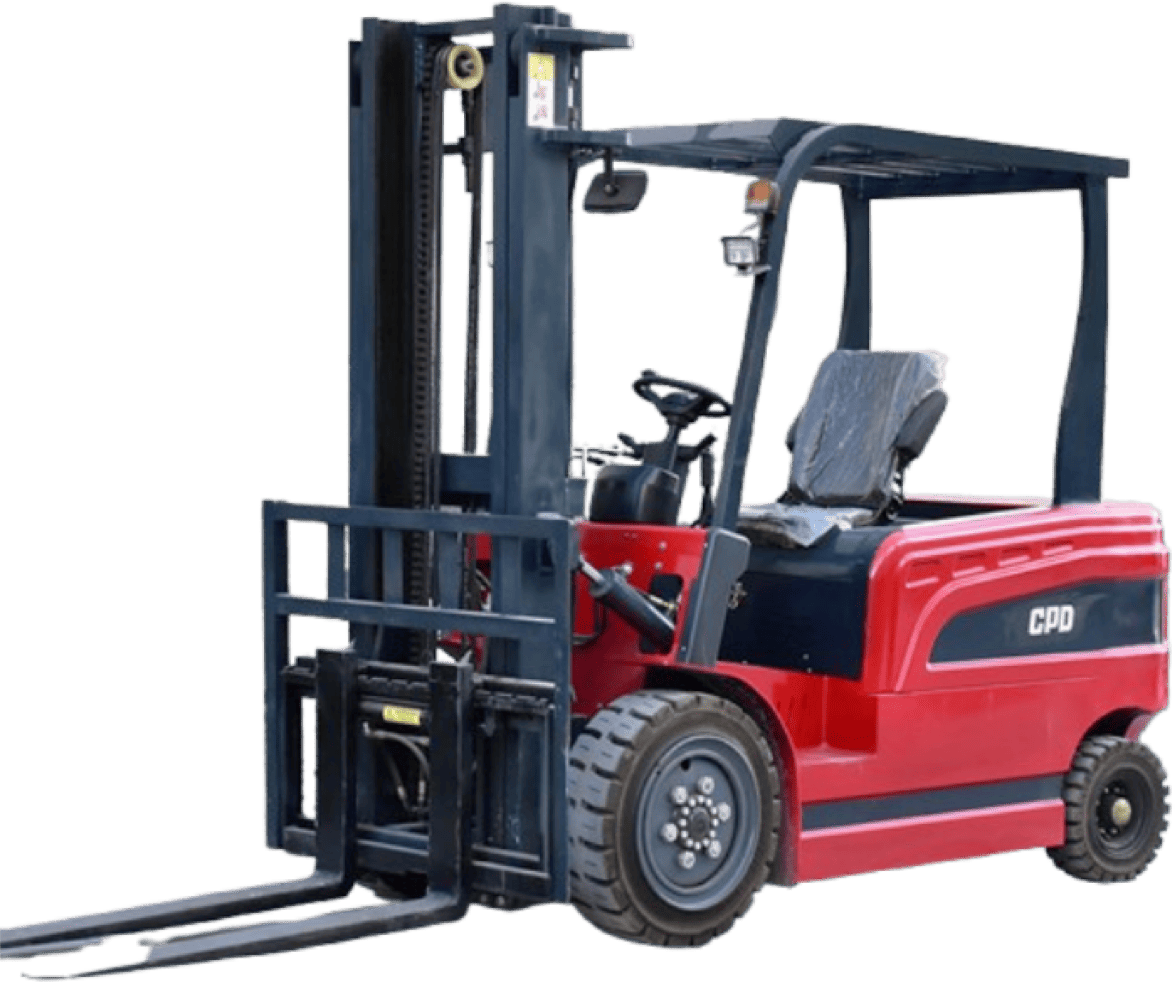
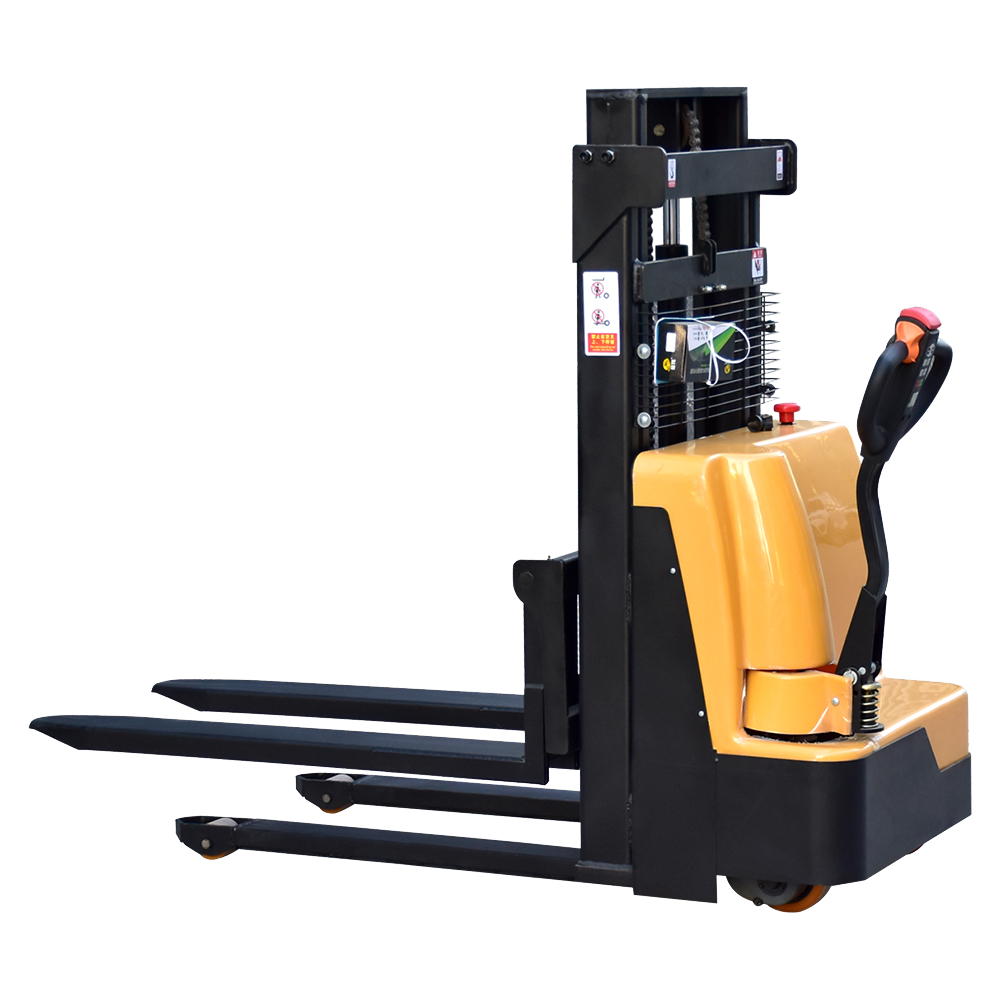
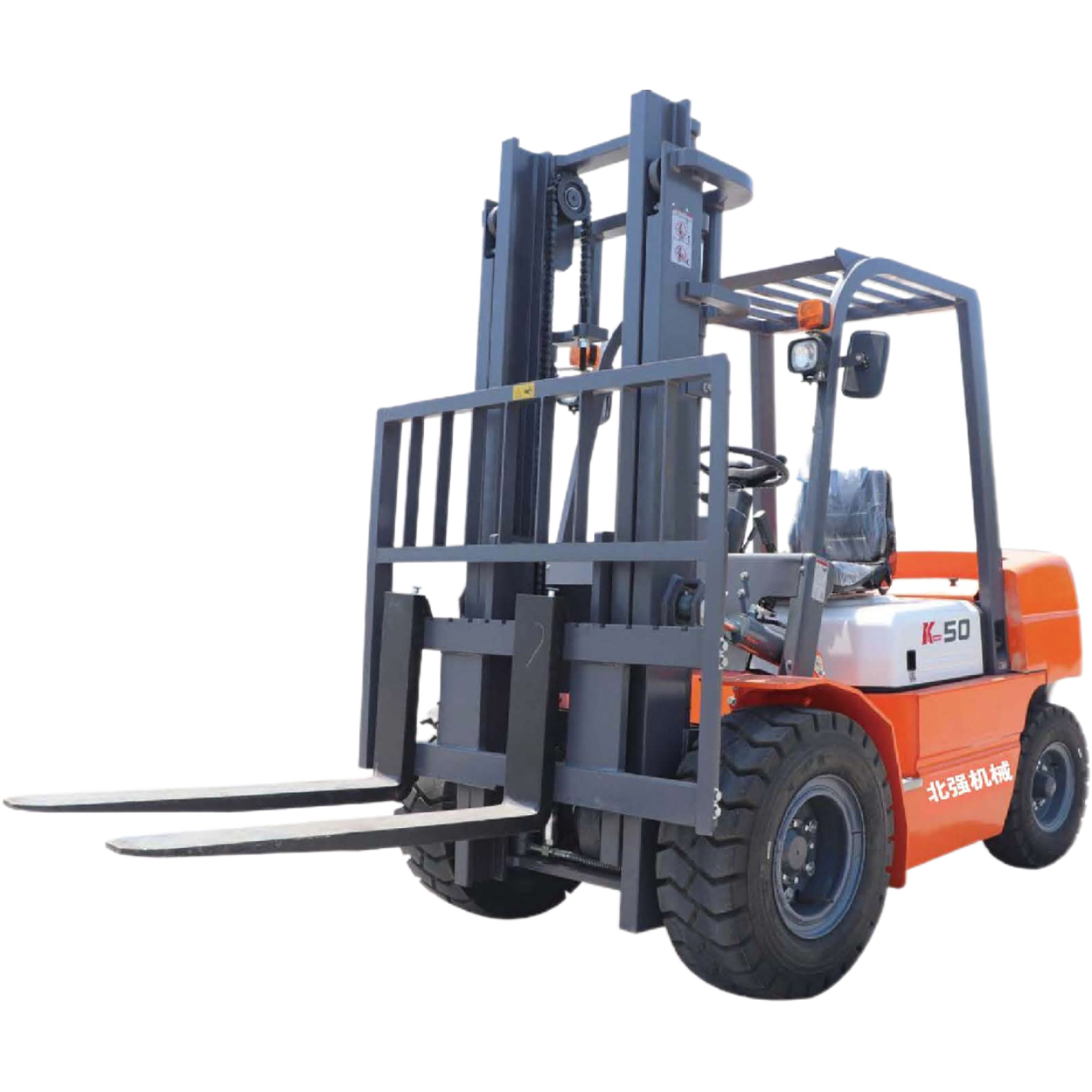
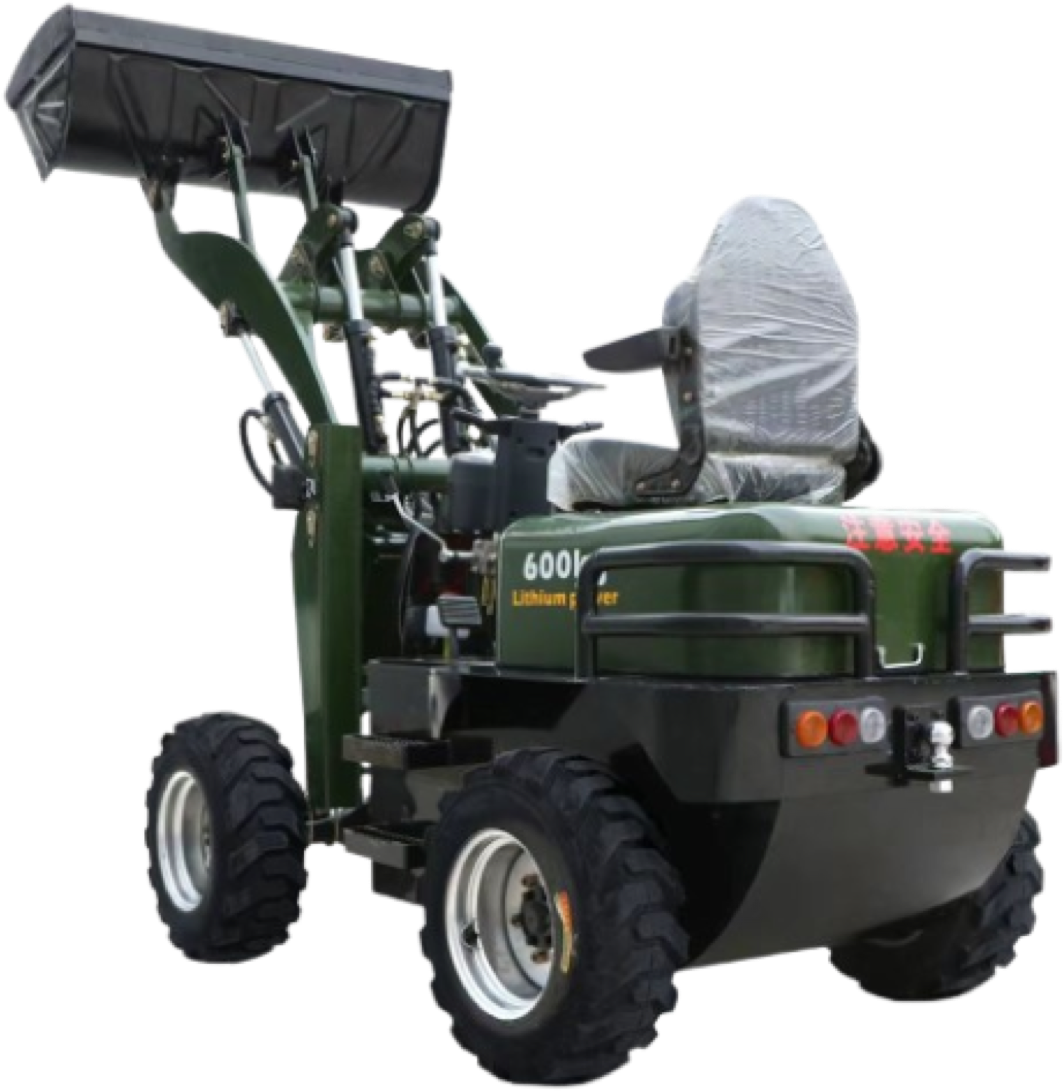
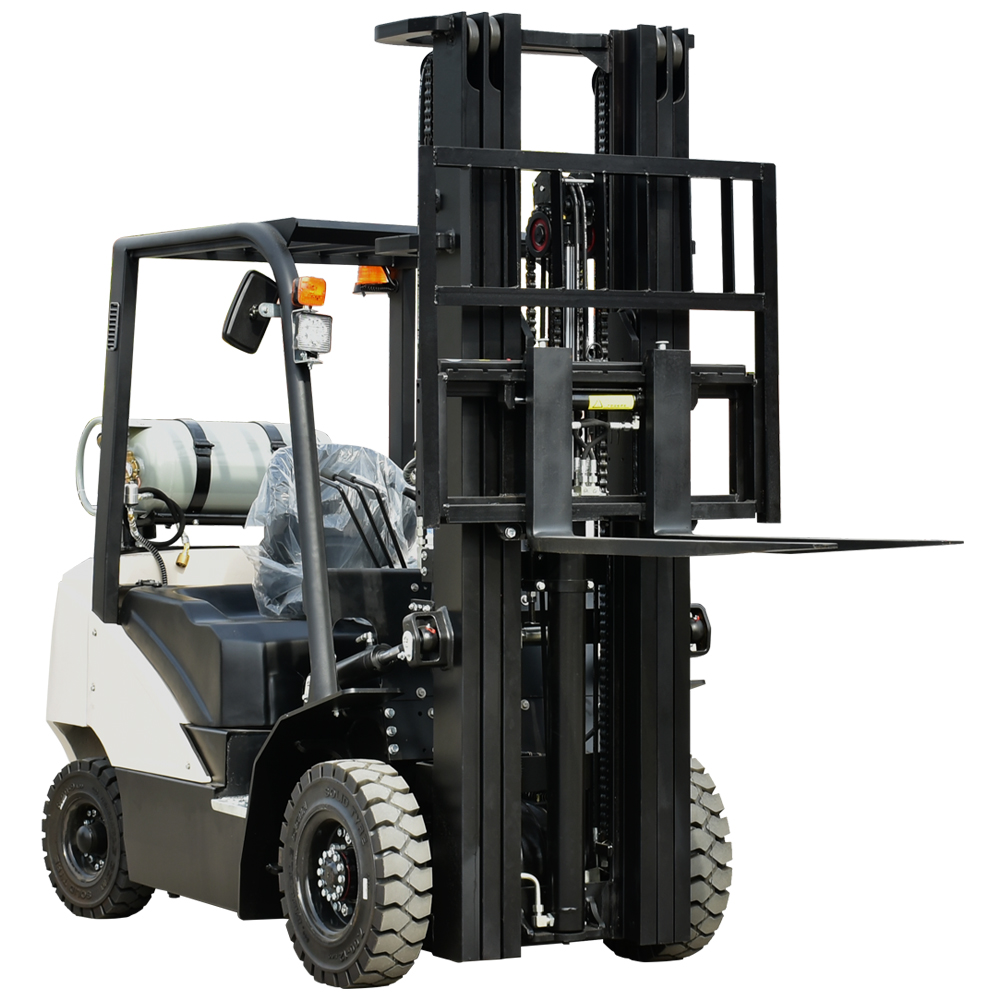
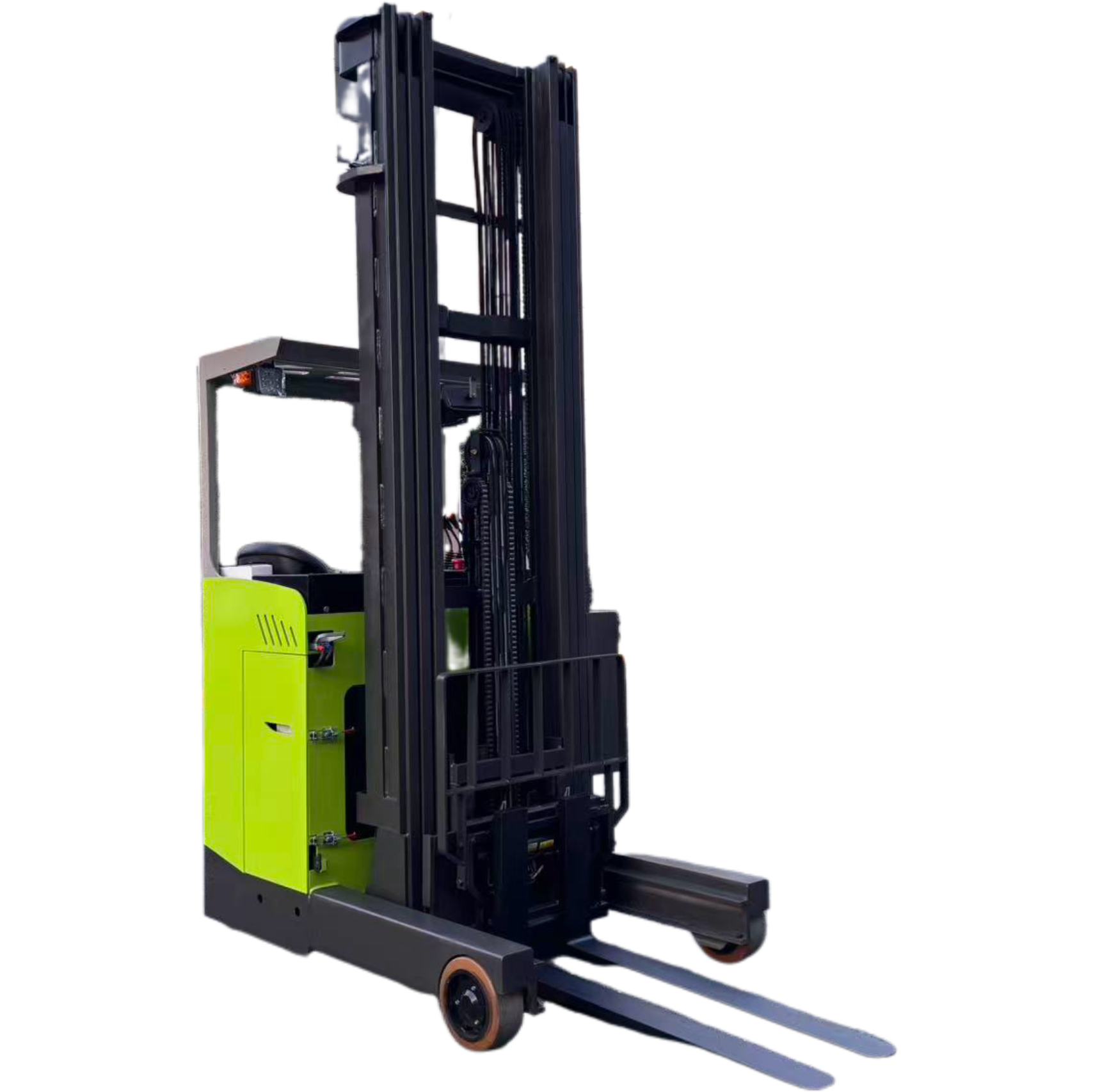
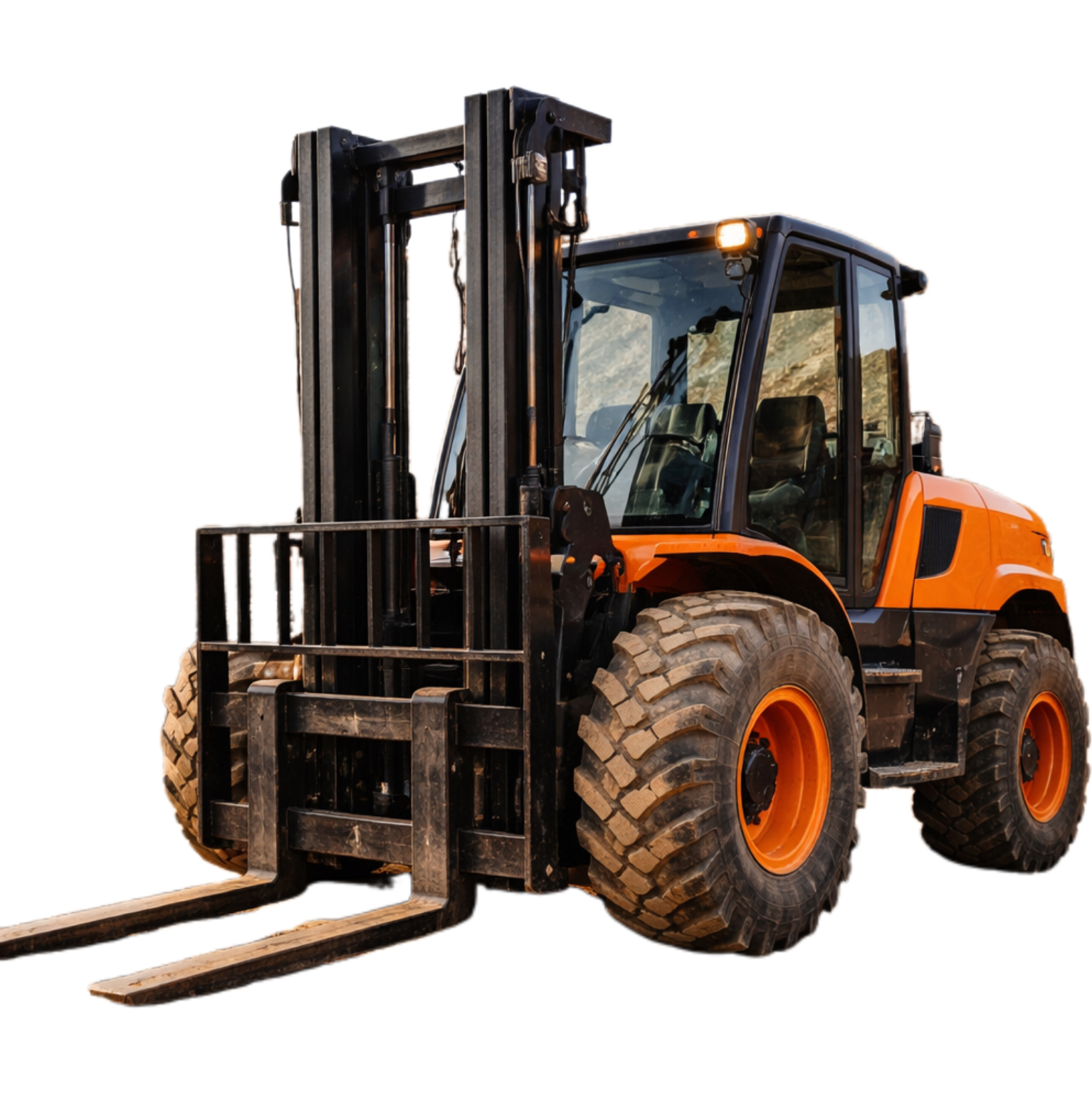


In operational scenarios such as logistics warehousing, manufacturing, and fresh cold chain industries, electric forklifts are no longer just simple "goods transportation tools" but core equipment for improving operational efficiency and reducing labor costs. However, most enterprises often overlook the scientific selection of accessories after purchasing electric forklifts — suitable accessories can enable forklifts to adapt to diverse operational needs, increasing operational efficiency by more than 30%; on the contrary, mismatched or missing accessories may lead to goods damage, operational delays, and even potential safety hazards. This article will comprehensively sort out the types, applicable scenarios, and selection key points of core electric forklift accessories to help you accurately identify the "essential equipment" for improving efficiency.
I. Why Attach Importance to Electric Forklift Accessory Selection?
The basic configuration (forks, mast) of conventional electric forklifts can only meet simple operations such as "pallet handling and stacking". In actual operations, scenarios such as special-shaped goods (e.g., barrels, cartons, pipes), special operating environments (e.g., narrow aisles, high-altitude stacking), and refined operation requirements (e.g., weighing, positioning) are often encountered. At this time, the role of accessories becomes prominent:
Adapt to diverse needs: Break through the limitations of basic functions to achieve "one machine for multiple purposes", avoiding the need to purchase separate equipment for different operating scenarios;
Improve operational efficiency: Reduce manual auxiliary links, for example, a side shifter can avoid frequent forklift position adjustments, and weighing accessories can complete handling and weighing simultaneously;
Ensure operational safety: Reduce the risk of goods falling and personnel collisions, for example, anti-slip fork sleeves and warning lights can improve operational safety;
Reduce loss costs: Accessories designed for special goods can reduce goods extrusion and collision, while reducing wear and tear on the forklift itself.
II. Classification and Selection Guide of Core Accessories (Divided by Operational Needs)
There is a wide variety of electric forklift accessories, which need to be accurately selected according to their own operational scenarios. The following are the most commonly used categories of accessories, covering four core needs: "basic adaptation, special goods, safety assistance, and efficient operation";
1. Basic Adaptation Accessories: Optimize Conventional Operational Efficiency
Such accessories are suitable for most general operational scenarios, serving as "standard configurations" for improving basic operational efficiency with high cost performance.
(1) Side Shifter
This is the most commonly used basic accessory, bar none. It can make the forks offset horizontally left and right (offset usually 100-200mm), enabling accurate alignment with pallets or goods without frequent forklift position adjustments, especially suitable for scenarios with narrow warehouse aisles and small shelf spacing.
Key Selection Points: ① Adapt to forklift model: Select according to the forklift's rated load capacity; conventional side shifters are suitable for 2-3 ton forklifts, and reinforced models are required for those above 5 tons; ② Offset: Choose an offset of more than 150mm when the warehouse shelf spacing is small to ensure accurate alignment; ③ Material: Prioritize high-strength steel plate materials for wear resistance and stable load-bearing.
(2) Extended/Thickened Forks
The length of conventional forks is mostly 1000-1200mm. For extra-long and extra-wide pallets or goods, extended forks (1500-2000mm) need to be selected; for overweight goods (e.g., metal plates, heavy machinery parts), thickened forks (diameter or thickness increased by 20%-30% compared to conventional models) are required.
Key Selection Points: ① Length/Thickness: Determine according to the size of frequently transported goods to avoid forklift center of gravity offset due to excessive length and increased equipment load due to excessive thickness; ② Material: Use 40Cr alloy steel, which is heat-treated to enhance bending strength; ③ Certification: Must comply with GB/T 5143 standard to ensure load-bearing safety.
(3) Fork Sleeves (Anti-slip/Wear-resistant Type)
Directly sleeved on the original forks, they mainly solve the problems of goods sliding and fork wear, especially suitable for transporting slippery goods such as cartons and plastic pallets. Anti-slip fork sleeves have anti-slip lines on the surface, while wear-resistant ones are made of polyurethane material, with a service life 3 times that of ordinary steel fork sleeves.
Key Selection Points: ① Fit: Choose a model that fully matches the fork size to avoid loosening; ② Scenario Adaptation: Select waterproof and anti-slip models for cold storage and humid environments, and high-temperature resistant polyurethane models for high-temperature workshops.
2. Special Goods Accessories: Targeted Solutions for Special-shaped Goods Handling Challenges
When encountering special-shaped goods such as barrels, cartons, pipes, and soft packages, conventional forks are likely to cause goods damage. Specialized attachment accessories need to be selected to achieve "stable, fast, and safe" handling.
(1) Carton Clamp (Also Known as Plywood-type Attachment)
Clamps cartons, plates, and other goods through left and right plywood, enabling handling without pallets. Suitable for e-commerce warehousing, carton factories, furniture factories, and other scenarios. It can realize integrated operations of "clamping - handling - stacking", improving efficiency by more than 50% compared to manual handling.
Key Selection Points: ① Clamping Range: Select according to the size of frequently transported cartons; the conventional clamping width is 500-1200mm, and the 1500mm widened model is optional for extra-large cartons; ② Clamping Force: Choose a model with adjustable force to avoid crushing cartons or loose clamping; ③ Protection Design: The surface of the plywood must have rubber anti-slip pads to reduce goods wear.
(2) Drum Clamp (Special for Round/Square Drums)
Divided into mechanical and hydraulic types, suitable for transporting barreled goods such as oil drums, chemical drums, and food drums, avoiding the risk of falling during traditional bundled handling. Hydraulic drum clamps can automatically adjust the clamping force to adapt to round drums of different diameters (300-600mm).
Key Selection Points: ① Goods Type: Choose arc plywood models for round drums and flat plywood models for square drums; ② Operating Environment: Select corrosion-resistant materials for chemical workshops and food-grade stainless steel materials for food workshops; ③ Power Type: Hydraulic type for high-frequency operations, and mechanical type for low-frequency and light-load operations for better economy.
(3) Rotator (360° Rotating Attachment)
Can drive goods to rotate freely 360°, suitable for turning goods and dumping operations, such as mold turning in mold factories, barrel dumping in feed factories, and frozen food pallet turning in the cold chain industry. Used with a side shifter, it can realize dual functions of "rotation + side shift" with stronger adaptability.
Key Selection Points: ① Rotation Speed: High-speed rotation models (rotation speed ≥10r/min) for high-frequency operations, and low-speed stable models for precise operations; ② Load-bearing Capacity: Select according to the weight of goods; conventional models can carry 2-3 tons, and heavy-duty models can reach more than 5 tons; ③ Protection Level: Choose IP54 or above protection level for humid or dusty environments.
(4) Special Accessories for Pipes/Timber
Designed for long strip goods such as pipes and timber, divided into clamping and lifting types. The clamping type wraps goods through arc plywood, suitable for round pipes; the lifting type carries goods through the bottom pallet, suitable for irregular timber or square pipes, avoiding goods rolling and falling.
3. Safety Assistance Accessories: Build a Solid Line of Defense for Operational Safety
Operational safety is the premise of efficiency, especially in scenarios with dense personnel, narrow aisles, and dim light, where safety accessories are indispensable.
(1) Warning Lights/Warning Sirens
Including LED flashing warning lights, reversing buzzers, voice alarms, etc., used to remind surrounding personnel of the forklift's driving direction and avoid collisions. The warning effect is particularly obvious in warehouse corners, intersections, and night operation scenarios.
Key Selection Points: ① Brightness/Volume: Select low-volume voice alarms for warehouse interiors (to avoid noise pollution), and high-brightness flashing lights + high-decibel buzzers for outdoor or noisy workshops; ② Waterproof Level: Choose IP65 or above waterproof models for humid environments.
(2) Reversing Camera/Panoramic Monitoring
Solves the problem of blind spots in the forklift's rear view, especially suitable for large forklifts, narrow-aisle forklifts, or high-altitude stacking scenarios. Reversing cameras combined with high-definition displays can display real-time rear images, while panoramic monitoring can cover the surrounding area of the forklift, further improving safety.
Key Selection Points: ① Clarity: Choose 1080P high-definition cameras to ensure clear images; ② Night Vision Function: Select models with infrared night vision function for warehouses with dim light; ③ Display Position: Install in a position easily observable by the driver to avoid blocking the view.
(3) Anti-slip Pedals/Safety Handrails
Designed for the driver's operational safety, anti-slip pedals have anti-slip lines on the surface to prevent drivers from slipping when getting on/off the vehicle or operating; safety handrails provide support for drivers during forklift steering and emergency stops, reducing accidents caused by jolts.
4. Efficient Operation Accessories: Achieve "One-stop" Operation Upgrade
Such accessories can integrate multiple operational links, reduce process connection time, and further improve overall operational efficiency.
(1) Weighing Accessories (Forklift Electronic Scale)
Directly installed on the forks or mast, it can complete weighing while transporting goods without the need for additional floor scales. Suitable for scenarios requiring precise measurement, such as fresh food distribution, chemical raw material handling, and express delivery weighing. The accuracy is usually ±0.1%, meeting the measurement needs of most industries.
Key Selection Points: ① Accuracy Level: Select Class Ⅲ accuracy for trade settlement scenarios and Class Ⅳ accuracy for internal accounting; ② Display Mode: Choose models with large-screen display + data storage functions for easy recording and statistics; ③ Adaptability: Ensure matching with the forklift model and load capacity to avoid affecting accuracy due to overload.
(2) Quick-change Device
Can realize quick switching of different accessories (e.g., forks, carton clamps, rotators) without tools, with a switching time of only 1-2 minutes. Suitable for multi-scenario operations that require frequent accessory replacement. For example, in e-commerce warehouses, cartons are transported in the morning and barreled goods in the afternoon; the quick-change device can greatly save accessory replacement time.
Key Selection Points: ① Compatibility: Choose a quick-change device that matches the own forklift brand and accessory model; ② Locking Function: Must have an automatic locking function to ensure that the accessory is stable and reliable after switching, avoiding falling during operation.
(3) Storage Boxes/Tool Racks
Installed next to the forklift cab or on the mast, used to store small items such as operating tools (e.g., wrenches, tape measures), documents, and walkie-talkies, avoiding tool loss or messy placement and improving the driver's operational convenience.
III. Three Core Principles of Accessory Selection
1. Select on Demand, Reject "Stacking": Prioritize accessories that match high-frequency operational scenarios. For example, warehouses mainly engaged in carton handling should prioritize selecting side shifters + carton clamps; for low-frequency special operations, consider renting accessories to avoid waste.
2. Adapt to the Body, Avoid "Overload": The load capacity and size of all accessories must match the electric forklift body. Do not select accessories that exceed the forklift's rated load capacity to improve load-bearing capacity, otherwise, it will cause the forklift's center of gravity to shift, trigger safety accidents, and accelerate the wear of the forklift chassis and mast.
3. Recognize Quality, Consider After-sales Service: Choose accessory brands with qualifications and good reputation (e.g., Cascade, Hyster, Zhongli) to ensure that the accessories meet industry standards; at the same time, pay attention to after-sales services, such as whether installation guidance and maintenance are provided, to avoid unresolved problems during subsequent use.
IV. Summary
The selection of electric forklift accessories is not "the more the better" but "precise adaptation". Suitable accessories can maximize the functions of electric forklifts, realize "one machine for multiple purposes", and greatly improve operational efficiency and safety; on the contrary, blind selection will increase procurement costs and reduce operational flexibility. It is recommended that enterprises sort out their own operational scenarios (goods type, warehouse environment, operation frequency) before selecting accessories, then make accurate selections based on the guidelines in this article. If necessary, consult the opinions of forklift manufacturers or professional accessory suppliers to ensure that the selected accessories truly adapt to needs and enhance value.
Our manager will contact you shortly.
To contact you about our products and services.


Copyright © Xingtai Beiqiang Machinery Manufacturing Factory. 2025.
Technical support:Echola