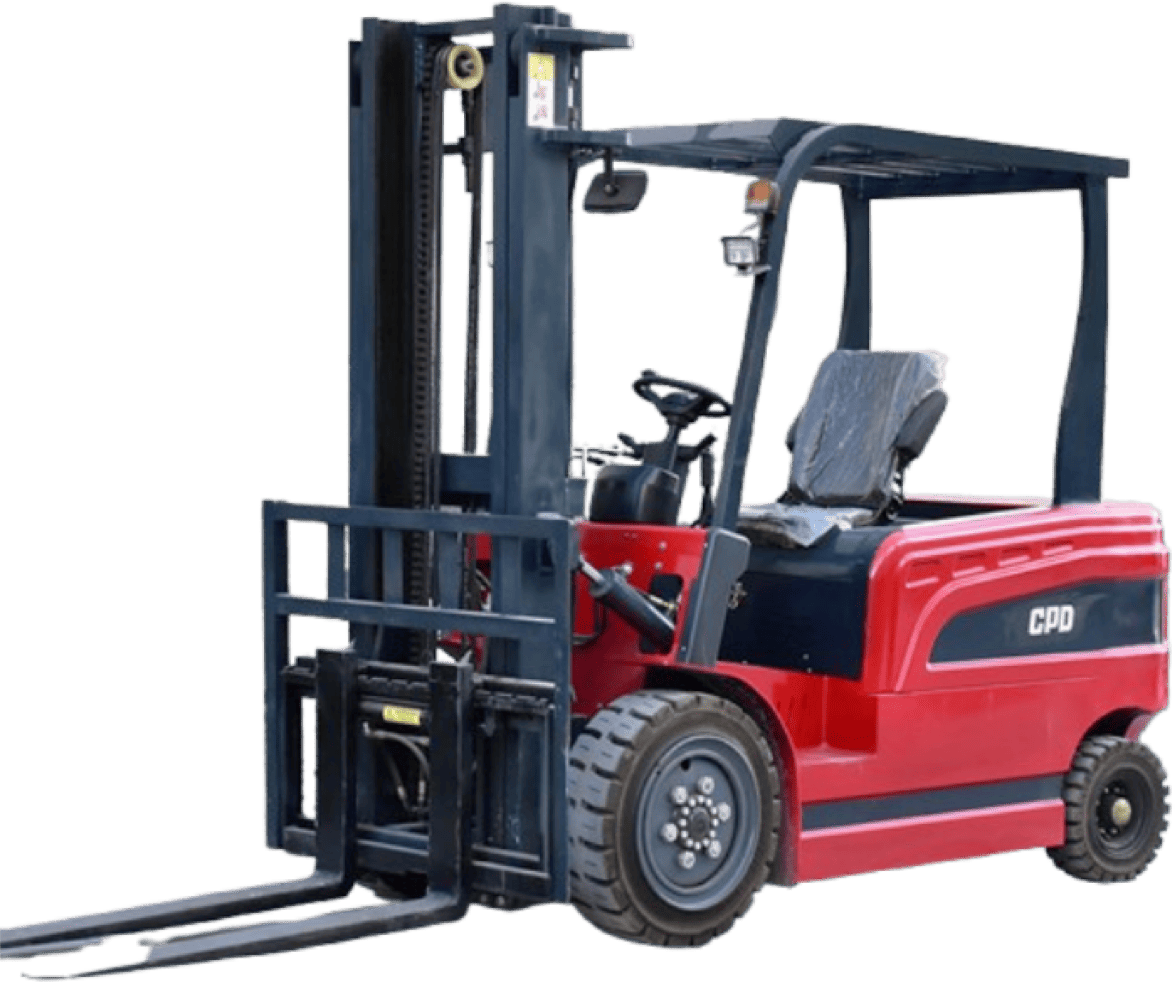
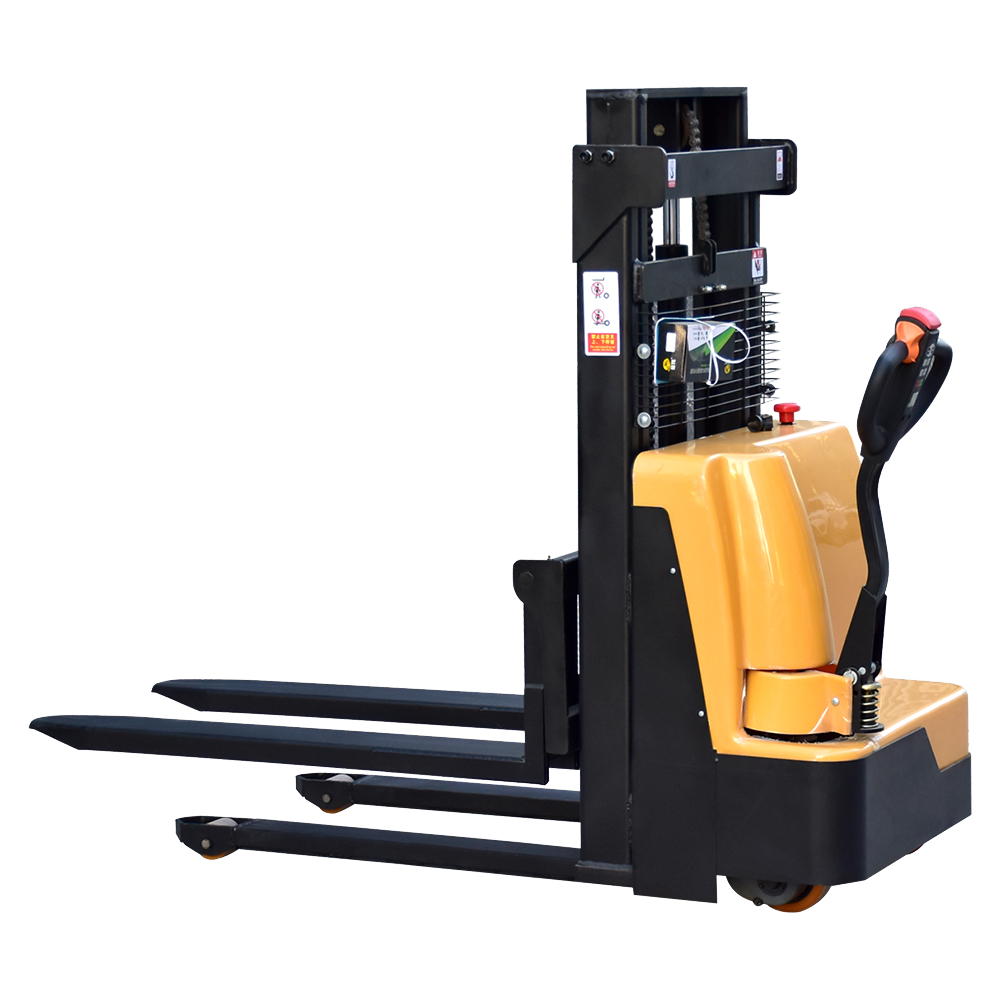
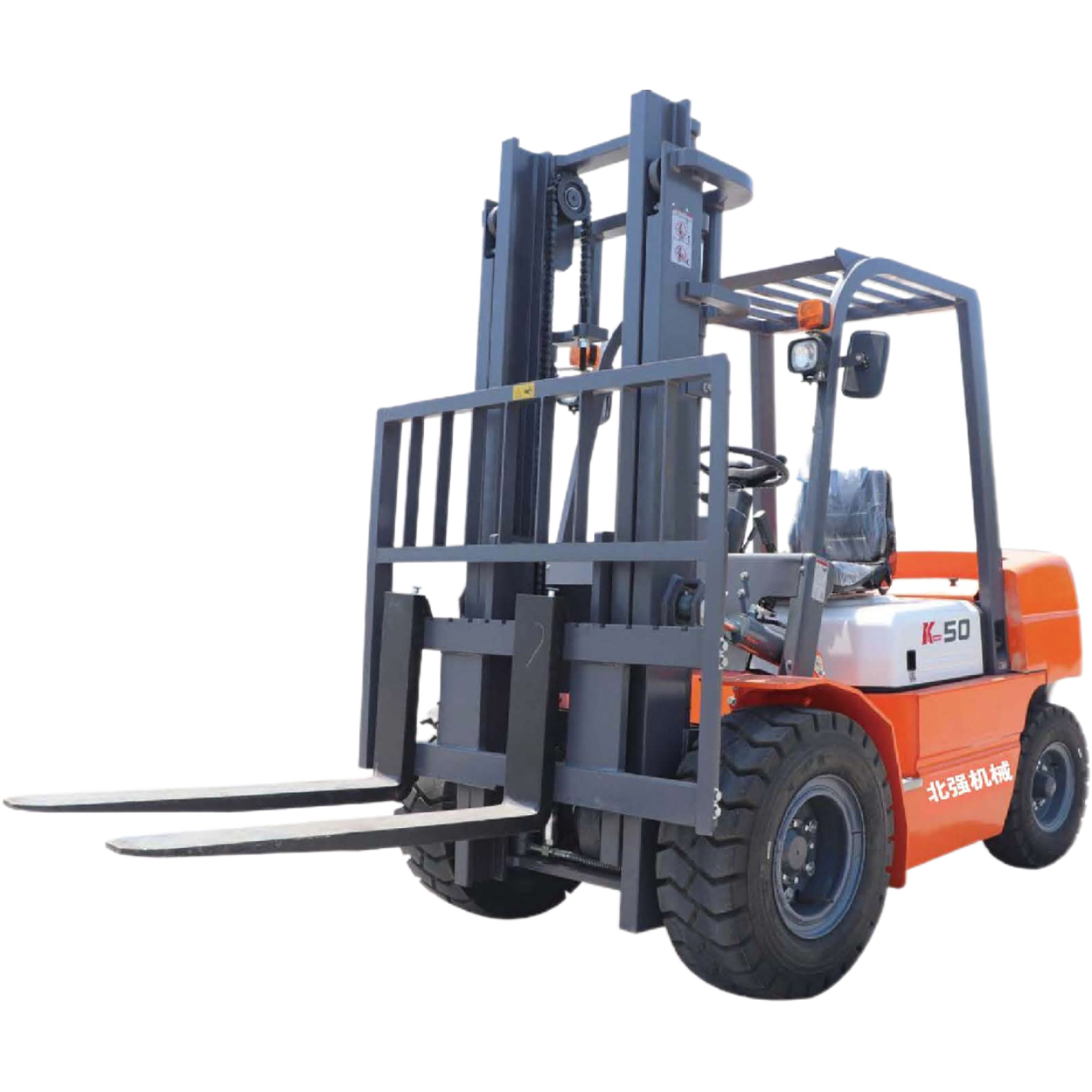
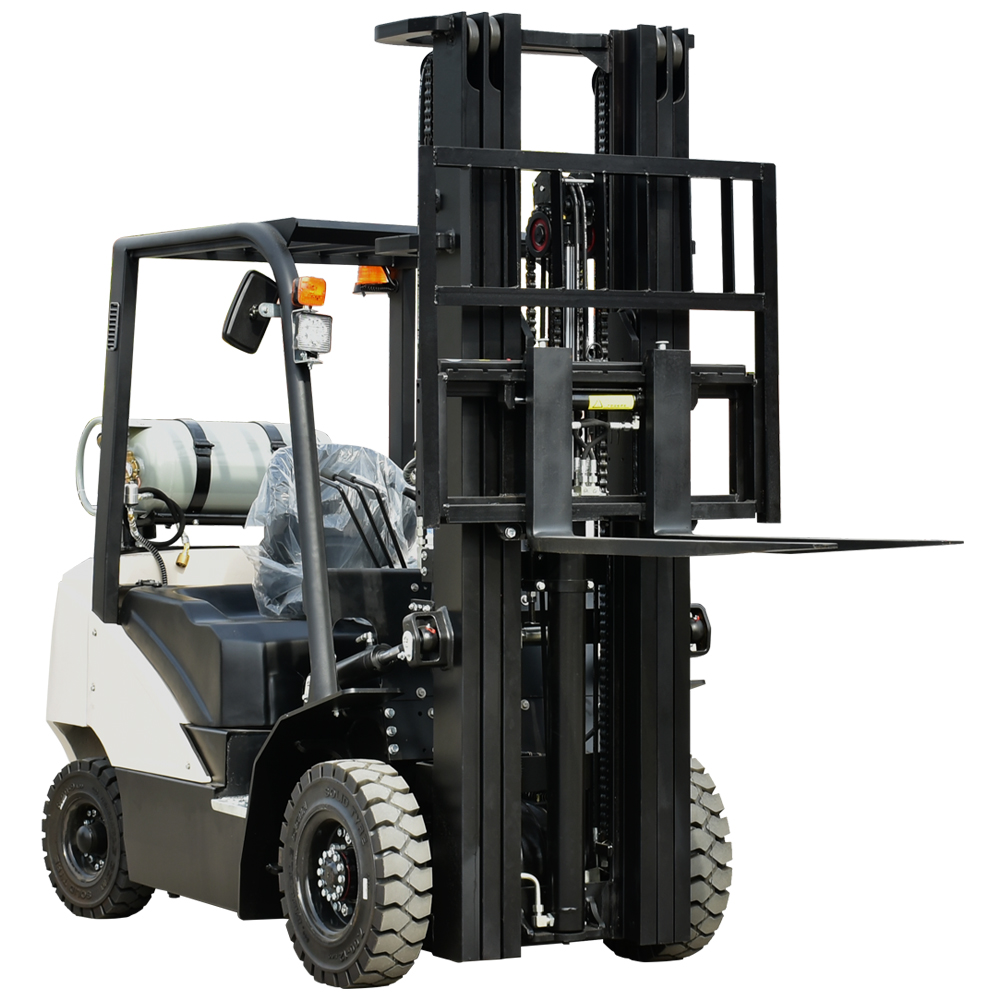
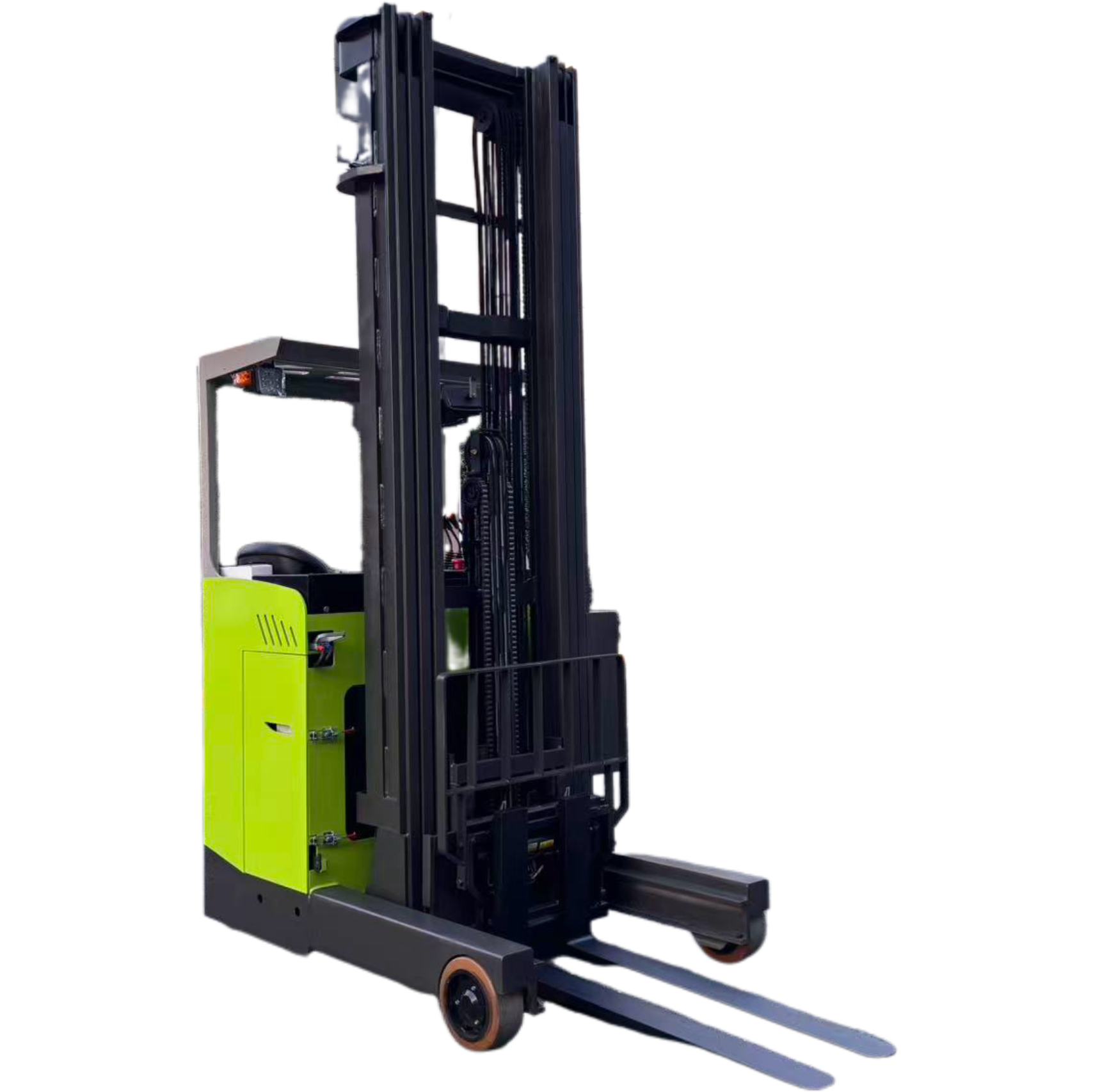
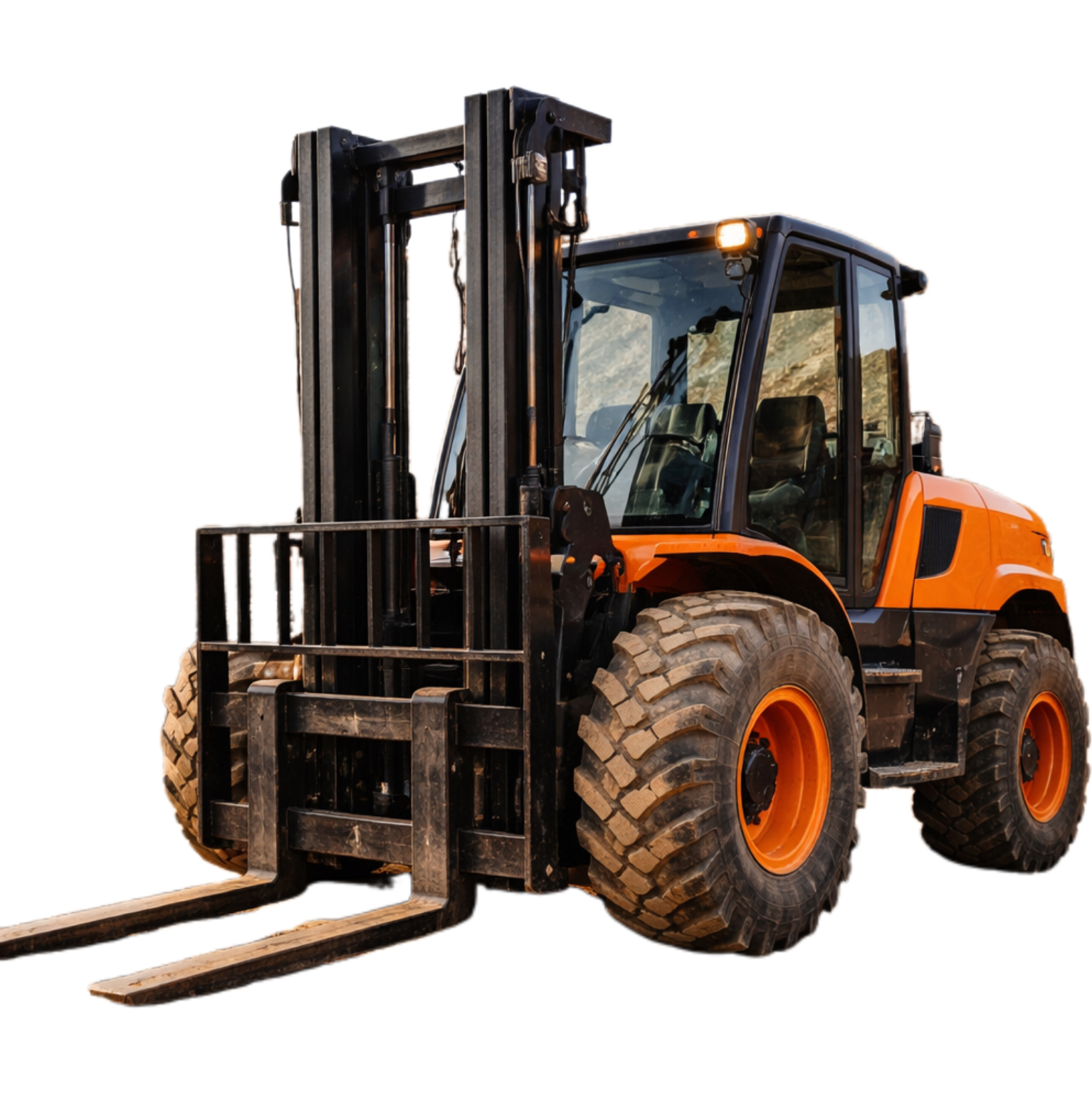


With the rapid development of industries such as fresh cold chain, biopharmaceuticals, and polar warehousing, the application of electric forklifts in low-temperature environments (usually below 0°C, with extreme cases reaching -55°C) has become increasingly widespread. However, low-temperature environments can lead to a series of problems such as battery degradation, hydraulic system failure, and embrittlement of metal components, making ordinary electric forklifts often incompetent. Therefore, precise selection is the core prerequisite for ensuring the efficiency and safety of low-temperature operations. This article will sort out the key points for selecting electric forklifts in low-temperature environments from two aspects: key technical indicators and practical precautions.
I. Core Technical Indicators: Hard Standards for Selection
In low-temperature environments, the performance degradation of electric forklifts is mainly concentrated in core systems such as power, transmission, and control. When selecting models, it is necessary to focus on the following technical indicators to ensure that the equipment is suitable for low-temperature working conditions.
1. Battery System: Core Guarantee for Low-Temperature Endurance and Startup
The battery is the "weak link" of electric forklifts in low-temperature environments. Low temperatures will significantly slow down the chemical reaction rate inside the battery, leading to a sharp drop in capacity, reduced charge and discharge efficiency, and even failure to start. Ordinary lead-acid batteries can only work continuously for 3 hours in a -20°C environment, with a capacity of only about 60% of that at room temperature, while high-quality low-temperature dedicated batteries can effectively alleviate this problem.
Key Selection Indicators:
Low-Temperature Discharge Efficiency: Prioritize batteries with a discharge capacity retention rate of ≥80% at -30°C. For ultra-low-temperature cold storage (≤-30°C), select dedicated lithium batteries with a capacity retention rate of ≥85%, such as CATL's "Kirin" low-temperature version cells and Suzhou Jinyuan Huanyu's low-temperature lithium batteries, which can still release 85% of the rated capacity at -40°C.
Battery Type: Lithium batteries (lithium iron phosphate or ternary low-temperature cells) are superior to lead-acid batteries. Lithium batteries have no memory effect, stronger low-temperature adaptability, and are more environmentally friendly without heavy metals. They can still release most of the electricity at -20°C, while lead-acid batteries have less than 50% of the electricity below 0°C.
Thermal Management System: Must be equipped with vehicle-grade auxiliary heating devices, such as PTC heating or liquid-cooled dual-circuit systems, requiring a heating rate of ≥0.5°C/min and heating power consumption ≤3% of the rated energy to avoid the problem of "heating consuming more electricity than operation". At the same time, it is necessary to confirm that the battery pack has a sealed thermal insulation process to prevent low-temperature air from entering and affecting performance.
Certification Qualifications: Must pass GB31241 mandatory certification, explosion-proof certificate, and international certifications such as CB/CE to ensure that both the cells and the Battery Management System (BMS) have passed low-temperature type tests.
2. Hydraulic System: Key to Stable Transmission at Low Temperatures
Low temperatures will cause the viscosity of hydraulic oil to increase and fluidity to deteriorate, which in turn leads to slow mast lifting, fork jamming, and even hydraulic pipeline rupture, seriously affecting operational efficiency and safety.
Key Selection Indicators:
Low-Temperature Hydraulic Oil Specifications: Select dedicated hydraulic oil suitable for the working temperature, such as Mobil HVI 26 or Shell Aero shell 41, to ensure good fluidity at low temperatures. At the same time, the gear oil should be refrigerated 75W-90 GL-5 (applicable temperature -60°F ~ 90°F), and the mast and bearing lubricating oil should be Shell Stamina HDS or Mobil 532 and other low-temperature dedicated oils.
Hydraulic Component Protection: Hydraulic cylinders must be equipped with ventilation holes, and the surface of the piston rod should be thickened with chrome plating to prevent corrosion and wear at low temperatures; pipeline joints should adopt a structure with excellent sealing performance and be filled with special sealing grease to avoid leakage due to low-temperature shrinkage.
3. Electrical System: Low-Temperature Protection and Stable Control
Low temperatures will reduce the insulation performance of electrical components. At the same time, when forklifts frequently enter and exit cold storage, condensation caused by temperature differences will invade the electrical system, leading to short circuits, component failures and other problems.
Key Selection Indicators:
Protection Level: The controller must reach at least IP54 protection level, and core components are recommended to reach IP65 or above. If necessary, potting and blocking treatment should be carried out to prevent condensation and low-temperature air from entering.
Low-Temperature Adaptable Electrical Components: Select low-temperature dedicated electrical components, such as sealed heating liquid crystal displays, low-temperature-resistant wires, etc. All plug parts should be filled with special grease to improve cold resistance and sealing performance. For unmanned forklifts, it is necessary to be equipped with a low-temperature dedicated electronic control system to ensure the stable operation of navigation, obstacle avoidance and other functions.
4. Vehicle Body Structure and Travel System: Coping with Low-Temperature Embrittlement and Slippery Roads
Low temperatures will reduce the toughness of steel and increase brittleness, making load-bearing components such as forks prone to fracture; at the same time, the large temperature difference inside and outside the cold storage is likely to cause icy and slippery ground, putting higher requirements on the travel system.
Key Selection Indicators:
Vehicle Body Material: Core load-bearing components such as forks and masts should be made of low-temperature dedicated steel, and undergo special heat treatment to improve low-temperature toughness and avoid brittle fracture risks. Metal parts should be fully rust-proofed to cope with corrosion in low-temperature and high-humidity environments.
Tire Performance: Select low-hardness (about 72SH) polyurethane tires with grooved surface design to enhance skid resistance and load-bearing capacity at low temperatures, and avoid accidents caused by slipping on icy ground.
5. Navigation System: Adapting to Low-Temperature Fog Environment (for Unmanned Forklifts)
Low-temperature environments are prone to fog, and there are many obstacles caused by goods stacking in cold storage, which puts higher requirements on the navigation accuracy and anti-interference ability of unmanned forklifts. When selecting models, priority should be given to laser SLAM or QR code + inertial navigation dual navigation mode, combined with multi-redundant laser radar and front and rear stereo vision modules, to achieve positioning accuracy within ±10mm, ensuring accurate obstacle avoidance and positioning in fog and occluded environments. At the same time, it is necessary to support dynamic switching between cold storage and normal temperature storage areas to avoid downtime when entering and exiting temperature zones.
II. Selection and Usage Precautions: Key Guarantees at the Practical Level
After mastering the core technical indicators, it is also necessary to pay attention to the following points in combination with actual working conditions during the selection process, and standardize the use and maintenance procedures to extend the service life of the equipment and ensure operational safety.
1. Precisely Match the Working Condition Temperature to Avoid "Over-Engineering" or "Under-Engineering"
Cold storage can be divided into L-class (+5~-5°C), D-class (-10~-18°C), J-class (-23~-28°C) and ultra-low-temperature storage (<-30°C) according to temperature. The requirements for forklifts in different temperature zones vary significantly: L-class high-temperature storage does not require special cold storage forklifts, while D-class and below must use low-temperature dedicated models. For example, an ultra-low-temperature storage of -30°C requires a model such as Anhui Heli H4 series that can cope with -55°C environments, while ordinary low-temperature forklifts will experience severe performance degradation in ultra-low-temperature environments. At the same time, attention should be paid to the continuous operation time limit of the forklift: for example, a dedicated forklift for -30°C can operate for no more than 15 minutes per hour in a -40°C environment and needs to rest in a normal temperature area in a timely manner.
2. Strictly Verify Supplier Qualifications and Testing Capabilities
When selecting models, it is necessary to confirm that the supplier has R&D and testing capabilities for low-temperature products. Priority should be given to manufacturers with low-temperature test chambers above -40°C and CNAS-accredited laboratories to ensure that the products have passed 24-hour continuous ultra-low-temperature freezing tests and load-bearing discharge tests. At the same time, require suppliers to provide third-party low-temperature performance test reports to cross-verify key indicators such as battery capacity retention rate and heating rate. In addition, it is necessary to check the number of patents of the manufacturer and the proportion of inventions (≥30 patents with more than half of them being invention patents is better) to evaluate its continuous R&D capabilities.
3. Plan Energy Supplement and Battery Swapping Solutions in Advance
Battery endurance is shortened at low temperatures, so it is necessary to plan energy supplement methods in combination with work shifts. For three-shift operations, it is recommended to deploy a battery swapping system or automatic energy supplement device, combined with wireless charging piles, so that forklifts can independently schedule energy supplement during task intervals to avoid interrupting operations. The charging area should be far away from the cold storage to avoid low temperatures affecting charging efficiency, and at the same time ensure that the charging environment is dry to prevent condensation from invading the battery system. Do not leave the battery idle for a long time after discharge; it should be charged in a timely manner to maintain a high electrolyte specific gravity and avoid electrolyte freezing and damaging the battery.
4. Build a Buffer Zone to Reduce the Impact of Temperature Difference Changes
When forklifts frequently enter and exit the cold storage, temperature differences will cause a lot of condensation on the surface, which will invade the electrical and hydraulic systems and cause failures. It is recommended to build a buffer zone between the cold storage and the charging area and loading and unloading area, control the temperature at around 0°C and humidity below 40%, and use dehumidifiers to maintain a dry environment. After the forklift exits the warehouse, it needs to stay in the buffer zone until the surface condensation is completely dry before recharging or re-entering the warehouse to avoid condensation freezing and damaging components.
5. Standardize Usage Procedures and Strengthen Daily Maintenance
Before use, the forklift needs to be preheated. After starting, operate the hydraulic and travel actions until the component temperature rises before entering the cold storage for operation; it is strictly prohibited to shut down and park the forklift in the cold storage to avoid freezing damage to the hydraulic and electrical systems. Regularly shorten the maintenance cycle, timely replace low-temperature dedicated oils, and check the wear of seals and tires, as well as the battery liquid level and surface dryness. Operators need to receive professional training, be familiar with the performance changes of the forklift at low temperatures, and strictly abide by the speed limit regulations in the operation area to cope with the risk of slippery ground.
6. Attach Importance to Safety Protection and Emergency Disposal
In low-temperature environments, drivers have slow reactions and their vision is easily affected by fog. It is necessary to equip operators with warm protective equipment and strengthen safety warnings in the operation area. Check the performance of the braking system before operation to ensure that the brake fluid is of a low-temperature suitable type to avoid brake failure caused by low temperatures. If the forklift breaks down in the cold storage, it must be immediately moved to the buffer zone or repair area for maintenance; long-term maintenance in the cold storage is strictly prohibited.
III. Summary
The core of selecting electric forklifts for low-temperature environments is "precise adaptation" — it is necessary not only to screen qualified products through key technical indicators such as battery low-temperature discharge efficiency, hydraulic oil specifications, and protection level, but also to match models according to actual needs such as working condition temperature and work shifts. At the same time, combining scientific use and maintenance procedures can maximize the equipment efficiency and reduce failure risks. With the upgrading of the cold chain logistics, technologies such as Heli cold storage AGV and ultra-low-temperature dedicated lithium batteries are constantly iterated, providing more reliable solutions for low-temperature operations. When selecting models, focus on brands with independent R&D capabilities and actual low-temperature cases to ensure operational safety and efficiency.
Our manager will contact you shortly.
To contact you about our products and services.


Copyright © Xingtai Beiqiang Machinery Manufacturing Factory. 2025.
Technical support:Echola