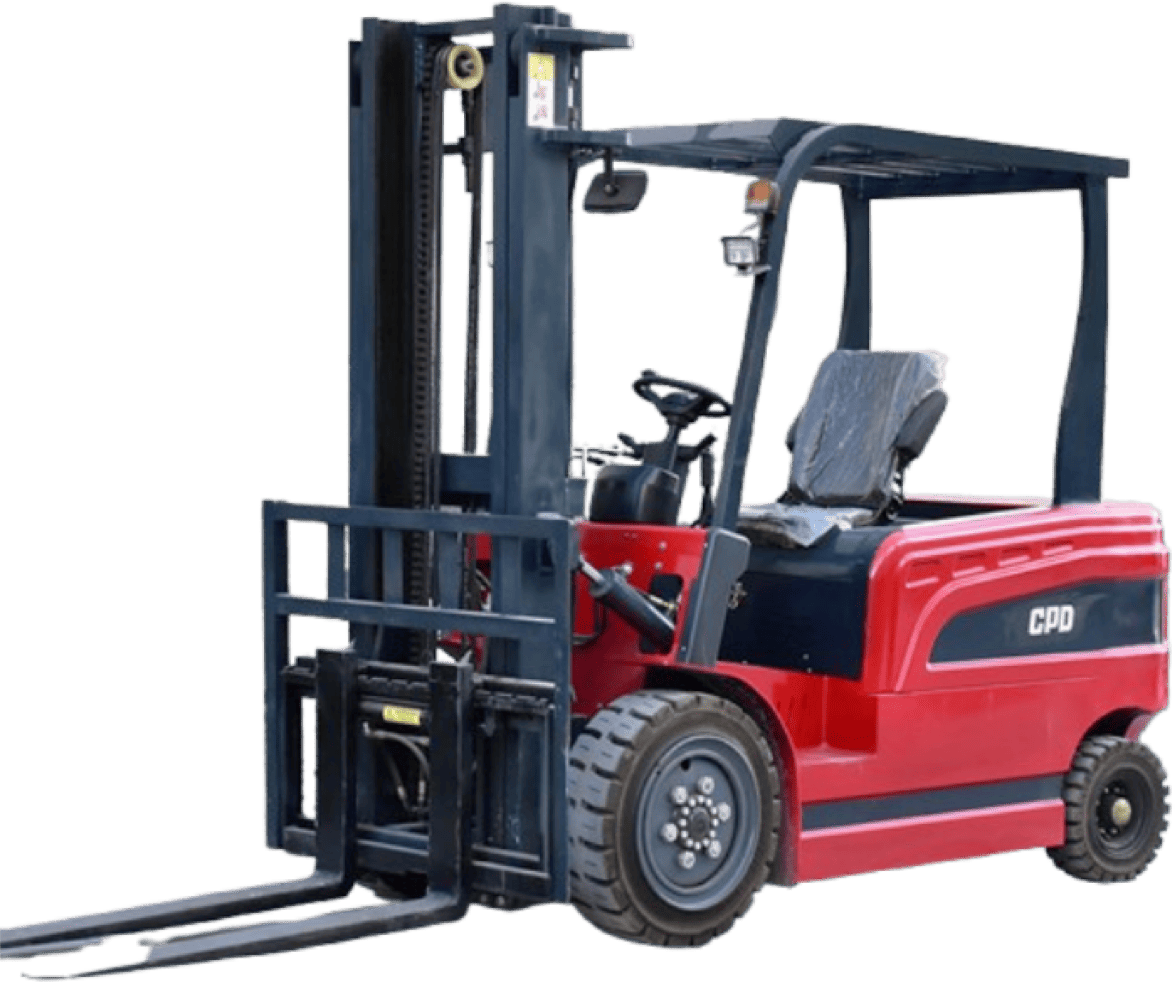
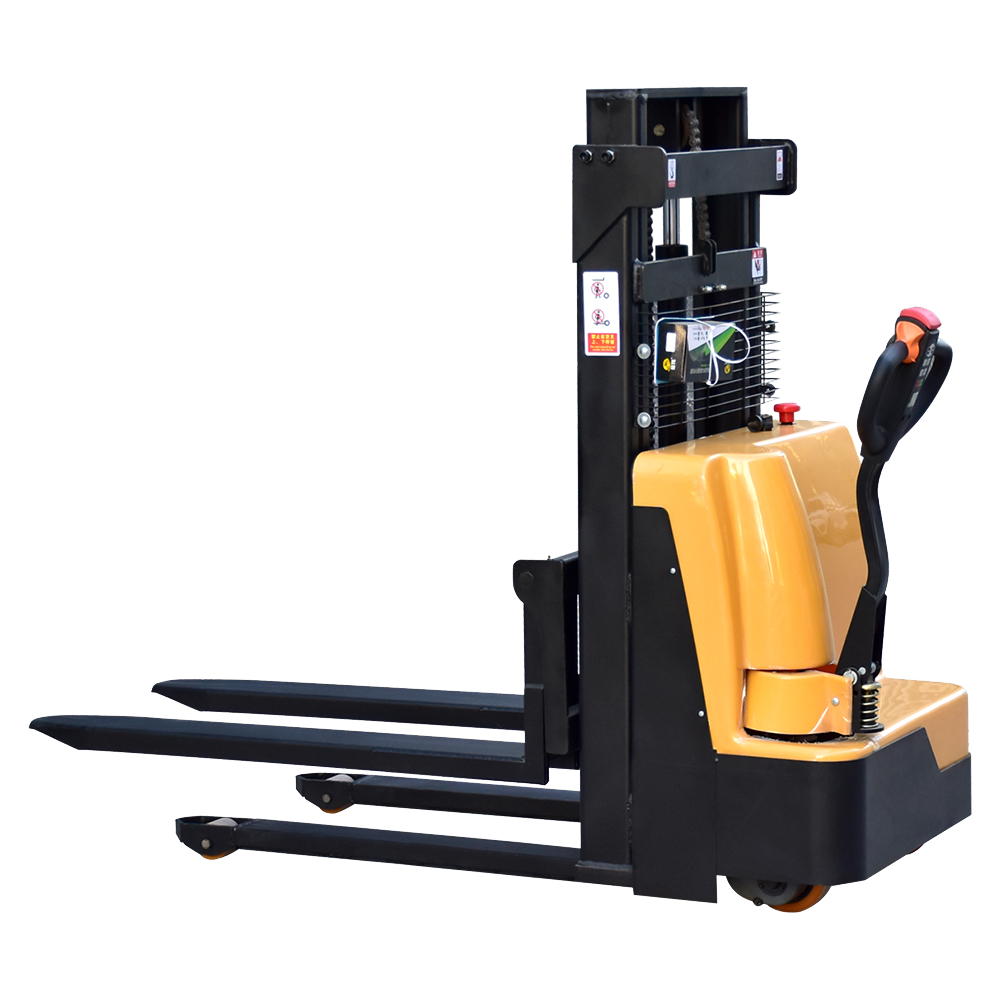
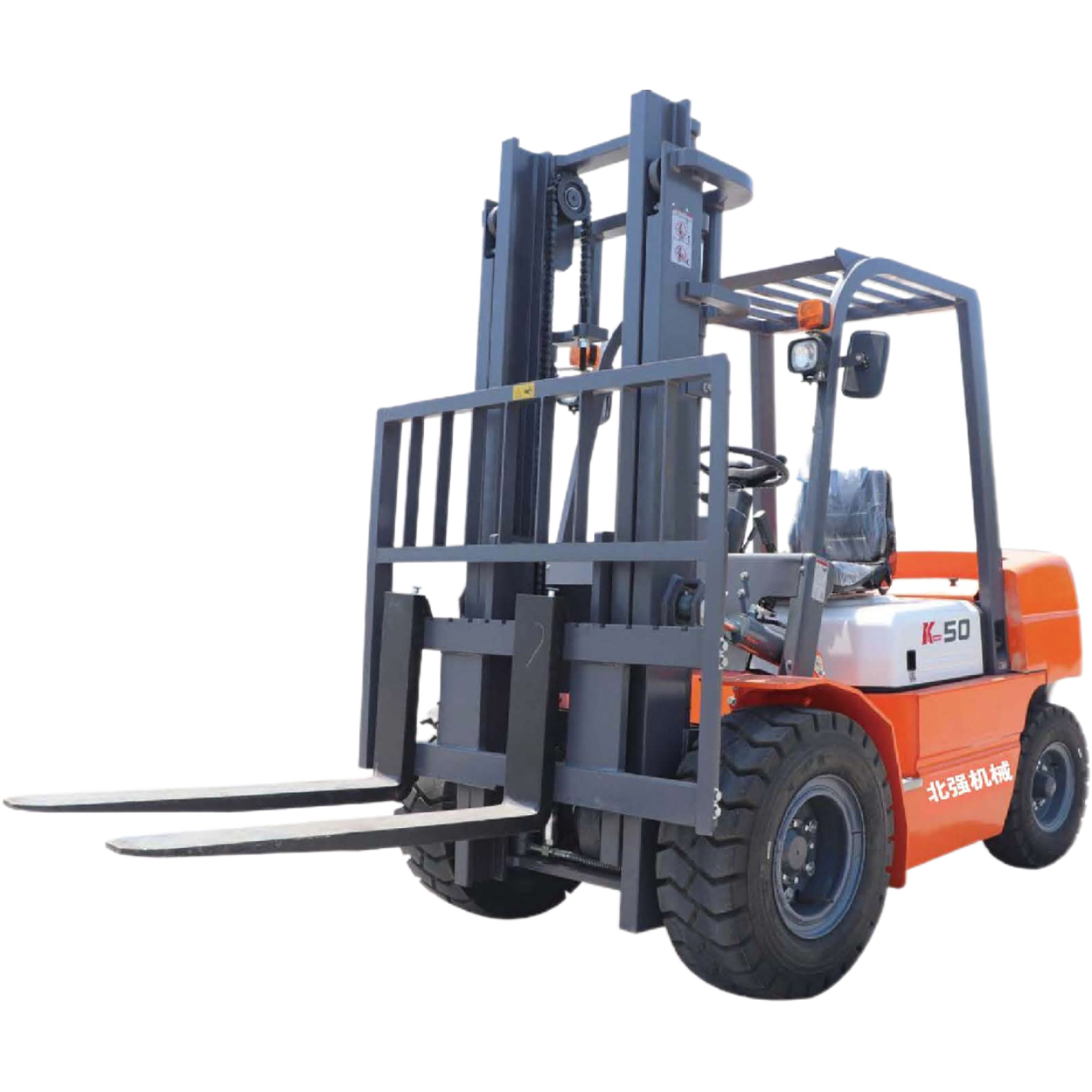
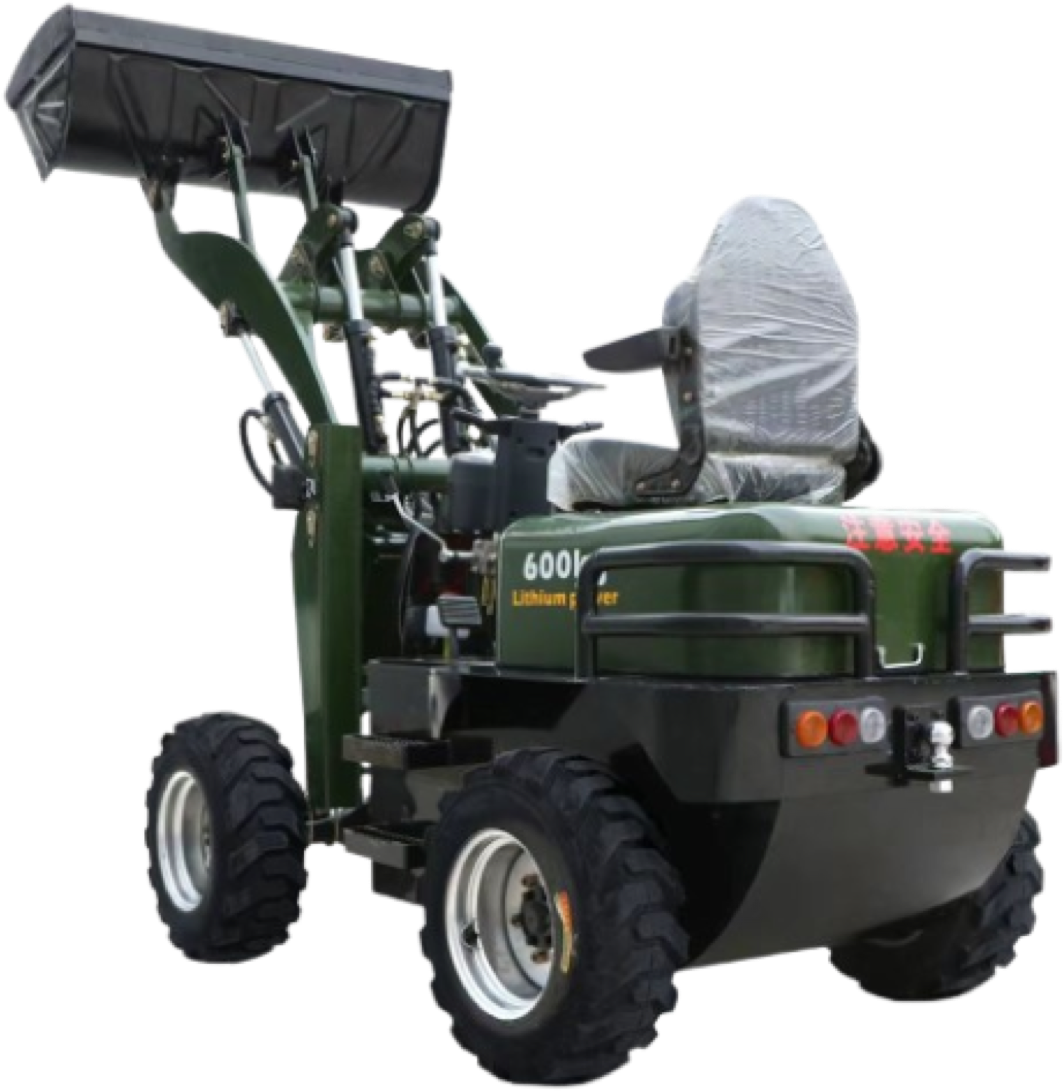
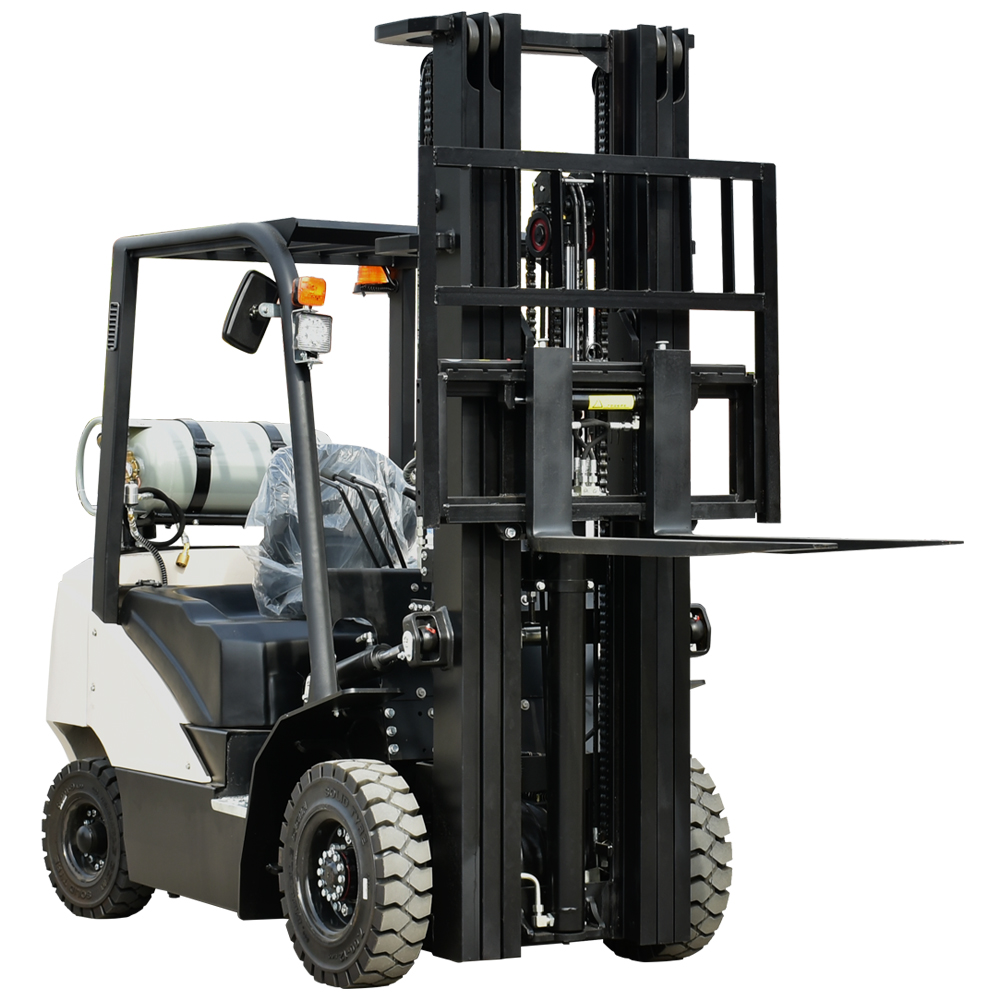
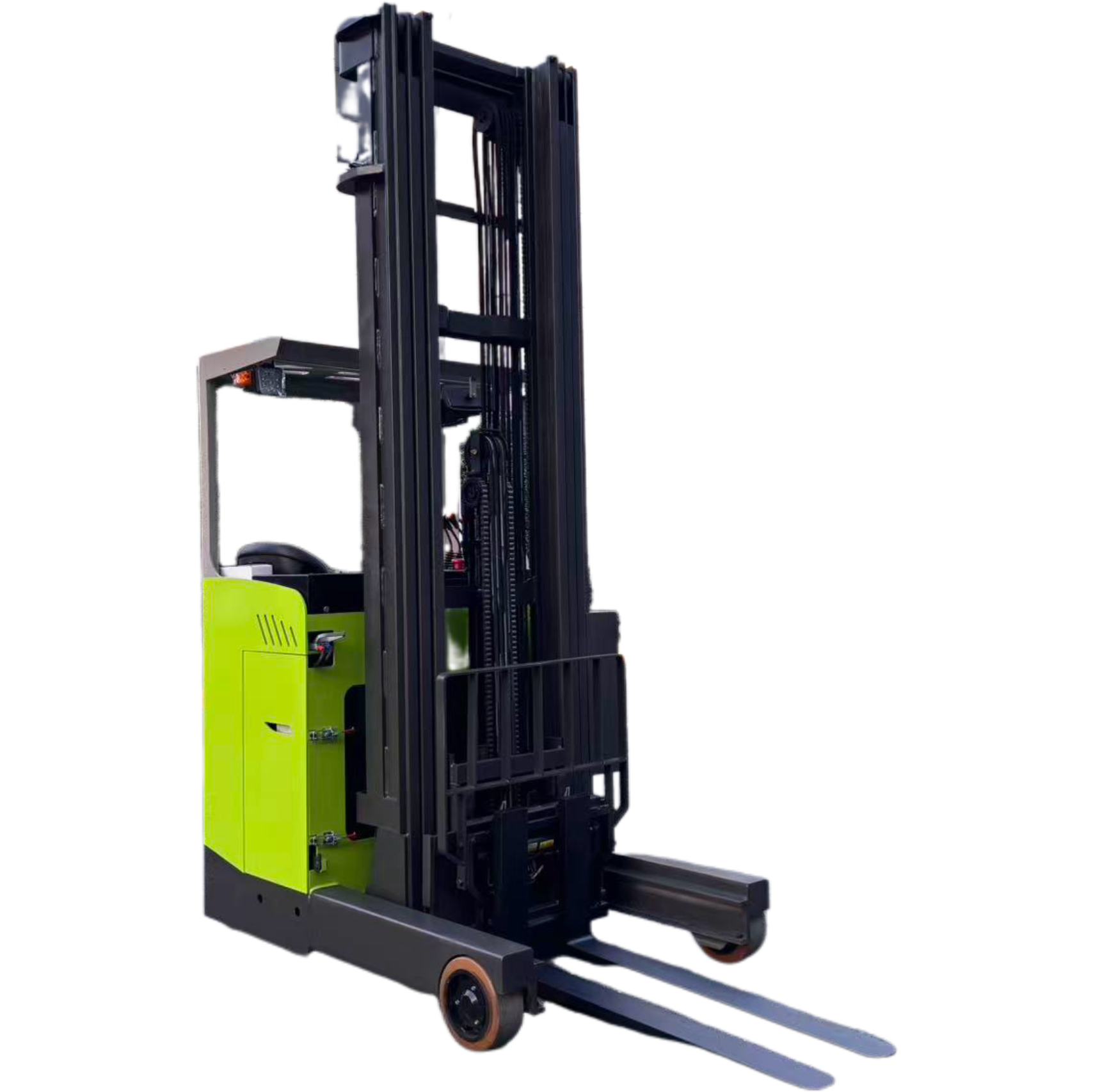
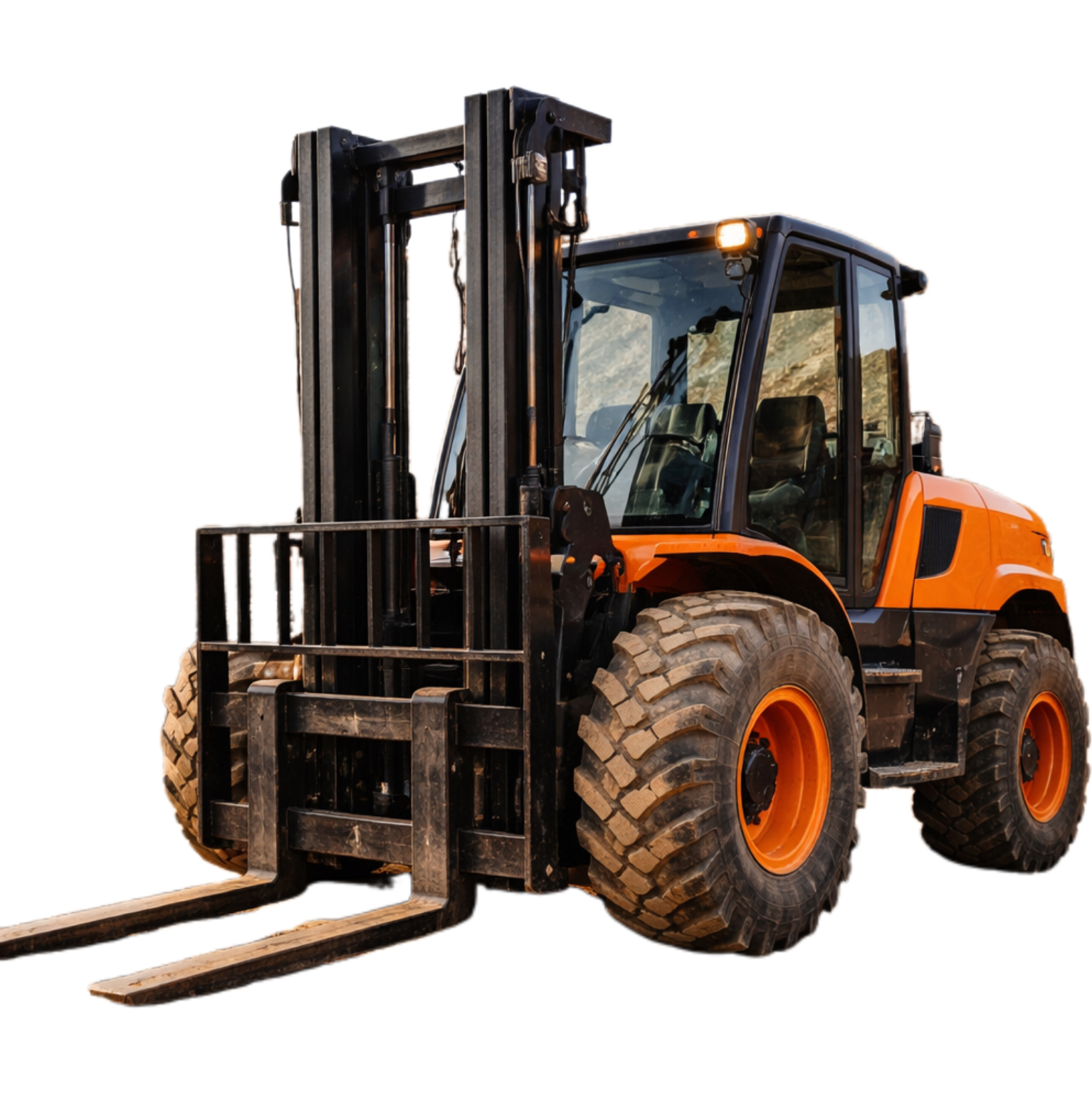


As one of the most widely used models in the electric forklift market, 2-ton electric forklifts are perfectly suitable for medium-light load scenarios such as general warehousing, small and micro enterprise workshops, e-commerce small-package handling, and manufacturing raw material transfer. However, many enterprises still face confusion when purchasing: Should they choose lithium battery or lead-acid battery? Three-wheel or four-wheel? What parameters are really critical? Blind selection often leads to problems like insufficient endurance, poor adaptability to narrow spaces, or high long-term maintenance costs. This guide will sort out the core parameters that must be focused on when purchasing a 2-ton electric forklift, summarize common pitfalls, and help you make an efficient and cost-effective choice.
I. Core Parameters to Focus on: Determine the Right Model at a Glance
For 2-ton electric forklifts, the selection of core parameters directly determines whether the equipment can match the actual working conditions. It is recommended to focus on the following 6 key indicators and make decisions based on your own operation scenarios:
1. Battery Type: Lithium Battery vs Lead-Acid Battery (Core Decision for Endurance and Cost)
The battery is the "heart" of the electric forklift, and its performance directly affects the operation continuity and use cost. For 2-ton models, the choice between lithium and lead-acid batteries is particularly critical:
Lithium Battery: Suitable for scenarios with medium-high operation intensity (daily operation 4-8 hours) or high requirements for convenience. Advantages: Long service life (3-5 years), fast charging (2-3 hours full charge), no need for regular water addition and maintenance, low annual maintenance cost (about 800-1500 yuan); Disadvantages: Higher initial purchase cost (about 30%-50% more expensive than lead-acid).
Lead-Acid Battery: Suitable for light operation (daily operation ≤ 4 hours) or enterprises with tight budgets. Advantages: Low initial purchase cost, mature technology; Disadvantages: Short service life (1-2 years), slow charging (8-12 hours full charge), need regular water addition and maintenance, high long-term replacement cost.
Key Suggestion: For long-term use, lithium battery is more cost-effective. If the daily operation time exceeds 4 hours, it is not recommended to choose lead-acid battery to avoid affecting work efficiency due to insufficient endurance.
2. Body Structure: Three-Wheel vs Four-Wheel (Determine Space Adaptability)
2-ton electric forklifts are available in both three-wheel and four-wheel versions, and the choice depends on the warehouse space and operation flexibility requirements:
Structure Type | Turning Radius | Required Aisle Width | Stability | Suitable Scenarios |
|---|---|---|---|---|
Three-Wheel (2-ton) | 1.5-1.8 meters (small) | 2.0-2.5 meters | Good for flat indoor ground; slightly weak for high-altitude (>4m) operations | Indoor narrow-aisle warehouses, small workshops, e-commerce small-package storage (high space utilization) |
Four-Wheel (2-ton) | 1.8-2.5 meters (large) | 2.5-3.0 meters | Excellent; stable for high-altitude operations and occasional outdoor flat ground | General large warehouses, high-rise shelf stacking (>4m), mixed indoor-outdoor operations |
3. Lifting Height: Match Shelf Height Precisely
The lifting height of 2-ton electric forklifts is usually 3-6 meters. When purchasing, it is necessary to combine the actual shelf height of the warehouse and reserve a safety distance of 50-100mm (to avoid collision with shelves or goods). Specific suggestions:
Shelf height ≤ 3.5 meters: Choose a basic model with lifting height of 4 meters (cost-saving and sufficient);
Shelf height 3.5-5 meters: Choose a model with lifting height of 5-6 meters (ensure stable stacking at high altitude);
Note: If high-altitude stacking (>4 meters) is required frequently, it is recommended to choose a four-wheel model (stronger stability than three-wheel).
4. Driving Mode: Walk-Behind vs Ride-On (Affect Operation Efficiency)
The driving mode is related to the labor intensity and operation efficiency, and should be selected according to the operation distance and frequency:
Walk-Behind: Suitable for short-distance, high-frequency handling (e.g., workshop material transfer within 50 meters). Advantages: Compact body, low cost; Disadvantages: High labor intensity for long-distance operations;
Ride-On: Suitable for long-distance, continuous handling (e.g., warehouse cross-area replenishment). Advantages: Low labor intensity, high efficiency; Disadvantages: Larger body, higher cost.
5. Protection Level: Adapt to Special Operating Environments
The protection level (IP rating) determines the adaptability of the forklift to the environment. For 2-ton models, common protection levels are IP44 and IP54:
IP44: Suitable for normal temperature, dry indoor environments (e.g., general mechanical workshops, e-commerce warehouses);
IP54: Suitable for high-humidity or dusty environments (e.g., food processing workshops, construction material warehouses); if it is a cold chain environment (-10℃ to -30℃), a special cold chain model with low-temperature resistant battery and seals is required.
6. Motor Power: Ensure Handling Efficiency
The motor power of 2-ton electric forklifts is usually 4-8kW. For scenarios with frequent lifting and heavy load starting (e.g., continuous stacking of 2-ton goods), it is recommended to choose a motor with power ≥ 5.5kW to avoid insufficient power and slow operation; for light-load and low-frequency scenarios, 4kW is sufficient.
II. Key Pitfall Avoidance Tips: Save Costs and Reduce Troubles
Many enterprises fall into misunderstandings when purchasing 2-ton electric forklifts, leading to increased costs and reduced efficiency. The following 5 pitfalls must be avoided:
1. Pitfall 1: Only Focus on Purchase Price, Ignoring Total Life Cycle Cost
Some enterprises choose cheap lead-acid battery models for the sake of low initial cost, but lead-acid batteries need to be replaced every 1-2 years (replacement cost is about 30% of the forklift price), and the annual maintenance cost is high. Taking a 2-ton electric forklift as an example: The total cost of a lead-acid model in 3 years is about 45,000 yuan, while that of a lithium battery model is about 42,000 yuan. Lithium battery is more cost-effective in the long run.
2. Pitfall 2: Blindly Pursue "High Configuration" Without Matching Working Conditions
For example, choosing a 6-meter lifting height model for a warehouse with 3-meter shelves, or a ride-on model for short-distance workshop handling. High configuration will not only increase the purchase cost by 20%-30%, but also cause unnecessary waste of performance. The principle is: "Sufficient is better than excessive".
3. Pitfall 3: Ignore Battery Charging Conditions
If the workshop has no conditions for installing fast charging piles, choosing a lithium battery model that requires fast charging will not play its advantages; if the operation needs to be continuous (no time for long charging), a lead-acid battery model with slow charging will affect efficiency. It is recommended to confirm the on-site charging conditions (power supply capacity, charging time window) before purchasing, and match the battery type accordingly.
4. Pitfall 4: Neglect After-Sales Service Capabilities
2-ton electric forklifts are daily operation equipment, and after-sales service (e.g., on-site maintenance, accessory supply) is crucial. Some small-brand products are cheap but have no local service outlets, and the downtime can be as long as 3-5 days after failure, seriously affecting production. It is recommended to choose brands with local service outlets and 24-hour after-sales response (e.g., Hangcha, Zhongli, Toyota).
5. Pitfall 5: Overlook Operation Safety Configuration
Safety configurations such as anti-rollover protection, emergency stop buttons, and overload alarms are essential for 2-ton electric forklifts. Some low-cost models cut corners on safety configurations, increasing the risk of operation accidents. When purchasing, it is necessary to confirm that the safety configuration meets national standards.
III. Typical Scenario Selection Recommendations for 2-Ton Electric Forklifts
Combining the above parameters and pitfall avoidance tips, the following are targeted selection recommendations for common scenarios of 2-ton electric forklifts:
1. Scenario 1: Small E-Commerce Warehouse (Narrow Aisle, High-Frequency Sorting)
Core Working Conditions: Aisle width 2.0-2.5 meters, shelf height 3-4 meters, daily operation 6-8 hours, short-distance high-frequency handling;
Recommendation: Three-wheel, lithium battery, ride-on model (lifting height 4-5 meters, protection level IP44, motor power ≥ 5.5kW). Advantage: Small turning radius, high space utilization, long endurance.
2. Scenario 2: Small and Micro Enterprise Workshop (Short-Distance, Light-Load Transfer)
Core Working Conditions: Aisle width 2.2-2.8 meters, daily operation ≤ 4 hours, short-distance transfer within 50 meters, limited budget;
Recommendation: Walk-behind, lead-acid battery model (lifting height 4 meters, motor power 4kW). Advantage: Low cost, simple operation, suitable for intermittent use.
3. Scenario 3: General Warehousing (High-Rise Shelves, Mixed Indoor-Outdoor Operations)
Core Working Conditions: Aisle width ≥ 2.5 meters, shelf height 4-5 meters, daily operation 6-8 hours, occasional outdoor flat ground handling;
Recommendation: Four-wheel, lithium battery, ride-on model (lifting height 5-6 meters, protection level IP54, motor power ≥ 6kW). Advantage: Strong stability, adaptable to mixed environments, high efficiency.
4. Scenario 4: Food Cold Chain Warehouse (Low Temperature, High Humidity)
Core Working Conditions: Temperature -10℃ to -20℃, aisle width 2.2-2.8 meters, daily operation 6 hours;
Recommendation: Special cold chain four-wheel model (low-temperature resistant lithium battery, low-freezing-point hydraulic oil, protection level IP54). Advantage: Stable operation in low temperature, no exhaust gas pollution.
IV. Purchase Summary
The key to purchasing a 2-ton electric forklift is to "match working conditions precisely". First, clarify your own core needs (aisle width, shelf height, operation intensity, environment); then focus on core parameters such as battery type, body structure, and lifting height; finally, avoid the pitfall of only looking at the purchase price and ignoring after-sales and safety. By following this logic, you can choose a 2-ton electric forklift that is efficient, cost-effective, and suitable for long-term use.
If you can provide more detailed working condition parameters (e.g., specific aisle width, shelf height, daily operation time), you can get a more targeted model recommendation.
Our manager will contact you shortly.
To contact you about our products and services.


Copyright © Xingtai Beiqiang Machinery Manufacturing Factory. 2025.
Technical support:Echola