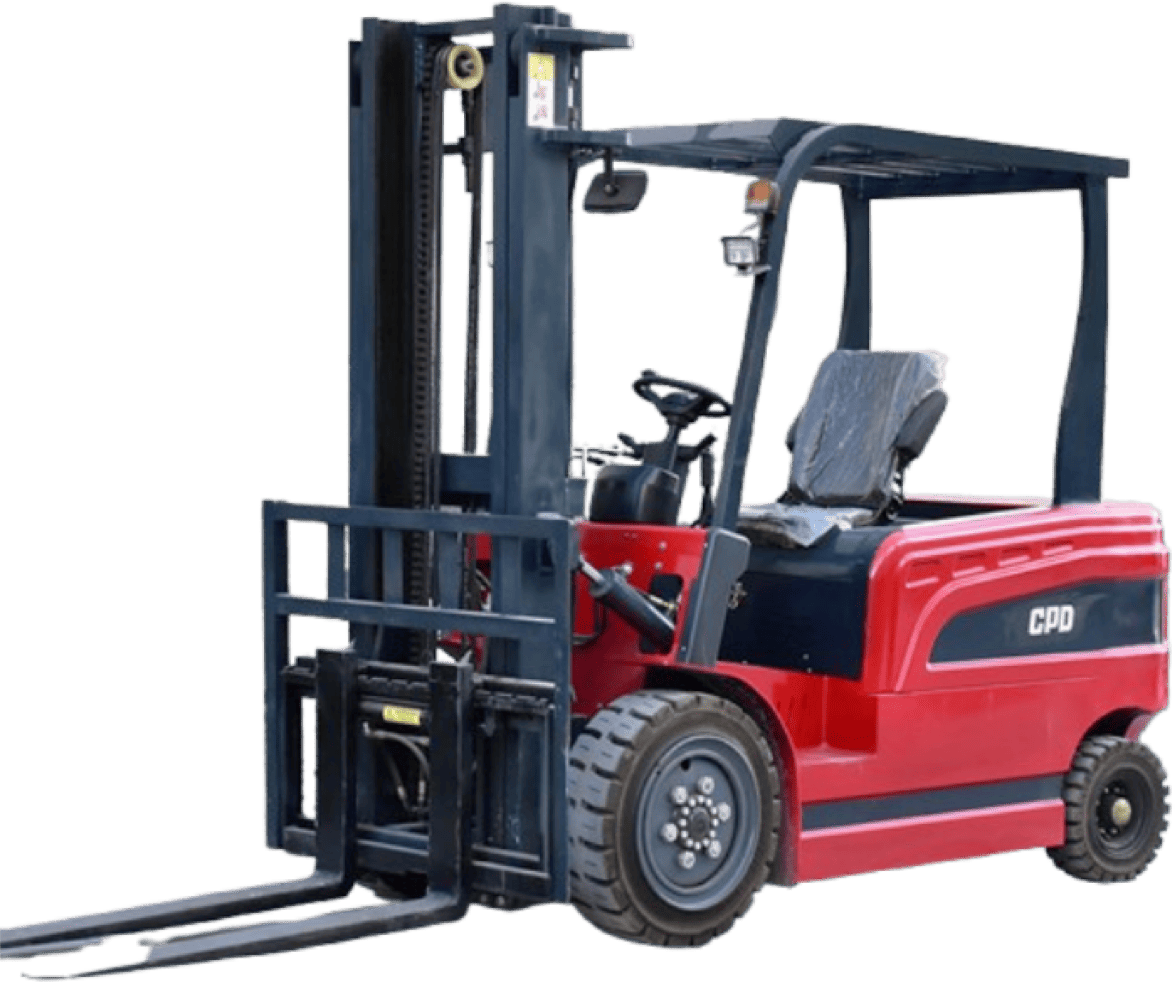
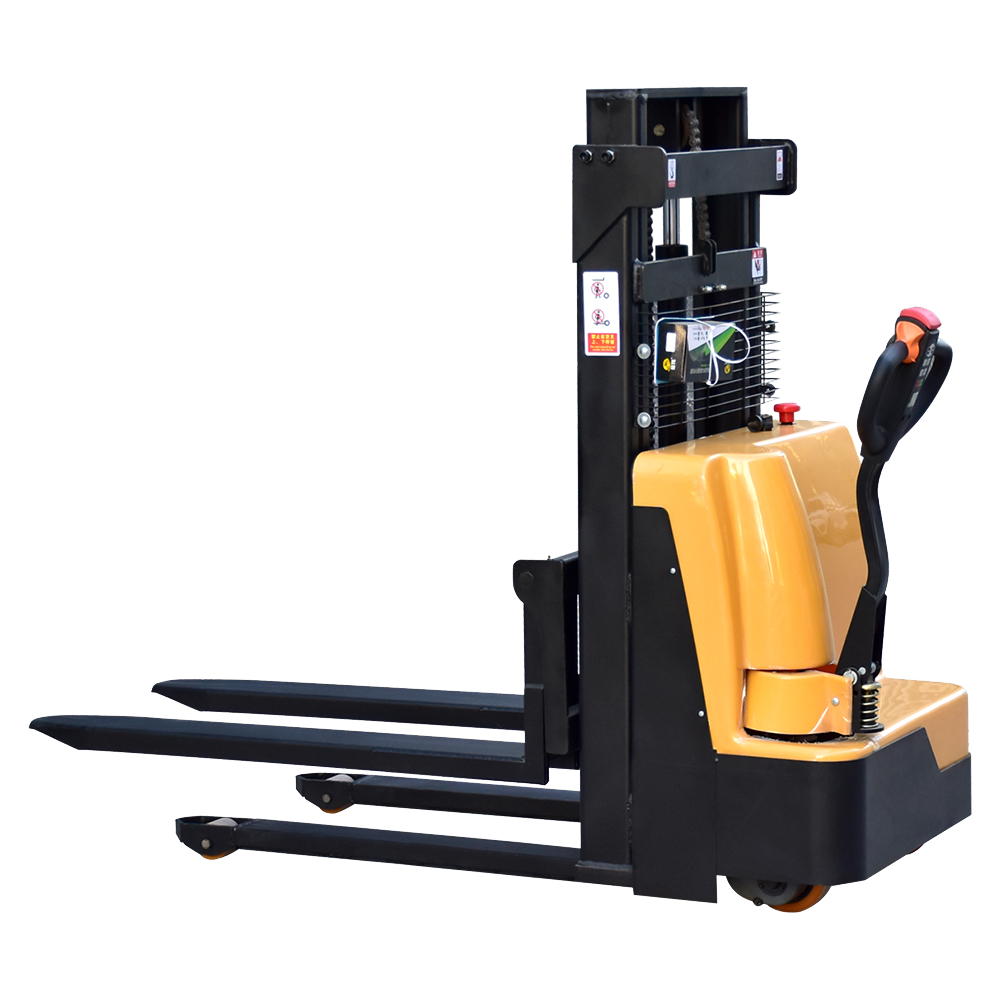
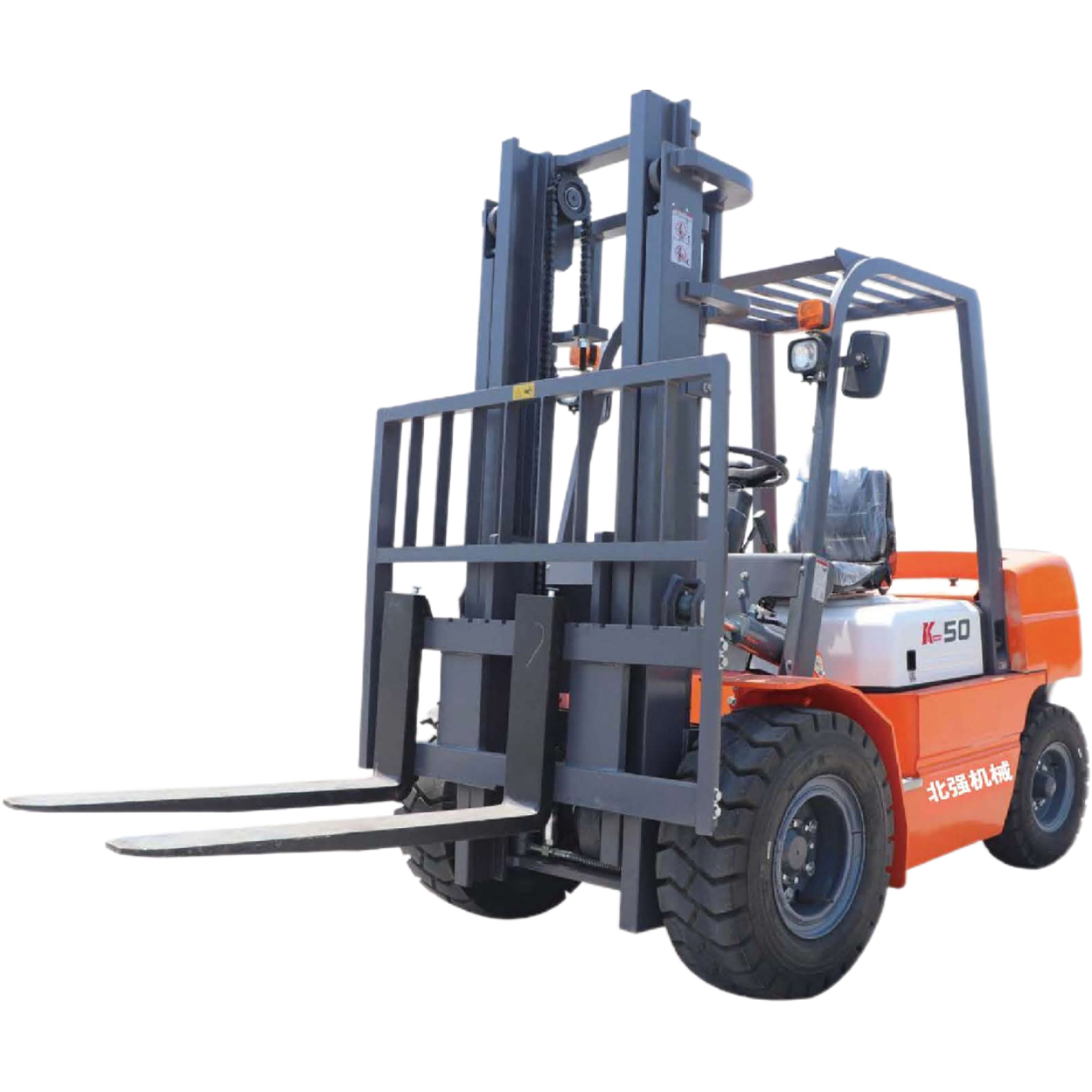
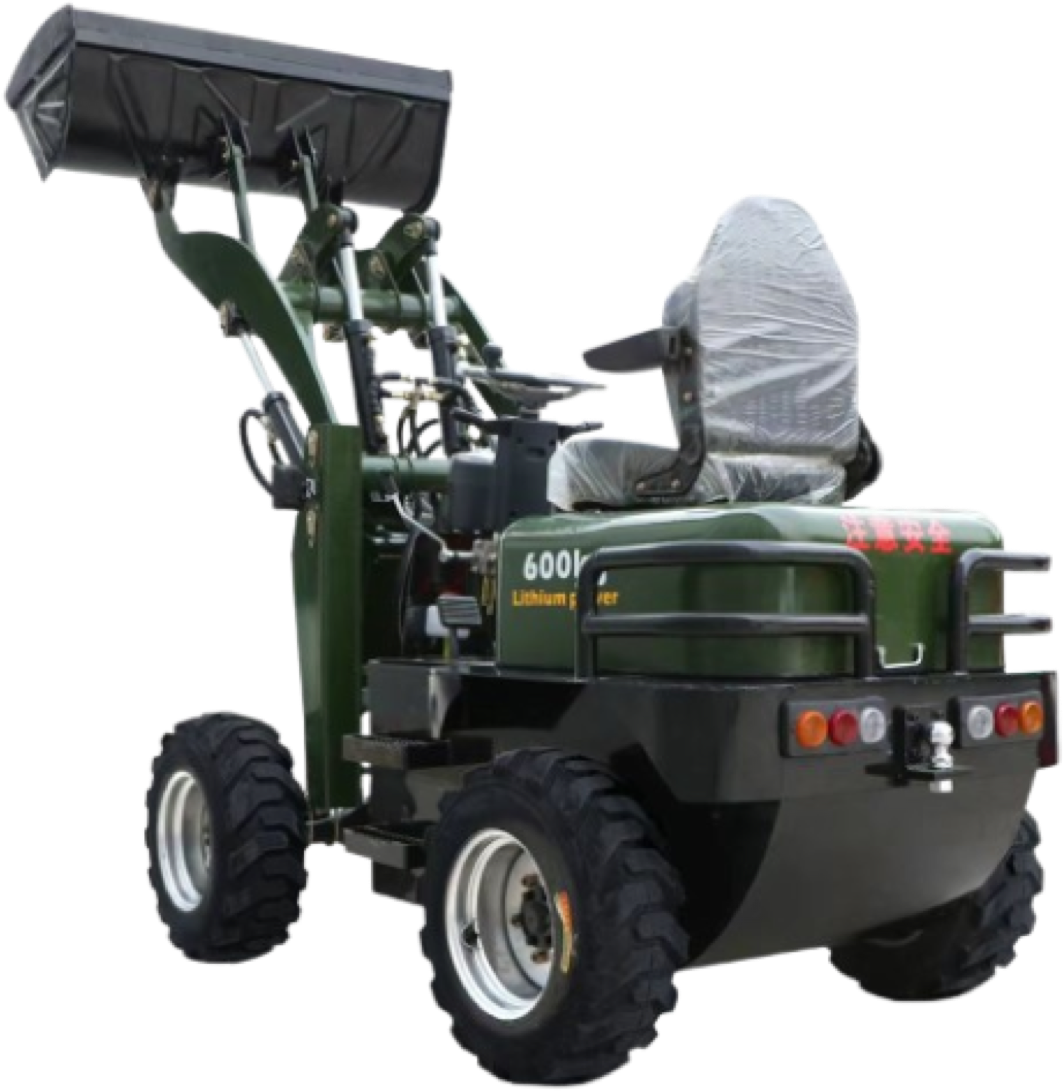
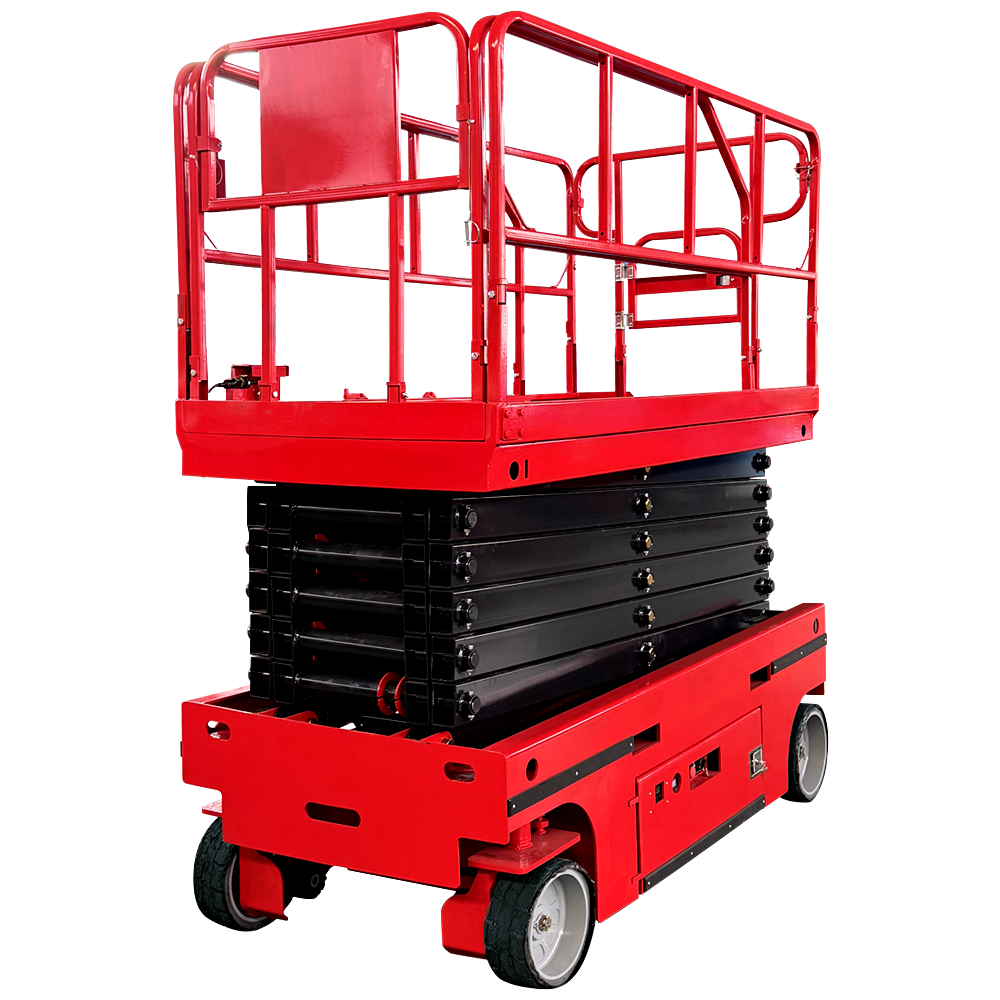
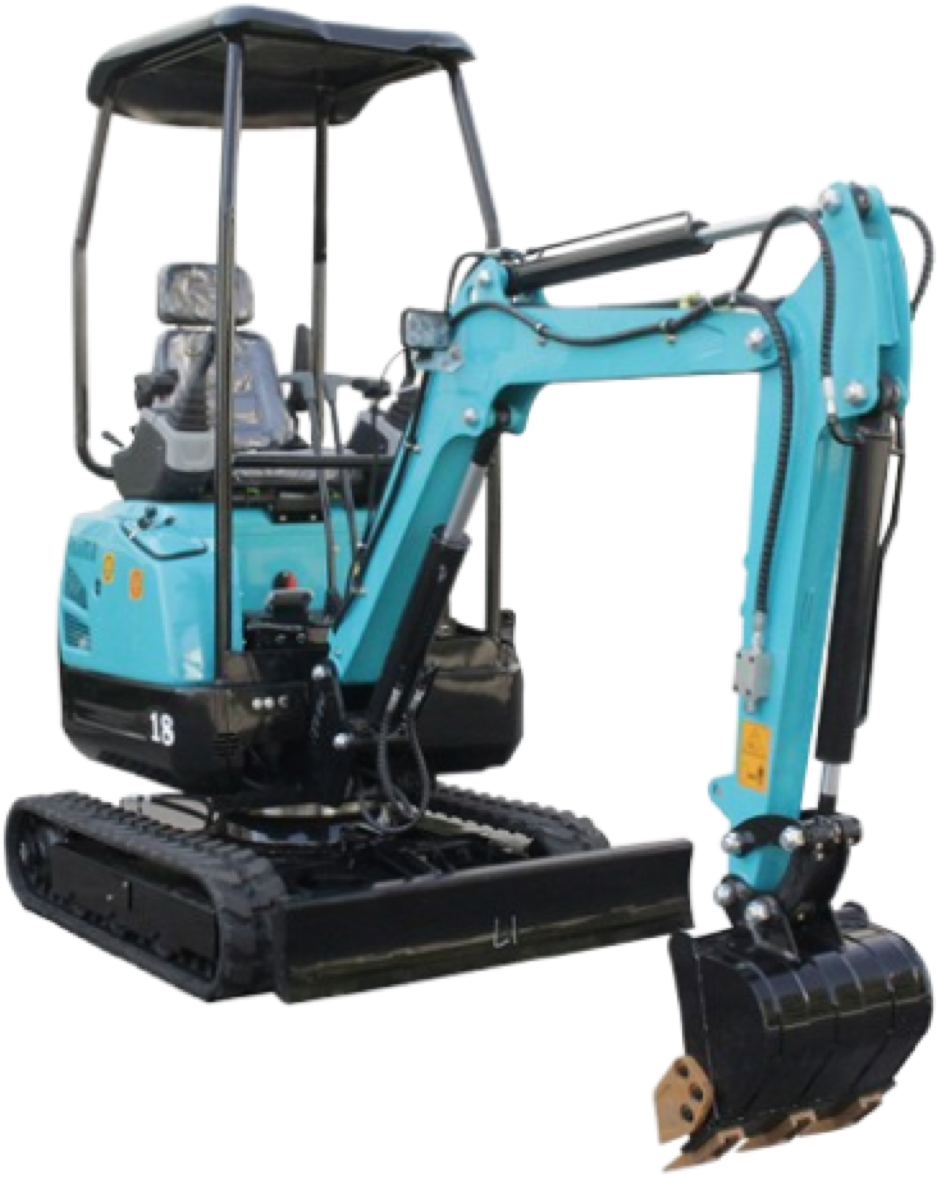
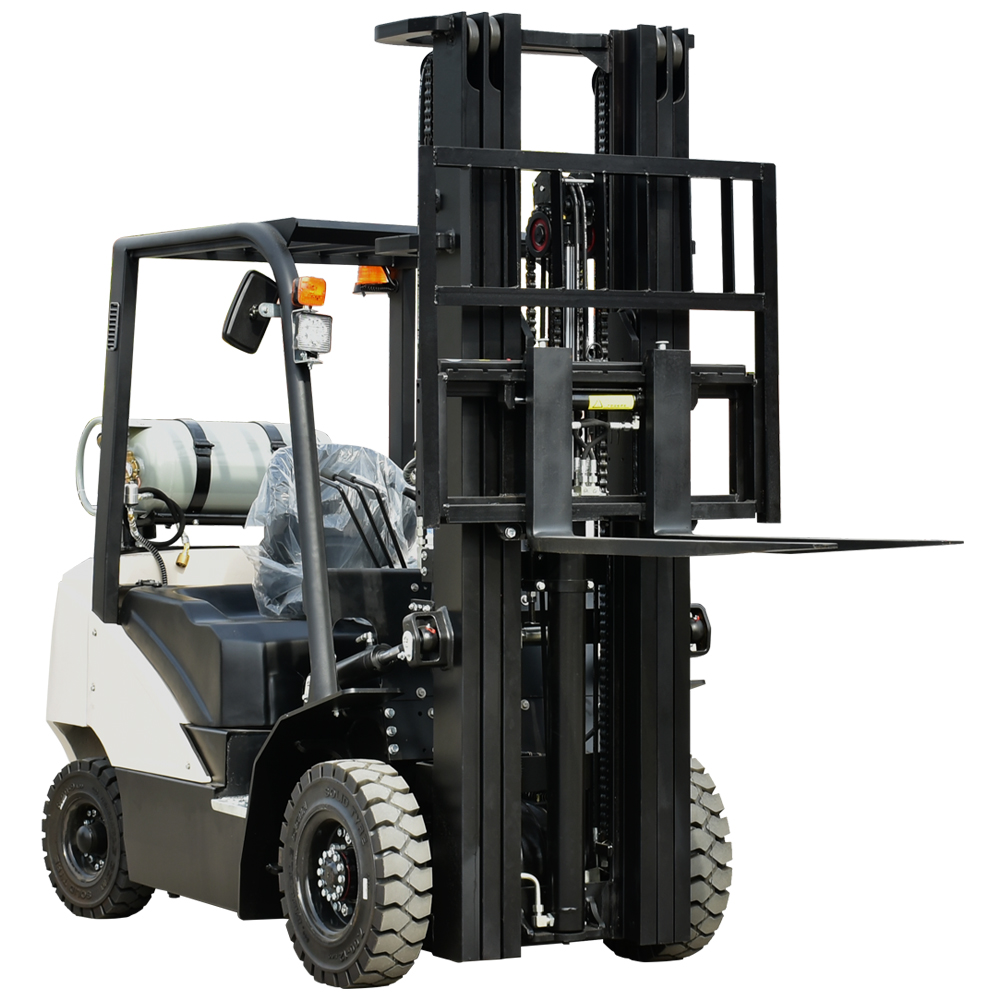
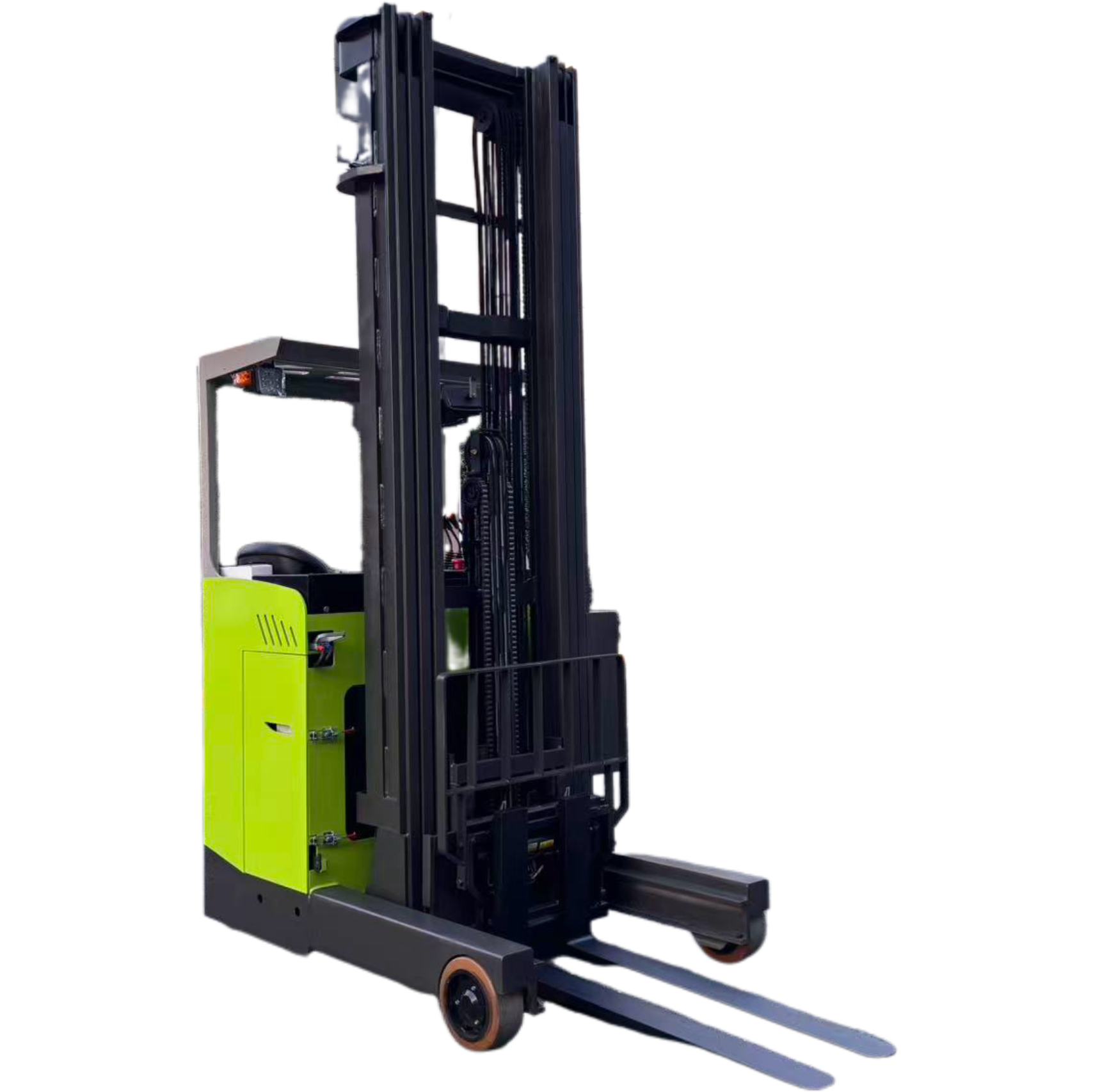
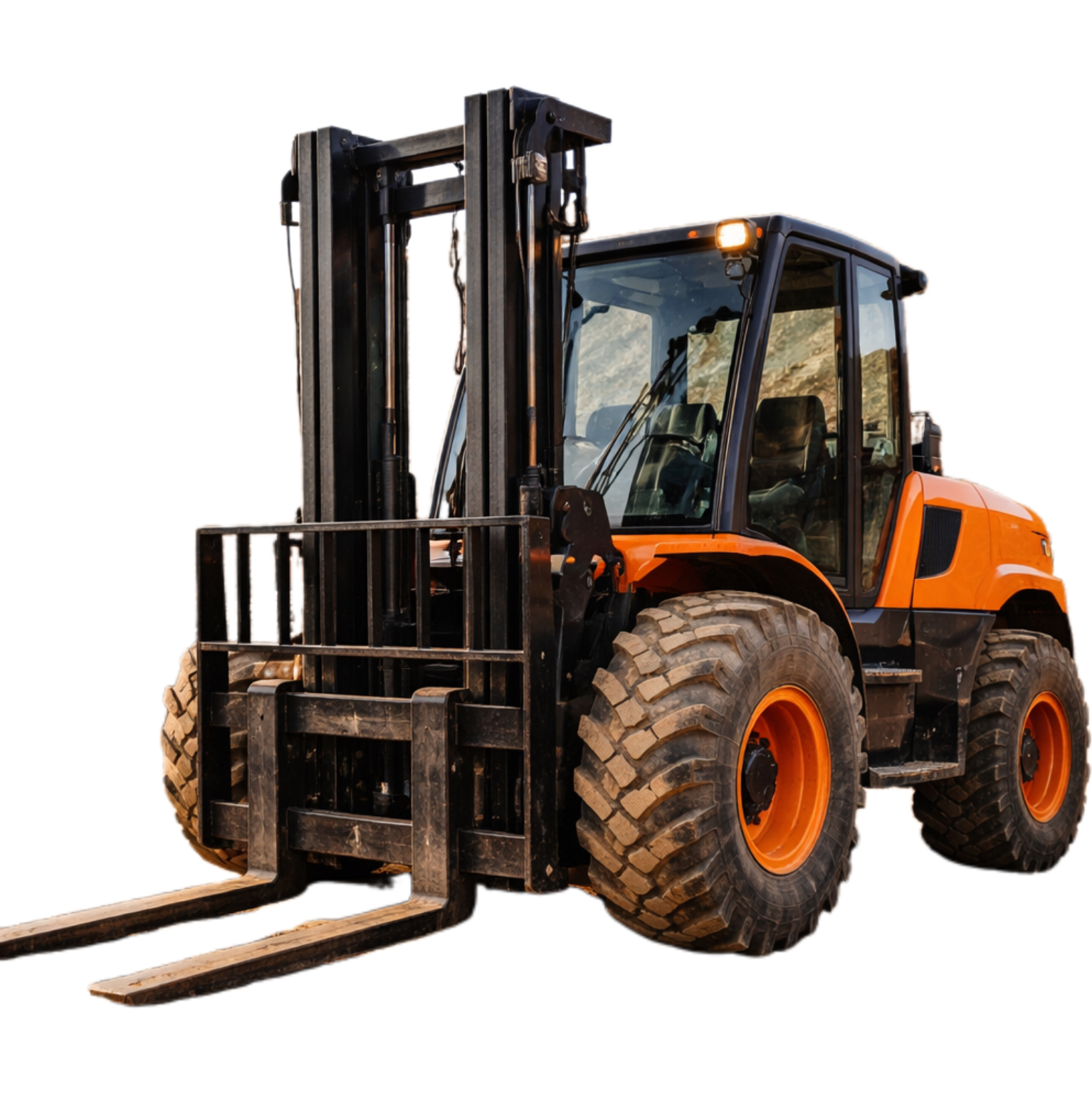


With the rapid development of the electric forklift market, more and more enterprises are choosing to upgrade their logistics equipment from "oil to electricity". However, the subsequent problem is the difficulty in selection: choosing a load capacity of 2 tons or 3 tons? Reach truck or counterbalanced truck? Lithium battery or lead-acid battery? Many enterprises, due to blind selection, encounter problems such as "using a large truck for small loads" which wastes costs, "using a small truck for large loads" which leads to low efficiency, and even frequent equipment failures in special working conditions. In fact, the core logic of electric forklift selection is only one—accurately matching working conditions. The so-called working conditions refer to the actual operation scenarios of the enterprise, including core dimensions such as load requirements, operation space, operation environment, and operation intensity. This article will sort out a comprehensive electric forklift selection guide from three aspects: working condition disassembly, scenario adaptation, and pit avoidance guide.
I. Disassemble Working Conditions First: 5 Core Dimensions to Determine the Direction
Clarifying your own working conditions before selection is the first step to avoid pitfalls. Whether it is warehousing, workshop or outdoor operations, you can disassemble from the following 5 core dimensions to quickly lock the selection range:
1. Core Requirement: Load Capacity and Lifting Height
Load capacity and lifting height are the basic indicators for selection, directly determining the core model of the forklift. First, you need to clarify the maximum load capacity for daily operations (it is recommended to reserve 10%-20% margin to avoid equipment damage due to overloading), and then determine themaximum lifting height (it is necessary to combine the shelf height and reserve a safety distance of 50-100mm). Specific matching logic:
Load capacity ≤ 2 tons, lifting height ≤ 4 meters: Suitable for light handling, such as small and micro enterprise workshops and e-commerce small-package warehousing; optional small electric stackers and walk-behind electric forklifts (e.g., Zhongli "Little King Kong");
Load capacity 2-5 tons, lifting height ≤ 6 meters: Mainstream general scenarios for warehousing and manufacturing; optional counterbalanced electric forklifts and reach trucks;
Load capacity > 5 tons, lifting height ≤ 10 meters: Heavy industrial scenarios, such as raw material handling in large manufacturing; optional heavy-duty electric counterbalanced forklifts;
Lifting height > 6 meters: High-rise shelf warehousing; optional narrow-aisle forklifts and three-way stackers (small minimum turning radius, high space utilization rate).
2. Operation Space: Aisle Width and Turning Radius
The core of operation space is aisle width, which directly determines the selection of forklift body size and turning radius. Many enterprises ignore aisle width, resulting in the forklift being unable to turn normally or low operation efficiency, which needs to be focused on:
Aisle width ≤ 2.5 meters: Narrow-aisle warehousing (e.g., e-commerce and cold chain high-density storage); optional narrow-aisle forklifts (aisle width 1.6-2.0 meters) and reach trucks (aisle width 2.2-2.5 meters);
Aisle width 2.5-3.5 meters: General warehousing and workshop scenarios; optional counterbalanced electric forklifts (minimum turning radius 1.8-2.5 meters);
Narrow aisles and frequent steering required: Such as workshop equipment gaps and small warehouses; optional walk-behind electric forklifts (compact body, flexible operation).
3. Operation Environment: Temperature, Humidity and Corrosiveness
Different environments have great differences in requirements for the protection level, material and battery performance of electric forklifts, especially extreme environments, which require special models:
Normal temperature and dry environment (0-40℃): Such as ordinary e-commerce warehousing and mechanical workshops; optional conventional electric forklifts with protection level ≥ IP44;
Low-temperature environment (-10℃ to -30℃): Such as cold chain freezers and low-temperature warehousing; need to select special electric forklifts for cold chain, equipped with low-temperature resistant lithium batteries (with thermal insulation and heating systems), low-freezing-point hydraulic oil, and low-temperature resistant seals (e.g., BYD special cold chain forklifts, which can maintain 85% battery capacity at -20℃);
High humidity/corrosive environment: Such as food processing workshops (high water vapor) and chemical warehouses (corrosive gases); need to select waterproof and anti-corrosive models with protection level ≥ IP54, stainless steel body, and sealed protection for batteries and electrical systems;
Outdoor operations: Such as loading and unloading in logistics parks and open-air warehouses; need to select electric forklifts with rainproof and sun protection functions, and prioritize lithium batteries (better high and low temperature resistance than lead-acid batteries). Pay attention to tire selection (pneumatic tires are suitable for rough roads, and solid tires are suitable for flat cement floors).
4. Operation Intensity: Daily Operation Duration and Frequency
Operation intensity determines the selection of battery type and endurance capacity, avoiding affecting operation continuity due to insufficient endurance:
Light operation (daily ≤ 4 hours): Such as intermittent handling in small and micro enterprises; optional lead-acid battery electric forklifts (low cost) or entry-level lithium battery forklifts;
Medium operation (daily 4-8 hours): Such as daily replenishment and sorting in ordinary warehousing; optional standard lithium battery forklifts (endurance 8-12 hours, charging 2-3 hours);
Heavy operation (daily > 8 hours, multiple shifts): Such as e-commerce peak season sorting and 24-hour operation in large logistics centers; need to select high-capacity lithium battery forklifts (endurance more than 12 hours), or equip with spare batteries and fast charging equipment (e.g., Toyota hydrogen fuel cell electric forklifts, 3-minute fast charging, 400-kilometer endurance).
5. Intelligence Requirements: Automation and Data Linkage
With the development of refined logistics, intelligence has become an important consideration for selection, which needs to be chosen according to your own automation level:
Manual operation is sufficient: Such as small and micro enterprises and simple handling scenarios; select manually operated electric forklifts (simple operation, low cost);
Improve efficiency and reduce labor: Such as high-frequency sorting in e-commerce warehousing; optional semi-intelligent models (equipped with simple navigation and precise docking functions);
Fully automated operation: Such as intelligent warehousing and unmanned workshops; select AGV/AMR electric forklifts (support laser SLAM navigation and cluster scheduling, and can be linked with WMS systems, e.g., Hangcha "Banma Robot").
II. Typical Working Condition Scenario Selection Plans: More Accurate Matching
Combined with the above working condition dimensions, we have sorted out directly usable selection plans for typical scenarios in different industries, covering the needs of most enterprises:
1. E-commerce Warehousing (Narrow Aisles, High-Frequency Sorting, High-Rise Shelves)
Core working conditions: Aisle width 2-3 meters, lifting height 4-8 meters, daily operation 6-10 hours, high-frequency light and medium load handling;
Selection recommendation: Reach electric forklifts (suitable for narrow aisles), narrow-aisle three-way stackers (for high-rise shelves); if there is high demand for automation, optional AGV reach trucks; select lithium batteries for batteries (fast charging + long endurance).
2. Cold Chain Logistics (Low Temperature of -10℃ to -30℃, High Humidity, Cleanliness Requirements)
Core working conditions: Low-temperature environment, aisle width 2.2-2.8 meters, load capacity 1-3 tons, zero emission and low noise required;
Selection recommendation: Special electric forklifts for cold chain, equipped with low-temperature resistant lithium batteries (with heating and thermal insulation), low-freezing-point hydraulic oil, and low-temperature resistant seals (e.g., Jungheinrich special narrow-aisle forklifts for -30℃); avoid lead-acid batteries (poor low-temperature performance, short service life).
3. Pharmaceutical Warehousing (Clean Environment, Precise Operation, Traceability)
Core working conditions: Normal temperature clean workshop, aisle width 2.5-3 meters, load capacity 1-2 tons, low noise and no exhaust gas required, operation data traceable;
Selection recommendation: Small electric stackers, clean-type electric forklifts (stainless steel body, anti-static tires); if data linkage is needed, optional models with IoT functions (connected to WMS systems to upload operation data in real time).
4. Small and Micro Enterprise Workshops (Light Handling, Small Space, Low Cost)
Core working conditions: Load capacity 0.5-2 tons, aisle width 1.8-2.5 meters, daily operation ≤ 4 hours, limited budget;
Selection recommendation: Electric walk-behind stackers, small electric handling vehicles (e.g., Zhongli "Little King Kong"); if the budget is limited, optional lead-acid battery models; if pursuing worry-free use, optional entry-level lithium battery models (low maintenance cost).
5. Outdoor Loading and Unloading (Open-Air Environment, Rough Roads, Medium and Heavy Load Handling)
Core working conditions: Load capacity 3-5 tons, outdoor open-air operations, possibly uneven roads, daily operation 4-6 hours;
Selection recommendation: Counterbalanced electric forklifts (with rainproof and sun protection functions), select pneumatic tires (suitable for rough roads), and lithium batteries for batteries (good high and low temperature resistance); if the operation intensity is high, optional hydrogen fuel cell electric forklifts (solving the problems of endurance and fast charging).
III. Selection Pit Avoidance Guide: 4 Key Reminders
In addition to matching working conditions, the following 4 points also directly affect the selection effect, which many enterprises easily ignore:
1. Don't Only Look at Price, Ignore Total Lifecycle Cost
Low-cost lead-acid battery forklifts have low initial purchase costs, but require frequent maintenance (regular water addition and battery replacement) and a service life of only 1-2 years; lithium battery forklifts have high initial costs, but low maintenance costs (annual maintenance cost less than 1,000 yuan) and a service life of 3-5 years, which is more cost-effective in the long run. For example: For a 2-ton electric forklift, the annual comprehensive cost of a lead-acid model is about 15,000 yuan, and that of a lithium battery model is about 12,000 yuan, saving 9,000 yuan in 3 years.
2. Reserve Working Condition Margin, Avoid Overloading Operations
If the daily maximum load is 1.8 tons, it is recommended to select a 2-ton model instead of a 1.5-ton model—overloading will cause overload damage to the motor and hydraulic system, shortening the equipment service life. Similarly, 10%-20% margin should be reserved for lifting height and operation duration.
3. Attach Importance to Matching Battery Type and Charging Conditions
If there is no fast charging condition in the workshop and the requirement for operation continuity is high, it is recommended to select a "lithium battery + spare battery" combination; if in a low-temperature environment, resolutely avoid lead-acid batteries (low-temperature capacity attenuation of more than 30%); prioritize lithium batteries for outdoor operations (good high and low temperature resistance and waterproof performance).
4. Consider Subsequent Maintenance and Services
When selecting, it is necessary to pay attention to the after-sales service capacity of the brand, such as whether there are local service outlets, whether accessories are supplied in a timely manner, and whether regular maintenance services are provided. Especially for models with special working conditions (e.g., special for cold chain), post-maintenance is difficult, and high-quality services can reduce downtime.
IV. Selection Summary: Recombining the Core Logic
The core of electric forklift selection is not to "choose the expensive one", but to "choose the right one". Remember the three-step method: Step 1, disassemble your own working conditions (load capacity, space, environment, intensity, intelligence); Step 2, initially lock the model by referring to typical scenario plans; Step 3, calculate the total lifecycle cost and confirm the maintenance and service capabilities.
In short, working conditions are the only core of selection. Only when the equipment is adapted to the scenario can the operation efficiency be maximized and the cost be reduced. If you are still unsure about the model corresponding to your working conditions, you can provide detailed operation parameters (such as load capacity, aisle width, operation environment, etc.) to further accurately match the selection plan.
Our manager will contact you shortly.
To contact you about our products and services.


Copyright © Xingtai Beiqiang Machinery Manufacturing Factory. 2025.
Technical support:Echola