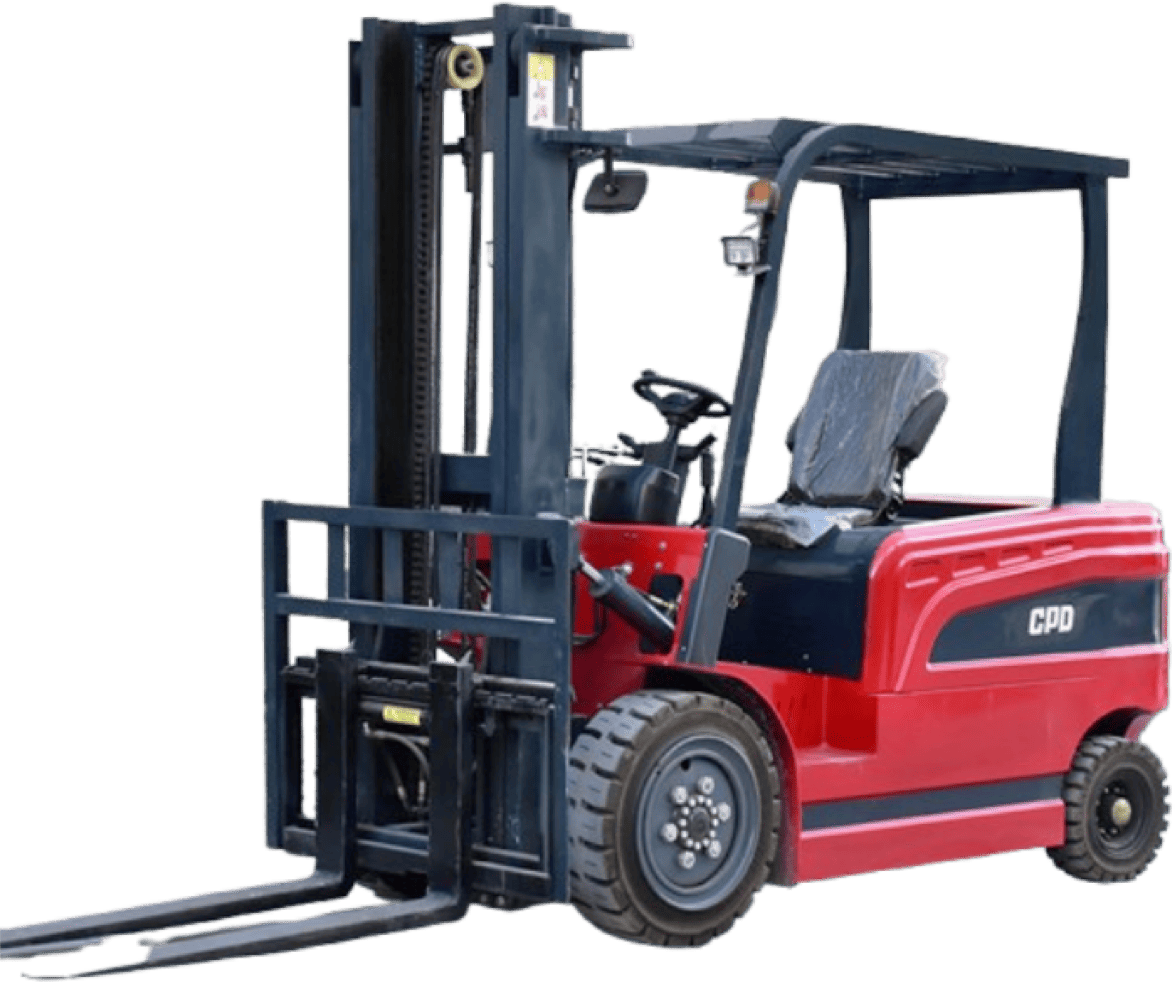
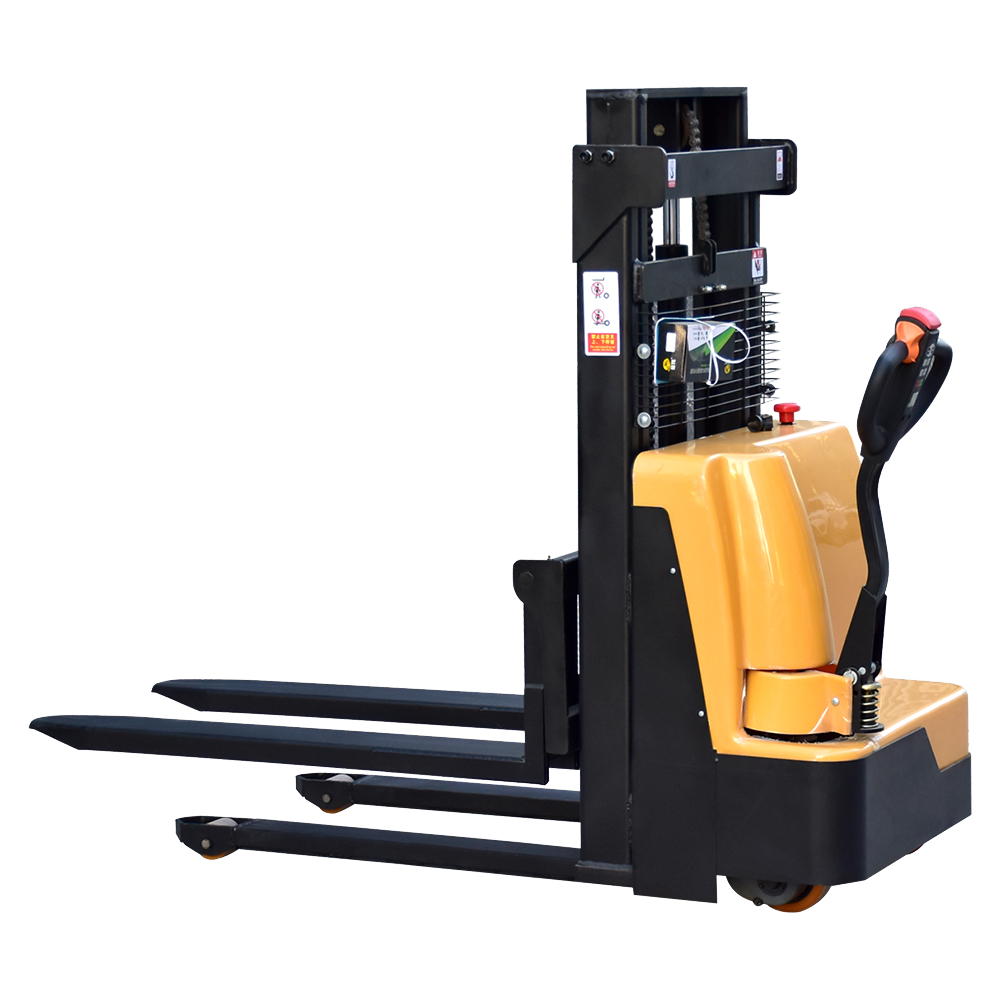
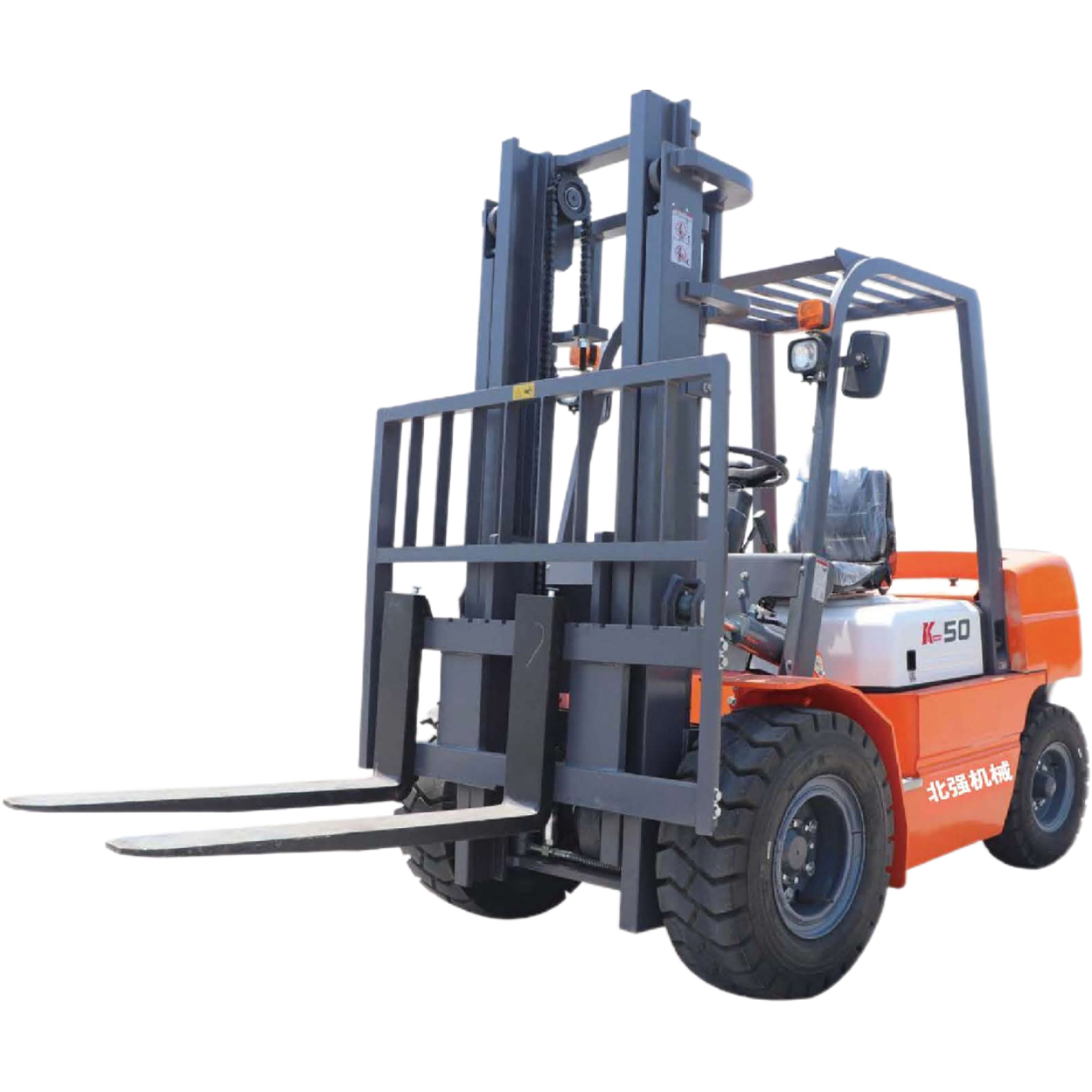
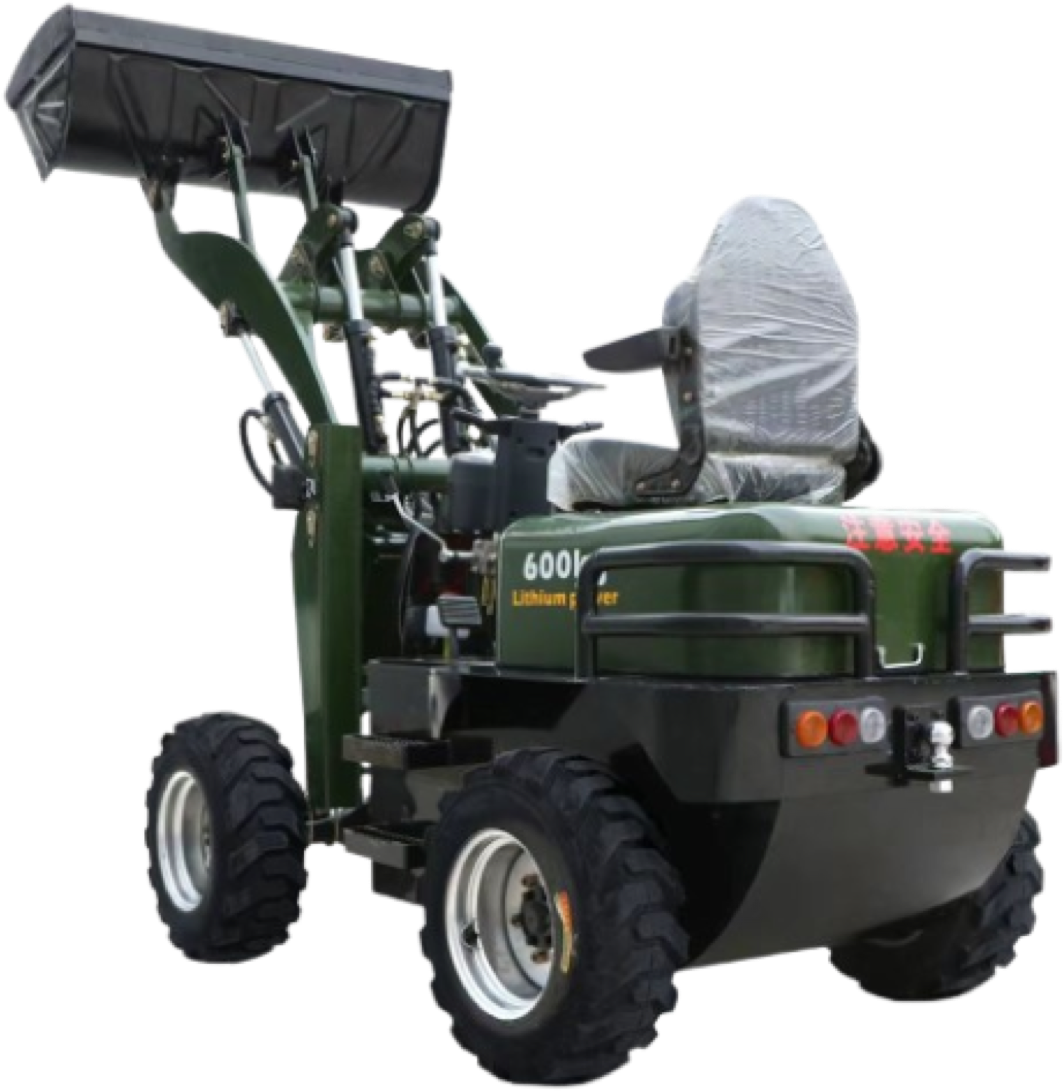
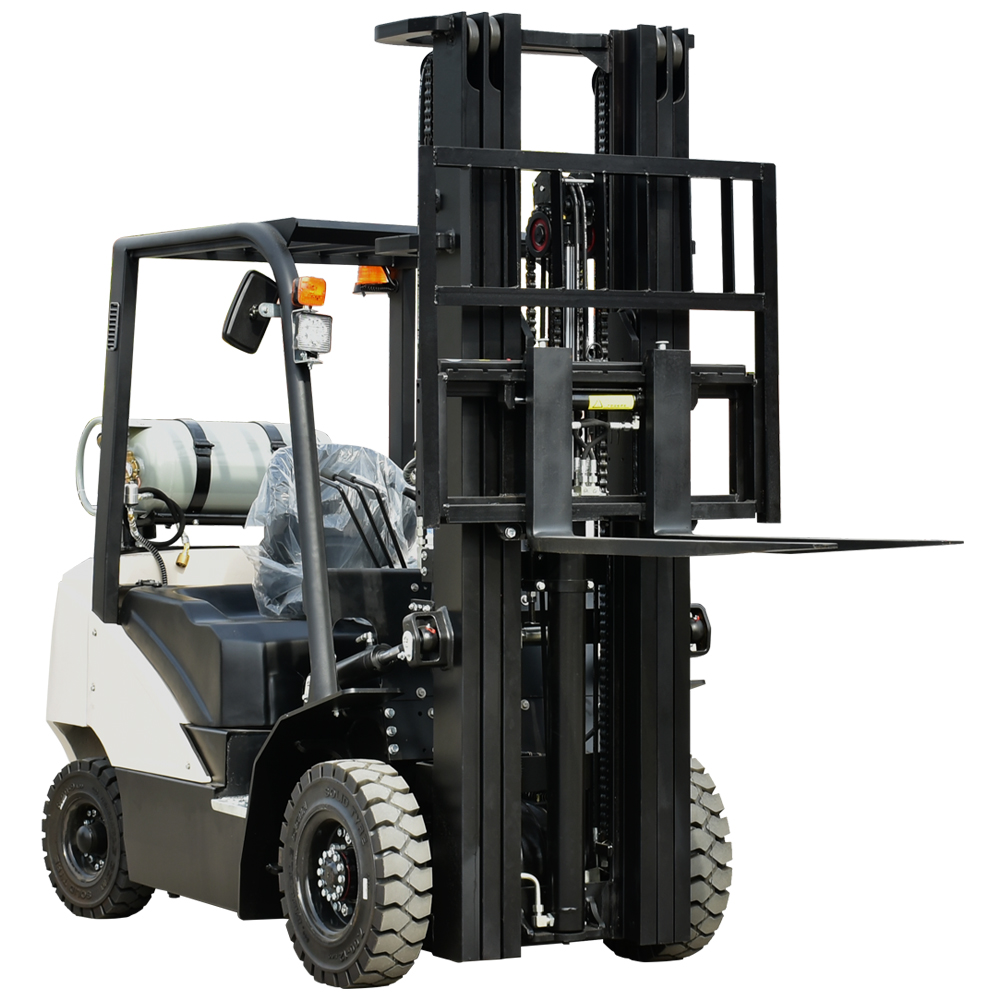
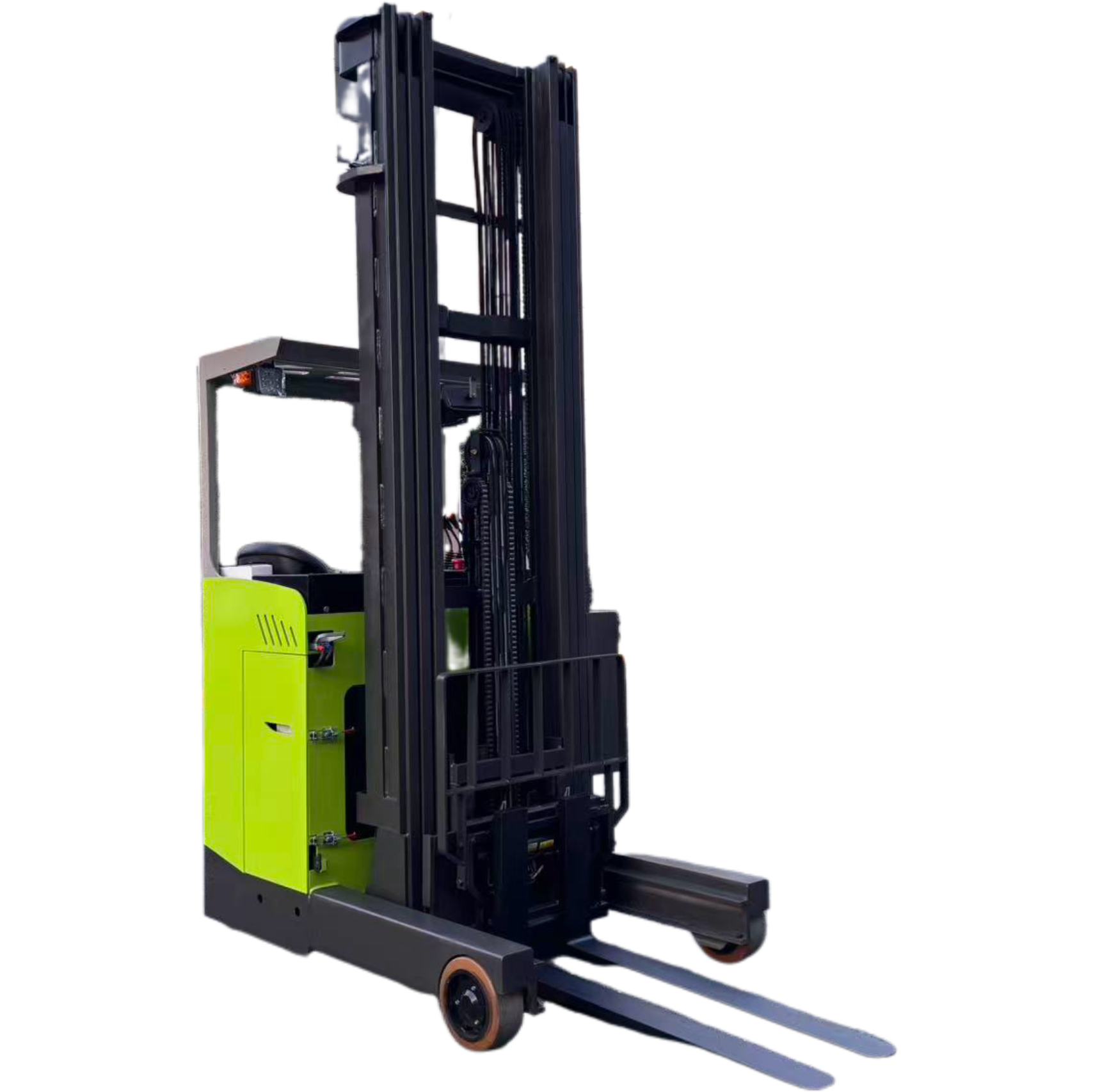
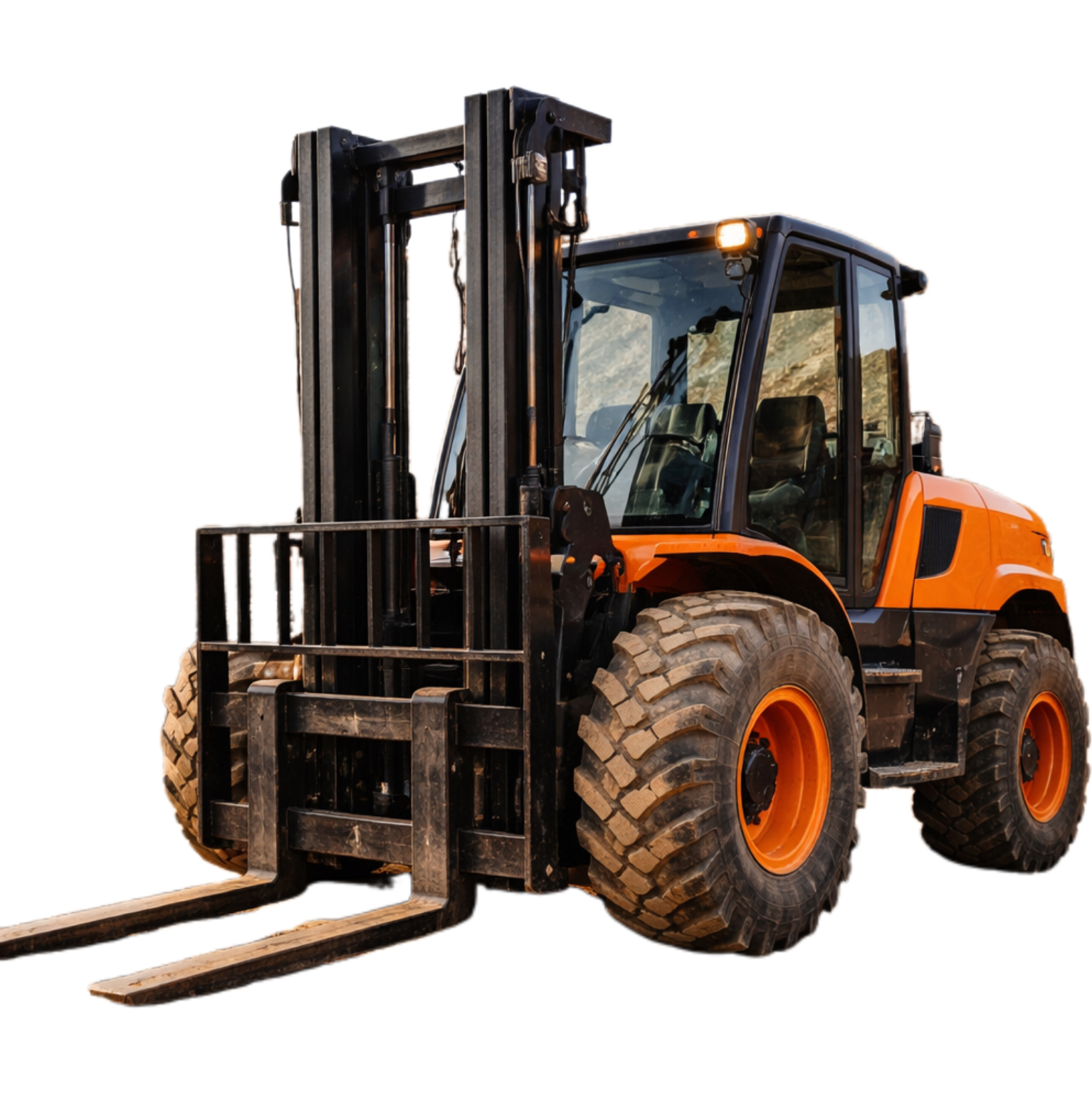


With the booming development of the global cold chain logistics industry, driven by factors such as the expansion of e-commerce fresh food business, the upgrading of pharmaceutical cold chain supervision, and the improvement of residents' demand for high-quality perishable goods, the demand for professional handling equipment in low-temperature environments is soaring. As the core equipment for material handling in cold chain warehouses, special electric forklifts have gradually replaced traditional internal combustion forklifts and ordinary electric forklifts due to their advantages of zero emissions, low noise, and energy conservation. However, the harsh low-temperature environment (usually -10℃ to -30℃) also puts forward strict technical requirements for special electric forklifts. While facing multiple technical difficulties, this segment also ushered in huge market opportunities. Data shows that the global cold chain logistics market scale will exceed 4 trillion yuan in 2025, and the penetration rate of special electric forklifts in cold chain warehouses is only 28%, indicating broad room for growth.
I. Core Technical Difficulties: Challenges Posed by Low-Temperature Environments
The low-temperature, high-humidity, and even corrosive environment of cold chain logistics has become a key constraint on the performance of special electric forklifts. Compared with ordinary electric forklifts used in normal temperature environments, special electric forklifts for cold chain need to break through multiple technical bottlenecks in battery performance, hydraulic systems, structural materials, and intelligent control.
1. Battery Performance Degradation in Low Temperature: The Primary Technical Bottleneck
Lithium batteries, the core power source of electric forklifts, are extremely sensitive to low temperatures. In an environment of -20℃, the capacity of ordinary lithium batteries will drop by more than 30%, and the charging efficiency will decrease significantly—taking 2-3 times longer than normal temperature to complete charging, which seriously affects the all-day operation needs of cold chain warehouses with high turnover. More critically, low-temperature charging and discharging will accelerate the aging of battery cells, reducing the service life of lithium batteries from the normal 3-5 years to 1.5-2 years, greatly increasing the operating costs of enterprises. To solve this problem, enterprises need to develop low-temperature-resistant lithium battery materials and equip batteries with efficient thermal insulation and heating systems, which significantly increases the R&D and production costs.
2. Hydraulic System Failure Under Low Temperature
The hydraulic system is responsible for the lifting and lowering of forklift forks, and its stability directly determines the handling efficiency. In low-temperature environments, ordinary hydraulic oil will thicken or even solidify, leading to increased resistance in the hydraulic system, slow operation of the forks, and even jamming. At the same time, the sealing rings, hoses, and other components in the hydraulic system are prone to brittle cracking due to low temperatures, resulting in oil leakage and other failures. Therefore, special electric forklifts for cold chain must use low-temperature-resistant hydraulic oil (applicable to -40℃) and high-performance sealing materials such as fluororubber, and optimize the hydraulic system structure to ensure smooth operation in ultra-low temperature environments.
3. Reliability Problems of Structural Materials and Components
The low-temperature environment will also affect the mechanical properties of the forklift's body structure and components. Ordinary steel materials will become brittle at low temperatures, reducing their impact resistance and easily causing structural damage; plastic components such as instrument panels and handles are prone to cracking; electrical components such as sensors and connectors are also facing the risk of performance failure due to low temperatures. For example, the laser radar and visual sensors equipped on intelligent forklifts will have reduced detection accuracy in low-temperature and high-humidity environments, affecting the effect of automatic path planning and obstacle avoidance. To address these issues, enterprises need to use low-temperature-resistant alloy materials for the body and select electrical components that meet IP67 and other high-protection level standards, which further raises the technical threshold.
4. Difficulty in Adapting Intelligent Functions to Low-Temperature Scenarios
With the development of refined cold chain logistics, intelligent functions such as automatic navigation, precise positioning, and data interconnection have become the development trend of special electric forklifts. However, the low-temperature and high-humidity environment in cold chain warehouses brings great challenges to the stable operation of intelligent systems. The fog and frost generated in the warehouse will interfere with the signal transmission of 5G and WiFi, making real-time data interaction between forklifts and the warehouse management system (WMS) difficult. In addition, the low-temperature environment will also affect the accuracy of GPS/Beidou positioning, with positioning errors increasing by more than 50% compared with normal temperature, which cannot meet the demand for precise handling of high-value goods such as pharmaceuticals.
II. Market Opportunities: Broad Prospects Driven by Multiple Factors
Despite numerous technical difficulties, the special electric forklift market for cold chain logistics is ushering in a golden development period driven by the growth of the cold chain industry, policy support, and the replacement of traditional equipment. The huge market demand is becoming a strong driving force for technological breakthroughs.
1. Rapid Growth of the Cold Chain Industry: The Core Driving Force for Market Demand
The global cold chain logistics industry is maintaining a high growth rate. Data shows that from 2020 to 2025, the compound annual growth rate of the global cold chain logistics market will reach 12.5%. In China, the cold chain logistics market scale will reach 584 billion yuan in 2024, with a year-on-year growth of 10.2%. The continuous expansion of cold chain warehouses—especially the rapid increase in the number of ultra-low temperature cold storage (-25℃ to -30℃) for frozen food and pharmaceuticals—has directly driven the demand for special electric forklifts. It is estimated that by 2026, the demand for special electric forklifts in China's cold chain logistics industry will exceed 50,000 units, with a market scale of more than 15 billion yuan.
2. Policy Support for Green Logistics: Creating Favorable Market Environment
Countries around the world have introduced policies to promote the development of green logistics, which provides strong policy support for the popularization of special electric forklifts for cold chain. In China, the "14th Five-Year Plan for the Development of Cold Chain Logistics" clearly proposes to "promote the electrification of handling equipment in cold chain warehouses" and includes special electric forklifts in the scope of new energy equipment subsidies. Enterprises purchasing special electric forklifts can enjoy a purchase subsidy of up to 15%. In Europe, the EU's "Green Deal" requires that all indoor handling equipment in logistics enterprises be zero-emission by 2030, which will accelerate the replacement of traditional internal combustion forklifts in cold chain warehouses by special electric forklifts.
3. Disadvantages of Traditional Equipment: Providing Replacement Space for Special Electric Forklifts
At present, many cold chain warehouses still use traditional internal combustion forklifts and ordinary electric forklifts, which have obvious disadvantages in low-temperature environments. Internal combustion forklifts emit exhaust gas during operation, which pollutes the cold chain environment and affects the quality of food and pharmaceuticals; their noise is as high as 85 decibels, which violates the environmental requirements of cold chain warehouses. Ordinary electric forklifts, as mentioned earlier, have problems such as poor battery performance and unstable hydraulic systems in low temperatures, which cannot meet the operation needs. The obvious shortcomings of traditional equipment provide a huge replacement space for special electric forklifts with better adaptability.
4. Upgrade of Cold Chain Refinement Requirements: Promoting the Popularization of Intelligent Forklifts
With the improvement of cold chain supervision standards (such as the GMP certification requirements for pharmaceutical cold chain), enterprises have higher requirements for the refinement of warehousing operations, such as real-time tracking of goods, precise control of handling processes, and traceability of operation data. Special electric forklifts equipped with intelligent functions such as laser SLAM navigation, Internet of Things (IoT) connection, and intelligent weighing can perfectly match these needs. For example, through the connection with the WMS system, intelligent special electric forklifts can automatically complete the inbound and outbound handling of goods, and upload operation data in real time, which improves the efficiency of cold chain warehouse operations by more than 30% and reduces the error rate to less than 0.1%.
III. Enterprise Practices: Breaking Through Technical Difficulties and Seizing Market Opportunities
Faced with the huge market opportunities, domestic and foreign leading forklift enterprises have increased R&D investment, launched special electric forklift products for cold chain, and achieved preliminary breakthroughs in solving technical difficulties.
Domestically, BYD has launched a special electric forklift for cold chain equipped with a low-temperature-resistant lithium iron phosphate battery. This battery uses a composite thermal insulation material and an intelligent heating system, which can maintain 85% of the normal capacity at -20℃ and has a service life of more than 3 years. Hangcha Group has developed a cold chain special AGV forklift, which uses a dual-mode navigation system of laser SLAM and visual navigation to ensure that the positioning error is less than 5mm in low-temperature and high-humidity environments. It has been applied in the cold chain warehouses of Sinopharm Group and Hema, improving the operation efficiency by 45%.
Internationally, Jungheinrich has launched a narrow-aisle special electric forklift for cold chain, which uses low-temperature-resistant hydraulic oil and fluororubber sealing rings, and can operate stably at -30℃. Its intelligent energy recovery system can convert the kinetic energy generated during braking into electrical energy, increasing the battery life by 20%. Toyota has developed a hydrogen fuel cell special electric forklift for cold chain, which has the advantages of fast refueling (only 3 minutes) and long battery life (400 kilometers), solving the problem of long charging time of lithium batteries in cold chain warehouses, and has been applied in European frozen food warehouses.
IV. Future Outlook: Technological Innovation Promotes High-Quality Development
Looking forward to the next 3-5 years, the special electric forklift market for cold chain logistics will continue to maintain a high growth trend, and technological innovation will be the core driving force for industry development. In terms of battery technology, the commercialization of solid-state batteries and sodium-ion batteries will further improve the low-temperature performance of batteries, reducing the capacity loss at -20℃ to less than 10%. In terms of intelligent technology, the integration of AI and digital twin technology will enable forklifts to predict potential failures in advance and optimize operation paths in real time, further improving the stability and efficiency of intelligent functions in low-temperature environments.
In terms of market expansion, with the acceleration of rural cold chain construction and the rise of cross-border cold chain logistics, special electric forklifts will penetrate into more sinking markets and overseas markets. It is expected that by 2030, the penetration rate of special electric forklifts in global cold chain warehouses will exceed 60%, and Chinese enterprises will rely on cost advantages and technological innovation to further expand their share in the international market.
Conclusion
The special electric forklift for cold chain logistics is a key product that matches the development of the cold chain industry and the trend of green and intelligent transformation. Although it faces technical difficulties such as low-temperature battery performance degradation, hydraulic system failure, and intelligent function adaptation, it also has broad market opportunities driven by the growth of the cold chain industry and policy support. For enterprises, seizing market opportunities, focusing on technological innovation to break through core technical bottlenecks, and launching scenario-specific products will be the key to winning the competition. In the future, with the continuous advancement of technology and the continuous expansion of the market, special electric forklifts will play an increasingly important role in the cold chain logistics industry, helping to improve the efficiency and quality of cold chain operations and promoting the high-quality development of the global cold chain logistics industry.
Our manager will contact you shortly.
To contact you about our products and services.


Copyright © Xingtai Beiqiang Machinery Manufacturing Factory. 2025.
Technical support:Echola