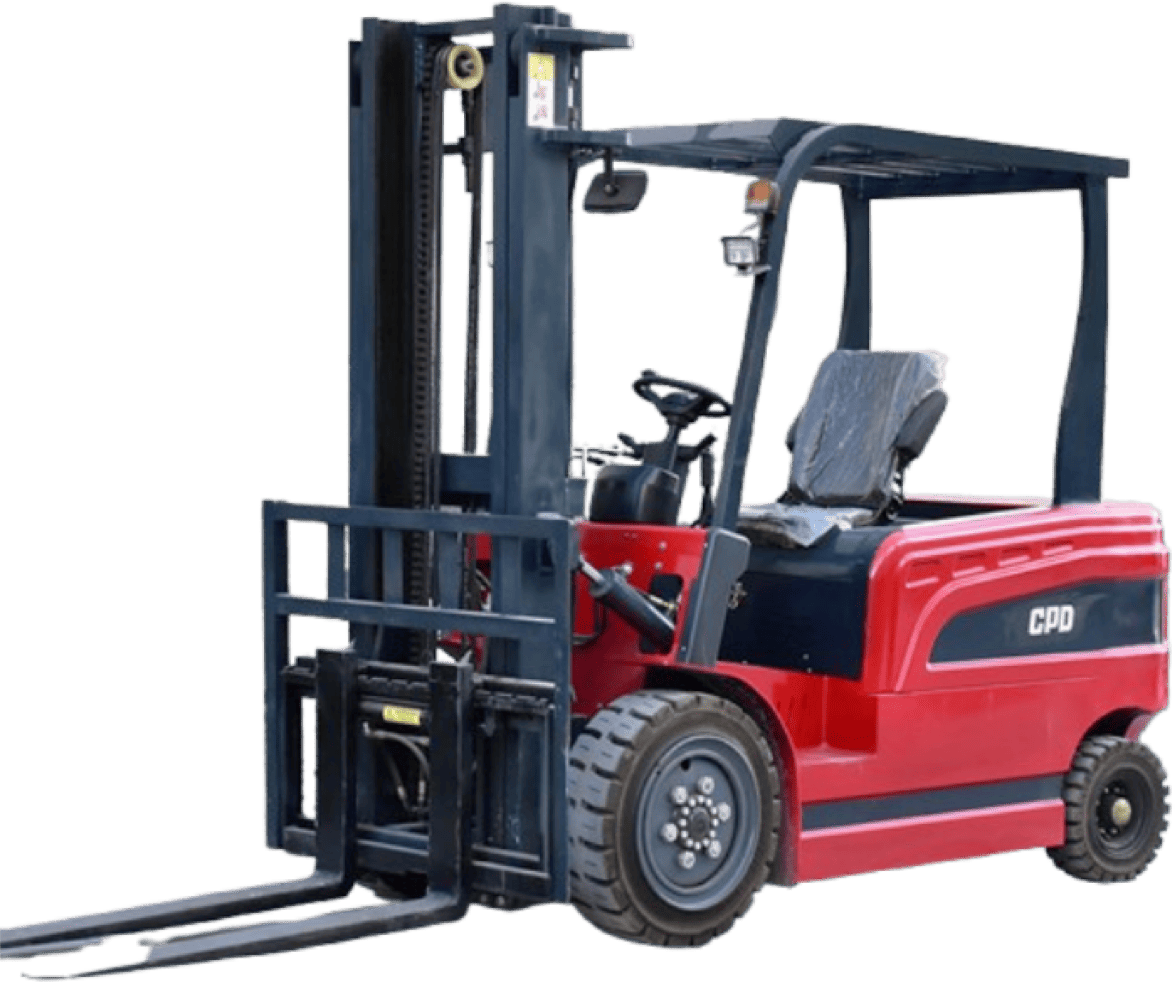
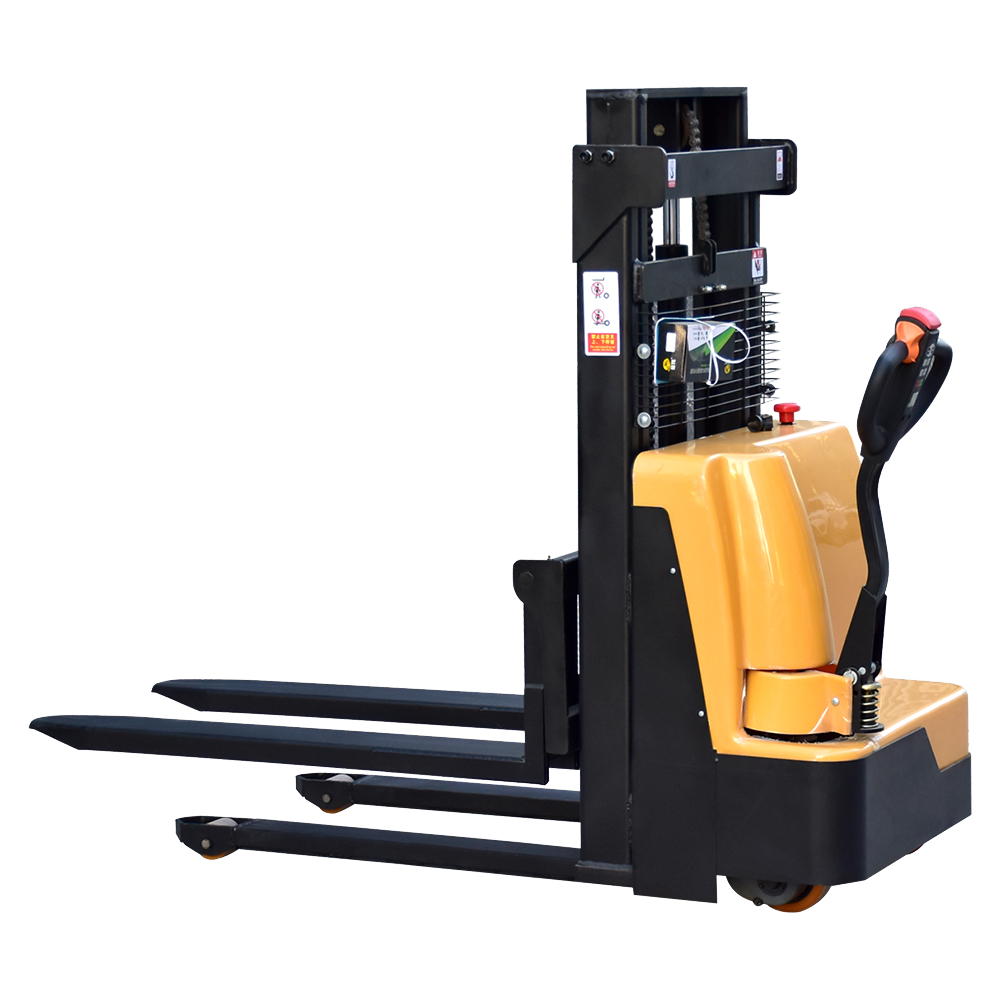
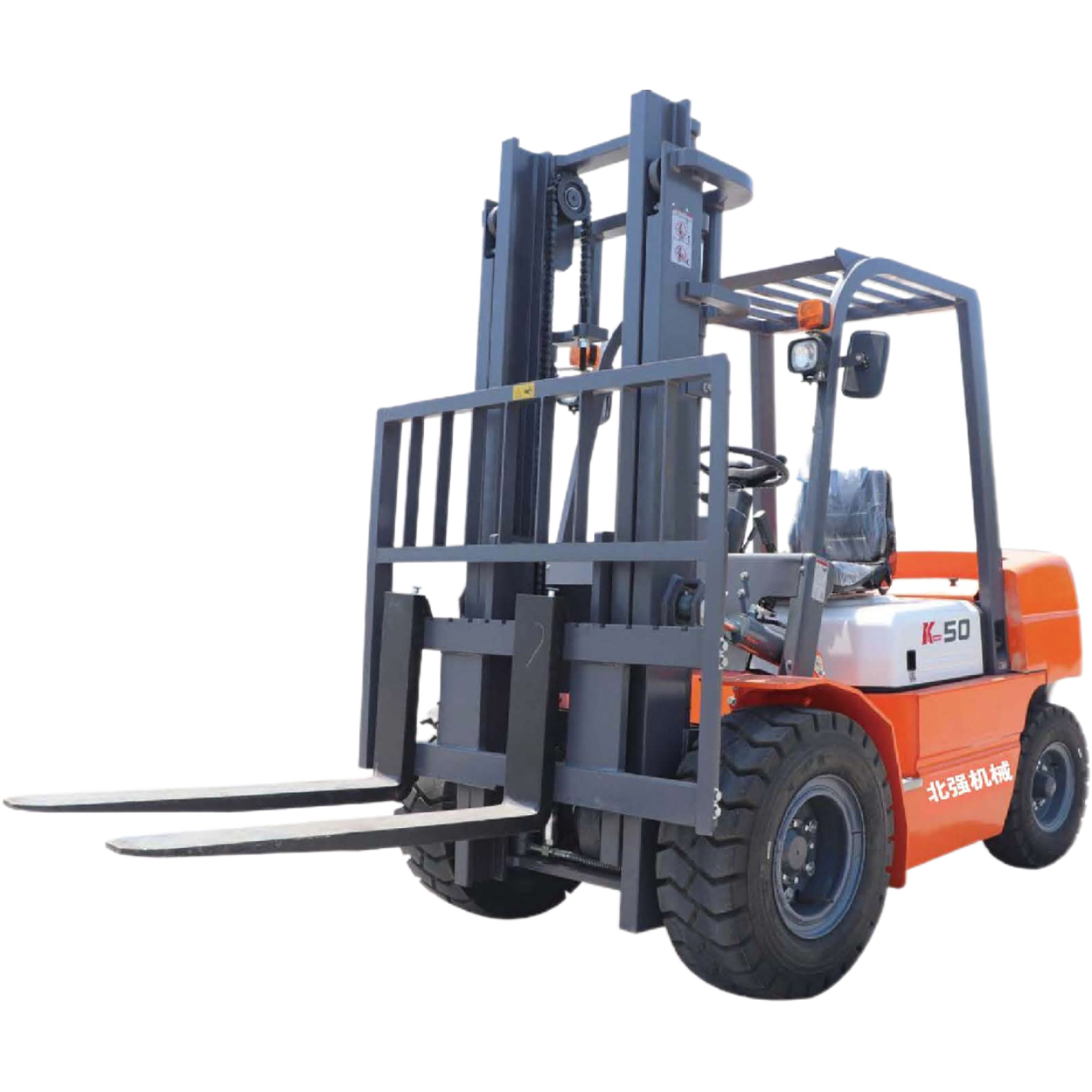
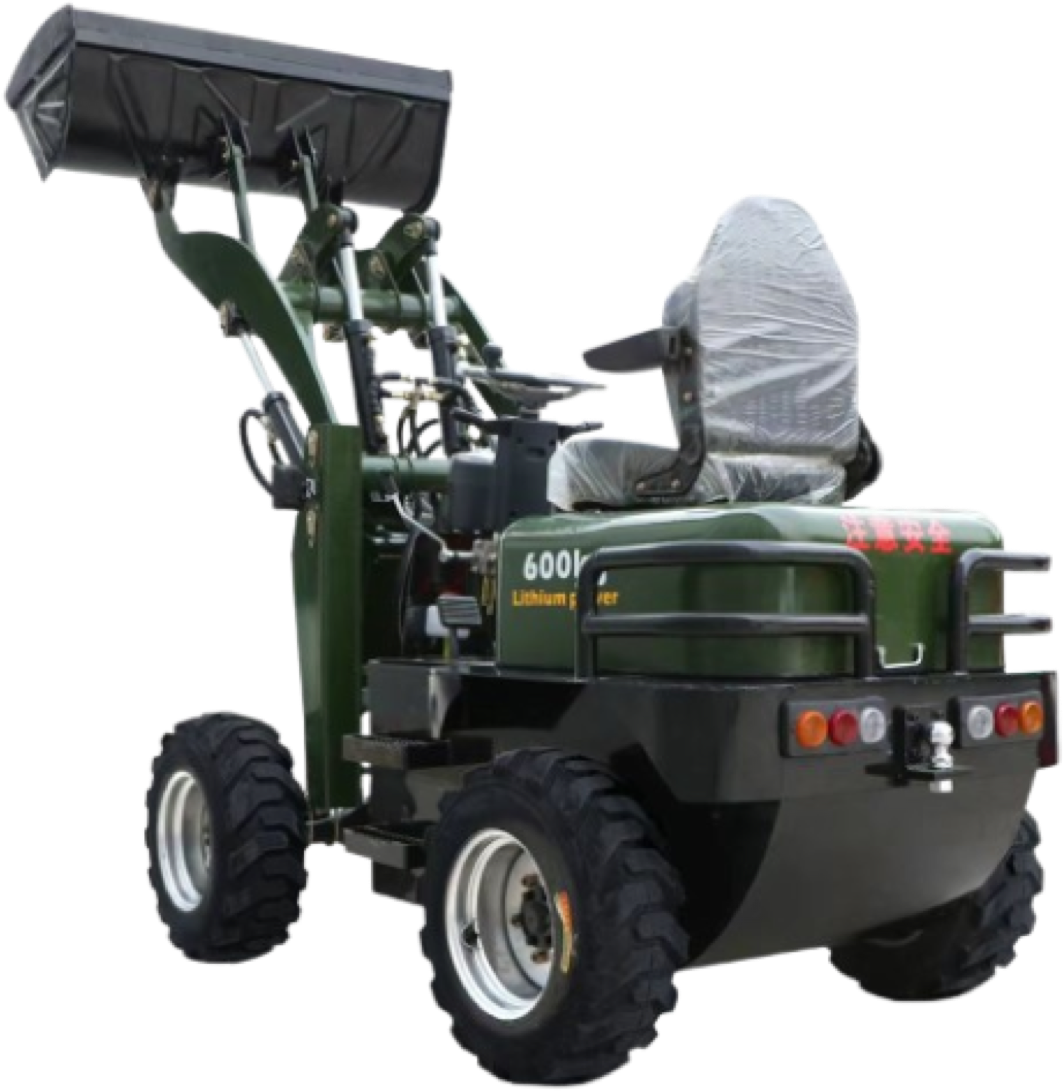
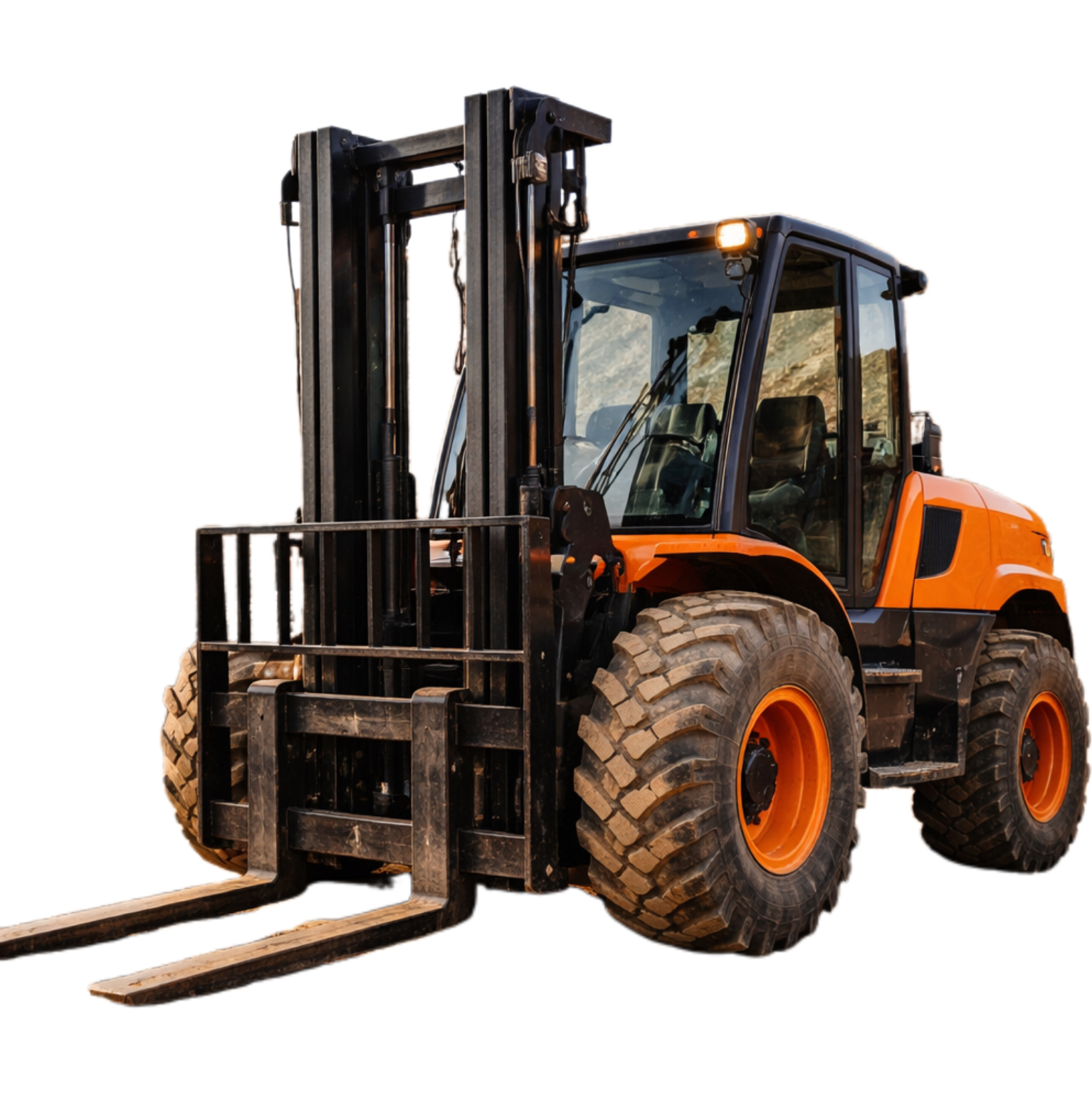


With the rapid development of industries such as e-commerce retail, cold chain logistics, and pharmaceutical warehousing, the logistics industry is transforming from "large-scale expansion" to "refined operation". Under this trend, traditional large forklifts are difficult to adapt to light handling scenarios with narrow aisles, small spaces, and high frequencies. In contrast, small electric forklifts, with their advantages of flexibility, high efficiency, environmental protection, and easy operation, have quickly become "must-have equipment" for refined logistics. Data shows that in 2025, the sales volume of domestic small electric forklifts (rated lifting capacity ≤ 2 tons) increased by 35% year-on-year, accounting for more than 50% of the total sales of electric forklifts, and the market scale is expected to reach 22 billion yuan; among them, the growth rate of warehousing small electric forklifts is particularly rapid, with an annual growth rate exceeding 40%, and a logistics equipment revolution centered on "small and refined" is unfolding.
I. Behind the Rise: Three Core Factors Driving the Explosion of Small Electric Forklifts
The market rise of small electric forklifts is not accidental, but the result of the joint action of three core factors: the upgrading of market demand, the guidance of policy orientation, and the support of technological iteration, which accurately meets the transformation pain points of the current logistics industry.
1. Surging Demand for Refined Logistics, Spawning Gaps in Scenario-Specific Equipment
The "fragmented orders" and "high-frequency sorting" needs of the e-commerce industry, as well as the requirements for "narrow-space operations" and "precision temperature control" in industries such as cold chain and pharmaceuticals, have highlighted the shortcomings of traditional large forklifts. Taking e-commerce warehousing as an example, to improve space utilization, the distance between warehouse shelves has been continuously reduced to 2-3 meters, making it difficult for traditional forklifts to turn; while the minimum turning radius of small electric forklifts is only 1.5-2 meters, which can easily shuttle between narrow aisles. At the same time, the demand for light handling from small and micro enterprises has exploded. Most of the goods of these enterprises weigh between 0.5-2 tons, and they are more sensitive to the purchase cost and operating cost of equipment. The low-cost advantage of small electric forklifts exactly matches their needs, making them the first choice for small and micro enterprises to carry out "oil-to-electricity" transformation.
2. Precise Policy Empowerment, Reducing Industry Entry Thresholds
Driven by the global "dual carbon" goals and domestic green transformation policies, small electric forklifts, as an important category of low-carbon equipment, have obtained multi-level policy support. At the national level, new energy forklifts are included in the scope of equipment renewal subsidies, and small and micro enterprises purchasing small electric forklifts can enjoy a purchase subsidy of up to 15%; at the local level, regions such as Zhejiang and Guangdong have launched supporting subsidies for "small electric forklifts + charging piles" for warehousing and logistics enterprises, further reducing the operating costs of enterprises. In addition, the upgrading of policies on non-road machinery emission standards has gradually phased out traditional small internal combustion forklifts, freeing up broad market space for small electric forklifts.
3. Technological Iteration and Upgrading, Solving Core Usage Pain Points
The popularization of lithium battery technology and intelligent upgrading have completely rid small electric forklifts of the pain points of traditional lead-acid batteries such as "short battery life and difficult maintenance". Current mainstream small electric forklifts adopt lithium batteries, with a battery life of 8-12 hours, which can meet the needs of all-day operations, and the charging time is shortened to 2-3 hours, with a cycle life of more than 3,000 times; the application of high-energy-density battery cells from enterprises such as REPT LITHIUM ENERGY allows small electric forklifts to maintain a compact body while increasing the load capacity to 2 tons. At the same time, the decentralization of intelligent technology makes small electric forklifts more suitable for refined management. For example, small AGV forklifts equipped with simple navigation systems can realize automatic path planning and precise docking, with an operation error of ≤ 5mm, greatly improving handling efficiency.
II. Core Advantages: How Do Small Electric Forklifts Adapt to Refined Logistics?
The rise of small electric forklifts lies in their precise matching of the core needs of refined logistics for "high efficiency, flexibility, precision, and environmental protection", forming four irreplaceable advantages:
1. Flexible and Compact, Adapting to Diverse Narrow-Space Scenarios
The height of small electric forklifts is generally less than 2 meters, the width is ≤ 1.2 meters, and the minimum turning radius is 1.5-2.5 meters, which can easily adapt to scenarios that are difficult for traditional forklifts to enter, such as narrow aisles in e-commerce warehousing, mezzanines in pharmaceutical cold storage, and workshops of small and micro enterprises. For example, the "Little King Kong" electric walk-behind forklift from Zhongli Co., Ltd. has a body length of only 1.8 meters and can turn freely in a 1.8-meter-wide aisle, greatly improving warehouse space utilization and saving more than 30% of the operation space compared with traditional forklifts.
2. Precise and Efficient, Improving Refined Operation Levels
To meet the "high-frequency and high-precision" operation needs of refined logistics, small electric forklifts are equipped with precise hydraulic control systems and electronic steering systems, which can realize stable lifting and lowering of goods and precise docking, effectively reducing the damage rate of goods. In e-commerce sorting centers, the operation efficiency of small electric forklifts is 2-3 times higher than that of manual labor, and a single piece of equipment can replace 3-5 porters; some models equipped with intelligent weighing systems can also feedback the weight of goods in real time, helping with precise inventory management.
3. Environmentally Friendly and Low-Noise, Adapting to Indoor Enclosed Scenarios
The advantages of zero emissions and low noise (operating noise ≤ 65 decibels) of small electric forklifts make them the ideal choice for scenarios with strict environmental requirements such as indoor warehousing, pharmaceutical workshops, and food cold chains. Compared with traditional internal combustion forklifts, small electric forklifts have no exhaust emissions, which can avoid polluting the warehousing environment and goods; the low-noise feature improves the workshop operation environment, meets the requirements of enterprise safe production and employee occupational health, and the penetration rate in the pharmaceutical warehousing field has reached more than 60%.
4. Low-Cost Operation, Meeting the Needs of Small and Micro Enterprises
The purchase cost of small electric forklifts is only 1/3-1/2 of that of large electric forklifts, and they have significant operating cost advantages. Calculated based on 8 hours of daily operation, the daily electricity cost of small electric forklifts is only 5-8 yuan, saving more than 80 yuan compared with the daily fuel cost of traditional internal combustion forklifts; at the same time, lithium batteries have low maintenance costs, no need to regularly replace oil, filters and other accessories, and the annual maintenance cost is less than 1,000 yuan, which is 70% lower than that of internal combustion forklifts. In addition, the leasing model launched by some enterprises allows small and micro enterprises to use small electric forklifts at a cost of several hundred yuan per month, further reducing the entry threshold.
III. Typical Application Scenarios: Comprehensive Penetration into Refined Logistics from Warehousing to Workshops
Today, small electric forklifts have fully penetrated into various links of refined logistics, becoming core equipment for different industries to improve operational efficiency, and typical application scenarios show diversified characteristics:
1. E-Commerce Warehousing: Narrow Aisle Sorting and Replenishment
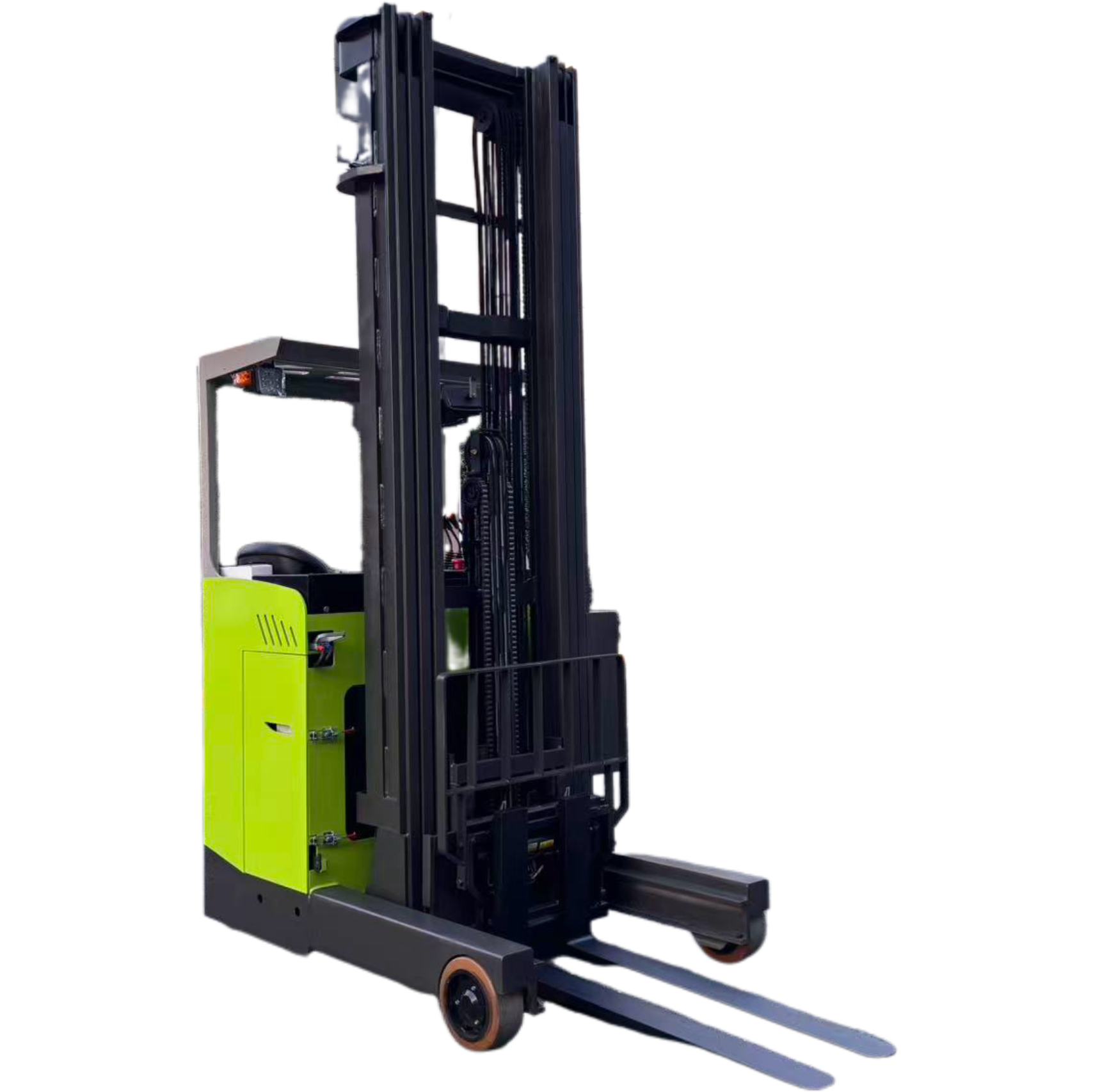
In large warehousing centers of e-commerce platforms such as JD.com and Tmall, small electric forklifts (especially reach trucks and stackers) are responsible for replenishment and sorting operations of narrow-aisle shelves. These models can be lifted to a height of 4-6 meters, adapting to the storage needs of high-rise shelves, and realizing "goods-to-person" precise distribution in conjunction with intelligent warehousing systems, improving the operation efficiency of a single warehouse by more than 45%. In 2025, the purchase volume of small electric forklifts in the e-commerce industry increased by 42% year-on-year, becoming the largest application field.
2. Cold Chain Logistics: Light Handling in Low-Temperature Environments
The low-temperature environment of cold chain logistics has extremely high requirements for the low-temperature resistance of equipment. By optimizing battery thermal insulation technology and hydraulic systems, small electric forklifts can operate stably in cold storage at -30℃. In the cold chain warehousing centers of Hema and MissFresh, small electric forklifts are responsible for the loading, unloading and transshipment of frozen food. The zero-emission feature avoids pollution of the cold chain environment by the exhaust gas of internal combustion forklifts, and the low-noise operation will not affect the quality of food storage.
3. Pharmaceutical Warehousing: Precise Operations in Clean Environments
The pharmaceutical industry has strict requirements for the cleanliness, temperature and humidity control of the warehousing environment. Small electric forklifts have become the standard configuration for pharmaceutical warehousing due to their advantages of no exhaust gas, low noise and easy cleaning. In the warehousing centers of Sinopharm Group and Shanghai Pharmaceuticals, small electric forklifts are equipped with anti-static tires and clean hydraulic systems, which can operate in GMP-certified workshops, accurately complete the loading and unloading of drugs, and control the goods damage rate below 0.1%.
4. Small and Micro Enterprise Workshops: Light Material Transfer
In the workshops of small and micro enterprises in the Yangtze River Delta and Pearl River Delta, small electric walk-behind forklifts and electric stackers are widely used for light transfer of raw materials and semi-finished products. These equipment are simple to operate, do not require a professional driver's license, and ordinary workers can get started after simple training; the compact body can freely shuttle between the gaps of workshop equipment, effectively improving workshop logistics efficiency and reducing labor costs, and has become a "powerful assistant" for the transformation and upgrading of small and micro enterprises.
IV. Enterprise Practices: Scenario-Specific Layout and Innovation of Leading Players
Faced with the market opportunities of small electric forklifts, domestic and foreign enterprises have increased R&D investment and launched scenario-specific products, forming a competitive pattern of "local enterprises winning by cost performance and international brands making high-end breakthroughs".
Among local enterprises, Zhongli Co., Ltd. has stood out with its "Little King Kong" series of small electric forklifts. With "compact flexibility and high cost performance" as the core selling points, the product has a minimum turning radius of only 1.5 meters and a load capacity of 1.5 tons, adapting to various narrow-space scenarios. In 2025, its sales accounted for 21.89% of the domestic small electric forklift market, and export income accounted for more than 50%. At the same time, Zhongli Co., Ltd. launched a "lease-to-purchase" model to reduce the purchase threshold for small and micro enterprises and further expand its market share.
Hangcha Group focuses on the field of small intelligent electric forklifts. The launched small AGV forklifts are equipped with laser SLAM navigation systems, which can realize automatic obstacle avoidance and precise docking, adapting to the high-frequency sorting needs of e-commerce warehousing. In 2025, the sales volume of this series of products increased by 55% year-on-year. In terms of international brands, Jungheinrich launched narrow-aisle small electric forklifts with a maximum lifting height of 12 meters, equipped with intelligent energy recovery systems, which increased the battery life by 20%, occupying an advantage in the high-end pharmaceutical and cold chain warehousing markets; Toyota's small lithium battery forklifts take long-life batteries as the core selling point, with a cycle life of more than 5,000 times, attracting a large number of enterprises that focus on long-term operating costs.
V. Future Outlook: Technological Upgrading and Scenario Expansion Open Up Growth Space
Looking forward to the next 3-5 years, the small electric forklift market will continue to maintain a high growth trend, and technological upgrading and scenario expansion will become the core growth engines. At the technical level, the application of solid-state batteries and sodium-ion batteries will further improve battery life and reduce equipment weight; the in-depth integration of AI and Internet of Things technologies will enable small electric forklifts to have more precise independent decision-making capabilities, adapting to more complex refined operation scenarios.
At the scenario level, with the rise of emerging scenarios such as rural logistics and community group buying warehousing, small electric forklifts will penetrate into more sinking markets; in the overseas market, small and micro enterprises in regions such as Southeast Asia and Latin America have strong demand for low-cost logistics equipment. Relying on cost performance advantages, domestic small electric forklifts have huge export growth potential, and it is expected that the export volume ratio will increase to more than 30% by 2030. At the same time, the improvement of the battery recycling system and the popularization of charging facilities will further reduce the full-life cycle cost of small electric forklifts, promoting the continuous improvement of market penetration.
Conclusion
The market rise of small electric forklifts is an inevitable result of the refined transformation of the logistics industry, and a vivid manifestation of the green and low-carbon development trend. From narrow-aisle warehousing to small and micro enterprise workshops, from the domestic market to global layout, small electric forklifts are reshaping the operation mode of refined logistics with their "small and refined" advantages, becoming core equipment to improve logistics efficiency and reduce operating costs. In the future, with continuous technological iteration and scenario expansion, the small electric forklift market will usher in greater growth space, injecting strong momentum into the high-quality development of the logistics industry. For enterprises, grasping scenario-specific needs and focusing on technological innovation will be the key to standing out in the small electric forklift market competition.
Our manager will contact you shortly.
To contact you about our products and services.


Copyright © Xingtai Beiqiang Machinery Manufacturing Factory. 2025.
Technical support:Echola