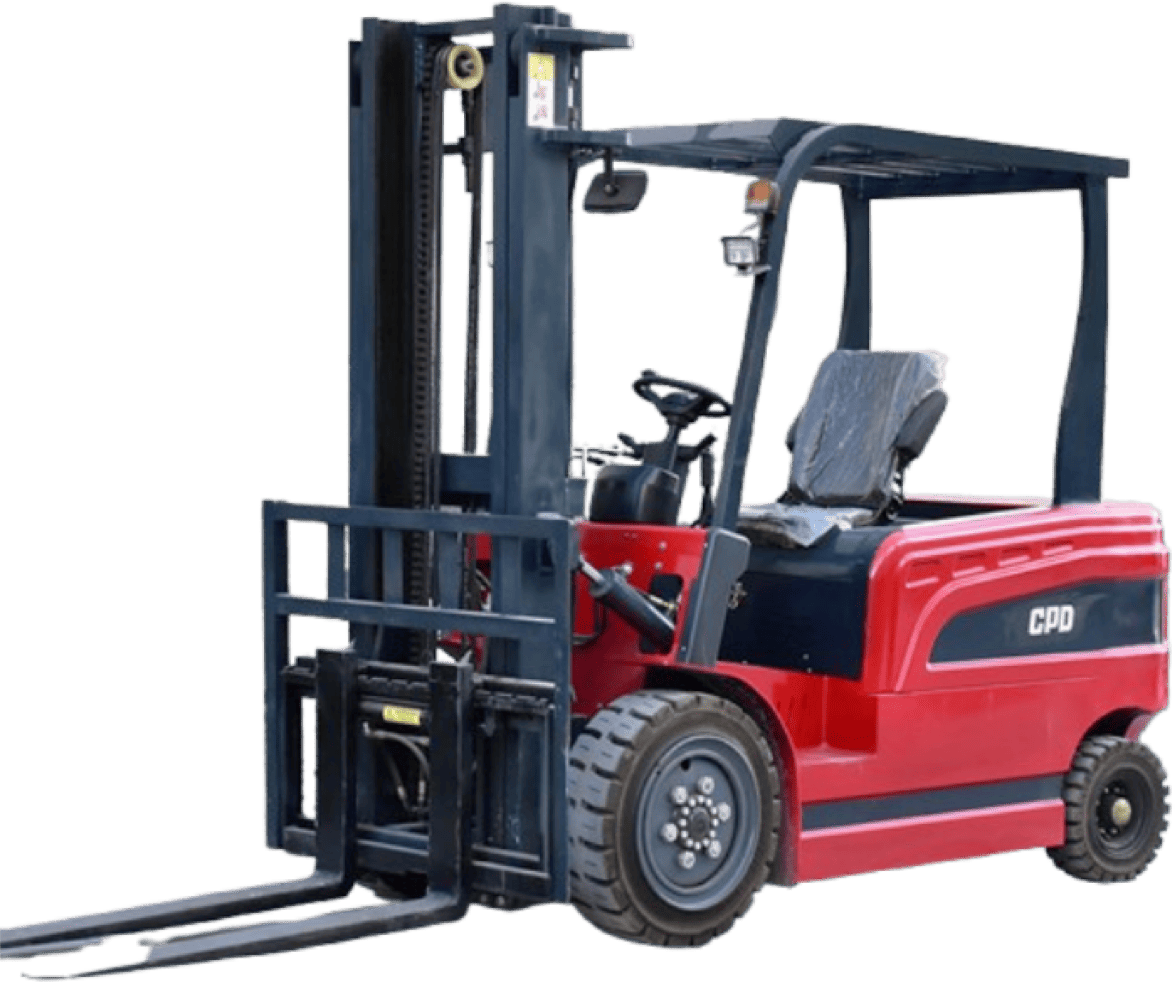
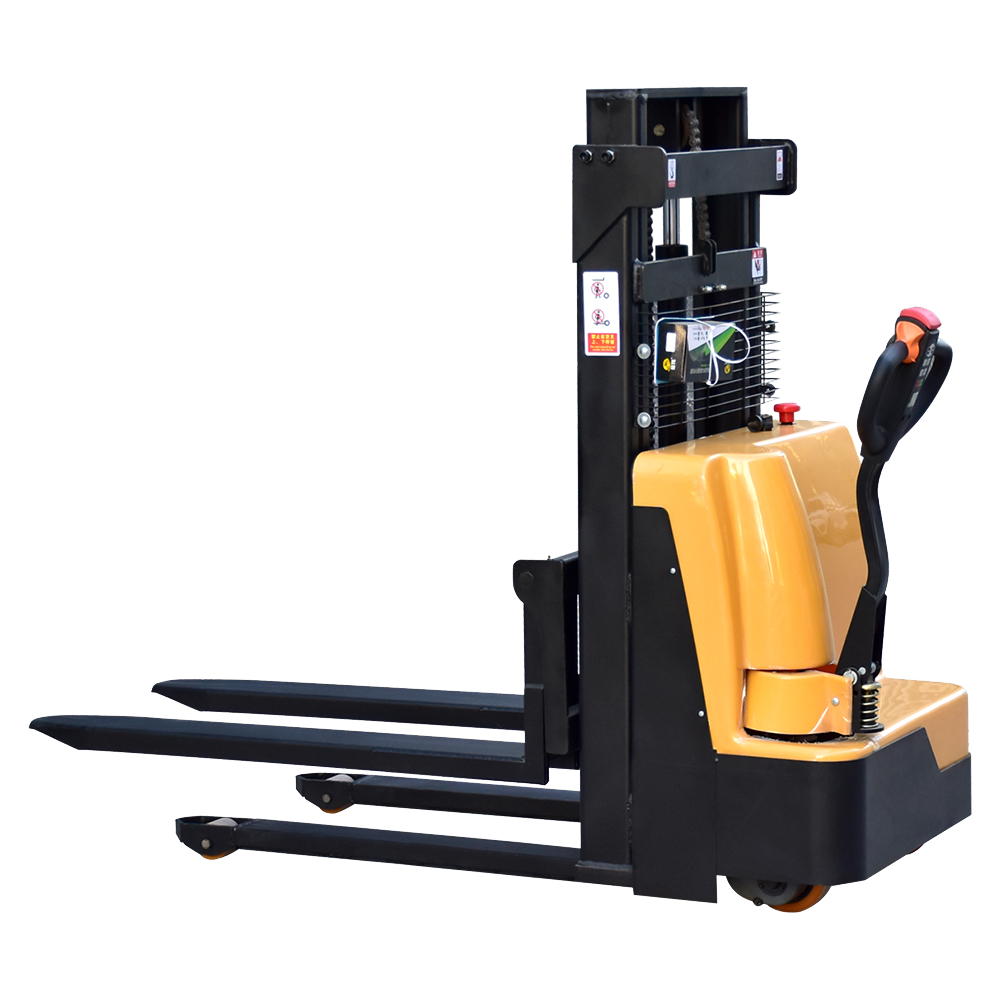
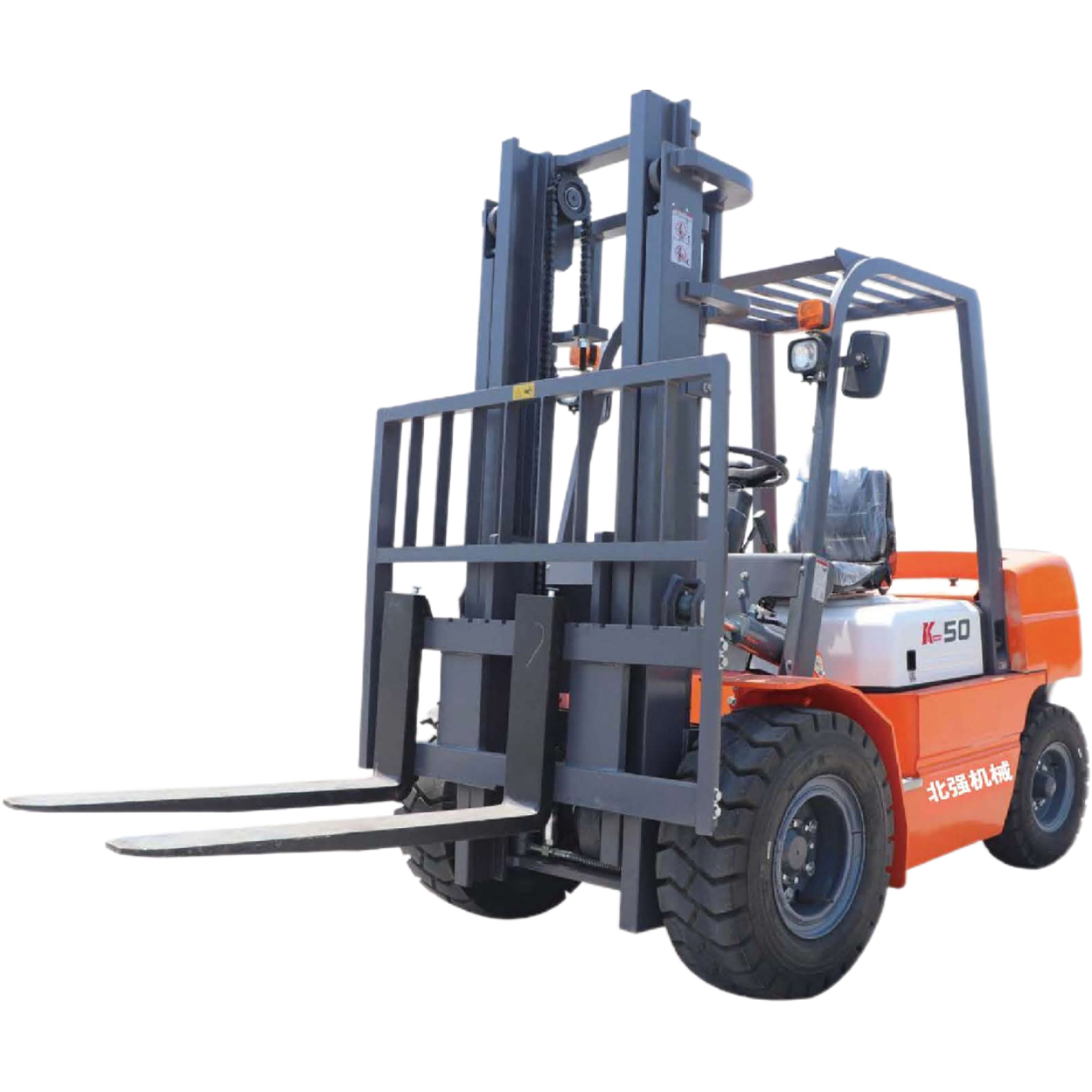
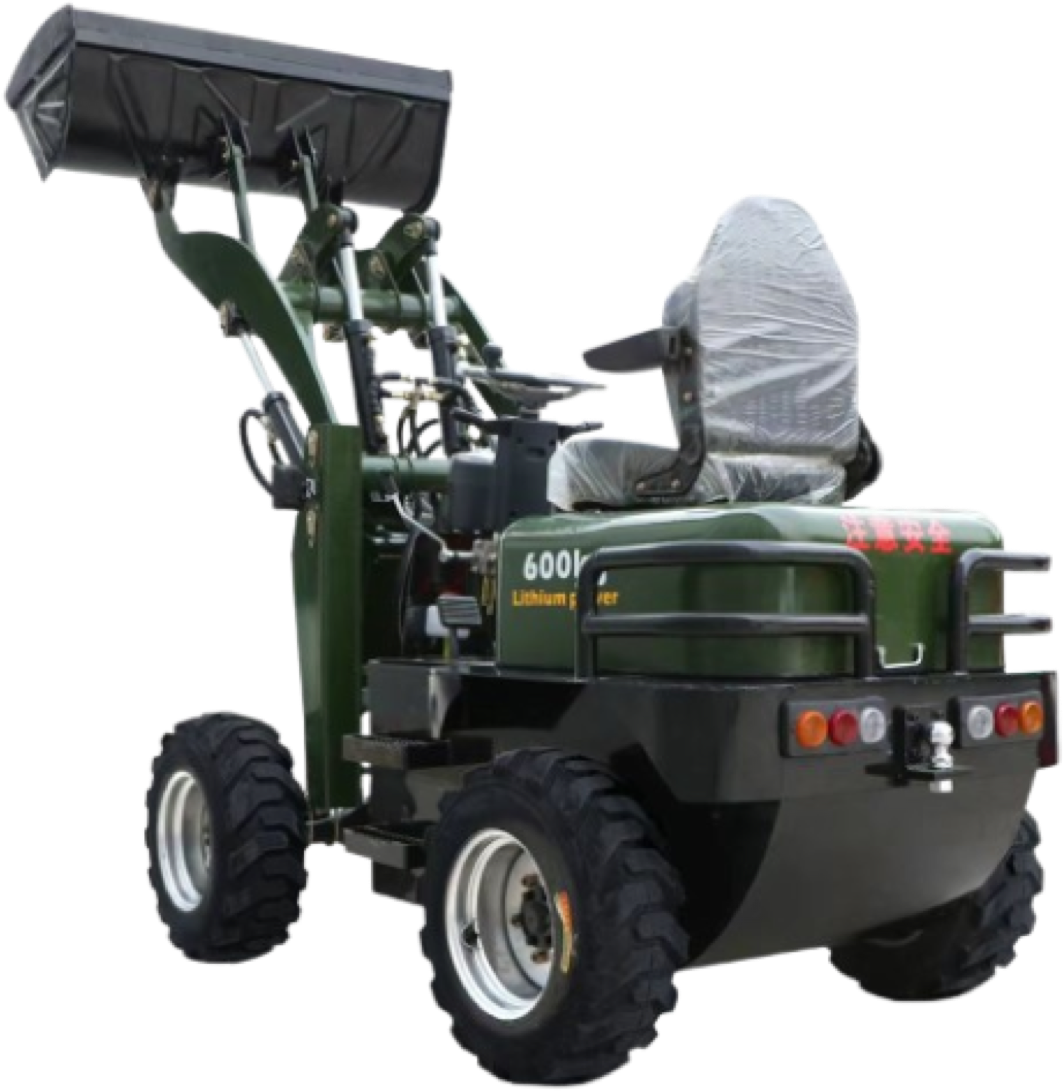
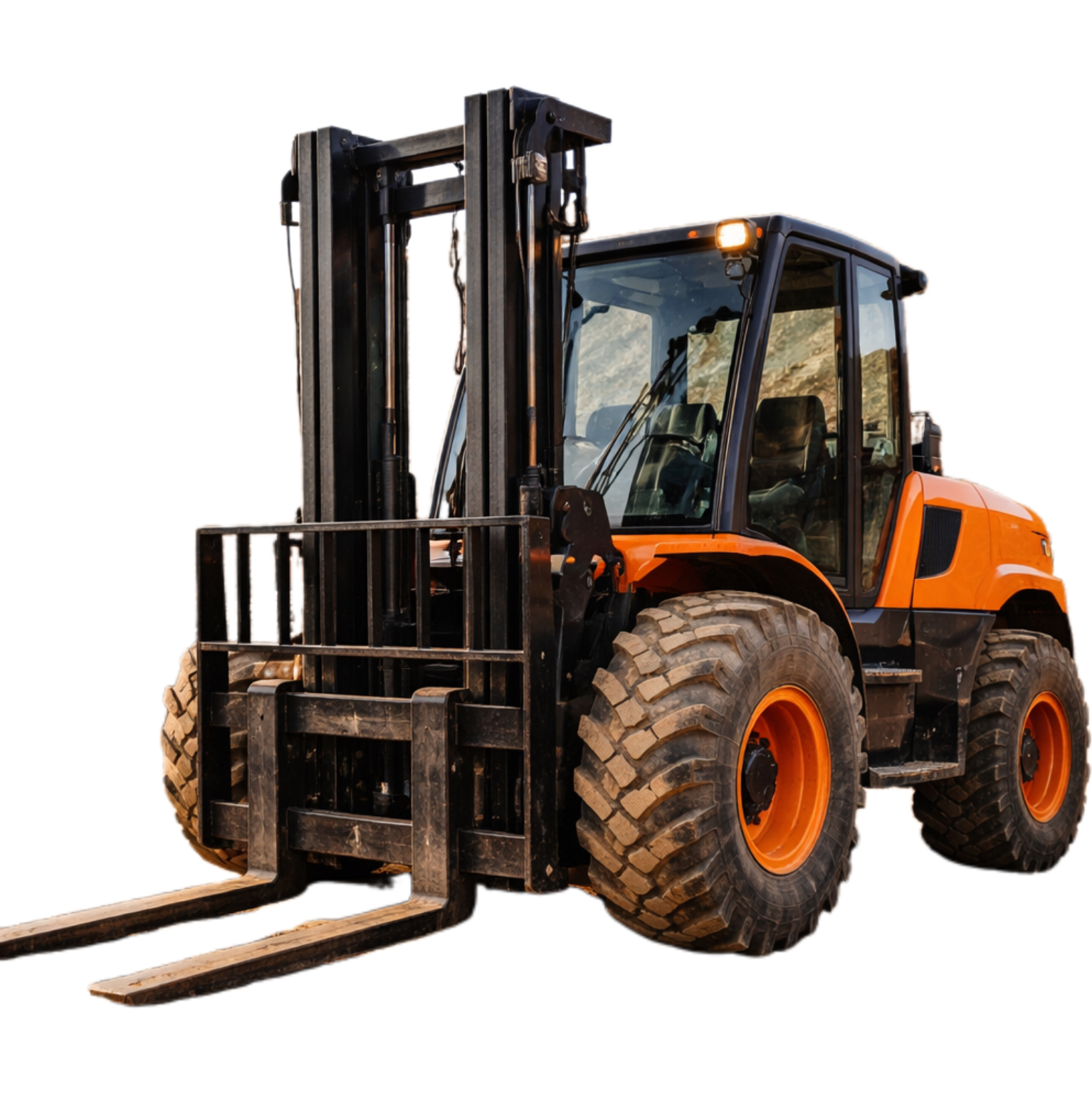


Amid the dual waves of the accelerated global implementation of the "dual carbon" goals and domestic industrial upgrading, the electric forklift industry is ushering in an unprecedented period of policy dividends. From the strategic planning of national top-level design, to the precise local government subsidies for implementation, and to the green access rules in the international market, a multi-level policy combination has been continuously exerting force. It has not only completely activated the domestic market demand for electric forklifts, but also promoted the industry to achieve a leapfrog transformation from an "alternative choice" to a "mainstream standard configuration". Data shows that in 2024, the sales volume of electric forklifts in China surged by 28% year-on-year, accounting for 62% of the total sales volume; the market scale is expected to exceed 50 billion yuan in 2025, with an annual growth rate maintained above 15%, and a policy-driven period of explosive growth in the industry has already arrived.
I. Intensive Release of Policy Dividends: A Three-Tier Policy System Lays a Solid Foundation for Growth
The explosion of the electric forklift industry is not accidental, but an inevitable result of the coordinated efforts of three levels of policies: national, local and international. From strategic guidance to financial support, from standard constraints to market incentives, comprehensive policy support has cleared obstacles and injected momentum for the development of the industry.
1. National Level: Top-Level Design Defines Direction, and Increased Funding Strengthens Guarantees
The policy layout at the national level has defined a clear development path for the electric forklift industry. In terms of strategic planning, documents such as the "14th Five-Year Plan for the Development of Special Equipment Safety and Energy Conservation" and the "14th Five-Year Plan for Industrial Green Development" clearly regard the electrification of industrial vehicles as an important starting point for green transformation. They require that the carbon emission intensity of enterprises in key industries be reduced by 18% by 2025, and the emission standards for non-road machinery be fully upgraded, forcing internal combustion forklifts to withdraw from the market from the perspective of environmental constraints. The "Catalogue of Encouraged Industries in the Western Regions (2025 Edition)" issued by the National Development and Reform Commission has further included electric forklifts in the encouraged industries, providing policy dividends such as tax incentives and project support for relevant enterprises, and guiding industrial resources to gather in the field of electric forklifts.
Financial support has become a key pillar for the implementation of policies. In 2025, the "Notice on Strengthening and Expanding the Implementation of Large-Scale Equipment Renewal and Consumer Goods Trade-In Policies" jointly issued by the National Development and Reform Commission and the Ministry of Finance clearly increases the scale of funds for equipment renewal supported by ultra-long-term special national bonds, and includes new energy forklifts in the scope of support for high-end, intelligent and green equipment. This policy directly reduces the capital pressure of enterprises' "oil-to-electricity" transformation. According to industry experts' calculations, it is expected to drive a forklift equipment renewal market scale of over 10 billion yuan in the next three years. In addition, the improvement of the carbon emission trading system has also brought additional benefits to enterprises. The charger supporting a single intelligent electric forklift can achieve an annual carbon emission reduction benefit of 3,200 yuan, further enhancing enterprises' enthusiasm for purchasing.
2. Local Level: Precise Policies Promote Implementation, and Subsidies and Services Work Together
As the "last mile" for policy implementation, local governments have issued targeted measures to promote the popularization of electric forklifts. In terms of subsidy incentives, Rugao in Jiangsu, Xiuzhou in Zhejiang, Hubei and other regions have launched special subsidies for the elimination and replacement of old diesel forklifts. Enterprises that take the initiative to replace electric forklifts can receive a subsidy of 10%-15% of the purchase price, and some regions also provide additional support such as premium for old car recycling and interest-free installments. Through a combination of "policy promotion + on-site services + financial subsidies", Xiuzhou District of Zhejiang has promoted the elimination and replacement of 425 old forklifts. After local enterprises replaced electric forklifts, their average monthly energy costs decreased by more than 30%.
In addition to financial subsidies, local governments have also focused on solving supporting problems in the use of electric forklifts. The Market Supervision Bureau of Rugao, Jiangsu, in conjunction with power supply departments, provides enterprises with charging pile layout planning and installation services to break the bottleneck of "difficult charging"; major manufacturing provinces such as Hubei and Guangdong promote the construction of integrated optical-storage-charging stations in industrial parks, reducing the electricity cost of electric forklifts to 0.15 yuan/kWh, which greatly improves the operational economy of electric forklifts. Some regions have also established a three-dimensional promotion mechanism of "policy support + technical guidance + law enforcement supervision", and established electronic accounts of old forklifts through comprehensive inspections to ensure the orderly progress of elimination and replacement work.
3. International Level: Green Rules Build Barriers, and Export Markets Embrace Opportunities
The tightening of global environmental policies has created broad market space for the export of Chinese electric forklifts. The EU's "Green Deal" clearly requires that zero-emission vehicles account for a specific proportion of the new fleets of large enterprises by 2030. The non-road machinery Stage V emission standards implemented in 2025 require fuel forklifts to be equipped with particulate filters, resulting in a 20% increase in purchase costs, while electric forklifts can completely avoid compliance risks due to zero emissions. The US Inflation Reduction Act also provides tax credits for new energy industrial vehicles, further opening up the North American market.
Driven by policy dividends, the export of Chinese electric forklifts has shown explosive growth. In 2025, the export volume of domestic electric forklifts increased by 67% year-on-year, with a market share of 41% in the Southeast Asian market and 28% in the European market. Enterprises such as BYD and Liugong have built more than 200 charging stations in Europe and the United States, constructing a complete service network, and promoting domestic electric forklifts to become the mainstream choice in global industrial logistics.
II. Industry Explosion Driven by Policies: Comprehensive Upgrading of Sales Volume, Structure and Technology
Boosted by multi-level policy dividends, the electric forklift industry has not only achieved rapid growth in sales volume, but also ushered in comprehensive upgrading of product structure optimization and technological innovation breakthroughs, and the quality of industry development has been significantly improved.
1. Surge in Market Scale, Continuous Rise in Electrification Ratio
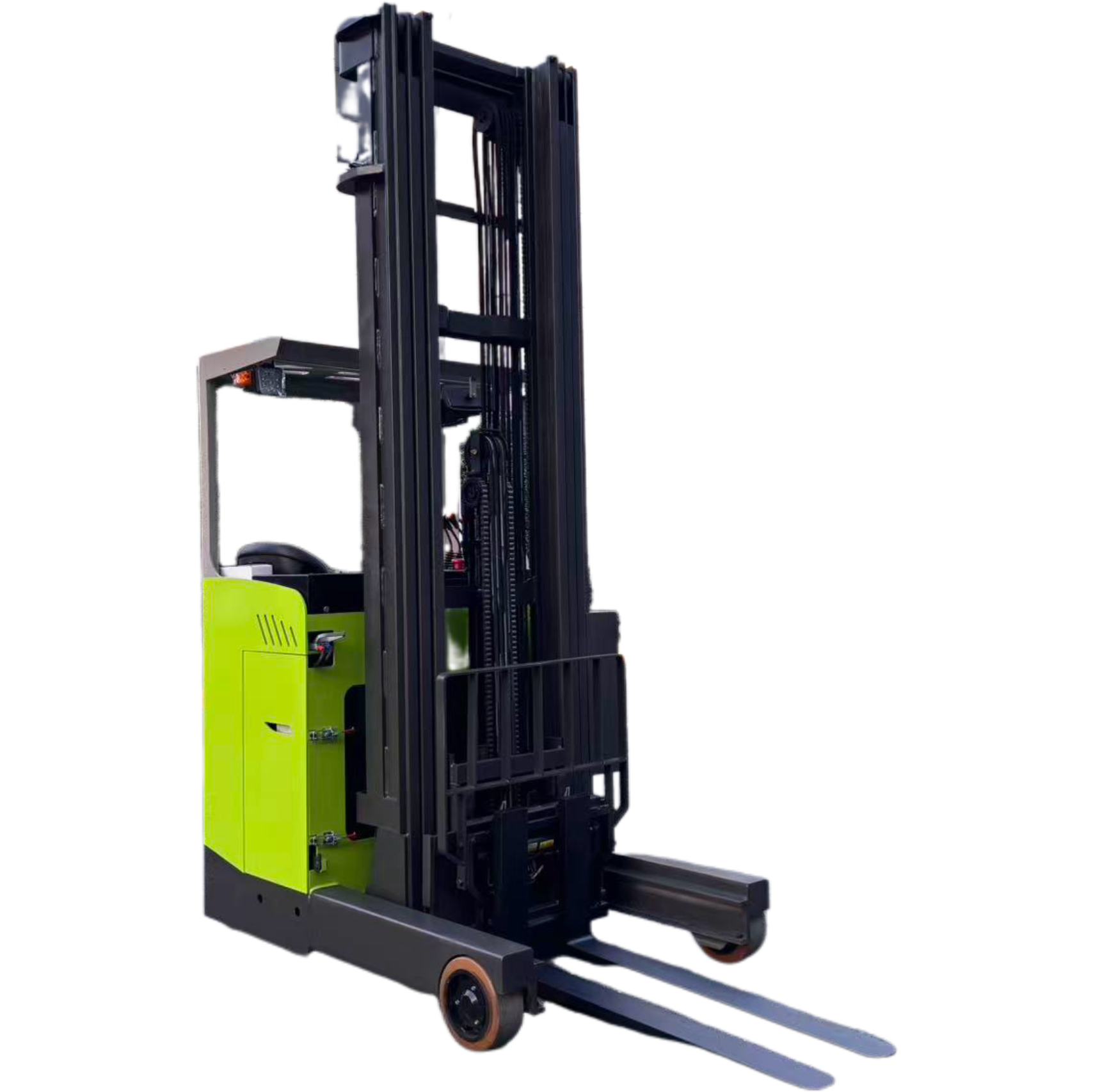
The superposition of policy-driven equipment renewal demand and new demand has promoted the rapid expansion of the electric forklift market scale. In 2025, the market scale of China's material handling vehicles is expected to reach 48-52 billion yuan, of which the proportion of electric forklifts will rise to 45-48%, with sales volume reaching 320,000-350,000 units, surpassing internal combustion forklifts for the first time to become the product type with the largest market share. In the segmented market, the growth of warehousing electric forklifts is particularly rapid. The annual sales growth rate of high-end products such as reach trucks and narrow-aisle forklifts exceeds 20%, and the demand proportion in fields such as e-commerce logistics and cold chain warehousing has reached 12-15%.
2. Optimization of Product Structure, Lithium Battery Technology Becomes Mainstream
Policy guidance on green and low-carbon technologies has promoted the continuous upgrading of the electric forklift product structure. With the advantages of long battery life, long service life and low maintenance cost, lithium batteries have rapidly replaced lead-acid batteries to become the market mainstream. In 2025, the proportion of lithium battery forklifts in electric forklifts is expected to reach more than 75%, an increase of about 15 percentage points compared with 2024. High-energy-density battery cells launched by enterprises such as REPT LITHIUM ENERGY have an energy density of 198Wh/kg and a full-life cycle of more than 10,000 cycles. The supporting system can achieve zero attenuation operation for two years, completely solving the range anxiety of electric forklifts. At the same time, diversified power routes such as hydrogen fuel and methanol are also accelerating research and development with policy support. The hydrogen energy and methanol-powered intelligent forklifts laid out by Taiyuan Heavy Industry Group have entered the testing stage, which is expected to break through the application bottleneck in extreme scenarios.
3. Accelerated Technological Innovation and Improved Intelligence Level
Policy support for high-end and intelligent equipment has driven electric forklift technological innovation into the fast lane. In 2025, the market share of automated handling equipment is expected to rise to 25%, with a market scale of 12-13 billion yuan. The annual sales growth rate of intelligent products such as AGV forklifts and unmanned forklifts exceeds 30%. The "Banma Robot" series of AGV forklifts from Hangcha Group accounts for 30% of sales, which can realize automatic path planning, precise positioning and cluster scheduling; the 5G intelligent forklifts developed by Jungheinrich in cooperation with Huawei realize remote control with the characteristics of low latency and high bandwidth, and the operation efficiency is improved by more than 30%. The popularization of technologies such as intelligent energy management systems and predictive maintenance has further reduced equipment failure rates by more than 30% and extended service life.
III. Enterprise Practices: Transformation and Breakthroughs Under Policy Dividends
Faced with the development opportunities brought by policy dividends, domestic electric forklift enterprises have increased R&D investment, optimized business layouts, and achieved significant breakthroughs in technological innovation and model innovation, becoming the core driving force for industry growth.
As a leading enterprise in the industry, Zhongli Co., Ltd., with the support of policies for the remanufacturing industry, has built an intelligent remanufacturing industrial base in Hubei. It recycles old internal combustion forklifts through the "trade-in" model and converts them into new energy forklifts through a full-process circular manufacturing system, greatly improving the reuse rate of parts. At the same time, it launched a lithium battery forklift rental plan starting from 999 yuan, which is 40% lower than similar products in the market, allowing small and medium-sized enterprises to also enjoy policy dividends and quickly complete the "oil-to-electricity" transformation.
Leading enterprises such as Hangcha Group and Anhui Heli have increased investment in high-end product R&D relying on policy financial support. Hangcha Group, in conjunction with Bosch Rexroth, has overcome the "choke point" technology of high-pressure hydraulic components, increasing the localization rate of high-end components to 50%; Anhui Heli has invested 2 billion yuan to build a lithium battery recycling industrial park, constructing a closed-loop system of "production-use-recycling", further improving the full-life cycle economy of electric forklifts. Its intelligent logistics solutions have been implemented in multiple large-scale warehousing parks, improving the efficiency of a single park by 45%.
IV. Future Outlook: Continuous Policy Escort, Industry Moves Towards High-Quality Growth
Looking forward to the next 5 years, the policy dividend period of the electric forklift industry will continue, and the industry will move towards a high-quality development stage of high-endization, intelligence and globalization under policy guidance. At the policy level, it is expected to further improve the standard system for new energy forklifts, strengthen support for supporting industries such as battery recycling and charging facilities, and promote the formation of a full-industry-chain green ecology of "R&D-production-use-recycling". At the technical level, new technologies such as solid-state batteries and sodium-ion batteries will accelerate commercialization, the integration of 5G and AI with forklifts will be deeper, and the proportion of L4-level autonomous driving products is expected to rise to 15%.
At the market level, as policy dividends extend to central and western regions and small and medium-sized enterprises, the application scenarios of electric forklifts will be further expanded. It is expected that the market scale will exceed 70 billion yuan by 2030, with an annual compound growth rate maintained above 10%. In the export market, domestic electric forklifts will further break through the high-end European and American markets by virtue of cost advantages and technological advantages, and the global market share is expected to rise to more than 35%.
Conclusion
The continuous release of policy dividends has injected strong development momentum into the electric forklift industry, promoting the industry to achieve a virtuous cycle from "policy-driven" to "market-spontaneous". From national top-level design to precise local implementation, from domestic market expansion to global layout, policies have not only solved enterprises' capital concerns and supporting problems in "oil-to-electricity" transformation, but also guided the industry to upgrade towards greenization and intelligence. In the future, with the continuous improvement of the policy system and continuous breakthroughs in technological innovation, electric forklifts will completely reshape the industrial logistics pattern, become the core engine driving the green transformation of the global supply chain, and release greater value in the "dual carbon" process. For enterprises, seizing policy opportunities, focusing on technological innovation, and deeply cultivating segmented scenarios will be the key to achieving leapfrog development.
Our manager will contact you shortly.
To contact you about our products and services.


Copyright © Xingtai Beiqiang Machinery Manufacturing Factory. 2025.
Technical support:Echola