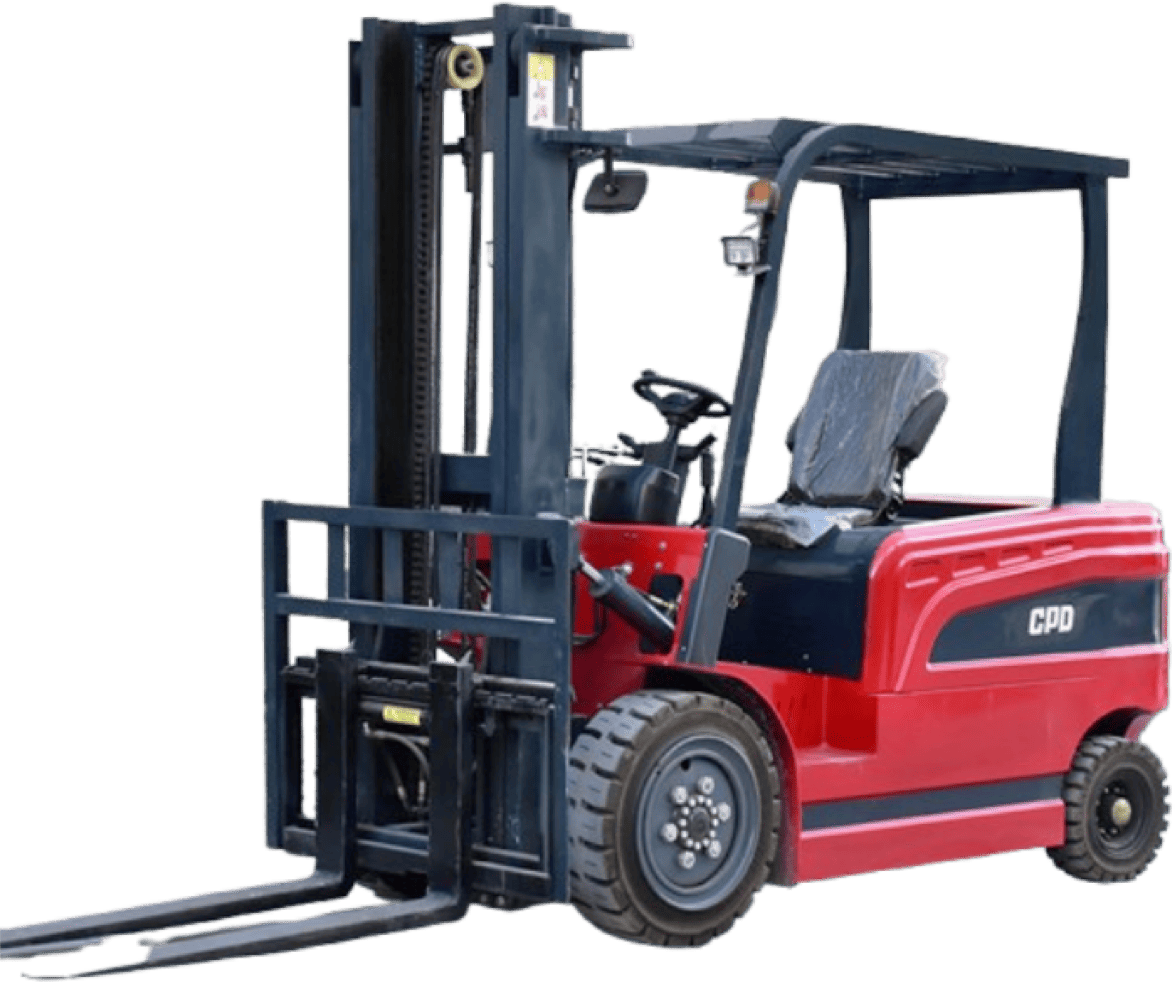
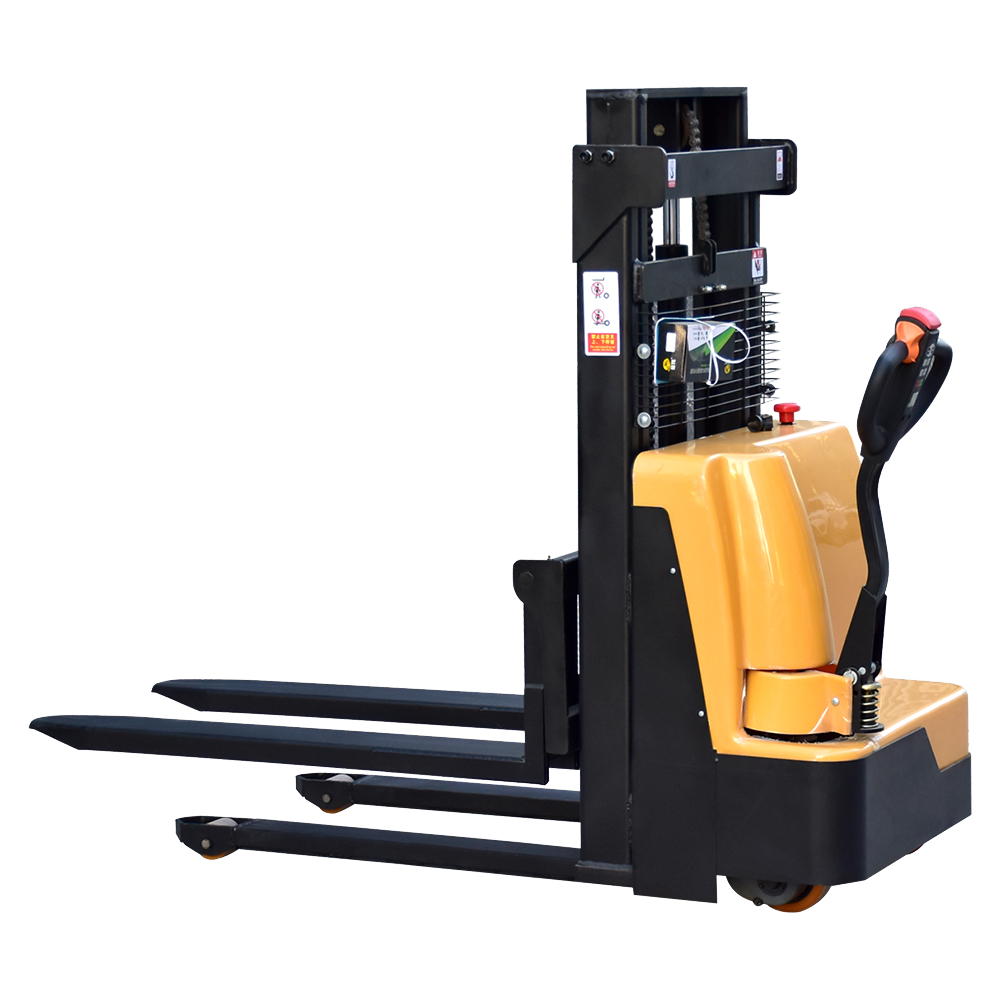
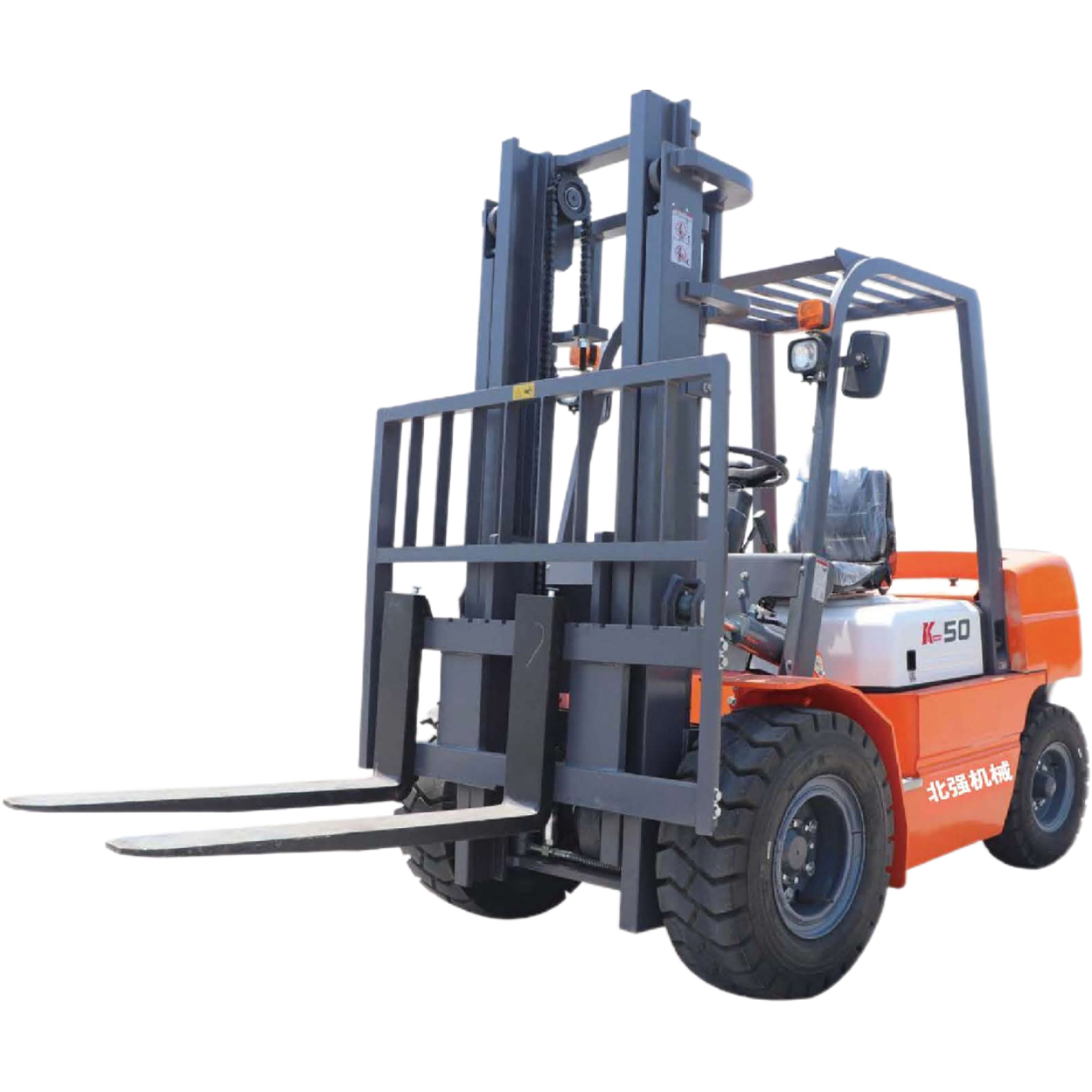
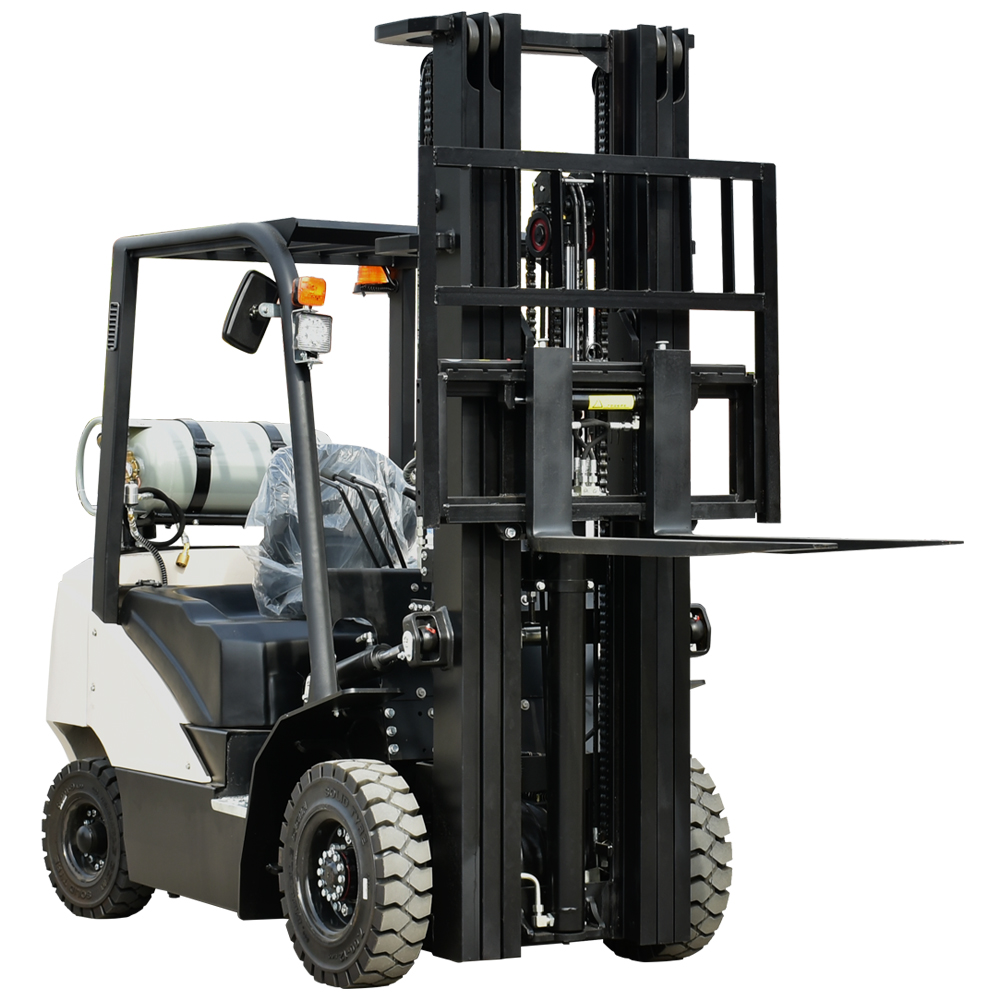
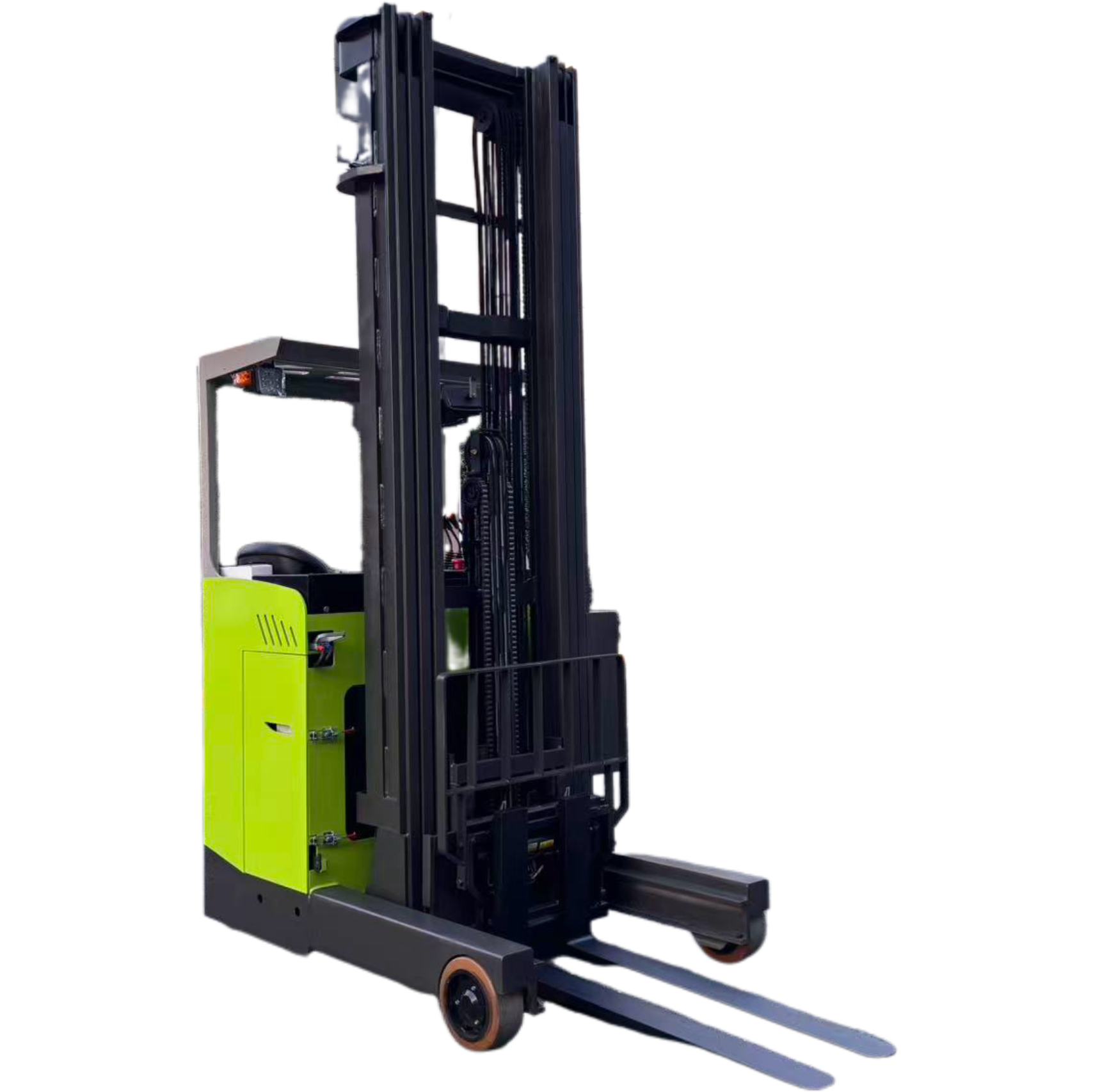


With the explosive growth of the e-commerce industry and the accelerated advancement of Industry 4.0, warehousing and logistics are ushering in a comprehensive automated transformation. As the core equipment in the warehousing and handling link, electric forklifts are no longer satisfied with the basic demand of "electrification replacing fuel", but are upgrading towards the direction of "intelligence, connectivity, and collaboration", becoming a key node connecting various warehousing links and building an intelligent logistics network. Data shows that in 2025, the global intelligent warehousing robot market size will exceed 20 billion US dollars, of which intelligent electric forklifts (AGV/AMR forklifts) account for more than 35%, and the sales proportion of intelligent forklifts of leading enterprises such as Hangcha and Jungheinrich has exceeded 30%. Under the wave of warehousing automation, the intelligent development of electric forklifts is showing a clear path, promoting a qualitative leap in the efficiency of warehousing and logistics.
I. Warehousing Automation Drives Upgrades: Core Driving Force for the Intelligence of Electric Forklifts
In the traditional warehousing mode, manually driven forklifts have pain points such as low efficiency, large errors, high safety risks, and rising labor costs, which can no longer match the operational needs of modern warehousing for "high turnover, high precision, and high flexibility". The core demand of warehousing automation is to achieve "unmanned, efficient, and visualized" management, which requires electric forklifts to break through the positioning of "single handling tools" and upgrade to intelligent equipment with independent decision-making, precise execution, and collaborative operation capabilities.
Dual promotion from policies and the market has further accelerated this process. Under the global "dual carbon" goals, the green advantages of electric forklifts have become a standard configuration, while intelligence has become a core barrier for enterprises' differentiated competition; at the same time, large-scale implementation of intelligent warehousing projects by e-commerce giants such as Amazon and JD.com has driven the bulk purchase of intelligent electric forklifts. In 2025, the penetration rate of intelligent forklifts in domestic large-scale warehousing enterprises has reached 45%, an increase of 20 percentage points compared with 2022. The explosion of market demand has directly forced technological iteration and upgrading.
II. Core Intelligent Directions: Four Technological Paths Reshape Warehousing and Handling Scenarios
In warehousing automation scenarios, the intelligent development of electric forklifts is not a single technological breakthrough, but a systematic upgrade of multi-technology integration. The current core development directions are concentrated in four major fields: autonomous navigation, human-machine collaboration, intelligent perception, and data interconnection, fully covering the full-process needs of warehousing and handling.
1. Autonomous Navigation and Path Optimization: Achieving "Unmanned" Autonomous Operation
Autonomous navigation is the core foundation for intelligent electric forklifts to achieve unmanned operation, and also a key area of current technological breakthroughs. From the perspective of technical routes, a pattern of "laser SLAM as the mainstay and multi-technology integration" has been formed: laser SLAM navigation has become the mainstream choice for mid-to-high-end warehousing scenarios by virtue of its high-precision positioning (error ≤ 5mm) and no need for environmental transformation. The "Banma Robot" series of AGV forklifts from Hangcha Group adopt this technology, which can realize automatic path planning, obstacle avoidance and detour, and task scheduling. The single-warehouse operation efficiency in e-commerce warehousing is 50% higher than that of manual operation; while QR code and magnetic stripe navigation are widely used in scenarios with high standardization such as sorting centers and cold storage by virtue of their low-cost advantages.
More advanced dynamic path optimization technology is gradually being implemented. By real-time perceiving the dynamics of personnel, goods, and other equipment in the warehouse, it intelligently adjusts the driving path to avoid congestion. For example, the 5G intelligent forklifts developed by Jungheinrich in cooperation with Huawei can realize dynamic cluster scheduling of multiple forklifts with the characteristics of 5G low latency and high bandwidth, increasing the concurrent operation efficiency of a single warehouse by more than 30%.
2. Human-Machine Collaboration and Remote Control: Balancing Flexibility and Precision
The complexity of warehousing scenarios determines that "complete unmanned operation" cannot cover all scenarios, so human-machine collaboration and remote control have become important supplementary directions for intelligence. On the one hand, intelligent electric forklifts have a dual-mode switching capability of "autonomous operation + manual intervention". When encountering complex working conditions (such as irregular goods handling and equipment failures), operators can quickly take over through handles or tablets to ensure operational continuity; on the other hand, remote control technology breaks through spatial limitations. Operators can remotely control multiple forklifts in the central control room to complete operations in high-risk (such as explosion-proof warehousing) and harsh (such as low-temperature cold storage) scenarios, which not only ensures personnel safety but also reduces labor costs.
The remotely controlled intelligent forklifts launched by Toyota, through high-definition cameras and force feedback technology, allow operators to perceive the operation status in real time and complete precise loading and unloading of goods remotely. In the application of chemical explosion-proof warehousing scenarios, it reduces labor costs by 60% and reduces the operation safety accident rate to zero.
3. Intelligent Perception and Safety Protection: Building a Solid Safety Line for Warehousing Operations
Warehousing environments are dense with personnel, equipment, and goods, so safety is a prerequisite for intelligent upgrading. Intelligent electric forklifts build a comprehensive safety perception system through multi-sensor fusion (lidar, visual sensors, ultrasonic sensors, etc.): they can not only accurately identify obstacles ahead and automatically decelerate or avoid them, but also recognize personnel gestures and voice commands to achieve "human-vehicle interaction"; for goods handling, through weight sensors and visual recognition technology, they can automatically detect the weight and placement position of goods, avoiding safety accidents caused by overloading or unbalanced loading.
The digital twin intelligent forklifts of KION Group have raised safety protection to a new level—through virtual simulation technology to real-time map the physical operation scenario, predict potential collision risks in advance, and actively adjust the operation path, reducing the warehousing operation safety accident rate by more than 80%.
4. Data Interconnection and Intelligent Management: Integrating into the Warehousing Management Ecosystem
The core value of intelligence lies not only in improving the efficiency of the equipment itself, but also in realizing intelligent management of the entire warehousing process through data interconnection. Through the industrial Internet platform, intelligent electric forklifts seamlessly connect with equipment such as Warehouse Management System (WMS), Warehouse Control System (WCS), and intelligent shelves, realizing a full-process closed loop of "automatic task assignment, real-time status monitoring, and automatic data statistics".
For example, after the WMS generates an outbound task, it can directly issue a handling instruction to the intelligent electric forklift. After the forklift completes the operation, it automatically transmits data such as the task completion status and goods position back to the system, realizing real-time update of inventory data and avoiding manual entry errors; at the same time, data such as the forklift's own battery status, operation trajectory, and fault information can be monitored in real time. Through big data analysis, the maintenance plan is optimized, reducing equipment failure rate by 30% and extending service life.
III. Enterprise Practices: Intelligent Layout and Breakthroughs of Leading Players
Faced with the huge demand for warehousing automation, leading global enterprises have increased investment in intelligence, forming a differentiated layout of "Chinese enterprises focusing on scenario implementation and international giants deepening technology integration", promoting the rapid commercialization of intelligent electric forklift technology.
Represented by Hangcha and Heli, domestic enterprises have rapidly promoted the implementation of intelligent products by virtue of their in-depth understanding of local warehousing scenarios: Hangcha Group's "Banma Robot" series has covered multiple scenarios such as e-commerce, express delivery, and auto parts, accounting for 30% of sales in 2025 with a gross profit margin of over 40%; Anhui Heli launched the "Intelligent Logistics Solution", which deeply integrates intelligent electric forklifts with WMS and intelligent charging piles, and has been applied in multiple large-scale warehousing parks, improving the warehousing efficiency of a single park by 45%.
International giants focus on high-end technology integration: the 5G intelligent forklifts developed by Jungheinrich in cooperation with Huawei have realized in-depth integration of remote control and cluster scheduling, accounting for 20% of sales in the European high-end warehousing market; Toyota's hydrogen fuel intelligent forklifts combine hydrogen energy technology with intelligent systems, with a range of 400 kilometers and refueling time of only 3 minutes, perfectly adapting to long-range and high-intensity large-scale warehousing operation scenarios; KION's digital twin forklifts have become benchmark products for high-end manufacturing warehousing through real-time linkage between virtual simulation and physical entities.
IV. Future Outlook: Technology Integration Spawns a More Intelligent Warehousing and Handling Ecosystem
Looking forward to the next 3-5 years, with the continuous iteration of technologies such as 5G, artificial intelligence, and digital twins, intelligent electric forklifts will develop towards the direction of "more autonomous, more collaborative, and more intelligent", and deeply integrate into the warehousing automation ecosystem. At the technical level, the commercialization of solid-state batteries will solve the range anxiety of intelligent forklifts, and the application of large AI models will enable forklifts to have stronger independent decision-making capabilities to cope with more complex warehousing scenarios; at the ecological level, intelligent electric forklifts will achieve full-link collaboration with equipment such as unmanned sorters, intelligent shelves, and unmanned delivery vehicles, building a "unmanned logistics and warehousing closed loop"; at the service level, big data-based predictive maintenance and leasing services will become new growth points, further reducing the use cost of enterprises.
Conclusion
The wave of warehousing automation is irreversible. The intelligent upgrading of electric forklifts is not only the iteration of the equipment itself, but also the core driving force for the efficiency revolution in the warehousing and logistics industry. From autonomous navigation to data interconnection, from a single equipment to ecological collaboration, intelligent electric forklifts are completely changing the traditional warehousing and handling mode, becoming a key support for building an efficient, flexible, and safe intelligent warehousing system. For enterprises, choosing intelligent electric forklift products that adapt to their own scenarios can not only improve current warehousing efficiency, but also lay the foundation for future warehousing automation upgrades. In the future, with continuous technological breakthroughs and ecological improvement, intelligent electric forklifts will release greater value in the wave of warehousing automation.
Our manager will contact you shortly.
To contact you about our products and services.


Copyright © Xingtai Beiqiang Machinery Manufacturing Factory. 2025.
Technical support:Echola