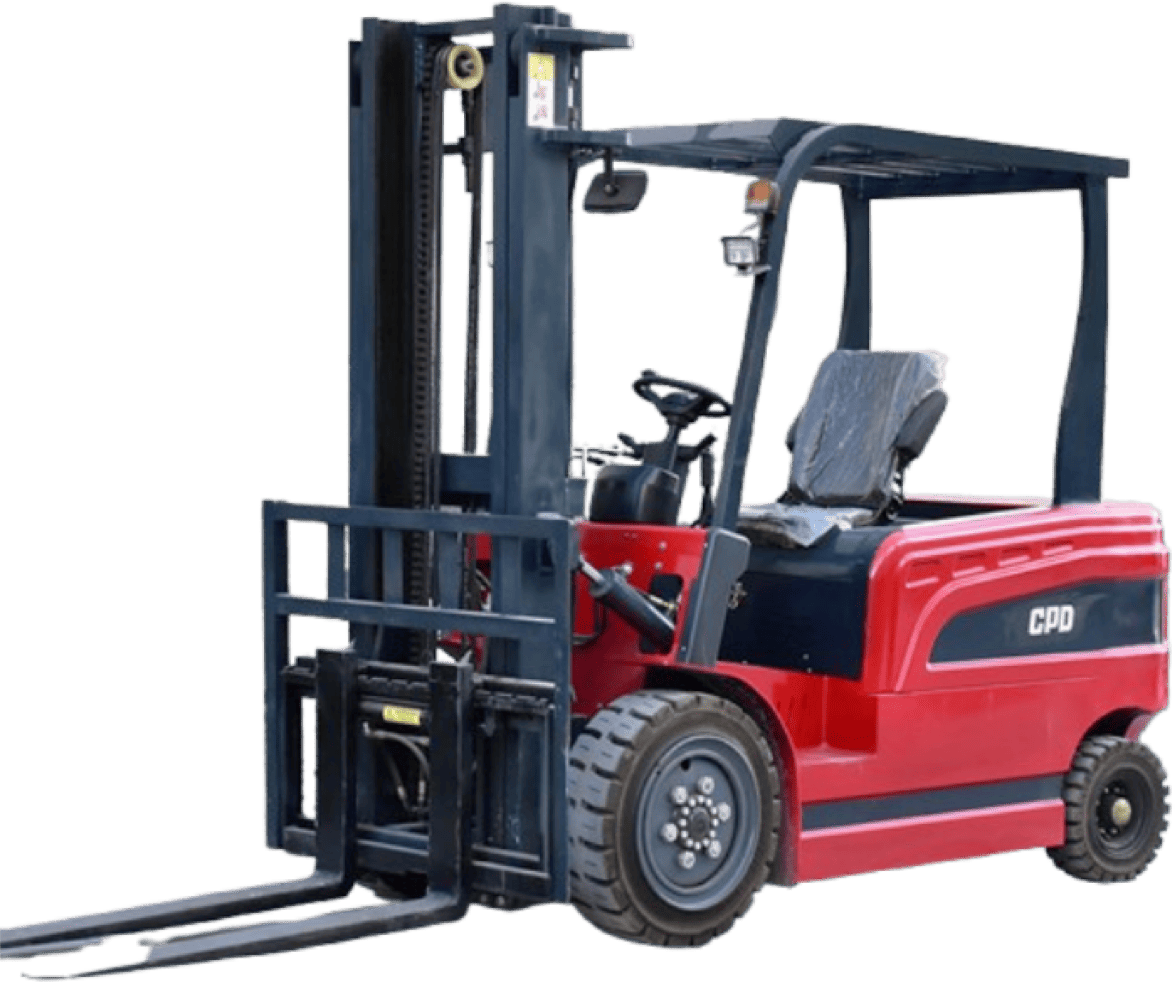
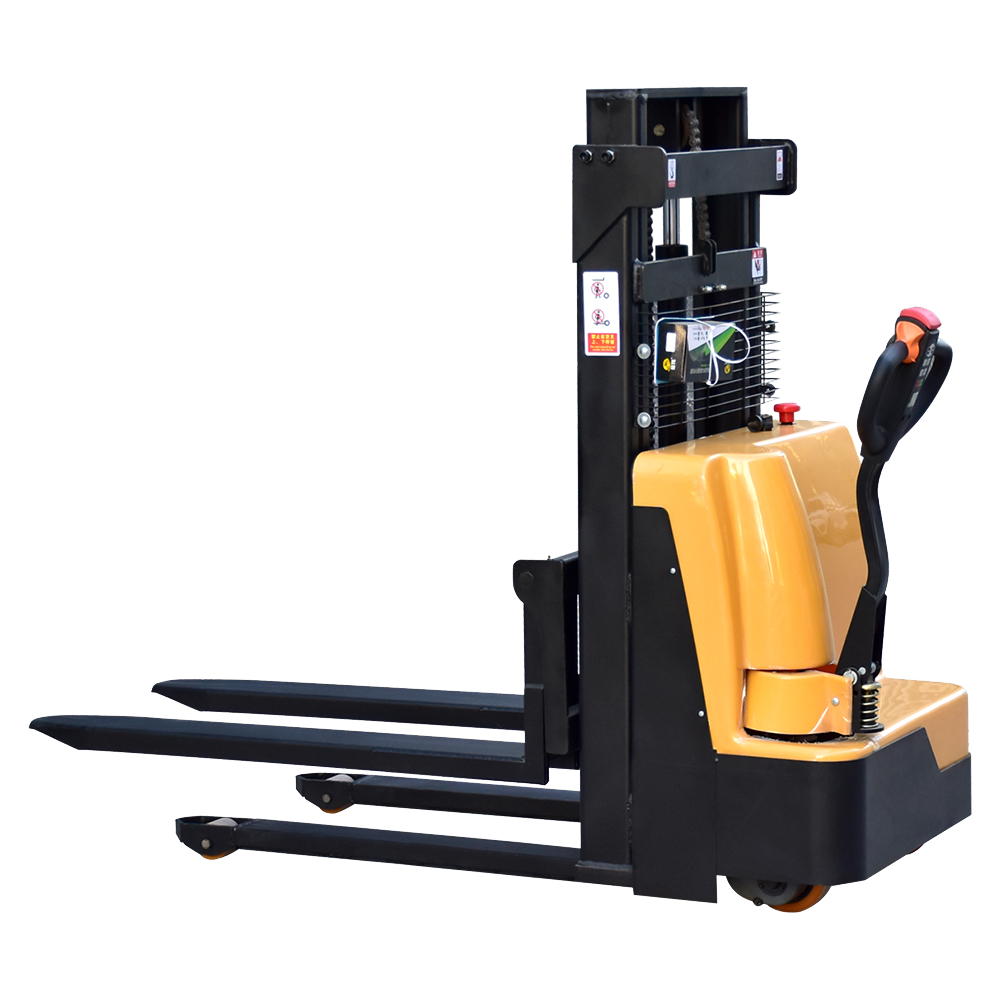
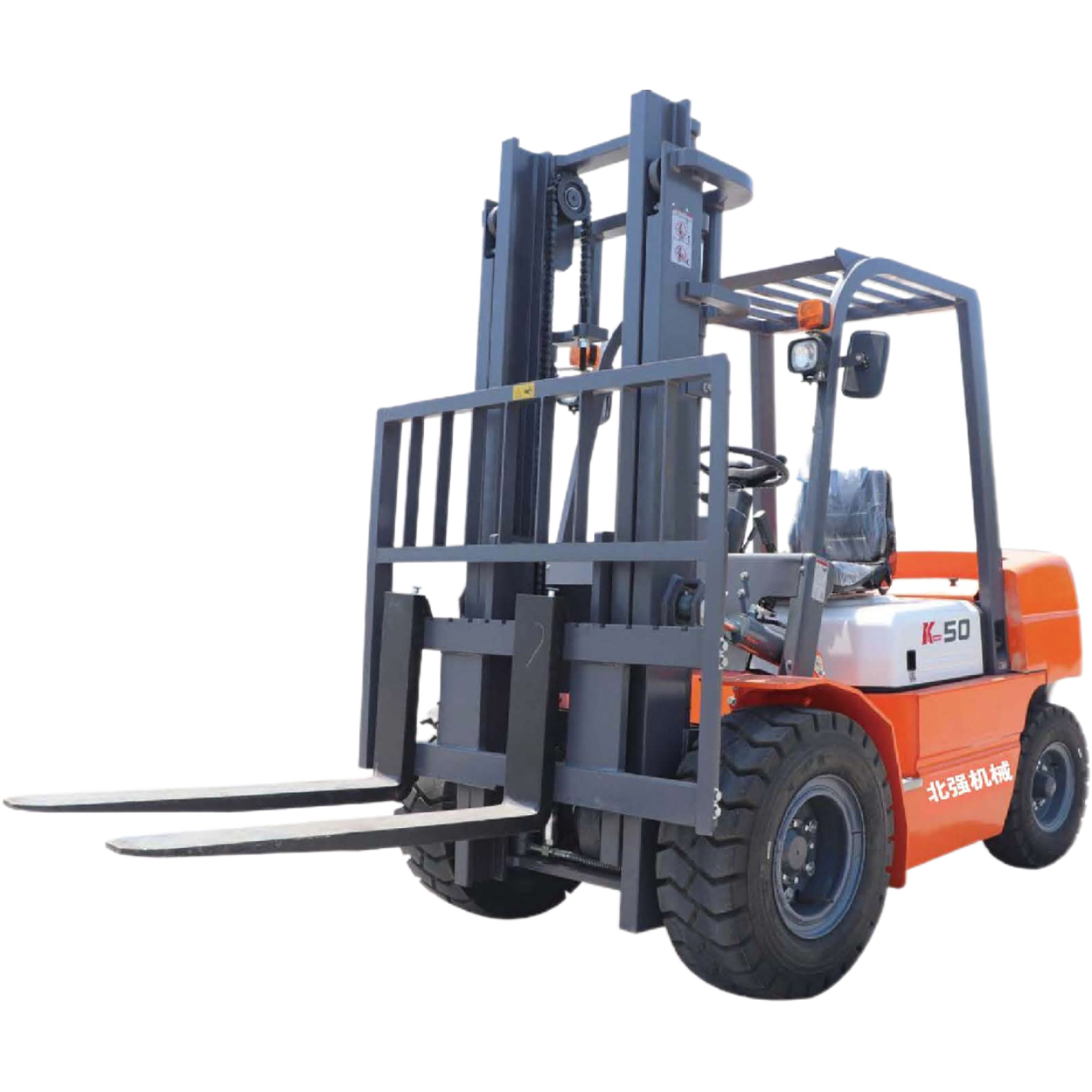
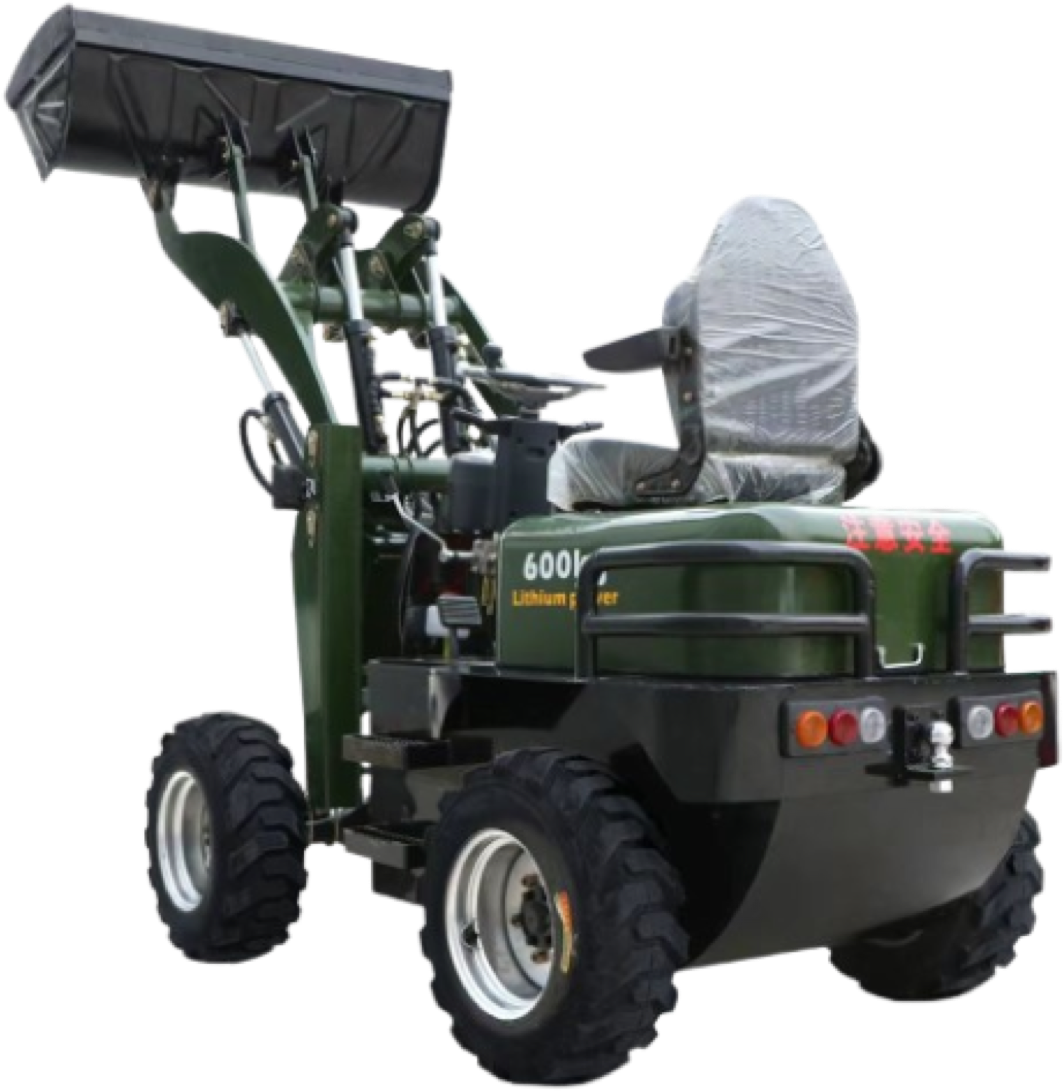
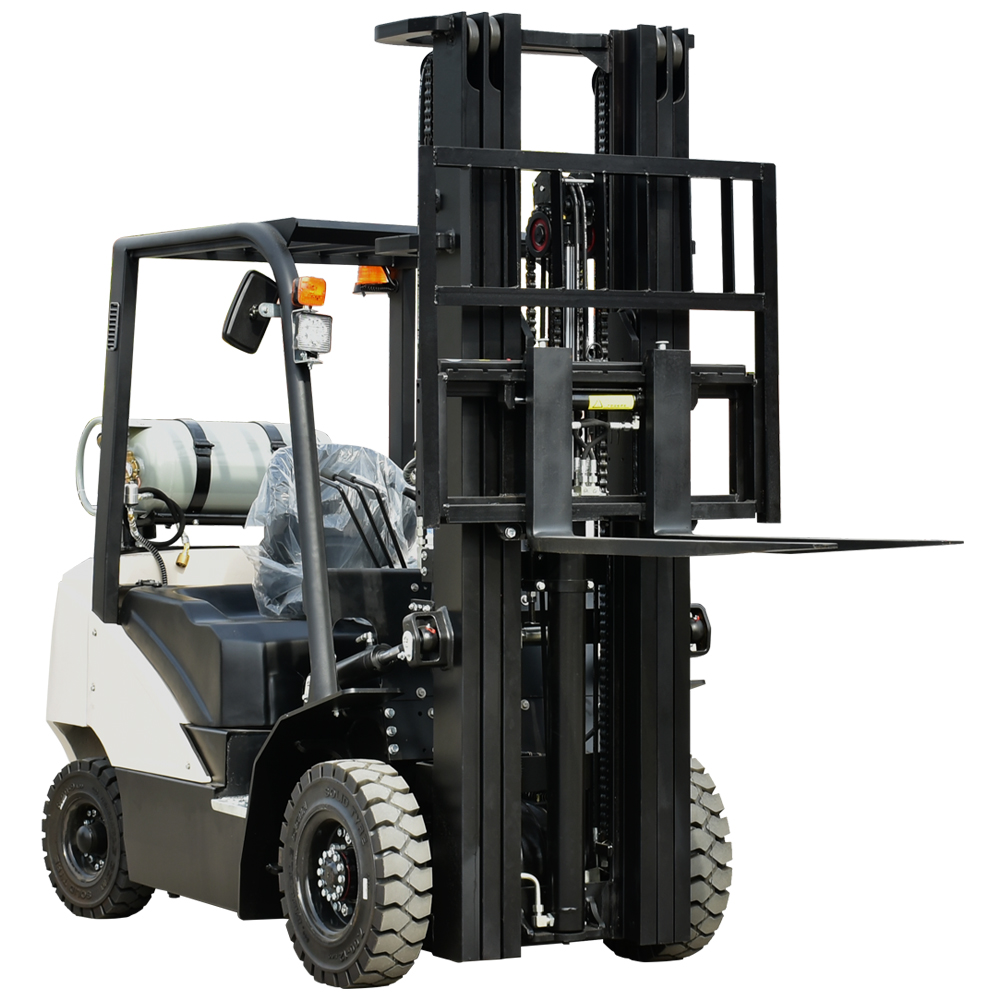
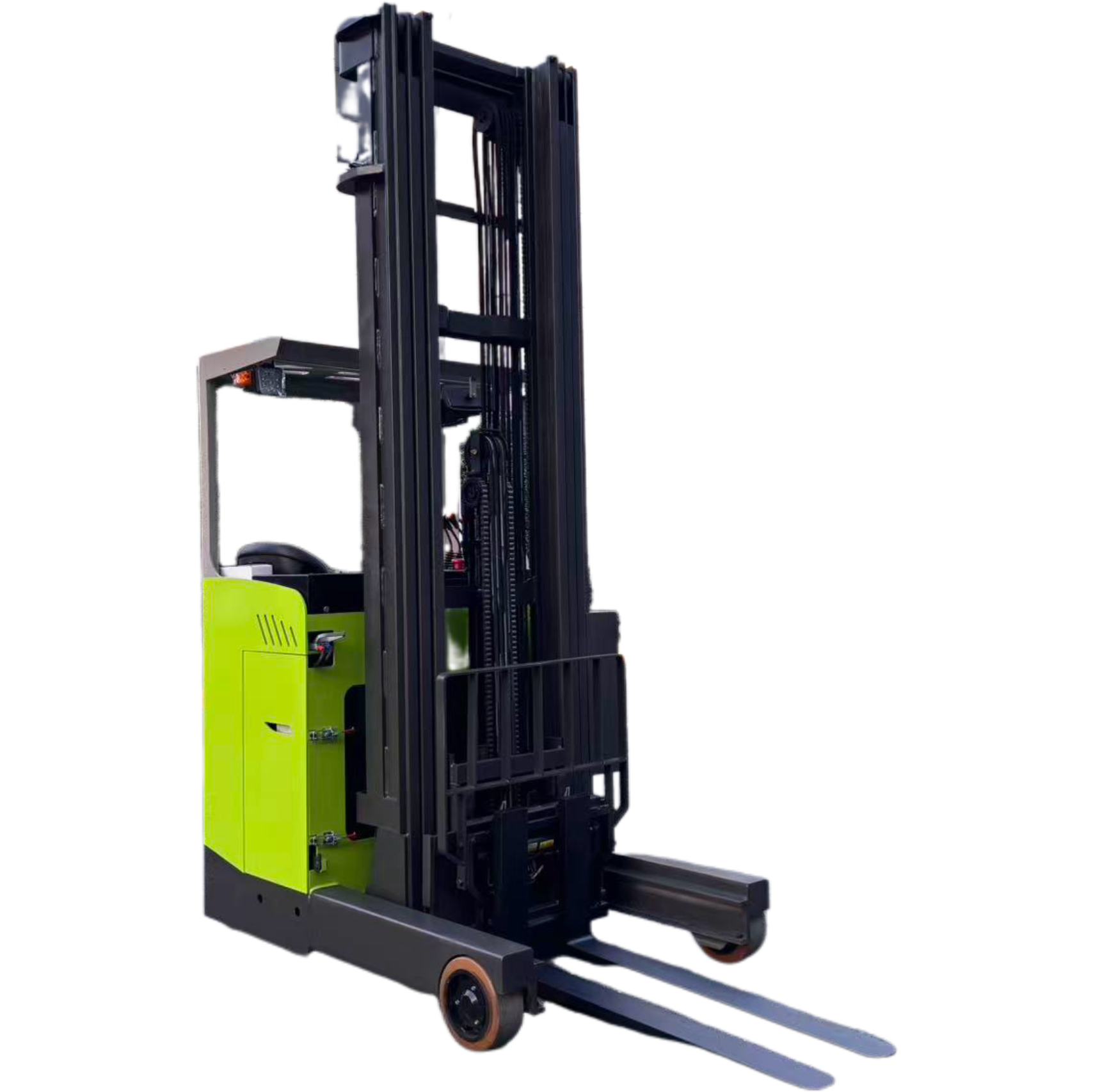
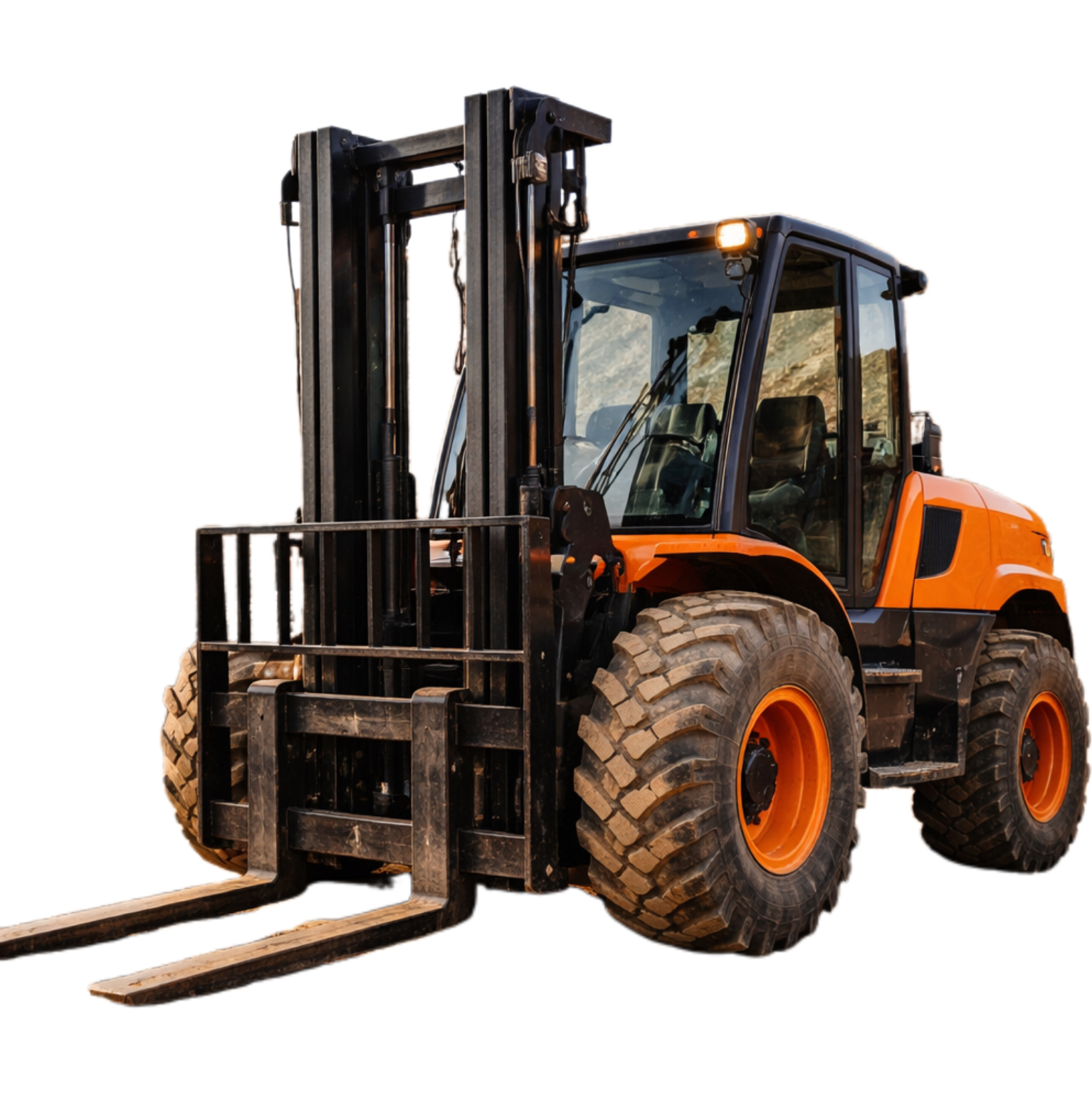


Amid the accelerating global implementation of the "dual carbon" goals, industrial logistics, as a key field of carbon emissions, is undergoing a profound green transformation. As the core handling equipment in industrial logistics, the upgrading of the power form of forklifts has become the key to this transformation——the disadvantages of high emissions and high noise of traditional diesel forklifts have become increasingly prominent, while electric forklifts, relying on the advantages of zero emissions and low energy consumption, have gradually transformed from an "optional alternative" to a "rigid demand". Data shows that in 2025, the sales proportion of new energy forklifts in China has reached 65%, doubling the growth compared with 2022, and the penetration rate of lithium batteries has exceeded 40%. An "oil-to-electricity" revolution sweeping the industrial logistics field has taken shape. This transformation path from fuel to electric is not only an inevitable result of technological iteration, but also an active choice of the industry to respond to green development.
I. Policy Drive: Dual Impetus of "Constraint + Incentive" Under the Dual Carbon Goal
Policies are the core engine driving the green transformation of the forklift industry. From national top-level design to local implementation, a dual mechanism of "hard constraints + flexible incentives" has been formed, paving the way for the popularization of electric forklifts. China's 14th Five-Year Plan clearly requires that the electrification rate of industrial vehicles exceed 60% by 2025. This hard indicator directly defines the direction of industrial transformation and forces enterprises to accelerate the renewal and iteration of forklift equipment. On this basis, manufacturing-intensive regions such as the Yangtze River Delta and the Pearl River Delta have further introduced "internal combustion forklift access restrictions" policies, expanding the scope of new energy forklift use to the core areas of industrial parks, with the stock replacement market scale alone exceeding 800,000 units.
Incentive policies have greatly reduced the transformation costs for enterprises. Many regions provide subsidies of 10%-15% of the purchase price for new energy forklifts. Coupled with the financial support from long-term special national bonds for equipment renewal, it has effectively alleviated the initial investment pressure on enterprises. From a global perspective, the policy orientation is also clear: the new regulations issued by the European Union at the end of 2025 require that zero-emission vehicles account for a specific proportion of the new fleets of large enterprises starting from 2030. This requirement directly stimulates the demand for electric forklifts in the European market and creates opportunities for the export of domestic electric forklifts. In addition, the expansion of the carbon emission trading system has brought additional benefits, with each intelligent charger achieving an annual carbon emission reduction benefit of 3,200 yuan, further enhancing enterprises' enthusiasm for purchasing electric forklifts.
II. Technological Breakthroughs: Solving Pain Points and Adapting to Full-Scenario Industrial Logistics Needs
Early electric forklifts were difficult to meet the diverse scenario needs of industrial logistics due to problems such as short range, weak load capacity, and slow charging. In recent years, technological iterations have achieved all-round breakthroughs from batteries, charging facilities to heavy-load adaptation, providing core technical support for industrial transformation and allowing electric forklifts to break away from scenario limitations.
The upgrading of battery technology is a key breakthrough. Lithium battery technology has gradually replaced traditional lead-acid batteries. High-energy-density battery cells launched by enterprises such as REPT LITHIUM ENERGY have an energy density of 198Wh/kg and a full-life cycle of more than 10,000 cycles. The supporting system can achieve zero attenuation operation for two years, completely solving the range anxiety of electric forklifts. At the same time, the construction of charging infrastructure is advancing rapidly. The market size of China's electric forklift battery chargers is expected to reach 8.5 billion yuan in 2025. The demand for high-power fast-charging models above 30kW has grown significantly, and dual-gun fast charging can fully charge the battery in 1.5 hours; combined with integrated optical-storage-charging stations, the electricity cost per kWh can be as low as 0.15 yuan, enabling electric forklifts to achieve 24-hour shift operation without pressure.
The breakthrough in heavy-load technology has further expanded the application boundary of electric forklifts. In the past, electric forklifts were mostly limited to light-load warehousing scenarios; in 2025, the 65-ton global largest lithium-ion forklift rolled off the production line by Taiyuan Heavy Industry Group is equipped with a 528kWh super-large battery pack, with a transmission efficiency of 95%, which can lift dozens of household cars at one time. This marks the official entry of electric forklifts into heavy industry and heavy-load scenarios such as steel and ports. In addition, the application of new technologies such as silicon carbide power devices has increased charging efficiency by more than 18%, further optimizing the operating experience of electric forklifts.
III. Market Adaptation: From Cost Advantage to Intelligent Collaboration, Meeting Industry Upgrading Needs
Under the dual carbon background, enterprises' choice of electric forklifts is not only a response to policy calls, but also a rational decision based on cost control and efficiency improvement. In terms of operating costs, electric forklifts have significant advantages: the electricity cost is only 1/3-1/2 of the fuel cost of diesel forklifts, and the maintenance process is simple, without the need for oil change, filter maintenance and other operations. The annual maintenance cost is 10,000-20,000 yuan lower than that of traditional diesel forklifts. Practice data from the Jiyang Branch of Jinan City, Shandong Province shows that a single electric forklift can save more than 35,000 yuan in annual energy consumption costs, and the full-life cycle cost is 40% lower than that of traditional lead-acid battery forklifts.
More importantly, electric forklifts are highly consistent with the trend of intelligent upgrading of industrial logistics. With the development of 5G and Internet of Things technologies, electric forklifts have upgraded from a single handling equipment to a core node of the intelligent logistics network. The "Banma Robot" series of AGV forklifts launched by Hangcha Group accounted for 30% of sales in 2025, which can realize automatic path planning, precise positioning and cluster scheduling, with a gross profit margin of over 40%; in terms of international brands, the 5G forklifts developed by Jungheinrich in cooperation with Huawei have realized remote control and cluster collaboration, greatly improving the efficiency of logistics operations. This dual attribute of "green + intelligent" exactly matches the core needs of modern industrial logistics for high efficiency and low carbon.
IV. Case Evidence: Full-Scenario Penetration, Electric Forklifts Become Practical Benchmarks for Transformation
Today, electric forklifts have been applied on a large scale in multiple industrial logistics scenarios, becoming a veritable main force in the industry's green transformation. Various practical cases have confirmed their adaptability and superiority. In the field of warehousing and logistics, regional warehousing centers of large e-commerce platforms are almost fully equipped with electric forklifts; for intelligent warehousing projects in manufacturing hubs such as Suzhou and Dongguan, the average number of chargers equipped per project reaches 85, an increase of 40% compared with 2022. The high efficiency and low noise characteristics of electric forklifts are perfectly suitable for indoor intensive operation environments.
In heavy industry scenarios, Taiyuan Heavy Industry Group's 65-ton lithium-ion forklifts have been put into use in steel mills to replace traditional diesel forklifts for heavy material transfer, which not only achieves zero emissions but also reduces operating costs; the bulk delivery of 108 hydrogen energy forklifts by Hangcha Group has opened up the diversified application of new energy forklifts in heavy-load scenarios. In the overseas market, the export volume of domestic electric forklifts increased by 67% year-on-year in 2025, with a market share of 41% in the Southeast Asian market and 28% in the European market; enterprises such as BYD and Liugong have built more than 200 charging stations in Europe and the United States, constructing a complete service network, and promoting electric forklifts to become the mainstream choice in global industrial logistics.
V. Future Outlook: Diversified Power + Ecological Improvement to Consolidate Transformation Achievements
Looking forward to the future, the green transformation of the forklift industry will continue to deepen, and electric forklifts will further consolidate their main force position through diversified power and ecological collaboration. In terms of power routes, in addition to the continuous optimization of lithium battery technology, diversified power routes such as hydrogen energy and methanol will accelerate their rise. The hydrogen energy and methanol-powered intelligent forklifts laid out by Taiyuan Heavy Industry Group have entered the testing stage, which is expected to solve the range and energy supplement problems in extreme scenarios; the commercial application of solid-state battery technology will also be put on the agenda, further improving the energy density and safety of batteries.
In terms of industrial ecology, the battery recycling system will be gradually improved. The lithium battery recycling industrial parks invested and constructed by leading enterprises such as Anhui Heli will build a closed-loop system of "production-use-recycling", improving the economy of the full life cycle of electric forklifts. At the same time, intelligent operation and maintenance services will become a new growth point: from 2025 to 2030, innovative models such as integrated optical-storage-charging systems and wireless charging will reshape the industrial ecology, and the added value ratio of intelligent operation and maintenance services will increase to 40%.
Conclusion
The green transformation path of the forklift industry from fuel to electric is an inevitable result of the joint action of policy drive, technological breakthroughs and market demand. Electric forklifts not only solve the environmental pain point of high emissions of traditional fuel forklifts, but also provide a new path for improving the efficiency of industrial logistics through cost advantages and intelligent collaboration. From warehousing and logistics to heavy industry and heavy-load scenarios, from the domestic market to global layout, the application boundary of electric forklifts is constantly expanding, and they have become the core engine of the green transformation of industrial logistics. In the future, with the maturity of diversified power technologies and the improvement of industrial ecology, electric forklifts will continue to release green value in the global dual carbon process, driving industrial logistics towards a more efficient and low-carbon new era.
Our manager will contact you shortly.
To contact you about our products and services.


Copyright © Xingtai Beiqiang Machinery Manufacturing Factory. 2025.
Technical support:Echola