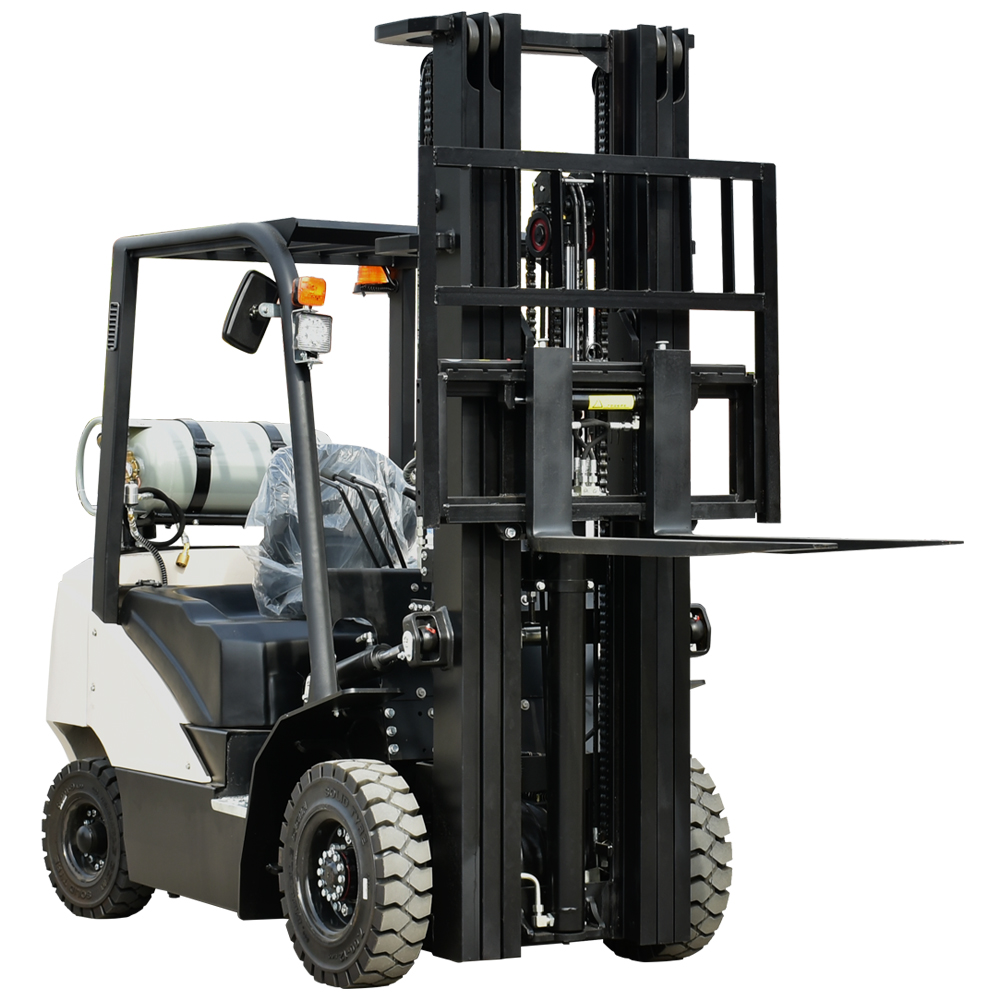
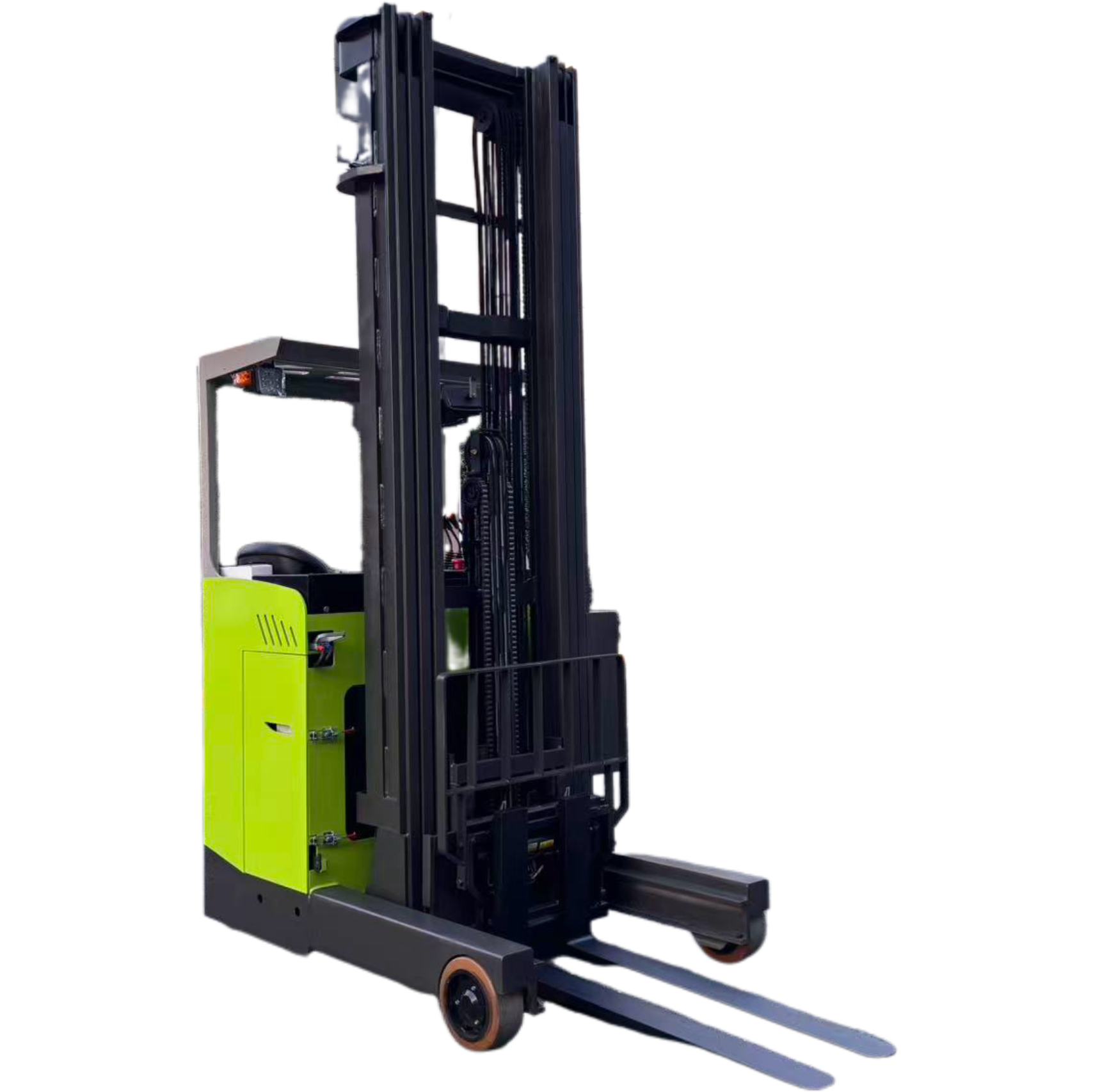
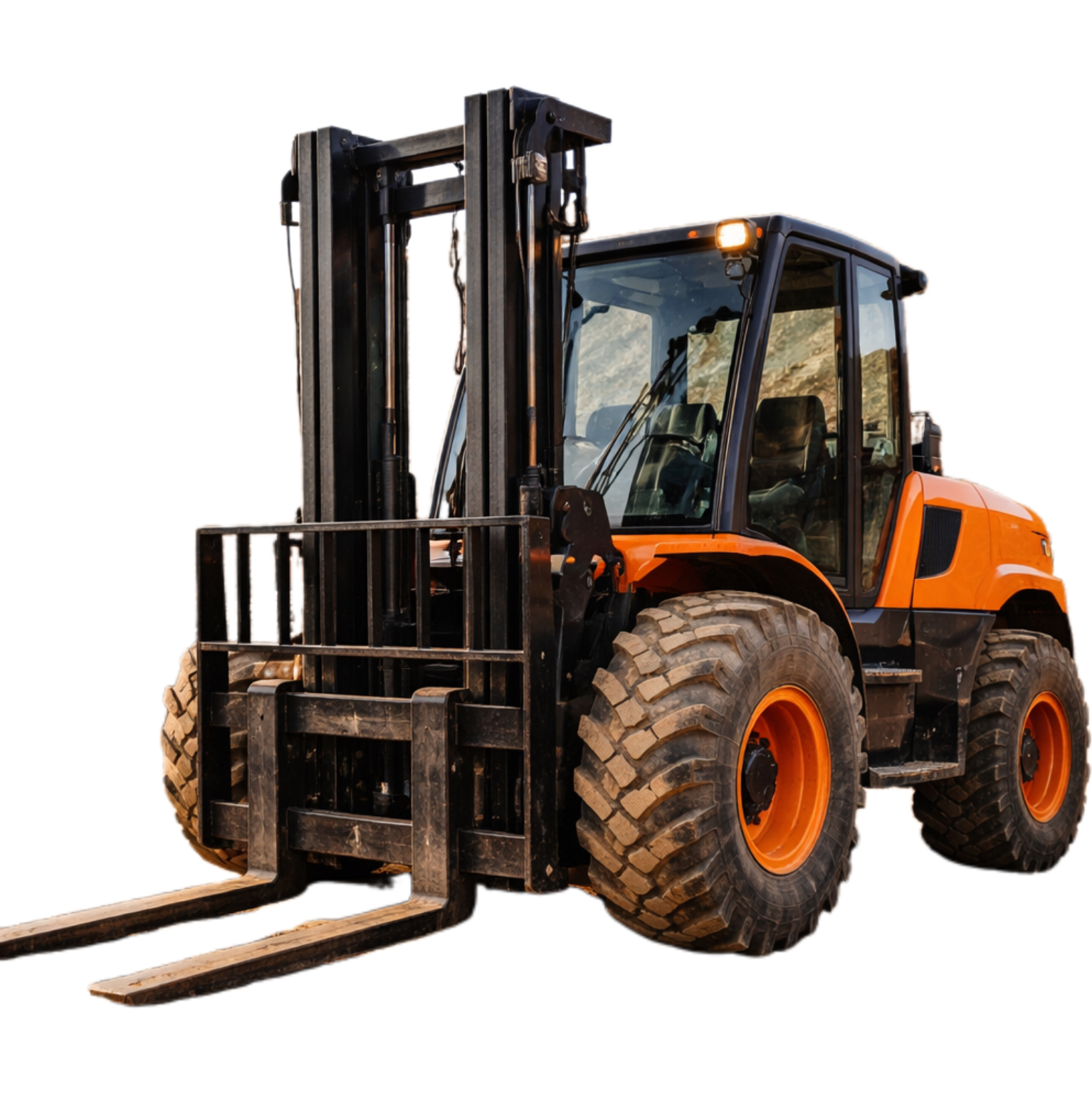


The battery is the heart of any electric forklift, determining its performance, uptime, and total cost of operation. With multiple technologies available, choosing and maintaining the right battery system is crucial. This definitive guide breaks down everything you need to know about electric forklift power sources.
The Technology Comparison: Lithium-ion vs. Lead-Acid
Understanding these two dominant technologies is essential for making an informed decision.
Lithium-ion (Li-ion) Batteries - The Modern Standard
How They Work: Advanced lithium chemistry with built-in Battery Management Systems (BMS) that actively monitor and protect each cell
Performance: Maintain consistent voltage throughout discharge (no power fade), 15-30% more energy efficient than lead-acid
Charging: Opportunity charging compatible, typically 1-2 hours to 100%, no memory effect
Lifespan: 3,000-5,000 cycles (8-10 years with proper use)
Maintenance: Virtually maintenance-free, no watering or equalization needed
Lead-Acid Batteries - The Proven Workhorse
How They Work: Traditional flooded or sealed (AGM/GEL) technology using lead plates and sulfuric acid electrolyte
Performance: Voltage declines gradually during discharge, requires capacity derating for optimal lifespan
Charging: Requires 8-10 hour full charge cycles, needs 8-12 hour cooling period after charging
Lifespan: 1,500-2,000 cycles (3-5 years with proper maintenance)
Maintenance: Regular watering, terminal cleaning, and equalization charges required
Technology Comparison Table
| Feature | Lithium-ion | Lead-Acid (Flooded) |
|---|---|---|
| Upfront Cost | 2.5-3x higher | Lower initial investment |
| Energy Efficiency | 90-95% | 70-80% |
| Charge Time | 1-2 hours | 8-10 hours |
| Maintenance | Minimal | Weekly watering & cleaning |
| Lifespan | 8-10 years | 3-5 years |
| Space Required | 30-40% less | Dedicated battery room needed |
The True Cost Analysis: Beyond Purchase Price
Lithium-ion TCO Advantage
While lithium-ion batteries have higher upfront costs, their total cost of ownership over 10 years is typically 20-30% lower when factoring in:
No battery replacement at 5-year mark
Reduced energy costs (15-30% more efficient)
Elimination of maintenance labor
No battery watering infrastructure
Higher productivity (opportunity charging enables 24/7 operation)
Lead-Acid Hidden Costs
The apparent savings diminish when accounting for:
Mandatory battery replacement every 3-5 years
Higher electricity consumption
Maintenance labor (watering, cleaning, equalizing)
Battery room construction and ventilation
Opportunity cost of extended charging times
Essential Battery Management Practices
For Lithium-ion Systems:
Use manufacturer-approved chargers only
Avoid storing at 100% charge for extended periods
Keep operating temperature between -4°F to 113°F (-20°C to 45°C)
Monitor battery health through BMS data analytics
For Lead-Acid Systems:
Implement strict watering schedule (use DI water only)
Perform monthly equalization charges
Maintain proper electrolyte levels (⅛" above plates)
Clean terminals monthly to prevent corrosion
Allow adequate cooling between charge/discharge cycles
Safety First: Critical Protocols
Universal Safety Measures:
Always wear PPE (gloves, goggles) when handling batteries
Ensure proper ventilation in charging areas
Never charge damaged batteries
Keep charging stations clean and dry
Install emergency eyewash stations near battery areas
Lithium-ion Specific:
Store in fire-rated cabinets if not installed
Use Class D fire extinguishers rated for lithium fires
Monitor for swelling or heating during charging
Lead-Acid Specific:
Neutralize acid spills immediately with baking soda
Never smoke near charging batteries (hydrogen gas risk)
Use insulated tools to prevent short circuits
How to Calculate Your Battery Needs
Use this simple formula to determine your requirements:
Our manager will contact you shortly.
To contact you about our products and services.


Copyright © Xingtai Beiqiang Machinery Manufacturing Factory. 2025.
Technical support:Echola