

The Ultimate Guide to Electric Forklifts: Benefits, Types & How to Choose

In the landscape of modern logistics and manufacturing, where efficiency and sustainability are paramount, the electric forklift has emerged as the dominant force, steadily replacing internal combustion engine (ICE) models. This shift is driven not only by global environmental trends but also by the compelling long-term economic advantages electric power offers.
1. Core Advantages of Electric Forklifts
Zero Emissions & Eco-Friendly: Powered solely by electricity, they produce no harmful exhaust fumes. This makes them safe for indoor and enclosed space use, improves air quality, and ensures compliance with increasingly stringent environmental regulations.
Lower Operational Costs: Electricity is significantly cheaper than diesel or LPG fuel. Combined with higher energy efficiency and fewer mechanical components requiring maintenance (e.g., no oil changes, spark plugs), the total cost of ownership over the lifespan of an electric forklift is markedly lower.
Quiet Operation: Electric motors run very quietly compared to combustion engines. This reduces noise pollution, creating a better work environment and allowing operation in noise-sensitive areas like cold storage, electronic manufacturing, or residential-area warehouses.
Enhanced Performance & Control: Advanced electronic control systems enable smooth acceleration, precise handling, and consistent power. This reduces operator fatigue, increases productivity, and allows for more precise load placement, enhancing safety.
2. Main Types and Their Applications
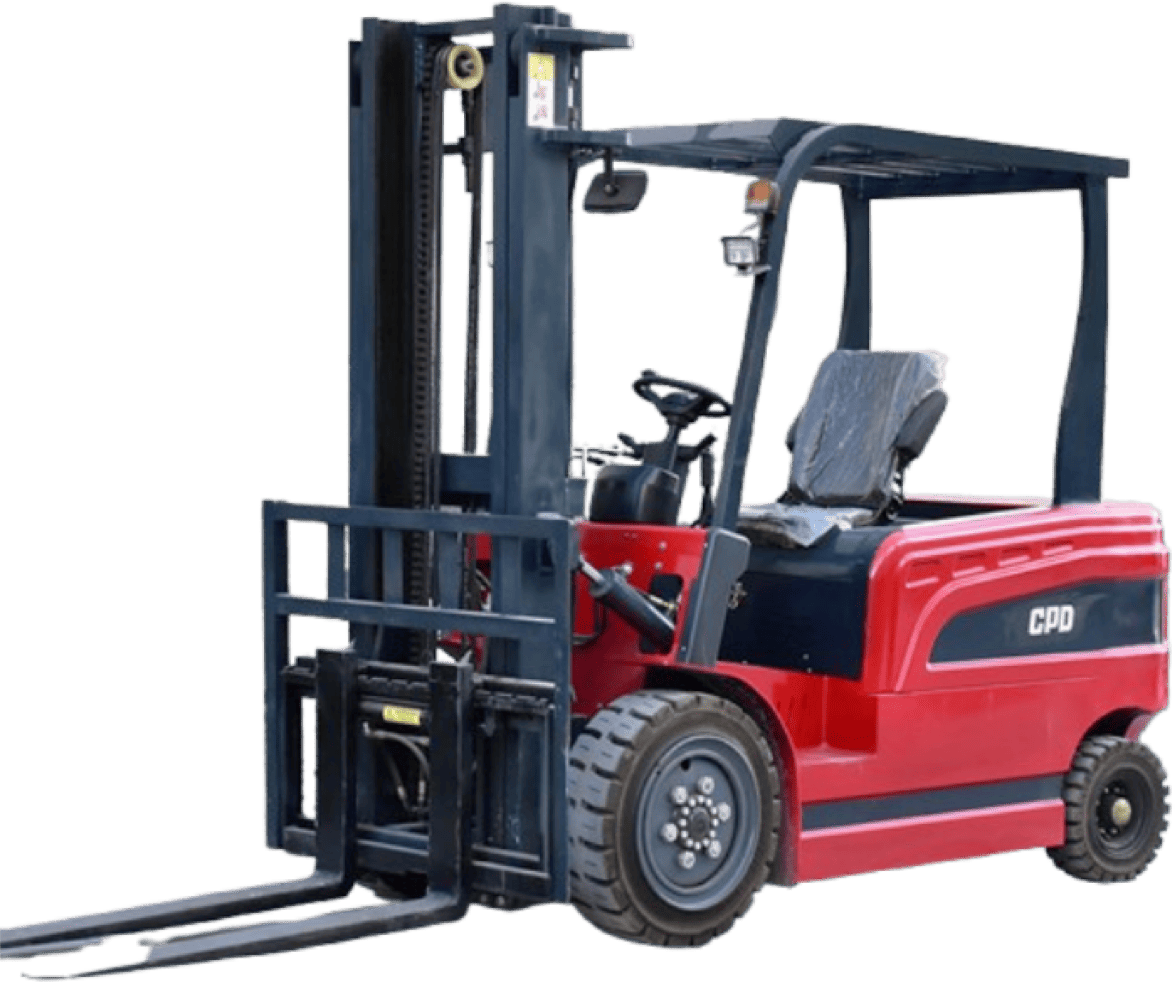
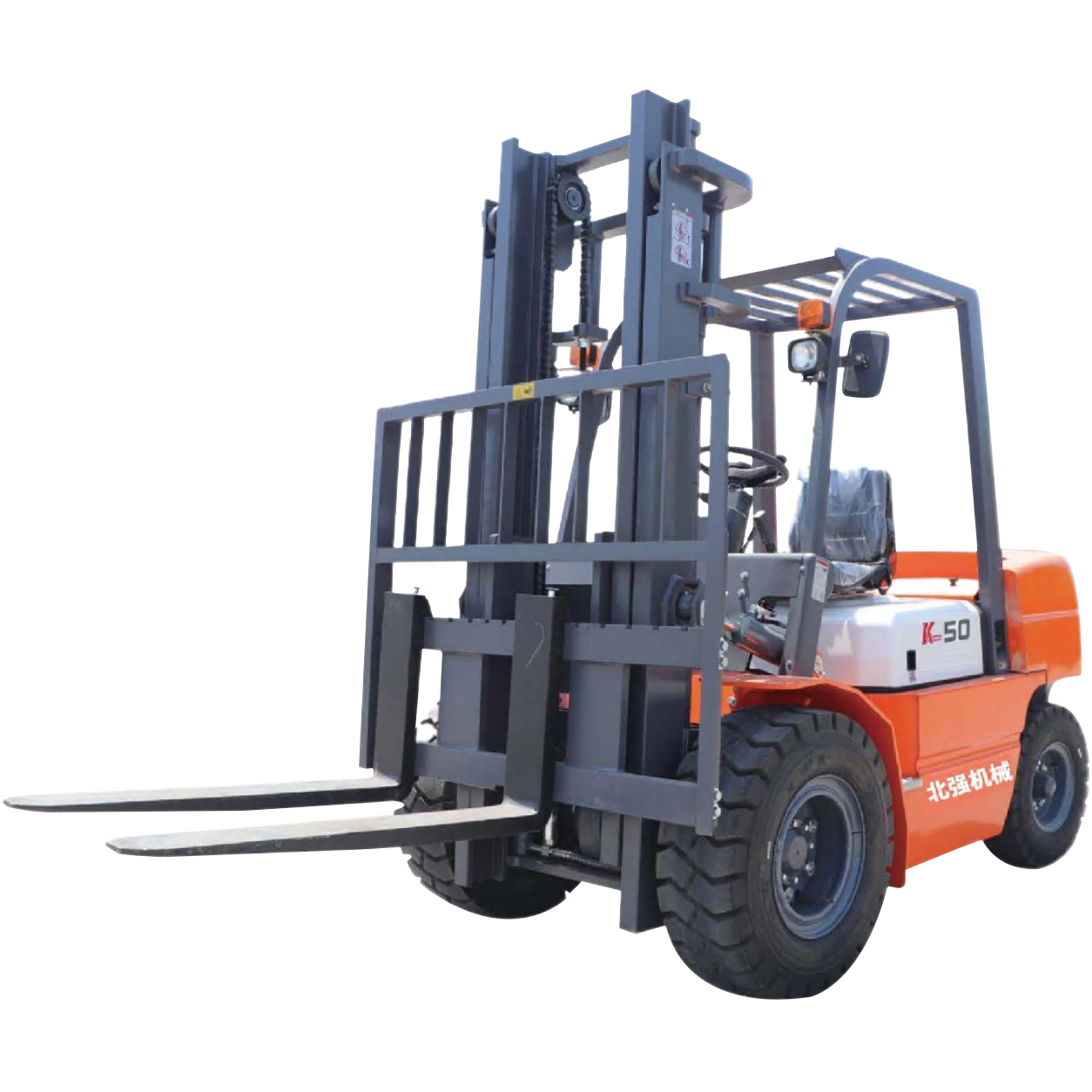
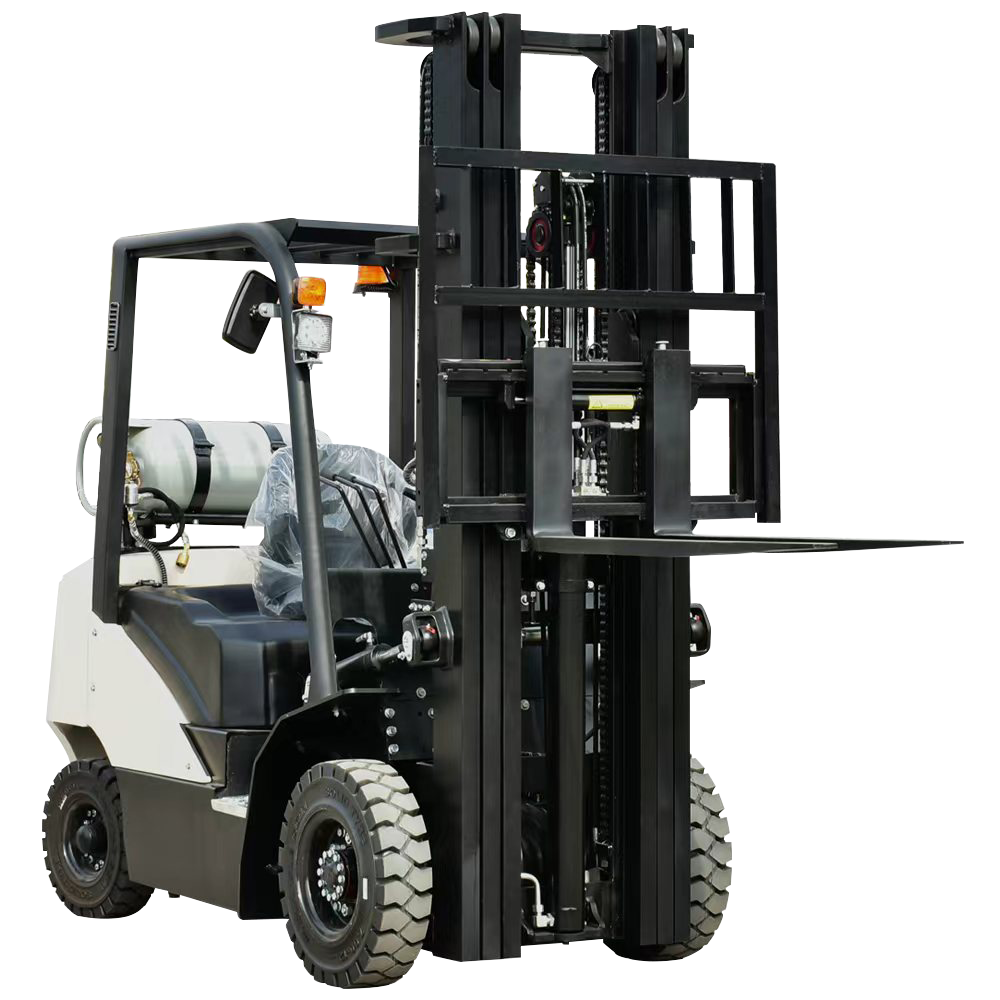
Electric Counterbalance Forklifts: The most versatile type. They use a weight at the rear to counterbalance the load at the front, making them ideal for loading/unloading trucks and transporting loads over medium to long distances, both indoors and on smooth outdoor surfaces.
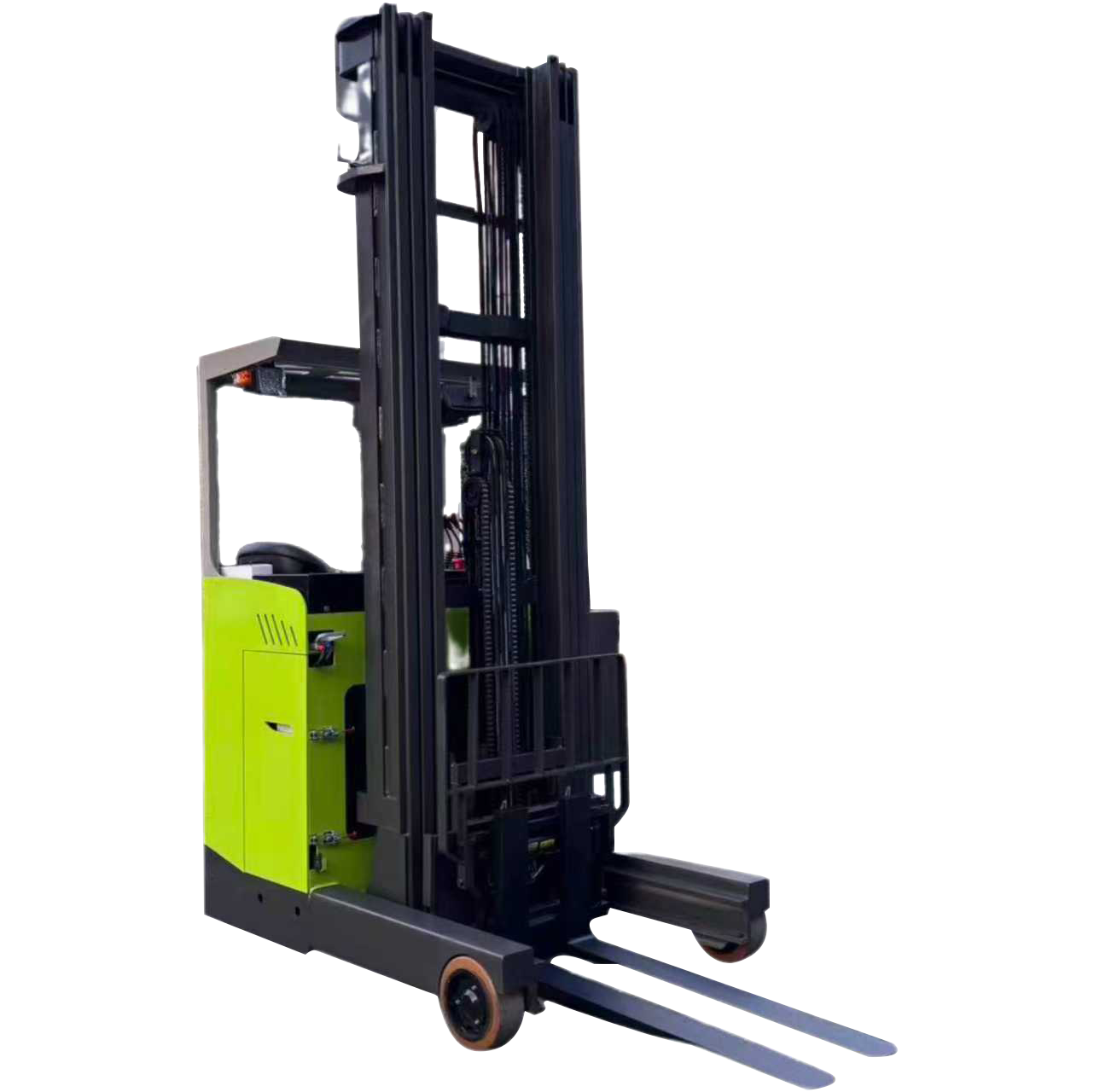
Electric Reach Trucks: Designed for high-density narrow aisle storage. Their forks can extend forward ("reach") into racking, allowing them to operate in aisles as narrow as 2 meters. Essential for maximizing vertical space in warehouses.
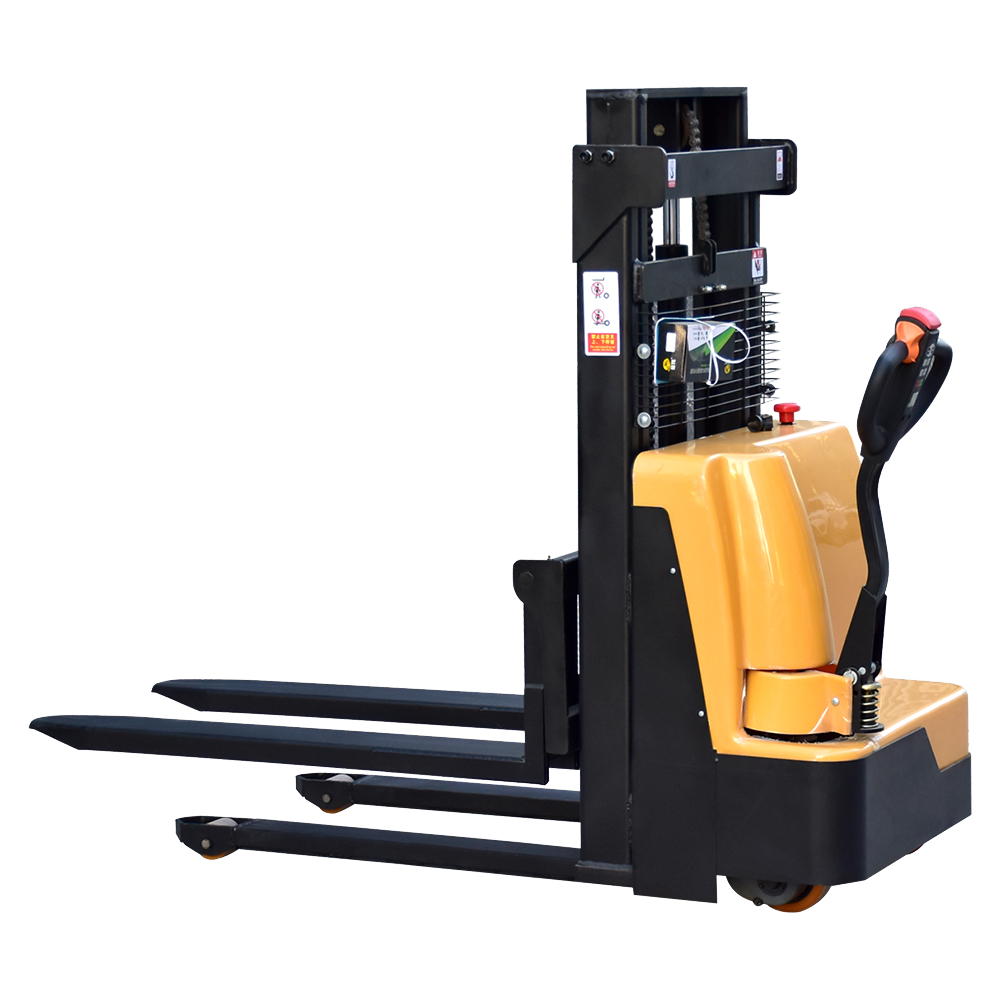
Electric Pallet Jacks (Walkie/Rider): The workhorses of horizontal transport. Used for moving palletized loads over short distances on the floor level. "Walkie" models are operator-guided, while "Rider" models allow the operator to ride.
Electric Order Pickers: Designed for manual picking tasks at various heights. The operator's platform lifts along with the forks, allowing direct access to items on shelves.
3. Key Considerations for Selection
Capacity & Application: Determine the maximum weight and typical load dimensions. Match the forklift type to your primary task (e.g., stacking, transporting, order picking).
Runtime & Charging: Evaluate your daily duty cycles. Lithium-ion batteries offer opportunity charging (fast top-ups during breaks) and require no maintenance, while traditional lead-acid batteries have a lower upfront cost but require scheduled charging and battery changing.
Operating Environment: Consider aisle widths, floor conditions, and whether the forklift will be used indoors, outdoors, or in special environments like cold stores (which require specific configurations).
Total Cost of Ownership (TCO): Look beyond the initial purchase price. Factor in estimated energy costs, expected maintenance, and potential battery replacement over 5-10 years. Electric forklifts almost always win on TCO.
4. Essential Maintenance for Longevity
Battery Care (Lead-Acid): Follow proper charging cycles, maintain water levels, and keep terminals clean.
Regular Inspections: Daily checks of brakes, tires, forks, and controls. Schedule professional inspections periodically.
Keep it Clean: Regularly clean the forklift, especially the battery compartment, to prevent corrosion and buildup of debris.
Train Operators: Proper use is the best preventative maintenance. Ensure operators are trained to avoid harsh handling and abuse.
Conclusion
The transition to electric forklifts is a smart investment for the future. By offering a cleaner, quieter, and more cost-effective solution, they directly contribute to a more sustainable and productive operation. Carefully assessing your needs against the types and factors outlined above will empower you to select the perfect electric forklift to drive your business forward.
Our manager will contact you shortly.
To contact you about our products and services.
Copyright © Xingtai Beiqiang Machinery Manufacturing Factory. 2025.
Technical support:Echola