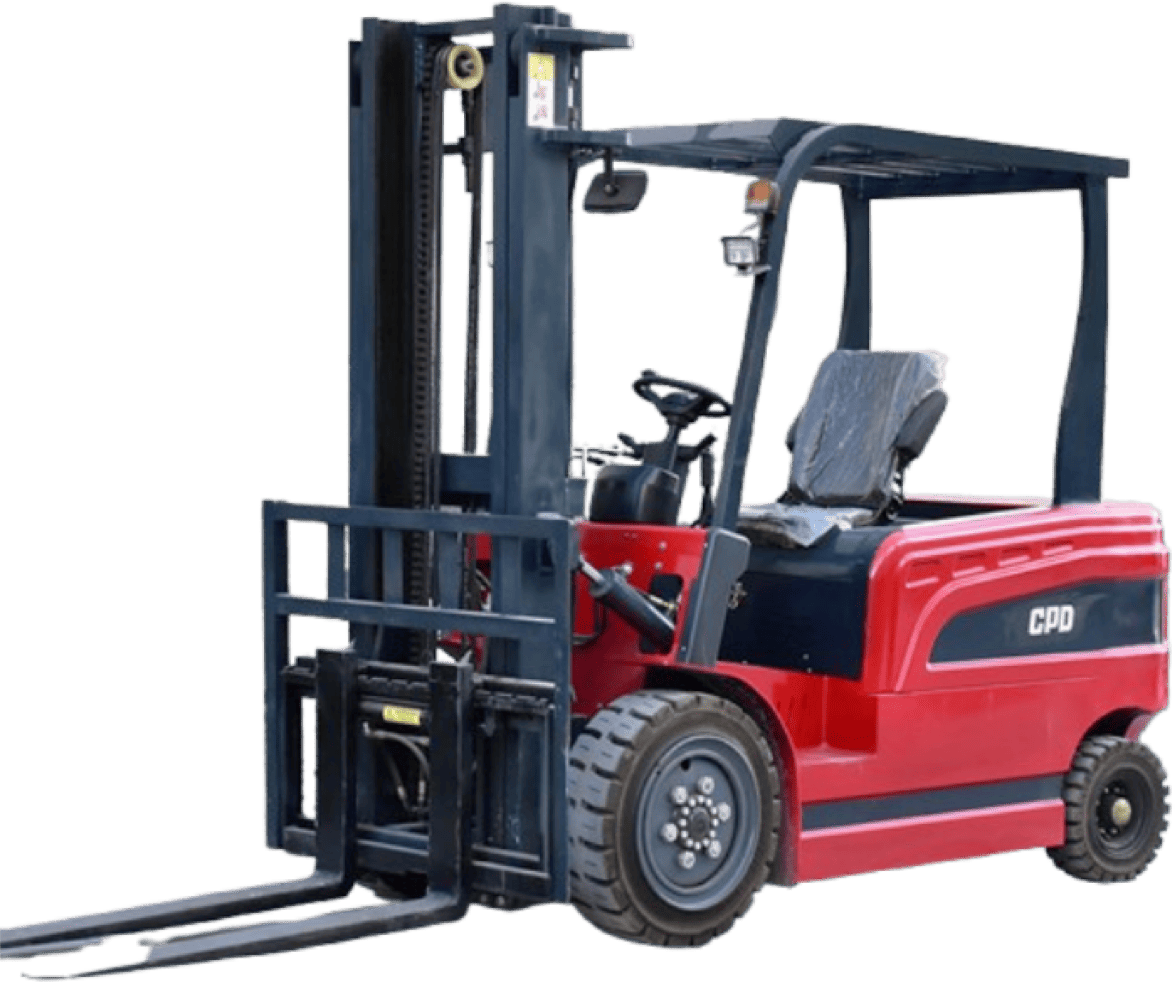
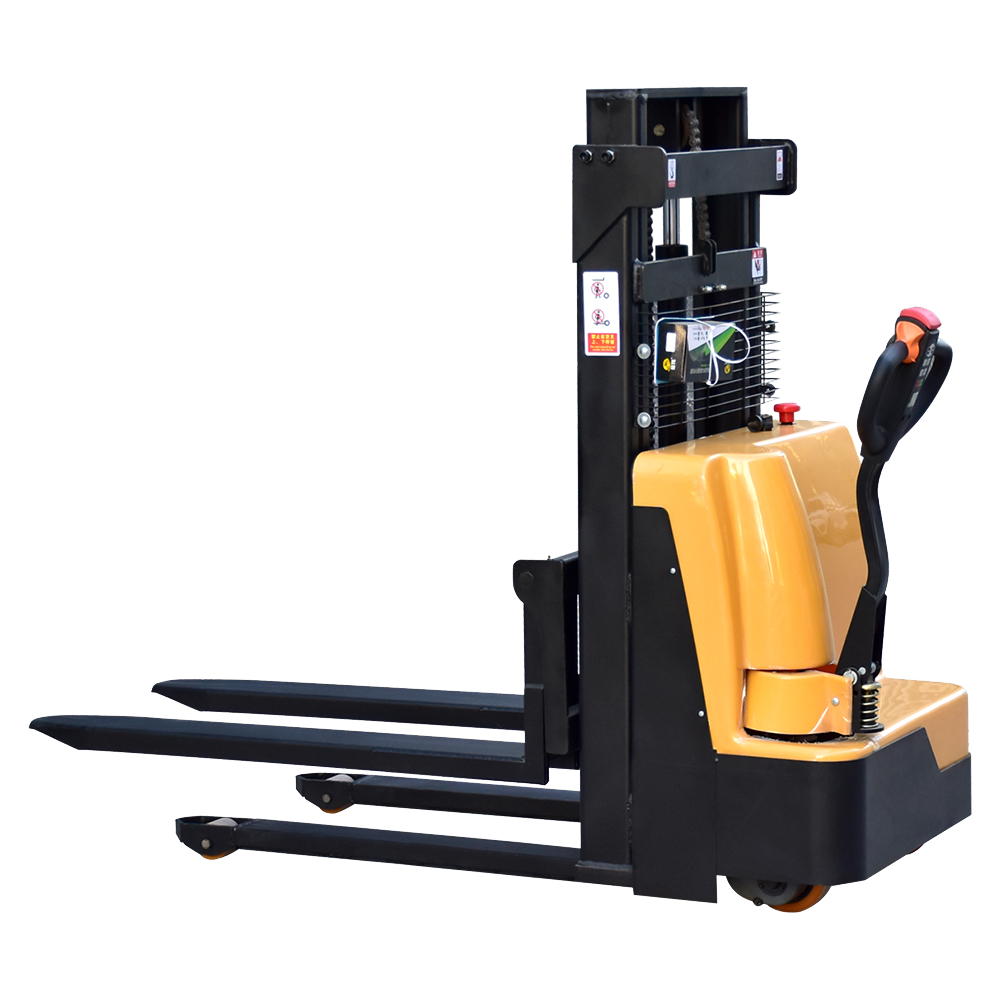
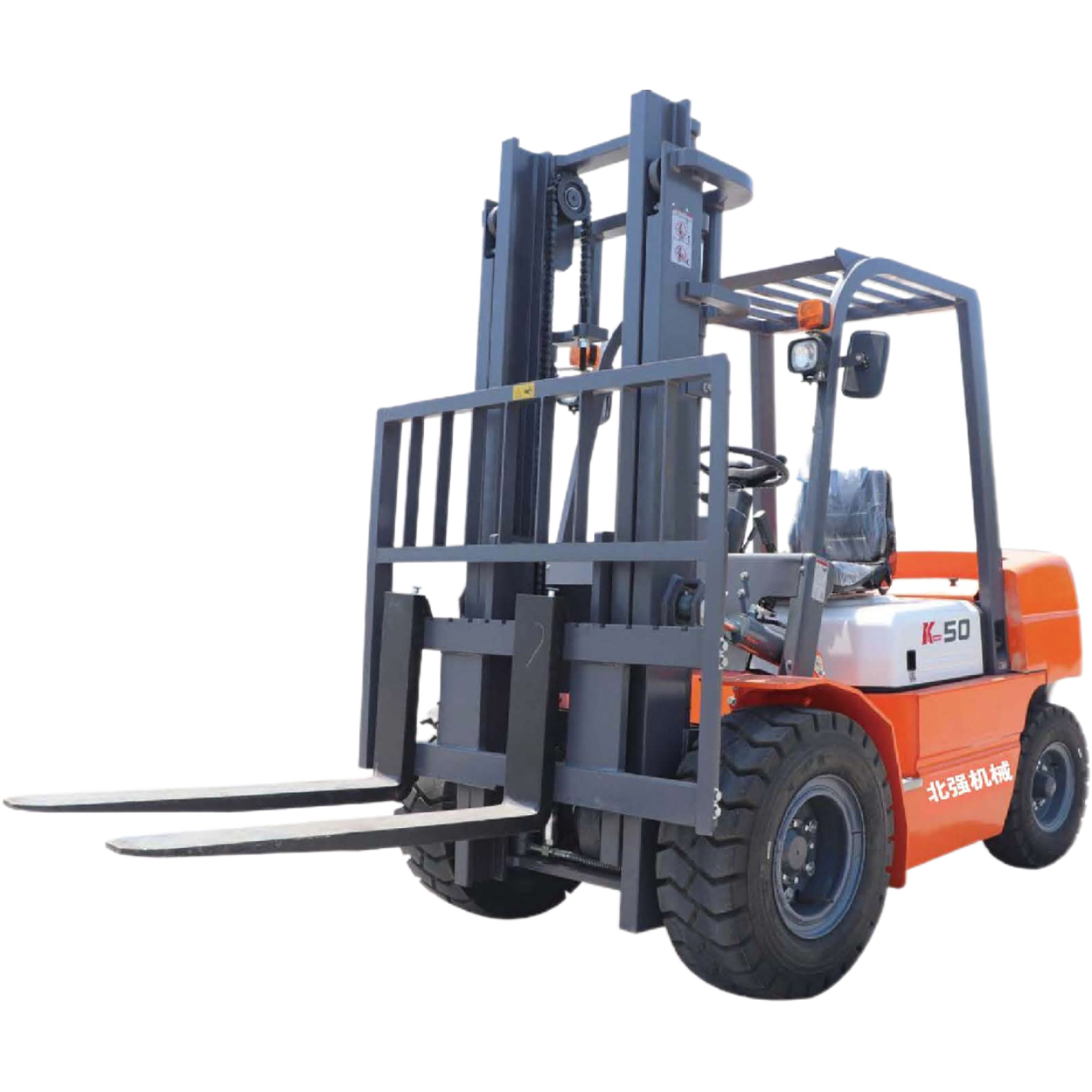
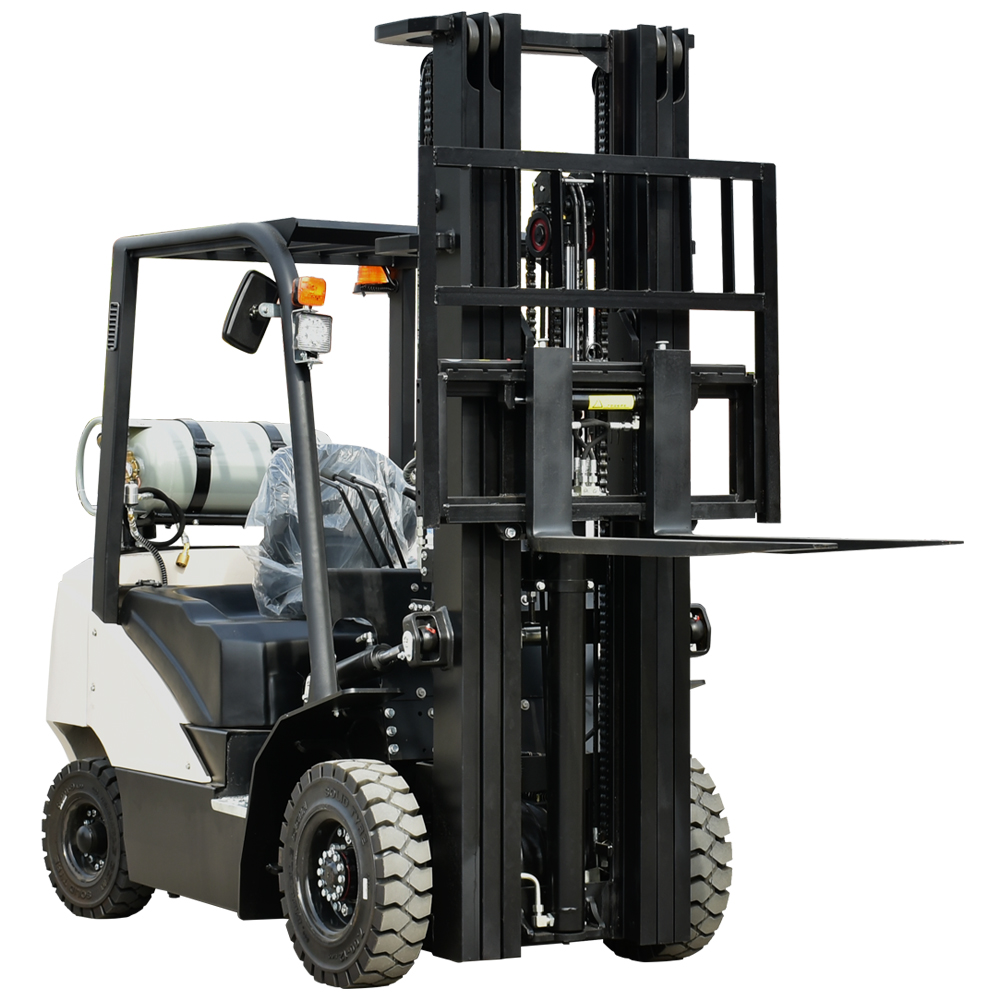
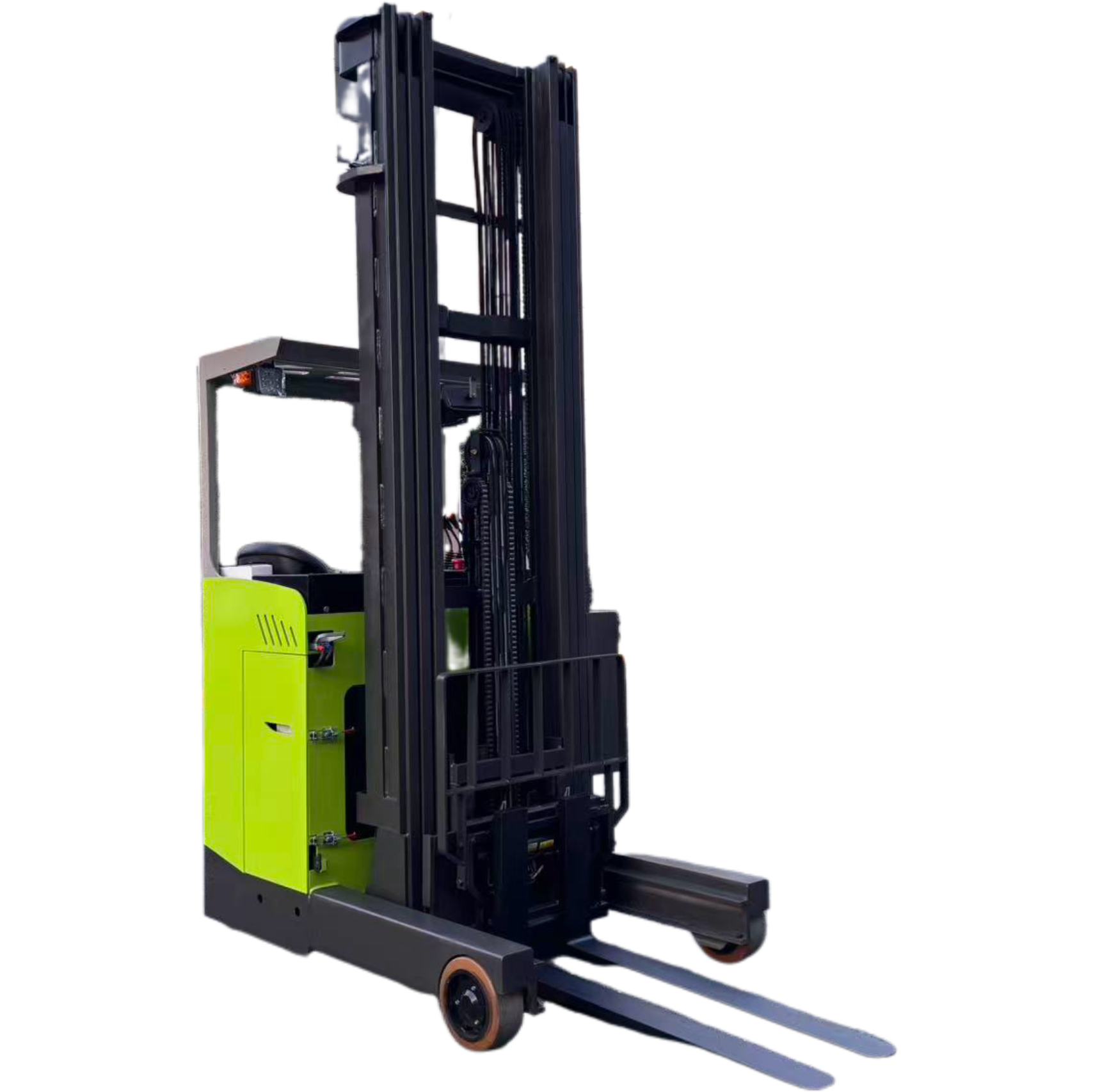
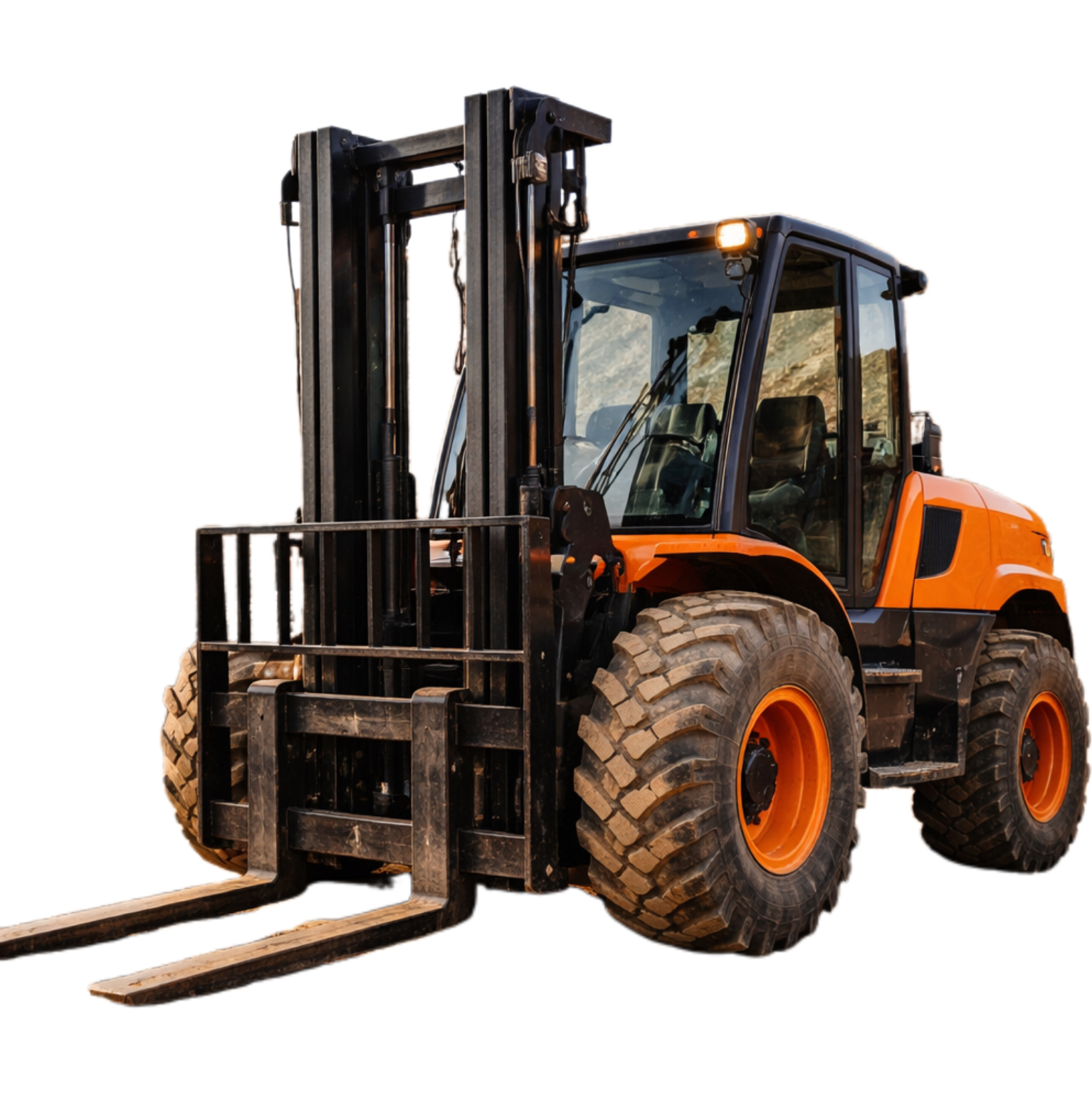


In logistics warehousing and manufacturing handling scenarios, electric forklifts are accelerating the replacement of traditional fuel-powered forklifts due to their advantages of zero emissions and low noise. Data shows that in 2024, the sales volume of lithium-ion forklifts in China reached 448,800 units, with the penetration rate in electric forklifts rising to 47.4%, indicating that the electrification wave has taken shape. However, the subsequent range anxiety and energy consumption cost issues have become key bottlenecks restricting the large-scale application of enterprises. At this time, the emergence of the energy recovery system provides a core solution to this dilemma—it can "turn waste into treasure" the energy that was originally wasted during forklift operations, achieving a dual breakthrough in extended range and reduced energy consumption. So, how exactly does this system work? And what practical value can it bring to enterprises?
1. First, Understand: Where is the "Energy Waste" in Electric Forklifts?
In the operation process of traditional electric forklifts, two types of energy loss are the most prominent and have long been ignored:
First, braking energy loss. When forklifts frequently start, stop, and decelerate in the factory area, the kinetic energy of the vehicle is converted into heat energy through the braking system and dissipated, and this part of the energy is completely wasted; second, lifting potential energy loss. After the forklift lifts the goods, during the process of lowering the goods, the gravitational potential energy of the goods is converted into heat energy through the hydraulic system, which not only wastes energy but also causes the temperature of the hydraulic system to rise, reducing the service life of components. Especially in multi-shift and high-intensity operation scenarios, the superposition of these two types of energy waste not only increases battery consumption, shortens the range, but also increases the frequency of charging and operating costs.
For enterprises, insufficient range means the need to equip more backup batteries or charging equipment, occupying space and funds; excessive energy consumption directly pushes up operating costs—data shows that the energy consumption cost of traditional electric forklifts has become an important expenditure item in warehousing operations, and the annual energy consumption cost of fuel-powered forklifts is more than 35,000 yuan higher than that of electric forklifts. The core value of the energy recovery system is to convert these "invalid losses" into "effective electrical energy", solving the contradiction between range and energy conservation from the source.
2. Core Principle: Three Types of Energy Recovery Technologies to "Recover" Wasted Energy
The essence of the electric forklift energy recovery system is to convert the kinetic energy and potential energy generated during operation into electrical energy through technical means, and then recharge it into the battery for recycling. At present, there are three main mainstream recovery paths, covering the main operation scenarios of forklifts:
1. Braking Energy Recovery: "Reverse Charging" During Deceleration and Stopping
This is the most common form of recovery. When the driver steps on the brake pedal or releases the accelerator pedal, the system will switch the drive motor to generator mode, using the vehicle's inertia to drive the motor to generate electricity. Through advanced IGBT devices and phase-amplitude controlled PWM algorithms, the generated regenerative electric energy is converted into alternating current with the same frequency and phase as the power grid, and recharged into the battery.
In hydrostatic forklifts, this system is also used with accumulators and dual pumps/motors. Simulation research by Southwest Jiaotong University shows that the accumulator recovery efficiency of the system can reach 26.41%, the energy reuse efficiency is as high as 90.81%, and the total energy-saving efficiency can reach up to 23.98%, which greatly reduces the energy loss during the braking process. For warehouse forklifts that start and stop frequently, this technology can turn every deceleration into an "energy supplement opportunity".
2. Lifting Potential Energy Recovery: "Recovering Gravitational Energy" When Lowering Goods
Forklifts need to consume electrical energy when lifting goods, but when lowering goods, the gravitational potential energy of the goods is naturally released. Traditional forklifts consume this part of energy through hydraulic valve throttling, while the energy recovery system converts potential energy into mechanical energy through a hydraulic motor when lowering goods, and then drives the generator to generate electricity for recharging.
Research by the Chinese Mechanical Engineering Society shows that under the 1-ton load condition, the battery-based potential energy recovery system can achieve a potential energy recovery efficiency of 23.34%. If a load-sensitive balance valve is used to optimize the hydraulic system, under no-load or light-load conditions, the output power of the hydraulic pump can be saved by up to 69kW during the lowering process of the forklift arm, and the energy-saving effect is more significant. For high-position forklifts and heavy-duty forklifts that need to lift and lower goods frequently, this technology can effectively reduce the load on the hydraulic system and supplement electrical energy at the same time.
3. Inertial Gliding Recovery: "Capturing Residual Kinetic Energy" During Uniform Gliding
When the forklift is moving at a constant speed and the accelerator pedal is released, the inertia of the vehicle will continue to drive the motor to rotate. The energy recovery system will start automatically to convert this part of inertial kinetic energy into electrical energy for recovery. Although the recovered energy from a single glide is limited, in long-distance handling scenarios in large-area factory areas, the cumulative recovery effect is still considerable.
3. Win-Win Evidence: See the Practical Value of Energy Recovery from Data and Cases
The energy recovery system is not a "theoretical concept", but has shown clear range extension and energy-saving value in practical applications, which can be clearly reflected in the enterprise's "economic account" and "emission reduction account":
1. Extended Range: Meeting Multi-Shift Operation Needs
The range of electric forklifts equipped with an energy recovery system can be increased by 15%-25%. Taking Shanxi Taizhong's TZFB30 lithium-ion intelligent forklift as an example, its energy recovery system combined with a large-capacity lithium battery can be fully charged in only 2 hours, which can easily meet the needs of multi-shift operations and completely solve the pain point of "midway power failure" of traditional electric forklifts. For large logistics parks, this means no need to equip additional backup batteries, reducing battery purchase costs and charging waiting time.
2. Energy Conservation and Consumption Reduction: Significantly Lowering Operating Costs
The energy recovery system can directly reduce the electrical energy consumption of forklifts. Combined with the inherent energy-saving advantages of electric forklifts, it can save enterprises a lot of operating costs. Practice by the Jiyang Branch of Jinan City, Shandong Province shows that a single electric forklift can reduce carbon emissions by more than 70 tons per year, save energy consumption costs by more than 35,000 yuan per year, and save maintenance costs by 10,000-20,000 yuan. The electric heavy-duty forklifts of South China Heavy Industry have further reduced energy consumption by 15%-20% through energy recovery technology, and the cost advantage in long-term use is extremely obvious.
3. Green Compliance: Helping Enterprises Achieve "Dual Carbon" Goals
Under the "dual carbon" goals, enterprises' demand for green transformation is becoming increasingly urgent. Electric forklifts themselves can achieve zero emissions of nitrogen oxides and particulate matter, with a single unit reducing nitrogen oxide emissions by about 18.15 tons and particulate matter emissions by about 1.45 tons per year. The energy recovery system further improves energy utilization efficiency, reduces the pressure on the power grid, and makes enterprises more competitive in green production. At the same time, during the emergency response to heavy pollution weather, electric forklifts equipped with energy recovery systems are not subject to production restriction and suspension controls, ensuring the continuity of production.
4. Future Trends: Synergistic Upgrade of Energy Recovery with Intelligence and New Energy
With the transformation of the forklift industry towards "electrification, intelligence, and high-endization", the energy recovery system will also usher in further upgrades. In the future, it will no longer be a "single functional module", but will be deeply integrated with intelligent control systems and the Internet of Things technology: real-time monitoring of operating conditions to dynamically adjust recovery efficiency, avoiding excessive recovery affecting braking stability; combining with battery management systems to optimize charging strategies and extend battery life.
At the same time, in the field of new energy forklifts such as hydrogen fuel and methanol, the energy recovery system will also play a synergistic role. For example, Taizhong Forklift is laying out hydrogen energy and methanol-powered intelligent forklifts. Equipped with an energy recovery system, it can further improve energy utilization efficiency and promote the green development of high-end construction machinery. It is expected that in the next 3-5 years, the energy recovery system will become a standard configuration for mid-to-high-end electric forklifts, helping the logistics industry achieve the dual goals of "efficient handling + low-carbon operation".
Conclusion: Energy Recovery Makes Electric Forklifts "Run Further and Cost Less"
The popularization of electric forklifts is an inevitable trend in the green transformation of the industry, and the energy recovery system is the "key to solving the pain points of range and energy conservation". By recovering wasted energy in scenarios such as braking and lifting, it makes electric forklifts "more economical to use", not only extending the range, but also reducing operating costs, and helping enterprises achieve environmental compliance.
For enterprises that are deploying electric forklifts, choosing products equipped with advanced energy recovery systems is not only a cost optimization choice at present, but also a long-term green development investment. With the continuous maturity of technology, the energy recovery system will continue to release value, making the advantages of electric forklifts in the field of logistics handling more prominent.
Our manager will contact you shortly.
To contact you about our products and services.


Copyright © Xingtai Beiqiang Machinery Manufacturing Factory. 2025.
Technical support:Echola