

Turning Radius Problems – How Small Design Choices Create Big Operational Losses
1. The Visible Symptom: Slow, Risky Forklift Movements
If you notice:
Operators reversing frequently
Forklifts stopping traffic in aisles
Frequent rack or floor marks
These are not operator mistakes. They are signs of poor turning radius compatibility.
2. The Real Reason: Mismatch Between Forklift and Warehouse Layout
Warehouses today are designed with:
Narrower aisles
Higher racks
Denser storage layouts
However, many forklifts are still built for wider spaces.
This mismatch creates operational friction. Even experienced operators struggle when the forklift’s turning radius exceeds aisle design limits.
3. The Long-Term Risk You May Not See
Ignoring turning radius issues causes hidden losses:
Increased accident risk
Faster wear on tires and steering systems
Reduced operator confidence
Lower daily handling volume
What starts as “slightly inconvenient” becomes structural inefficiency.
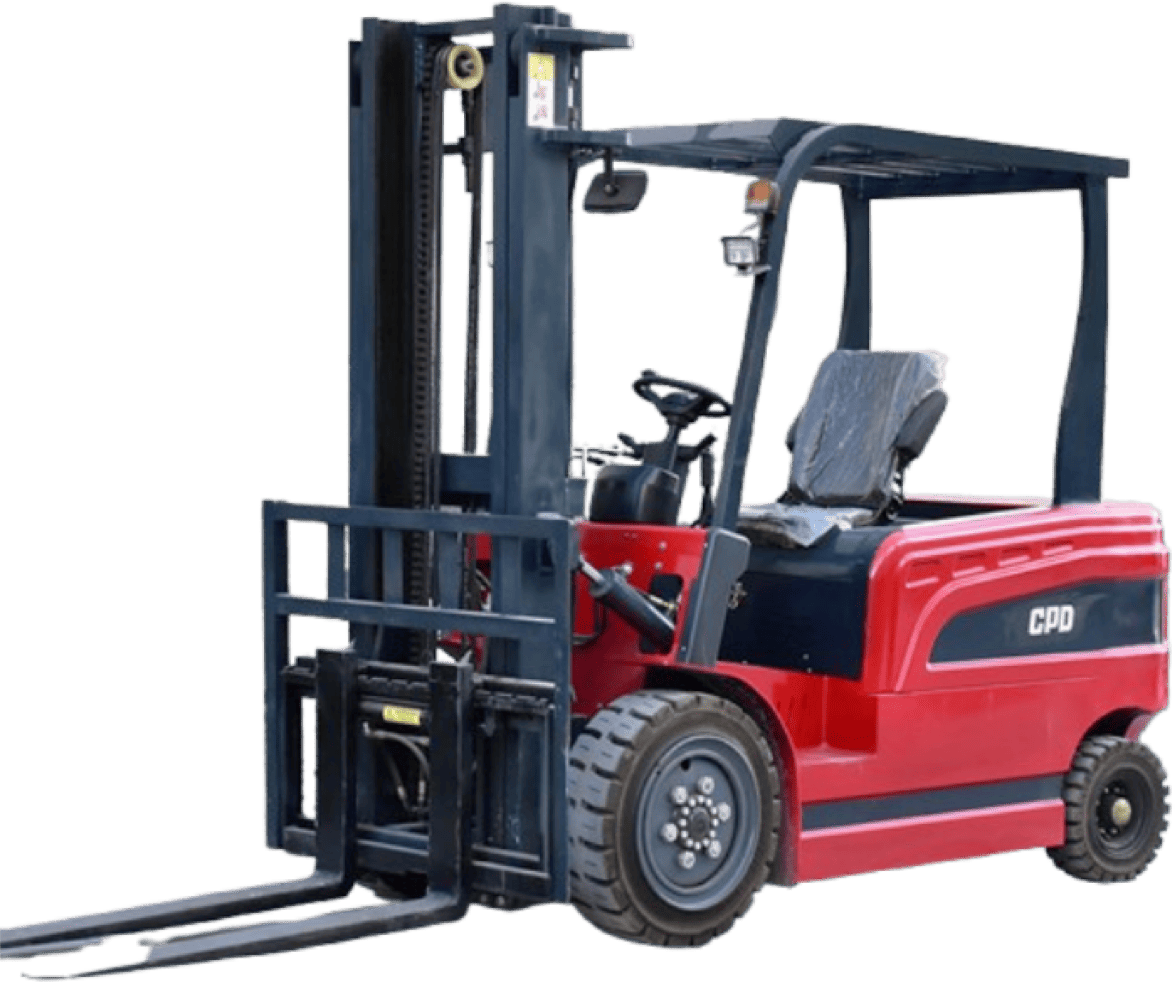
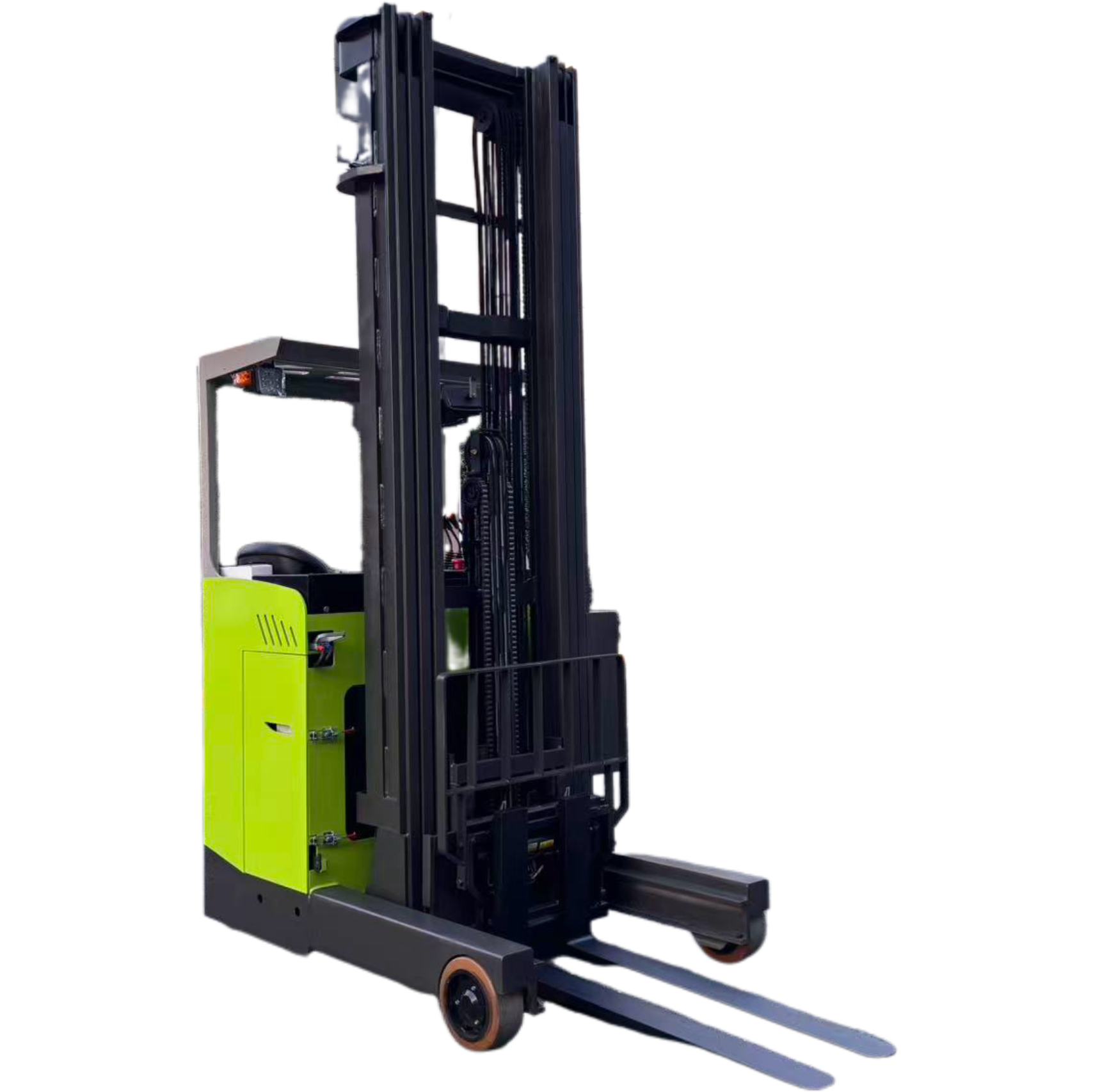
4. The Proven Fix: Purpose-Built Electric Forklifts
Electric forklifts designed for modern warehouses offer:
Smaller turning radius
Faster directional response
Better visibility and control
This allows:
Smoother workflow
Reduced collision risk
Higher operator productivity
Choosing the right turning radius is not a luxury—it’s a strategic decision that improves ROI.
Our manager will contact you shortly.
To contact you about our products and services.


Copyright © Xingtai Beiqiang Machinery Manufacturing Factory. 2025.
Technical support:Echola