

Turning Radius – The Hidden Reason Your Warehouse Feels Too Small
1. The Common Problem: “Why Is My Warehouse Always Congested?”
Many warehouse managers experience the same frustration:
Forklifts constantly need multi-point turns
Operators slow down when entering aisles
Pallets get damaged during tight maneuvers
At first glance, the warehouse seems “too small.”
In reality, the true issue is often an oversized turning radius.
Turning radius determines how tightly a forklift can maneuver. If it’s too large, even a well-designed warehouse becomes inefficient.
2. The Root Cause: Oversized Forklift Design
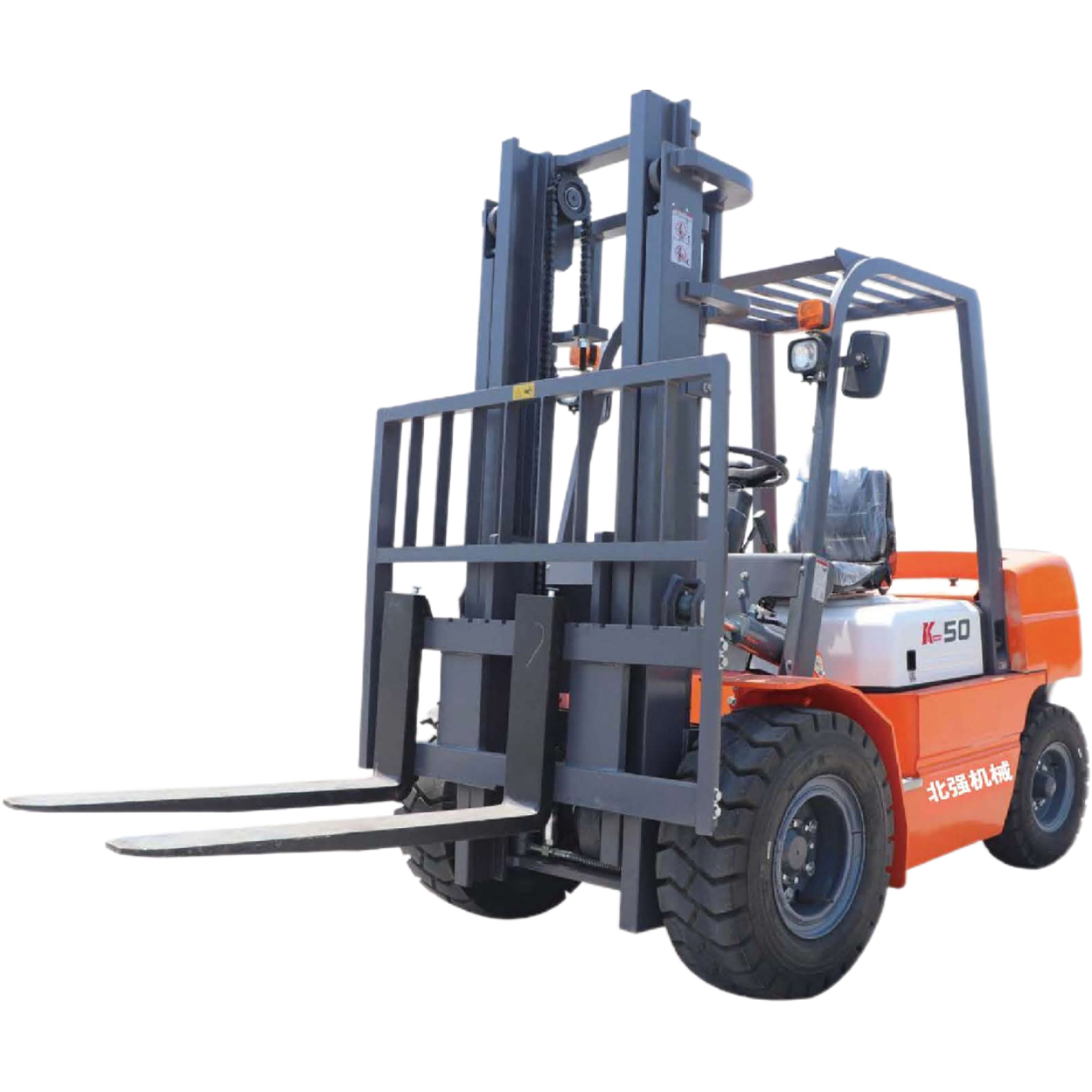
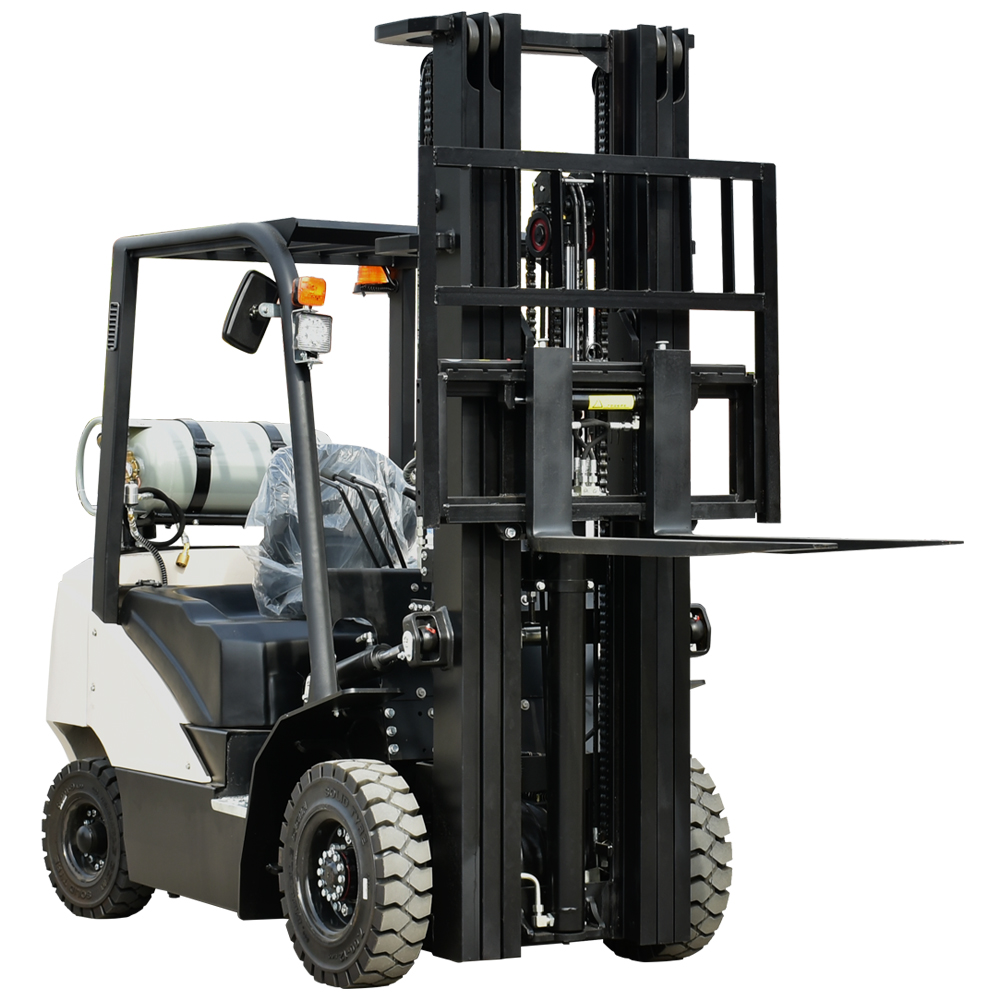
Traditional forklifts—especially internal combustion models—often suffer from:
Long wheelbase
Large counterweights
Limited steering angles
These design limits force forklifts to occupy more space when turning. Even electric forklifts with outdated chassis designs can suffer from this problem.
Many buyers focus on load capacity and price, but overlook turning radius during purchasing decisions.
3. The Real Damage to Your Business
A large turning radius doesn’t just cause inconvenience—it directly affects your bottom line:
Slower picking and stacking cycles
Increased risk of rack and pallet damage
Higher operator fatigue and stress
Reduced usable storage space
Over time, this leads to lower throughput and higher operational costs.
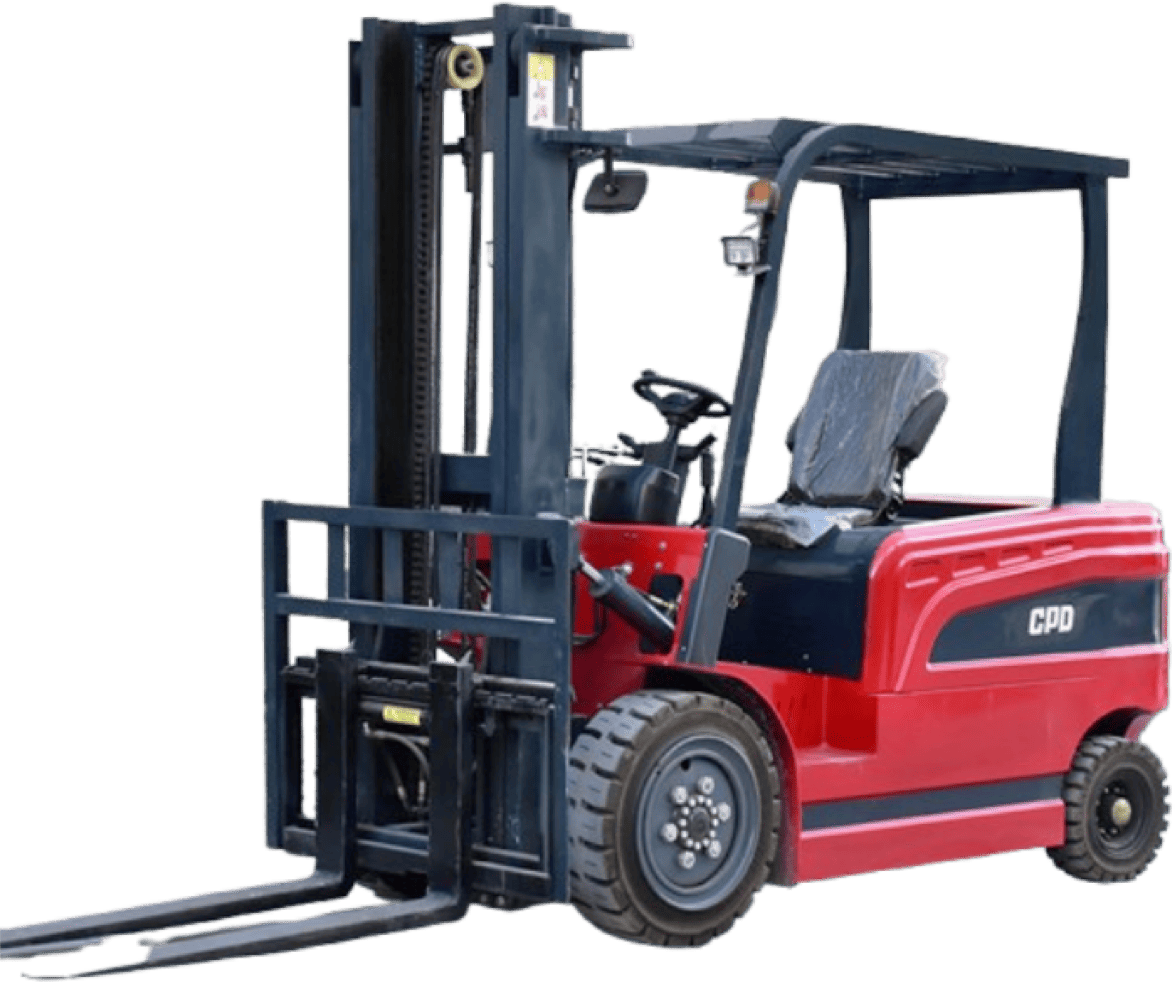
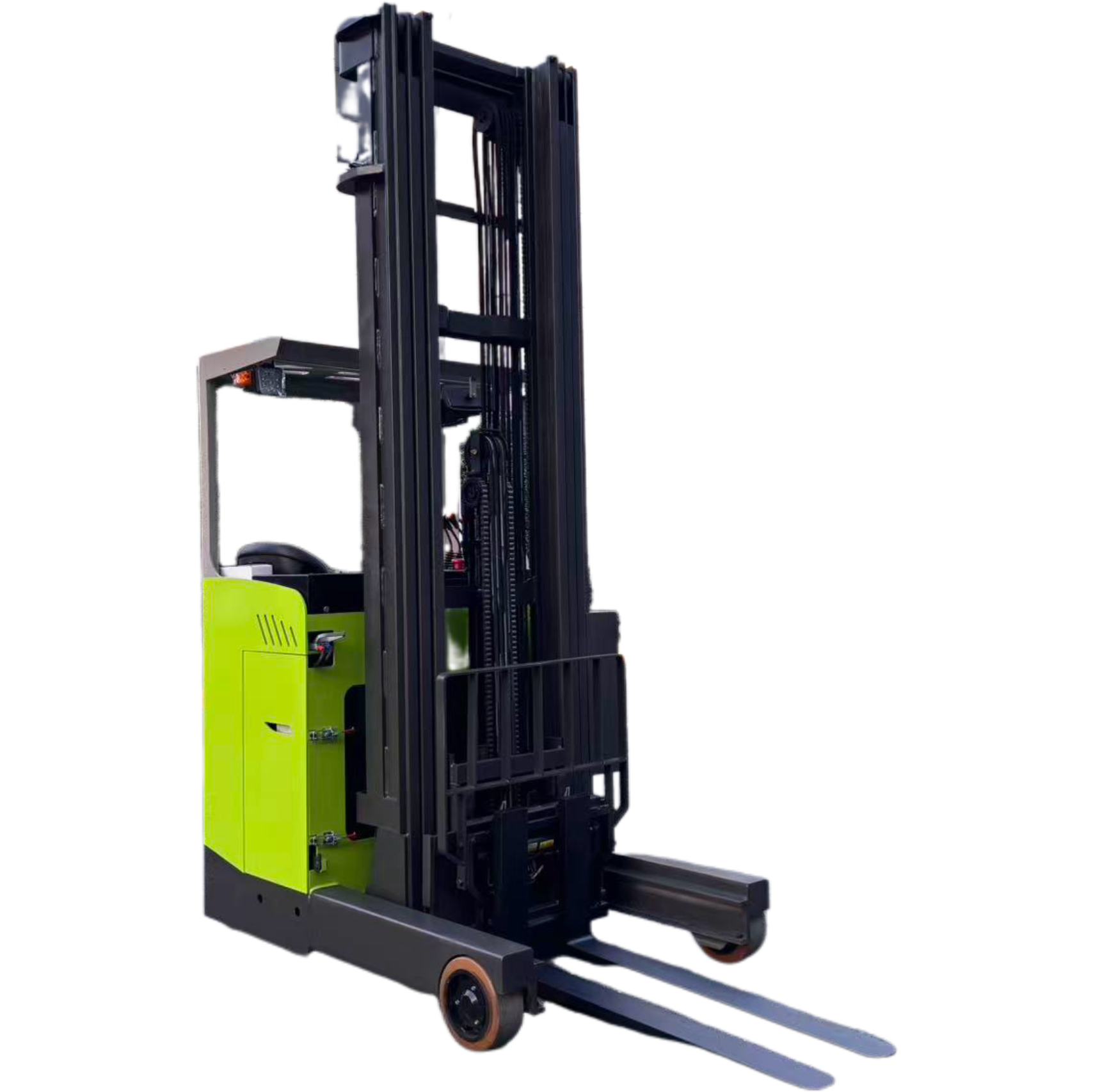
4. The Smart Solution: Compact Turning Radius Electric Forklifts
Modern electric forklifts are engineered specifically to reduce turning radius:
Optimized steering geometry
Shorter wheelbase design
Precision electronic steering control
With a smaller turning radius, you gain:
Faster maneuvering in narrow aisles
Safer operation with fewer collisions
Better space utilization without warehouse expansion
If your operation values efficiency and safety, choosing an electric forklift with a tight turning radius is a direct productivity upgrade.
Our manager will contact you shortly.
To contact you about our products and services.


Copyright © Xingtai Beiqiang Machinery Manufacturing Factory. 2025.
Technical support:Echola