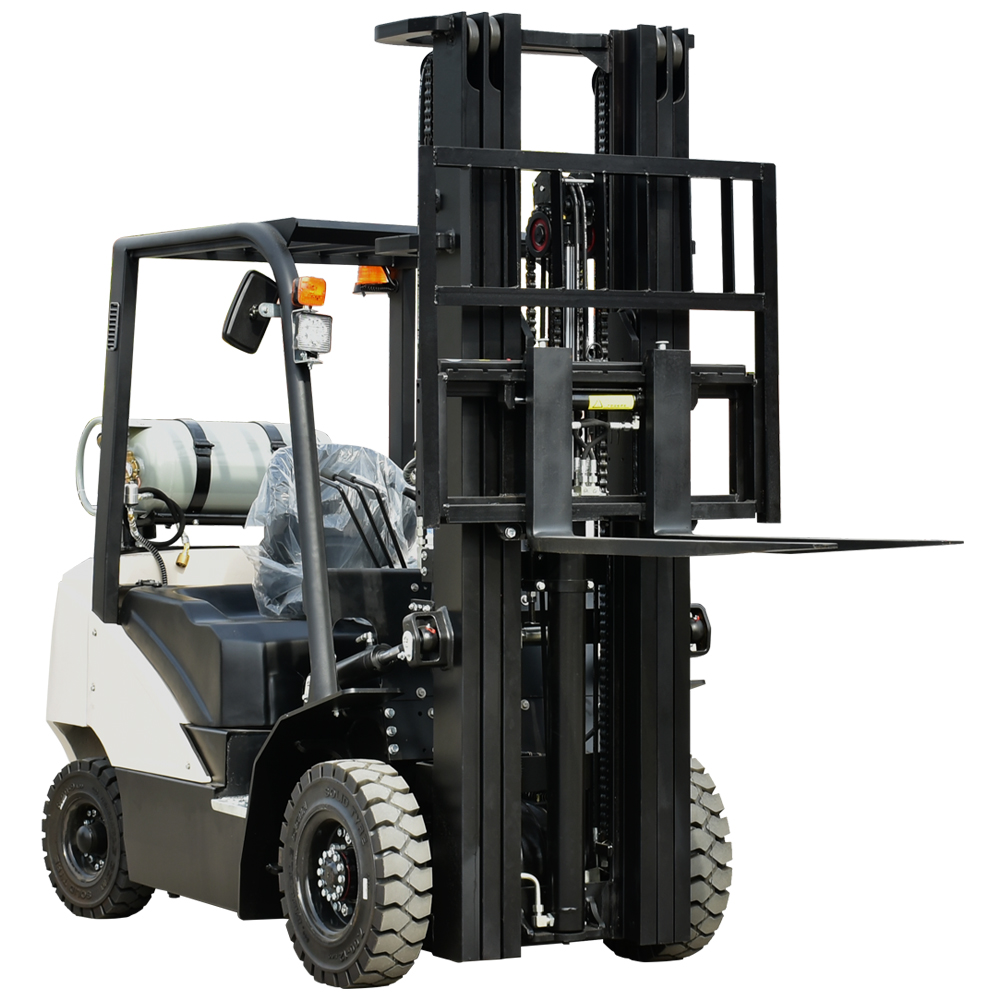
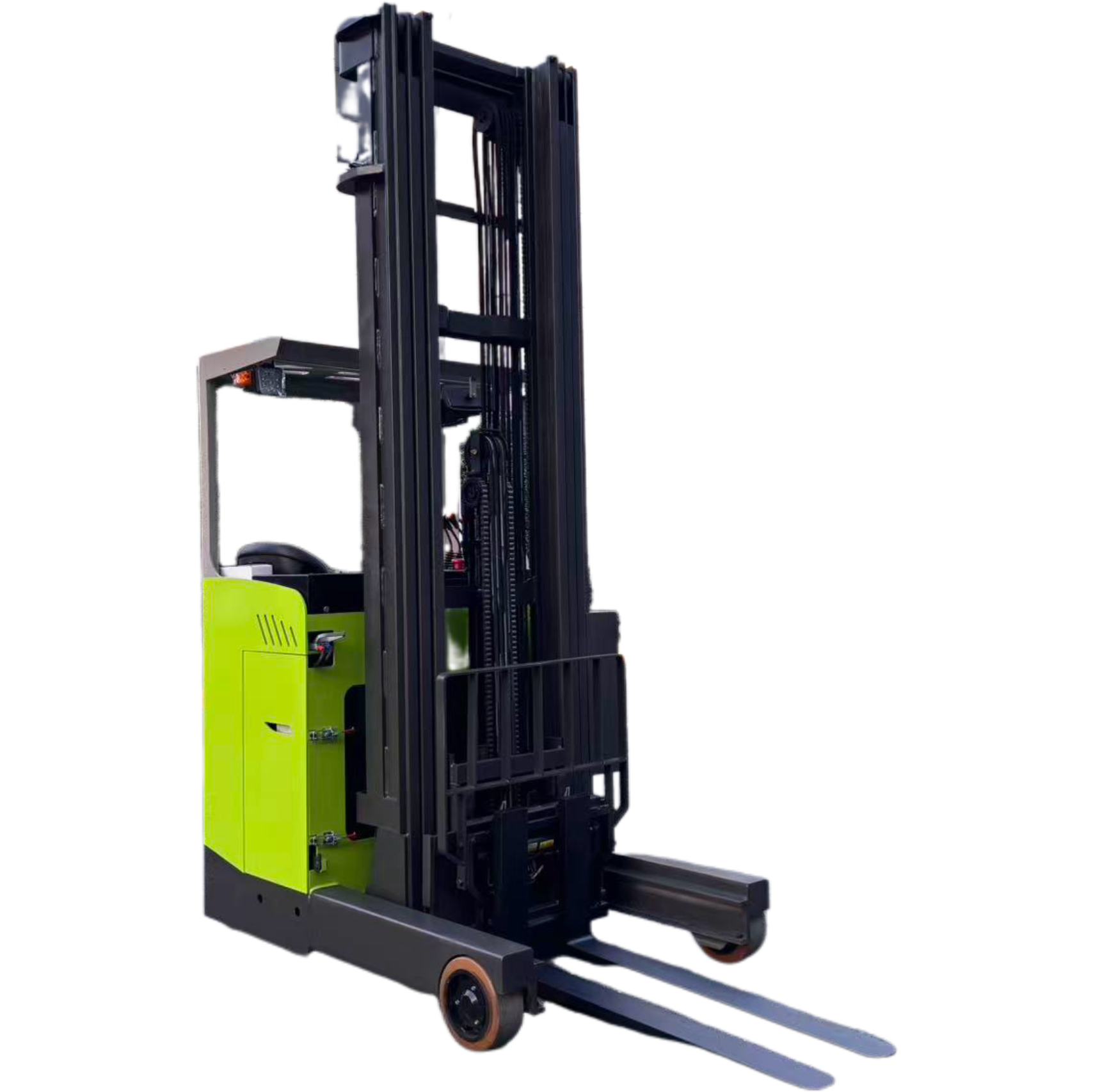
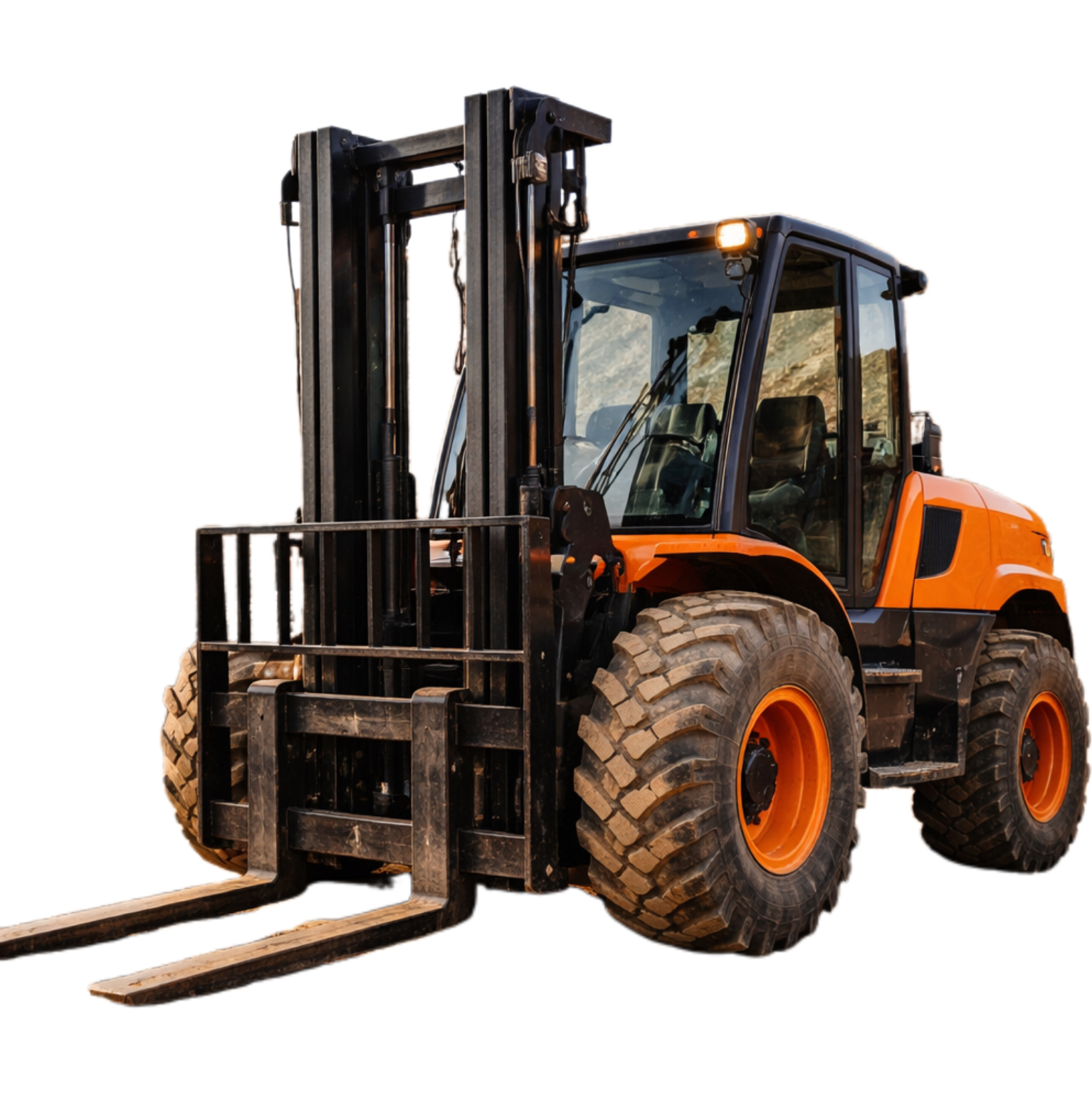


In 2025, driven by the in-depth advancement of global "dual carbon" goals and the accelerated process of industrial automation, the electric forklift industry ushered in a crucial year of large-scale growth and technological iteration. The electrification substitution of traditional internal combustion forklifts has entered a critical phase, with intelligent and connected technologies deeply integrating with forklift products. Meanwhile, the rise of demand in emerging markets and the expansion of segmented scenarios have jointly reshaped the industry development pattern. This article will comprehensively analyze the development status and core trends of the 2025 electric forklift industry from three dimensions: market size, technological breakthroughs, and future outlook.
I. Market Size: Global Breakthrough of 25 Billion US Dollars, China as the Core Growth Engine
In 2025, the global electric forklift market achieved a qualitative leap, with the overall industry scale exceeding 25 billion US dollars for the first time, a year-on-year increase of 16.8% compared to 2024, and the compound annual growth rate maintaining a high prosperity range of 15%-18%. The regional market presents a differentiated pattern of "Asia-Pacific leading, Europe and America upgrading, and emerging markets rising", among which the performance of the Chinese market is particularly outstanding.
1. Regional Pattern: Asia-Pacific Leads the World, China's Contribution Rate Exceeds 40%
From the perspective of regional distribution, the Asia-Pacific region ranks first in the world with a 48.2% market share. As the world's largest producer and consumer of electric forklifts, China's market size exceeded 8 billion US dollars in 2025, accounting for 32% of the global share and contributing more than 40% to global growth. This achievement is attributed to China's manufacturing transformation and upgrading, improved new energy industrial chain, and policy promotion of "dual carbon" goals. The Yangtze River Delta, Pearl River Delta, and Chengdu-Chongqing economic circles contributed more than 60% of domestic incremental demand.
The European and American markets focus on high-end upgrading. The European market accounts for 28.6%. Driven by the EU Stage V emission standards, Germany and France are accelerating the electrification substitution of 13-ton internal combustion forklifts. The coverage rate of charging infrastructure in Western Europe has exceeded 70% in 2025, driving the average price of regional electric forklifts down by 18%. The North American market accounts for 19.5%. The automated warehousing investment of retail giants such as Amazon and Walmart in the United States has driven the demand for electric counterbalanced forklifts below 3 tons to grow by 35%.
Emerging markets have become new growth poles. India's electric forklift sales growth rate reached 25% annually driven by the "Make in India" strategy. Due to manufacturing reshoring, imports in Southeast Asian and Latin American countries have grown by 18% annually. The demand in countries along the Belt and Road exceeded 150,000 units in 2025.
2. Product Structure: Lithium Batteries Dominate Comprehensively, Demand Differentiation in Segmented Models
In 2025, the product structure of electric forklifts underwent a fundamental transformation, with lithium-ion battery models comprehensively replacing lead-acid battery models as the mainstream. Data shows that the global lithium-ion battery forklift market size is expected to reach 18 billion US dollars, accounting for more than 65% of the overall market share. China's lithium-ion battery forklift output exceeded 500,000 units, accounting for 60% of global total production. Benefiting from 40%-50% higher energy density and more than 3 times the cycle life of lead-acid batteries, lithium-ion batteries have a penetration rate of over 70% in high-end scenarios such as cold chain logistics and electronic manufacturing.
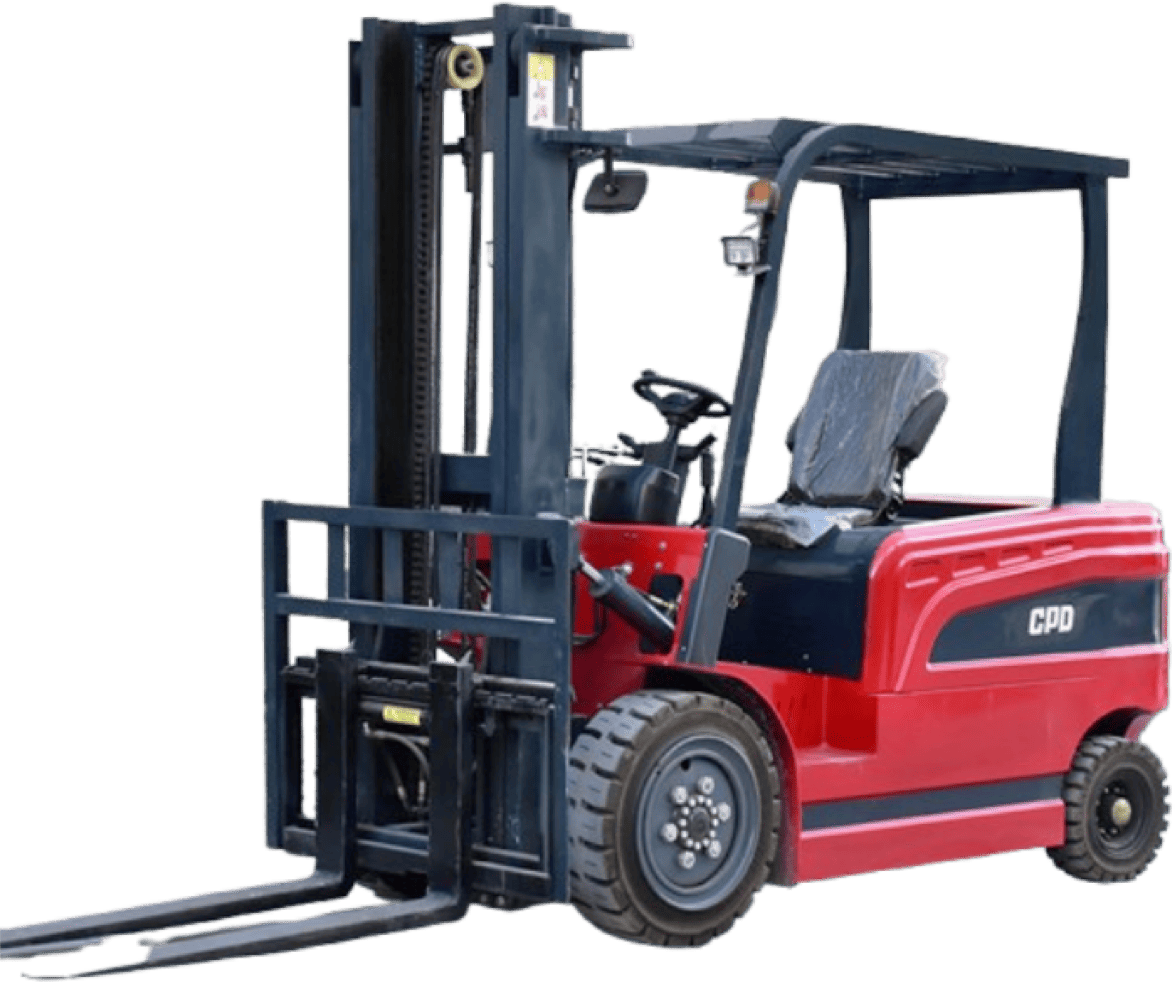
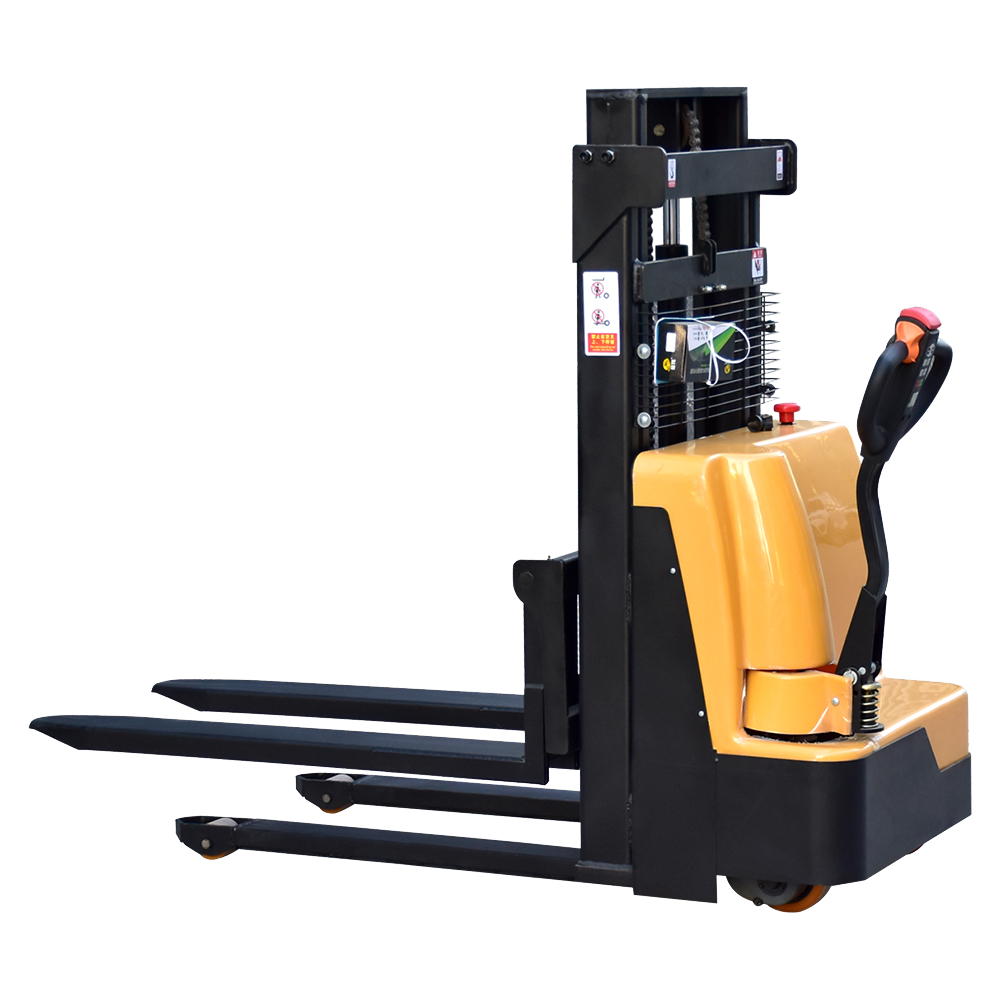
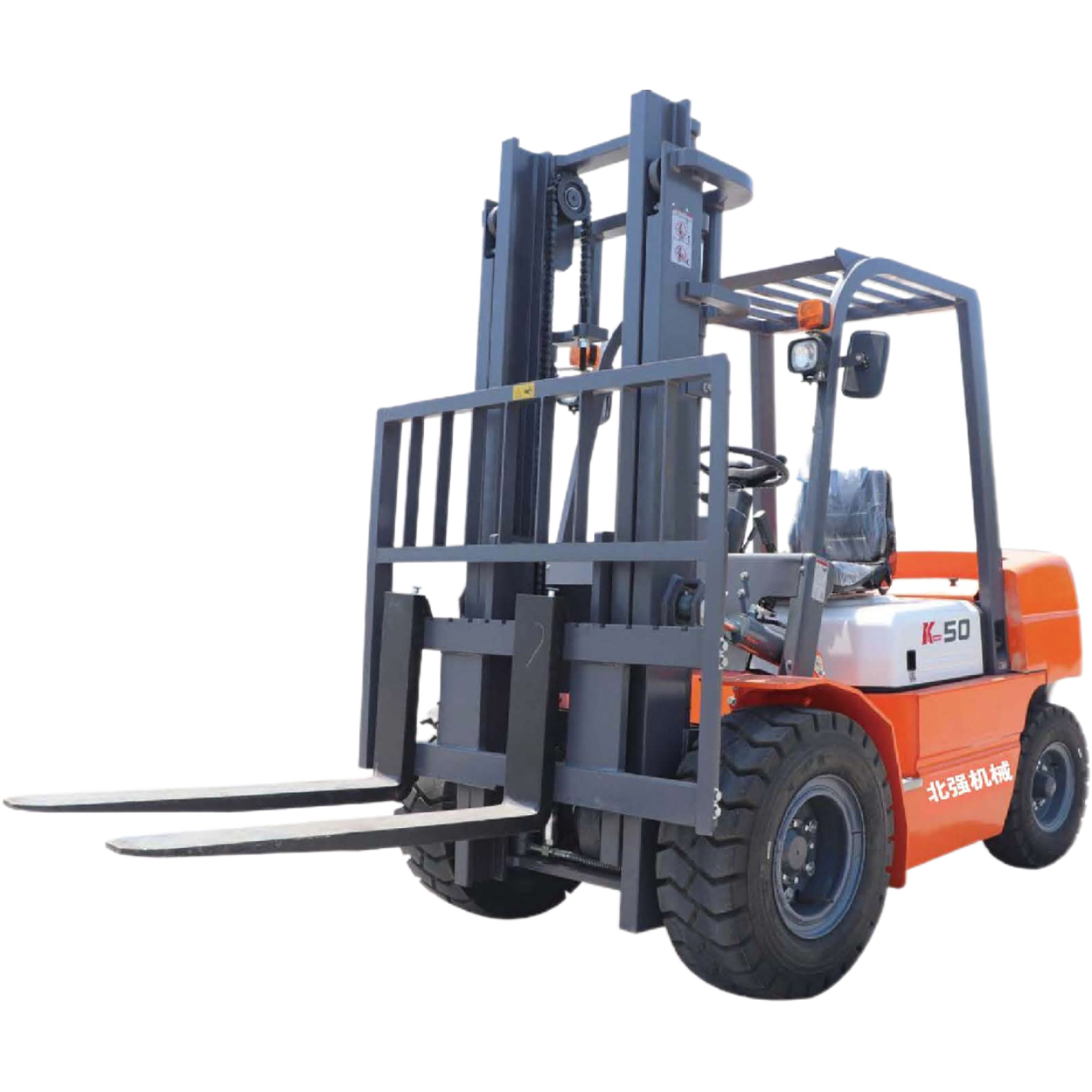
Among segmented models, warehousing electric forklifts benefited from the explosion of e-commerce logistics, with a market size of 9 billion US dollars in 2025, accounting for 36% of the total. Electric counterbalanced forklifts still occupy an important position in heavy-duty operations, with a market size of 6.5 billion US dollars and an average annual growth rate of about 10%. Demand for special models surged, the market size of cleanroom electric forklifts for semiconductor production exceeded 800 million US dollars, and demand for special models for cold chain logistics grew by 40%.
3. Market Ecology: Channel Transformation and Aftermarket Rise
With the improvement of industry maturity, market competition has extended from the product end to the channel and service end. In 2025, the proportion of online electric forklift sales increased to 25%, and the scale of professional leasing service market reached 4 billion US dollars, becoming an important choice for enterprises to reduce initial investment. Leading enterprises have laid out the aftermarket one after another, improving the full-life cycle service capacity by establishing remote fault diagnosis systems and improving battery recycling systems, and the profit contribution rate of the aftermarket has reached more than 25%.
II. Technological Breakthroughs: Triple Upgrades in Power, Intelligence and Core Components
In 2025, technological breakthroughs in the electric forklift industry focused on three major directions: power system optimization, intelligent connectivity upgrading, and localization of core components. The speed of technological iteration accelerated significantly, and the proportion of industry R&D investment increased to 5.8%.
1. Power System: Landing of Fast Charging and New Battery Technologies
High-voltage fast charging technology has become the industry standard. Mainstream models have achieved "1-hour charging for 8-hour operation". Some high-end models have further improved charging efficiency, requiring only 30 minutes of charging to meet 6-hour working conditions, greatly alleviating range anxiety. Hydrogen fuel cell forklifts have entered the commercial pilot stage, with a range twice that of lithium-ion battery products and a refueling time of only 3 minutes. They have been verified in heavy-duty operation scenarios such as ports and steel plants, with a global market size exceeding 800 million US dollars in 2025. Solid-state battery technology has made phased progress, with an energy density expected to reach 400Wh/kg, and commercial application is expected in 2028.
2. Intelligent Connectivity: From Assisted Driving to Autonomous Operation
5G+AI visual navigation technology has achieved large-scale application. Intelligent forklifts from leading enterprises such as BYD and Hangcha can achieve precise positioning (error ±5mm) and autonomous obstacle avoidance, increasing the operating efficiency of a single device by more than 3 times. The penetration rate of L4-level autonomous driving forklifts reached 20%, realizing multi-vehicle collaborative scheduling in closed warehousing scenarios, and the coverage rate of cloud scheduling systems exceeded 75%. In addition, intelligent energy management systems have become popular, which can automatically adjust power output according to load and slope, reducing energy consumption by 15%-20%.
3. Core Components: Accelerated Breakthroughs in Localization Substitution
The localization rate of core components has increased significantly, breaking the foreign monopoly. In the motor field, oil-cooled heat dissipation technology has been fully mass-produced, reducing motor temperature rise by 15℃ and increasing continuous output power by 20%. Enterprises such as Inovance Technology and Wolong Electric Drive account for a total of 62% of the market share. In the electronic control field, locally developed IGBT modules by domestic enterprises have been mass-produced, with a cost 28% lower than imported products. In the battery field, the forklift-specific CTP battery technology developed by CATL and BYD has reduced the battery pack volume by 20% and increased the energy density to 210Wh/kg.
III. Future Outlook: Triple-Driven Growth by Policy, Scenarios and Globalization
Looking forward to 2026-2030, the electric forklift industry will continue to maintain a high-growth trend. It is expected that the global market size will exceed 30 billion US dollars in 2026, and the penetration rate of intelligent connected products will reach 45% in 2030. The industry will develop in a more efficient, intelligent and green direction.
1. Continuous Release of Policy Dividends
Tightening global environmental policies will accelerate the substitution of internal combustion forklifts. China's "Industrial Vehicle Electrification Action Plan" requires eliminating 50% of existing internal combustion forklifts by 2027, and the logistics industry alone will release 300,000 units of replacement space annually. The EU will impose a battery carbon tax starting from 2026, forcing enterprises to improve the low-carbon attributes of products. Investment in charging and hydrogen refueling infrastructure by various countries will further reduce the threshold for the use of electric forklifts.
2. Expansion of Segmented Scenarios Creates New Demand
The new energy industry will become an important downstream market. The purchase volume of electric forklifts in photovoltaic and lithium battery factories is expected to grow by 50% in 2026. The application of electric forklifts in the agricultural field is gradually popularized, with an expected average annual growth rate of 20% from 2025 to 2030. Demand for special models in special scenarios such as pharmaceutical warehousing and hazardous chemical transportation will continue to grow, and the market size of electric forklifts for pharmaceutical warehousing will reach 1.2 billion US dollars in 2026.
3. Deepening Global Layout and Technological Integration
Chinese enterprises will accelerate overseas expansion, establishing localized production bases in Southeast Asia and Central and Eastern Europe, targeting a localization rate of 60% to further increase global market share. Technically, electric forklifts will deeply integrate with the industrial Internet to realize full-link digital management of equipment, personnel and goods. The maturity of hydrogen fuel and solid-state battery technologies will form a pattern of coexisting multiple technical routes to meet the differentiated needs of different scenarios.
4. Risk Tips
The industry development still faces multiple challenges: fluctuations in raw material prices such as lithium will affect cost control (every 10% increase in lithium prices will lead to a 3.2% increase in costs); international trade barriers (such as EU carbon tariffs) may increase export costs; excessively fast technological route iteration may lead to the elimination of some production capacity. Enterprises need to hedge risks by vertically integrating the supply chain, strengthening technological R&D, and laying out overseas factories.
Conclusion: Electric Forklifts Usher in a New Era of Green and Intelligent Industrial Logistics
2025 is a crucial year for the large-scale growth of the electric forklift industry. The breakthrough in market size, comprehensive technological upgrading, and expansion of application scenarios mark that the industry has entered an advanced stage of "leading the green and intelligent transformation of industrial logistics" from the initial stage of "substituting internal combustion forklifts". In the future, with the continuous policy support, in-depth technological innovation, and deepening global layout, electric forklifts will become an indispensable core equipment in the industrial logistics field, providing important support for the realization of global "dual carbon" goals and industrial upgrading. For enterprises, seizing the three major opportunities of lithium batteries, intelligent connectivity, and overseas markets is the key to achieving sustainable growth.
Our manager will contact you shortly.
To contact you about our products and services.


Copyright © Xingtai Beiqiang Machinery Manufacturing Factory. 2025.
Technical support:Echola