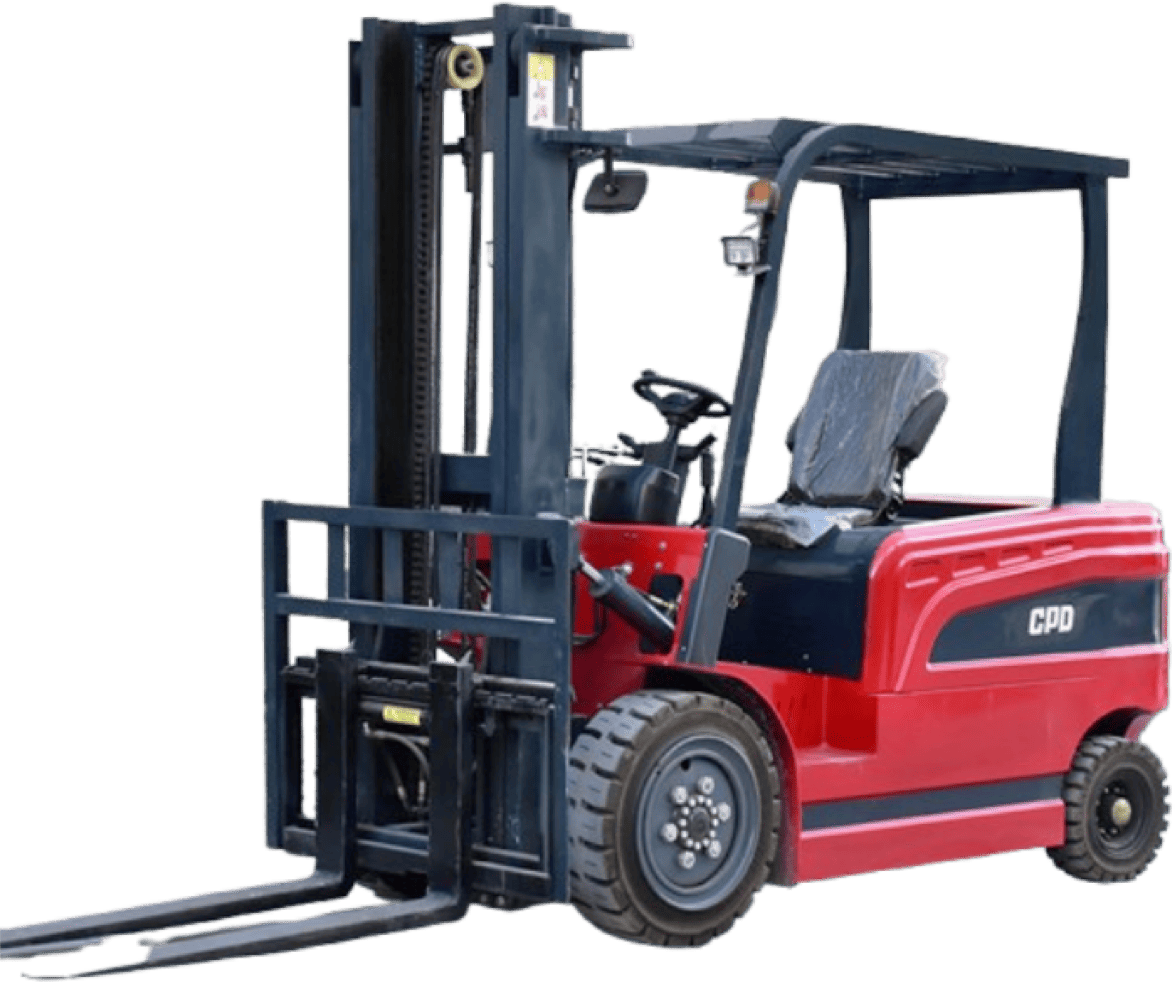
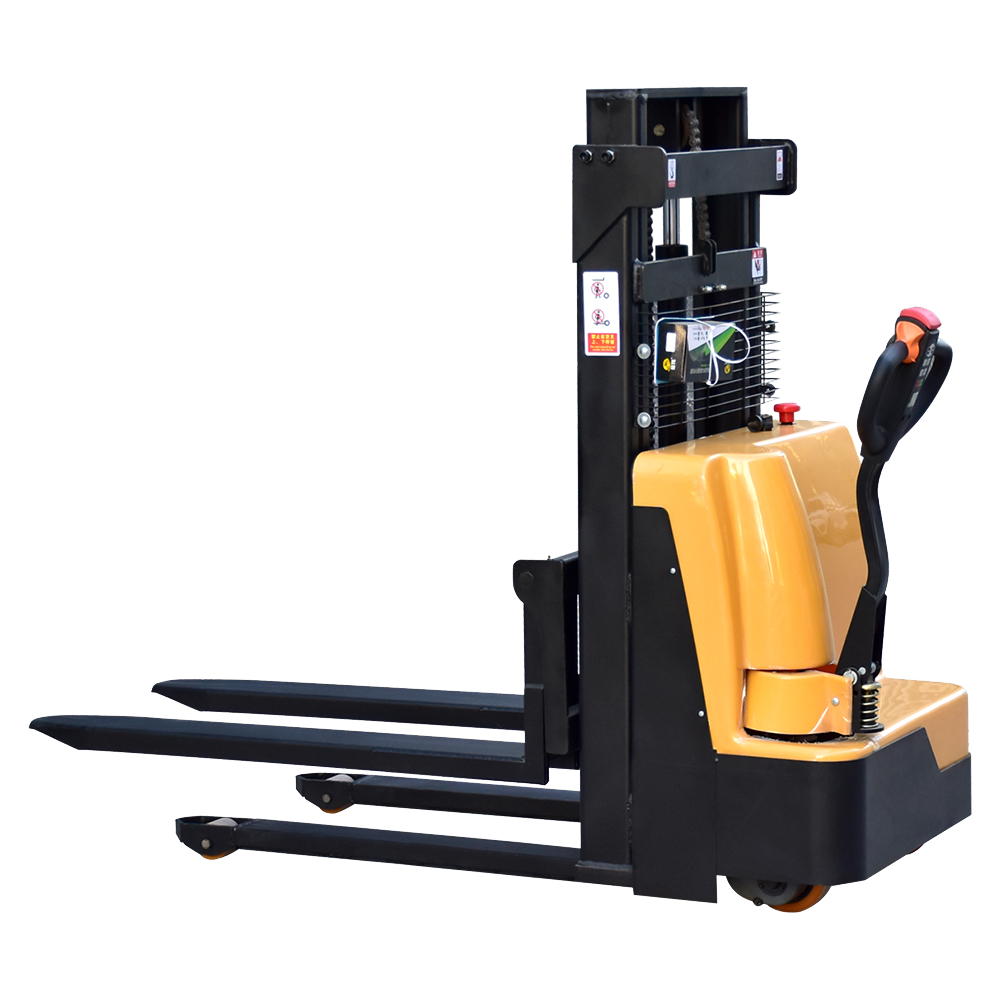
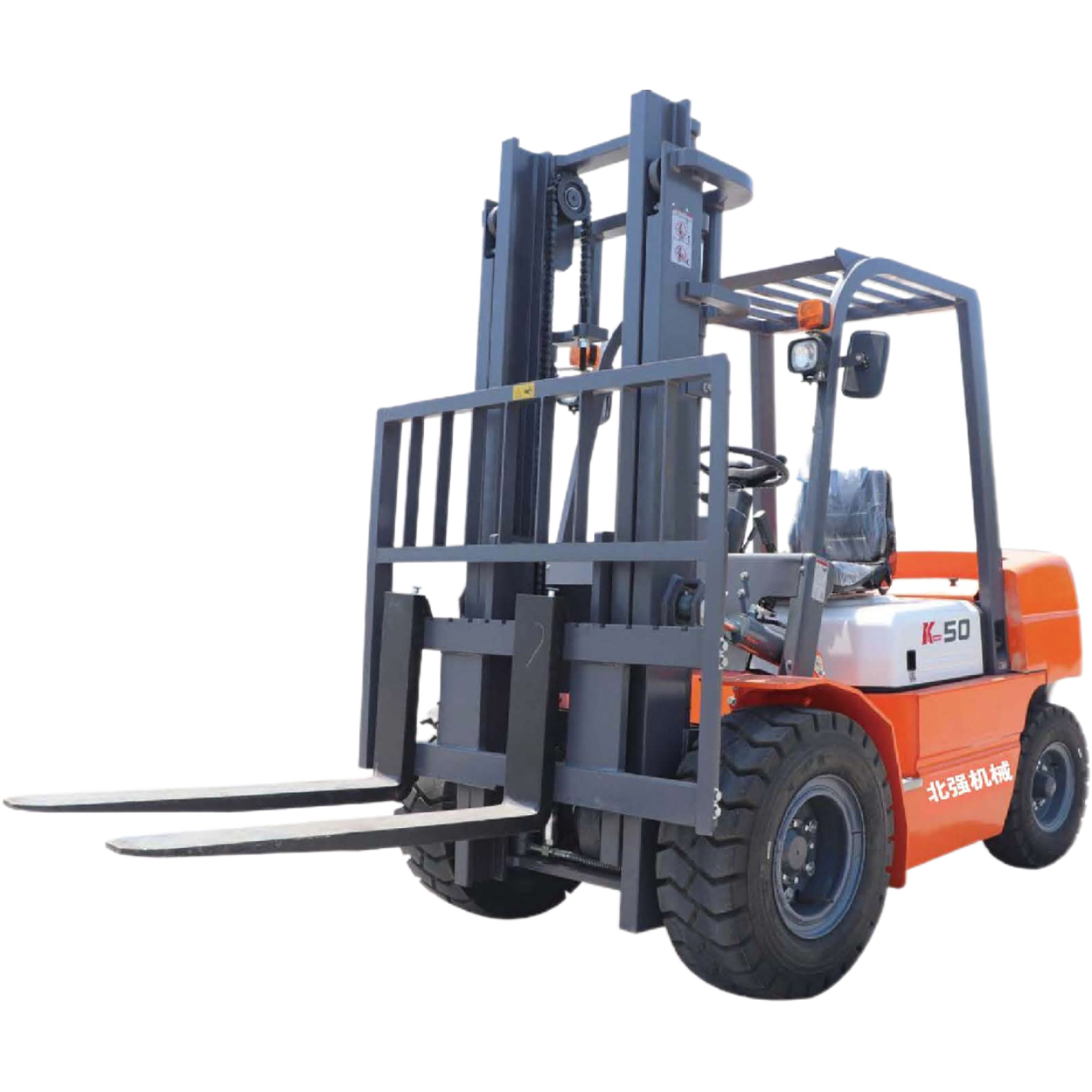
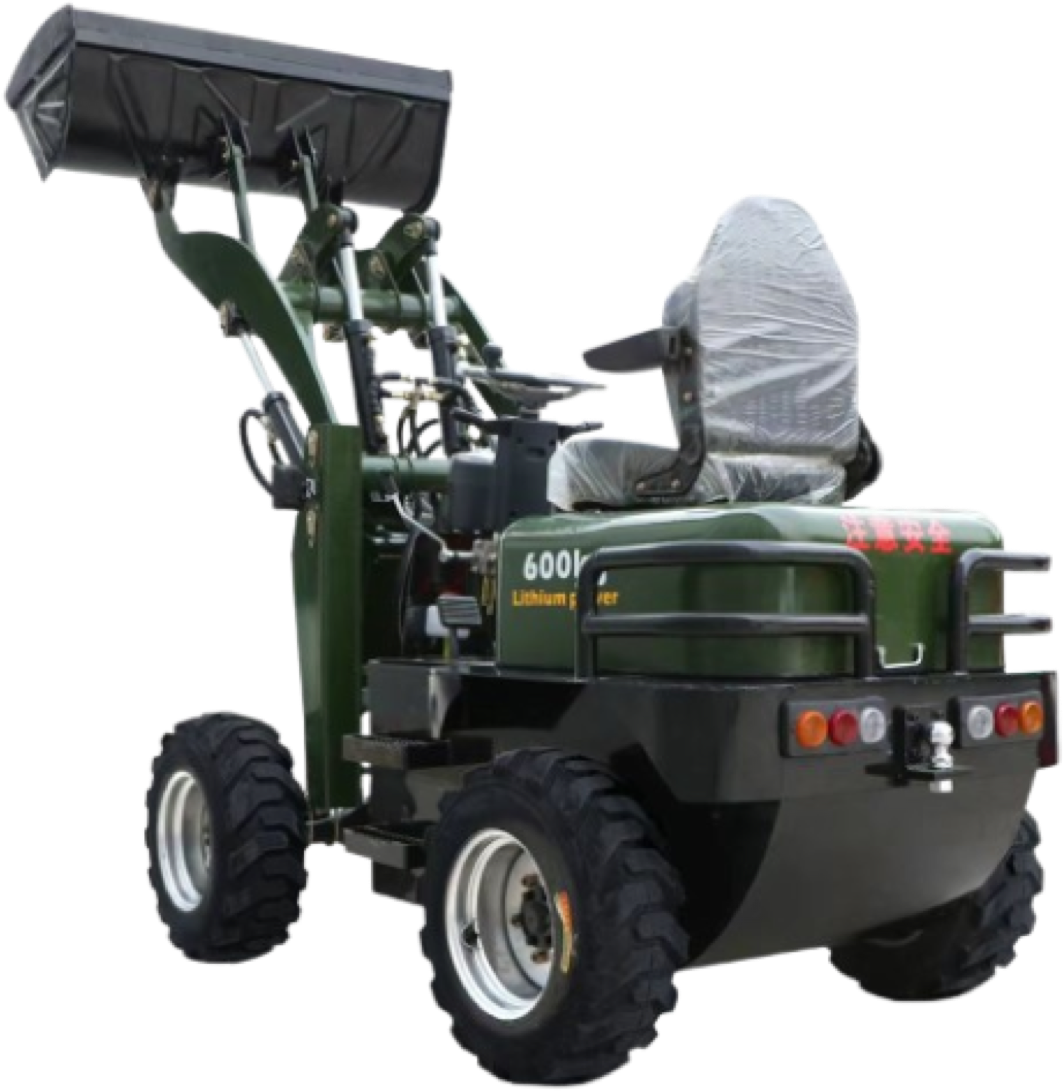
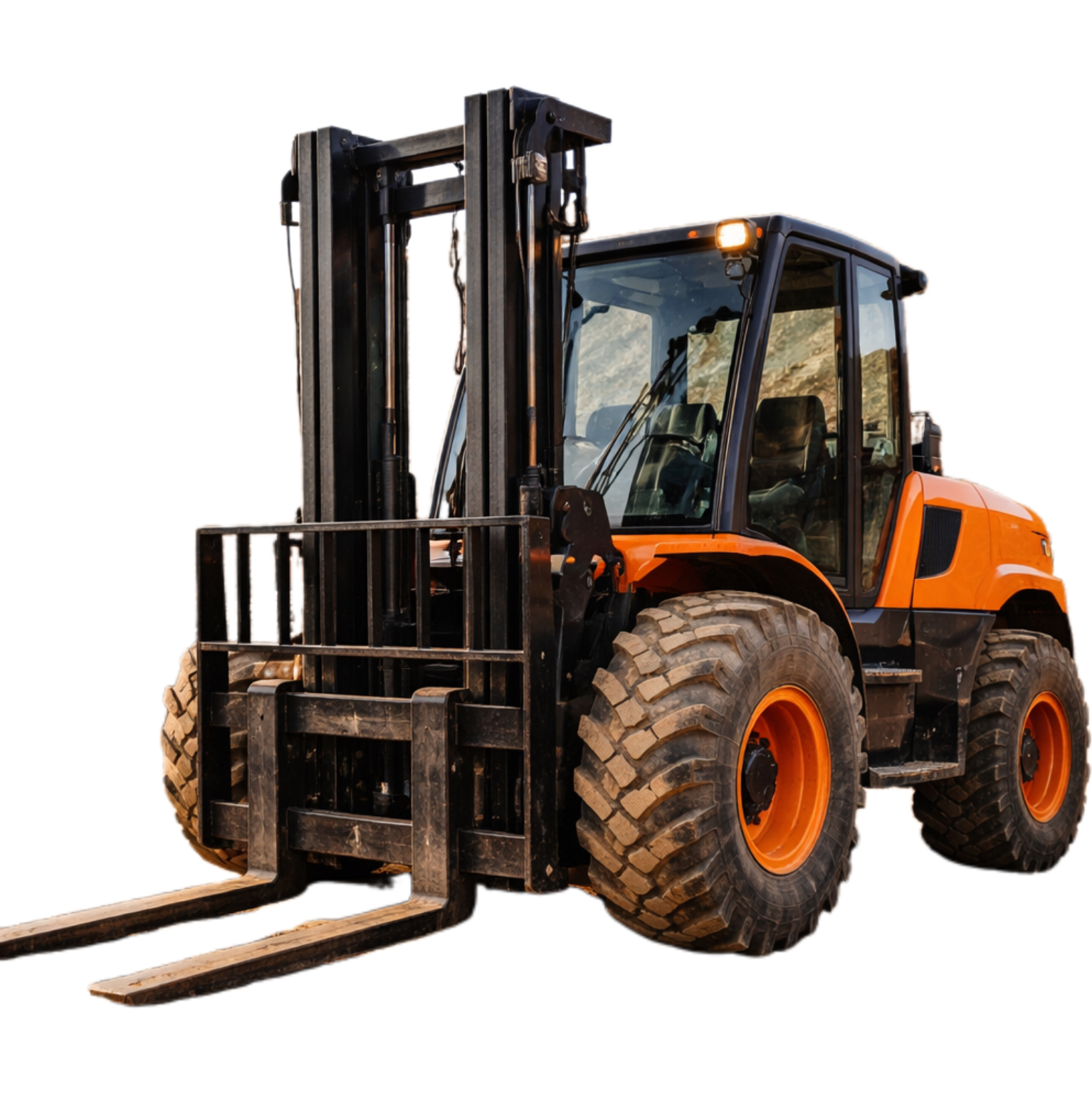


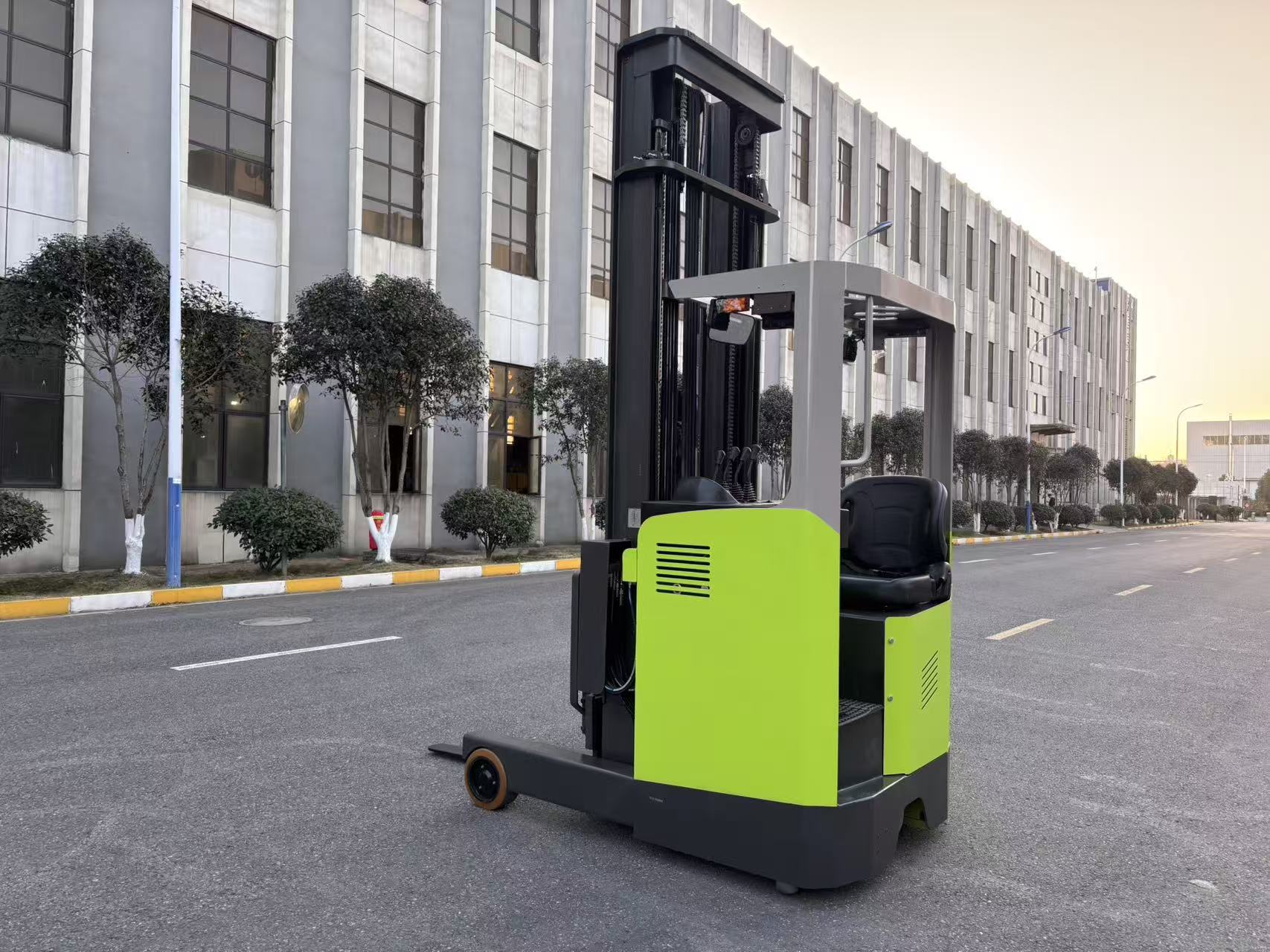
Counterbalance forklifts are among the most commonly used material handling machines in warehouses, distribution centers, and industrial environments. Known for their stability, versatility, and efficiency, these forklifts are designed to lift, transport, and stack heavy loads with ease. In this guide, we’ll explore the key features, benefits, and applications of counterbalance forklifts to help you understand why they are a vital asset in modern logistics and manufacturing operations.
What Is a Counterbalance Forklift?
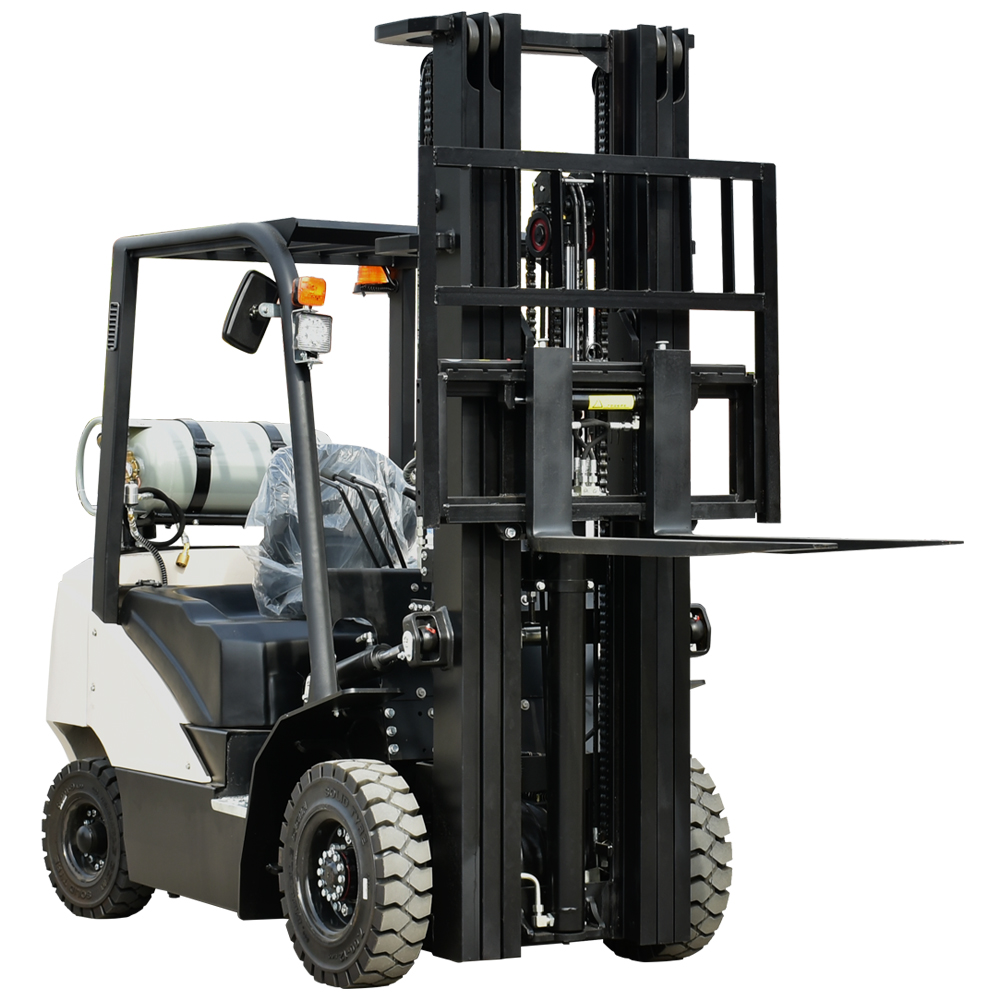
A counterbalance forklift is a type of industrial truck equipped with a weight at the rear to counterbalance the load being lifted at the front. This design eliminates the need for additional stabilizing mechanisms, such as outriggers or arms, making it ideal for indoor and outdoor use on flat, even surfaces. Counterbalance forklifts are available in various power options, including electric, diesel, LP gas, and gasoline, catering to different operational needs and environments.
Key Features of Counterbalance Forklifts
Counterweight Design:
The rear-mounted counterweight ensures stability when lifting heavy loads, allowing the forklift to operate safely without tipping forward.Versatile Power Options:
Electric counterbalance forklifts are ideal for indoor use due to their zero emissions and low noise levels, while diesel or LP gas models are better suited for outdoor or rugged environments.Maneuverability:
With a compact design and excellent turning radius, counterbalance forklifts can navigate narrow aisles and tight spaces with ease.Load Capacity:
These forklifts are capable of handling loads ranging from 1 to 50 tons, depending on the model and configuration.Operator Comfort and Safety:
Modern counterbalance forklifts feature ergonomic seats, intuitive controls, and advanced safety systems such as stability control, anti-rollback technology, and warning alarms.
Benefits of Counterbalance Forklifts
High Efficiency: Counterbalance forklifts streamline material handling tasks, reducing the time and effort required to move heavy loads.
Space-Saving Design: Their ability to operate in narrow aisles maximizes storage space in warehouses.
Durability: Built to withstand demanding conditions, these forklifts offer long-lasting performance with minimal maintenance.
Cost-Effective: With various fuel options and efficient designs, counterbalance forklifts help reduce operational costs over time.
Applications of Counterbalance Forklifts
Counterbalance forklifts are widely used across industries for tasks such as:
Loading and unloading trucks and containers
Transporting raw materials in manufacturing plants
Stacking pallets in warehouses
Handling goods in distribution centers
Supporting construction and agricultural operations
Conclusion
Counterbalance forklifts are indispensable tools for material handling, offering a perfect blend of power, stability, and versatility. Whether you’re managing a warehouse, a factory, or a logistics hub, investing in a reliable counterbalance forklift can significantly enhance productivity and safety. By understanding their features, benefits, and applications, you can make an informed decision and choose the right forklift for your operational needs.
Our manager will contact you shortly.
To contact you about our products and services.


Copyright © Xingtai Beiqiang Machinery Manufacturing Factory. 2025.
Technical support:Echola