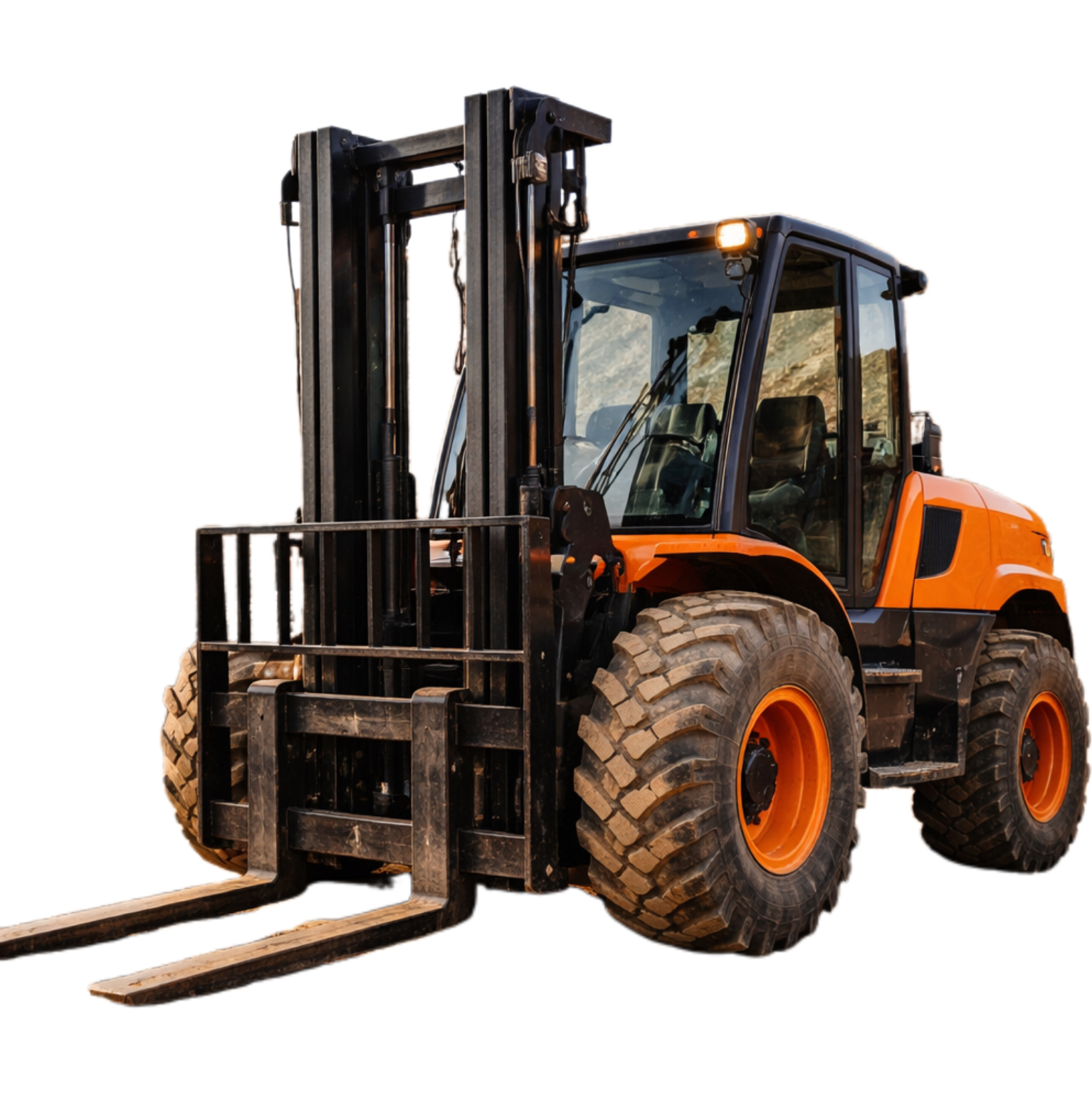


How the Best Battery Can Transform Your Small Electric Forklift Performance
1. The Battery Is the Heart of Your Electric Forklift
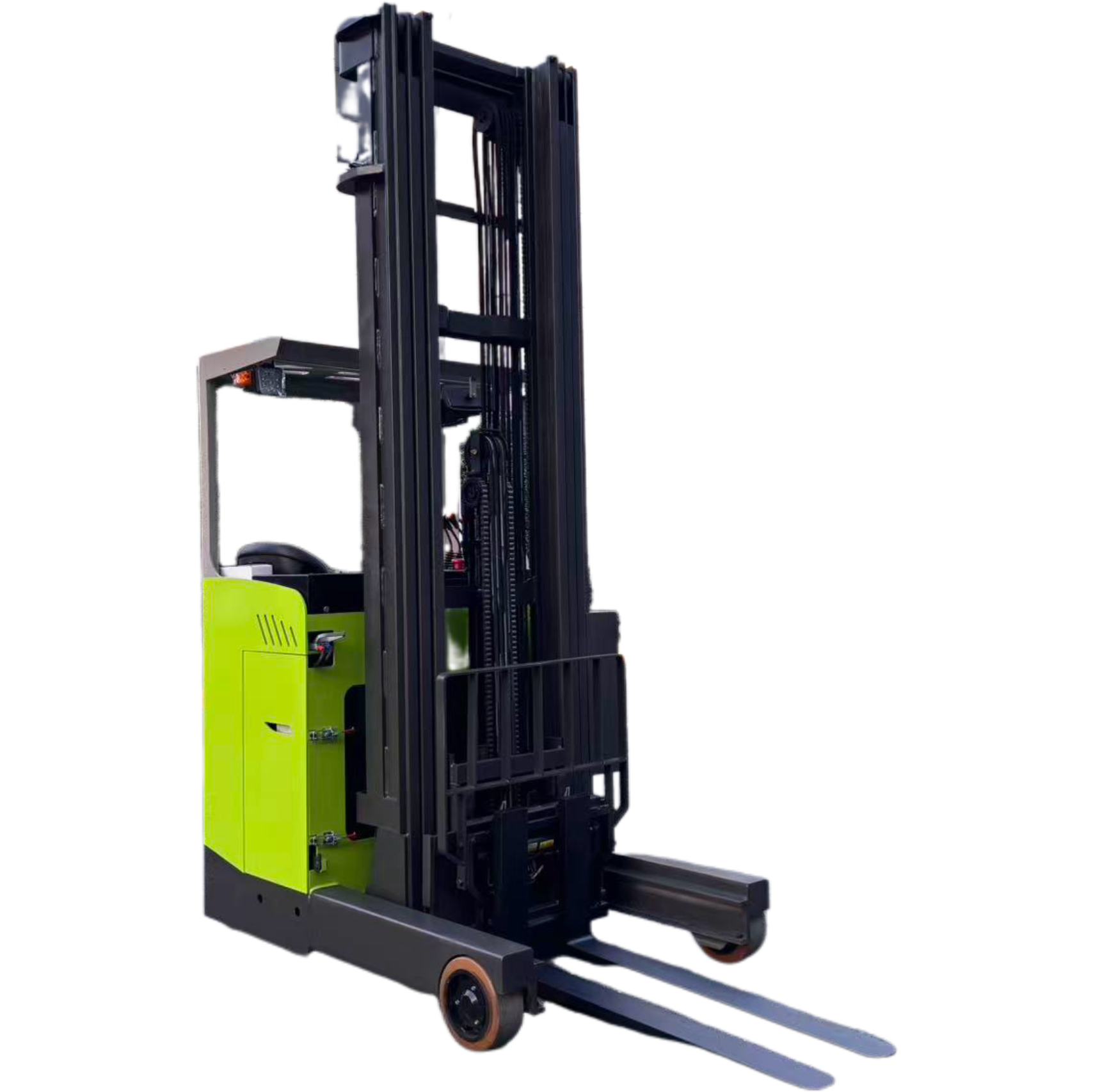
In any electric forklift — especially smaller models — the battery isn’t just a power source — it determines performance, uptime, cost, and efficiency.
Many buyers fixate on price, but the real challenge is choosing the best battery that matches your real operating needs.
This guide will walk you through what matters most and how the right battery can transform your operation.
2. Why Battery Choice Affects Everything
Before we dive into battery types, let’s look at the key areas where batteries influence your daily operations:
Daily operating hours
Charging time and shift planning
Maintenance overhead
Energy cost
Overall forklift productivity
A wrong battery choice can cut your effective uptime by half, increase maintenance costs, and reduce worker efficiency.
3. Lead-Acid Batteries: Pros and Cons
Lead-acid batteries are a traditional solution and still widespread due to their:
Lower initial cost
Easy availability
However, common challenges include:
Requirement for water topping and maintenance
Long charging time
Lower usable capacity
Heat generation during long shifts
These limitations translate into more downtime, higher labor costs, and more frequent battery replacement.
4. Lithium-Ion Forklift Batteries: The Modern Standard
Today, lithium-ion batteries are becoming the best battery choice for small electric forklifts across industries.
Key advantages include:
Fast Charging: 1–2 hours to reach 80%
Opportunity Charging: Charge during short breaks without damage
Consistent Power Delivery: No power dips during shifts
No Daily Maintenance: No watering or equalizing required
Longer Battery Lifespan: Often 2–4x that of lead-acid
These allow businesses to run longer shifts, reduce costs, and optimize performance.
5. Solving Real Pain Points for Your Operation
Let’s focus on the pain points most buyers have:
Pain Point 1 – Shift Limitations:
If your forklifts run two or three shifts per day, lead-acid batteries often can’t keep up. Lithium-ion batteries allow quicker recharges and opportunity charging, maximizing uptime.
Pain Point 2 – Maintenance Overhead:
Lead-acid batteries require trained staff to maintain water levels and prevent acid mist. Lithium-ion eliminates this requirement, saving labor and allowing forklifts to be used more flexibly.
Pain Point 3 – Temperature Sensitivity:
Lead-acid performance drops in cold environments. Lithium-ion systems perform better in varied temperatures, with fewer performance losses.
6. Cost Comparison: Short Term vs Long Term
Business owners often focus on upfront cost. What they overlook is the total cost of ownership (TCO):
Lead-Acid Battery Costs
Initial battery cost
Frequent replacements
Charging infrastructure
Labor for maintenance
Lithium-Ion Battery Costs
Higher initial cost
Lower energy cost
No maintenance labor
Longer lifespan
Over 3–5 years, lithium-ion is often 30–50% cheaper in total operating cost than lead-acid.
7. What Makes Lithium-Ion the Best Battery for Most Cases
Based on real use cases, lithium-ion batteries deliver:
Higher uptime per shift
Reduced labor and utility costs
Better performance in daily operations
Flexibility for busy warehouses and light industrial settings
For companies serious about efficiency and ROI, lithium-ion consistently ranks as the best battery choice for small electric forklifts.
**8. How to Choose the Right Battery for Your Forklift
Here’s a simple selection guide:
Single shift + light use: Lead-acid may be a viable budget option
Multiple shifts + high utilization: Lithium-ion recommended
Cold or variable environments: Lithium-ion preferred
Fast turnaround and minimal downtime: Lithium-ion delivers results
**9. Final Recommendation: Think Beyond Price
Choosing the best battery is about maximizing productivity and minimizing total costs, not just saving on purchase price.
If your goal is to:
Cut maintenance costs
Extend daily runtime
Increase operating efficiency
Reduce downtime and labor involvement
👉 A lithium-ion battery is the best battery choice for small electric forklifts in most real-world applications.
Our manager will contact you shortly.
To contact you about our products and services.


Copyright © Xingtai Beiqiang Machinery Manufacturing Factory. 2025.
Technical support:Echola