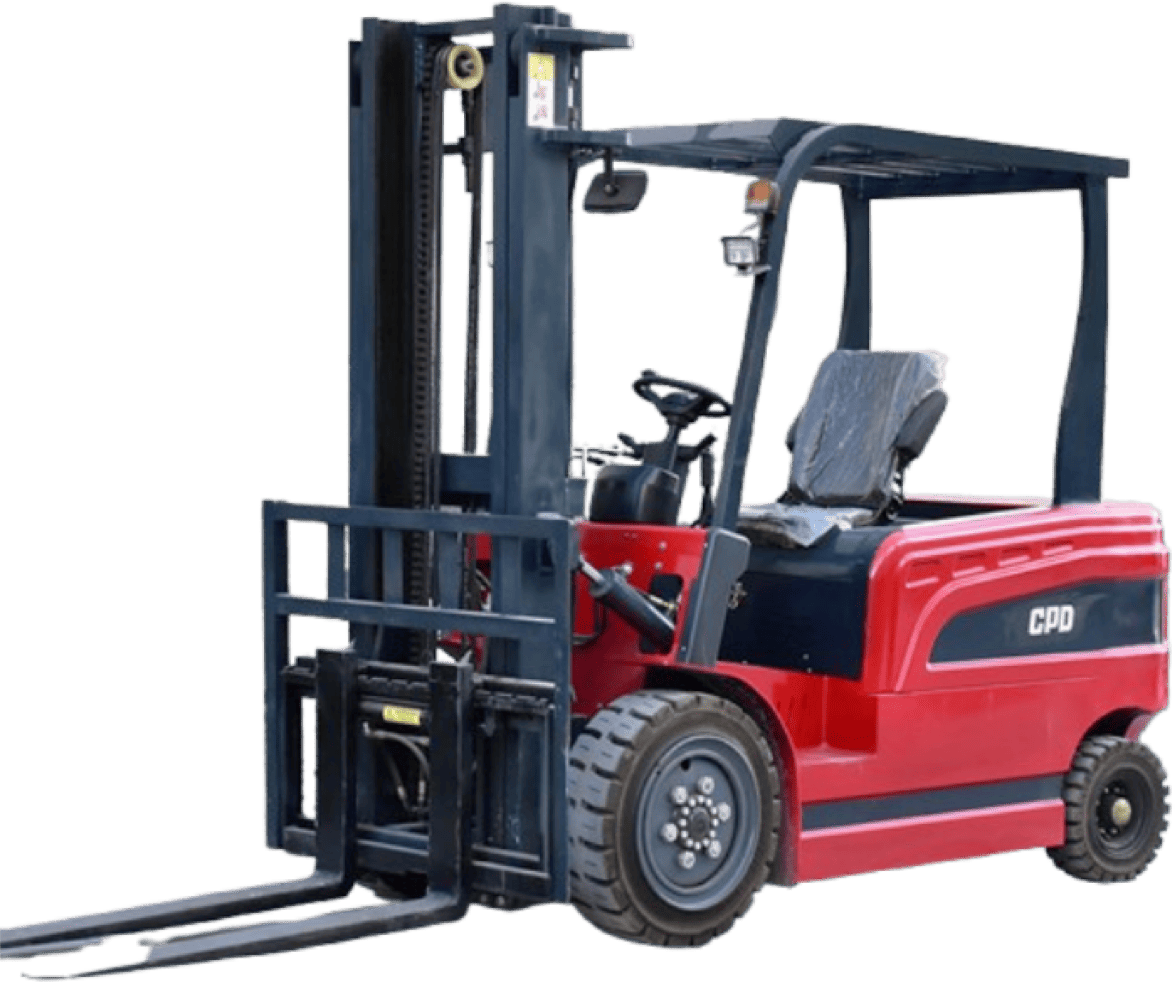
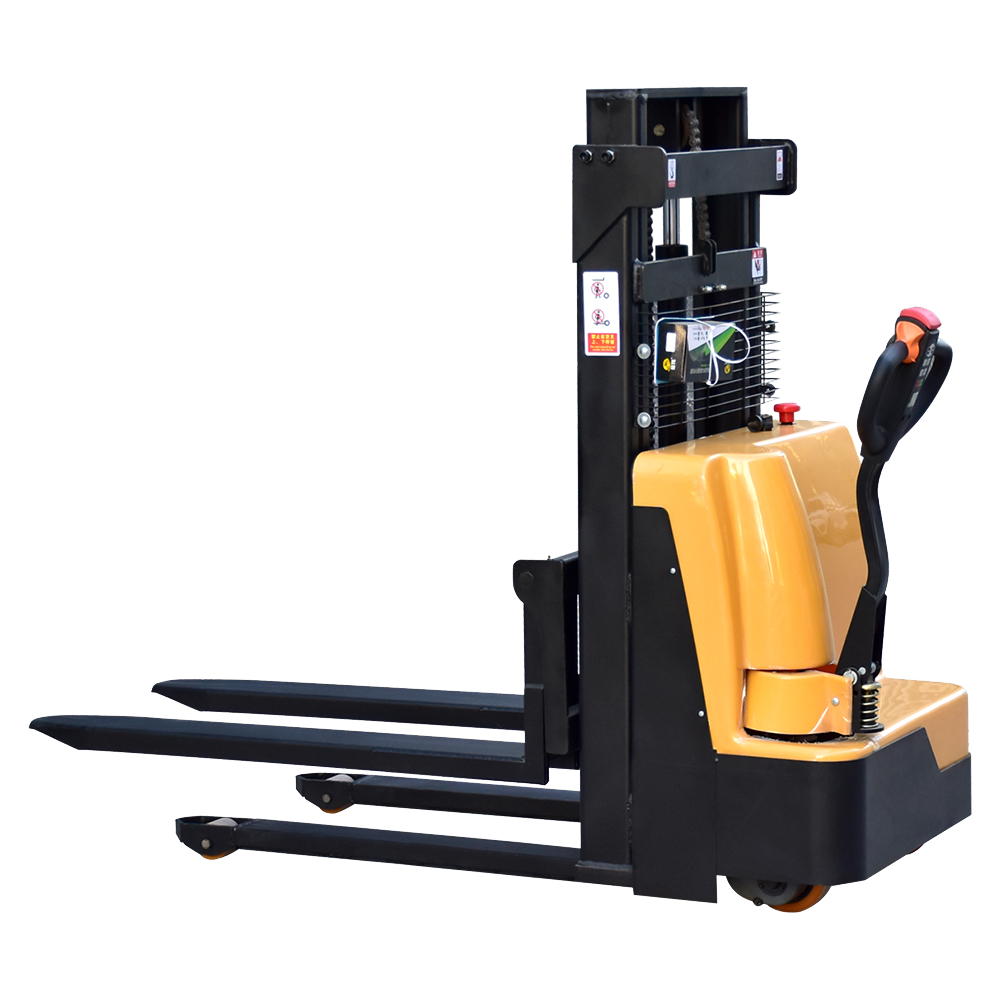
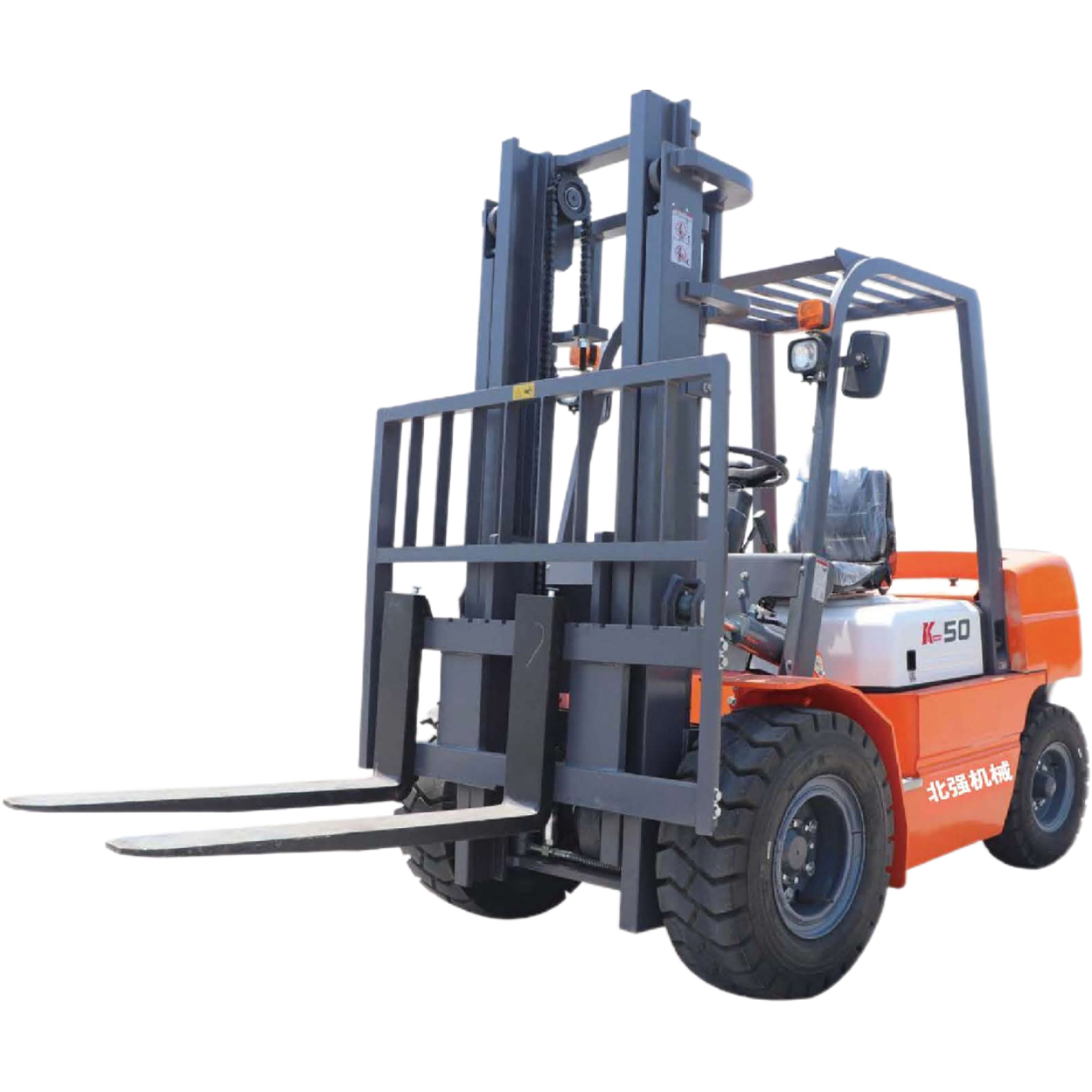
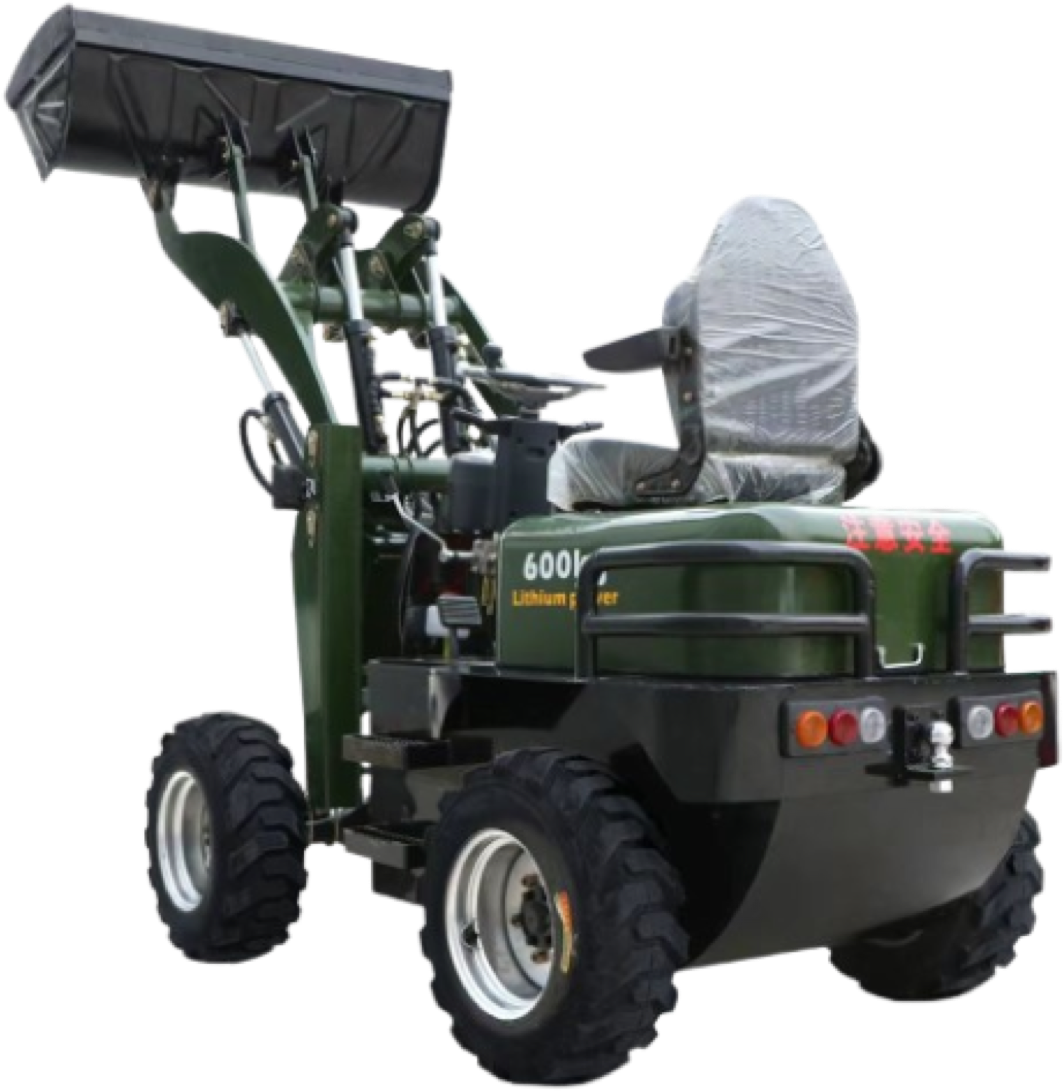
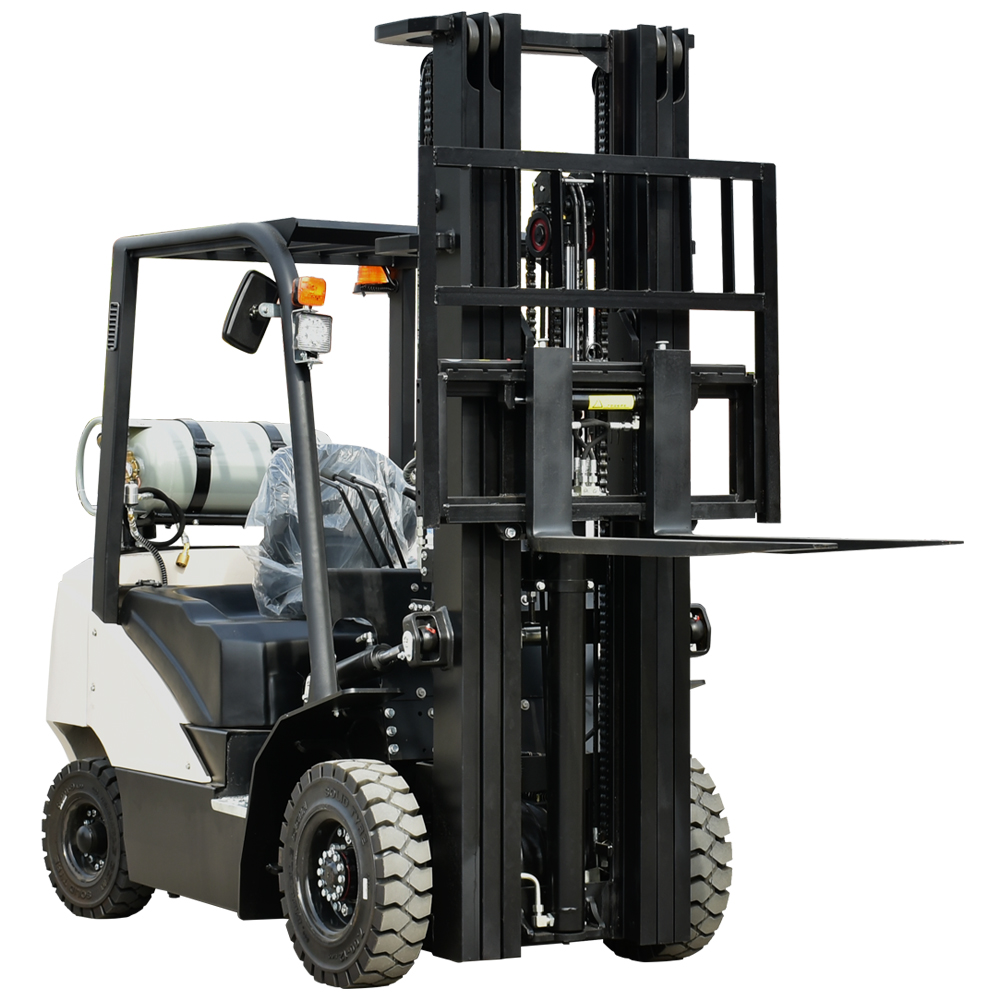
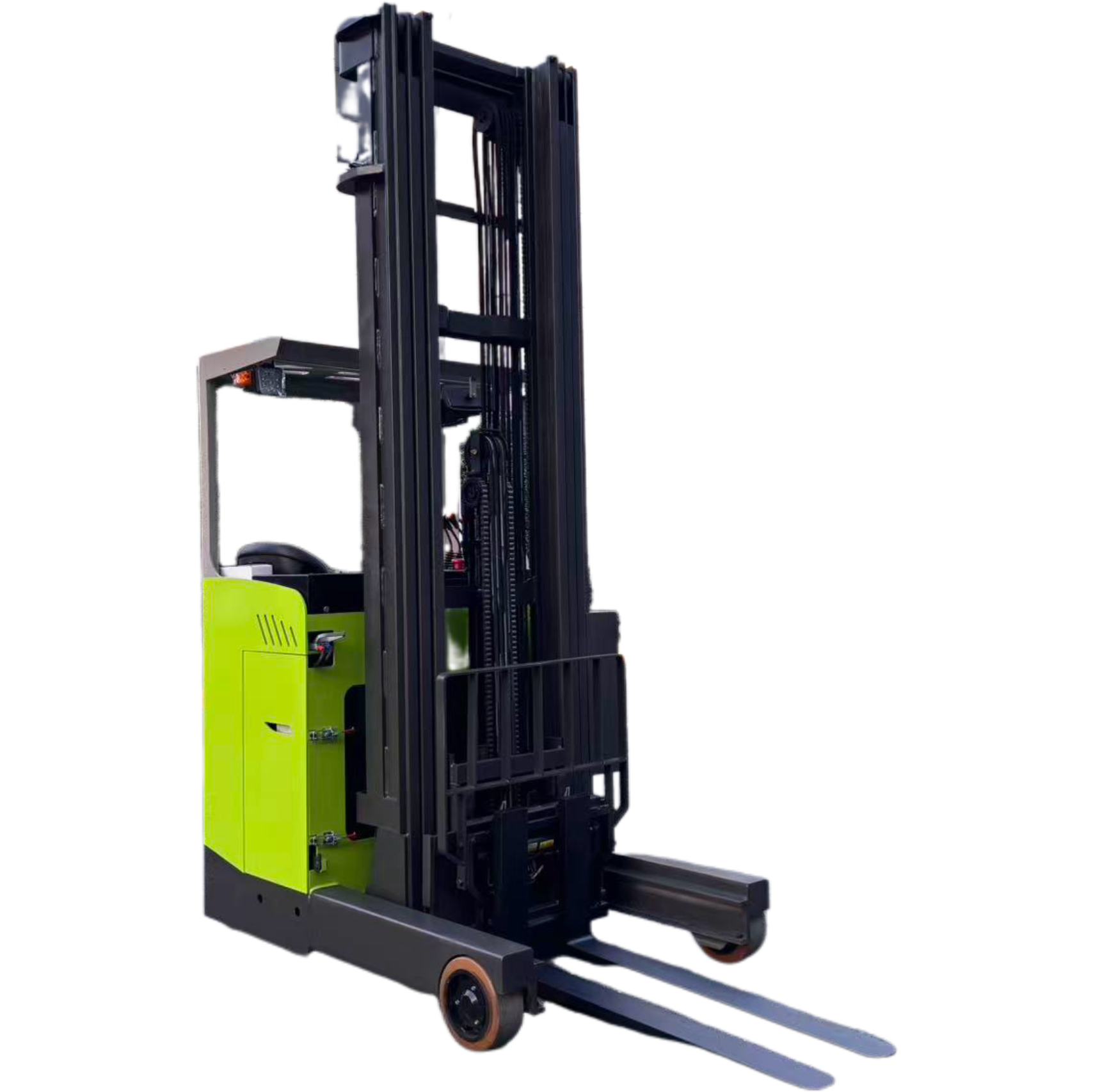
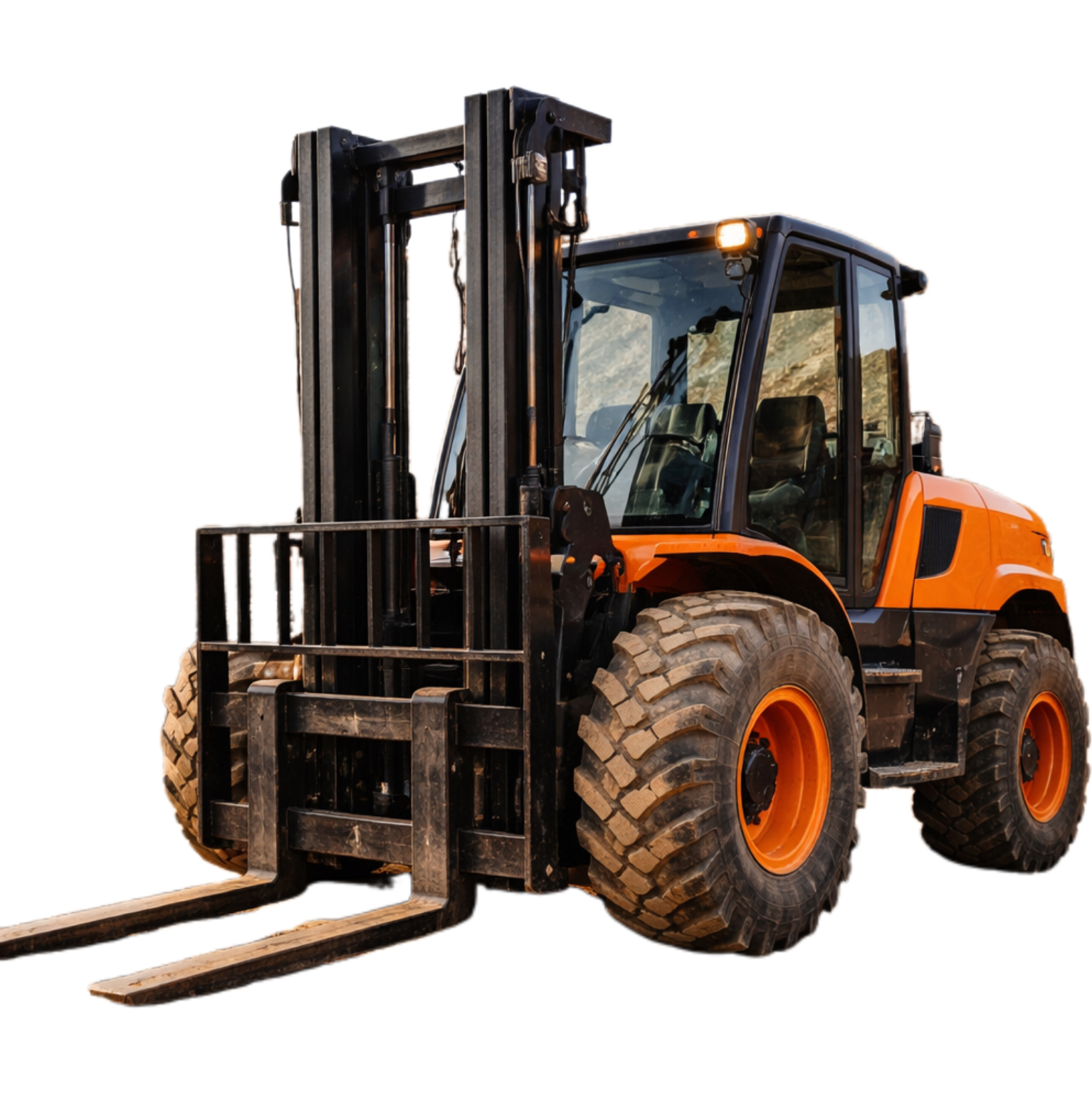


Choosing the Best Battery for Small Electric Forklift (Practical Guide for Buyers)
1. Why the Battery Matters More Than You Think
When you search for the best battery for small electric forklifts, you’re not just looking for a component — you’re trying to unlock actual runtime, reliability, and long-term cost savings.
For many warehouse owners, the battery is one of the biggest ongoing costs after the purchase of the forklift itself. If the battery underperforms, the whole operation slows down.
Understanding battery choices helps you make a smarter purchase — one that saves money, reduces downtime, and boosts productivity.
2. What Small Electric Forklift Batteries Are Common
There are two major battery types widely used:
Lead-Acid Batteries
Lithium-Ion Batteries
Both have specific advantages and limitations. The right choice depends on your workload, shift patterns, and operating environment.
3. Lead-Acid Batteries: Traditional But With Drawbacks
Lead-acid batteries have been the standard for years:
Lower upfront cost
Established technology with wide availability
However, they come with significant downsides:
Heavy weight
Slow charging cycles (often 8–10 hours)
Requires regular maintenance (watering, cleaning)
Shorter usable life
This means more downtime, more labor for maintenance, and potentially higher lifetime costs.
4. Lithium-Ion Batteries: Modern Solution With Real Advantages
Lithium-ion battery technology has rapidly grown and is becoming the preferred choice for small electric forklifts:
Faster Charging — Up to 80% in 1–2 hours
Longer Lifespan — Often 2–4 times longer than lead acid
No Maintenance — No watering or equalizing required
Higher Usable Capacity — Consistent power throughout the shift
Opportunity Charging — Charge during breaks without hurting the battery
For businesses that value efficiency and uptime, lithium-ion is often the best battery choice.
5. Solving the Pain Points You Truly Care About
Let’s address the key concerns buyers have:
Pain Point 1: “Can I run the forklift for a full work shift?”
If your forklifts are needed for 8–12 hour shifts, lithium-ion batteries make this possible without swapping out batteries.
Pain Point 2: “How many batteries do I need to buy?”
Because lithium-iron batteries recharge faster and support opportunity charging, you often need fewer spare batteries, which reduces capital cost and storage space.
Pain Point 3: “What about maintenance costs?”
Lead-acid batteries require regular maintenance and dedicated battery rooms — both add ongoing labor costs. Lithium-ion removes this headache entirely.
6. Real-World Cost Comparison
Let’s compare overtime costs, not just the initial price:
Lead-Acid Total Cost
Lower upfront cost
Higher electricity consumption
Maintenance labor
Frequent replacements
Lithium-Ion Total Cost
Higher initial cost
Lower energy cost
No maintenance cost
Longer service life
In most real cases, lithium-ion batteries deliver lower total cost of ownership (TCO) over 3–5 years.
7. Future-Proofing Your Small Electric Forklift Fleet
If your business plans to scale operations, where uptime matters, then choosing the right battery becomes a long-term competitive advantage.
Faster charging → more operating hours
Higher reliability → fewer interruptions
Lower lifetime cost → higher ROI
Businesses that switch to lithium-ion often see immediate productivity improvements.
8. How to Choose Based on Your Situation
Here’s a quick guide:
Short, light workloads / infrequent use: Lead-acid may still work
Multi-shift operations: Lithium-ion recommended
High utilization & quick turnaround: Lithium-ion significantly better
9. The Bottom Line: Which Battery Is Best?
If you want a battery that:
Keeps your forklift running longer
Reduces maintenance overhead
Lowers long-term running costs
Improves overall productivity
👉 Lithium-ion batteries are the best battery choice for small electric forklifts in modern operations.
Our manager will contact you shortly.
To contact you about our products and services.


Copyright © Xingtai Beiqiang Machinery Manufacturing Factory. 2025.
Technical support:Echola