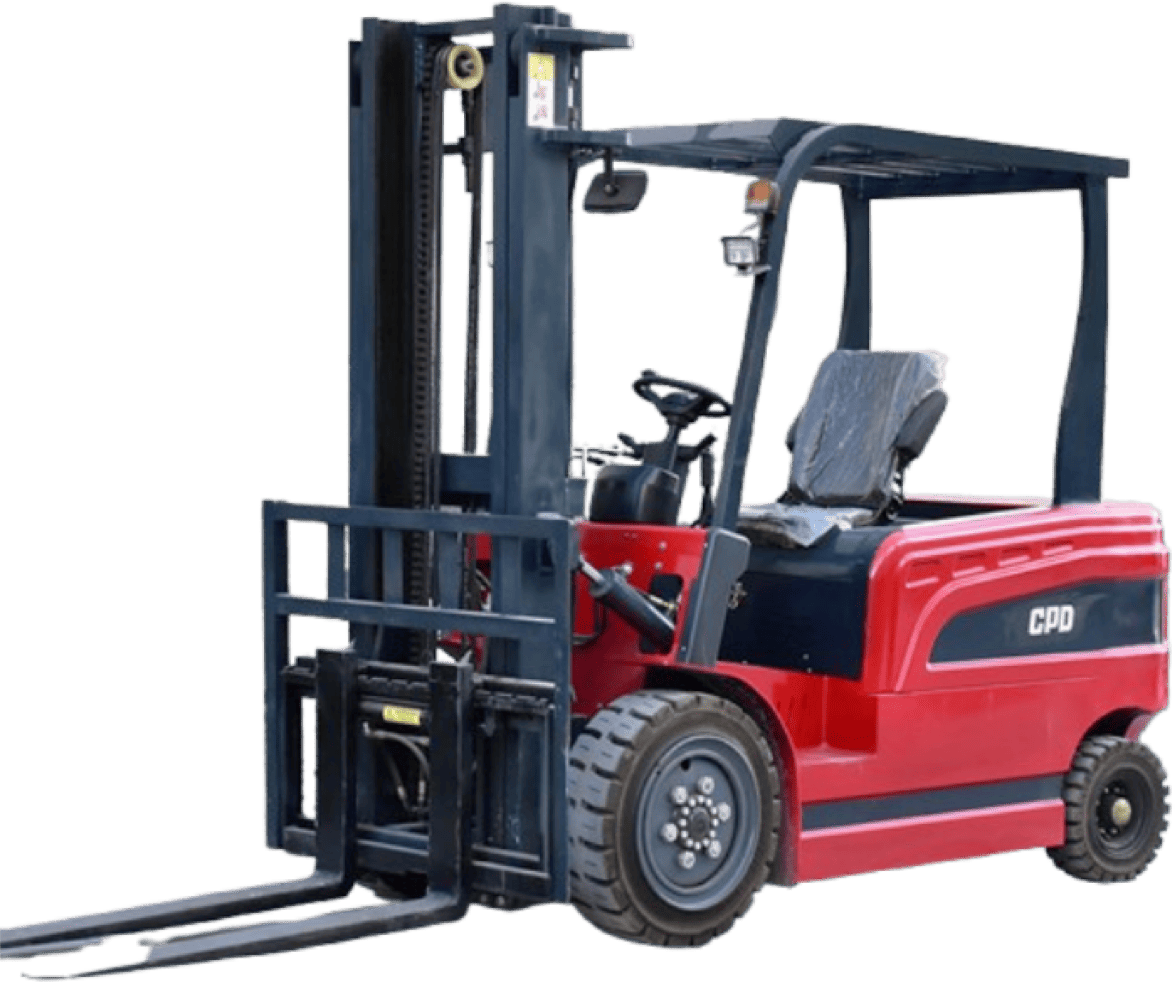
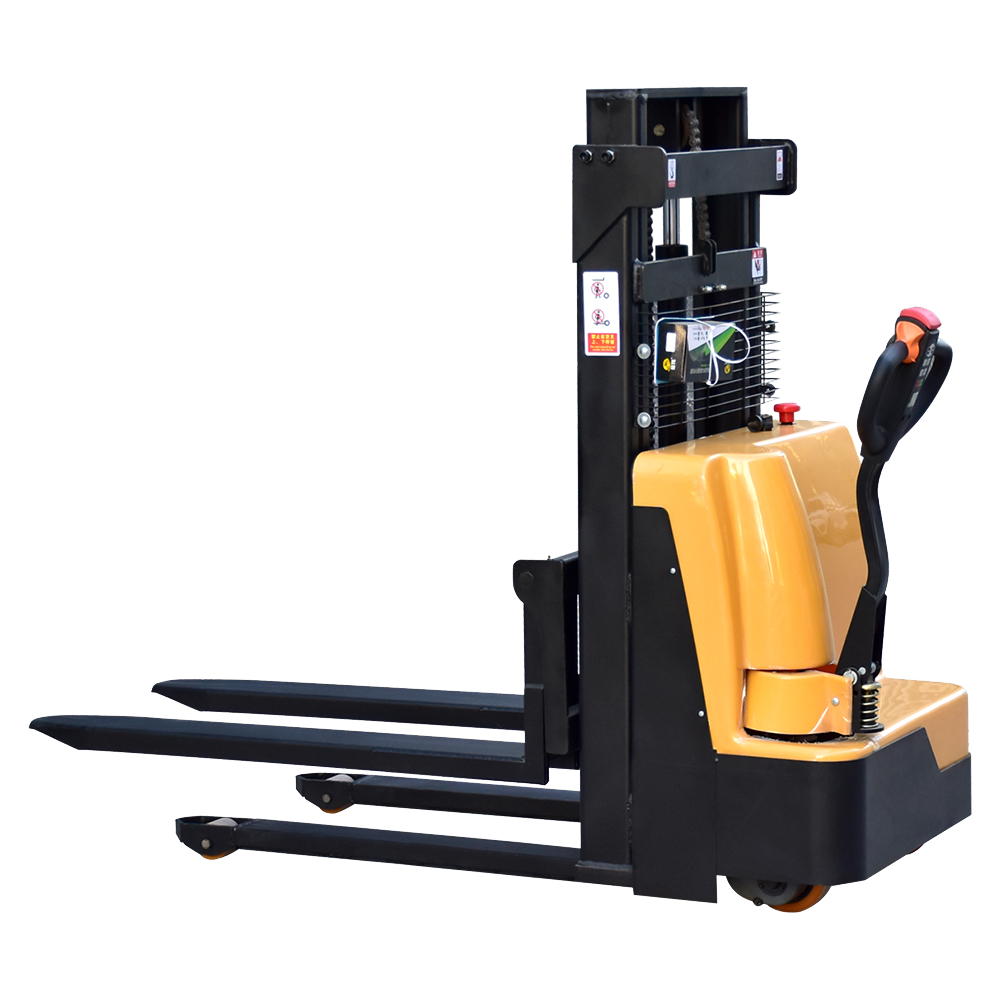
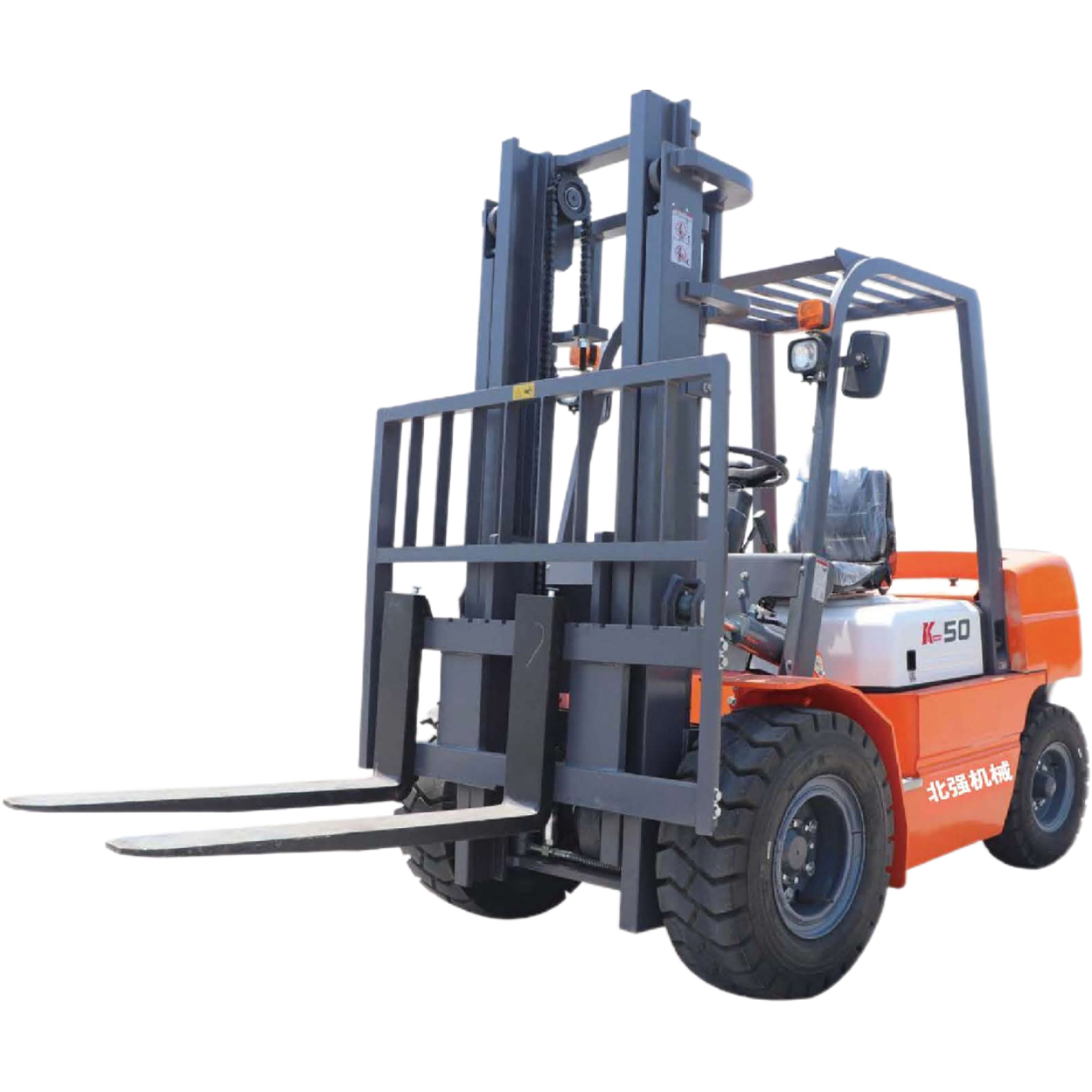
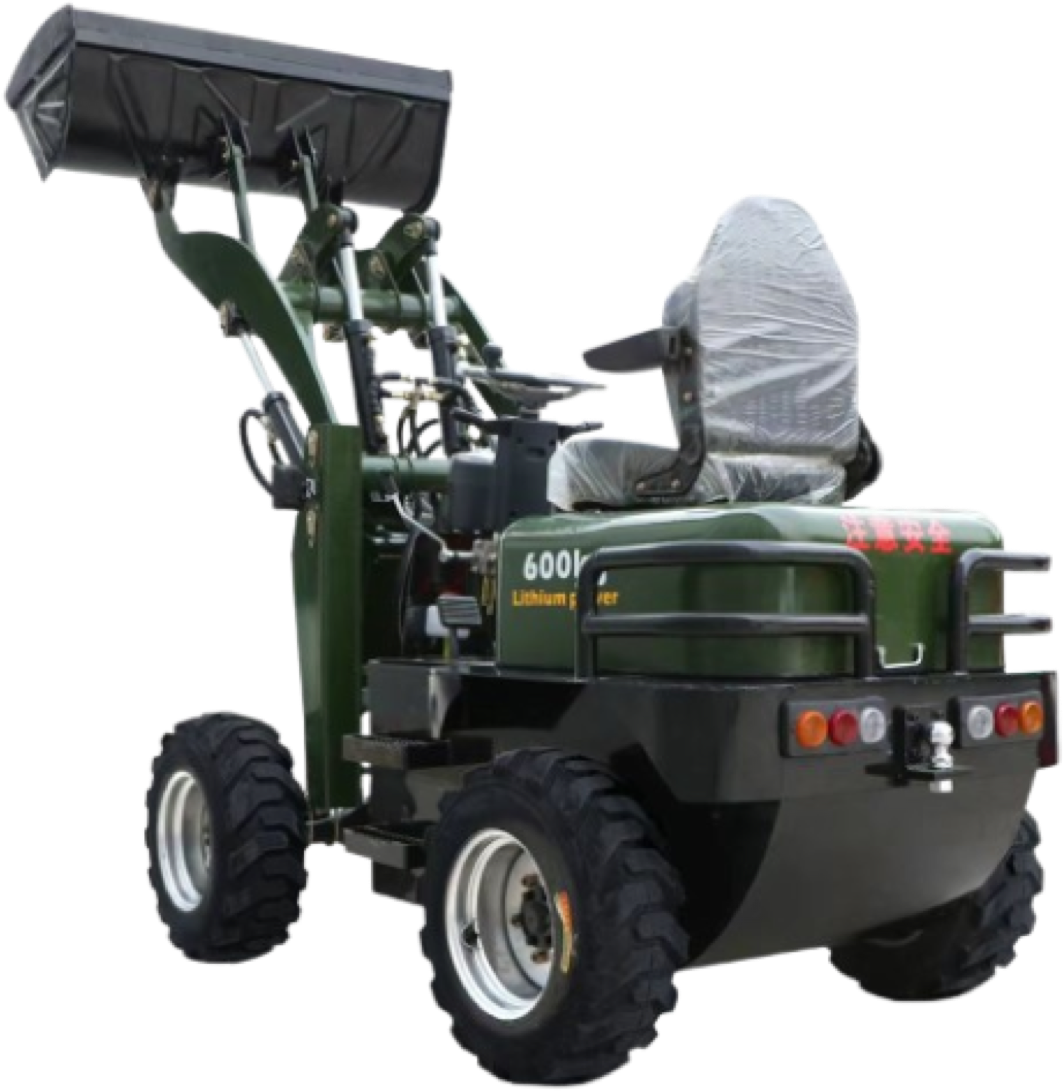
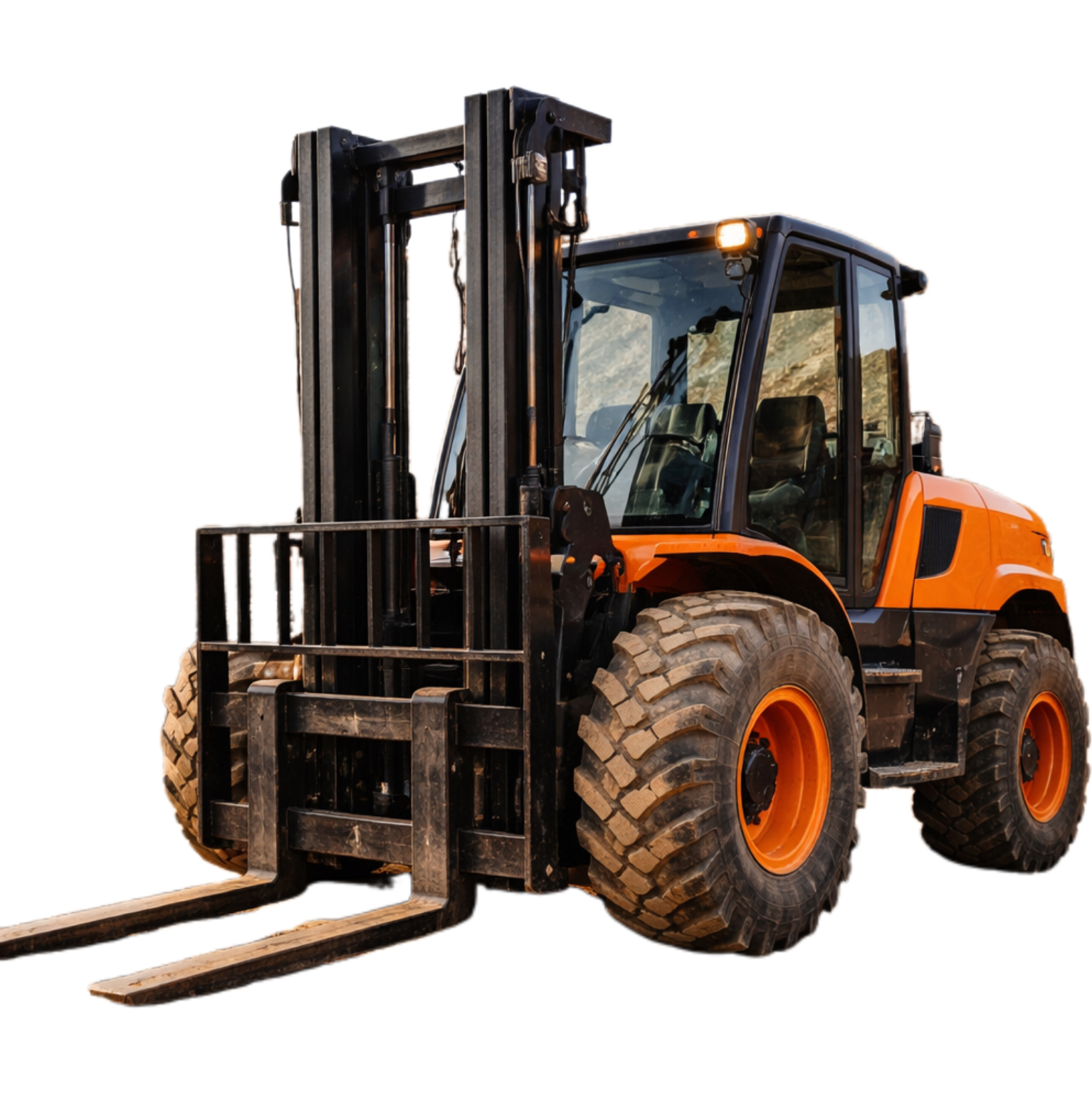


In warehousing, logistics, and industrial handling scenarios, the safety of electric forklifts is directly related to the triple protection of personnel, goods, and equipment. As forklift operating scenarios become increasingly complex—from narrow warehouse aisles to damp outdoor sites, from high-frequency start-stop operations to heavy-load climbing conditions—the limitations of traditional braking systems have gradually become prominent: issues such as braking heat fade, dust pollution, and water immersion failure have become key bottlenecks restricting the safety upgrade of electric forklifts.
The emergence of wet brake technology has completely broken this dilemma. As a core innovation in electric forklift safety systems, it has achieved a leap from "passive protection" to "active safety" through an innovative braking principle and structural design. Especially in 2.5-ton electric forklifts, which are widely adapted to the full-scenario operations of small and medium-sized enterprises, it has become a dual guarantee of safety and efficiency.
I. Wet Brake Technology: Redefining the Braking Logic of Electric Forklifts
Traditional electric forklifts mostly adopt dry braking systems, which achieve braking through direct contact between friction plates and brake discs. However, under high-frequency operations or harsh environments, they are prone to problems such as friction overheating, braking attenuation, and dust pollution. Wet brake technology adopts a completely different working principle:
The wet brake system immerses friction components in special brake fluid, achieving braking through the cooperation of fluid shear force and friction plates. The heat generated during braking is quickly absorbed by the fluid and transferred to the external heat dissipation system. At the same time, the fluid also lubricates, cleans, and prevents rust of the friction components. This design fundamentally solves the pain points of dry braking and provides more stable and reliable braking performance for electric forklifts.
For 2.5-ton electric forklifts, this technological upgrade is particularly crucial. As the main model for daily material handling in small and medium-sized enterprises, it needs to switch operations in multiple scenarios such as warehousing, workshops, and outdoors. The all-environment adaptability of wet brake technology perfectly matches its "all-round" positioning.
II. Four Core Advantages: How Wet Braking Builds a Solid Safety Line
1. Excellent Thermal Stability, No Attenuation in High-Frequency Operations
In the actual operation of 2.5-ton forklifts, frequent start-stop and heavy-load climbing are normal. Traditional dry braking systems are prone to braking performance degradation due to friction heat generation, and even the risk of braking failure.
The wet brake system, through fluid circulation heat dissipation, can withstand continuous high-frequency braking with stable performance. Test data shows that after 100 consecutive brakings, the braking distance of the wet brake system only increases by 3%, while that of the dry brake system increases by more than 40%. This means that whether it is in the warehouse explosion operations during e-commerce promotions or high-frequency transshipment in workshop assembly lines, 2.5-ton forklifts equipped with wet brake technology can maintain consistent braking accuracy and eliminate potential safety hazards caused by heat fade.
2. Full Environment Adaptation, More Reliable in Harsh Working Conditions
The operating scenarios of 2.5-ton forklifts often cover various indoor and outdoor environments: warehouse dust, cleanliness requirements in the food and pharmaceutical industries, muddy and damp construction sites, and low-temperature environments in cold storage warehouses all pose severe challenges to the braking system.
The fully enclosed structure of the wet brake system gives it triple characteristics of dustproof, waterproof, and corrosion resistance:
This all-environment adaptability enables 2.5-ton electric forklifts to truly achieve "seamless indoor and outdoor switching" without the need to replace equipment due to environmental restrictions, greatly improving operational flexibility.
3. Smooth and Precise Braking, Reducing Both Cargo Damage and Operational Risks
For 2.5-ton forklifts, the stable handling of goods is equally important as the operational safety of personnel. The jerking feeling of traditional dry braking not only easily causes goods to tilt and slip, increasing the cargo damage rate but also increases the labor intensity of operators.
The wet brake system achieves linear braking effect through the buffering effect of fluid: the braking process is smooth without impact, and the parking position is accurately controllable. This advantage is particularly obvious in scenarios such as high shelf access and fragile goods handling, which can reduce the cargo damage rate by more than 35%. At the same time, the smooth braking experience lowers the learning threshold for novice operators and reduces safety accidents caused by operational errors.
4. Maintenance-Free and Long Service Life, Reducing Full-Cycle Costs
When choosing forklifts, in addition to safety, operation and maintenance costs are also core considerations for small and medium-sized enterprises. Traditional dry braking systems require regular replacement of friction plates and dust cleaning, with high maintenance frequency and considerable costs.
Due to the lubrication and protection of fluid, the wear of friction plates in wet brake systems is only 1/5 of that in dry braking, and the service life can reach more than 10,000 hours, almost achieving "lifetime maintenance-free". For 2.5-ton forklifts with high utilization rates, it can save about 2,000 yuan in maintenance costs per year, while reducing downtime caused by maintenance and indirectly improving operational efficiency.
III. Technology Implementation: A Safety Upgrade Model for 2.5-Ton Electric Forklifts
In the practical application of 2.5-ton electric forklifts, wet brake technology does not exist in isolation but is deeply integrated with the vehicle's intelligent electronic control system to form a comprehensive safety protection system:
Practical application data from a logistics enterprise shows that after one year of use, 2.5-ton electric forklifts equipped with wet brake technology have reduced the accident rate by 68%, maintenance costs by 42%, and operational efficiency by 25%. This data fully proves that wet brake technology is not only the key to safety upgrades but also an important starting point for enterprises to reduce costs and increase efficiency.
IV. Industry Trend: Wet Brake Technology Becomes the Safety Standard for Electric Forklifts
With the increasingly stringent national requirements for industrial safety and enterprises' increased attention to forklift safety performance, wet brake technology is penetrating from high-end models to popular models. In the 2.5-ton golden tonnage market, more and more enterprises are beginning to use wet brake systems as standard configurations rather than optional ones.
Industry experts predict that by 2027, the penetration rate of wet brake technology in domestic 2.5-ton electric forklifts will exceed 70%. Behind this trend is enterprises' re-recognition of safety value: the loss caused by a forklift accident often far exceeds the price difference of the equipment itself, and the safety guarantee brought by wet brake technology is essentially an all-round protection for enterprise production and operation.
Conclusion: Safety is the Premise of Efficiency
For "all-round" handling equipment such as 2.5-ton electric forklifts, the value of wet brake technology lies not only in improving braking performance but also in building a solid safety line for enterprises. In material handling operations, safety is never a multiple-choice question but a required one.
The innovation of wet brake technology enables electric forklifts to truly achieve "safety assurance" while pursuing efficient operations. For small and medium-sized enterprises, choosing 2.5-ton electric forklifts equipped with wet brake technology is not only responsible for employee safety but also a long-term investment in the stable operation of the enterprise.
With the continuous iteration of technology, wet brake systems will also be deeply integrated with more intelligent safety technologies to continuously empower the safety upgrade of electric forklifts and promote the industrial handling field towards a safer, more efficient, and more intelligent direction.
Our manager will contact you shortly.
To contact you about our products and services.


Copyright © Xingtai Beiqiang Machinery Manufacturing Factory. 2025.
Technical support:Echola