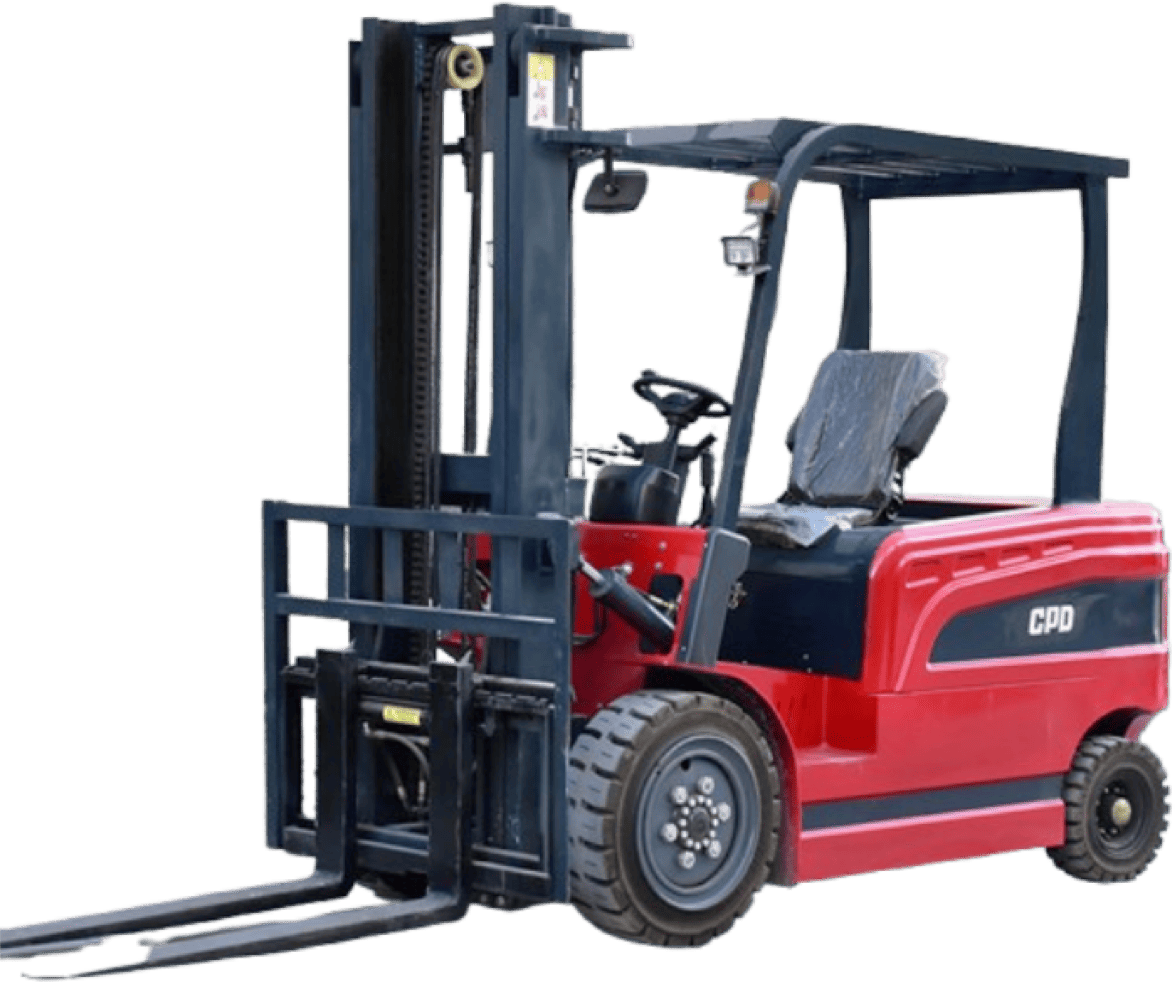
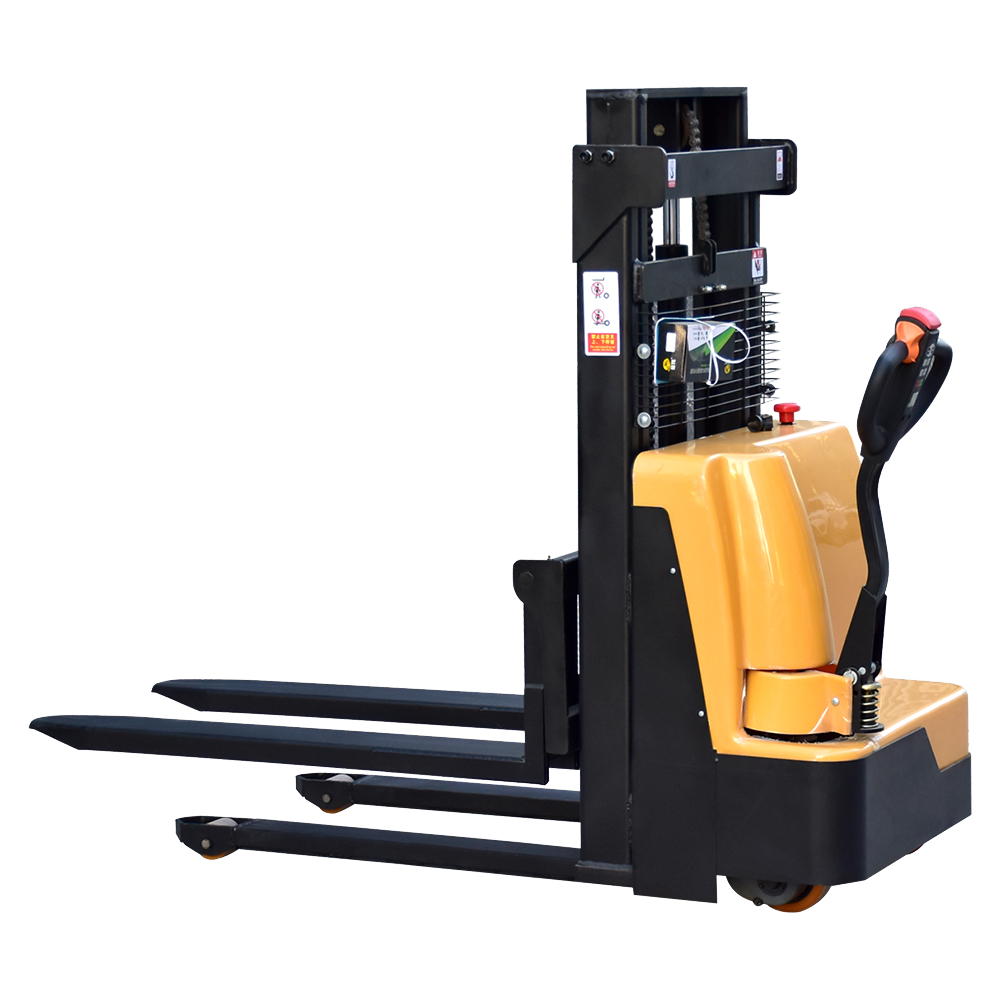
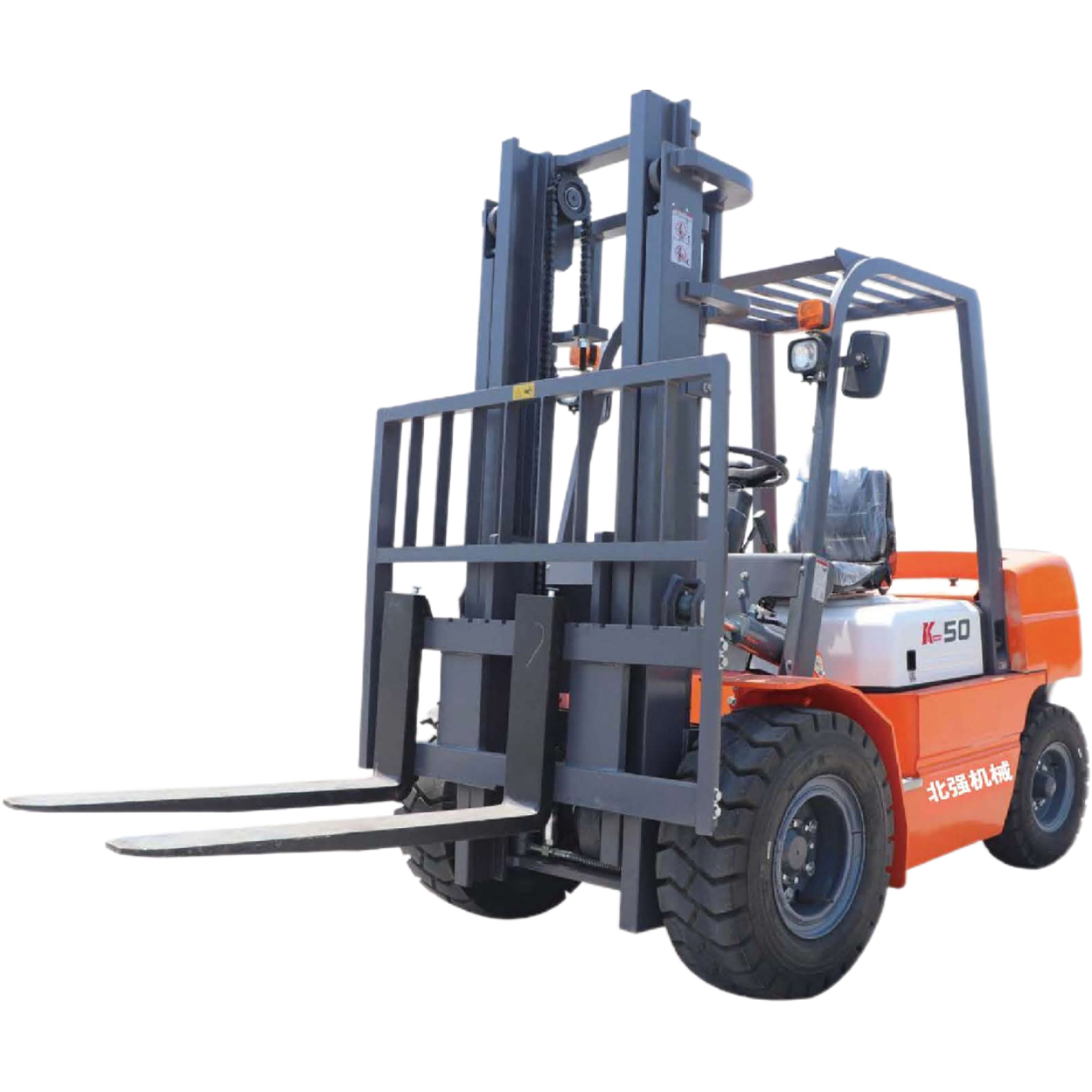
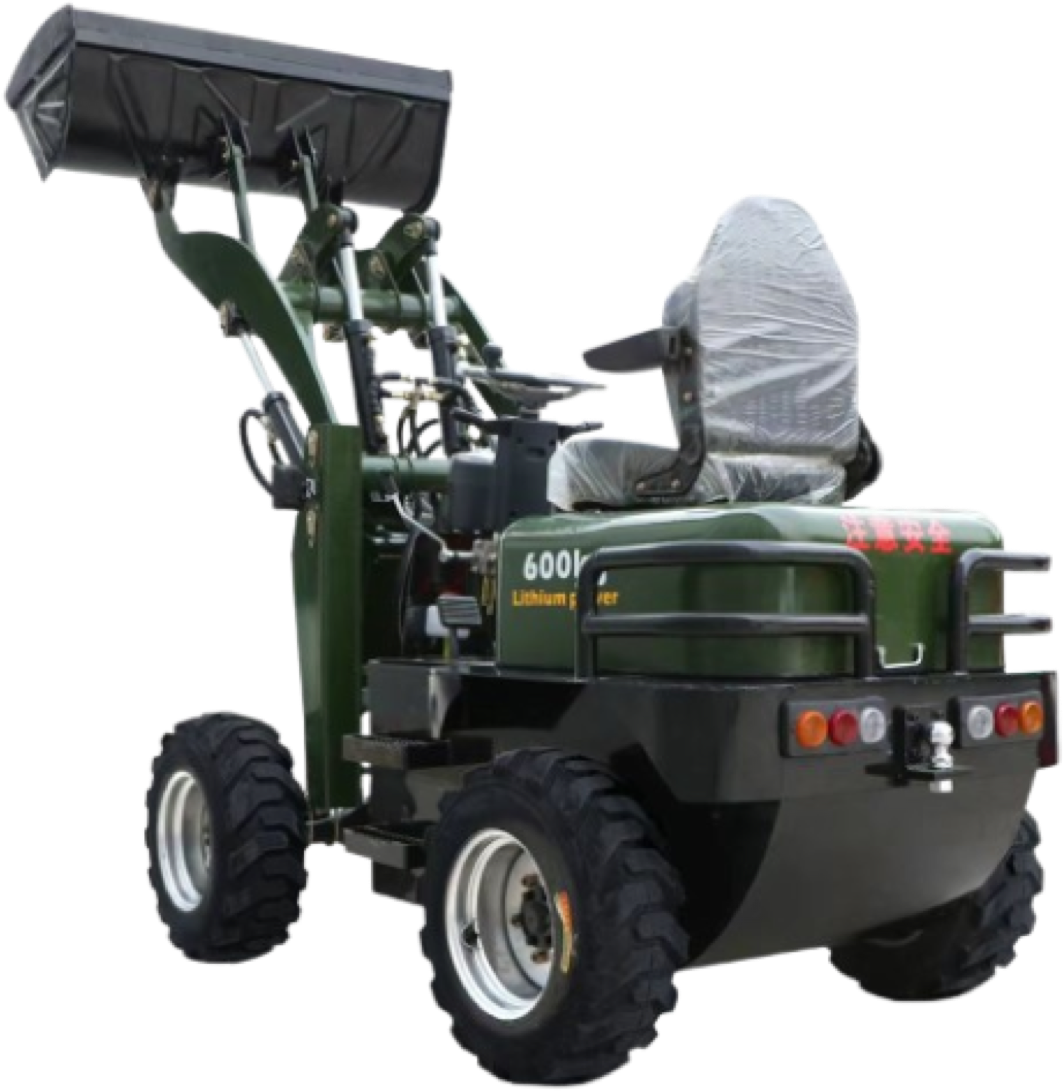
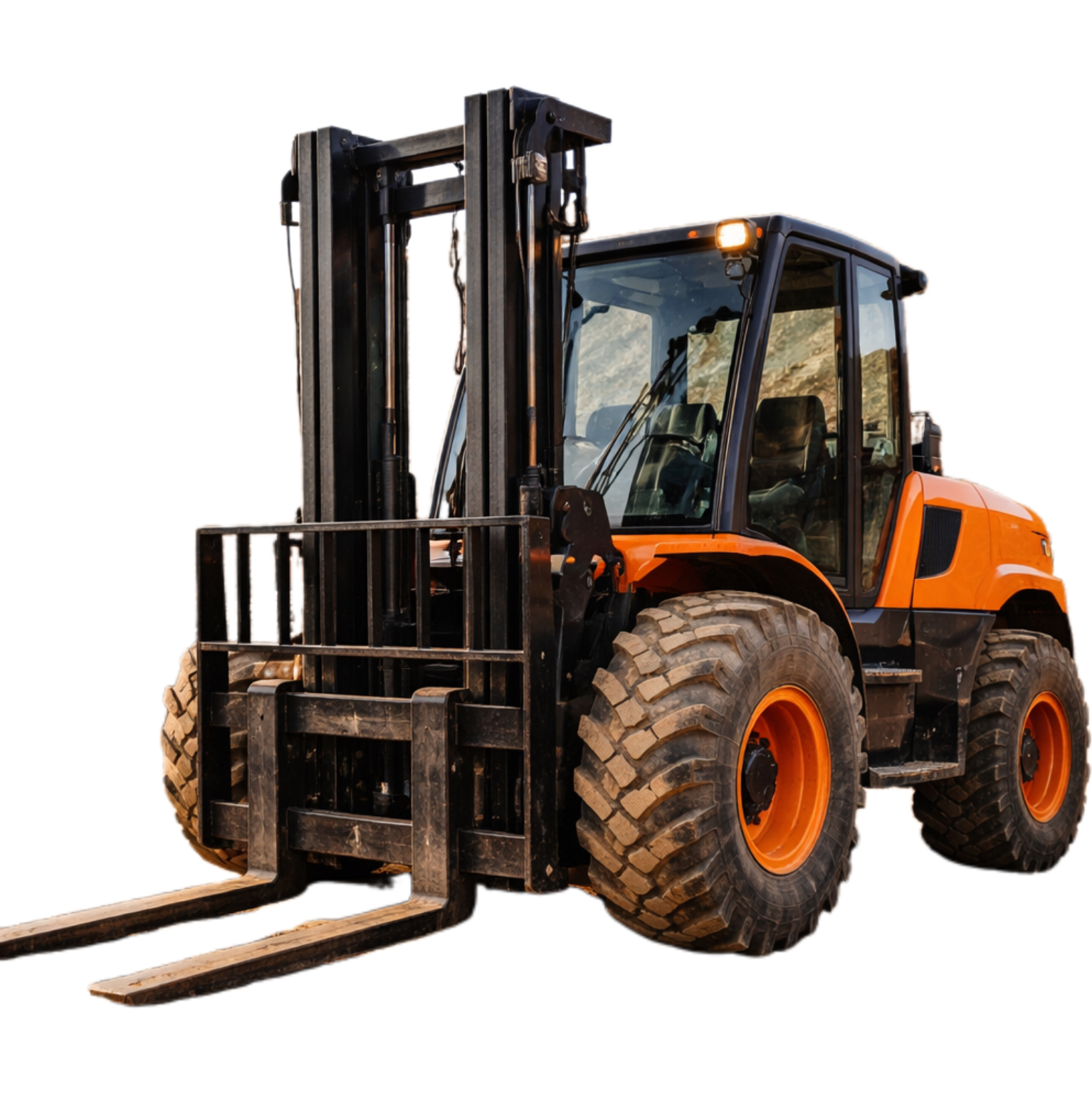


Is an Electric Forklift Suitable for Outdoor Loading Docks? A Practical Buyer’s Guide
When buyers ask “Is an electric forklift suitable for outdoor loading docks?”, they are not asking a simple yes-or-no question.
What they really mean is:
“Will it handle uneven ground?”
“Can it work in rain, heat, or cold?”
“Will the battery fail outside?”
“Am I taking a risk compared to diesel or LPG?”
These concerns are valid—and for years, outdoor loading docks were considered “no-go zones” for electric forklifts.
That reality has changed.
This guide explains when electric forklifts work perfectly outdoors, when they don’t, and how to choose the right configuration.
1. Why Outdoor Loading Docks Are Challenging
Outdoor docks are harsher than indoor warehouses. Typical challenges include:
Uneven concrete or asphalt surfaces
Exposure to rain, dust, and temperature changes
Frequent ramp use and dock levelers
Higher load movement between trucks and warehouses
Buyers fear that electric forklifts are:
Too weak
Too sensitive
Not durable enough
Modern electric forklifts are designed specifically to address these concerns.
2. Traction & Tires: The Real Deciding Factor
The biggest difference between indoor and outdoor performance is tires.
For outdoor loading docks, electric forklifts can be equipped with:
Pneumatic tires for rough surfaces
Solid rubber tires with deeper tread
Anti-slip compounds for wet ground
With the right tires, an electric forklift can:
Handle slopes and ramps confidently
Maintain stability on uneven ground
Reduce slipping during rain
In many dock environments, tire selection matters more than power type.
3. Power & Torque: Electric vs Internal Combustion
A common myth is that electric forklifts lack power outdoors.
In reality:
Electric motors deliver instant torque
Power is consistent at low speeds
No power loss due to gear shifting
This is ideal for loading docks where:
Precision matters
Loads start and stop frequently
Operators need smooth control
Modern electric forklifts easily match LPG forklifts in dock loading tasks.
4. Weather Resistance: Rain, Heat, and Cold
Today’s electric forklifts are built with:
Sealed controllers
Waterproof connectors
IP-rated electrical systems
This allows safe operation in:
Light to moderate rain
High humidity
Outdoor temperatures from -20°C to 45°C (with proper battery selection)
Lithium batteries, in particular, perform better outdoors than traditional lead-acid batteries.
5. Battery Performance in Outdoor Docks
Outdoor docks often mean:
Longer travel distances
Higher energy demand
Electric forklifts now offer:
High-capacity lithium batteries
Opportunity charging during breaks
Fast charging between shifts
This eliminates downtime and keeps dock operations moving.
6. Maintenance: Why Electric Wins Outdoors
Outdoor docks expose forklifts to dust, moisture, and vibration.
Electric forklifts benefit from:
Fewer moving parts
No engine, transmission, or exhaust
Lower maintenance frequency
Over time, this results in:
Less downtime
Lower repair costs
More predictable operation
7. When Electric Forklifts Are the Right Choice for Outdoor Docks
Electric forklifts are ideal if:
Your dock surface is reasonably maintained
Loads are palletized or stable
Operations involve frequent starts and stops
Emissions and noise matter
They may not be ideal for extreme off-road conditions—but for most loading docks, they perform exceptionally well.
Final Verdict
Yes—electric forklifts are absolutely suitable for outdoor loading docks, when configured correctly.
With the right tires, battery, and protection level, they deliver:
Lower operating costs
Cleaner operation
Higher control and safety
If your dock operation values efficiency, reliability, and long-term savings, an electric forklift is no longer a compromise—it’s an upgrade.
Our manager will contact you shortly.
To contact you about our products and services.


Copyright © Xingtai Beiqiang Machinery Manufacturing Factory. 2025.
Technical support:Echola