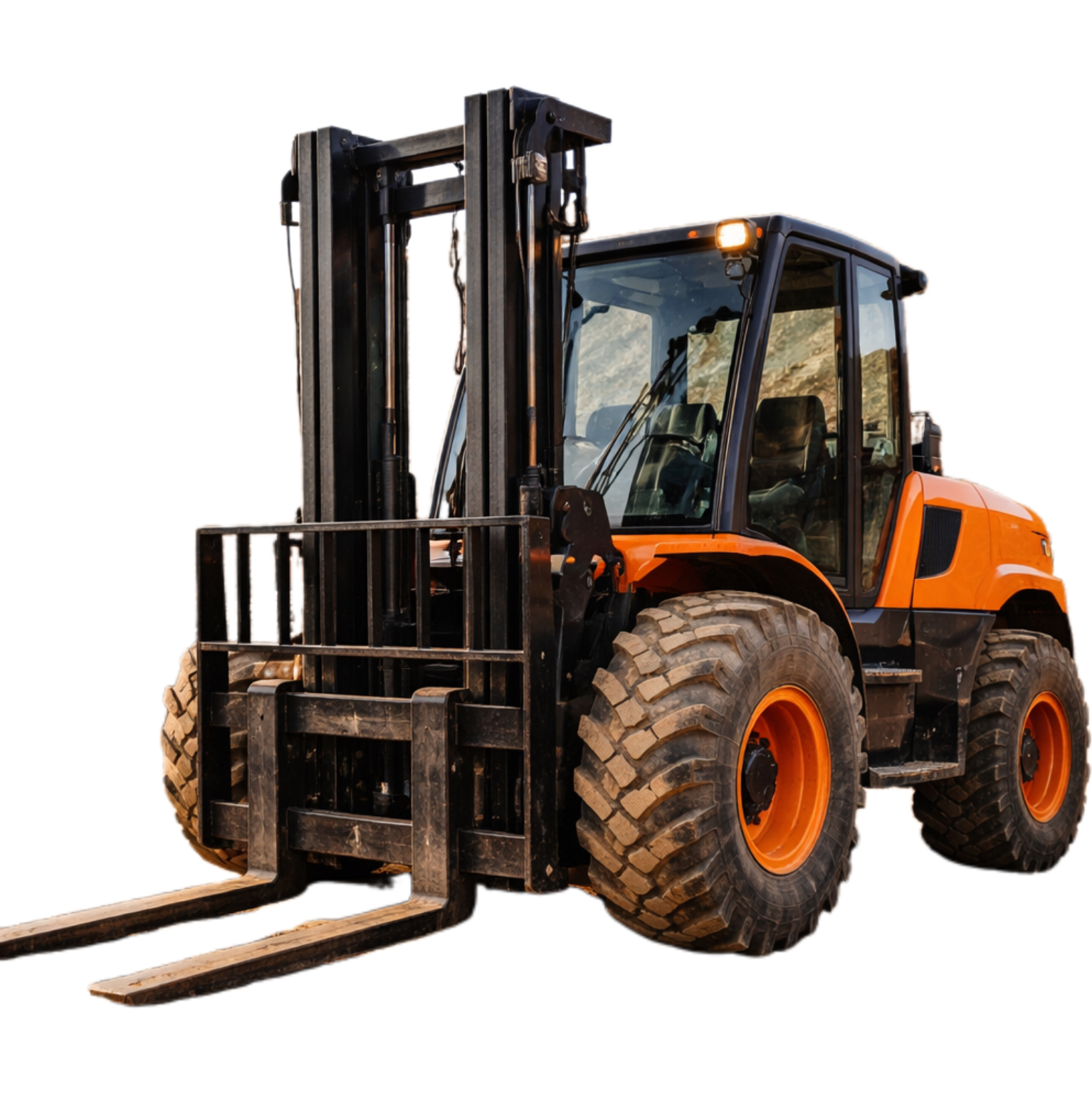


One Forklift for Both Indoor Warehouse and Outdoor Yard: Is It Really Possible?
If you manage a warehouse with an outdoor yard, you’ve probably asked yourself this question more than once:
“Do I really need two forklifts?”
“Can one forklift handle both indoor and outdoor work?”
“Is there a machine that won’t become a compromise everywhere?”
The idea of one forklift for both indoor and outdoor use sounds perfect—lower cost, fewer operators, simpler management.
But is it realistic? And more importantly, what kind of forklift actually makes it work?
Let’s break this down honestly, from real-world pain points to practical solutions.
1. The Real Problem: Two Environments, Very Different Demands
Indoor warehouses and outdoor yards place very different demands on a forklift.
Indoor operations usually require:
Zero emissions
Low noise
Tight turning radius
Smooth and precise control
Clean operation for goods and staff
Outdoor yards usually require:
Strong traction
Weather resistance
Ability to handle uneven ground
Stability on slopes
Durable components
This is why many businesses end up with two machines—or one that does neither job well.
2. Why Traditional Forklifts Struggle to Do Both
Before electric technology evolved, most forklifts were specialized:
Diesel forklifts
Powerful outdoors
Not allowed indoors due to emissions and noise
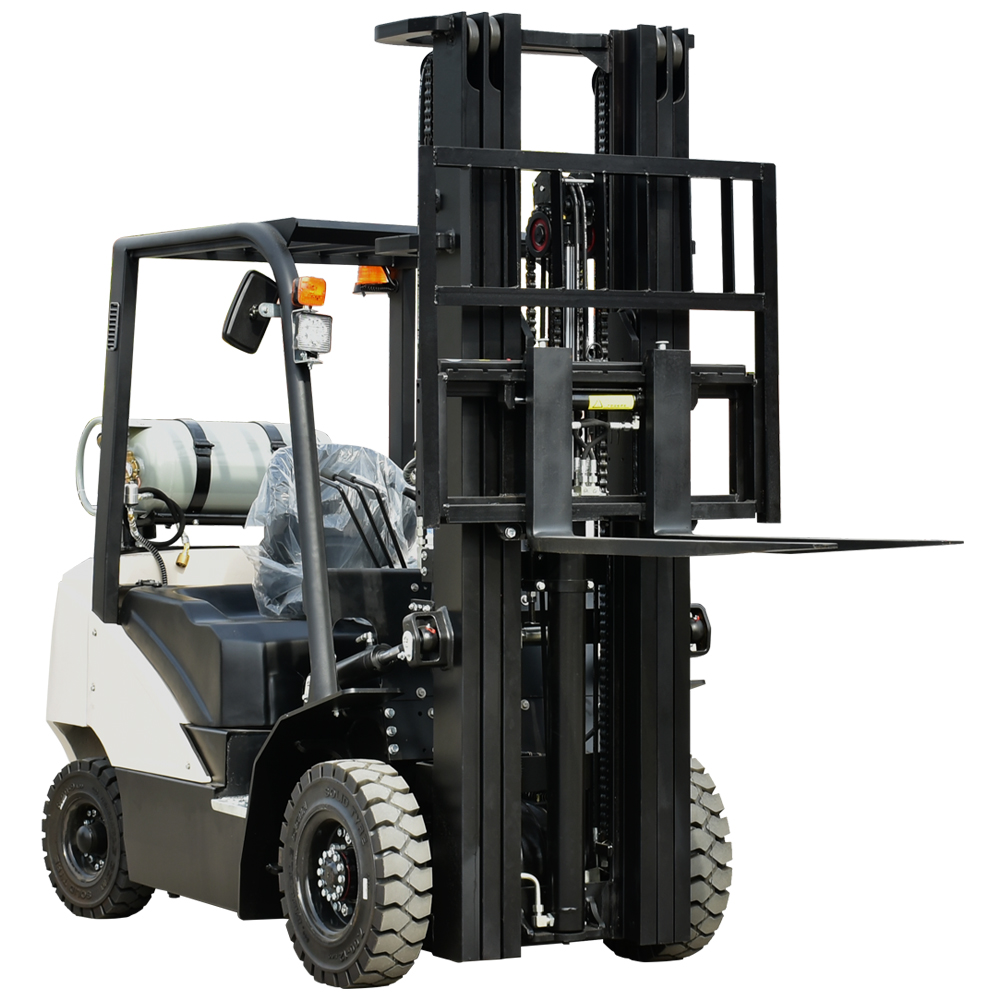
LPG forklifts
Cleaner than diesel
Still produce exhaust
Limited indoor approval in many regions
Old-generation electric forklifts
Perfect indoors
Weak outdoors due to tires, clearance, and weather sensitivity
This led to a frustrating conclusion for many buyers:
“One forklift for both areas is impossible.”
That used to be true—but not anymore.
3. How Modern Electric Forklifts Changed the Equation
New-generation electric forklifts are designed very differently.
Thanks to improvements in:
Motor torque
Battery technology
Chassis design
Tire options
Electronic control systems
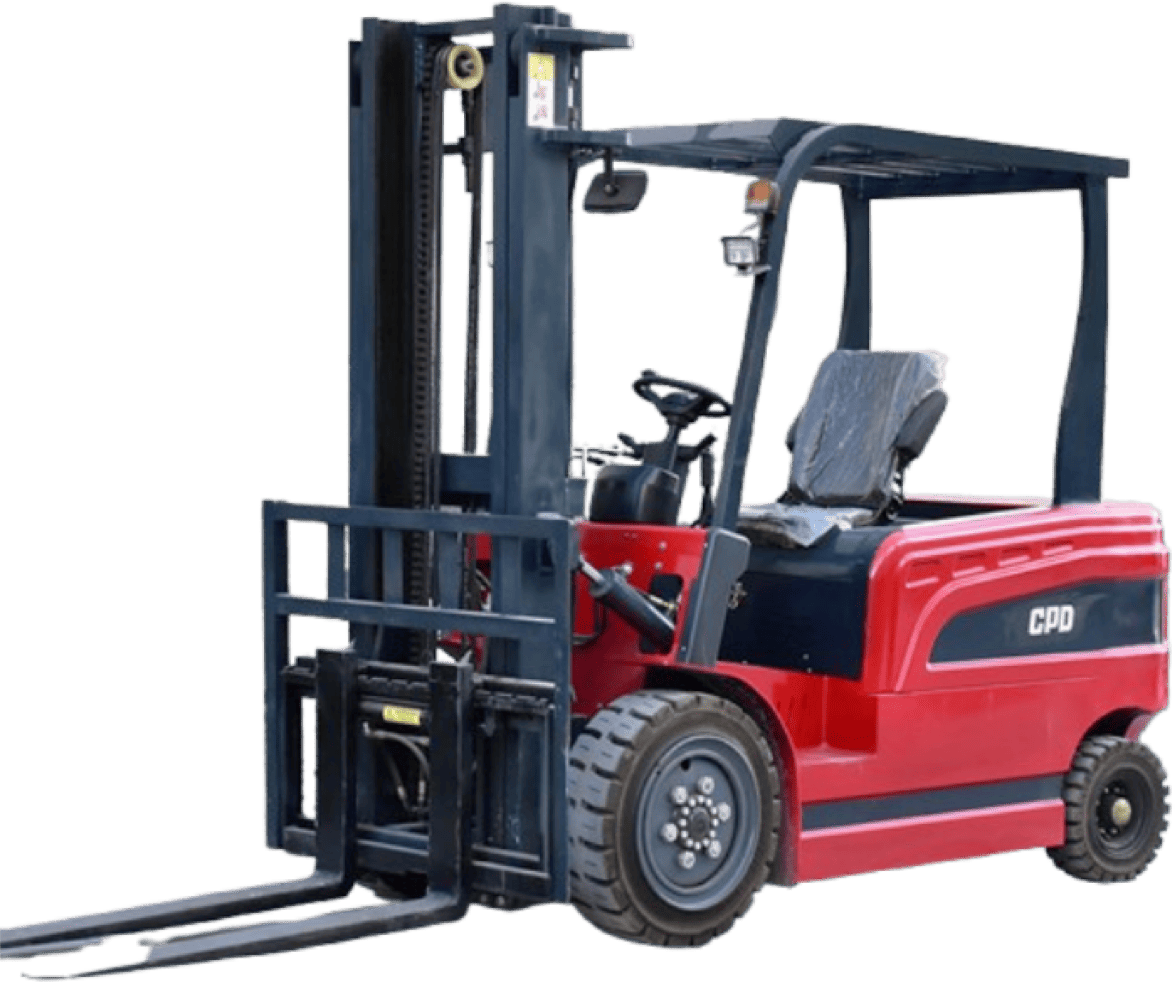
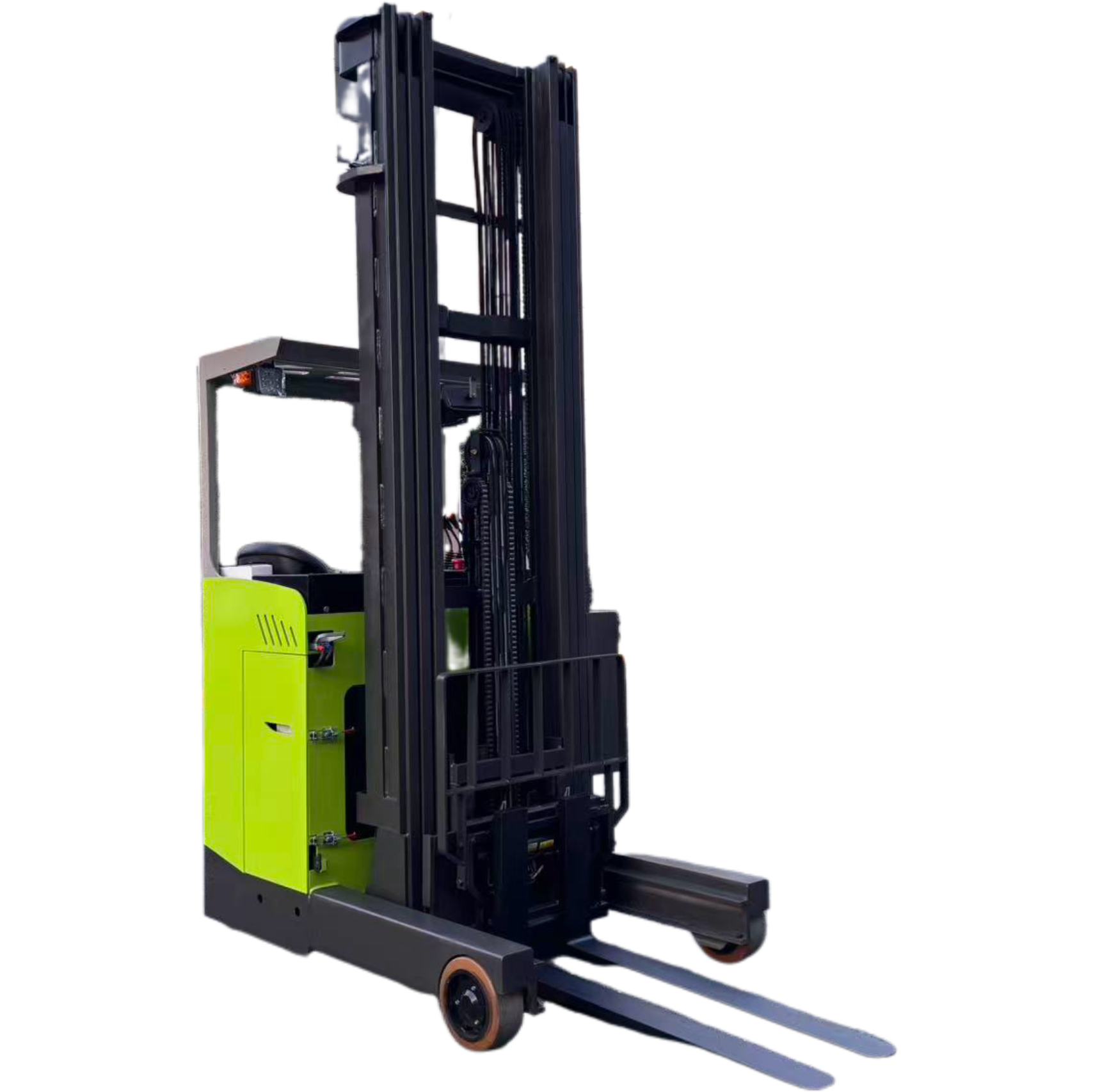
A single electric forklift can now handle both indoor warehouses and outdoor yards, when configured correctly.
The key is not just “electric”—it’s the right electric forklift.
4. What Makes an Electric Forklift Suitable for Indoor and Outdoor Use
If you want one forklift to do both jobs, these factors matter more than brand names.
High torque electric motor
Modern electric motors deliver instant torque, making them strong enough for ramps, uneven ground, and outdoor loading.Proper tire selection
Solid rubber tires for smooth outdoor yards
Pneumatic or semi-pneumatic tires for uneven surfaces
Sufficient ground clearance
A slightly higher clearance prevents scraping and instability outdoors.Weather-resistant components
Sealed electronics, protected wiring, and waterproof connectors are essential.Stable chassis design
Low center of gravity ensures safety indoors while maintaining outdoor stability.
5. Common Buyer Pain Points—and How One Forklift Solves Them
Let’s talk about real frustrations buyers face.
“I don’t want to invest in two forklifts”
One properly configured electric forklift can reduce equipment investment by up to 30–40%.“My operators move between warehouse and yard all day”
A single machine avoids switching forklifts and saves time every shift.“Fuel and maintenance costs are getting out of control”
Electric forklifts eliminate fuel costs and reduce maintenance dramatically.“Indoor air quality and safety regulations are strict”
Electric forklifts produce zero emissions and comply with indoor regulations.
6. Indoor Performance: Why Electric Forklifts Excel
Inside the warehouse, electric forklifts clearly win.
They offer:
Zero exhaust emissions
Very low noise
Smooth acceleration and braking
Precise control in narrow aisles
Safer operation near workers and products
This makes them ideal for:
Warehouses
Distribution centers
Food and beverage facilities
Pharmaceutical storage
Retail backrooms
7. Outdoor Performance: What Buyers Worry About Most
Outdoor use raises understandable concerns:
Rain
Cold weather
Uneven ground
Slopes and ramps
Modern electric forklifts address these concerns with:
Water-resistant electrical systems
Cold-weather battery options
Strong traction control
Reinforced frames
With the right configuration, outdoor yards are no longer a problem.
8. Battery Technology Makes the Difference
Battery choice is critical.
Lead-acid batteries
Lower upfront cost
Require maintenance
Less ideal for outdoor temperature changes
Lithium-ion batteries
Stable performance indoors and outdoors
Fast charging
No maintenance
Longer lifespan
For mixed indoor-outdoor use, lithium-ion batteries are often the best solution.
9. One Forklift vs Two: The Cost Reality
When buyers compare costs, they often focus only on purchase price.
But real cost includes:
Energy or fuel
Maintenance
Downtime
Operator efficiency
Compliance and safety
Over 3–5 years, one well-selected electric forklift often delivers:
Lower total cost of ownership
Higher utilization rate
Fewer operational headaches
10. Final Answer: Is One Forklift for Indoor and Outdoor Use Possible?
Yes—it is absolutely possible.
But only if:
You choose a modern electric forklift
It is configured for your actual working conditions
You focus on total performance, not just basic specs
If your operation involves moving between warehouse and yard every day, a properly designed electric forklift is no longer a compromise—it’s a competitive advantage.
Our manager will contact you shortly.
To contact you about our products and services.


Copyright © Xingtai Beiqiang Machinery Manufacturing Factory. 2025.
Technical support:Echola