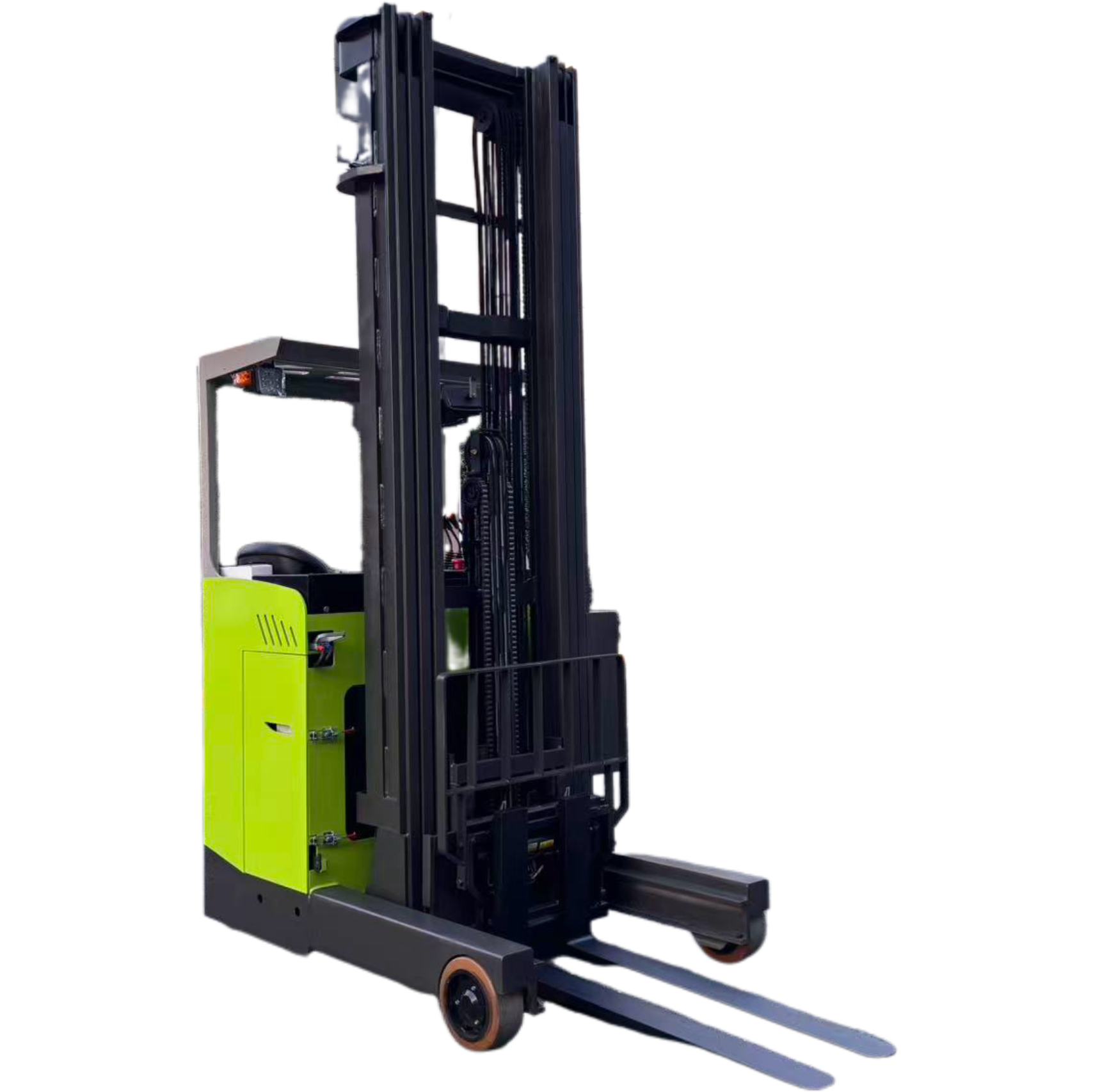


Weather Resistance: Can Electric Forklifts Work in Rain or Cold?
When buyers ask “Can an electric forklift work in rain or cold weather?”, they are not asking a technical question alone.
They are asking a business question:
“Will this forklift stop my operation when the weather changes?”
“Will rain damage the electronics?”
“Will cold temperatures reduce battery life?”
“Am I taking a risk by choosing electric instead of diesel or LPG?”
These concerns are real—and completely valid.
Let’s break down the truth about weather resistance in electric forklifts, based on real-world use, not outdated assumptions.
1. The Biggest Myth: Electric Forklifts Are Indoor-Only
Many buyers still believe electric forklifts are only suitable for clean indoor warehouses.
This idea comes from old-generation electric forklifts, which had:
Poor sealing
Weak controllers
Lead-acid batteries sensitive to moisture and temperature
Modern electric forklifts are different.
Today’s models are designed for both indoor and controlled outdoor use, including:
Loading yards
Semi-covered docks
Paved outdoor areas
Cold-storage and winter environments
The key is not “electric or not,” but how the forklift is engineered.
2. Rain Resistance: What Actually Matters
Electric forklifts can operate in rain when designed correctly.
Key features buyers should look for:
Sealed electrical systems
Modern electric forklifts use sealed connectors and protected wiring to prevent water ingress.IP-rated controllers
High-quality models use controllers with water and dust resistance standards, reducing failure risk.Protected battery compartments
Lithium batteries are fully enclosed and isolated from moisture.
What this means for you:
Light rain, wet ground, and humid conditions are not a problem for properly built electric forklifts.
Important limitation:
They are not designed for flooding or standing water—just like diesel or LPG forklifts.
3. Cold Weather Performance: The Real Concern
Cold weather affects all forklifts—but in different ways.
Buyers worry that electric forklifts will:
Lose power
Drain battery faster
Fail to start in winter
The reality depends on battery type.
Lead-acid batteries
Performance drops significantly in cold
Charging takes longer
Requires heated charging rooms
Lithium-ion batteries
Much more stable in cold environments
Faster start-up
Consistent voltage output
No memory effect
Modern electric forklifts with lithium batteries perform reliably in temperatures down to -20°C, and even lower with proper configuration.
4. Traction & Outdoor Ground Conditions
Another common concern is outdoor traction.
Buyers ask:
“Can it handle wet ground?”
“What about cold concrete or uneven surfaces?”
Solutions include:
Pneumatic or solid rubber tires
Electric forklifts can be equipped with outdoor-ready tires for better grip.Advanced motor control
Electric motors deliver precise torque, reducing wheel slip on wet surfaces.Balanced weight distribution
Battery weight lowers the center of gravity, improving stability.
In many cases, electric forklifts provide better traction control than internal combustion models.
5. Reliability Compared to Diesel or LPG
Some buyers assume diesel forklifts are more “rugged.”
In reality:
Diesel engines struggle with cold starts
Fuel systems are sensitive to temperature
Exhaust and emissions limit indoor-outdoor flexibility
Electric forklifts:
Start instantly in any weather
Have fewer mechanical failure points
Require less weather-related maintenance
Weather resistance is no longer a weakness—it’s a competitive advantage.
6. Real Operating Scenarios Where Electric Forklifts Excel
Electric forklifts perform especially well in:
Indoor-outdoor mixed operations
Loading docks exposed to weather
Cold storage facilities
Food and pharmaceutical logistics
Warehouses with seasonal climate changes
Instead of switching machines based on weather, companies now choose one versatile electric forklift.
7. Lower Weather-Related Maintenance Costs
Rain and cold accelerate wear in internal combustion forklifts:
Rust
Fuel system issues
Engine oil thickening
Exhaust corrosion
Electric forklifts eliminate these problems.
Benefits include:
No fuel system
No exhaust
Fewer weather-sensitive parts
Lower downtime during seasonal changes
8. What Buyers Should Ask Before Purchasing
To ensure weather readiness, ask suppliers:
Is the forklift approved for outdoor use?
What is the battery type and temperature range?
Are controllers and connectors sealed?
What tire options are available?
Are cold-weather configurations available?
A professional supplier will answer these clearly—without hesitation.
9. The Bigger Picture: Weather Should Not Limit Productivity
Weather should not dictate whether your operation runs efficiently.
With modern electric forklifts, you get:
Consistent performance
Fewer weather-related failures
Lower operating risk
Greater flexibility across seasons
This is why more companies are replacing diesel and LPG forklifts with new-generation electric models.
10. Final Thought: Choose Confidence, Not Assumptions
Electric forklifts today are no longer fragile machines restricted to perfect conditions.
They are:
Weather-resistant
Cold-capable
Reliable
Cost-efficient
If your operation requires indoor and outdoor flexibility—rain or cold included—a properly configured electric forklift is not a compromise.
It is an upgrade.
Our manager will contact you shortly.
To contact you about our products and services.


Copyright © Xingtai Beiqiang Machinery Manufacturing Factory. 2025.
Technical support:Echola