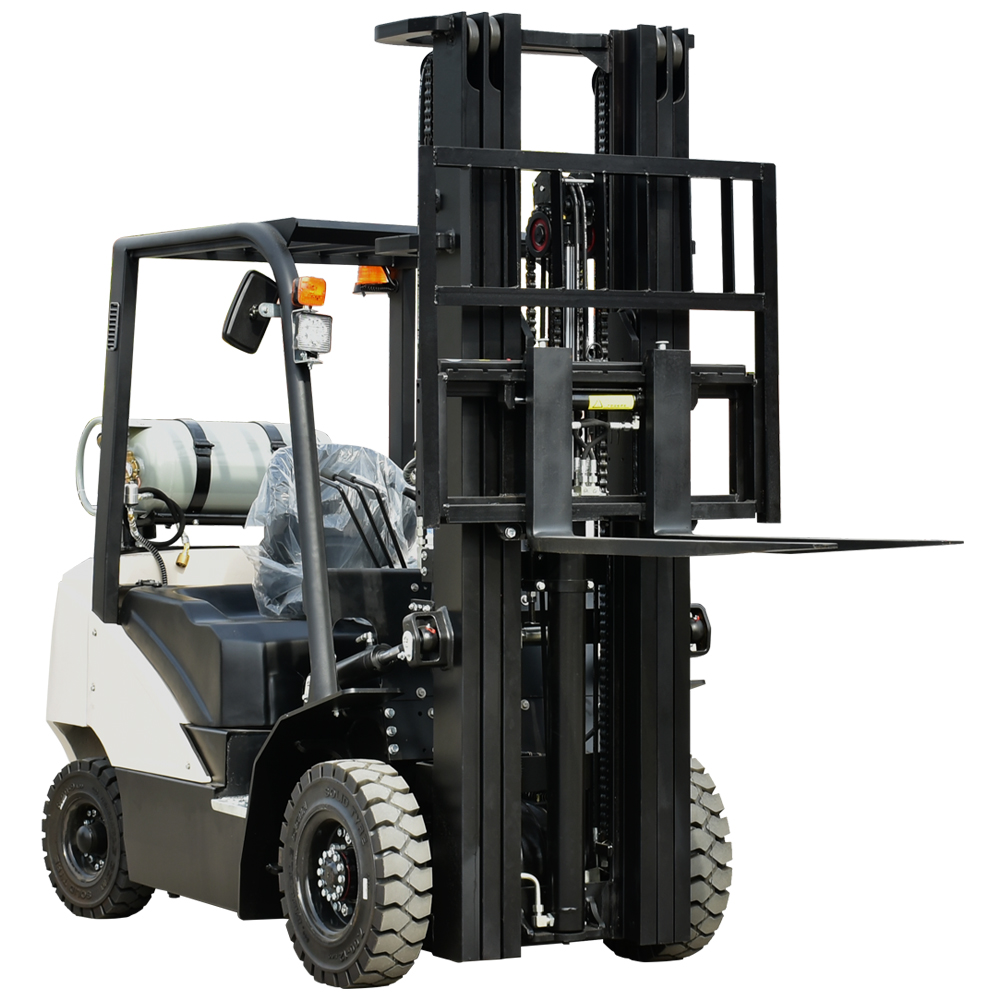
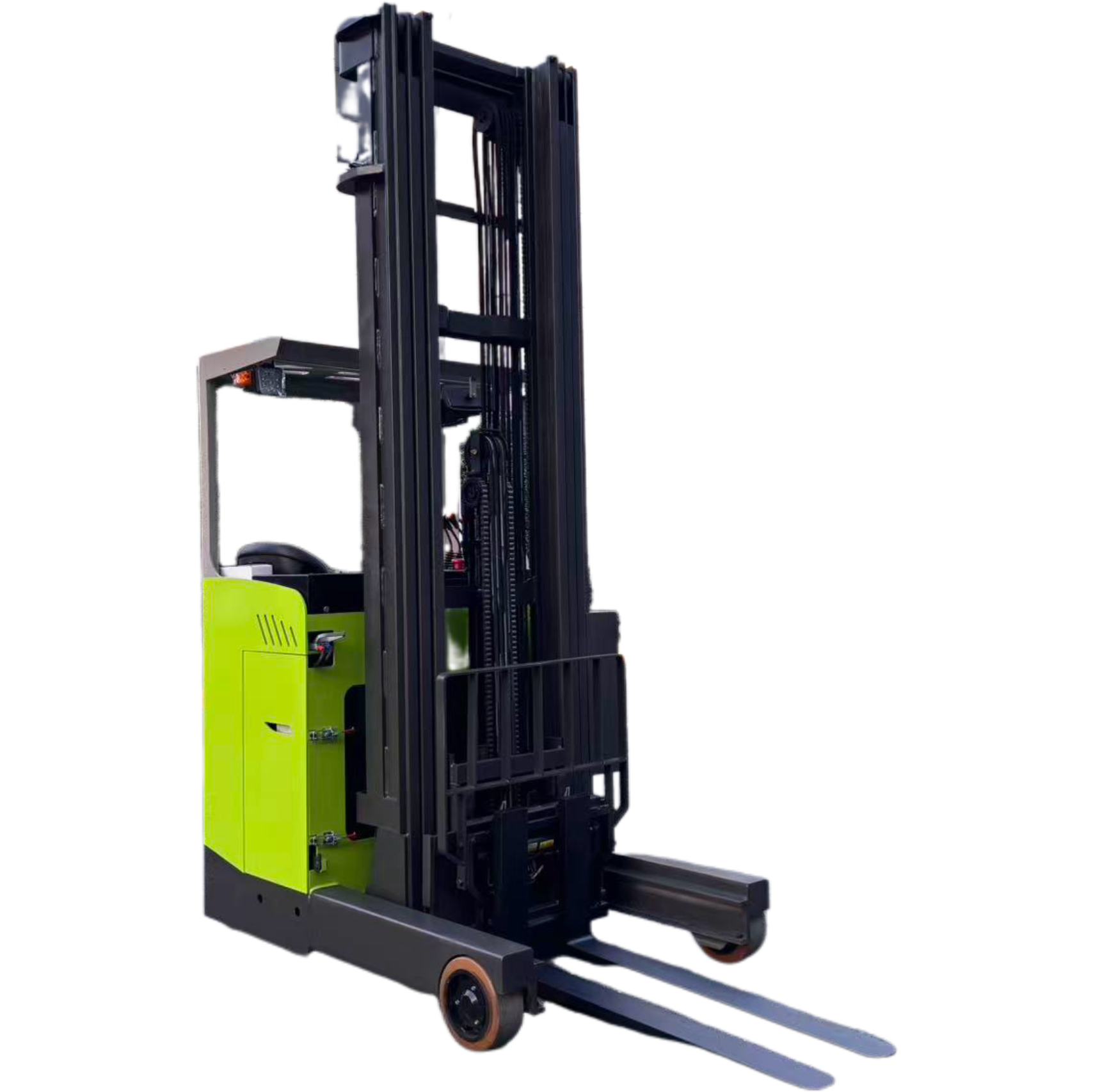
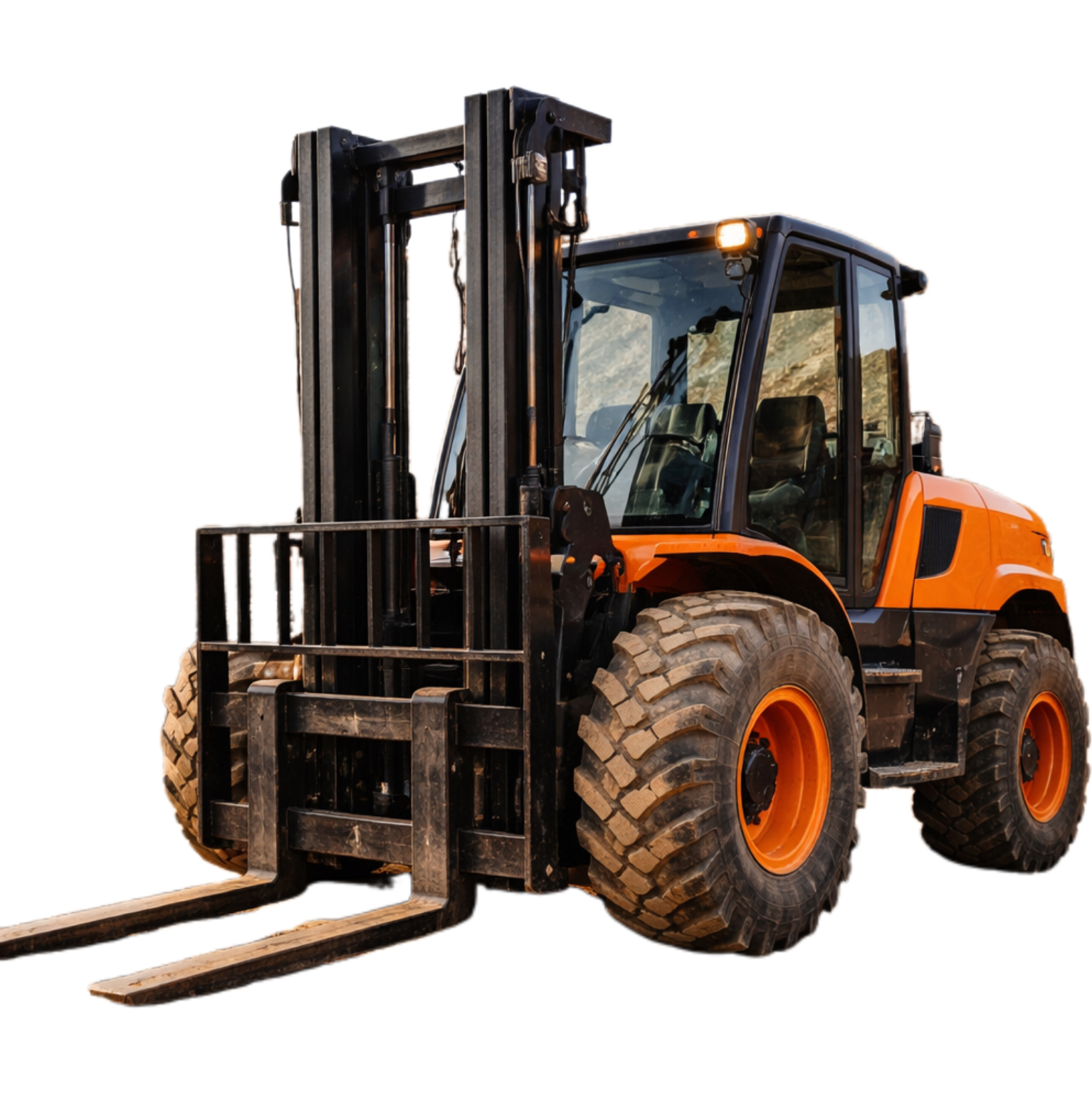


In modern warehousing, logistics, and industrial production scenarios, electric forklifts are no longer simple "handling tools" but core nodes supporting the efficiency of material flow. With the in-depth development of smart logistics, enterprises have put forward higher requirements for the operational efficiency, safety protection, and operating costs of electric forklifts. The core driving force behind all these upgrades and breakthroughs is the intelligent electronic control system — as the "brain" and "neural hub" of electric forklifts, it is fundamentally reshaping the operational logic of electric forklifts, enabling a dual leap in efficiency and safety.
I. Intelligent Electronic Control System: The "Smart Core" of Electric Forklifts
The electronic control systems of traditional electric forklifts mainly focus on basic power control, only capable of simple start-stop and speed regulation functions. Operational efficiency and safety are highly dependent on the operator's experience. In contrast, the intelligent electronic control system integrates three core modules — Vehicle Control Unit (VCU), Motor Control Unit (MCU), and Battery Management System (BMS) — combined with a multi-sensor network and intelligent algorithms, to achieve precise perception, dynamic decision-making, and intelligent regulation of the entire operational process of the forklift.
Simply put, the intelligent electronic control system upgrades the forklift from "passively executing operations" to "proactively optimizing operations": it can real-time monitor core parameters such as load weight, traveling speed, and battery status, and automatically adjust the power output strategy; it can avoid risks through environmental perception; it can also link with the warehouse management system to achieve intelligent scheduling — this is the core logic for improving efficiency and safety.
II. Efficiency Leap: From "Experience-Driven" to "Intelligent Optimization"
Through three core paths — precise control, intelligent scheduling, and energy optimization — the intelligent electronic control system elevates the operational efficiency of electric forklifts to a new level, specifically reflected in three aspects:
1. Precise Power Control to Enhance Operational Smoothness
The power output of traditional forklifts has obvious "mechanical delay": heavy-load startup is prone to jitter, and speed regulation is inaccurate, which not only affects operational speed but also may cause cargo damage. The intelligent electronic control system achieves millisecond-level response to the motor through digital algorithms, and can automatically adjust torque output according to load weight and operational scenarios: optimizing acceleration performance to increase traveling speed during light loads; enhancing power output to ensure stable operation during heavy loads or climbing.
For example, electric forklifts equipped with a three-phase intelligent electronic control system can achieve an operating efficiency increase of up to 30% and a 12% improvement in load positioning accuracy compared to traditional models. In high-frequency pallet loading/unloading and shelf access operations, the time for action adjustment is significantly reduced.
2. Intelligent Scheduling and Path Optimization to Reduce Invalid Losses
Advanced intelligent electronic control systems can realize real-time linkage with the Warehouse Management System (WMS) through 5G networks, achieving intelligent assignment of operational tasks and optimal path planning. Without manual instruction guidance, the forklift can independently identify the location of goods, avoid congested areas, and even form a "virtual queue" through multi-vehicle collaboration algorithms to avoid operational conflicts.
Data shows that the daily effective working time of traditional manually operated forklifts is less than 6 hours, and the proportion of empty driving mileage is as high as 30%; in contrast, unmanned forklifts equipped with intelligent electronic control systems can operate 24 hours a day, reducing empty driving mileage by 60%. Cainiao Network's smart warehouses have reduced overall operating costs by 45% through large-scale application of such forklifts, with an investment payback period of only 18 months.
3. Intelligent Energy Management to Extend Battery Life and Operational Duration
Battery life is one of the efficiency bottlenecks of electric forklifts. The BMS (Battery Management System) module in the intelligent electronic control system can real-time monitor battery parameters such as voltage, temperature, and power, and reduce energy loss by dynamically adjusting charging and discharging strategies. More importantly, the regenerative braking technology it is equipped with can recover 15-20% of kinetic energy during deceleration and braking, which is recharged into the battery.
For example, forklifts matching intelligent lead-carbon batteries with electronic control systems can have a battery cycle life of 1500-2000 times, which is 3 times longer than traditional lead-acid batteries, reducing charging downtime and indirectly improving operational efficiency.
III. Safety Upgrade: From "Passive Protection" to "Active Early Warning"
In warehousing operations, accidents such as forklift collisions, rollovers, and cargo falls account for as high as 30%. The core reason is that traditional forklifts lack effective environmental perception and risk prediction capabilities. Through a closed-loop protection of "perception-judgment-response", the intelligent electronic control system upgrades safety protection from "passive response" to "active early warning", specifically reflected in three dimensions:
1. 360° Environmental Perception to Eliminate Collision Risks
The intelligent electronic control system integrates multi-modal perception devices such as lidar, 3D depth cameras, and ultrasonic sensors, which can real-time construct a 3D map of the operational environment, accurately identify objects such as pedestrians, obstacles, and shelves, and predict their movement trends. When detecting that a person enters a dangerous area or a collision is imminent, the system can trigger emergency braking within 0.1 seconds, completely avoiding accidents caused by human operational errors.
For example, Braxcel's AI pedestrian detection module can accurately distinguish between pedestrians and cargo through posture recognition algorithms, reducing the collision accident rate by more than 90% in complex warehousing environments with multiple personnel and equipment.
2. Dynamic Safety Protection to Adapt to Complex Operational Scenarios
The intelligent electronic control system can dynamically adjust safety strategies according to operational status: when the forklift turns at high speed, it automatically corrects the hydraulic response speed to prevent cargo from tilting and sliding; when detecting heavy loads or excessive slopes, it automatically limits the traveling speed and optimizes braking force distribution to avoid rollover risks. Test data from Crown Equipment Corporation (USA) shows that forklifts equipped with intelligent electronic control systems have a 42% reduction in cargo damage rate and a 60% reduction in operational errors.
In addition, the system also supports a "restricted area management" function, which can delineate restricted areas (such as dense shelf areas and pedestrian walkways) through software. When the forklift enters this area, it automatically decelerates, further improving operational safety.
3. Intelligent Load Management to Avoid Overload Risks
Overload is one of the main causes of forklift rollovers. The intelligent electronic control system real-time monitors the load weight through pressure sensors. Once it exceeds the rated load, it immediately issues an acousto-optic warning and restricts lifting and traveling actions, fundamentally eliminating overload operations. At the same time, the system can also automatically adjust the lifting speed and angle according to the position of the load center of gravity to ensure stable cargo handling.
IV. Industry Transformation: Intelligent Electronic Control Reshapes the Logistics Ecosystem
The application of intelligent electronic control systems not only improves the efficiency and safety of individual forklifts but also promotes the digital transformation of the entire internal logistics system. For example, enterprises such as China Heli and Hangcha have realized real-time monitoring and remote diagnosis of forklift operational data by integrating intelligent electronic control technology with the Internet of Things platform. The predictive maintenance module can reduce unplanned downtime by more than 28%; in special scenarios such as cold chain warehouses and dangerous goods warehouses, unmanned forklifts equipped with intelligent electronic control systems can operate continuously in low temperatures of -25℃ or flammable and explosive environments, avoiding personnel health risks and safety hazards.
Industry experts predict that by 2030, the scale of China's intelligent forklift market will exceed 30 billion yuan, with a penetration rate of 40%. As a core competitiveness, the intelligent electronic control system will develop towards higher integration, stronger AI algorithms, and better collaboration capabilities, further breaking down "data silos" in the logistics link and realizing the leap from "intelligent forklifts" to "smart logistics nodes".
Conclusion: The "Dual Revolution" of Efficiency and Safety Starts with Electronic Control
In the wave of smart logistics, the competition of electric forklifts has long shifted from "hardware parameters" to "intelligent soft power", and the intelligent electronic control system is the core support for this transformation. It improves operational efficiency through precise power control, ensures operational safety through comprehensive intelligent protection, and promotes the digital upgrading of the logistics ecosystem through data linkage.
For enterprises, choosing electric forklifts equipped with advanced intelligent electronic control systems is not only a practical choice to improve current operational efficiency but also a strategic decision to layout future smart logistics. With the continuous maturity of technology, the intelligent electronic control system will continue to release value, making logistics handling more efficient, safer, and smarter.
Our manager will contact you shortly.
To contact you about our products and services.


Copyright © Xingtai Beiqiang Machinery Manufacturing Factory. 2025.
Technical support:Echola