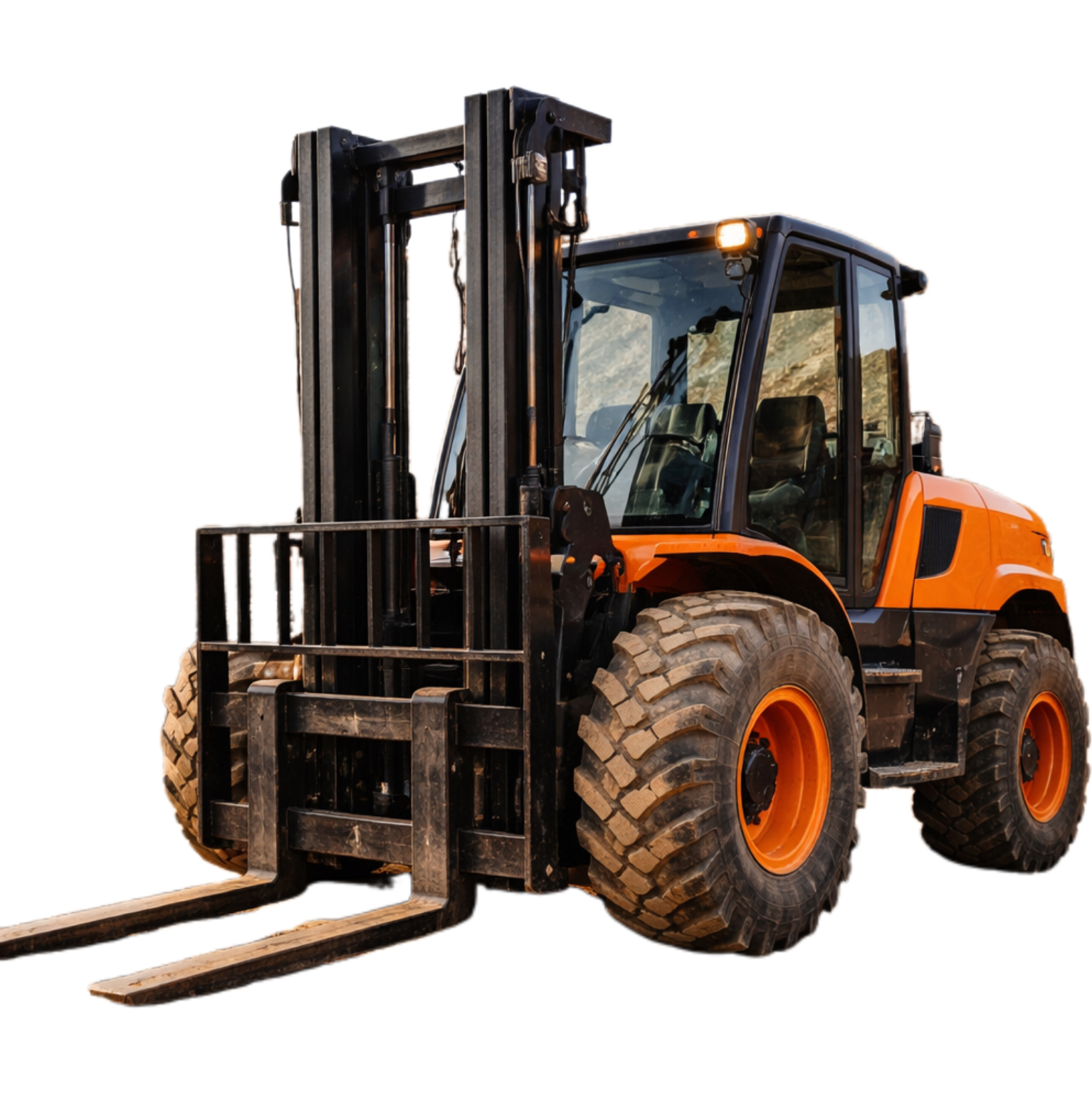


Can an Electric Forklift Be Used Both Indoors and Outdoors? A Practical Buyer’s Guide
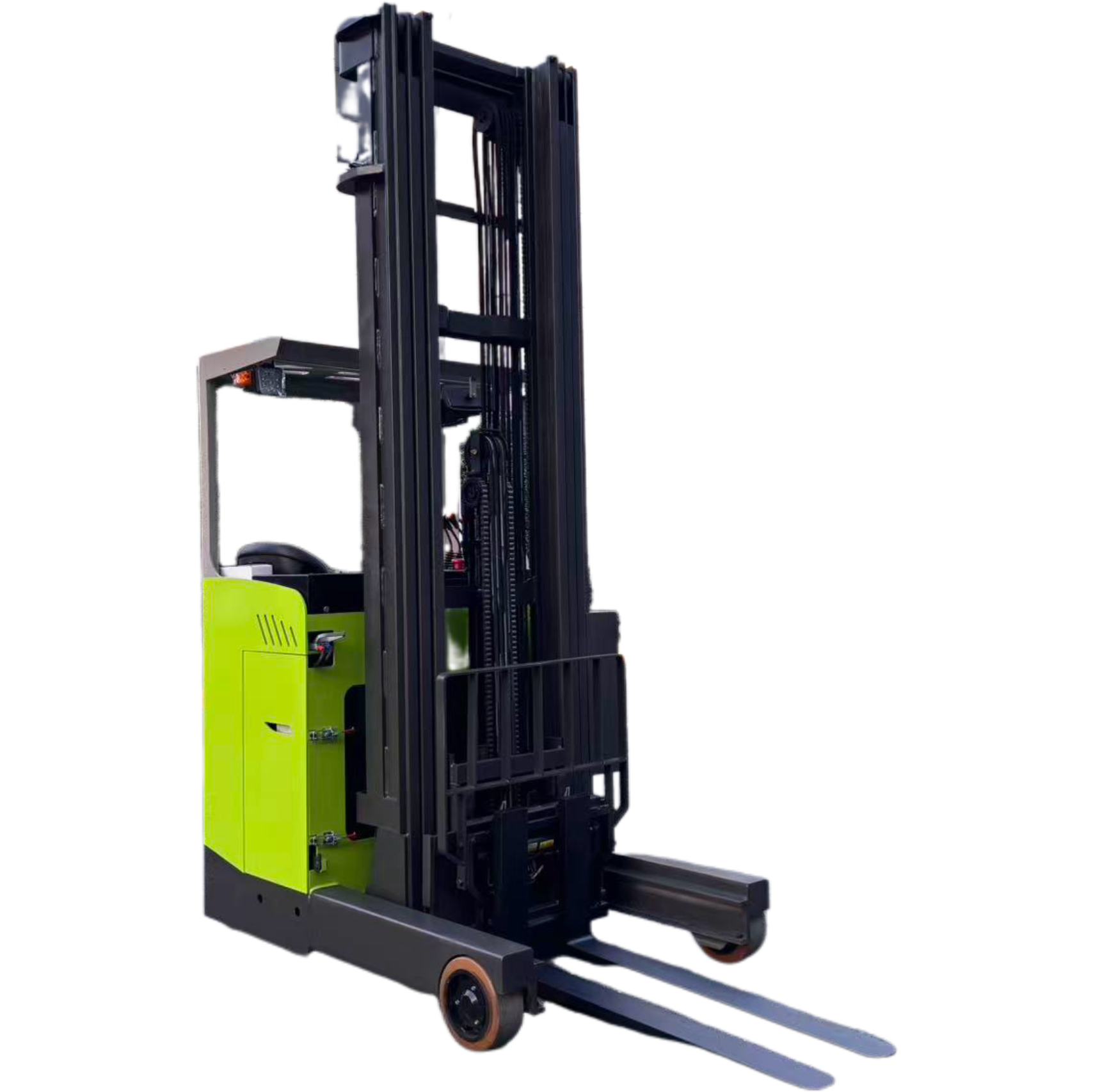
When buyers ask, “Can an electric forklift be used both indoors and outdoors?”, they are not asking a simple yes-or-no question.
What they really want to know is:
“Will one forklift handle all my working scenarios?”
“Will it perform reliably outside, not just look good in a warehouse?”
“Am I risking downtime, damage, or safety issues?”
“Is an electric forklift truly versatile, or do I need two machines?”
This article gives you clear, practical answers, based on real-world usage—not marketing promises.
1. Why This Question Matters to Buyers
Most businesses today operate in mixed environments:
Indoor warehouses
Outdoor loading yards
Semi-covered docks
Concrete, asphalt, or uneven surfaces
Buying separate forklifts for indoor and outdoor use means:
Higher purchase cost
More maintenance
More operators to manage
Naturally, buyers want one machine that does it all.
2. The Short Answer: Yes, But Not All Electric Forklifts
Yes, electric forklifts can be used both indoors and outdoors—
but only if the specifications match your environment.
Many disappointments happen because buyers assume:
“If it’s electric, it should work everywhere.”
That assumption leads to:
Tire slipping outdoors
Motor overheating
Poor traction on ramps
Shorter service life
Choosing the right configuration makes all the difference.
3. Indoor Use: Where Electric Forklifts Excel
Electric forklifts were originally designed for indoor environments—and they still dominate here.
Key indoor advantages include:
Zero emissions, safe for enclosed spaces
Low noise, better for workers and customers
Smooth acceleration, ideal for narrow aisles
Precise control for shelving and racks
No ventilation or exhaust system required
For warehouses, factories, retail stores, and food facilities, electric forklifts are often the only compliant option.
4. Outdoor Use: What Buyers Worry About
Outdoor use is where most buyer concerns appear:
“Will it lose power on ramps?”
“Can it handle uneven ground?”
“What about rain, dust, or temperature?”
“Will the battery drain faster outside?”
These are valid concerns, but they are solvable.
5. Key Factors That Make an Electric Forklift Outdoor-Capable
If you want one forklift for both indoor and outdoor use, focus on these non-negotiable specs:
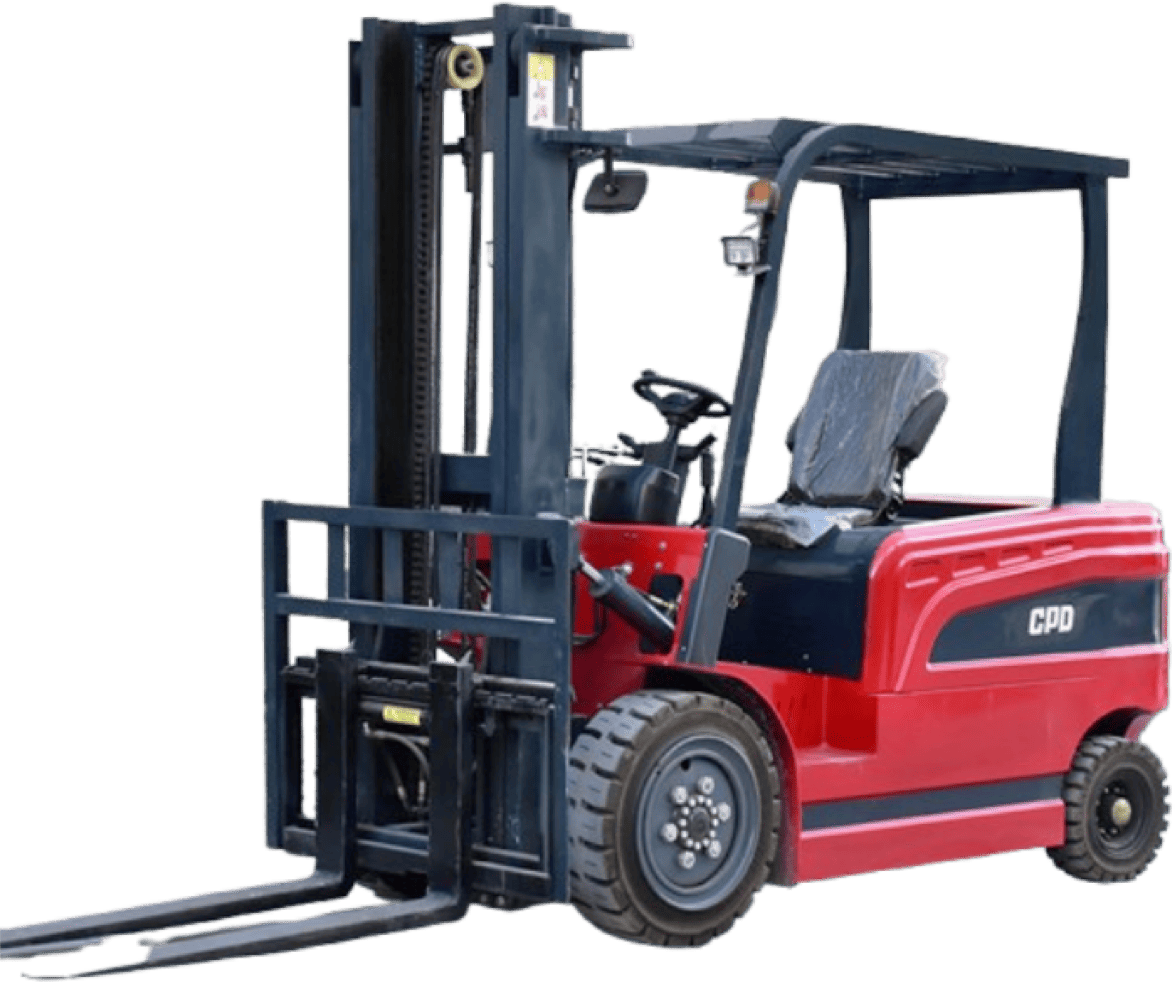
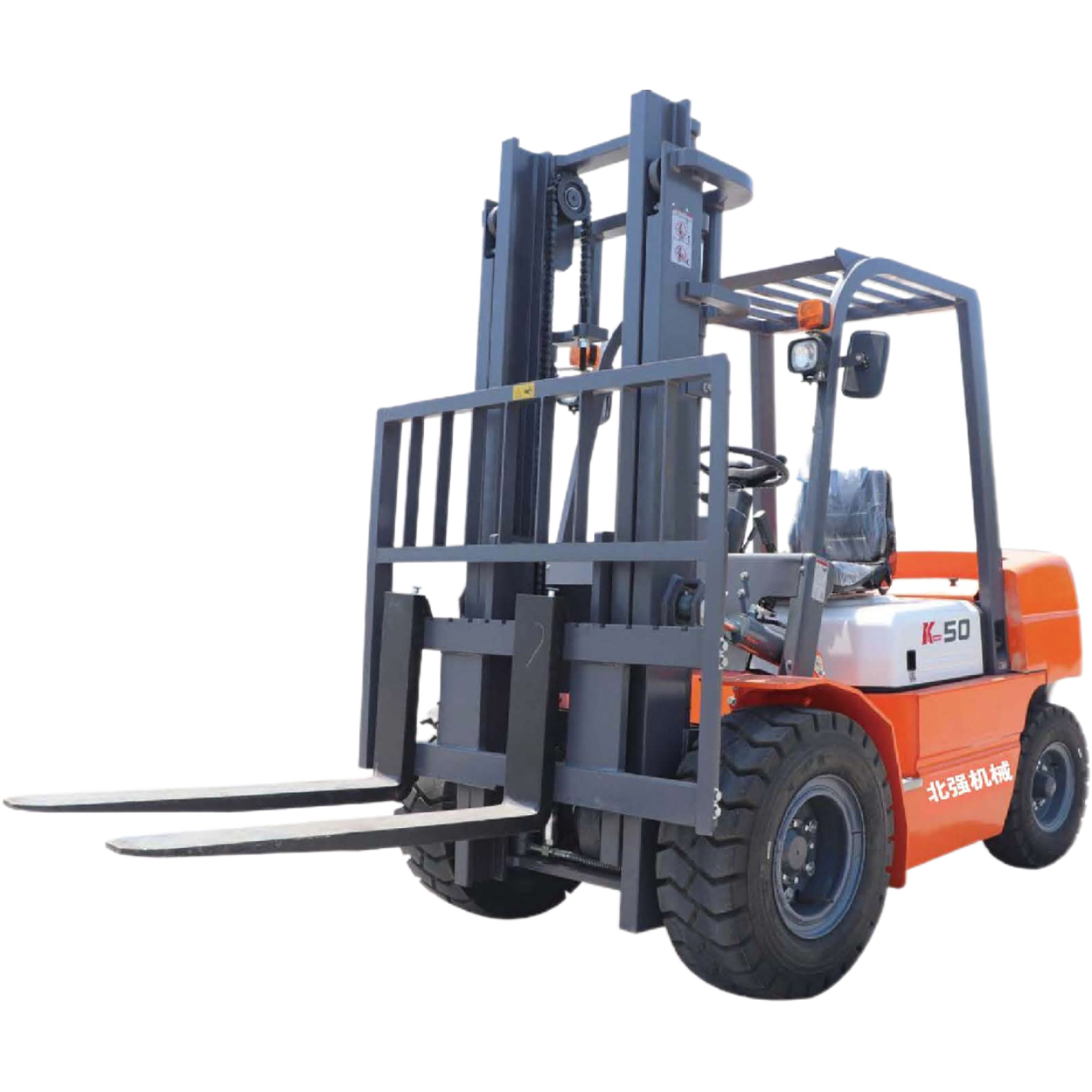
1. Tire Type
Pneumatic or solid rubber tires provide better grip outdoors
Cushion tires are mainly for indoor smooth floors
2. Ground Clearance
Higher clearance reduces bottom damage on uneven surfaces.
3. Motor Protection Rating
Sealed motors and controllers protect against:
Dust
Moisture
Temperature changes
4. Battery Technology
Lithium-ion batteries perform better outdoors because:
Stable power output
Faster charging
No performance drop in partial discharge
5. Traction & Stability Control
Modern electric forklifts use advanced controllers to maintain stability on ramps and outdoor transitions.
6. Common Mistakes Buyers Make
Many buyers experience problems because of wrong assumptions, not wrong technology.
Typical mistakes include:
Choosing indoor-only tires for outdoor yards
Ignoring slope and ramp requirements
Underestimating outdoor runtime needs
Buying based only on price, not application
The result is frustration—not because electric forklifts fail, but because the wrong model was selected.
7. One Forklift vs Two: The Real Cost Comparison
Some buyers think:
“I’ll buy one indoor forklift and one outdoor forklift.”
But in reality, that often means:
Double purchase cost
Double maintenance schedules
Higher spare parts inventory
More operator training
A properly configured electric forklift for mixed use often costs less overall and delivers higher ROI.
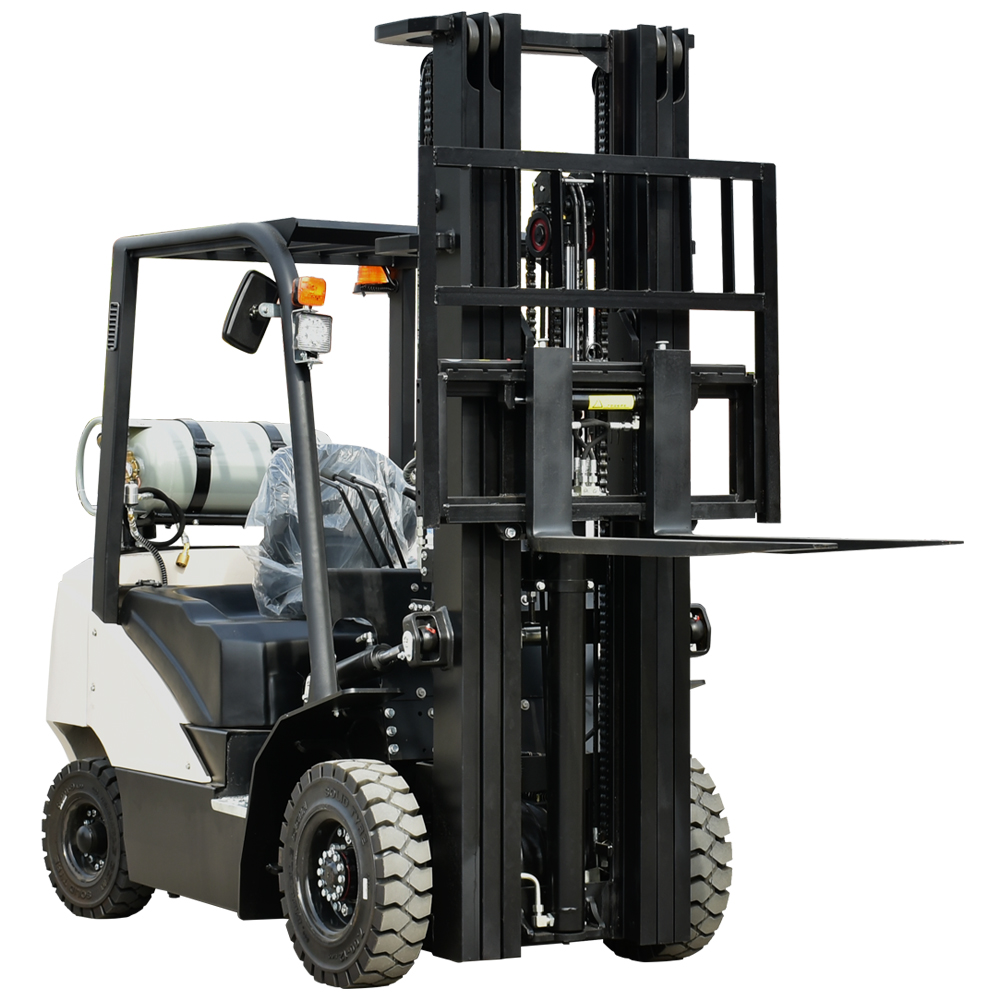
8. Electric Forklift vs LPG for Indoor & Outdoor Use
Many buyers compare electric forklifts with LPG forklifts for outdoor capability.
Here’s the reality:
LPG forklifts handle outdoor use well
But they create emissions indoors
Fuel and maintenance costs fluctuate
Noise levels are higher
Modern electric forklifts now match or exceed LPG performance in most mixed-use scenarios—without the fuel cost and emissions.
9. Who Benefits Most from Indoor & Outdoor Electric Forklifts?
Electric forklifts designed for mixed environments are ideal for:
Warehouses with outdoor loading docks
Manufacturing plants with yard transport
Logistics centers
Distribution hubs
Cold storage and food facilities
Retail back-end operations
If your operation involves moving between inside and outside daily, versatility is not optional—it’s essential.
10. Final Answer: Is an Electric Forklift Right for You?
Yes—an electric forklift can absolutely be used both indoors and outdoors,
if it is selected correctly.
When configured properly, it delivers:
Lower operating costs
Cleaner working conditions
Quiet operation
Strong outdoor performance
Long-term reliability
If you are planning to invest in a forklift that supports current needs and future growth, a modern electric forklift is no longer a compromise—it’s an upgrade.
Our manager will contact you shortly.
To contact you about our products and services.


Copyright © Xingtai Beiqiang Machinery Manufacturing Factory. 2025.
Technical support:Echola