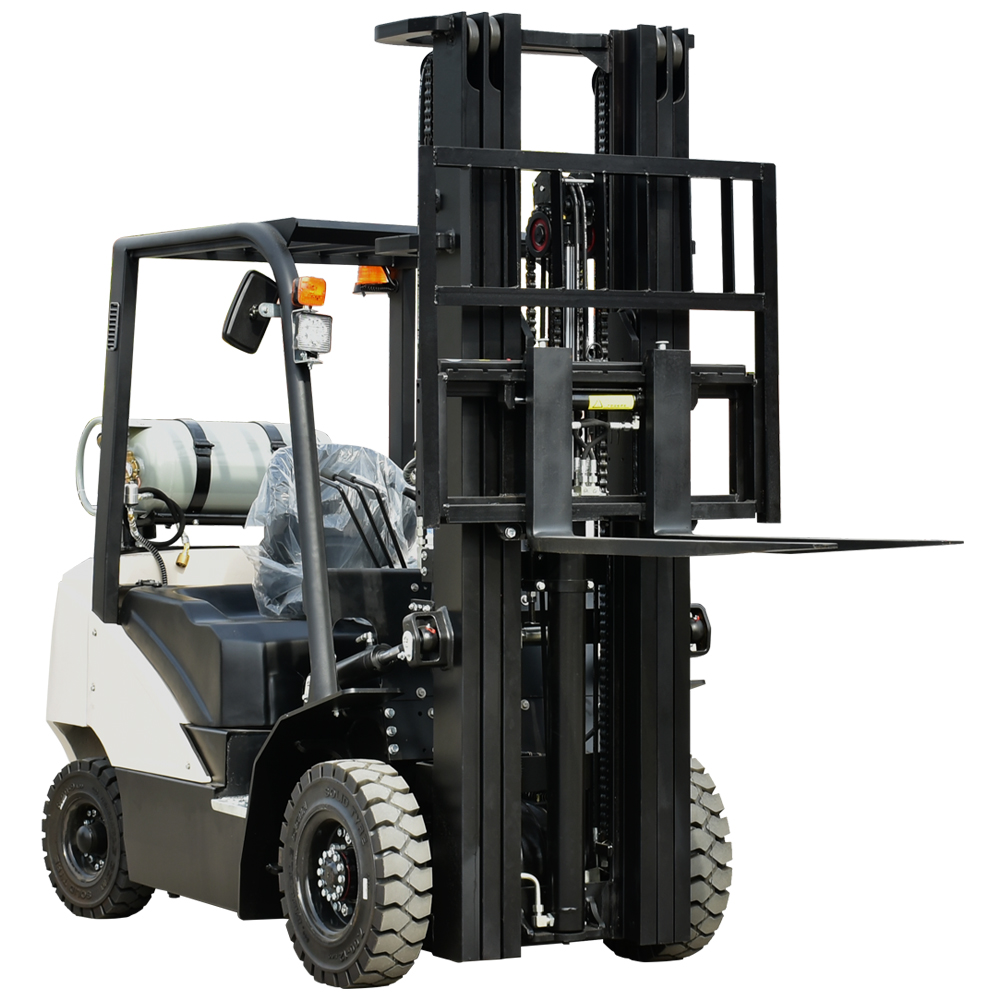
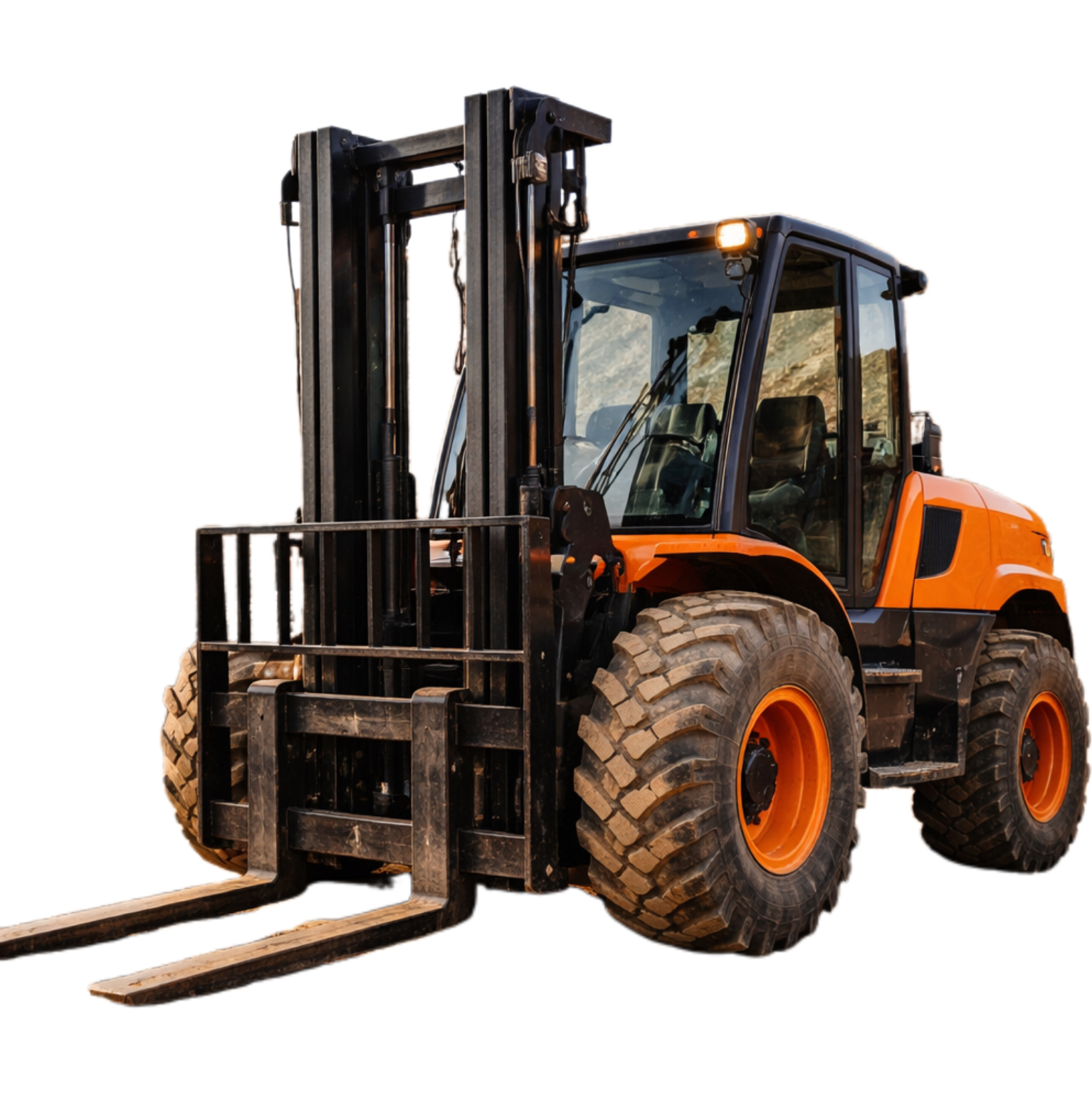


LPG Forklift Specs: What Buyers Really Need to Know Before Making a Costly Mistake
When buyers search for “LPG forklift specs”, they are not just looking for numbers on a datasheet.
They are trying to answer much deeper questions:
“Will this forklift actually handle my workload?”
“Will it fit my warehouse and aisles?”
“Am I buying the right machine, or inheriting future problems?”
“Is LPG really the best option today?”
Understanding LPG forklift specifications correctly can save you years of downtime, unexpected costs, and wrong investments. Let’s break down what really matters—and why more buyers are quietly switching to new electric forklifts after comparing the specs honestly.
1. Load Capacity: Looks Simple, But Often Misunderstood
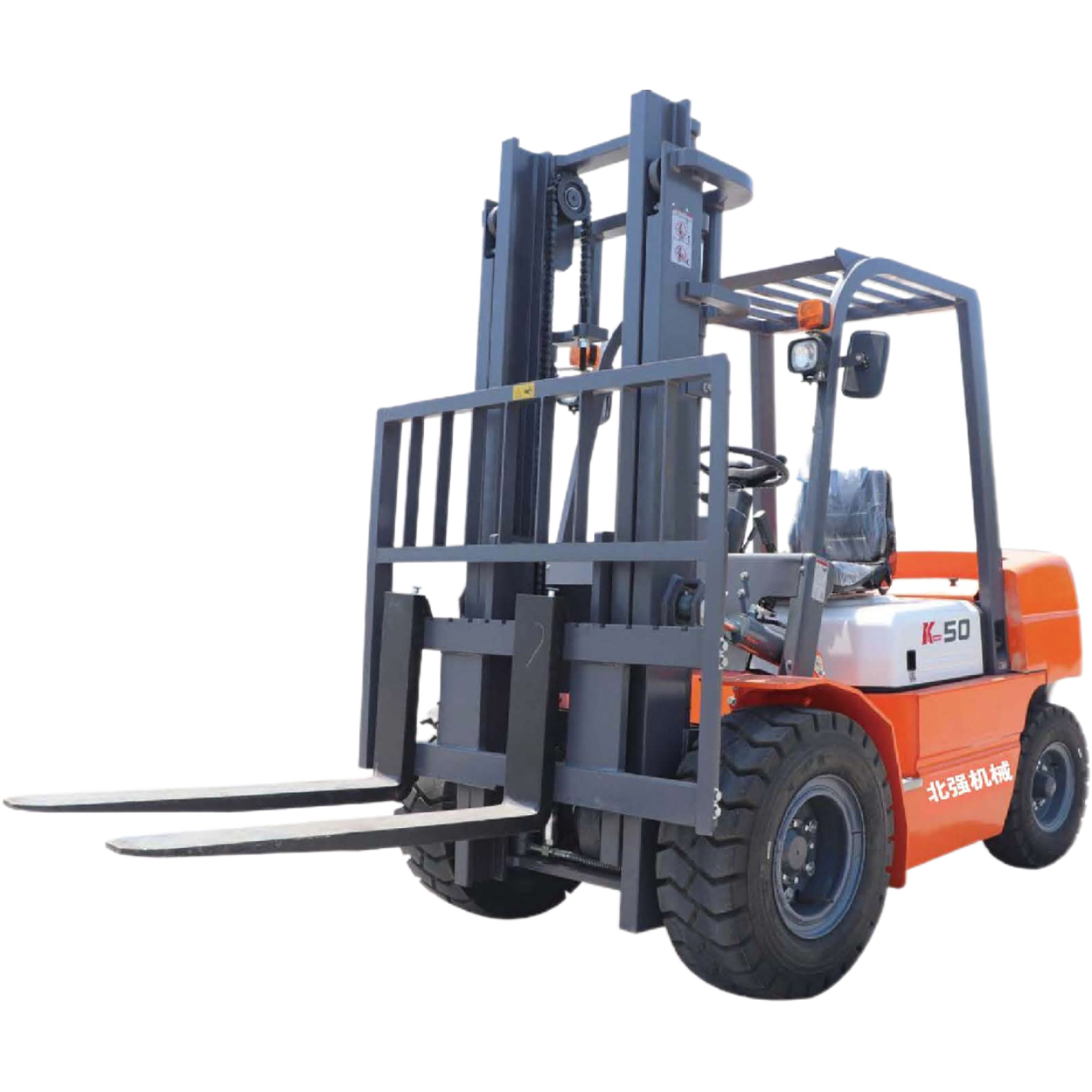
Typical LPG forklift capacity ranges from 1.5 tons to 5 tons, sometimes higher.
However, many buyers miss one key detail:
Rated capacity is measured at a specific load center
Add attachments, uneven loads, or higher lifting heights—and real capacity drops fast
Common buyer pain point:
“I bought a 3-ton LPG forklift, but it struggles with my pallets.”
Solution:
If your operation involves:
Non-standard pallets
Frequent stacking at height
Attachments like clamps or side shifters
You often need a larger machine than expected, which increases fuel consumption and maintenance costs.
This is where modern electric forklifts with accurate load control and torque delivery begin to outperform LPG models in real-world conditions.
2. Lifting Height: Specs Don’t Show Stability Loss
Standard LPG forklift lifting heights range from 3 meters to 6 meters, with optional masts extending higher.
But higher mast = higher risk:
Reduced stability
Slower lift speed
Increased wear on hydraulic systems
Buyer concern:
“Can it lift high without feeling unsafe?”
Reality:
LPG forklifts rely heavily on counterweight balance. As height increases, stability becomes more sensitive to operator skill.
Modern electric forklifts, by contrast:
Use low-center battery weight
Maintain better balance at height
Offer smoother, more precise lifting control
3. Engine Power vs Real Efficiency
LPG forklifts typically use 30–60 HP internal combustion engines.
On paper, that sounds powerful. In reality:
Power is not always efficiently transferred
Energy loss occurs through heat and exhaust
Idle time still consumes fuel
Hidden cost:
Fuel consumption continues even when the forklift is not lifting.
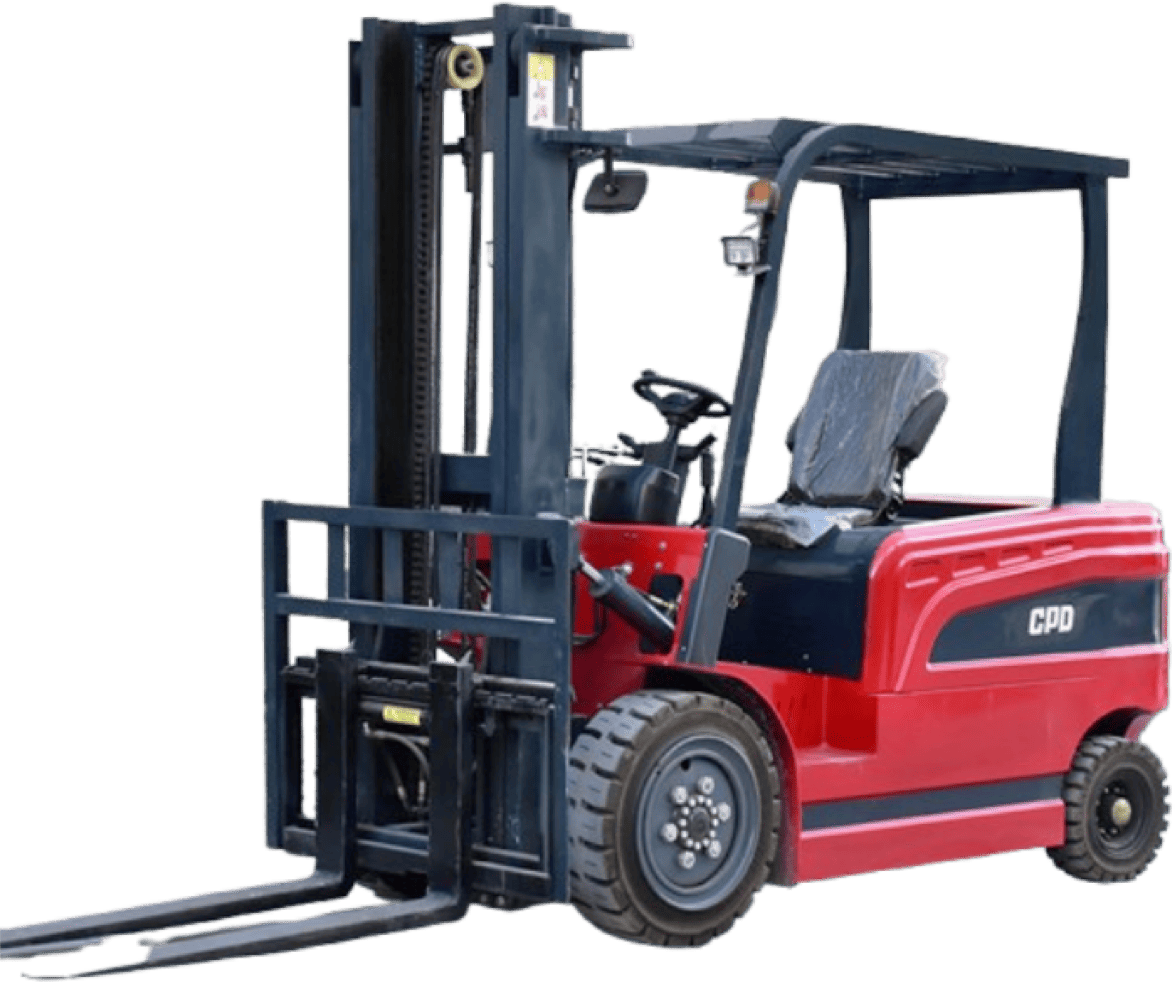
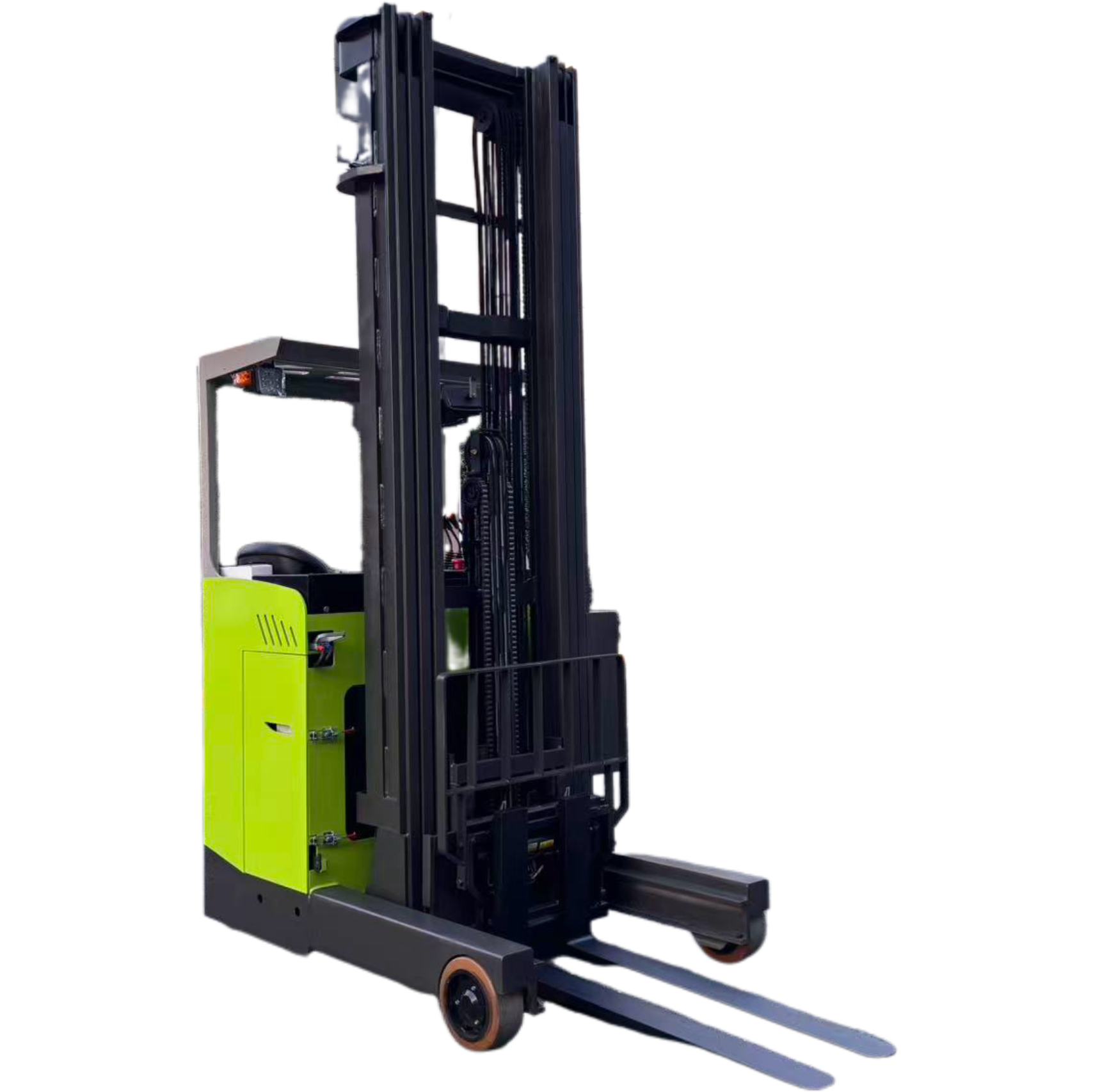
Electric forklifts deliver:
Instant torque
Zero idle energy waste
Higher energy conversion efficiency
Specs may show “engine power,” but operational efficiency tells a different story.
4. Turning Radius: Specs Matter More Than You Think
A typical LPG forklift turning radius ranges from 2.2 to 2.6 meters.
For buyers operating in:
Narrow aisles
Older warehouses
Mixed pedestrian environments
This often becomes a bottleneck.
Buyer frustration:
“It fits, but maneuvering is slow and stressful.”
Electric forklifts usually offer:
Smaller turning radius
Faster directional response
Better control in confined spaces
Over time, this translates into higher productivity per shift.
5. Emissions & Indoor Use Restrictions
LPG forklifts are marketed as “cleaner than diesel,” which is true—but not emission-free.
Specs still include:
CO emissions
Heat output
Ventilation requirements
Common limitation:
Restricted indoor operation in food, pharmaceutical, or enclosed warehouses.
Electric forklifts eliminate this problem entirely:
Zero emissions
No ventilation cost
Full compliance with indoor safety standards
6. Maintenance Specs Buyers Rarely Consider
LPG forklift specs often overlook:
Engine servicing intervals
Spark plug replacement
Fuel system wear
Emission-related components
Real-world result:
Higher long-term maintenance frequency and downtime.
Electric forklifts have:
Fewer moving parts
No engine oil or fuel system
Predictable, lower maintenance cycles
Specs alone don’t show this—but ownership experience does.
7. Noise Level: The Hidden Productivity Killer
LPG forklifts typically operate at higher decibel levels.
Over time, this causes:
Operator fatigue
Communication issues
Workplace discomfort
Electric forklifts:
Operate quietly
Improve operator focus
Reduce long-term fatigue
Noise is rarely highlighted in spec sheets—but workers feel it every day.
8. Total Cost of Ownership: Specs vs Reality
Buyers often compare:
Purchase price
Rated capacity
Engine power
But forget:
Fuel cost volatility
Maintenance labor
Downtime losses
Resale value
When calculated over 3–5 years, many businesses discover:
Electric forklifts cost significantly less per operating hour
ROI is faster and more predictable
Operational risks are lower
Final Thought: Specs Should Lead to Better Decisions—Not Bigger Regrets
LPG forklift specs can look attractive on paper.
But when buyers evaluate how those specs perform in daily operations, many realize that:
Higher efficiency
Lower maintenance
Better indoor suitability
Stronger long-term ROI
are increasingly delivered by new electric forklifts, not LPG models.
If you are comparing LPG forklift specs today, it may be the perfect moment to request a side-by-side comparison with a modern electric forklift—and make a decision based on reality, not just numbers.
Our manager will contact you shortly.
To contact you about our products and services.


Copyright © Xingtai Beiqiang Machinery Manufacturing Factory. 2025.
Technical support:Echola