

Electric Stackers
A Cost-Effective Material Handling Solution for Small and Medium Warehouses
Not every warehouse requires large forklifts or high-rack reach trucks. In many facilities, especially small and medium-sized warehouses, material handling tasks involve short-distance transport and moderate lifting heights. For these operations, electric stackers provide an ideal balance of performance, cost, and simplicity.
Electric stackers are widely adopted across industries due to their ease of use, compact size, and affordability.
1. What Is an Electric Stacker?
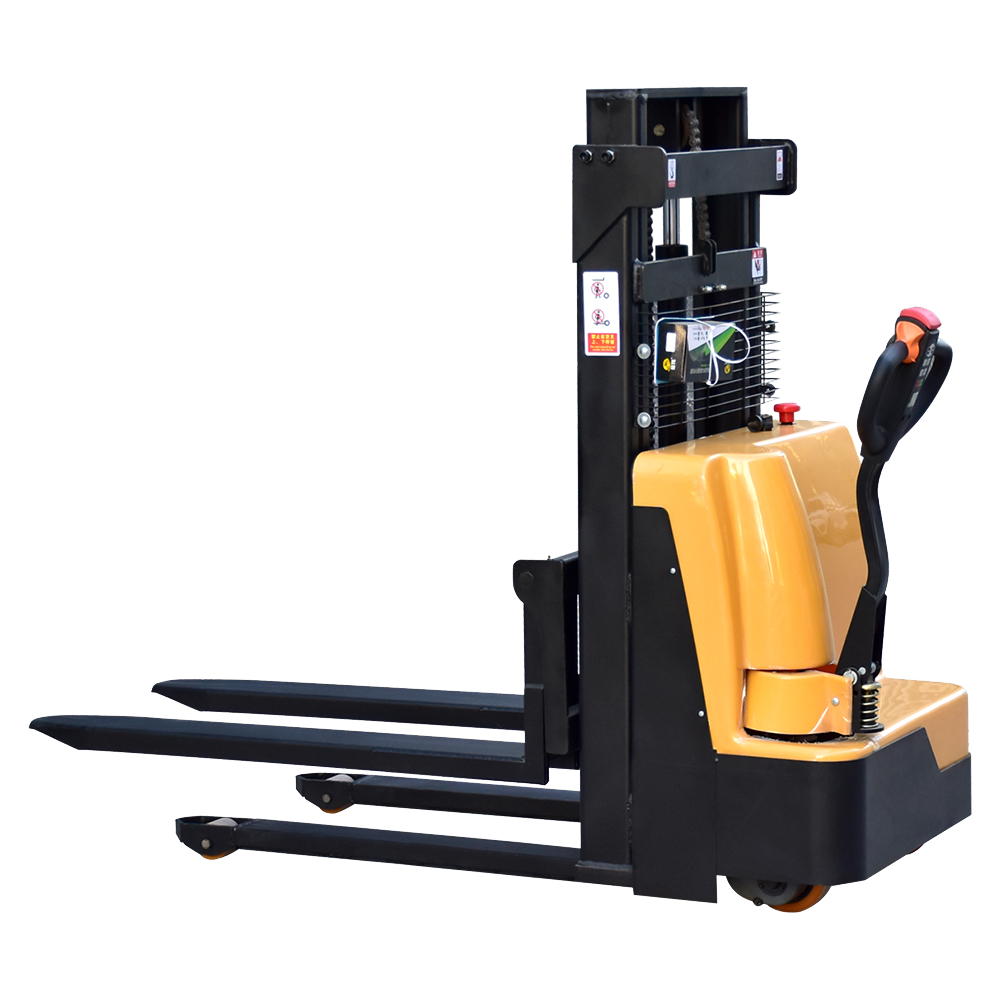
An electric stacker is a powered material handling device designed to lift, stack, and transport palletized loads over short distances. It typically uses electric motors for lifting and driving and is often operated in walk-behind or ride-on mode.
Electric stackers are designed primarily for indoor use.
2. Why Electric Stackers Are Widely Used
Electric stackers are popular because they:
Require lower investment than forklifts
Are easy to operate
Work well in narrow aisles
Reduce manual labor
They are ideal for businesses upgrading from manual handling.
3. Main Types of Electric Stackers
Walk-Behind Electric Stackers
Operator walks behind the unit
Best for light-duty applications
Ride-On Electric Stackers
Operator stands or rides
Suitable for longer distances
Straddle Stackers
Outriggers provide extra stability
Can handle different pallet types
4. Electric Stacker vs Pallet Truck
| Feature | Electric Stacker | Pallet Truck |
|---|---|---|
| Lifting height | Medium | Low |
| Load stacking | Yes | No |
| Cost | Medium | Low |
| Complexity | Moderate | Low |
Electric stackers add vertical capability.
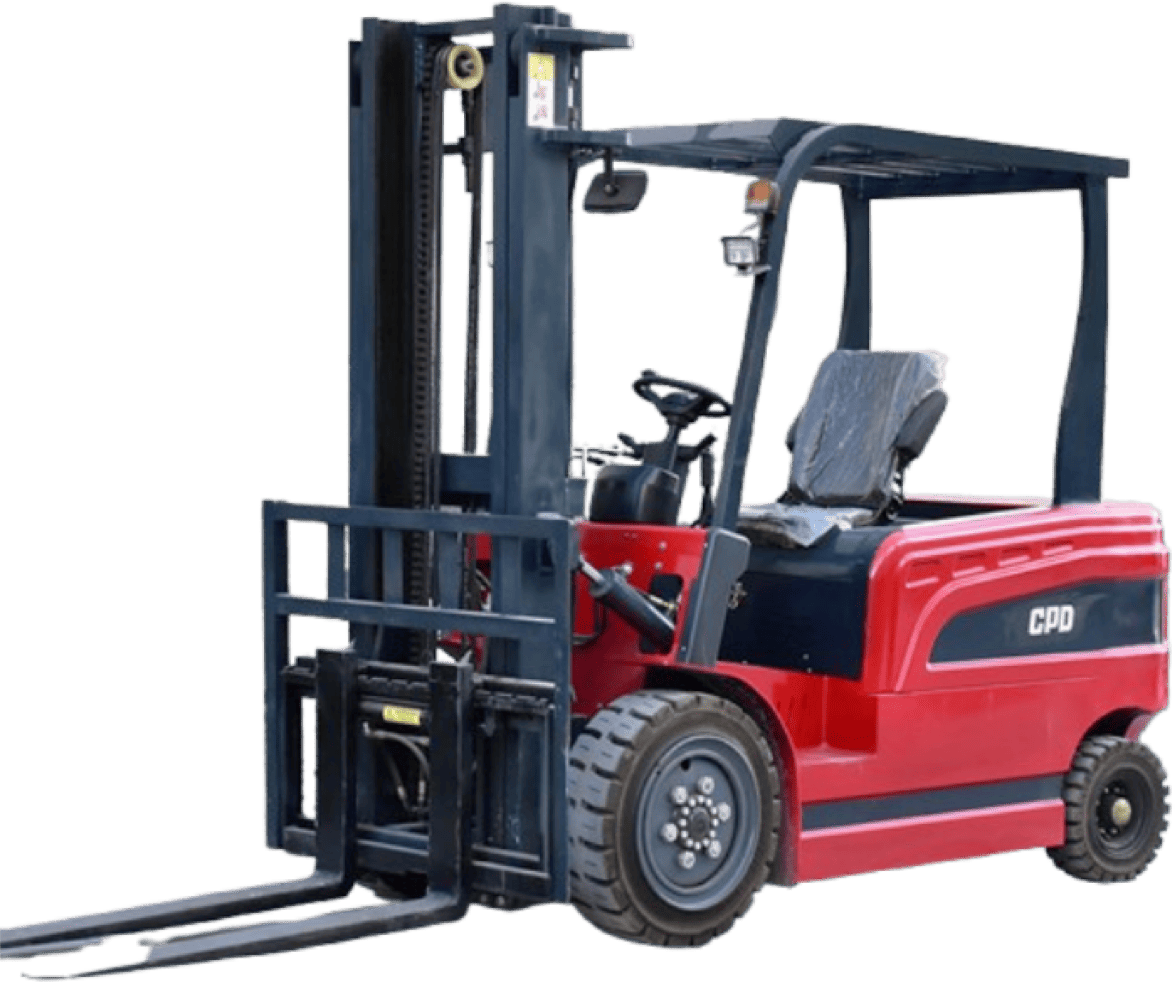
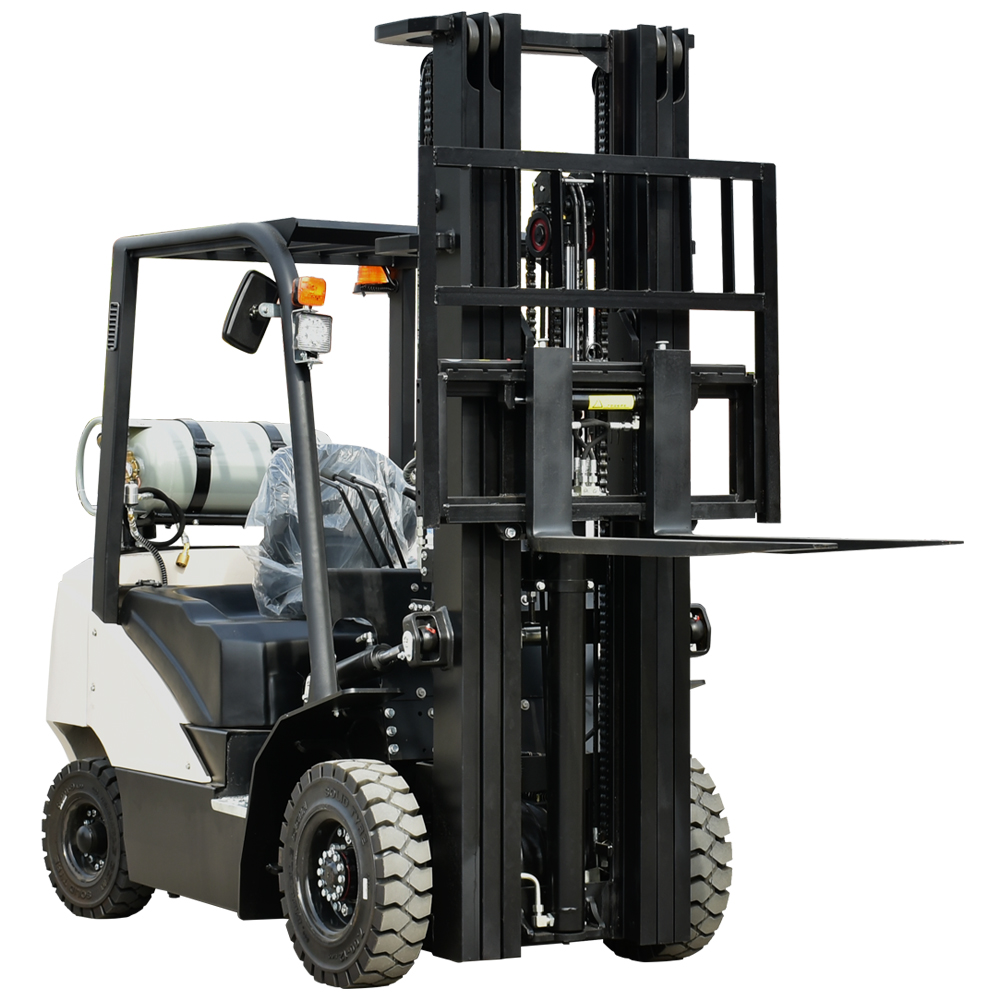
5. Electric Stacker vs Electric Forklift
| Feature | Electric Stacker | Electric Forklift |
|---|---|---|
| Lift height | Medium | High |
| Load capacity | Lower | Higher |
| Cost | Lower | Higher |
| Training | Minimal | More required |
Electric stackers offer a simpler alternative.
6. Typical Applications of Electric Stackers
Electric stackers are commonly used in:
Small warehouses
Retail backrooms
Workshops and factories
Cold storage facilities
They excel in low-to-medium intensity operations.
7. Load Capacity and Lifting Height
Typical specifications:
Load capacity: 1,000 kg – 2,000 kg
Lifting height: 1.6 – 5.0 meters
These specs meet most small warehouse needs.
8. Narrow Aisle Advantages
Electric stackers can operate in aisles as narrow as:
2.2 – 2.5 meters
This allows better space utilization.
9. Battery Systems and Power Options
Most electric stackers use:
Lead-acid batteries
Some models support lithium-ion batteries
Lithium options reduce charging time and maintenance.
10. Operator Safety Features
Modern electric stackers include:
Emergency stop buttons
Anti-roll back protection
Load backrests
Speed reduction when lifting
Safety is a key design priority.
11. Ease of Operation and Training
Electric stackers are:
Simple to control
Easy to train operators
Suitable for non-certified forklift operators in some regions
This reduces training costs.
12. Maintenance and Service Requirements
Electric stackers require:
Battery charging and inspection
Hydraulic checks
Wheel and brake maintenance
They are simpler than forklifts.
13. Cost Efficiency and ROI
Electric stackers offer:
Lower purchase cost
Lower energy consumption
Minimal maintenance
They deliver fast ROI for small businesses.
14. Electric Stackers in Cold Storage
Electric stackers are commonly used in cold storage because:
Electric systems perform well in low temperatures
Compact design suits tight cold rooms
Cold-rated batteries may be required.
15. Productivity Improvements
Electric stackers increase productivity by:
Reducing manual lifting
Speeding up stacking tasks
Improving operator efficiency
They are ideal for daily pallet handling.
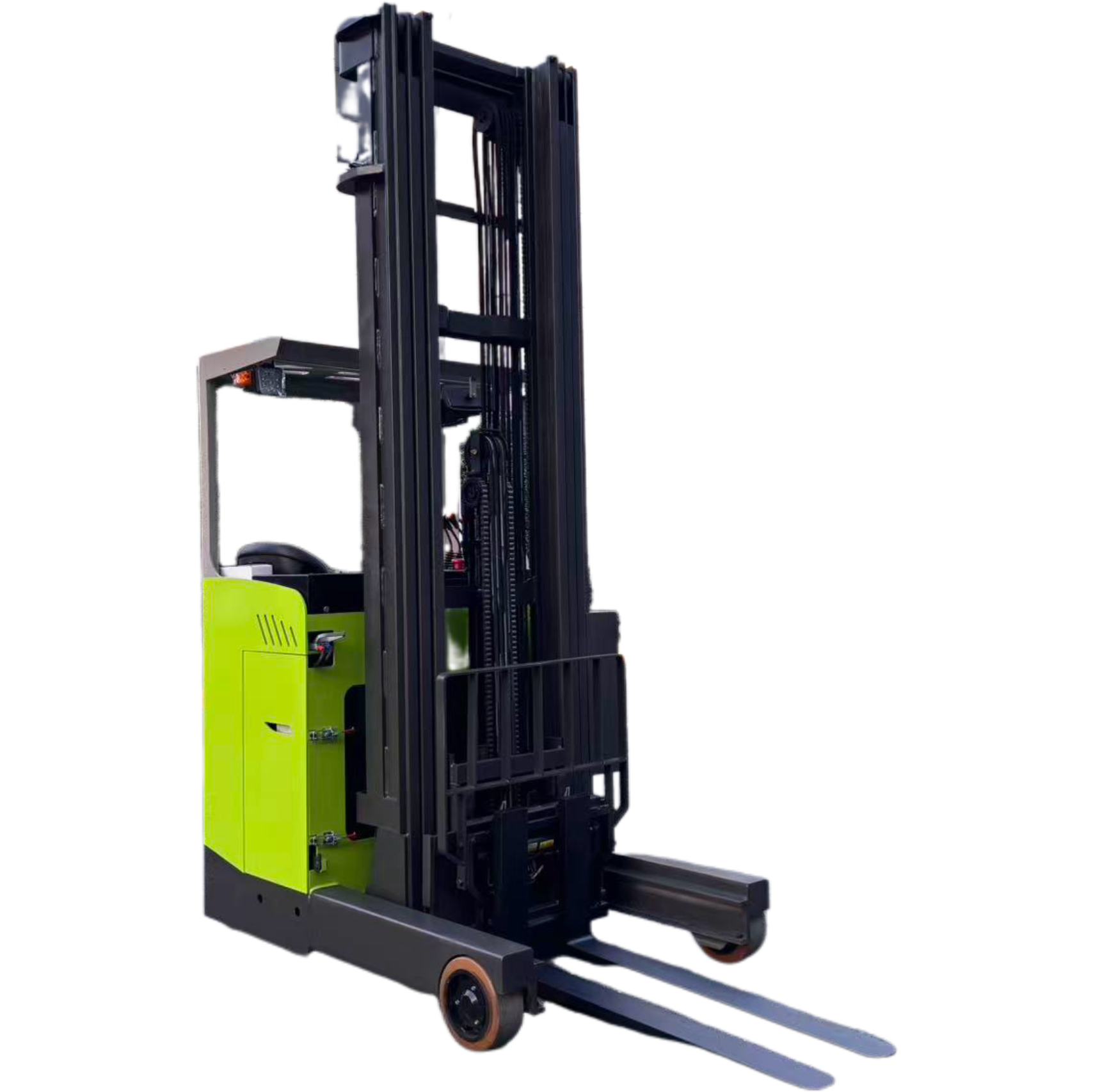
16. Integration with Other Equipment
Electric stackers often work alongside:
Pallet trucks
Electric forklifts
Reach trucks
They serve as an intermediate handling solution.
17. Limitations of Electric Stackers
Electric stackers are not suitable for:
Heavy outdoor use
Uneven terrain
Very high racks
Understanding limitations ensures proper use.
18. Choosing the Right Electric Stacker
Key selection factors:
Load weight
Required lift height
Aisle width
Battery type
Correct selection maximizes efficiency.
19. Market Trends and Demand
Demand for electric stackers is increasing due to:
Growth of small warehouses
E-commerce expansion
Rising labor costs
They are becoming essential for modern logistics.
20. Conclusion
Electric stackers provide a practical, cost-effective solution for pallet handling in small and medium warehouses. With compact design, ease of use, and reliable performance, they help businesses improve efficiency without the complexity or cost of full-size forklifts.
For many operations, electric stackers are the perfect step toward automation and modernization.
Our manager will contact you shortly.
To contact you about our products and services.


Copyright © Xingtai Beiqiang Machinery Manufacturing Factory. 2025.
Technical support:Echola