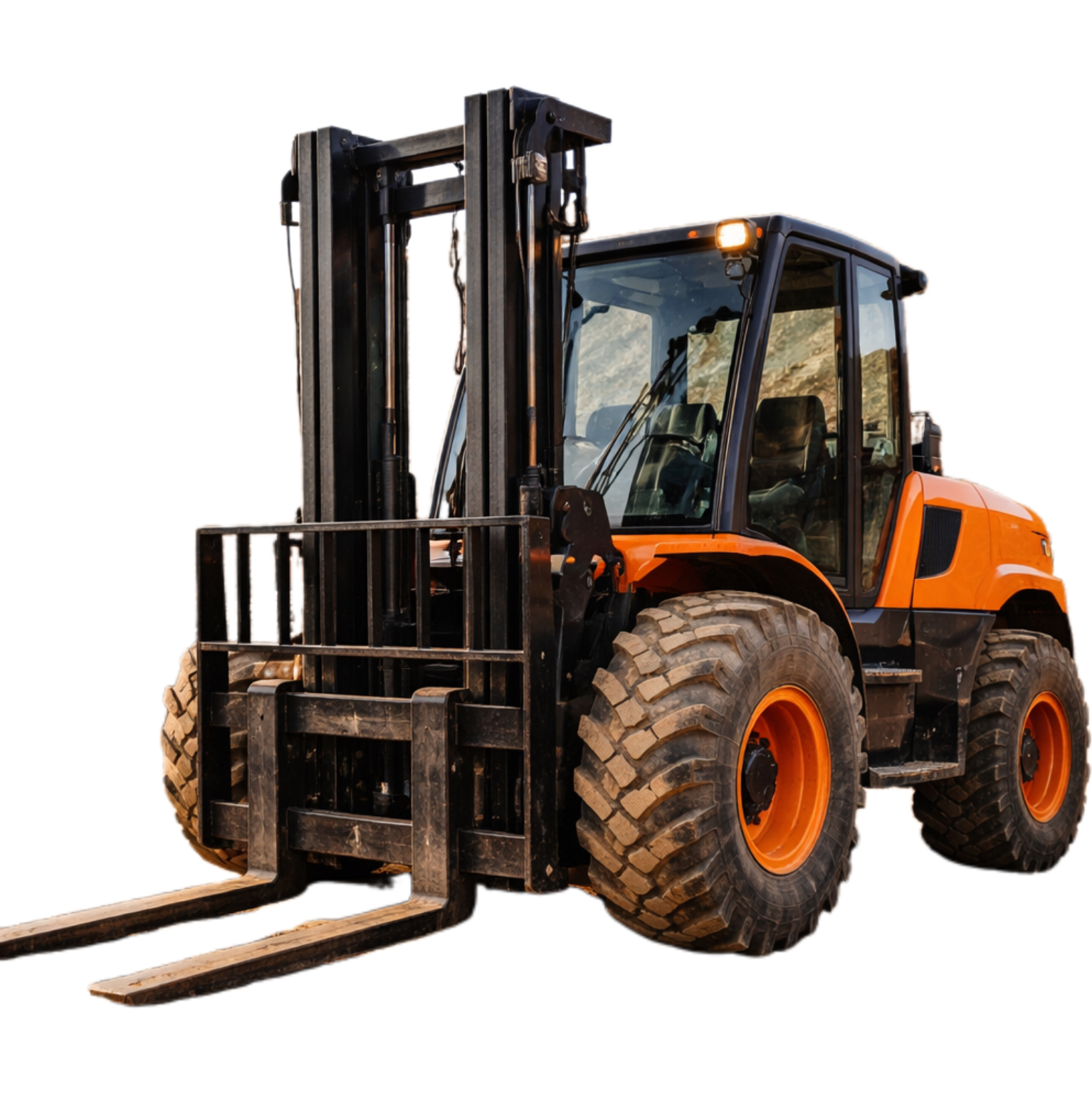


Electric Forklifts
The Core Material Handling Solution for Modern Warehouses and Factories
With the rapid development of logistics, manufacturing, and e-commerce, material handling equipment must meet higher standards of efficiency, sustainability, and safety. Among all forklift types, electric forklifts have become the backbone of modern indoor operations.
From small warehouses to large-scale manufacturing plants, electric forklifts are now the preferred choice for companies aiming to reduce emissions, lower operating costs, and improve workplace conditions.
1. What Is an Electric Forklift?
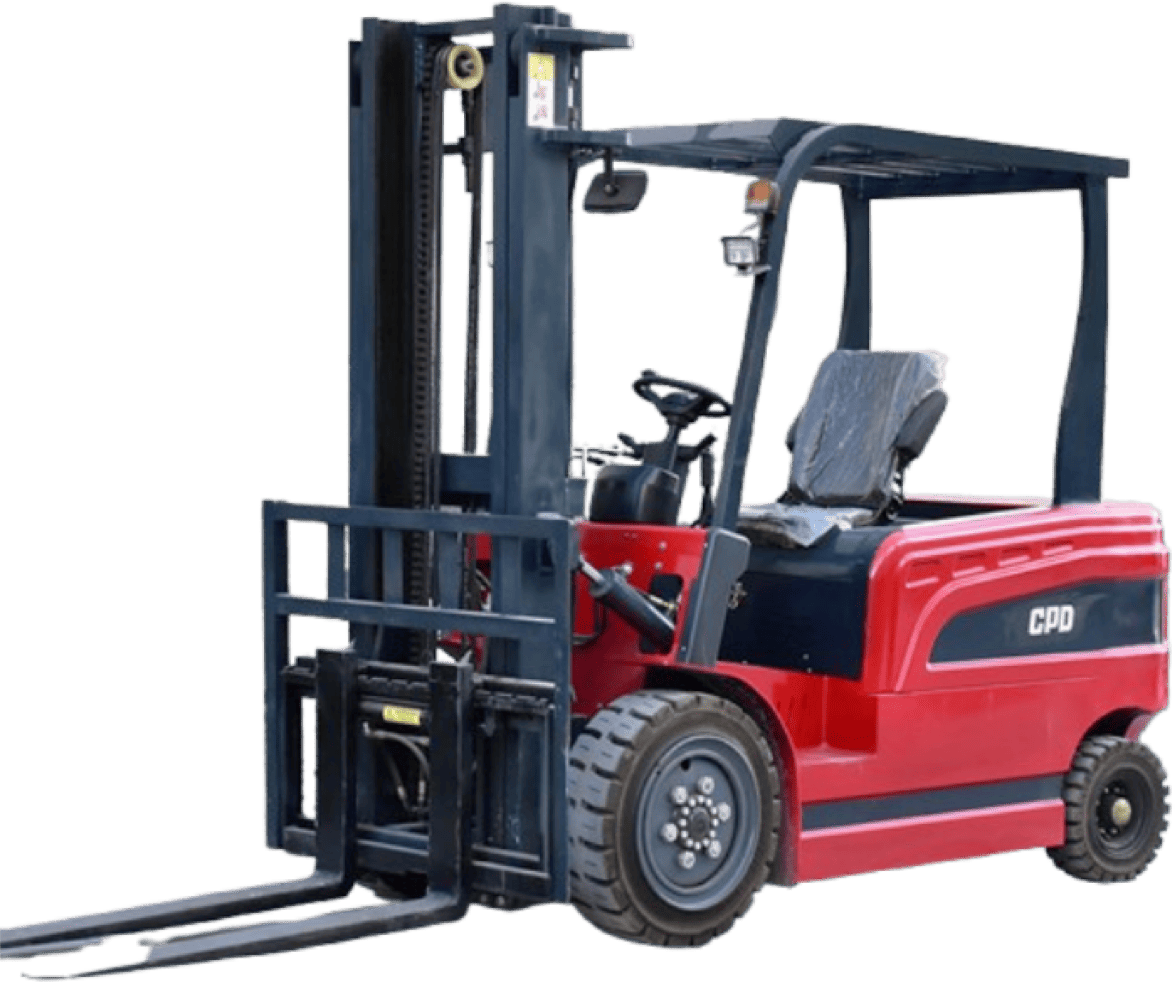
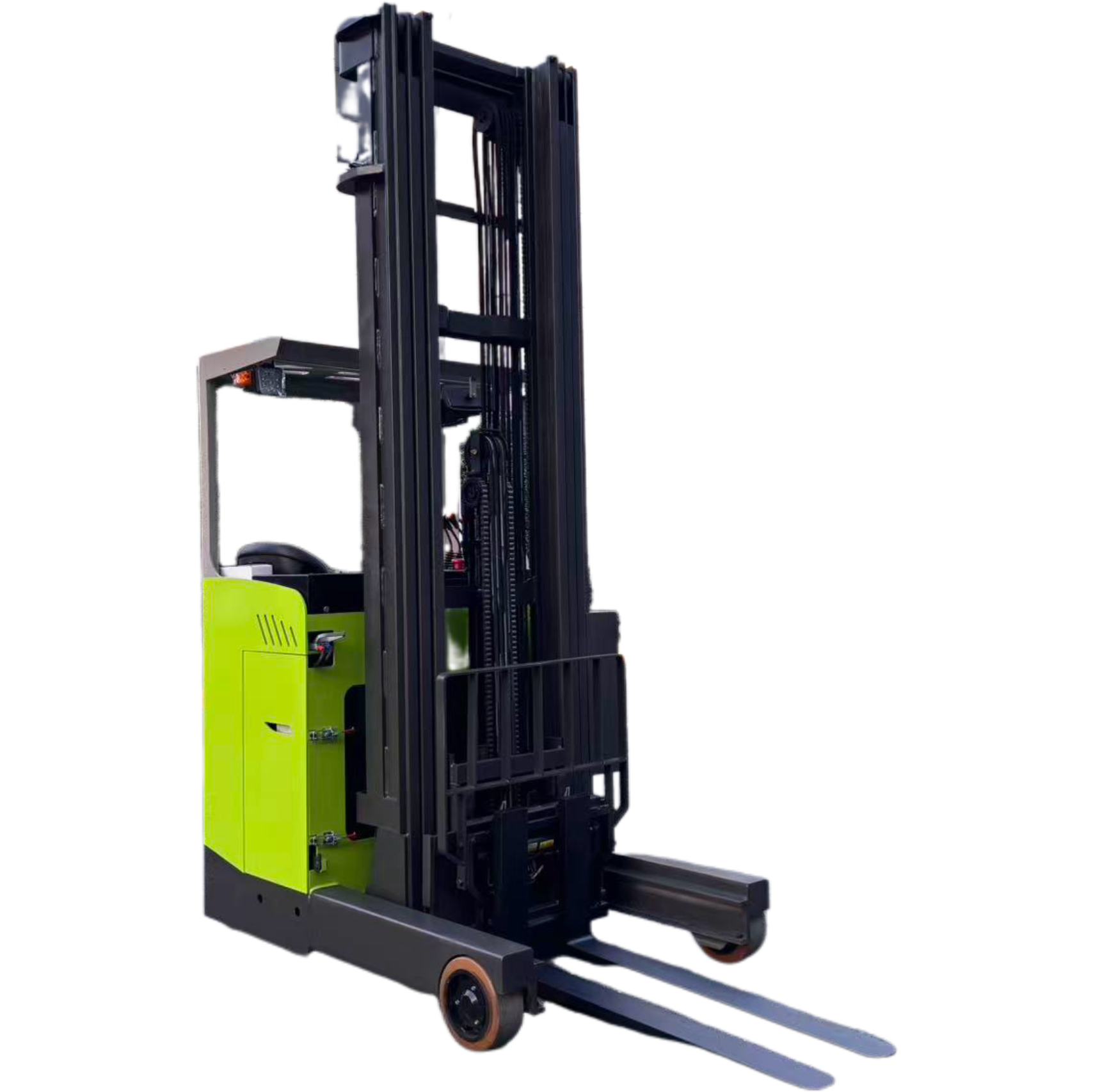
An electric forklift is powered by rechargeable batteries rather than internal combustion engines. It uses electric motors for driving, lifting, and steering, providing smooth and precise control.
Electric forklifts are mainly designed for:
Indoor warehousing
Manufacturing facilities
Distribution centers
Clean or noise-sensitive environments
2. Why Electric Forklifts Dominate Indoor Operations
Electric forklifts have become dominant because they:
Produce zero exhaust emissions
Operate quietly
Require less maintenance
Offer high energy efficiency
These advantages make them ideal for enclosed spaces.
3. Main Types of Electric Forklifts
3-Wheel Electric Forklifts
Excellent maneuverability
Ideal for tight spaces
4-Wheel Electric Forklifts
Higher stability
Suitable for heavier loads
Counterbalance Electric Forklifts
Most common type
Simple operation and versatility
Each type serves different warehouse layouts.
4. Battery Technology: The Heart of Electric Forklifts
Lead-Acid Batteries
Traditional and widely used
Lower initial cost
Requires regular maintenance
Lithium-Ion Batteries
Fast charging
Maintenance-free
Longer lifespan
Ideal for multi-shift operations
Battery choice directly affects productivity and total cost of ownership.
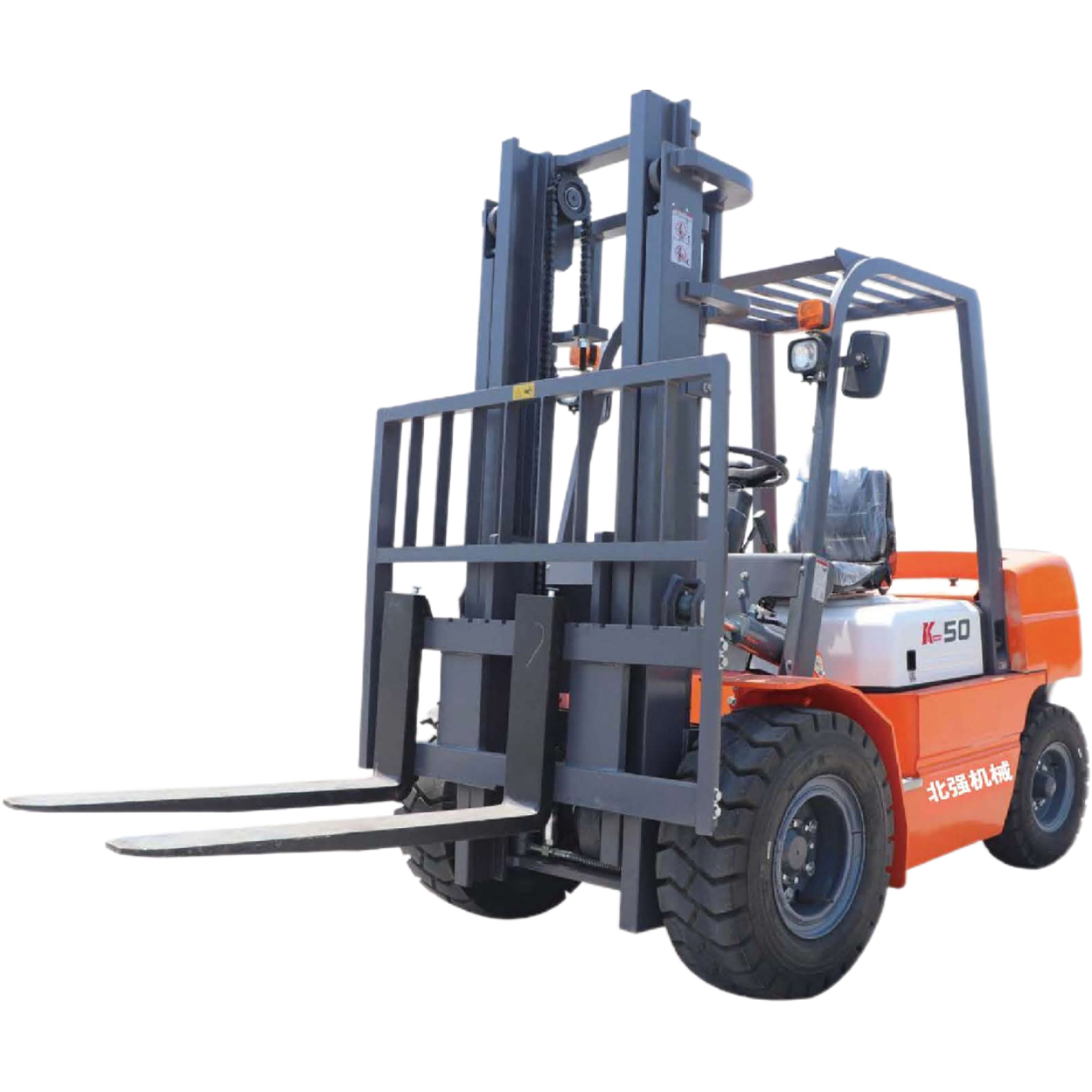
5. Electric Forklift vs Diesel Forklift
| Feature | Electric Forklift | Diesel Forklift |
|---|---|---|
| Emissions | Zero | High |
| Noise | Very low | High |
| Indoor use | Excellent | Not suitable |
| Maintenance | Low | Higher |
Electric forklifts are clearly superior for indoor environments.
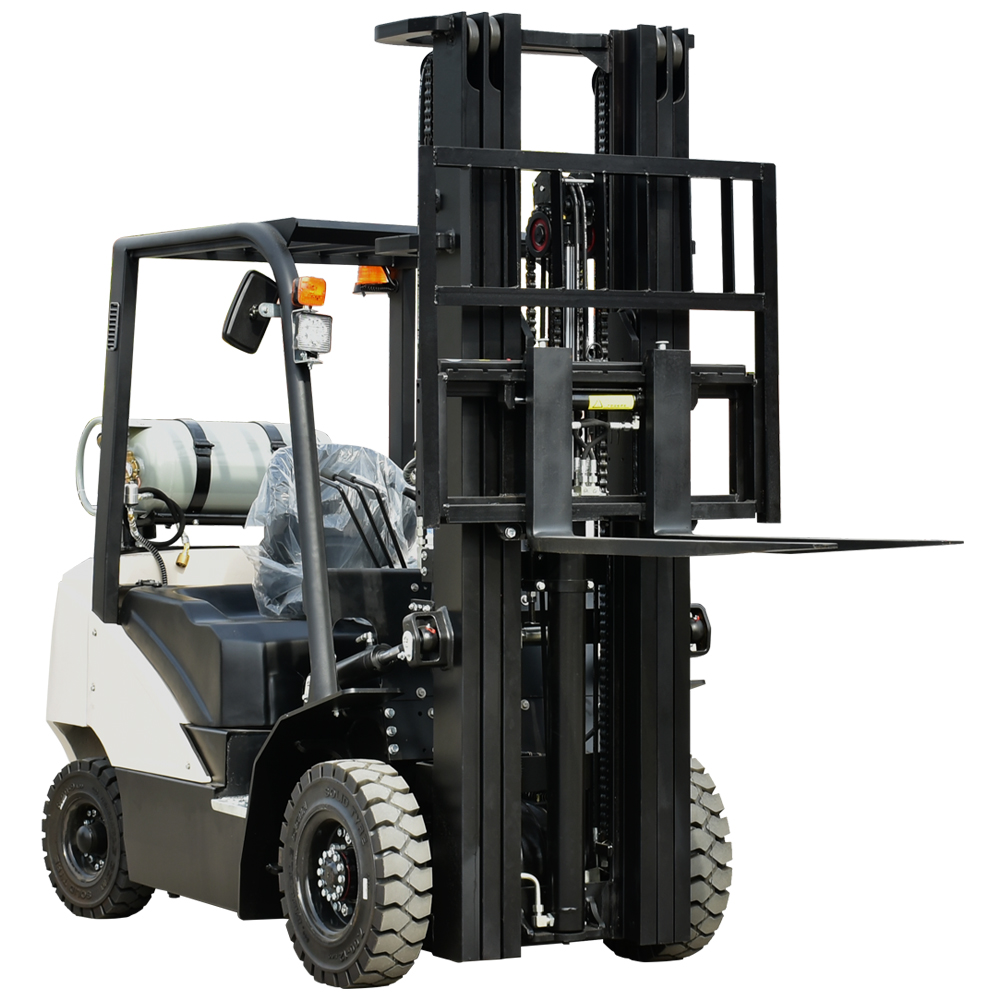
6. Electric Forklift vs LPG Forklift
| Feature | Electric Forklift | LPG Forklift |
|---|---|---|
| Emissions | Zero | Low |
| Operating time | Battery dependent | Continuous |
| Noise | Very low | Medium |
| Fuel logistics | Charging | Gas cylinders |
Electric forklifts are preferred where clean operation is required.
7. Typical Applications of Electric Forklifts
Electric forklifts are widely used in:
Warehouses and distribution centers
Food and beverage factories
Pharmaceutical plants
Electronics manufacturing
Retail logistics hubs
They meet strict cleanliness and safety standards.
8. Load Capacity and Performance
Typical specifications:
Load capacity: 1,000 kg – 5,000 kg
Lifting height: 3 – 6 meters
Advanced electric motors provide strong torque even at low speeds.
9. Energy Efficiency and Cost Savings
Electric forklifts:
Consume less energy per operating hour
Reduce fuel expenses
Lower long-term maintenance costs
Over time, they offer excellent ROI.
10. Operator Comfort and Ergonomics
Modern electric forklifts feature:
Smooth acceleration and braking
Low vibration
Ergonomic seating and controls
This improves operator productivity and reduces fatigue.
11. Safety Advantages
Electric forklifts enhance safety through:
Precise speed control
Lower noise levels
Advanced braking systems
Automatic speed reduction when turning
Safety is improved for both operators and pedestrians.
12. Charging Options and Infrastructure
Charging solutions include:
Standard overnight charging
Opportunity charging during breaks
Fast chargers for lithium batteries
Proper charging planning ensures continuous operation.
13. Electric Forklifts in Multi-Shift Operations
With lithium-ion batteries:
No battery swapping needed
Minimal downtime
Stable performance across shifts
This makes electric forklifts suitable for high-intensity logistics.
14. Environmental and Regulatory Benefits
Electric forklifts help companies:
Meet emission regulations
Achieve sustainability goals
Improve corporate environmental image
They support green logistics initiatives worldwide.
15. Integration with Other Warehouse Equipment
Electric forklifts work seamlessly with:
Electric pallet trucks
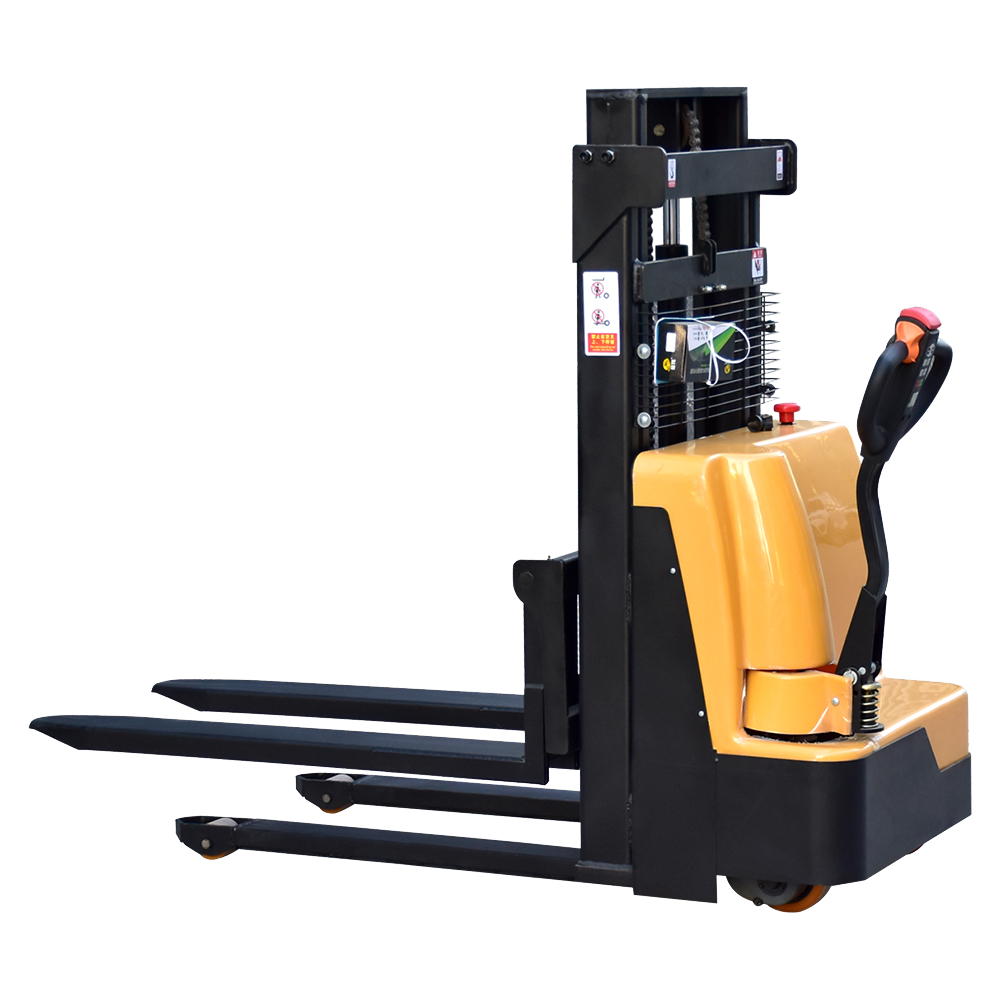
Electric stackers
Reach trucks
Together, they form a fully electric warehouse ecosystem.
16. Maintenance Requirements
Electric forklifts require:
Battery monitoring
Electrical system checks
Tire and brake inspections
They have fewer moving parts than IC forklifts.
17. Cost Considerations
While initial costs may be higher, electric forklifts offer:
Lower energy costs
Reduced maintenance expenses
Longer service intervals
Total cost of ownership is often lower than diesel or LPG forklifts.
18. Global Market Trends
Electric forklifts are rapidly expanding due to:
Urban warehouse growth
Environmental regulations
Lithium battery adoption
They are now the fastest-growing forklift segment.
19. Choosing the Right Electric Forklift
Key factors:
Load capacity
Aisle width
Battery type
Operating hours
Correct selection maximizes efficiency and lifespan.
20. Conclusion
Electric forklifts have become the foundation of modern material handling. With zero emissions, low noise, and high efficiency, they are the ideal solution for warehouses and factories aiming for sustainable growth and operational excellence.
As battery technology continues to evolve, electric forklifts will remain at the center of global logistics and industrial operations.
Our manager will contact you shortly.
To contact you about our products and services.


Copyright © Xingtai Beiqiang Machinery Manufacturing Factory. 2025.
Technical support:Echola