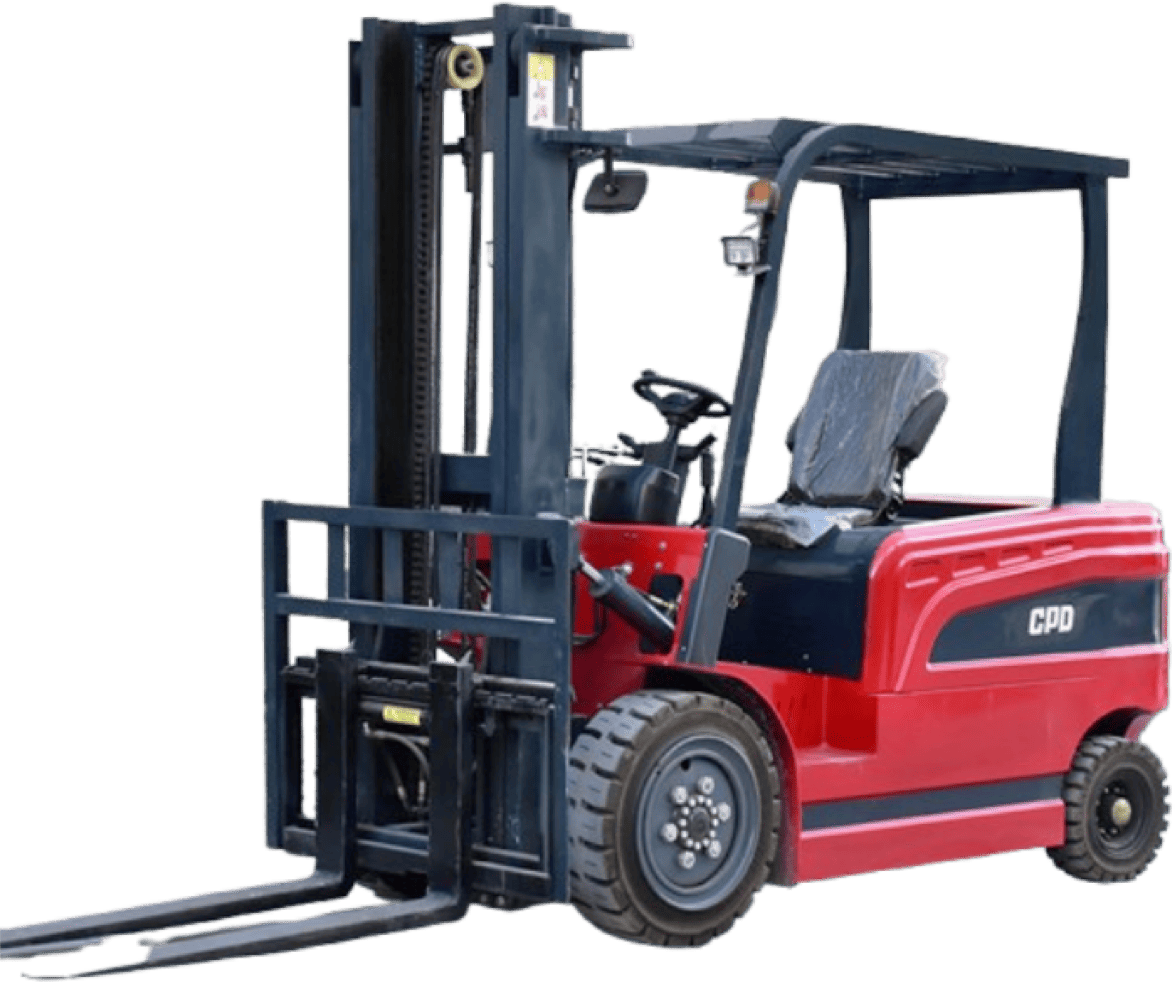
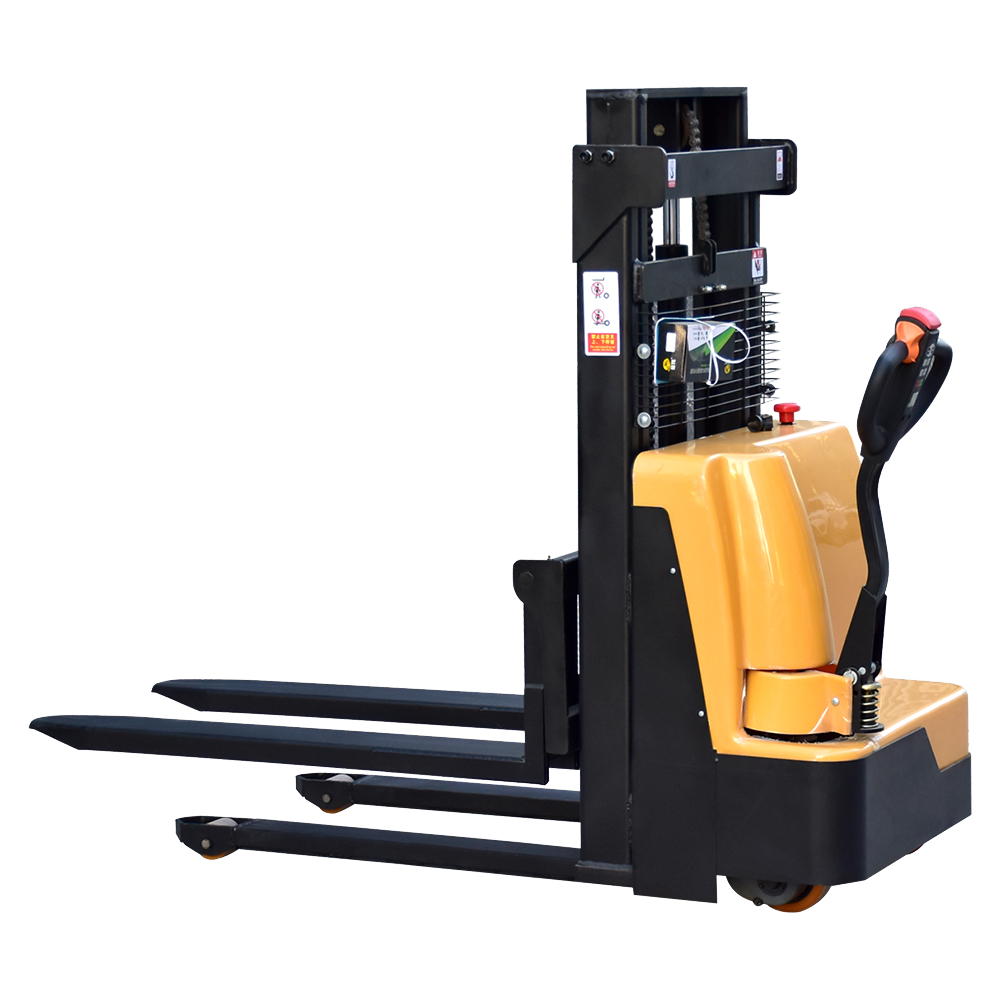
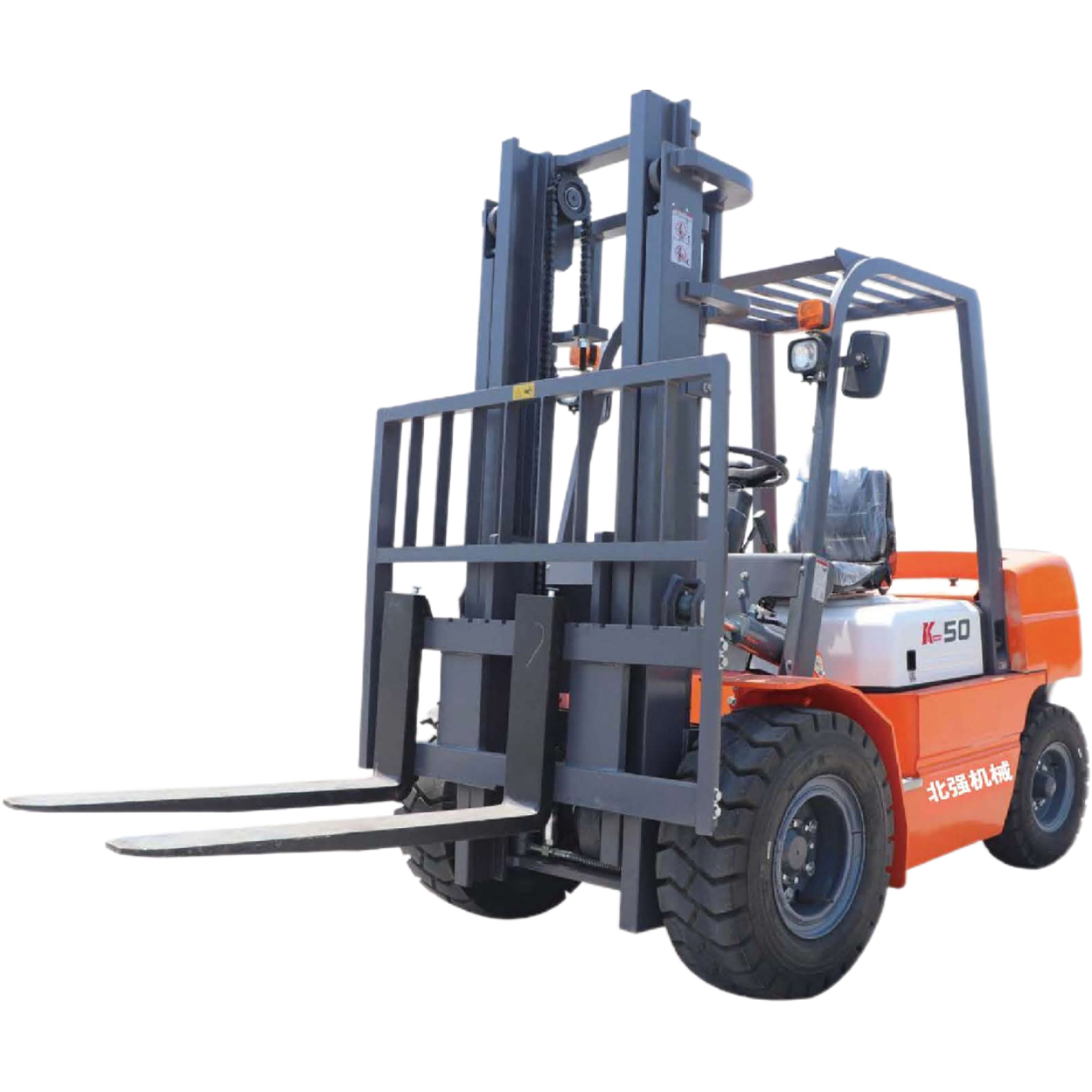
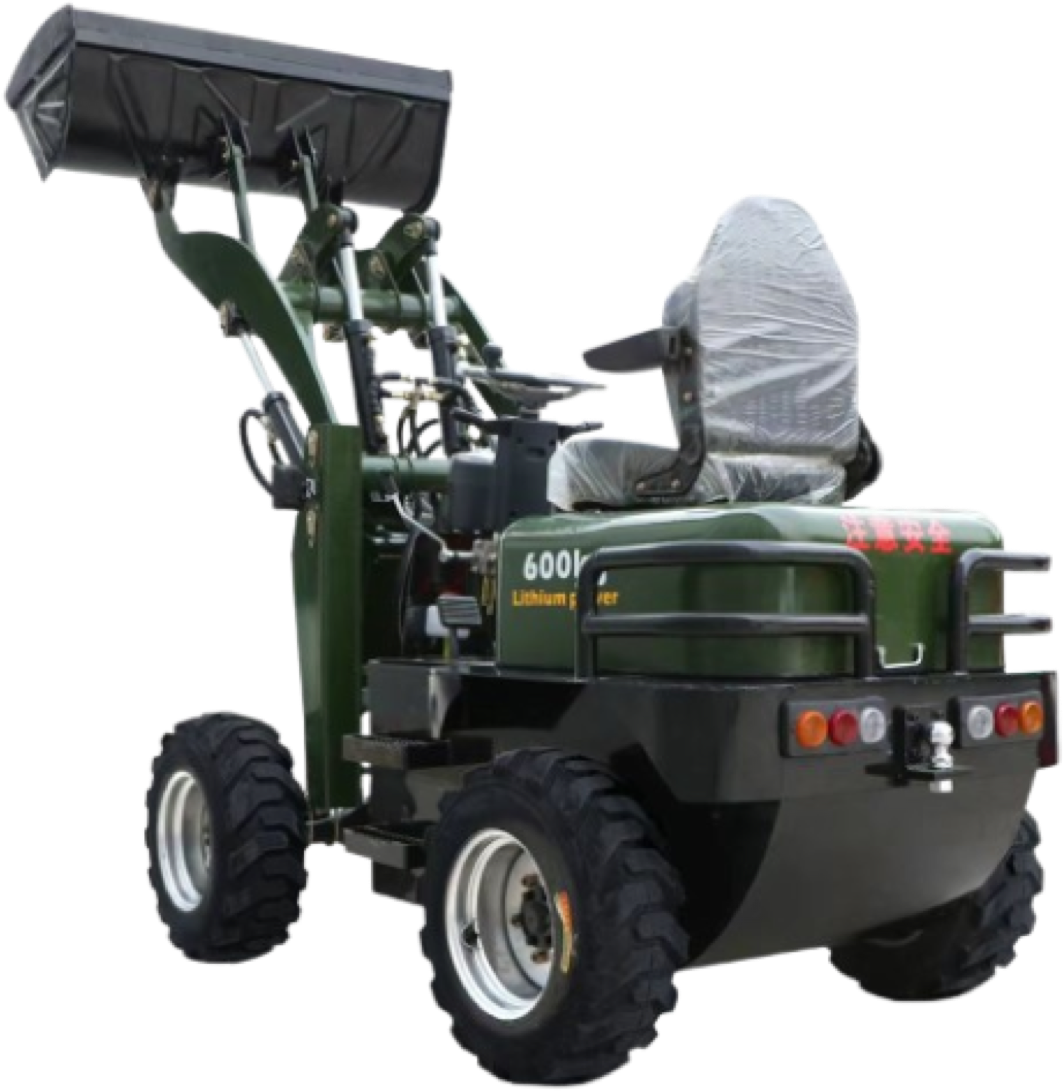
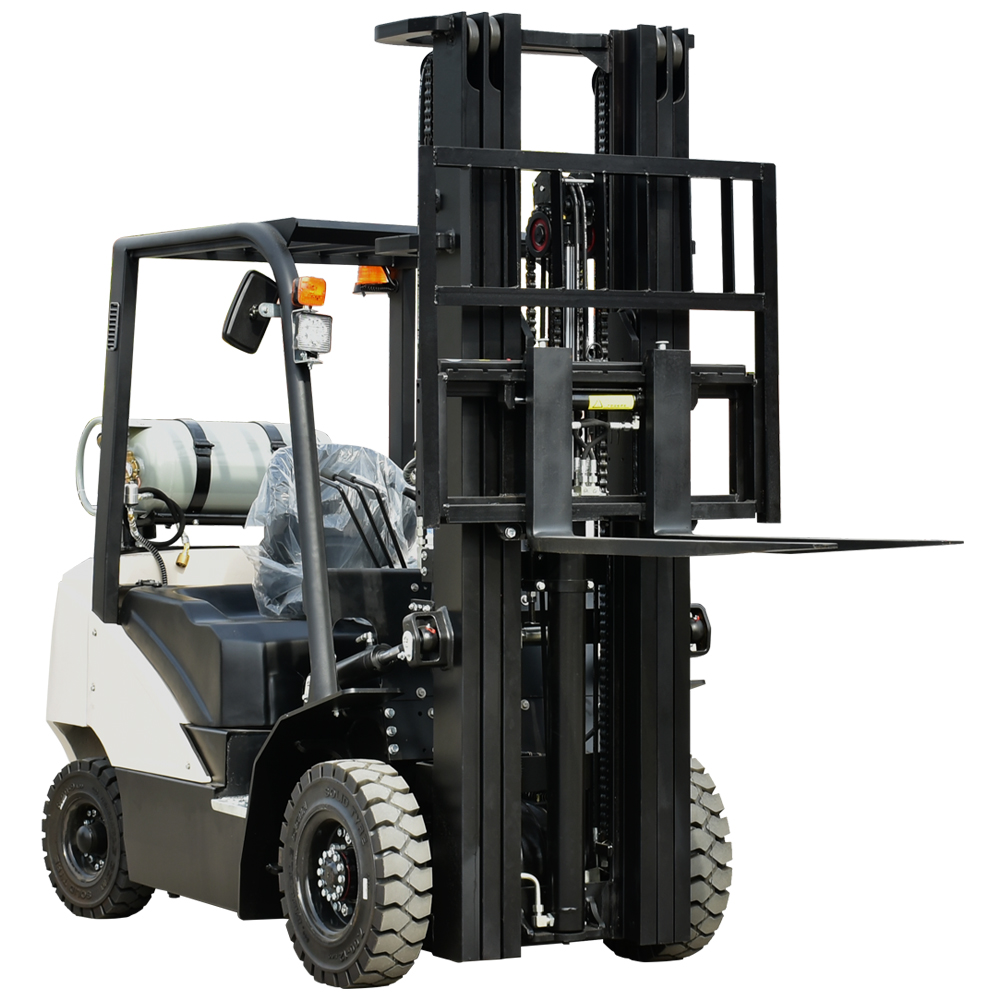
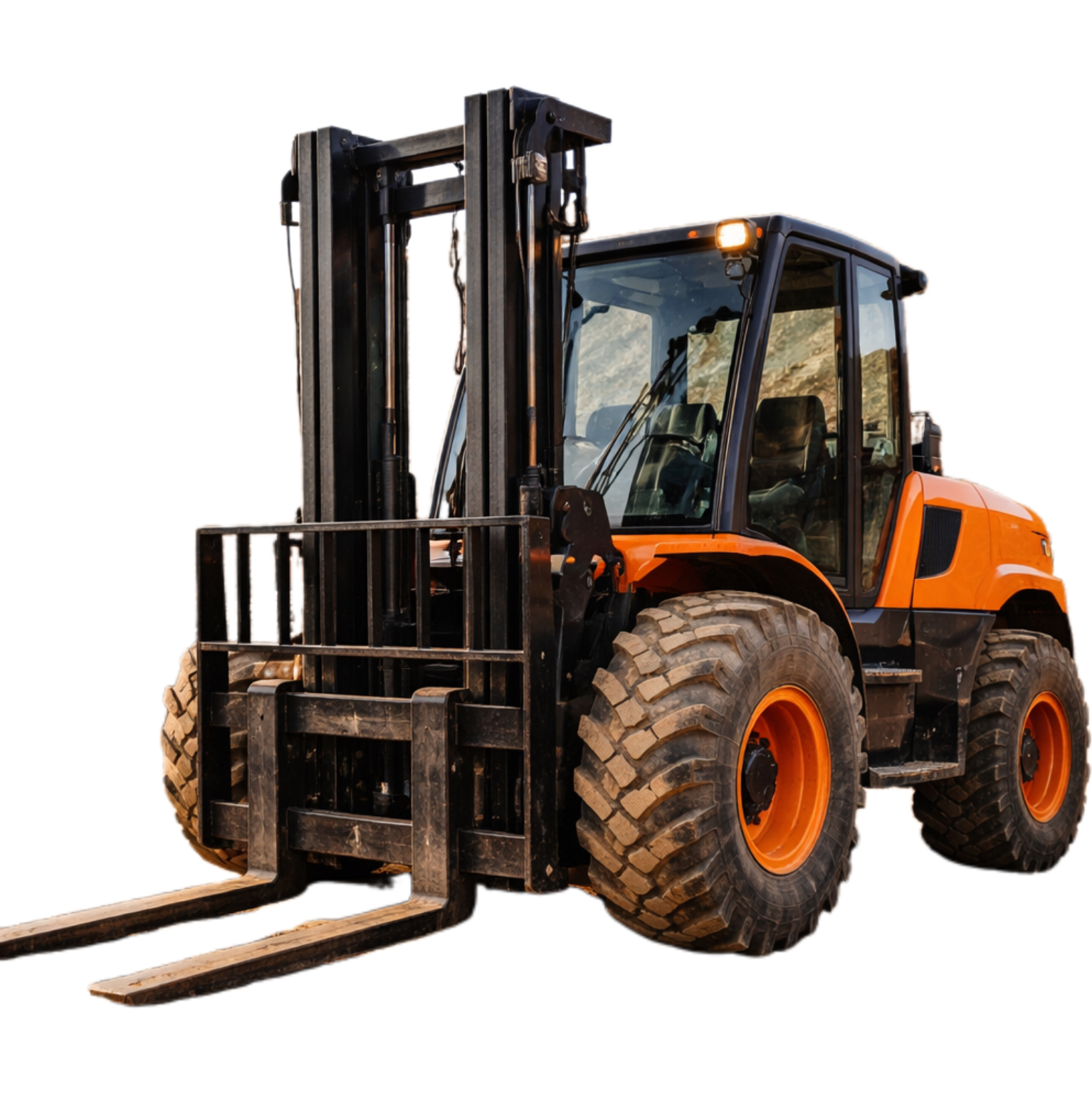


LPG Forklifts
A Flexible and Efficient Solution for Indoor and Outdoor Operations
In material handling operations, many facilities face a common challenge: operating both indoors and outdoors with a single forklift. Diesel forklifts offer strong power but produce emissions, while electric forklifts are clean but limited by battery capacity and outdoor performance.
LPG forklifts, also known as propane forklifts, bridge this gap. They deliver reliable power, relatively low emissions, fast refueling, and flexible operation, making them a popular choice across many industries worldwide.
1. What Is an LPG Forklift?
An LPG forklift is powered by liquefied petroleum gas (propane or butane). The fuel is stored in a replaceable cylinder mounted on the forklift, allowing quick refueling without long charging times.
LPG forklifts are designed for:
Indoor use with proper ventilation
Outdoor operations on paved surfaces
2. Why LPG Forklifts Remain Popular
Despite the rise of electric forklifts, LPG forklifts remain widely used because they:
Offer consistent power output
Do not require long charging cycles
Can operate continuously across multiple shifts
They are especially valued in operations where uptime is critical.
3. Key Advantages of LPG Forklifts
Fast Refueling
Cylinder replacement takes only minutes
No downtime for battery charging
Lower Emissions Than Diesel
Cleaner combustion
Reduced smoke and odor
Stable Performance
No power drop as fuel depletes
Consistent lifting and driving performance
Indoor & Outdoor Flexibility
Works in warehouses, loading docks, and yards
4. LPG Forklift vs Diesel Forklift
| Feature | LPG Forklift | Diesel Forklift |
|---|---|---|
| Emissions | Lower | Higher |
| Noise | Lower | Higher |
| Indoor use | Limited but possible | Not recommended |
| Fuel refueling | Fast | Fast |
LPG forklifts are a cleaner alternative to diesel in mixed environments.
5. LPG Forklift vs Electric Forklift
| Feature | LPG Forklift | Electric Forklift |
|---|---|---|
| Emissions | Low | Zero |
| Operating time | Unlimited with fuel | Battery dependent |
| Outdoor use | Good | Limited |
| Initial cost | Medium | Medium–high |
LPG forklifts provide more flexibility where charging infrastructure is limited.
6. Typical Applications of LPG Forklifts
LPG forklifts are commonly used in:
Warehouses with loading docks
Manufacturing plants
Beverage and food distribution centers
Logistics hubs
Retail back-of-house operations
They are ideal for facilities transitioning between indoor and outdoor tasks.
7. Load Capacity and Lifting Performance
Typical specifications include:
Load capacity: 1,500 kg – 5,000 kg
Lifting height: 3 – 6 meters
LPG forklifts handle standard palletized goods with ease.
8. Engine Technology and Efficiency
Modern LPG engines feature:
Electronic fuel injection
Improved combustion efficiency
Reduced maintenance compared to older models
This results in smoother operation and lower fuel consumption.
9. Operator Comfort and Ergonomics
LPG forklifts are designed for long shifts, offering:
Lower vibration compared to diesel
Smooth acceleration
Comfortable seating and clear visibility
Operator comfort directly improves productivity.
10. Safety Considerations
Key safety features include:
Cylinder lock and safety valves
Leak detection systems
Operator presence sensors
Emergency shut-off mechanisms
Proper handling of LPG cylinders is essential.
11. Maintenance and Service Requirements
LPG forklifts require:
Regular engine maintenance
Cylinder inspection and replacement
Air and fuel filter checks
Maintenance is generally simpler than diesel forklifts.
12. Fuel Availability and Cost
LPG fuel:
Is widely available in many regions
Often costs less than diesel
Has stable pricing in global markets
This makes LPG forklifts attractive for cost control.
13. Environmental Impact
While not emission-free, LPG forklifts:
Produce fewer particulates than diesel
Meet stricter indoor emission regulations
Reduce carbon footprint compared to traditional IC engines
They are a transitional solution toward greener operations.
14. LPG Forklifts in Developing Markets
LPG forklifts are especially popular in:
Middle East
South America
Southeast Asia
Eastern Europe
These markets value flexibility and fuel availability.
15. Integration with Warehouse Equipment
LPG forklifts often work alongside:
Electric pallet trucks
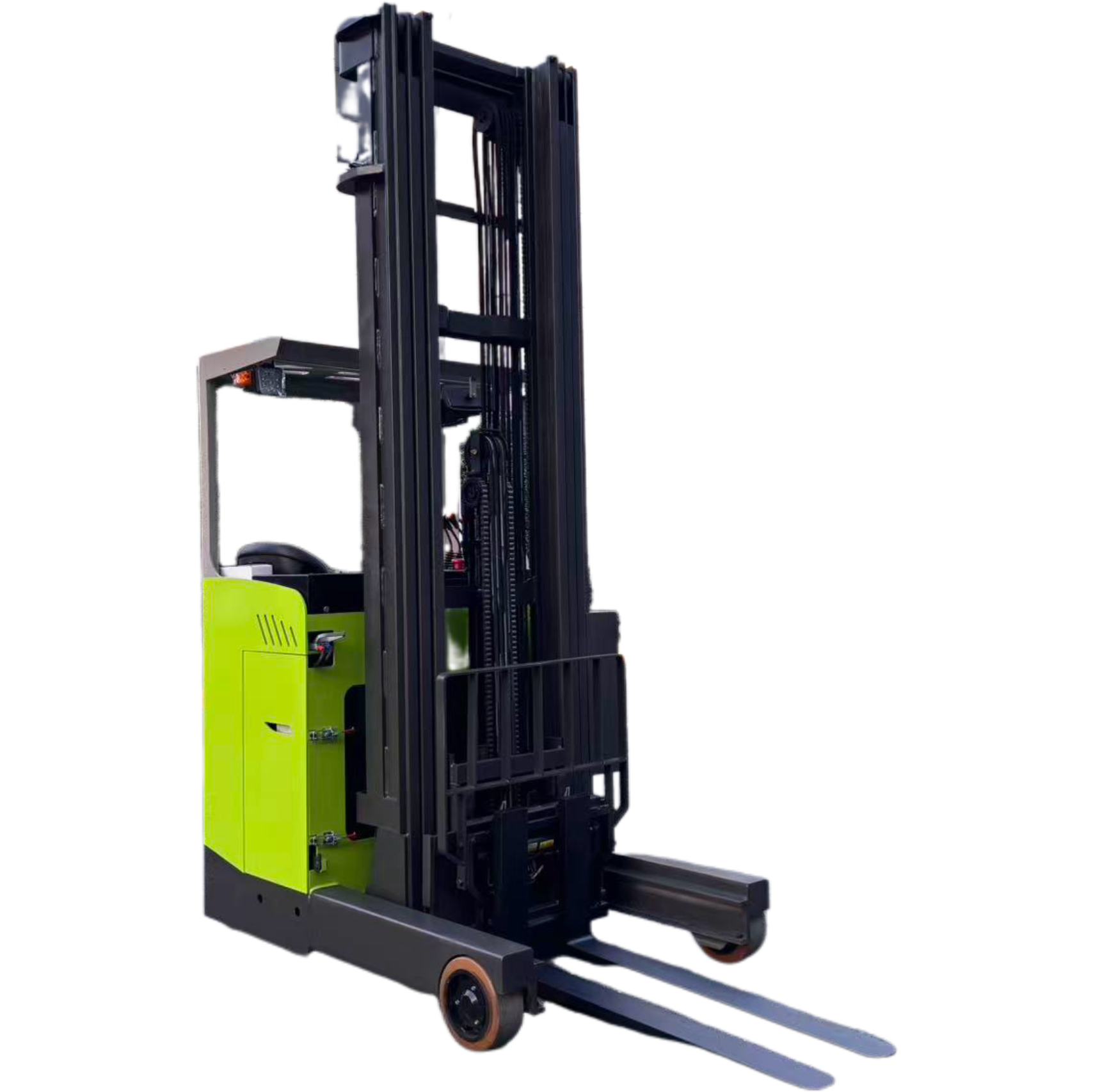
Reach trucks in high-rack zones
Diesel forklifts in outdoor yards
They serve as a versatile middle layer.
16. Cost Efficiency and ROI
LPG forklifts offer:
Lower operating downtime
Moderate purchase cost
Long service life
They provide strong ROI in mixed-use environments.
17. Common Misconceptions About LPG Forklifts
❌ “They are unsafe” → Modern LPG systems are highly regulated
❌ “They are outdated” → Modern engines are efficient and clean
❌ “They cannot be used indoors” → With ventilation, they are widely used
18. Choosing the Right LPG Forklift
Key factors:
Indoor ventilation conditions
Load requirements
Fuel supply logistics
Local emission regulations
Correct planning ensures safe operation.
19. Future Outlook for LPG Forklifts
Although electric forklifts are growing rapidly, LPG forklifts will:
Continue serving mixed-use facilities
Act as a transition solution in developing regions
Evolve with cleaner engine technologies
They remain relevant in global material handling.
20. Conclusion
LPG forklifts offer an excellent balance between power, flexibility, and emissions control. For businesses that require continuous operation across indoor and outdoor spaces, LPG forklifts remain a practical and cost-effective solution.
They are not a replacement for electric or diesel forklifts—but a strategic complement.
Our manager will contact you shortly.
To contact you about our products and services.


Copyright © Xingtai Beiqiang Machinery Manufacturing Factory. 2025.
Technical support:Echola