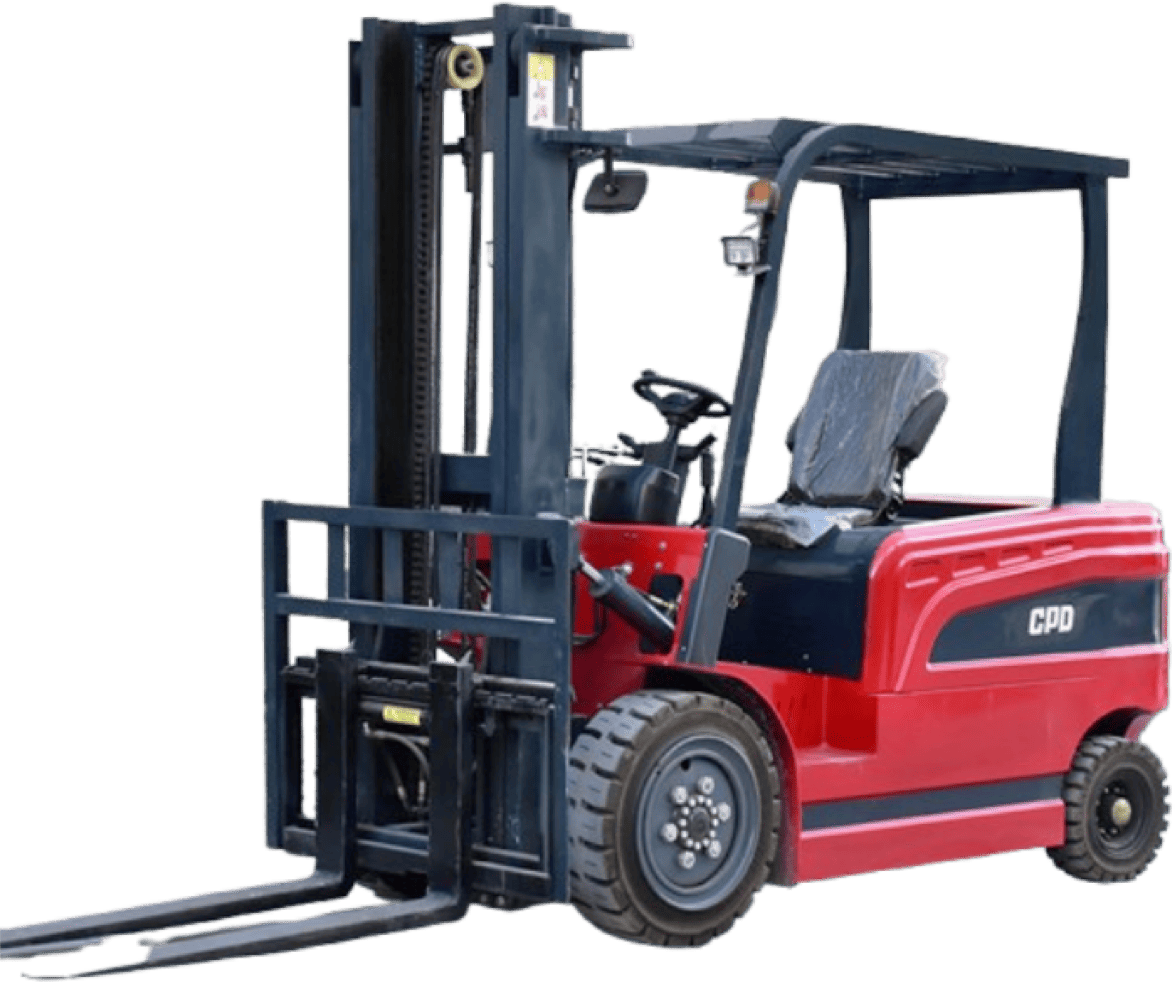
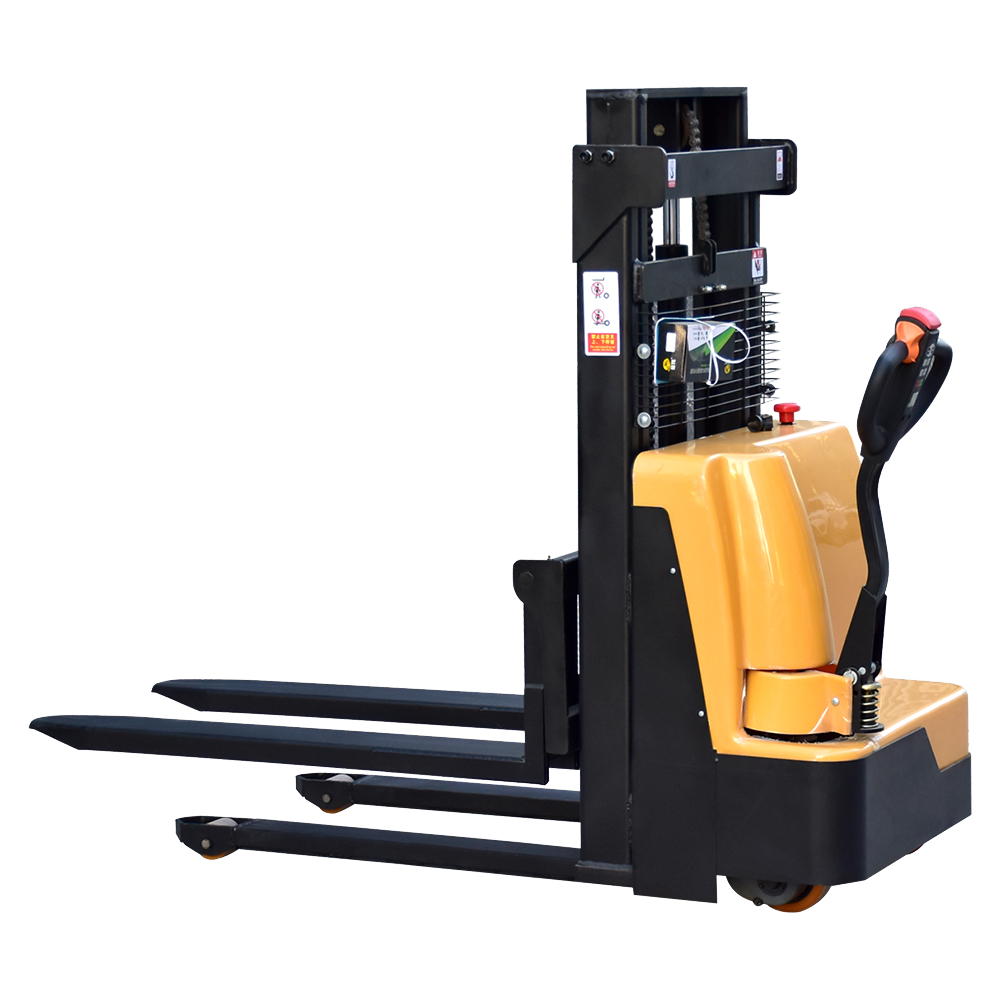
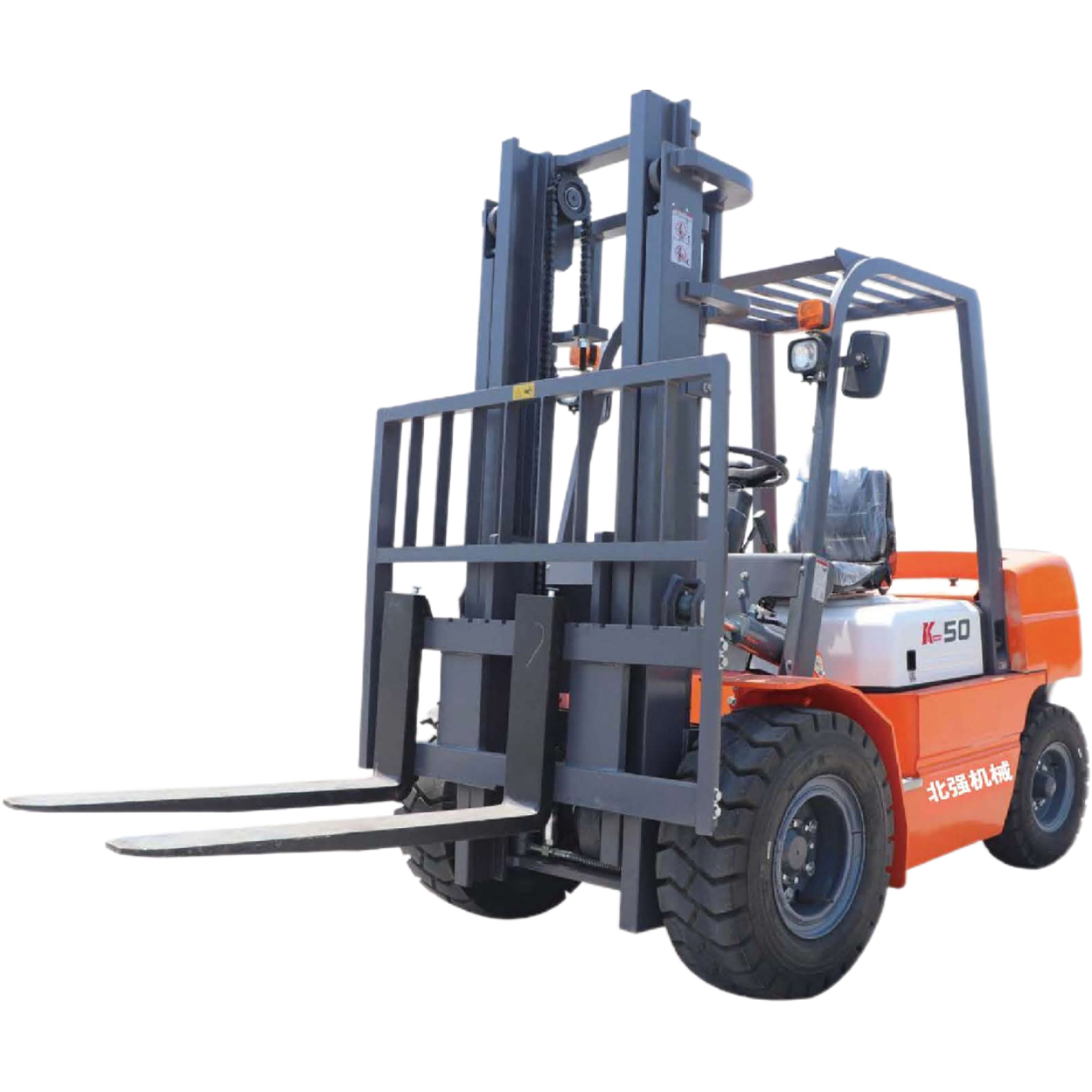
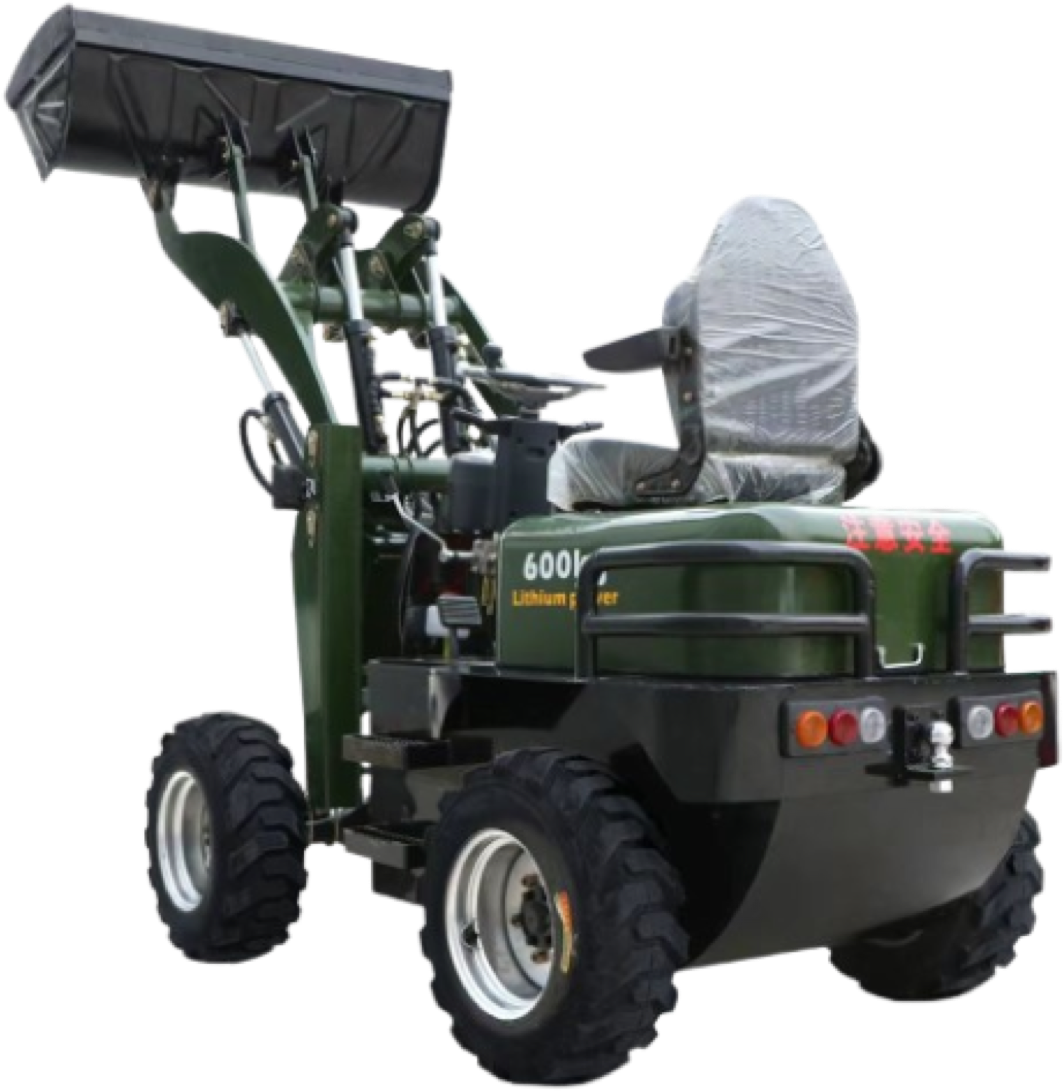
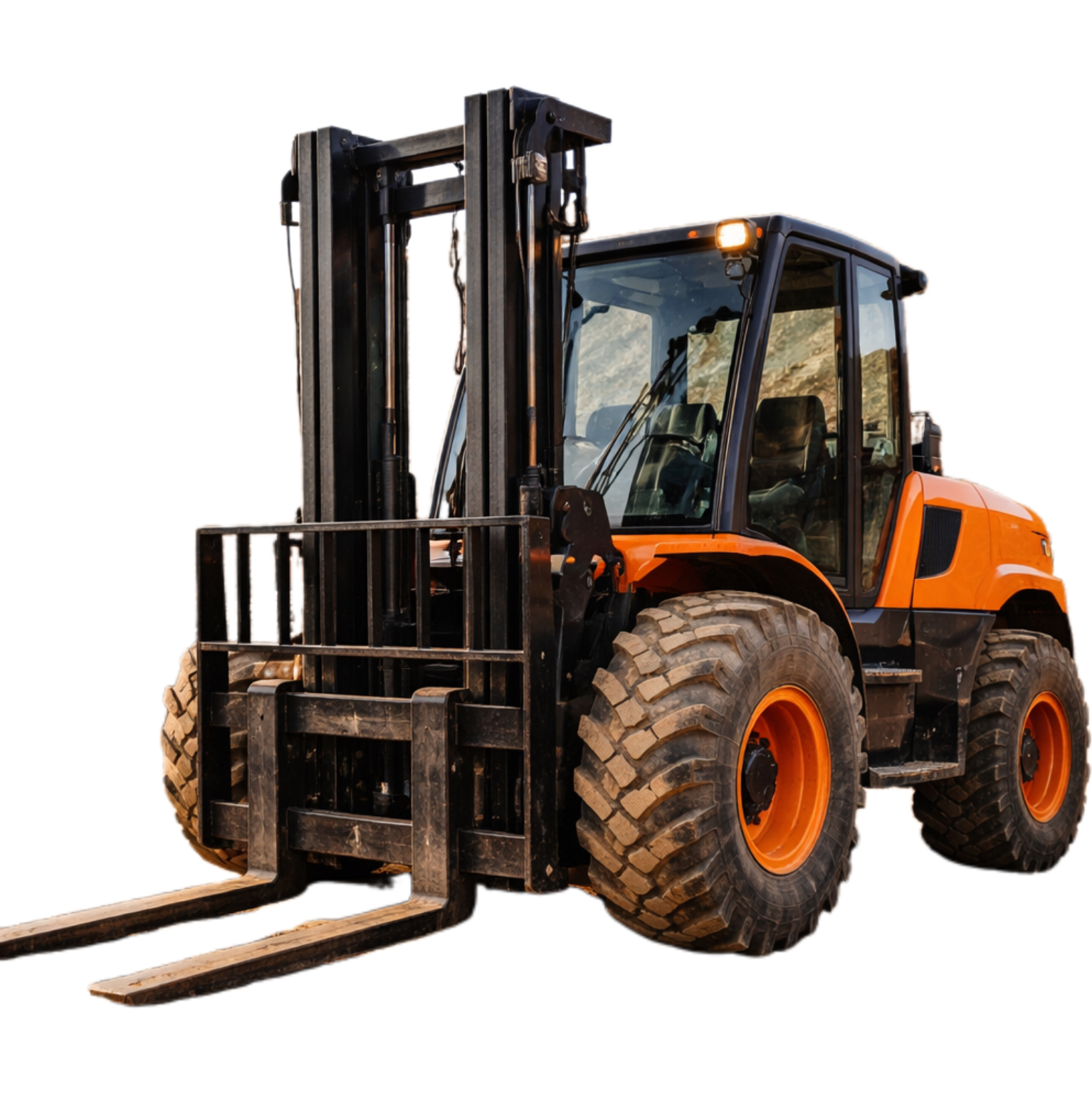


Off-Road Forklifts
The Ultimate Material Handling Solution for Rough Terrain Operations
In many industries, material handling does not take place on smooth warehouse floors. Construction sites, lumber yards, mining areas, agricultural facilities, and ports often present uneven ground, mud, gravel, sand, or slopes. In these environments, standard forklifts simply cannot perform reliably.
This is where off-road forklifts, also known as rough terrain forklifts, become essential. Designed specifically for outdoor and challenging conditions, off-road forklifts deliver unmatched stability, traction, and lifting performance.
1. What Is an Off-Road Forklift?
An off-road forklift is a heavy-duty material handling machine built to operate on uneven, soft, or rugged surfaces. Unlike warehouse forklifts, it prioritizes ground clearance, traction, and structural strength.
They are commonly powered by:
Diesel engines
High-torque transmissions
Off-road forklifts are primarily used outdoors.
2. Key Characteristics of Off-Road Forklifts
Large Pneumatic Tires
Deep tread patterns
Excellent grip on dirt, sand, and gravel
High Ground Clearance
Prevents bottoming out on rough terrain
Enables obstacle crossing
Heavy-Duty Chassis
Reinforced frames for stability
Designed for harsh working conditions
Powerful Diesel Engines
High torque for climbing slopes
Reliable performance under heavy loads
3. Off-Road Forklift vs Standard Diesel Forklift
| Feature | Off-Road Forklift | Diesel Forklift |
|---|---|---|
| Terrain capability | Excellent | Limited |
| Tire type | Large pneumatic | Solid / pneumatic |
| Ground clearance | High | Medium |
| Outdoor use | Extreme | Moderate |
Off-road forklifts are purpose-built for terrain, not flat floors.
4. Common Applications of Off-Road Forklifts
Off-road forklifts are widely used in:
Construction Sites
Transporting steel, bricks, and concrete blocks
Lumber Yards
Handling logs, timber, and pallets
Mining & Quarry Operations
Moving heavy materials in rough environments
Agriculture & Farms
Feed handling, fertilizer transport
Ports & Outdoor Yards
Container and cargo movement
5. Stability and Load Handling
Stability is critical on uneven ground. Off-road forklifts achieve this through:
Wide wheelbase
Low center of gravity
Reinforced mast systems
This ensures safe lifting even on slopes.
6. Lifting Capacity and Height
Typical specifications include:
Load capacity: 2,000 kg – 10,000 kg
Lifting height: 3 – 6 meters
They focus more on power and balance than extreme height.
7. All-Wheel Drive and Traction Systems
Many off-road forklifts feature:
2WD or 4WD systems
Differential locks
Enhanced torque distribution
These systems improve control on slippery or loose surfaces.
8. Operator Cabin Design
Operator comfort is essential for long outdoor shifts. Modern off-road forklifts include:
Enclosed cabins (optional)
Suspension seats
Wide visibility masts
Simple, rugged controls
Comfort improves productivity and safety.
9. Safety Features for Outdoor Operations
Off-road forklifts are equipped with:
Roll-over protection systems (ROPS)
Seat belts and operator presence sensors
Load backrests
High-visibility lighting
Safety is especially important in unstable environments.
10. Fuel Efficiency and Engine Performance
Modern diesel engines offer:
Improved fuel efficiency
Lower emissions
High reliability
They are designed for continuous heavy-duty use.
11. Maintenance Requirements
Due to harsh environments, off-road forklifts require:
Regular tire inspections
Air filter cleaning
Hydraulic system checks
Proper maintenance significantly extends machine life.
12. Cost Considerations
While off-road forklifts have higher initial costs, they:
Reduce downtime
Prevent accidents
Increase productivity in unsuitable environments
They are cost-effective for long-term outdoor operations.
13. Off-Road Forklift vs Telehandler
| Feature | Off-Road Forklift | Telehandler |
|---|---|---|
| Forward reach | Limited | Extended |
| Lift height | Medium | High |
| Complexity | Lower | Higher |
| Cost | Lower | Higher |
Off-road forklifts are simpler and more durable for pallet handling.
14. Integration with Other Equipment
Off-road forklifts often work alongside:
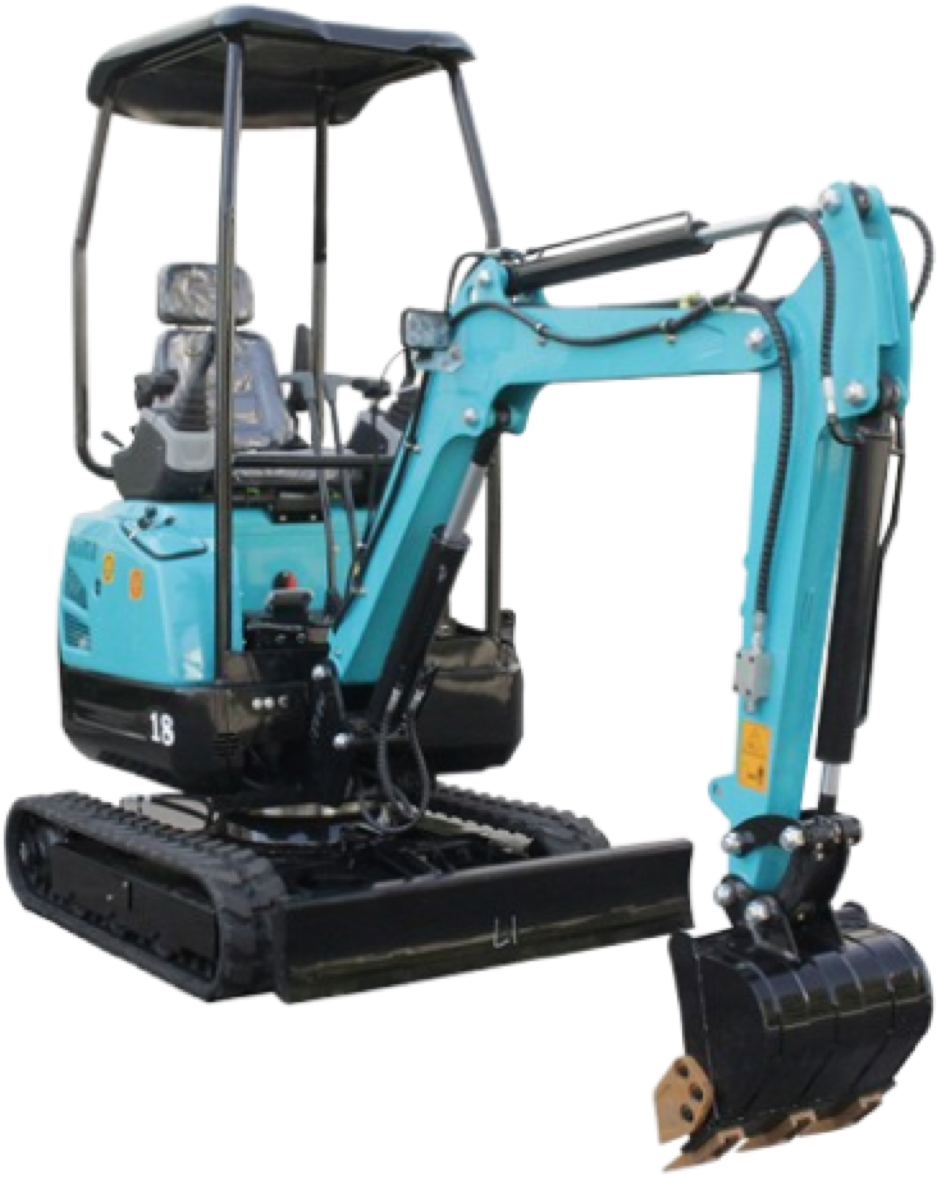
Mini excavators
Wheel loaders
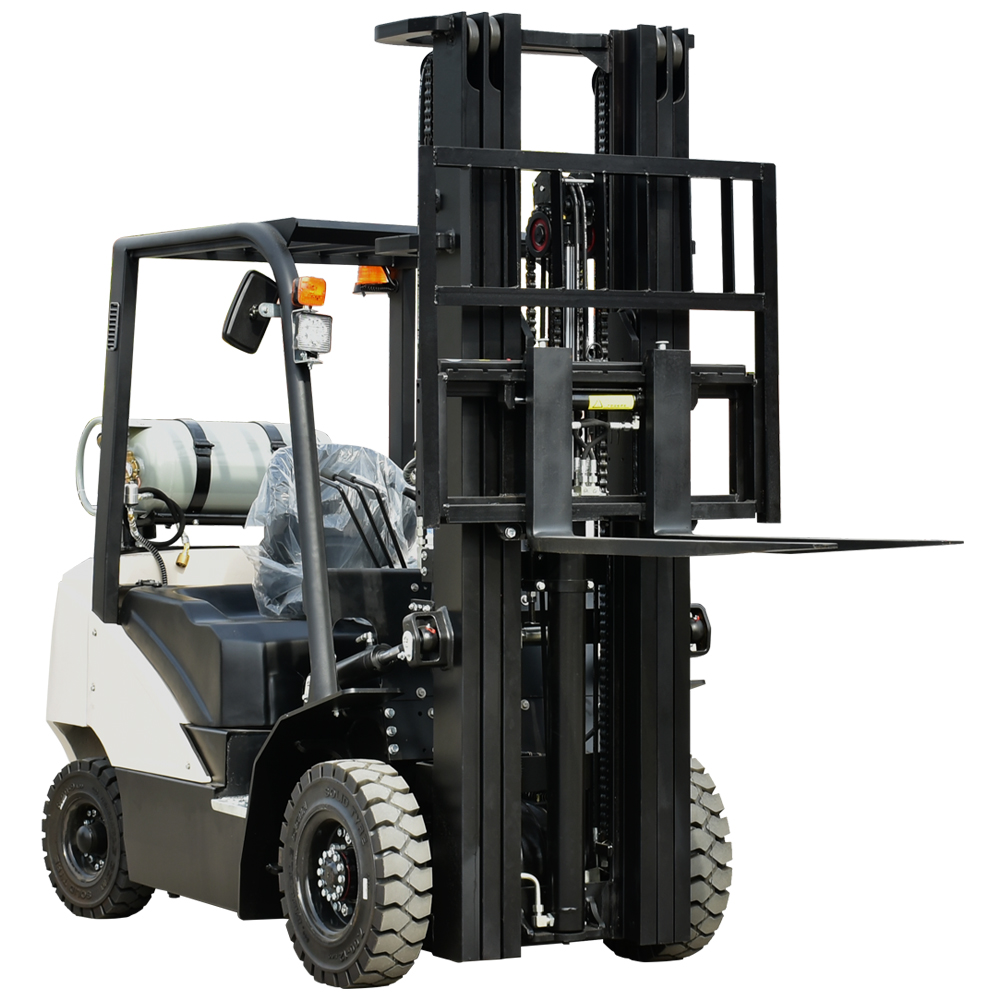
Diesel forklifts (indoor/outdoor transition zones)
This creates a complete outdoor material handling solution.
15. Environmental Adaptability
Off-road forklifts can operate in:
Rainy environments
Dusty worksites
Hot or cold climates
They are engineered for resilience.
16. Choosing the Right Off-Road Forklift
Key selection factors:
Terrain condition
Load weight
Required lifting height
2WD vs 4WD
Matching equipment to terrain is essential.
17. Industry Demand Trends
Demand for off-road forklifts is growing due to:
Infrastructure expansion
Renewable energy projects
Global construction growth
They remain a key asset in outdoor logistics.
18. Future Development Trends
Future improvements include:
Cleaner diesel engines
Hybrid power systems
Enhanced safety monitoring
Technology continues to improve durability and efficiency.
19. Conclusion
Off-road forklifts are the ultimate solution for material handling in rugged environments. With powerful engines, superior traction, and rugged construction, they enable safe and efficient operations where standard forklifts fail.
For industries working beyond warehouse floors, off-road forklifts are not optional — they are essential.
Our manager will contact you shortly.
To contact you about our products and services.


Copyright © Xingtai Beiqiang Machinery Manufacturing Factory. 2025.
Technical support:Echola