
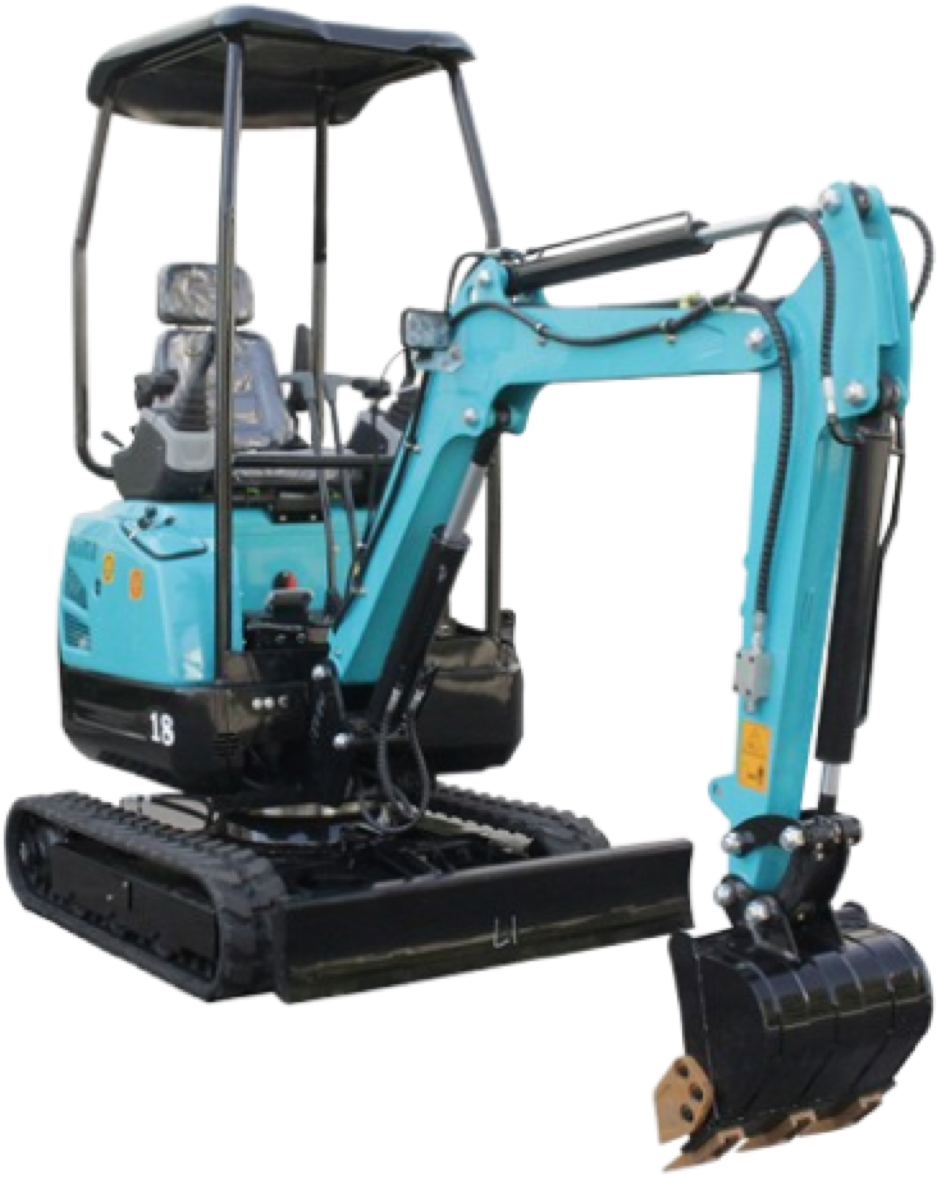




The true power of an excavator is unlocked not just by its engine, but by the knowledge and discipline of its operator and maintenance team. Safe operation and rigorous care are non-negotiable for protecting lives, protecting the investment, and ensuring peak productivity. This guide serves as a foundational handbook for best practices.
Part 1: The Non-Negotiables – Safety First
Excavator work involves significant hazards: tip-overs, struck-by incidents, trench collapses, and contact with utilities. Adherence to these safety pillars is paramount:
Comprehensive Training & Certification: Only fully trained and certified operators should be in the cab. Training must cover controls, stability principles, load charts, and specific job-site hazards.
The 360-Degree Walk-Around & Site Assessment:
Before starting: Identify all overhead hazards (power lines!), underground utilities (always CALL 811/BEFORE YOU DIG), slopes, unstable ground, and people in the work zone.
Establish and mark clear exclusion zones where no personnel are allowed.
Stability is Everything: Understand the machine’s stability triangle. Keep the excavator on level, compact ground. Avoid:
Lifting loads over the side; always lift over the front.
Swinging with a raised load on uneven ground.
Operating too close to trench edges—maintain a safe distance (at least twice the depth of the trench).
Trench Safety: NEVER enter an unsupported trench. Use trench boxes, shields, or proper sloping/benching as per OSHA regulations. The excavator itself should not be used to shore up a trench.
Personal Protective Equipment (PPE): High-visibility vest, hard hat, safety glasses, hearing protection, and steel-toed boots are mandatory.
Safe Mounting/Dismounting: Always use the three-point-contact rule (two hands, one foot or two feet, one hand) when entering or exiting the cab. Keep steps and handrails clean.
Part 2: The Operator’s Routine – Daily Pre-Start & Operational Checks
A disciplined routine prevents failures. Follow the manufacturer’s checklist, which typically includes:
A. Engine Off, Visual & Fluid Checks (Walk-Around):
Undercarriage: Inspect for track tension, damaged rollers, idlers, or track shoes. Look for leaks.
Fluid Levels: Check engine oil, hydraulic oil, coolant, and fuel. Look under the machine for fresh puddles.
Hoses & Cylinders: Inspect for cracks, abrasions, or leaks on all hydraulic hoses and cylinder rods.
Bucket & Linkage: Check for loose pins, excessive wear, and cracks in the structure.
Walking Path & Cab: Clear debris from tracks and the cab entrance. Ensure windows and mirrors are clean.
B. Engine On, Operational Checks:
Start-up: Allow the engine to idle for a few minutes to warm up hydraulic fluid, especially in cold weather.
Warning Lights & Gauges: Ensure all warning lights go off and gauges (temperature, pressure) read normal.
Controls & Functions: Test all control levers, travel functions (forward/backward, turns), and attachment hydraulics for smooth operation before beginning work.
Lights & Horn: Test all lights and the audible alarm/horn.
Part 3: The Caregiver’s Duty – Essential Maintenance Practices
Preventive maintenance is the most cost-effective strategy.
Follow the Service Manual: Adhere strictly to the OEM’s scheduled intervals for engine oil changes, hydraulic filters, air filters, and grease points.
The Critical Role of Greasing: Grease all pivot pins and bushings daily (or as per high-frequency schedule) while the joints are warm after operation. This is the single most important act to prevent costly wear.
Undercarriage Care: This is often the most expensive component to repair. Clean mud and debris from tracks regularly. Inspect for uneven wear patterns, which indicate misalignment or tension issues.
Hydraulic System Health:
Keep hydraulic oil clean and at the proper level. Most system failures are due to contamination.
Change filters on schedule. Never ignore a clogged filter alarm.
Inspect cylinders for rod scoring or pitting, which can damage seals.
Cooling System Maintenance: Keep radiator fins and oil coolers clean and free of debris (leaves, dust) to prevent overheating.
Proper Storage: When parking for an extended period, store the machine on level ground, lower all attachments to the ground, and if possible, park indoors or use a cover. Consider using a fuel stabilizer.
Part 4: The Efficient Operator’s Mindset
Efficiency reduces wear and fuel consumption:
Use the Right Tool: Don’t use a trenching bucket to break rock. Match the attachment to the task.
Work Smart, Not Just Hard: Position the machine to minimize excessive swinging and travel. Dig in an organized pattern.
Avoid “Horsepower Abuse”: Don’t constantly use the machine at full power against an immovable object. Use a breaker for concrete, not the bucket corner.
Conclusion: The Operator as the First Line of Defense
An excavator’s reliability and safety are a direct reflection of its operator’s daily habits. By institutionalizing a culture of meticulous pre-checks, respecting fundamental safety laws, and executing disciplined maintenance, operators and owners do more than complete a job—they protect their team, their machine, and their livelihood. Remember, the most important attachment on any excavator is a well-trained, safety-conscious operator.
Our manager will contact you shortly.
To contact you about our products and services.


Copyright © Xingtai Beiqiang Machinery Manufacturing Factory. 2025.
Technical support:Echola