

The excavator is a marvel of mechanical and hydraulic engineering. Beyond its familiar silhouette lies a complex interplay of components designed for power, durability, and precision. Understanding its key parts, specifications, and evolving technology is crucial for operators, buyers, and industry enthusiasts alike.
1. Core Components: The Excavator's Anatomy
A modern hydraulic excavator is a system of integrated parts:
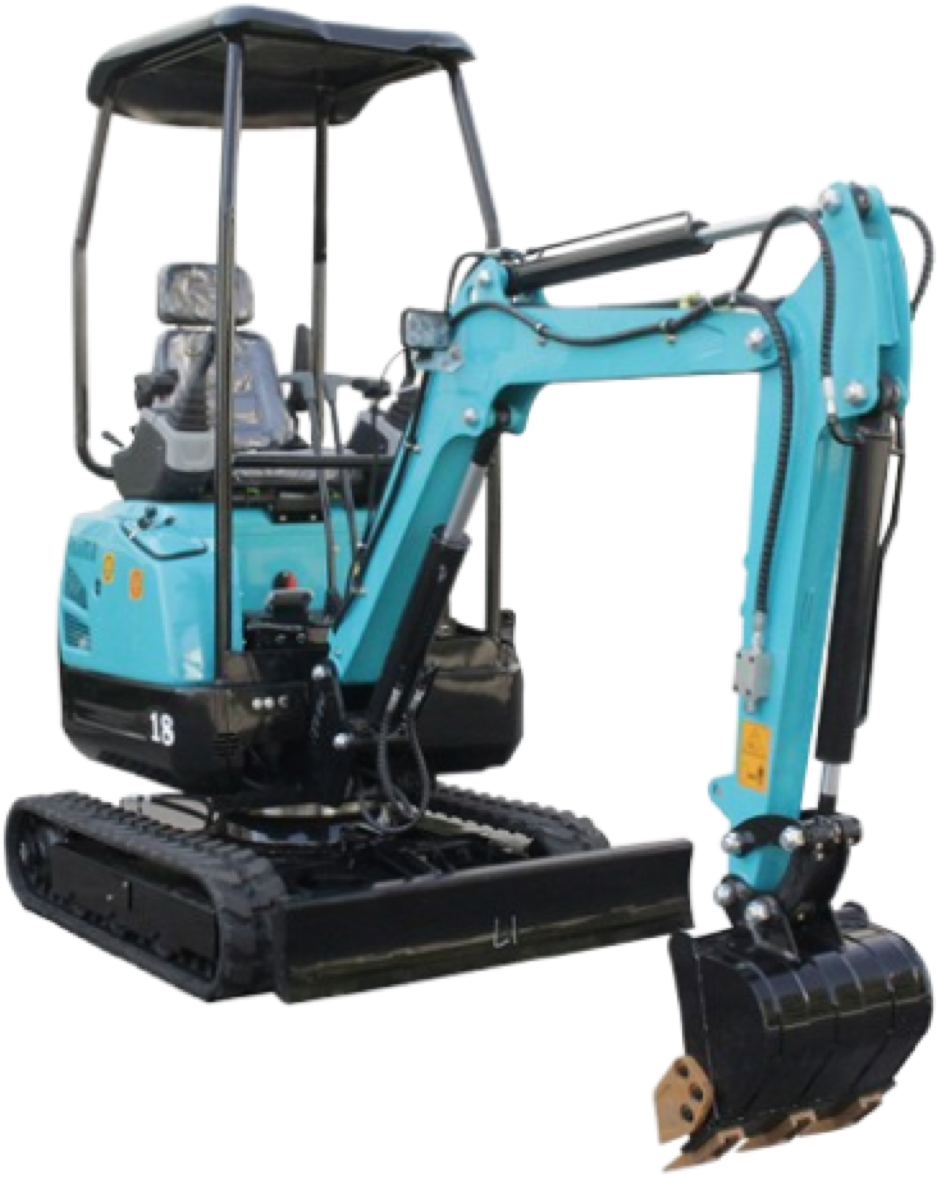
Undercarriage: The foundation. Crawler (track) versions use steel tracks and rollers for stability on soft ground. Wheeled versions use rubber tires for speed and road mobility. It includes the track frame, drive sprockets, idlers, rollers, and track shoes.
House (Upper Structure): The rotating segment that houses the engine, hydraulic pumps, operator's cab, and counterweight. It swings 360 degrees on a swing bearing mounted to the undercarriage.
Powertrain: Typically a high-torque diesel engine (though electric models are rising) that provides the primary power. This drives the main hydraulic pumps which are the heart of the machine.
Hydraulic System: The muscle. Consists of pumps, control valves, cylinders (for boom, arm, bucket), and hydraulic motors (for swing and travel). High-pressure oil in this closed system powers all major movements.
Attachment Linkage: The working arm, comprising the boom (mounted to the house), the dipper stick (or arm) (attached to the boom), and the bucket (or other attachment) connected via a quick coupler. Hydraulic cylinders at each joint provide forceful movement.
Cab (Operator’s Station): The command center. Modern cabs are ergonomic, climate-controlled, and equipped with intuitive joystick controls, advanced monitors, and safety features.
2. Decoding Key Specifications
When comparing models, these specs are critical:
Operating Weight: The total weight of the machine with standard equipment and fluids. Determines transportation needs and ground pressure.
Horsepower (HP/kW): Engine output power. Influences overall performance and hydraulic flow capability.
Bucket Capacity: The volume (in cubic yards or meters) the standard bucket can hold. Indicates productivity potential per cycle.
Max Digging Depth & Reach: The maximum vertical depth and horizontal distance the arm can achieve from the swing center. Crucial for planning trenching and loading tasks.
Arm & Bucket Force: Measured in pounds or kilonewtons (kN), this indicates the breakout and curling power for tough digging.
3. Advanced Technologies Shaping the Industry
Today’s excavators are smarter and more efficient than ever:
Machine Control & Grade Management: Integrated GPS and sensors allow the boom and bucket to move automatically to a pre-designed 3D grade, drastically reducing survey stakes and rework.
Hydraulic System Innovations: Variable displacement piston pumps and load-sensing hydraulics adjust oil flow and pressure on-demand, reducing fuel consumption and heat generation.
Operator Assist Systems: Features like Swing Assist (automatically brakes the swing), Load Assist (calculates optimal digging angles), and Idle Shutdown improve efficiency and reduce fatigue.
Telematics & Remote Monitoring: Systems like CAT® Product Link™ or Komatsu Komtrax® provide fleet managers with real-time data on location, fuel usage, idle time, maintenance alerts, and productivity metrics.
Electric & Hybrid Models: Driven by sustainability goals, zero-emission electric excavators (plug-in or battery) are growing for indoor and urban use, while hybrid systems recover swing brake energy.
4. The Importance of the Operator
Even with advanced automation, the skilled operator remains central. Their expertise in:
Machine Familiarity: Knowing the machine’s reach, power, and stability limits.
Attachment Mastery: Effectively using different tools (breaker, grapple, auger).
Efficient Technique: Using simultaneous functions (e.g., swinging while curling the bucket) for smooth, fast cycles.
Situational Awareness: Maintaining safety and precision in complex job site environments.
...multiplies the machine's inherent capabilities.
Conclusion
The modern excavator is more than just iron and hydraulics. It is a sophisticated, data-rich piece of technology engineered for extreme performance. From its robust undercarriage and powerful hydraulic heart to its intelligent cab and connectivity features, every component is optimized for productivity. As technology continues to advance with electrification and increased automation, the excavator's role as an intelligent, efficient, and indispensable partner in construction and industry will only become more profound.
Our manager will contact you shortly.
To contact you about our products and services.


Copyright © Xingtai Beiqiang Machinery Manufacturing Factory. 2025.
Technical support:Echola