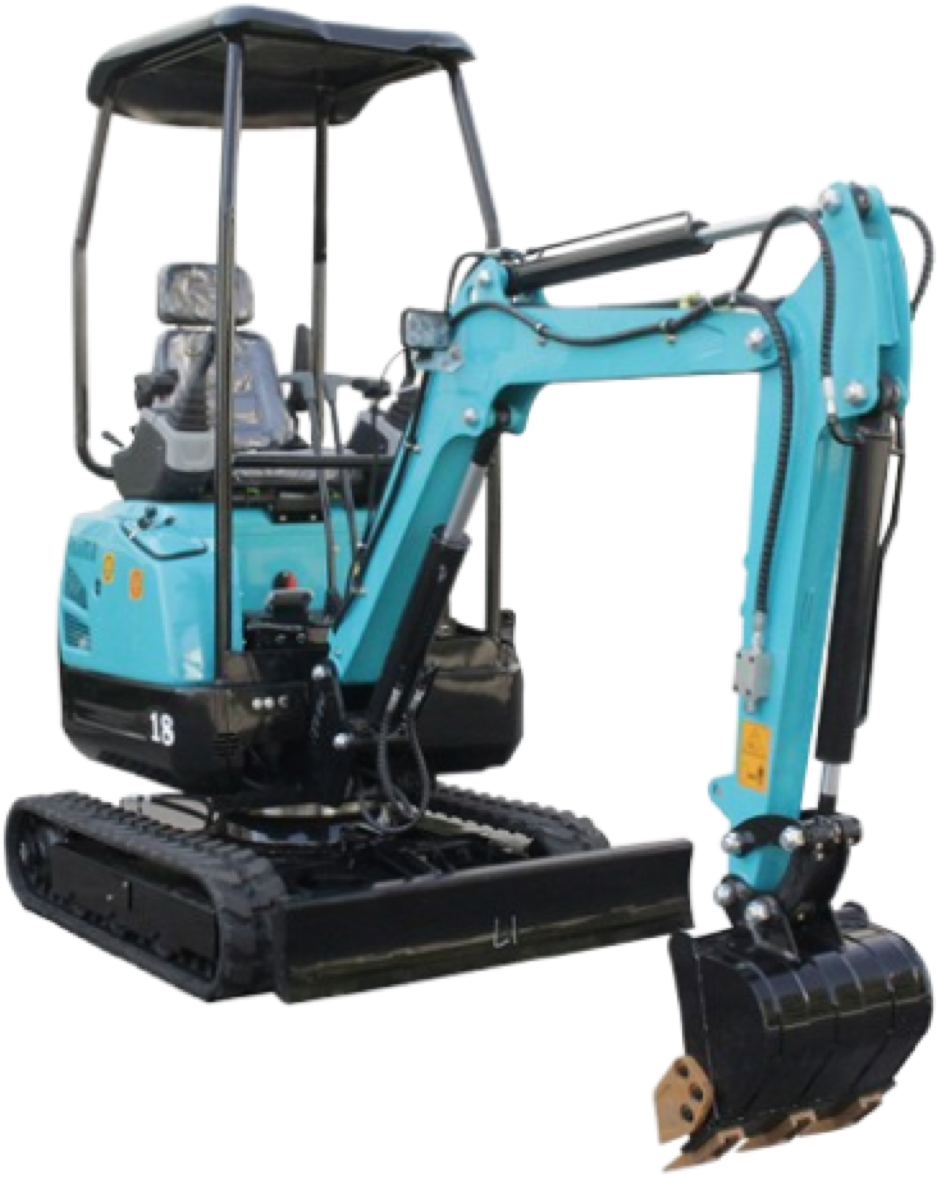


An excavator, often called a hydraulic excavator or digger, is a fundamental piece of heavy construction equipment essential across industries. It consists of a cab, boom, dipper (or stick), and bucket mounted on a rotating platform, known as the house, which sits atop an undercarriage with tracks or wheels. Powered by a diesel engine or electric motor, its primary function is to excavate soil, rock, and other materials with precision and power using hydraulic fluid mechanics.
How Does a Hydraulic Excavator Work?
The core operation relies on hydraulics. The engine powers hydraulic pumps that push pressurized fluid through a series of valves to cylinders and motors. These hydraulic components create massive force to:
Swing the house 360 degrees.
Lift and lower the boom and dipper.
Curl the bucket for digging, lifting, and dumping.
This system allows for powerful, controlled movements essential for complex tasks.
Main Types of Excavators
Crawler Excavators: The most common type, featuring tracks (crawlers). They offer superior stability and weight distribution, ideal for rough, muddy, or uneven terrain like construction sites and mining.
Wheeled Excavators: Mounted on rubber wheels, these provide greater mobility and speed for urban projects, roadwork, or sites requiring frequent relocation on paved surfaces.
Mini/Micro Excavators: Compact, lightweight machines for confined spaces, landscaping, residential projects, and light digging. Their reduced weight minimizes ground disturbance.
Other Variants: Include long-reach excavators for demolition and dredging, suction excavators for non-destructive digging, and amphibious excavators for wetland work.
Key Components & Attachments
Beyond the standard bucket, excavators are incredibly versatile thanks to interchangeable attachments:
Components: Cab (operator station), undercarriage, house, boom, dipper, and hydraulic system.
Attachments: Hydraulic breakers for demolition, grapples for sorting material, augers for drilling holes, and tiltrotators for enhanced bucket flexibility. This versatility makes it a multi-purpose machine.
Primary Uses and Applications
Excavators are indispensable in:
Construction: Digging foundations, trenches, and basements; material handling; site preparation.
Demolition: Tearing down structures with breaker attachments.
Mining: Material extraction and loading, especially in open-pit operations.
Landscaping: Shaping terrain, creating ponds, and moving earth.
Forestry: Land clearing and log handling with specialized grapples.
Utility Work: Carefully digging trenches for pipelines, cables, and drainage systems.
Buying or Renting Guide: Key Considerations
Choosing the right excavator depends on your project needs:
Project Scope: For large-scale, rugged earthmoving, a crawler excavator is best. For city jobs needing speed, consider a wheeled excavator. For small gardens or tight spaces, a mini excavator is ideal.
Size and Power: Match machine size (measured by bucket capacity and operating weight) to job demands. Consider digging depth and reach requirements.
Attachments: Ensure the machine is compatible with the attachments you need (breaker, auger, etc.).
New vs. Used vs. Rent: New machines offer warranty and latest tech; used can be cost-effective. Renting is excellent for short-term or specialized projects.
Brand and Dealer Support: Consider manufacturer reputation and local dealer service/parts availability.
In conclusion, the excavator is a cornerstone of modern industry, transforming how we build, mine, and shape our environment. From massive mining sites to backyard renovations, its evolution and adaptability continue to drive progress in infrastructure and development worldwide. Whether you rent or buy, selecting the correct type and size is crucial for efficiency, safety, and project success.
Our manager will contact you shortly.
To contact you about our products and services.


Copyright © Xingtai Beiqiang Machinery Manufacturing Factory. 2025.
Technical support:Echola