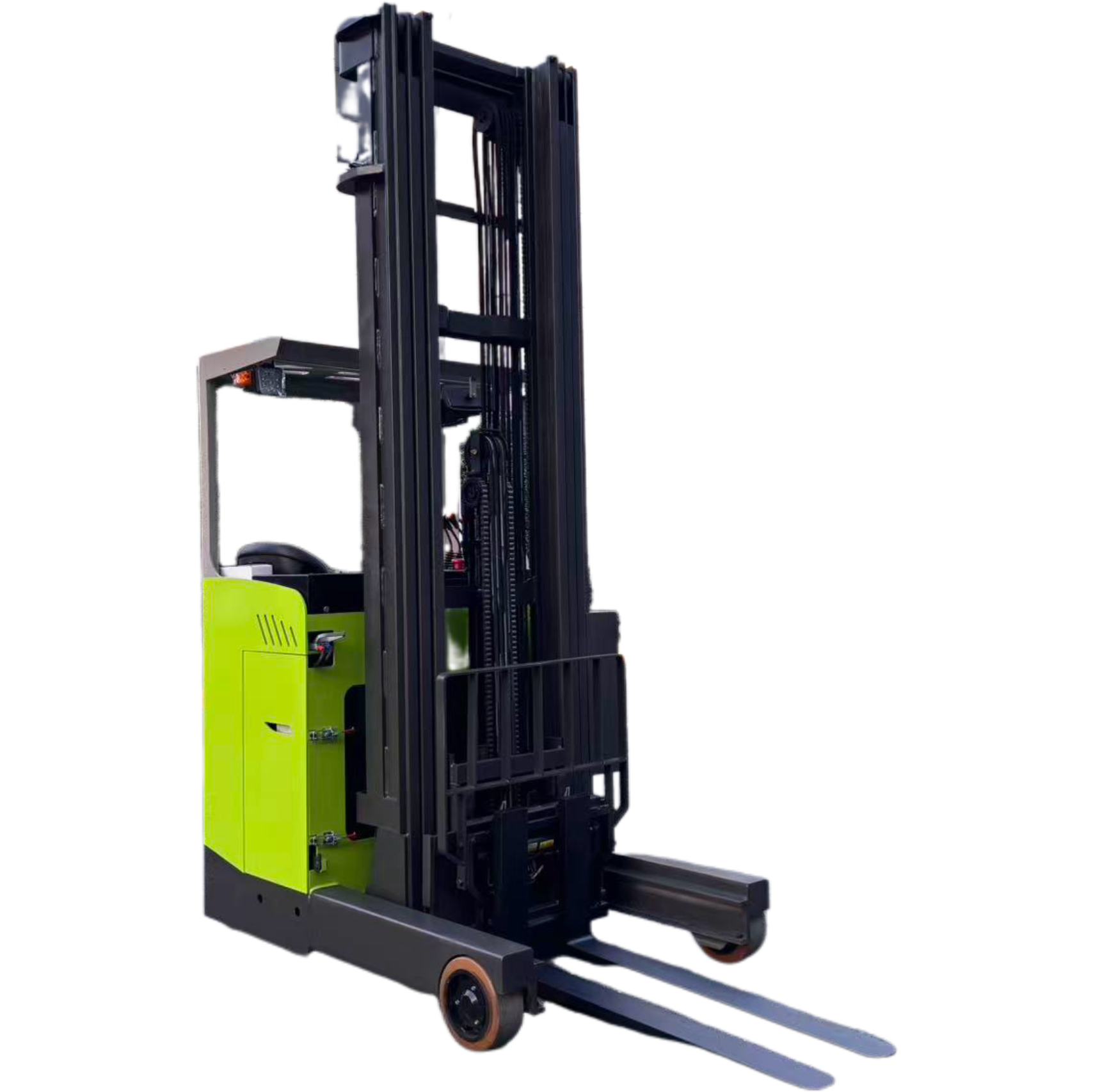


Spare Parts Availability & Repair Cost: The Hidden Risk of Used Electric Forklifts
When buyers consider a used electric forklift, the first thing they notice is the lower purchase price. However, experienced operators know that the real cost of ownership begins after the forklift arrives at the warehouse. One of the most overlooked—and most expensive—factors is spare parts availability and long-term repair cost.
Many buyers later realize that the real question is not “How much does it cost to buy?” but “How easy and affordable is it to keep running?”
1. The Real Fear Buyers Have: “What If It Breaks?”
Every forklift will eventually require maintenance. The difference lies in how fast and how expensive that maintenance becomes.
With used electric forklifts, buyers commonly face these concerns:
Spare parts are no longer produced
Parts must be imported with long lead times
Controllers and motors vary by generation and model
Repair technicians struggle to diagnose older systems
When a forklift stops working, productivity stops with it. A machine that cannot be repaired quickly becomes a financial liability rather than a cost-saving tool.
2. Why Spare Parts for Used Electric Forklifts Are Often Expensive
Used electric forklifts often come from mixed sources, unknown usage history, or discontinued product lines. This creates several hidden problems.
Limited Parts Supply
Manufacturers regularly update models. Older forklifts may require parts that are:
Discontinued
Only available through third-party suppliers
Refurbished rather than new
Inconsistent Component Standards
Used forklifts may have:
Different motor versions
Outdated controller software
Modified wiring or electrical systems
This inconsistency increases diagnostic time and repair costs.
3. Repair Costs Add Up Faster Than Expected
At first, repairs seem manageable. Over time, costs accumulate.
Common repair expenses include:
Motor replacement costing $800–$2,000
Controller replacement costing $1,200–$3,000
Electrical troubleshooting costing $300–$600 per incident
Downtime losses that are rarely calculated
Within 2–3 years, many buyers realize they have spent far more on repairs than expected.
4. New Electric Forklifts Offer Predictable Parts Availability
New electric forklifts are designed with long-term serviceability in mind.
Advantages include:
Guaranteed spare parts availability for years
Standardized components across models
Clear part numbers and documentation
Faster delivery of replacement parts
This predictability dramatically reduces uncertainty and downtime.
5. Lower Repair Costs Through Modern Design
Modern electric forklifts are engineered for easier maintenance.
Key improvements include:
Modular motor and controller design
Plug-and-play electrical components
Advanced diagnostic systems
Simplified wiring layouts
Technicians can identify and fix issues faster, reducing labor costs and service delays.
6. Warranty Protection Changes Everything
Used electric forklifts are usually sold “as-is,” leaving buyers fully exposed to repair costs.
New electric forklifts offer:
Manufacturer-backed warranties
Coverage for critical components
Technical support and service guidance
Peace of mind for daily operations
Warranty coverage alone can offset a significant portion of the price difference between used and new equipment.
7. Total Cost of Ownership Tells the Real Story
When buyers compare forklifts based on total cost of ownership, the conclusion often changes.
Over 3–5 years:
Used forklifts often suffer higher repair frequency
Spare parts costs are unpredictable
Downtime reduces productivity
Emergency repairs increase stress and expenses
New electric forklifts deliver:
Stable operating costs
Lower repair frequency
Faster service response
Better long-term ROI
8. Final Decision: Control Risk, Control Cost
A used electric forklift may look like a bargain, but uncertainty in spare parts and repair costs can quickly erase any savings.
A new electric forklift provides:
Reliable spare parts availability
Lower and predictable repair costs
Warranty-backed protection
Long-term operational stability
For businesses that rely on forklifts every day, investing in a new electric forklift is not an expense—it is a strategy to protect productivity and control long-term cost.
If you want expert advice on choosing a forklift with reliable parts support, competitive maintenance cost, and strong after-sales service, our team is ready to help you find the right solution for your operation.
Our manager will contact you shortly.
To contact you about our products and services.


Copyright © Xingtai Beiqiang Machinery Manufacturing Factory. 2025.
Technical support:Echola