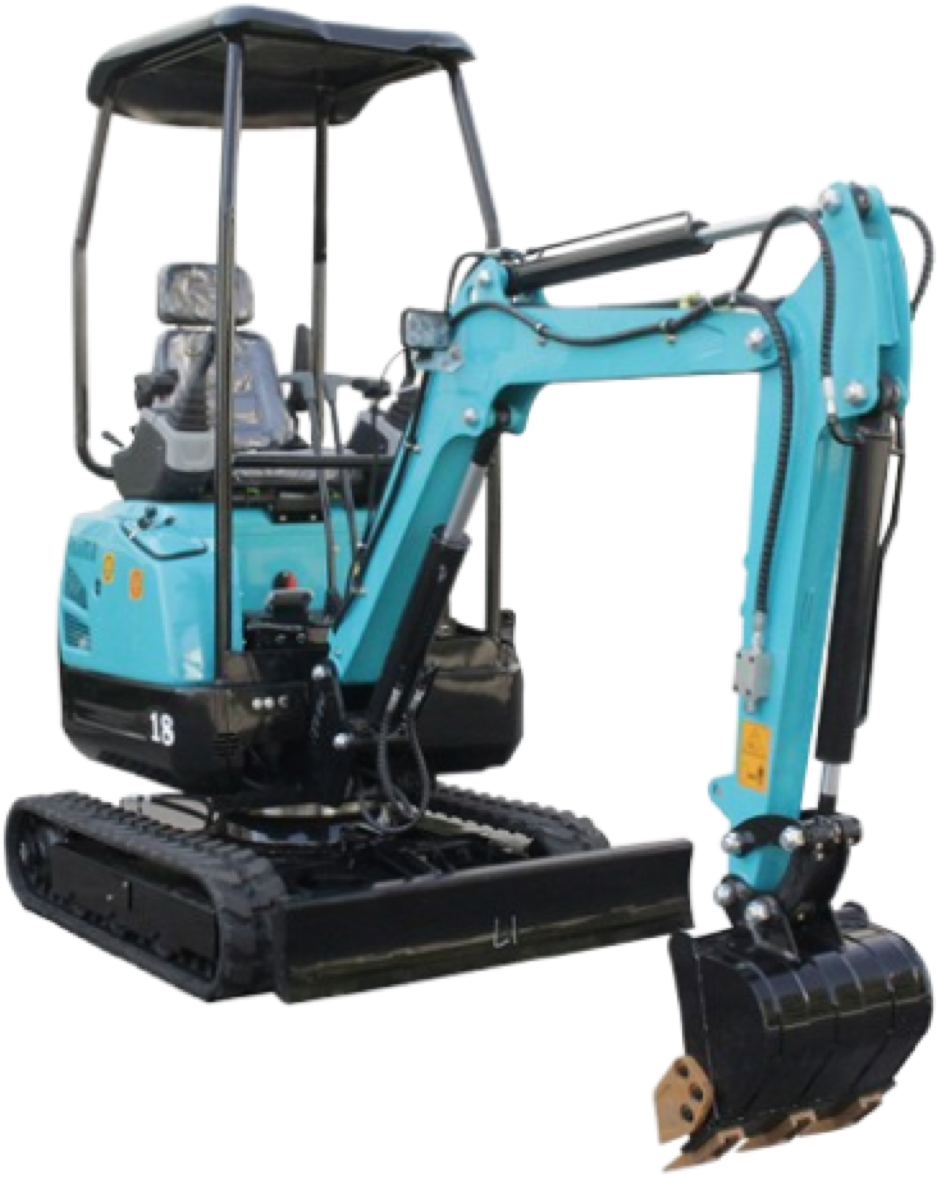


While the standard bucket is indispensable, the true versatility of an excavator is unlocked through its attachments. Swapping tools transforms a digger into a multi-functional powerhouse capable of tackling specialized tasks. This guide explores the most common and useful excavator attachments, their applications, and how to select the right one for your machine and job.
1. The Foundation: Bucket Varieties
Even buckets come in specialized forms beyond the general-purpose digger.
Trenching Bucket (Ditching Bucket): A long, narrow bucket designed for digging clean, vertical-sided trenches with minimal soil disturbance, ideal for pipe and cable laying.
Skeleton Bucket (Rock Bucket): Features large gaps between tines or ribs. Used for sifting and separating rocks from soil, sorting demolition debris, or drainage work where material needs to be screened.
Grading Bucket (Cleanup Bucket): A wide, flat bucket with a straight or slightly curved cutting edge. Perfect for final grading, leveling soil, spreading material, and backfilling with precision.
2. Breaking & Demolition Attachments
Hydraulic Breaker (Hammer): The most common demolition attachment. Delivers powerful, high-frequency blows to break concrete, rock, asphalt, and frozen ground. Selection is critical—using a breaker that's too large or small for your excavator damages the tool or the machine.
Hydraulic Shear: Acts like giant, powerful scissors. Used for cutting steel (I-beams, rebar), concrete structures, and in scrap processing. Ideal for controlled demolition.
Pulverizer / Concrete Crusher: A jaw-like attachment that crushes concrete and separates rebar. Used for on-site recycling of demolition waste into usable aggregate.
3. Material Handling & Landscaping Attachments
Hydraulic Thumb (Mechanical or Hydraulic): An add-on to the standard bucket that acts like a opposable thumb, enabling the machine to grip and carry irregularly shaped objects like rocks, logs, or boulders.
Grapple (Clamshell or Root): A dedicated attachment with two or more hinged tines. Excellent for sorting, loading loose material (logs, scrap, rocks), clearing brush, and handling bulk waste.
Auger (Earth Drill): Used for drilling holes for fences, signs, footings, or tree planting. Available in various diameters and lengths. Requires a hydraulic drive motor attachment.
4. Specialized & High-Precision Attachments
Tiltrotator (Tilting Quick Coupler): Not an attachment itself, but a game-changing piece of equipment mounted between the excavator arm and the attachment. It allows the attached tool to rotate 360 degrees continuously and tilt side-to-side, enabling unparalleled precision for grading, digging on slopes, and complex trenching without repositioning the machine.
Compaction Wheel: A vibratory drum used to compact soil, gravel, or asphalt in trenches or around foundations, replacing walk-behind compactors for larger areas.
How to Choose the Right Attachment: Key Factors
Machine Compatibility: This is paramount. Check your excavator's:
Operating Weight & Hydraulic Flow (GPM/LPM): Every attachment has a required weight range and hydraulic flow/pressure specification. Exceeding or underutilizing these limits is dangerous and inefficient.
Carrier Class: Ensure the attachment is rated for your excavator's size (e.g., "for 15-25 ton machines").
Quick Coupler System: Invest in a hydraulic quick coupler. It allows for fast, safe attachment changes from the cab in minutes, dramatically increasing jobsite flexibility and productivity.
Job Frequency vs. Cost: For frequent, specialized work, purchasing an attachment makes sense. For one-off projects, consider renting from an equipment dealership.
Material & Task: Match the tool precisely to the material (e.g., rock vs. topsoil) and the desired outcome (e.g., breaking vs. cutting vs. compacting).
Conclusion
Your excavator is a Swiss Army knife, and attachments are its various blades. By understanding the extensive range of tools available—from basic bucket variants to high-tech tiltrotators—you can dramatically expand your machine's capabilities and the services you can offer. Always prioritize compatibility, invest in a quick coupler system, and choose the right tool for the job to maximize productivity, safety, and return on your equipment investment.
Our manager will contact you shortly.
To contact you about our products and services.


Copyright © Xingtai Beiqiang Machinery Manufacturing Factory. 2025.
Technical support:Echola