

.jpg)
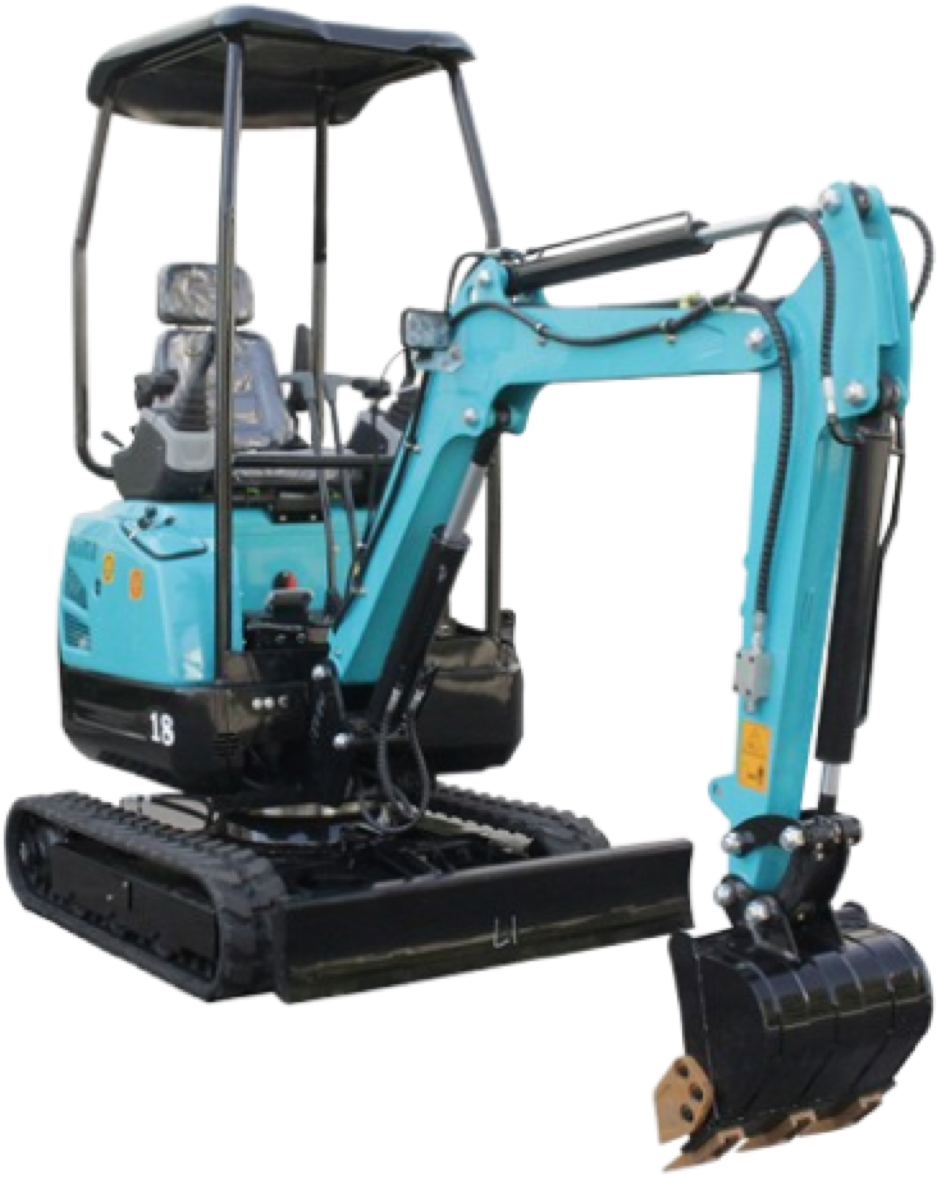
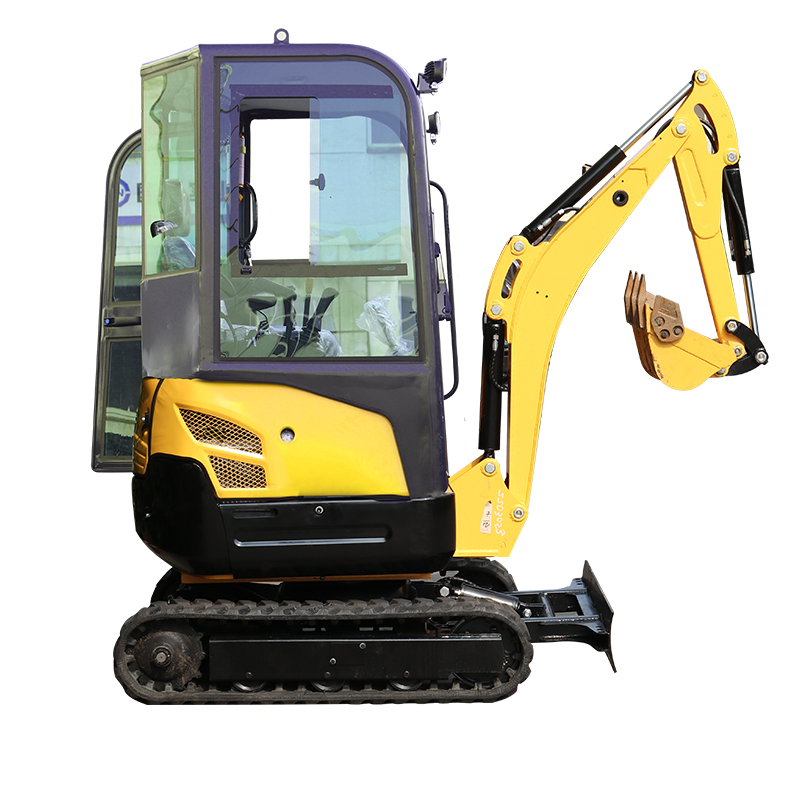
Owning or operating an excavator involves more than just completing tasks—it requires a steadfast commitment to safety and proactive maintenance. Proper practices protect your most valuable assets: your people and your equipment. This guide covers essential safety protocols, routine maintenance, and the real costs of owning an excavator.
Part 1: Non-Negotiable Safety Operations
Excavators are powerful but pose significant risks if operated carelessly.
1. Pre-Operation Planning & Inspection
Site Assessment: Before starting, always identify all underground utilities (call 811 in the US), overhead obstacles like power lines, and unstable ground conditions (e.g., trench edges, slopes).
Daily Machine Inspection (Walk-Around): The operator must perform a visual check, including:
Tracks/Tires: Look for damage, excessive wear, or tension issues.
Fluid Leaks: Check under the machine for hydraulic oil, engine oil, or coolant leaks.
Structure: Inspect the boom, arm, and bucket for cracks or weld failures.
Lights & Alarms: Test all lights, backup alarms, and cameras/monitors.
Cab: Ensure the cab is clean, all controls are neutral, and entry/exit ladders are secure.
2. Core Safe Operating Procedures
Stability is Key: Always operate on level, solid ground. Keep the machine's center of gravity within the track or wheel base. Avoid heavy lifts over the side.
Maintain Safe Distance: Establish and mark the excavator's swing radius as a danger zone. Use a dedicated spotter when moving or working near blind spots.
Safe Mounting/Dismounting: Always face the machine and maintain three-point contact (two hands and one foot, or two feet and one hand). Never jump.
Transportation Safety: When transporting, center the excavator on the trailer, lower the attachment fully to the deck, engage the swing lock, and use proper tiedowns and chains.
Part 2: Preventive Maintenance Schedule
Following the manufacturer's recommended service intervals is the best way to prevent costly downtime and major repairs.
Daily/Pre-Start: Check engine oil, coolant, and hydraulic fluid levels. Inspect for leaks. Clean air pre-cleaner and cab filters. Grease all pivot points (boom, arm, bucket linkages).
Weekly/50 Hours: Clean radiator and cooler cores of debris. Check track tension and battery condition. Inspect bucket teeth and cutting edges for wear.
Monthly/250 Hours: Change engine oil and filters (if specified). Inspect hydraulic hoses for abrasion and fitting leaks. Check swing gearbox and final drive oil levels.
Semi-Annual/1000 Hours: Replace all main filters (fuel, air, hydraulic). More thorough inspection of undercarriage components for wear. Check valve clearances (per manual).
Part 3: Understanding Total Cost of Ownership (TCO)
The purchase price is just the beginning. Smart buyers calculate TCO.
Depreciation: The largest cost. Resale value is heavily influenced by brand reputation, service history, and overall condition.
Financing/Interest: The cost of the loan or lease used to acquire the machine.
Operating Costs:
Fuel: A major variable cost. Idle management and proper machine sizing directly impact this.
Maintenance & Repairs: Includes routine service (fluids, filters, grease) and unexpected repairs. A well-maintained machine has lower repair costs.
Attachments & Wear Parts: Bucket teeth, cutting edges, and track pads are recurring expenses.
Insurance & Registration: Required for protection and legal operation.
Downtime: The hidden killer. A machine that isn't working costs money in lost productivity and project delays, while repair bills add up.
Conclusion
Treating your excavator with respect through rigorous safety protocols and disciplined maintenance is not an expense—it's an investment. It directly leads to a safer work environment, higher machine availability, lower long-term operating costs, and a stronger residual value. By mastering the practical aspects outlined in this guide, operators and owners ensure their equipment remains a reliable and profitable asset for years to come.
Our manager will contact you shortly.
To contact you about our products and services.


Copyright © Xingtai Beiqiang Machinery Manufacturing Factory. 2025.
Technical support:Echola