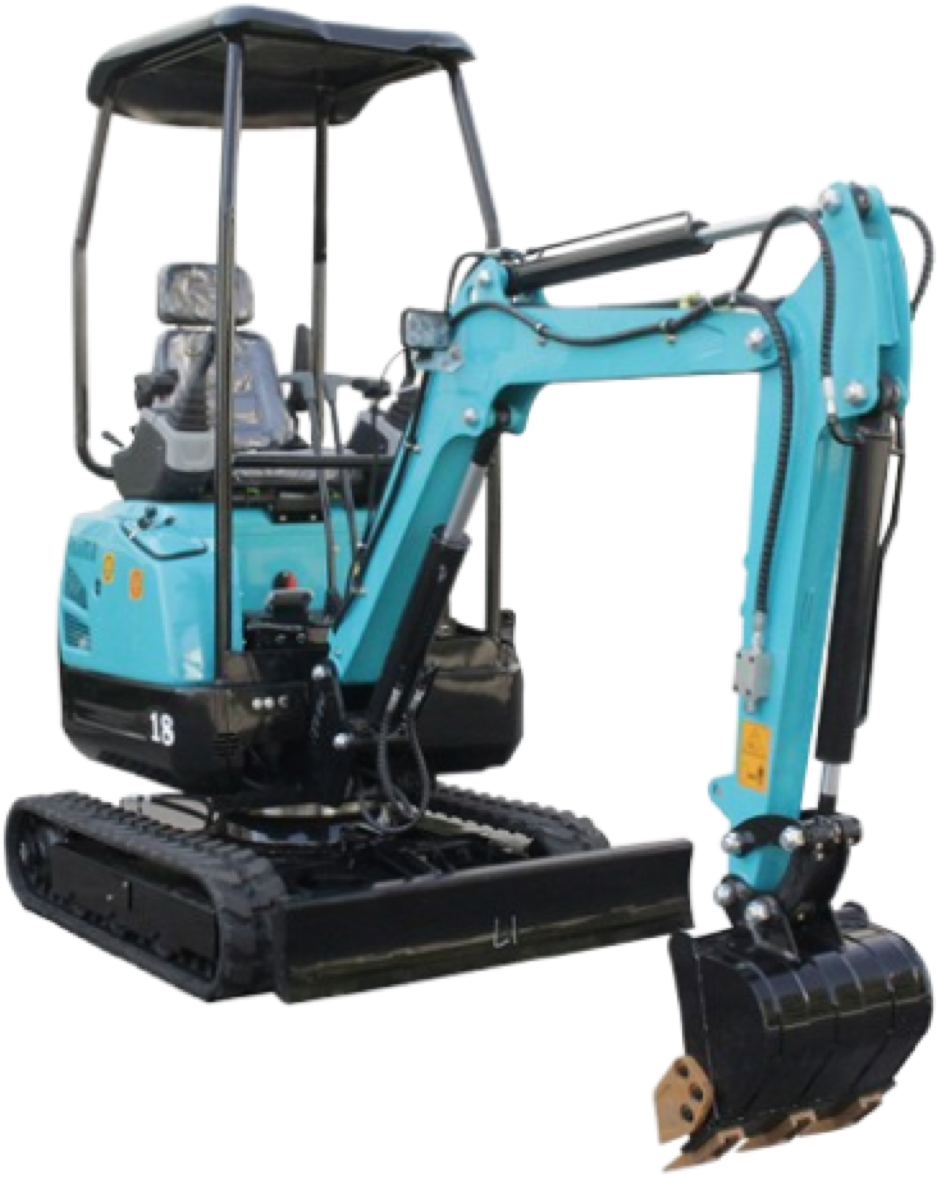


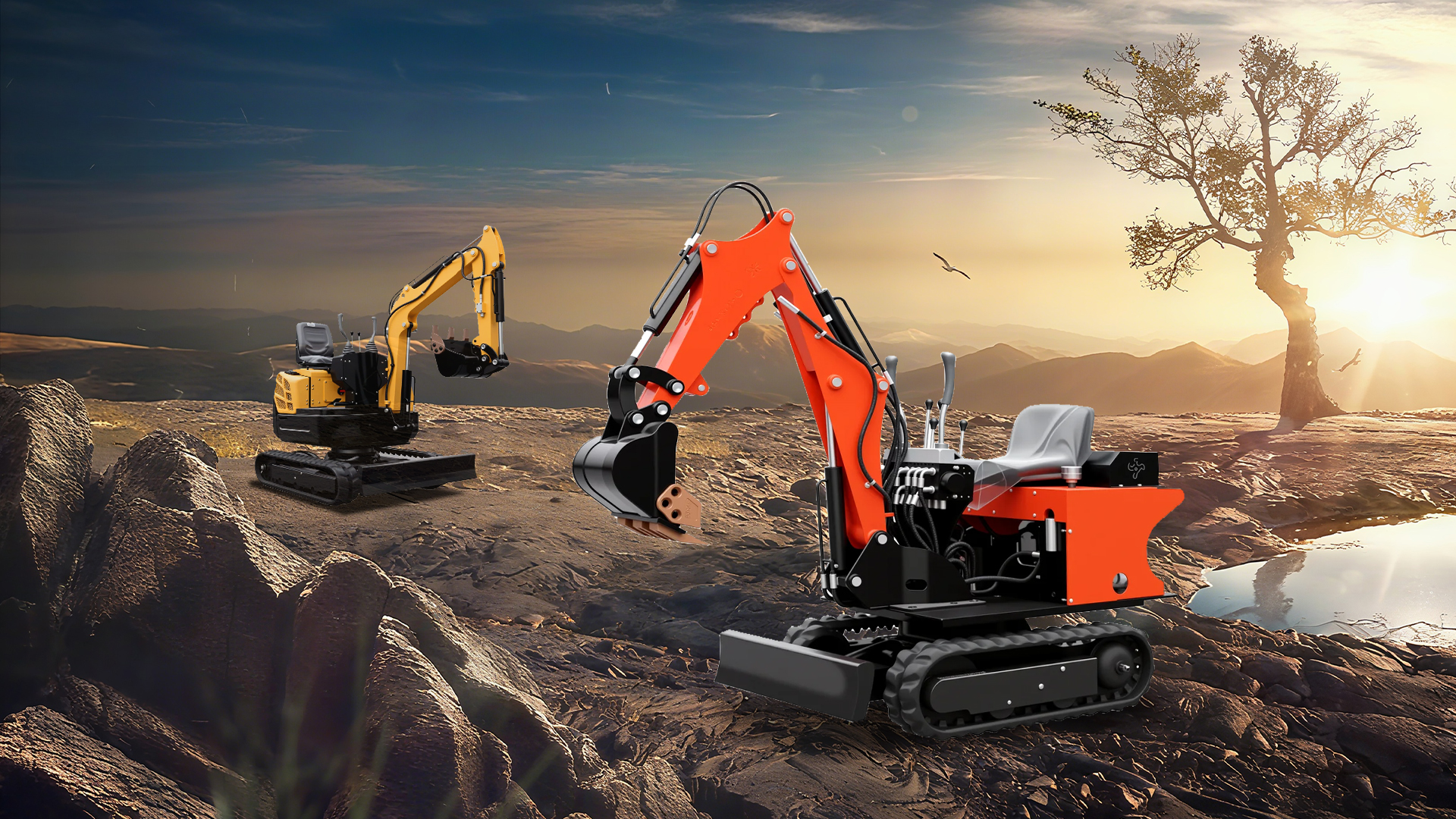
The image of an excavator as a simple, powerful digger is rapidly evolving. Today, it's a sophisticated, technology-packed hub at the heart of the modern construction site. For operators and fleet managers, understanding these advancements is key to staying competitive. This article explores the latest trends in excavator operation, technology, and the future of the industry.
The Technology-Powered Operator's Cabin
The cab is no longer just a seat and levers. It has become a digital command center.
Grade Control & 3D Machine Control: Integrated GPS and GLONASS systems, paired with on-board sensors and site design files, allow operators to dig to precise design grades directly from a tablet-like screen. This eliminates stakes and string lines, reduces rework, and dramatically increases accuracy and speed.
Advanced Telematics: Systems like CAT® Product Link™ or Komatsu Komtrax® provide real-time data on machine location, fuel consumption, idle time, maintenance alerts, and productivity metrics. Fleet managers can optimize utilization and schedule proactive maintenance.
Enhanced Vision & Safety: 360-degree camera systems provide a bird's-eye view of the machine's surroundings, virtually eliminating blind spots. Object detection systems can alert operators to nearby workers or obstacles.
The Rise of Electric and Hybrid Excavators
Sustainability and new regulations are driving a significant shift in power sources.
Electric Excavators: Major manufacturers now offer compact and medium-sized electric models. They produce zero on-site emissions, drastically reduce noise pollution (ideal for urban and indoor work), and have lower operating costs due to fewer moving parts and no diesel.
Benefits: Beyond being eco-friendly, electric excavators offer instant torque for smooth, powerful operation and can operate in sensitive environments like food processing plants or hospitals.
The Operator's Role: From Lever-Puller to Data Manager
Technology doesn't replace the operator; it elevates the role. The modern operator must be:
Tech-Savvy: Comfortable interacting with touchscreen interfaces and understanding digital site plans.
Efficiency-Focused: Using technology to optimize movements, reduce fuel/electricity use, and minimize material waste.
Analytical: Interpreting telematics data to self-correct and improve daily performance.
Industry Trends Shaping the Future
Autonomous and Remote-Controlled Operation: While fully autonomous large-scale excavation is still developing, remote-controlled operation is already used in hazardous environments like demolition or disaster zones. Semi-automatic functions (like repetitive digging cycles) are becoming more common.
Attachment Intelligence: Smart attachments with their own sensors can provide feedback to the machine, automatically adjusting hydraulic flow and pressure for optimal performance, whether breaking rock or handling delicate pipes.
Focus on Operator Wellness: Ergonomic cabs with advanced suspension seats, better climate control, and intuitive controls reduce fatigue, leading to safer and more productive shifts.
Conclusion
The excavator industry is undergoing a profound technological revolution. The focus has shifted from raw power alone to precision, efficiency, connectivity, and sustainability. For businesses, investing in these technologies and training operators to leverage them is no longer optional—it's essential for winning bids, controlling costs, and meeting the demands of modern construction projects. The future job site will be smarter, cleaner, and more productive, with the advanced excavator playing a central role.
Our manager will contact you shortly.
To contact you about our products and services.


Copyright © Xingtai Beiqiang Machinery Manufacturing Factory. 2025.
Technical support:Echola