

Selecting the correct excavator for your project is crucial for efficiency, safety, and budget. With numerous sizes and configurations available, understanding key specifications will ensure you choose a machine that matches your job requirements. This guide walks you through the main factors to consider.
1. Size and Weight Class
Excavators are categorized by operating weight, which directly impacts their power and stability.
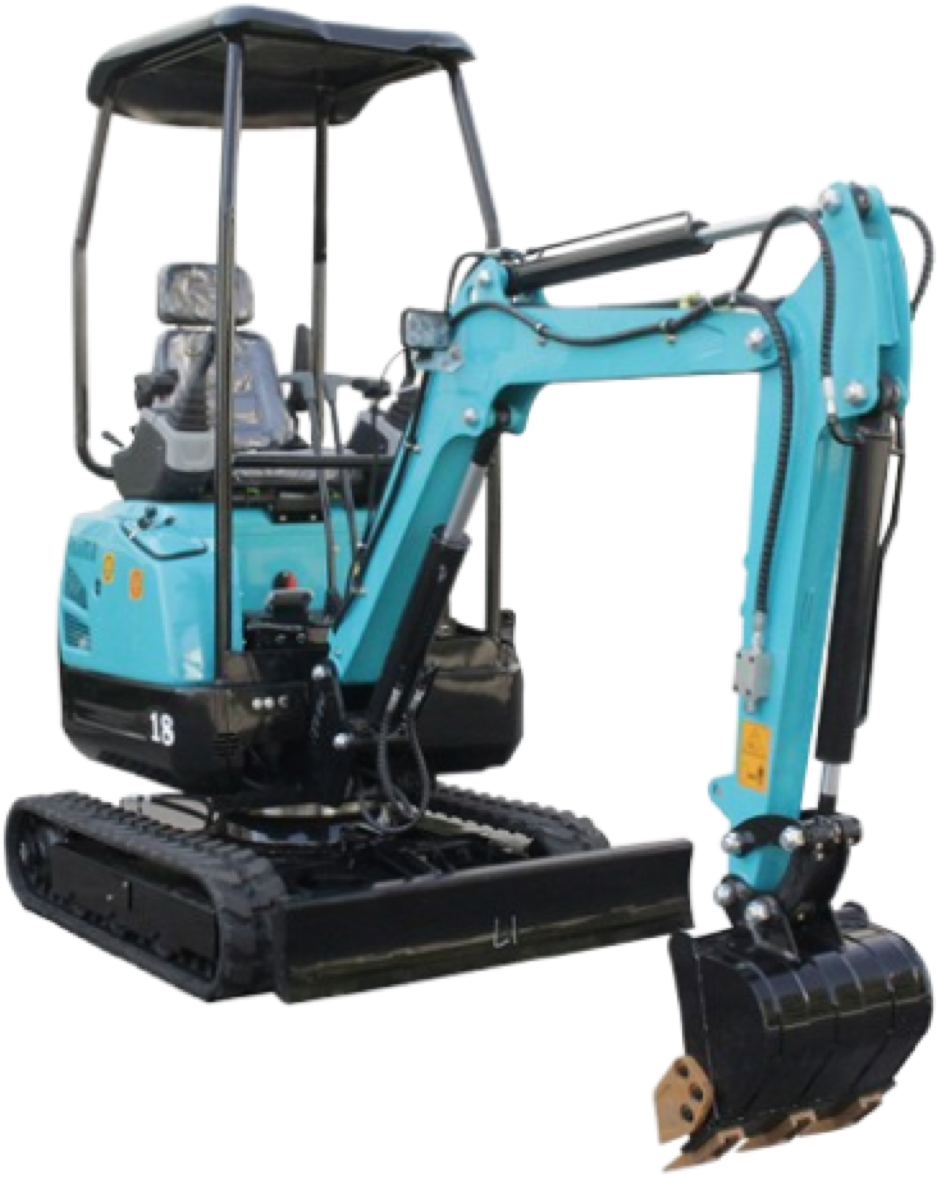
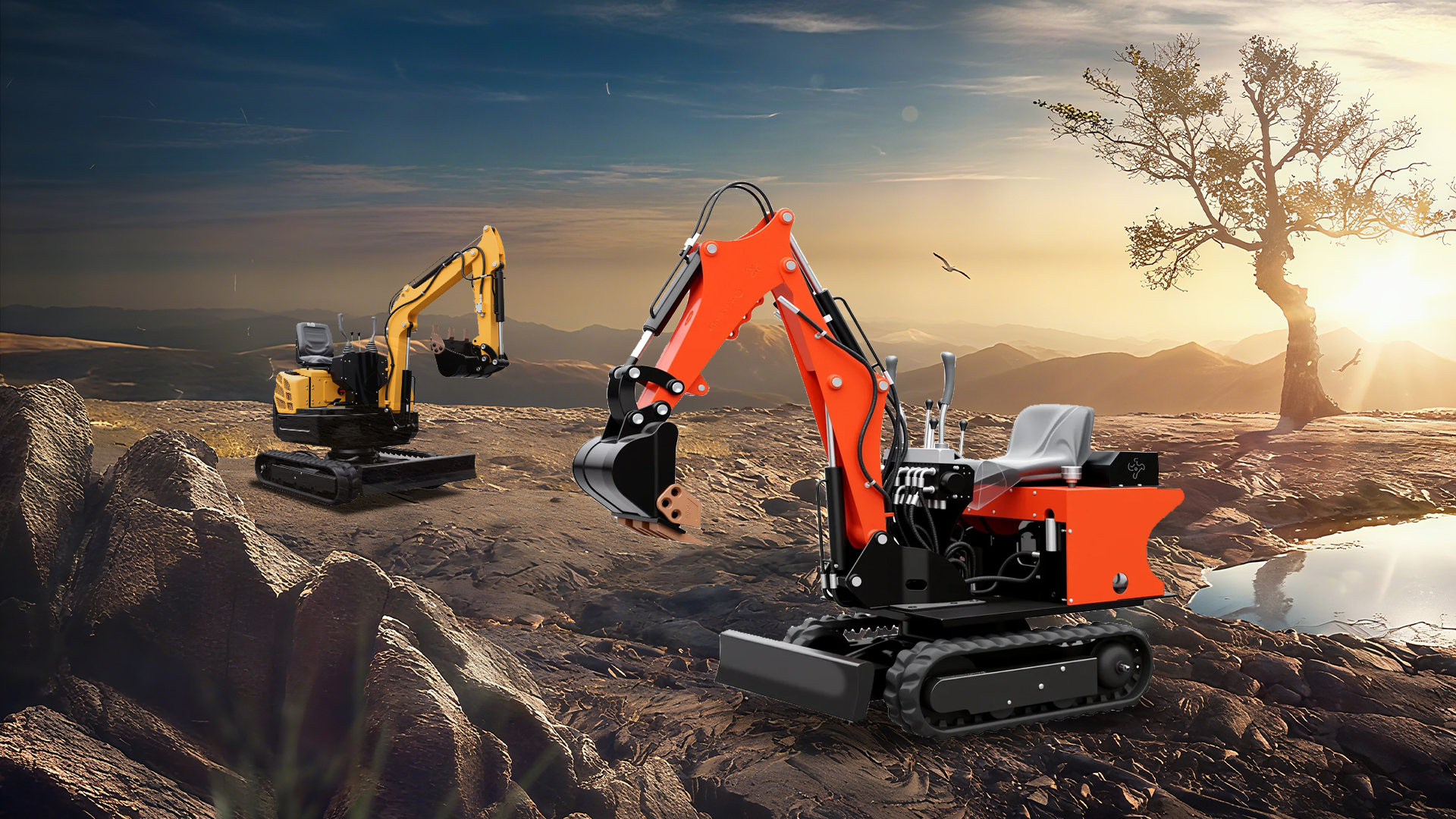
Mini/Compact Excavators (Under 7 tons): Ideal for residential work, landscaping, utility work, and confined spaces. They offer excellent maneuverability with minimal ground disturbance.
Mid-Size Excavators (7 to 45 tons): The most versatile class, suited for general construction, roadwork, and larger landscaping projects. They balance power, attachment versatility, and transportability.
Large/Long-Reach Excavators (45+ tons): Used for heavy construction, mining, quarrying, and major demolition. They provide maximum digging depth, reach, and lifting capacity.
2. Critical Performance Specifications
Horsepower (HP): Determines the engine's power, affecting digging force, swing speed, and overall performance, especially under heavy loads.
Bucket Digging Force: Measured in tons or kilonewtons (kN), this indicates the downward pressure the bucket can exert. A higher force is needed for tough materials like clay or rock.
Arm Digging Force: The breakout force the arm can apply to pull material toward the machine.
Maximum Digging Depth & Reach: Essential for trenching, slope work, or dredging. Ensure the machine's dimensions meet your project's depth and horizontal reach requirements.
Lifting Capacity: The maximum weight the excavator can safely lift at specified radii (distances from the center). Crucial for pipe-laying or material handling tasks.
3. Undercarriage Choice: Tracks vs. Wheels
Crawler (Tracked) Excavators: Provide superior traction, stability, and flotation on soft, muddy, or uneven terrain. They are the standard for most off-road applications but require a trailer for transport.
Wheeled Excavators: Offer greater mobility between job sites on paved roads and cause less surface damage. Ideal for municipal work, utilities, and urban projects where moving between locations is frequent.
4. Bucket and Attachment Compatibility
Bucket Type & Capacity: Standard digging buckets come in various widths and capacities (measured in cubic yards or meters). Consider material type (loose soil vs. rock) and required production rate. Specialty buckets (trenching, grading, skeleton) are also available.
Hydraulic Flow & Pressure: If you plan to use hydraulic attachments (breakers, shears, grapples), verify the machine's auxiliary hydraulic system provides sufficient flow (GPM/LPM) and pressure (PSI/bar) to operate them effectively.
5. Operating Cost & Ownership Considerations
Fuel Efficiency: Newer, Tier 4 Final engine models are more fuel-efficient and eco-friendly, impacting long-term operating costs.
Service Accessibility: Check for easy access to maintenance points like filters, greasing fittings, and engine components.
Technology Features: Modern excavators may offer GPS grade control, rear-view cameras, and advanced hydraulics for increased precision and operator efficiency.
Conclusion
Choosing the right excavator involves a careful balance of size, power, capabilities, and cost. By thoroughly assessing your project's terrain, primary tasks (digging, lifting, demolition), material types, and transportation needs, you can match the machine's specifications to your specific demands. Consulting with a trusted equipment dealer to demo different models is always a recommended final step before making your investment.
Our manager will contact you shortly.
To contact you about our products and services.


Copyright © Xingtai Beiqiang Machinery Manufacturing Factory. 2025.
Technical support:Echola