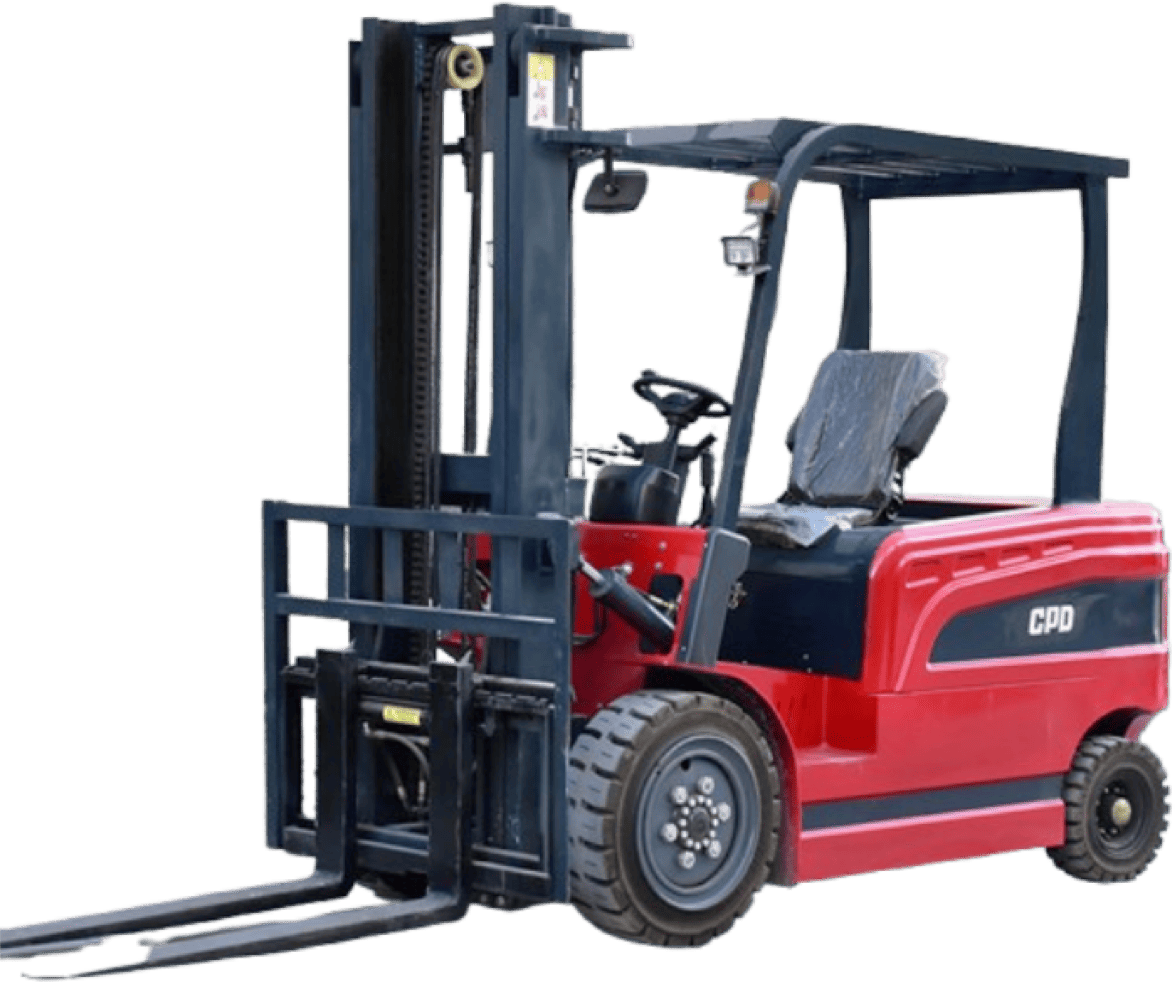
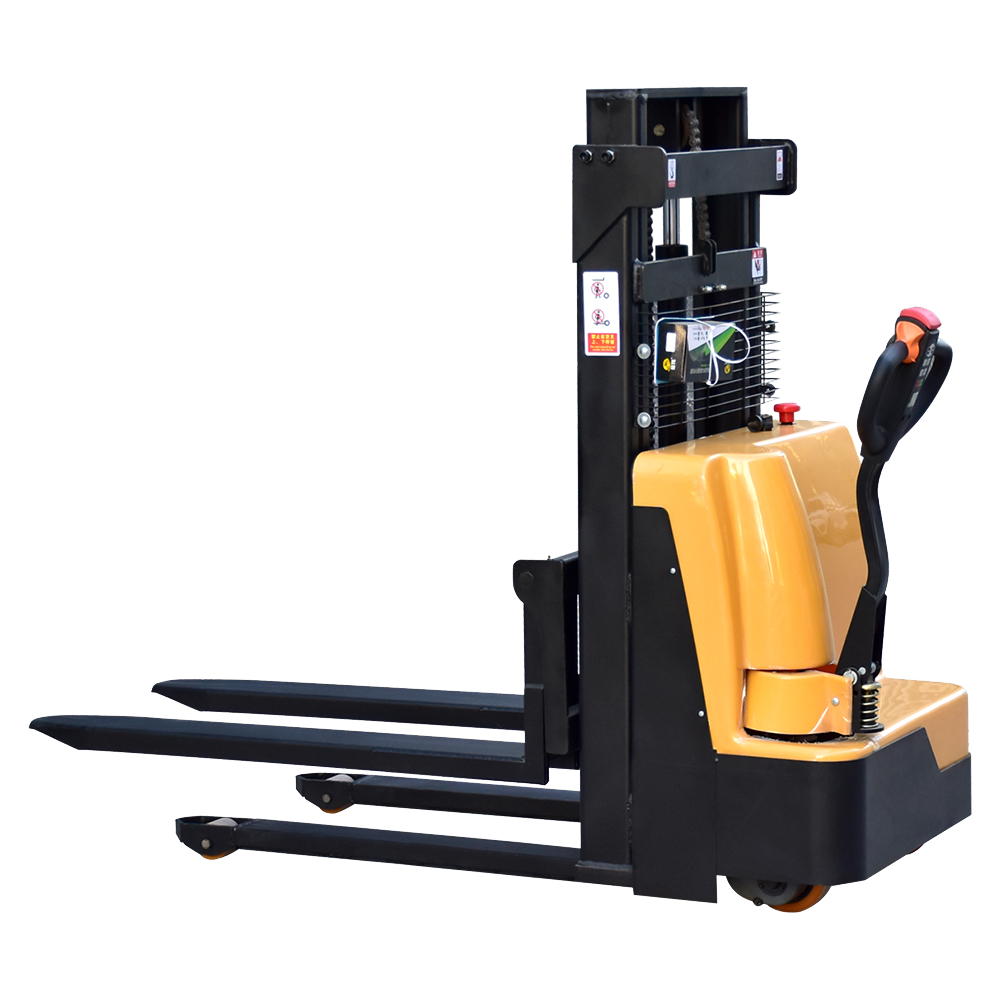
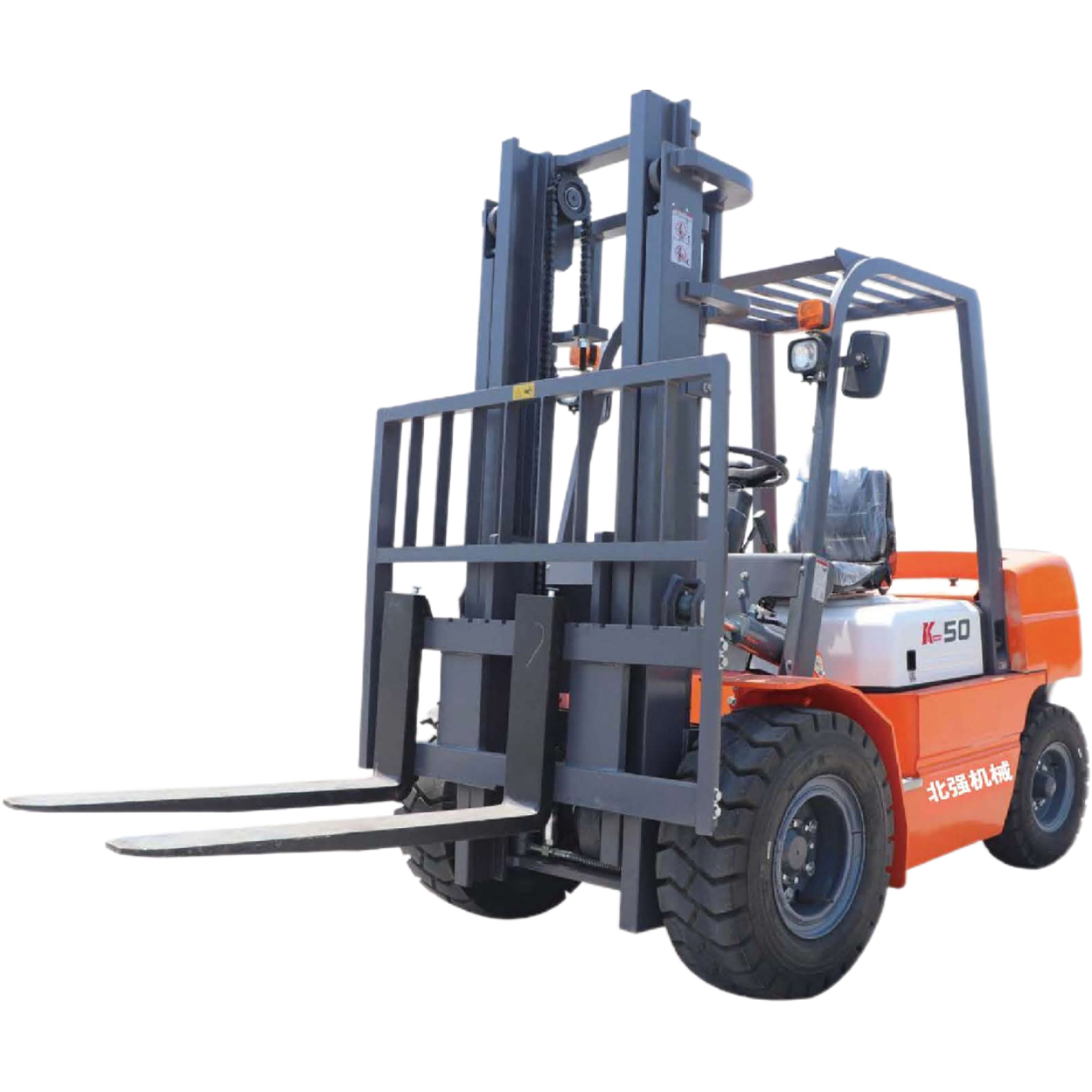
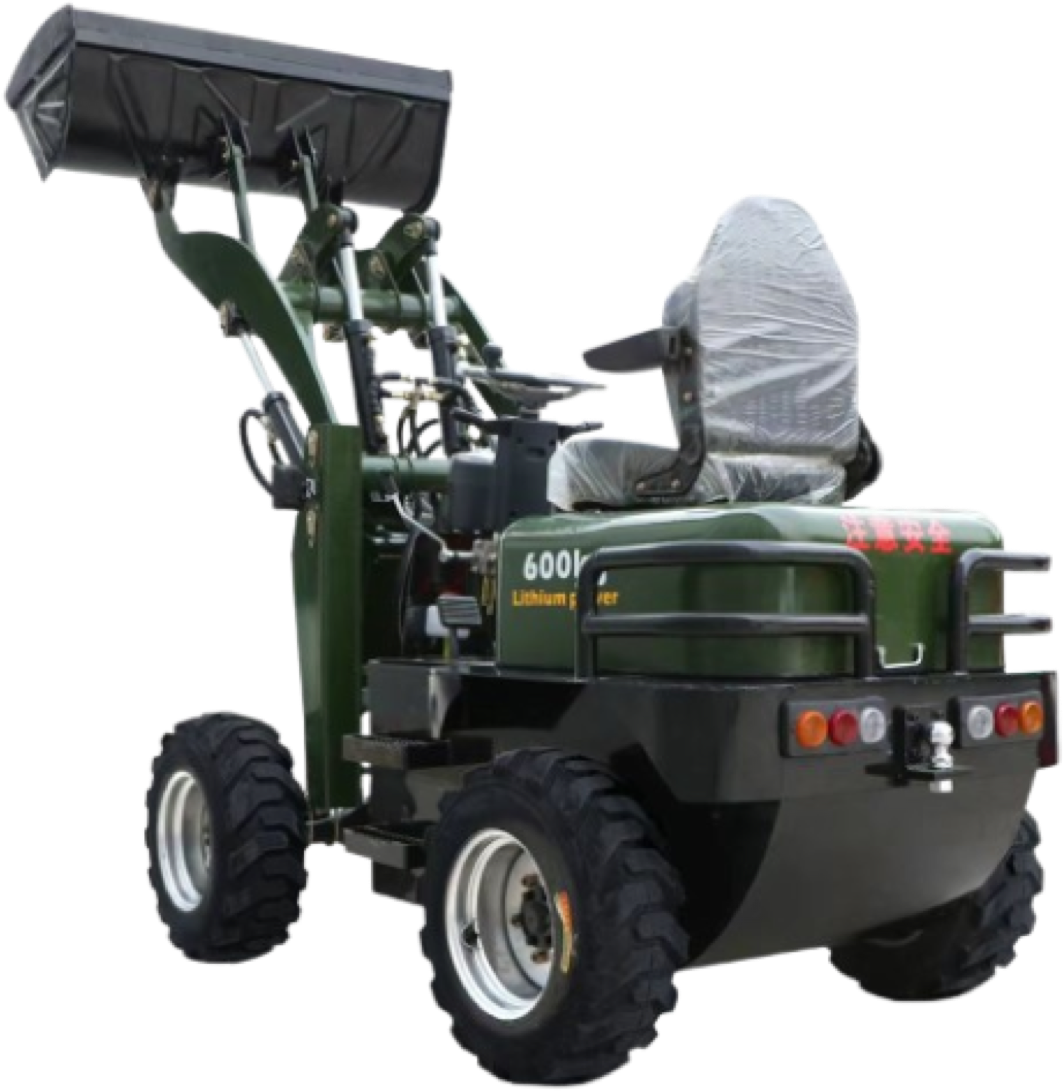
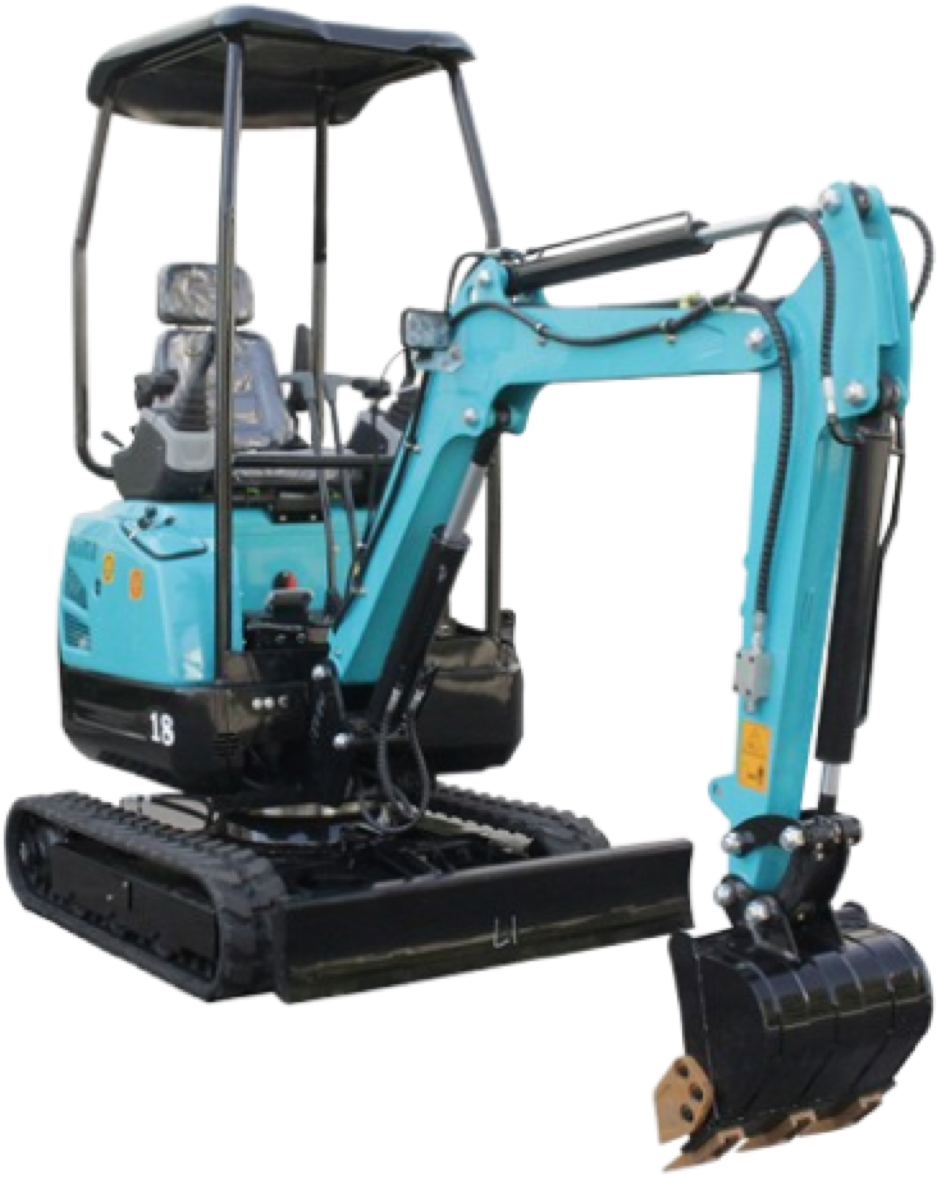


An excavator, often called a digger or 360-degree excavator, is one of the most essential and versatile pieces of heavy equipment in construction, mining, forestry, and demolition. Its primary function is to excavate earth, rocks, and other materials with precision and power. This article provides a complete overview of excavators, including their types, key components, working mechanisms, and wide range of applications.
Main Components of an Excavator
A standard hydraulic excavator consists of several critical parts:
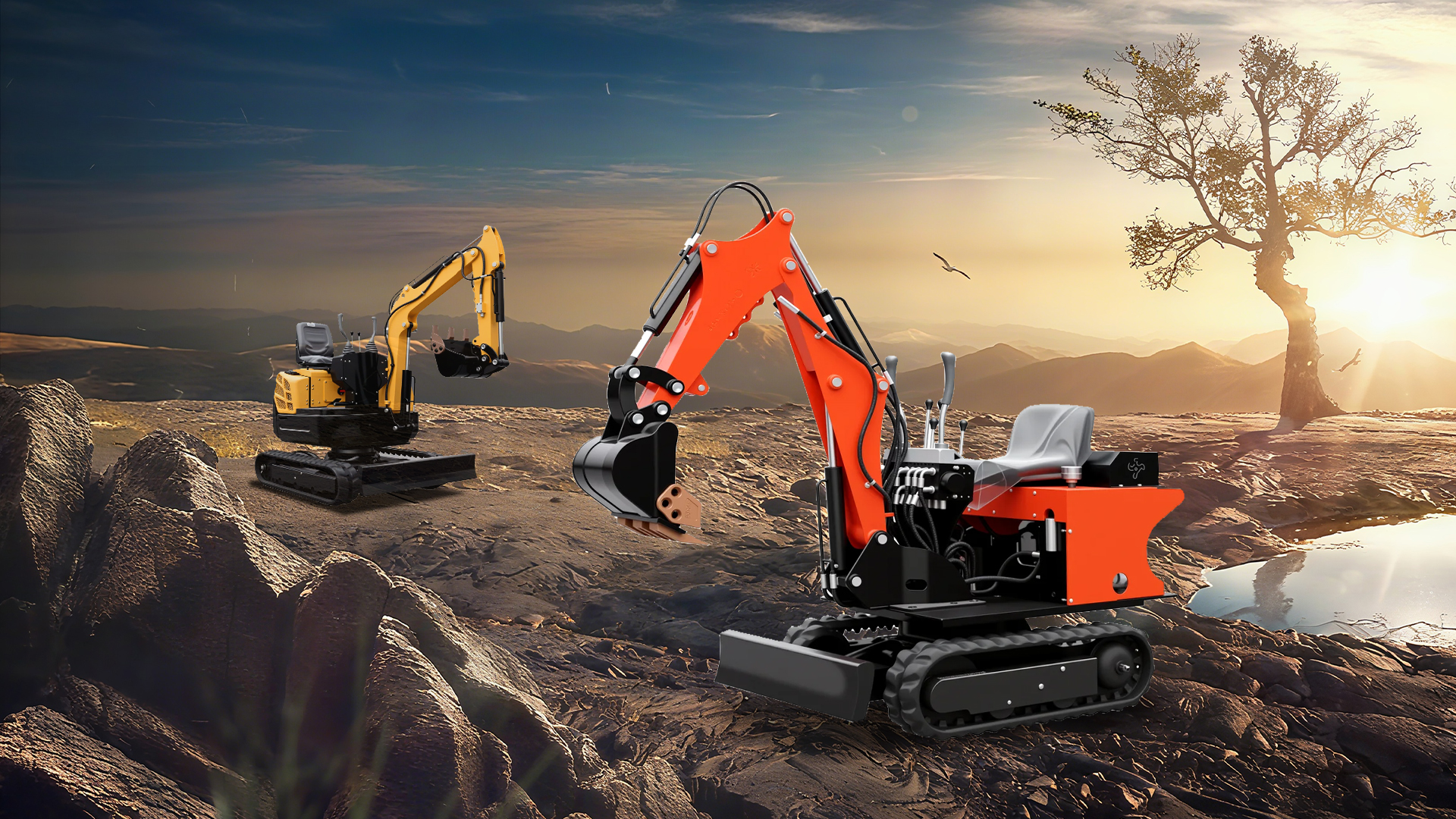
Undercarriage: The base, which includes tracks (crawlers) or wheels for mobility.
Swing House: The rotating platform that houses the engine, hydraulic pumps, and operator’s cab. It can rotate 360 degrees independently of the undercarriage.
Boom and Arm: The boom is attached to the swing house, and the arm (or dipper) connects the boom to the attachment. They provide reach and digging depth.
Attachment: The most common is a bucket for digging, but many others exist (e.g., breakers, grapples).
Hydraulic System: The heart of the machine, using pressurized fluid to power movement, digging force, and rotation.
How Does an Excavator Work?
The operator in the cab uses joysticks and pedals to control the machine. Commands direct hydraulic fluid from pumps to cylinders and motors. The hydraulic cylinders extend and retract to move the boom, arm, and attachment. The swing motor enables smooth rotation. This combination allows for powerful, controlled digging, lifting, and precise material placement.
Major Types of Excavators
Excavators come in various sizes and configurations for different jobs:
Crawler Excavators: The most common type, featuring tracks for excellent stability and mobility on rough, soft, or uneven terrain.
Wheeled Excavators: Equipped with wheels for higher road speed and mobility between urban job sites, causing less damage to pavements.
Mini/Compact Excavators: Small, lightweight machines ideal for residential projects, landscaping, and jobs in confined spaces.
Long-Reach Excavators: Fitted with extended booms and arms for demolition, dredging, and deep trenching.
Dragline Excavators: Massive machines used in large-scale mining and civil engineering projects.
Common Applications and Uses
Excavators are incredibly versatile. Key applications include:
Construction: Digging foundations, trenches, and basements; grading landscapes; and site preparation.
Demolition: Equipped with hydraulic breakers or shears to break down structures.
Material Handling: Lifting and placing pipes, rocks, and other heavy materials using specialized grapples or hooks.
Mining: Extracting minerals and overburden, especially with larger models.
Forestry: Clearing land and handling logs with grapple attachments.
River Dredging: Cleaning and deepening waterways with long-reach configurations.
Conclusion
From small backyard renovations to massive mining operations, the excavator is a cornerstone of modern industry. Its combination of strength, precision, 360-degree mobility, and attachment versatility makes it an indispensable tool. Understanding its types, components, and capabilities helps in selecting the right machine for any earth-moving task, ensuring efficiency, safety, and productivity on the job site.
Our manager will contact you shortly.
To contact you about our products and services.


Copyright © Xingtai Beiqiang Machinery Manufacturing Factory. 2025.
Technical support:Echola